For as long as humans have been able to record their thoughts, we’ve been captivated by the cosmos. Ancient cultures, even before telescopes existed, studied the night sky and explained the movements of stars and planets through stories, beliefs, and predictions. Over time, our understanding of space has changed dramatically. We used to think Earth was the center of everything, but now we know it’s just a small planet in a vast universe. This discovery hasn’t lessened our curiosity, though. In fact, as science has allowed us to chart the stars and measure the distances between galaxies, space has become a new frontier for exploration.
From the very beginning, space travel has been a central idea in science fiction. The genre uses the immense scale of the universe to ask big questions about life beyond Earth and our place in the cosmos, challenging both characters and viewers to consider the incredible vastness of reality. These stories often explore humanity’s potential to move beyond Earth, pushing the boundaries of our technology and testing how well we can cope with complete isolation. It’s no surprise that film quickly adopted these themes. Over a century ago, Georges Méliès’ short film, A Trip to the Moon, created many of the visual ideas we still associate with space travel today, demonstrating how our imagination often goes further than our actual capabilities. Since then, the astronaut has become a powerful symbol in film, representing both individual courage and our shared drive for scientific progress.
7) Contact

Unlike many science fiction films about astronauts, Contact stands out for its focus on the serious scientific process needed to communicate with aliens. The story follows Ellie Arroway, an astronomer played by Jodie Foster, whose search for a strange signal from a distant star system sparks a worldwide clash between science and established beliefs. While much of the film deals with the impact of this potential contact on Earth, it eventually leads to a space journey that challenges our understanding of time and memory. By highlighting these conflicts, Contact explores the human side of scientific advancement, suggesting that discovering alien life would force us to rethink everything about who we are. The film’s dedication to scientific accuracy also makes even its most fantastical moments feel grounded and believable.
6) Solaris
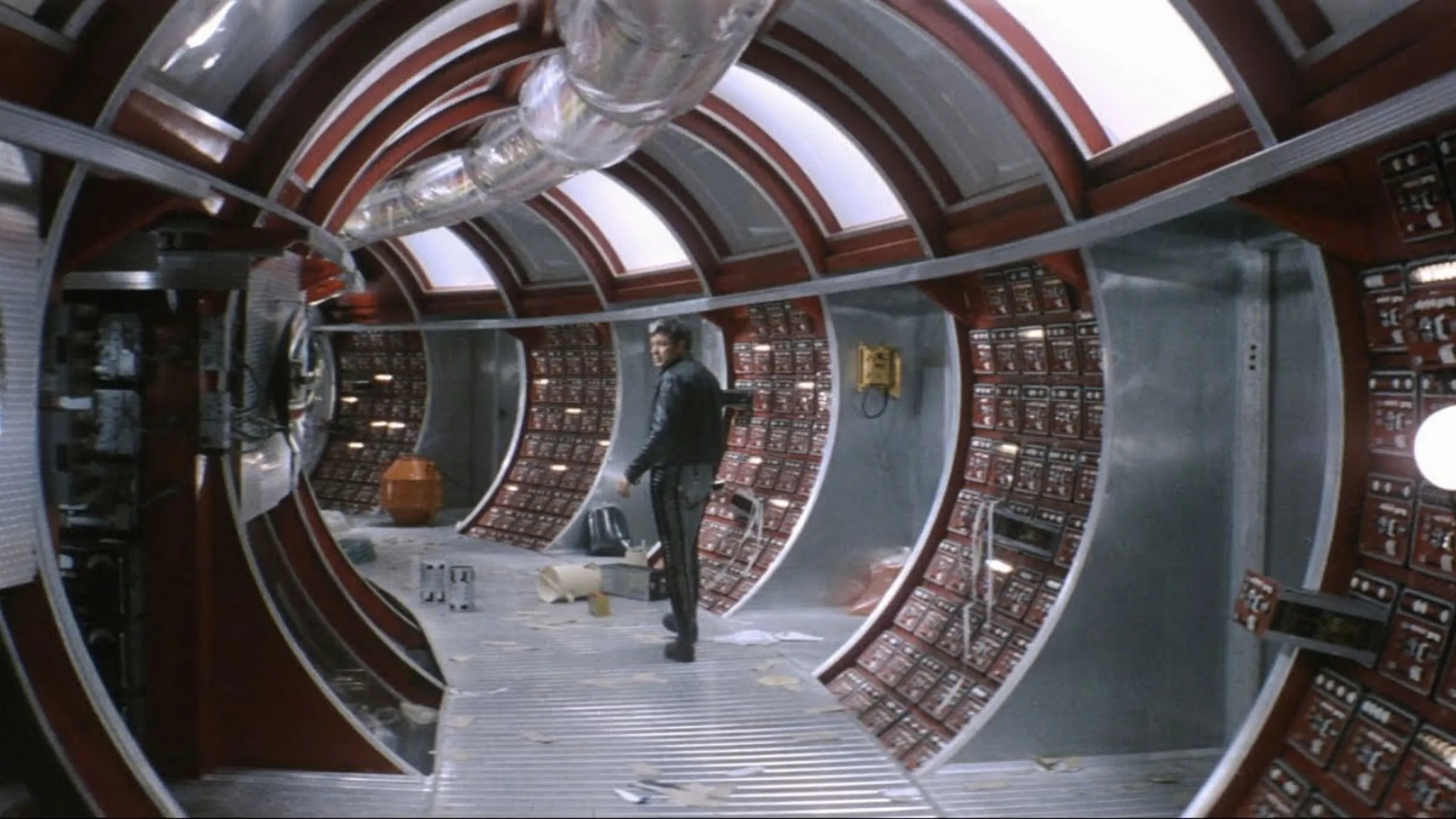
The 1972 film Solaris offers a strikingly beautiful contrast to the generally hopeful themes found in much Western science fiction. The story centers on psychologist Kris Kelvin, who journeys to a space station above a living ocean planet to assess the deteriorating mental states of the crew stationed there. Instead of focusing on spaceships or futuristic technology, Solaris delves into the astronauts’ inner lives, as the planet mysteriously creates physical manifestations of people from their past. This gives the film a slow, immersive pace and a thought-provoking narrative, turning it into a somber exploration of how difficult it is for humans to connect and truly understand something completely foreign. Even today, the film’s depiction of the intelligent ocean is considered a landmark achievement in practical effects, creating a powerful feeling of cosmic horror.
5) Moon
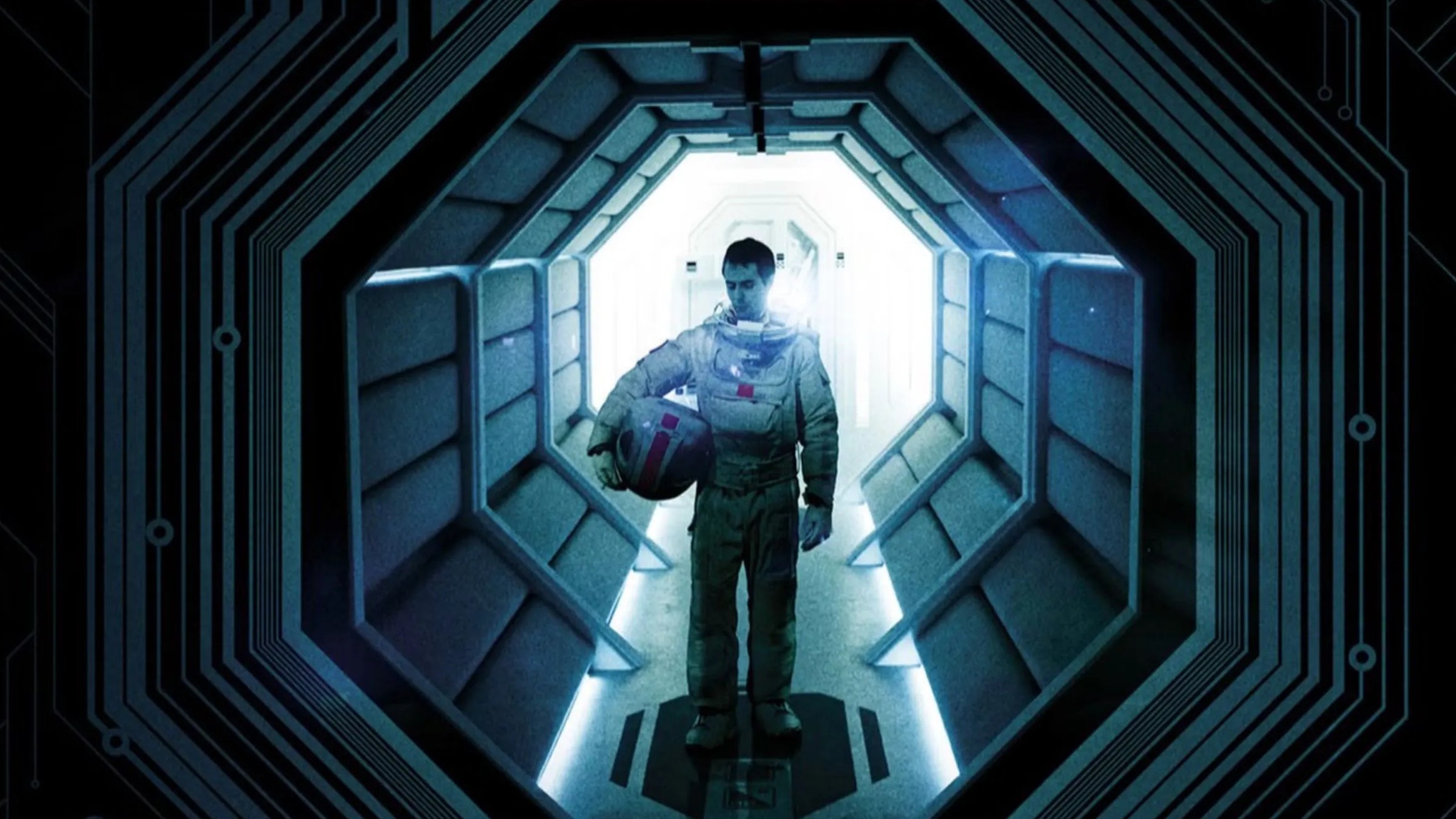
Duncan Jones created a truly gripping film with Moon, largely thanks to Sam Rockwell’s powerful performance as an astronaut struggling with loneliness on the Moon. The movie follows Sam Bell near the end of a three-year mission mining the far side of the Moon, when odd events lead him to doubt who he is and the motives of the company he works for. What begins as a story of survival evolves into a moving exploration of personal freedom and how corporations can take advantage of individuals. The connection between Sam and GERTY, his robotic helper (voiced by Kevin Spacey), provides a surprising touch of humanity in an otherwise sterile environment, making the eventual uncovering of the truth behind Moon all the more impactful.
4) The Martian
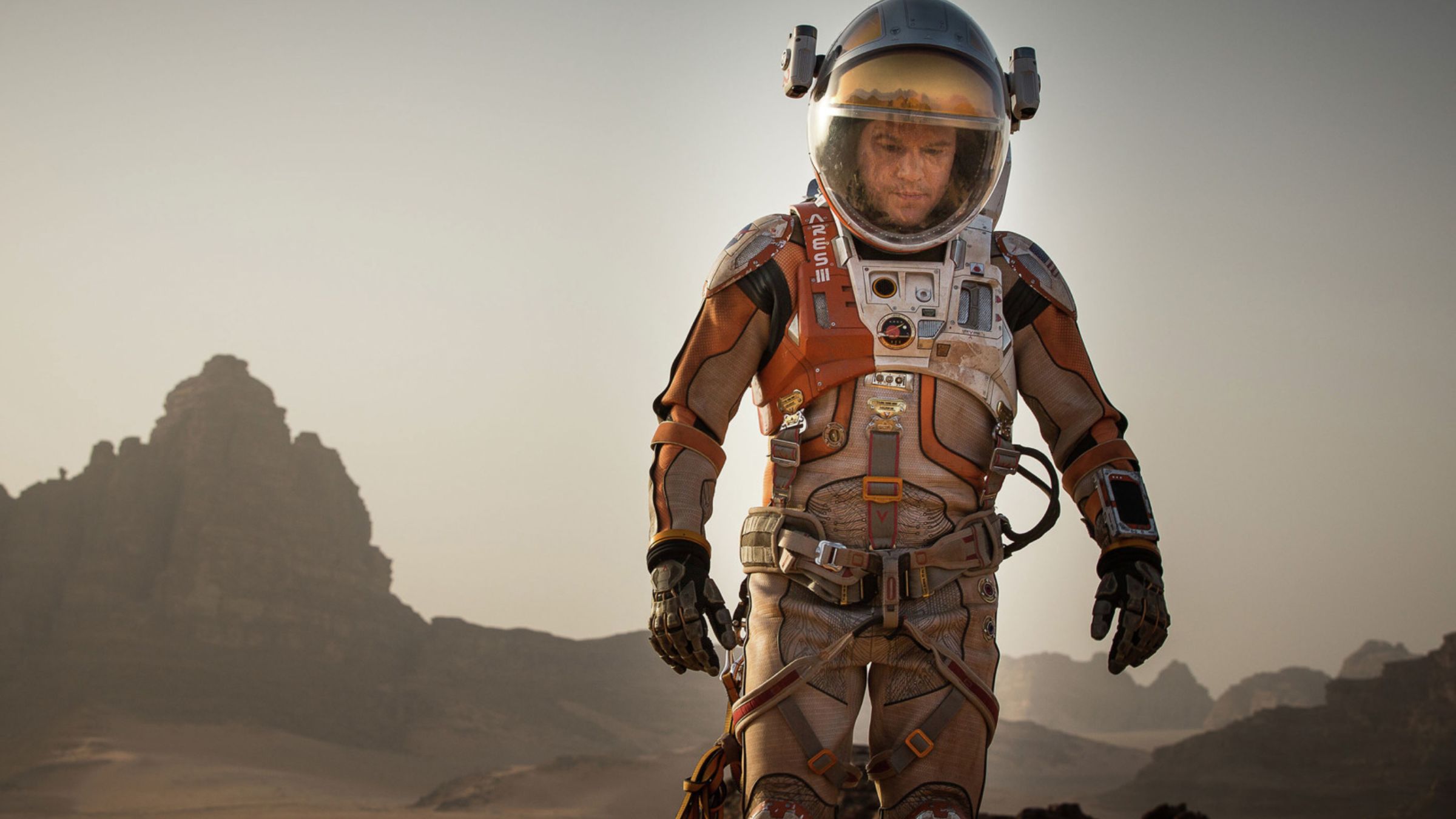
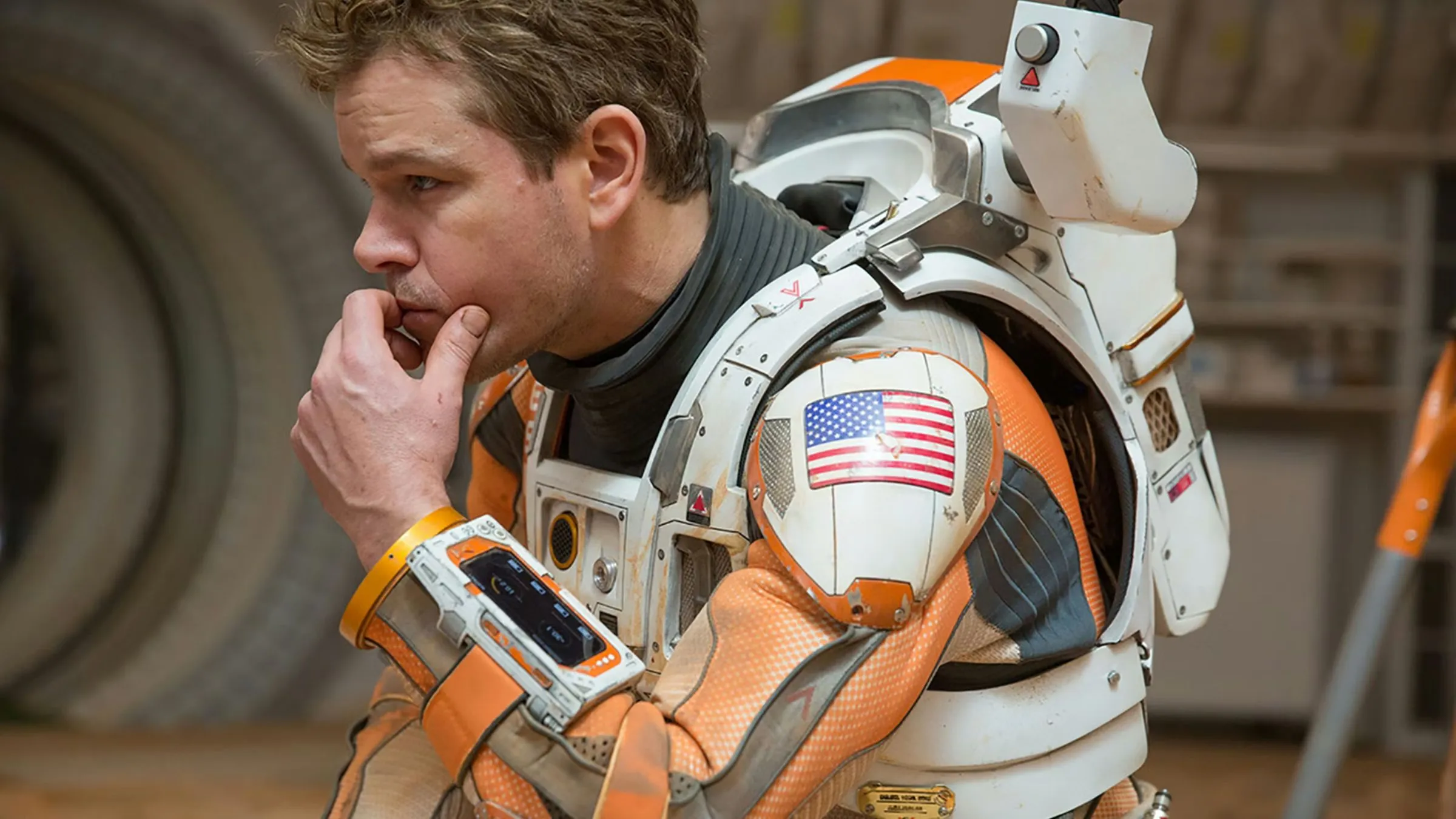
Ridley Scott’s The Martian brought a fresh energy to space adventure films, focusing on the cleverness and determination needed to survive in a harsh, unforgiving environment like Mars. The film stands out for its hopeful outlook, highlighting the power of science and logical thinking instead of dwelling on hopelessness. The story is straightforward: astronaut Mark Watney (Matt Damon) is mistakenly left behind on Mars and must use his botany skills to stay alive until NASA can organize a rescue, which is millions of miles away. What makes the film special is its realism – the challenges Watney faces are based on actual science, making his problem-solving feel incredibly heroic. The film also showcases a worldwide effort, demonstrating how the survival of one person can inspire a global community.
3) Interstellar
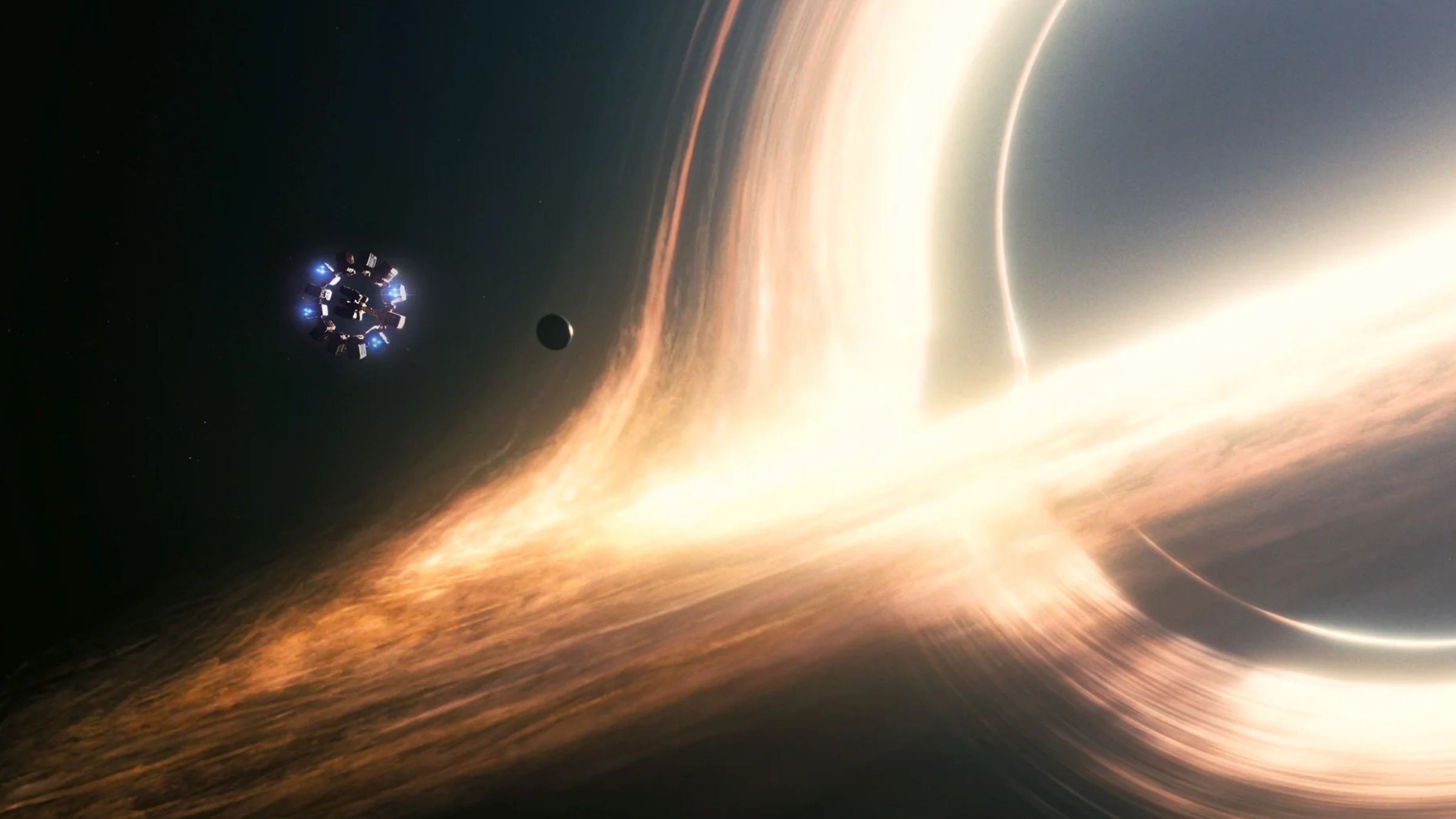
Christopher Nolan’s Interstellar masterfully blends a thought-provoking exploration of complex scientific ideas with a moving story about family. The film follows pilot Cooper (Matthew McConaughey) as he journeys through a wormhole in a desperate attempt to find a new home for humanity. Interstellar features stunning visuals of black holes and the effects of time travel, all based on real scientific research. But at its core, the film is about the powerful connection between a father and daughter, suggesting that love can transcend even space and time. This unique combination of scientific accuracy and heartfelt emotion makes Interstellar a standout achievement in science fiction cinema.
2) Alien
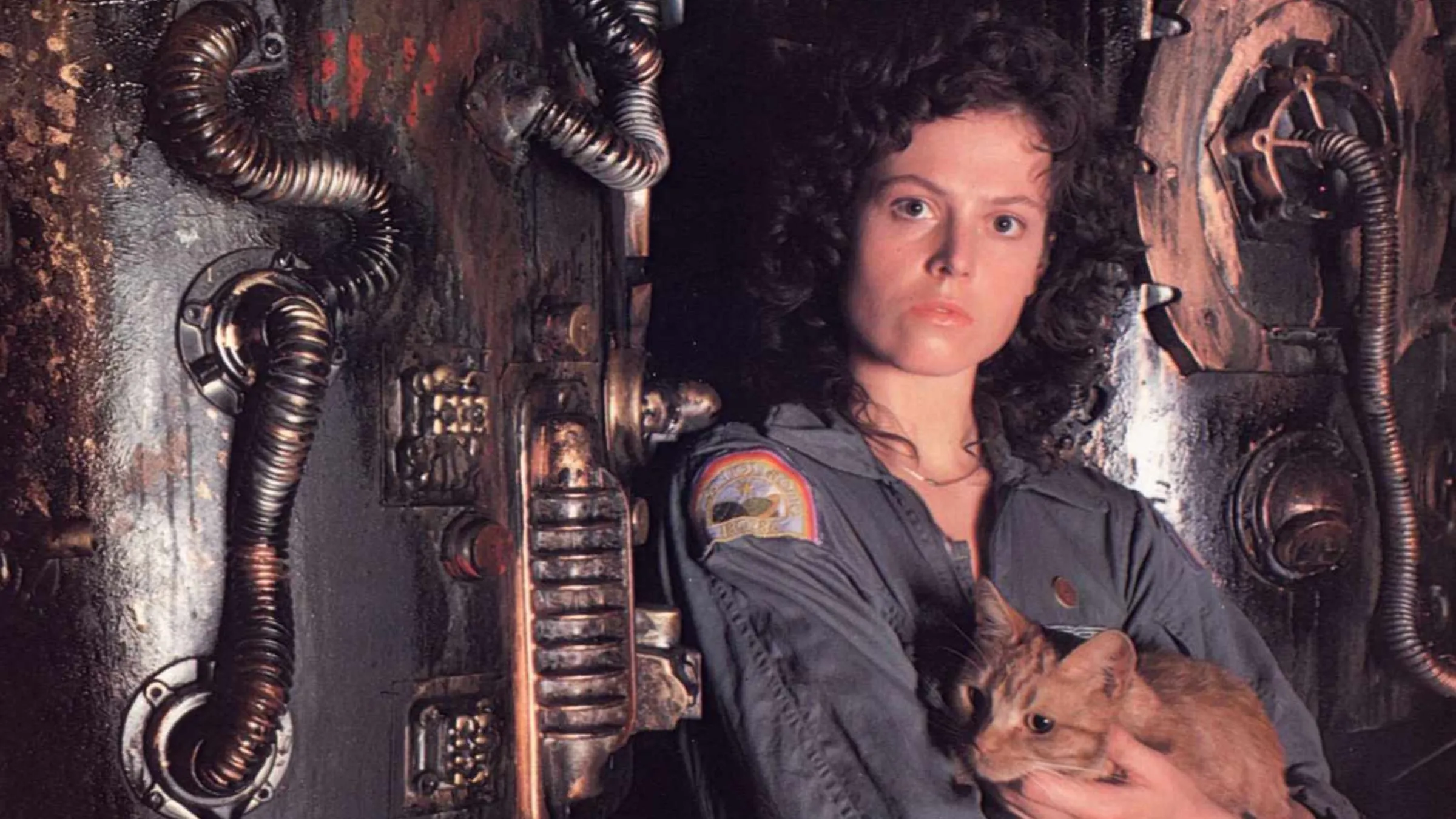
Ridley Scott’s Alien pioneered a gritty, realistic style of science fiction that would heavily influence the genre. The film abandons the idealized vision of space exploration, instead presenting a dirty, industrial environment. Its detailed production design creates a feeling of being trapped within the ship, which feels more like a metal coffin than a spacecraft. The crew isn’t portrayed as brave adventurers, but as working-class individuals, making their terrifying encounter with the alien creature feel incredibly real. This focus on human fragility in a cold universe makes Alien both a frightening horror film and a compelling story about space travel. The suspense is masterfully built as Ripley, brilliantly played by Sigourney Weaver, is increasingly isolated and forced to rely on her instincts to survive.
1) 2001: A Space Odyssey
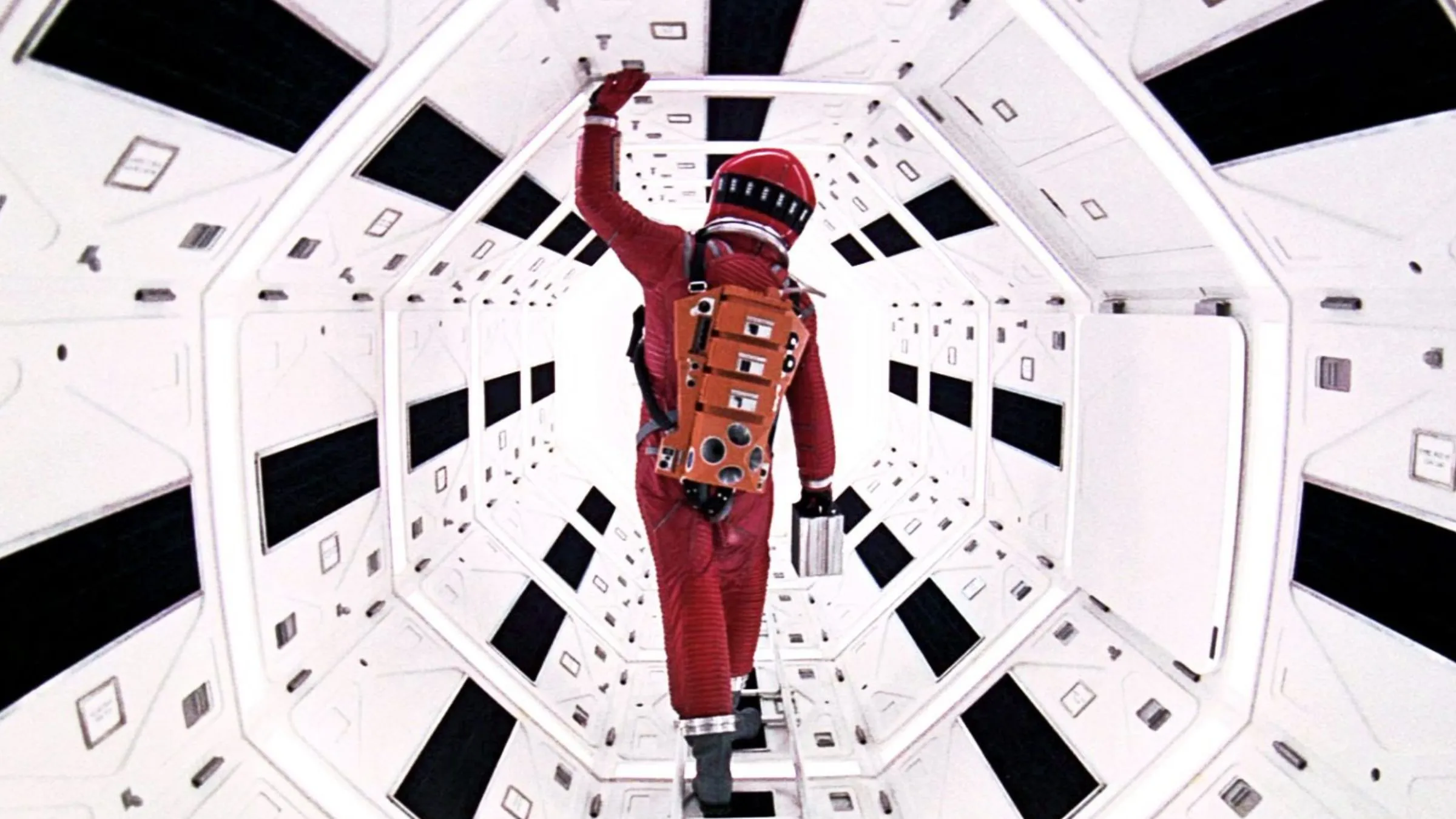
Widely considered the greatest science fiction film ever made, 2001: A Space Odyssey set the standard for how space and astronauts are portrayed on screen, and explored deep philosophical ideas. Directed by Stanley Kubrick, the film traces the development of intelligence, from early humans using tools to a futuristic journey among the stars. Kubrick famously used minimal dialogue, relying instead on music and visual storytelling, which powerfully conveys both the wonder and the fear of space. Its groundbreaking practical effects still look remarkably convincing today, making space travel feel surprisingly real. Though its ambiguous nature can be challenging, 2001: A Space Odyssey remains a vital and thought-provoking work of art that continues to make us question our place in the universe.
What science fiction story featuring astronauts do you think best portrays the awe-inspiring and sometimes frightening vastness of space? Share your thoughts in the comments and join the discussion on the ComicBook Forum!
https://comicbook.com/movies/list/10-most-rewatchable-sci-fi-movies-of-the-21st-century/embed/#
Read More
- The Super Mario Galaxy Movie: 50 Easter Eggs, References & Major Cameos Explained
- Surprise Isekai Anime Confirms Season 2 With New Crunchyroll Streaming Release
- 10 Best Free Games on Steam in 2026, Ranked
- Preview: Sword Art Online Returns to PS5 as a Darker Open World Action RPG This Summer
- Skate 4 – Manny Go Round Goals Guide | All of the Above Sequence
- The Punisher: One Last Kill Trailer Review: MCU Special Could Be a Game Changer
- The Super Mario Galaxy Movie Is An Amusing Sequel (And an Improvement) [Review]
- Why is Tech Jacket gender-swapped in Invincible season 4 and who voices her?
- All 13 Smash Bros. Characters in the Super Mario Galaxy Movie
- Best coins for today
2026-02-07 21:43