
America has a long-lasting fascination with serial killers, and they’ve become common characters in books, movies, and TV shows. This interest stems from a desire to understand the darkest parts of human behavior, and many storytellers use real crimes as inspiration. Characters like Michael Myers and Leatherface gained popularity by showcasing random, shocking violence, proving that audiences are captivated by the idea of a predator lurking within our communities. However, television allows for a deeper exploration of these killers, focusing on their psychological breakdown over many hours instead of relying on quick scares, creating a more unsettling and suspenseful experience.
Television’s format allows for surprisingly complex explorations of characters, sometimes even making us question our own sense of right and wrong by portraying killers as likable or charming. Because TV shows have many episodes, actors can really delve into the disturbed minds of serial killers in a way that movies don’t allow. That’s why some of the most compelling portrayals of serial killers are found in television series.
7) Paul Spector (The Fall)

Paul Spector, played by Jamie Dornan, is a chillingly realistic serial killer at the heart of The Fall. The show portrays his violent acts not as sensational crimes, but as carefully planned rituals that expose the fragility of home life. He specifically targets independent women in Belfast, meticulously studying their habits. This methodical approach is unsettlingly contrasted with his everyday family life, creating a constant sense of unease. A key to the show’s success is Dornan’s subtle performance, which reveals how effectively the killer separates his dark impulses from his normal life. This duality forces viewers to grapple with the disturbing idea that evil can exist within seemingly ordinary people, hidden in plain sight.
6) Errol Childress / The Yellow King (True Detective)

Errol Childress, played by Glenn Fleshler, is the terrifying center of the first season of True Detective, embodying the hidden force behind a widespread occult conspiracy. The entire story hinges on the myth of ‘The Yellow King,’ a name that hides decades of corruption plaguing the Louisiana bayous. When investigators finally discover who’s behind it all, Fleshler delivers a chilling performance, using different accents and a visibly scarred appearance to portray a man deeply damaged by a childhood in an abusive cult. Though he’s only in a few scenes, the show’s dark and unsettling mood makes his presence incredibly impactful, leading to a terrifying showdown within the crumbling ruins of Carcosa. The influence of The Yellow King continues to be felt throughout the True Detective series, as the latest season, Night Country, directly connected its Alaskan research facility to the Tuttle cult, demonstrating the lasting power of this original villain.
5) Villanelle (Killing Eve)

Villanelle, played by Jodie Comer in Killing Eve, completely changed how assassins are portrayed on screen. Instead of being cold and emotionless, she approaches her killings with a playful, dramatic flair. She’s wealthy and lives a luxurious life, which sharply contrasts with the violence she commits. Though a serial killer without a typical conscience, Comer portrays a vulnerable side to Villanelle, hinting at a deep desire for connection that makes her psychopathy more complex. Her intense and destructive obsession with Eve Polastri is central to the show, creating a blurred line between hunter and hunted. Even after the show’s controversial ending, Villanelle remains a memorable character, challenging traditional tropes in both spy thrillers and the portrayal of serial killers.
4) Joe Goldberg (You)

The show You brilliantly deconstructs the trope of the ‘nice guy’ through the character of Joe Goldberg (Penn Badgley). It cleverly uses the familiar formulas of romantic comedies to disguise a dangerous pattern of obsession and violence. By letting us hear Joe’s thoughts constantly, the series puts the audience inside his twisted worldview, where he convinces himself that stalking and killing are justified by his ‘love’ for the women he targets. This close look at his psychology makes his rise – from a bookstore worker in Brooklyn to a wealthy figure in London – feel like a criticism of how easily privilege can be abused. Thankfully, the final season finally shattered any illusions of Joe seeking redemption, leaving him in prison with only letters from fans who are disturbingly fascinated by his darkness. This ending powerfully confirmed the show’s main point: modern society dangerously mixes social media, a sense of entitlement, and a romanticized view of violence.
3) Ed Kemper (Mindhunter)

As a critic, I’ve seen a lot of portrayals of infamous criminals, but Cameron Britton’s performance as Ed Kemper in Mindhunter truly stands out. It’s the series’ peak, and for good reason. He doesn’t just look the part – at nearly seven feet tall, he’s physically imposing – but he captures Kemper’s unsettling politeness with chilling precision. It’s honestly more frightening than anything Kemper actually did. What really makes those scenes crackle with tension is the intellectual connection he builds with Holden Ford; Kemper essentially lays the groundwork for the FBI’s behavioral science unit. He’s able to dissect his own monstrous acts with a cold, clinical detachment, offering a disturbingly clear window into a broken mind that feels absolutely no regret. Even though Mindhunter didn’t get the run it deserved, Kemper’s portrayal remains a perfect example of how to handle true crime on television – it’s nuanced, avoids sensationalism, and feels painfully real.
2) Hannibal Lecter (Hannibal)
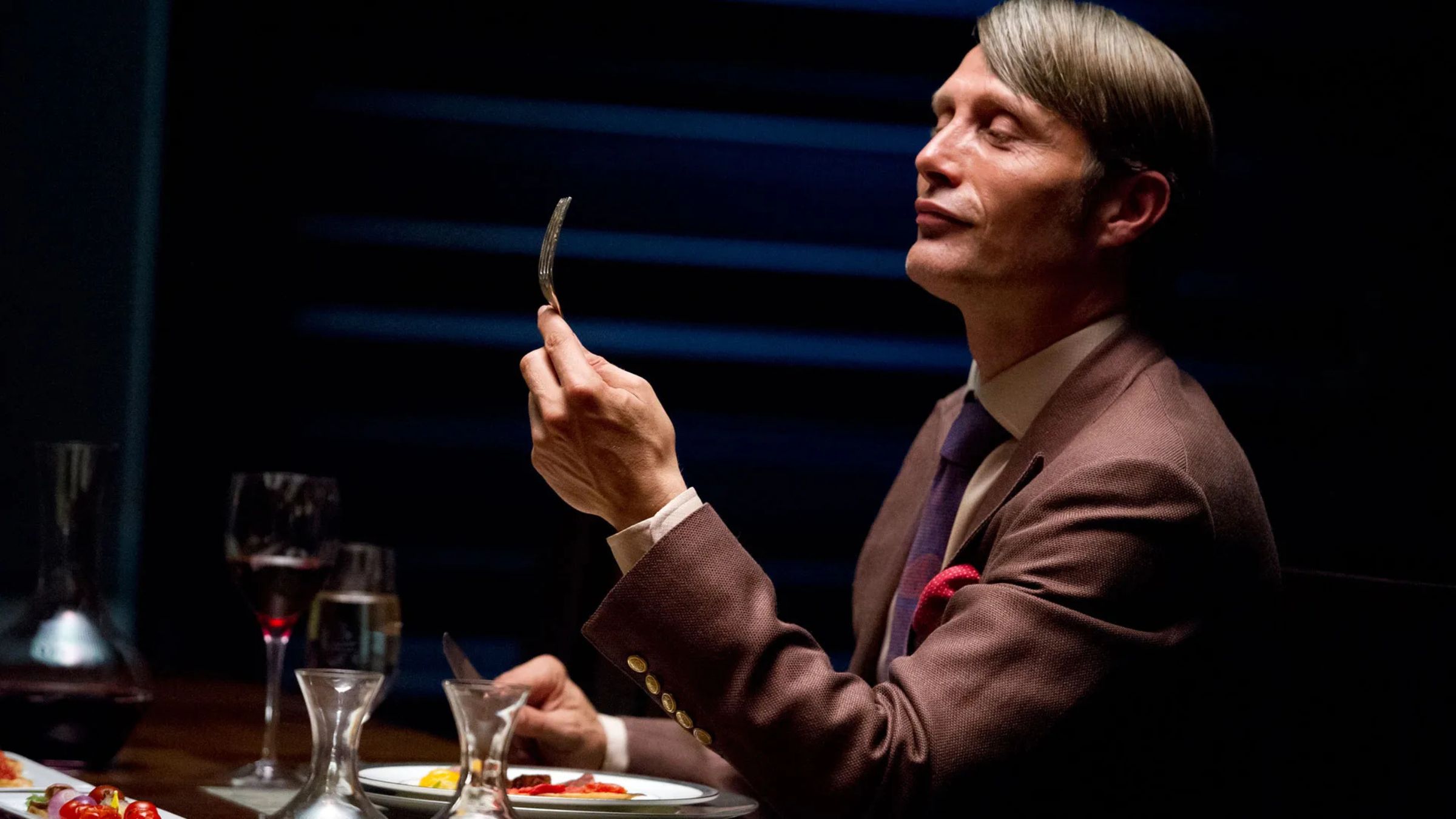
Mads Mikkelsen’s performance as Hannibal Lecter is unique, setting itself apart from previous portrayals by presenting the character as a predator with a refined artistic sensibility. The show distinguishes itself from the source novels by Thomas Harris, embracing a dreamlike, unsettling atmosphere reminiscent of David Lynch, where murders are almost treated as works of art. At its core, the series explores the complex relationship between Lecter and Will Graham (Hugh Dancy), which develops into a dark, romantic connection built on shared pain and a disregard for conventional morality. Despite being cancelled in 2015, the show remains highly regarded, largely due to Mikkelsen’s ability to portray Lecter’s acts of consumption with a disturbing elegance, transforming a monstrous killer into a figure of tragic, yet imposing, stature.
1) Dexter Morgan (Dexter)
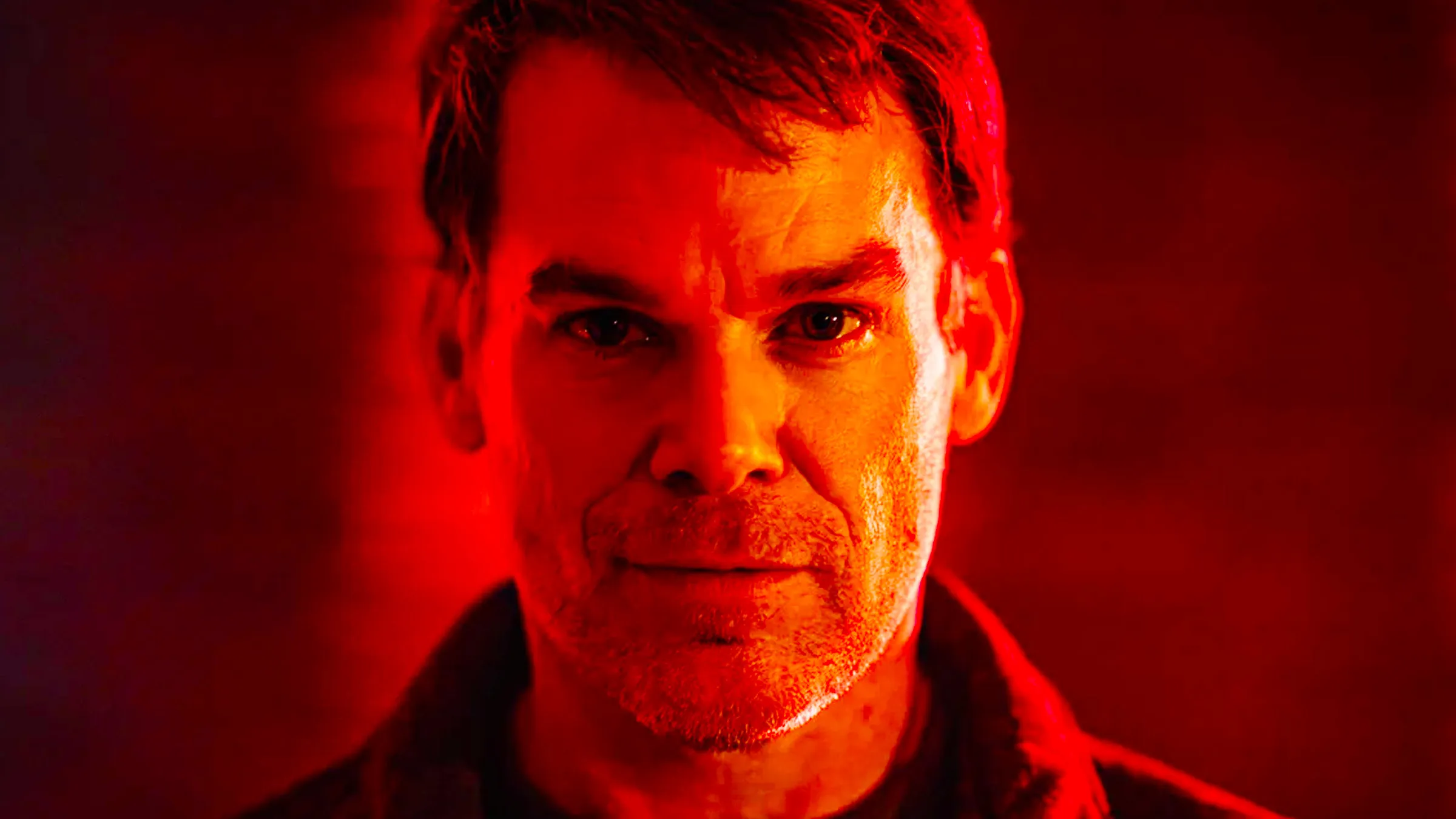
Dexter Morgan, played by Michael C. Hall, has had a huge influence on how television portrays serial killers. He’s a forensic expert who manages his dark impulses by adhering to a strict code: only killing other murderers. This allowed viewers to surprisingly support a killer, which kept the original series running for eight seasons and changed the way we think about antiheroes. The continued success of the Dexter franchise proves how important the character is to modern TV. Following Dexter: New Blood and the prequel Dexter: Original Sin, the story continued with Dexter: Resurrection, which premiered in July 2025 and drew a large audience. This new installment explores what happened after Dexter seemingly died, placing him in a tough city setting where his past actions catch up to him. With a second season of Resurrection already planned, the story of Dexter Morgan, also known as the Bay Harbor Butcher, remains incredibly popular and profitable, demonstrating that audiences are still captivated by his unique form of justice.
Who’s your favorite TV serial killer? Share your thoughts in the comments and join the discussion on the ComicBook Forum!
https://comicbook.com/movies/list/7-best-horror-movie-serial-killers-of-the-21st-century/embed/#
Read More
- What Song Is In The New Supergirl Trailer (& What It Means For The DC Movie)
- Gold Rate Forecast
- Eurogamer Gives ARC Raiders 2/5 Over AI Voices, Dropping Metacritic Score from 94 to 84
- 10 Best Connie Episodes of King of the Hill
- 7 Most Anticipated Horror Shows of 2026, Ranked by Excitement
- Lost Soul Aside Gets New Update With Gameplay Optimisations, Performance Improvements
- 7 Classic TV Shows With Criminally Low Rotten Tomatoes Scores
- Spider-Man 4 Rumor Roundup Reveals Sadie Sink’s Role With Power Change & More
- Designing Magnetism with Molecular Architecture
- Crimson Desert – 15 Things I Wish I Knew Before Diving In
2026-03-13 22:13