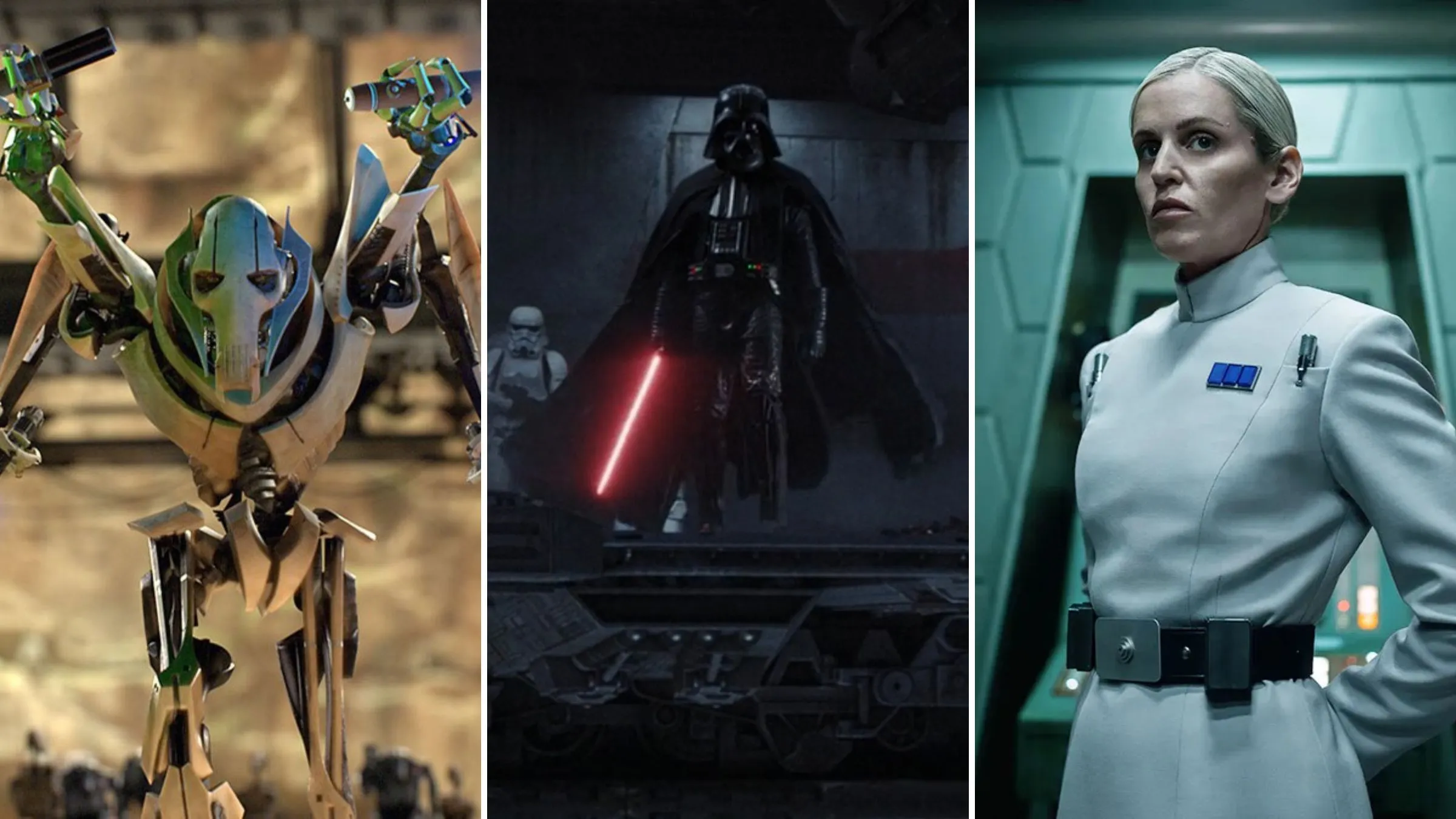
One thing Star Wars consistently does is bring back its villains. Darth Vader has been a central figure throughout the nine Skywalker Saga films and continues to appear in Disney+ shows like Obi-Wan Kenobi, where his mental battle with his old mentor was a key part of the story. The unexpected return of Emperor Palpatine in The Rise of Skywalker was controversial, with many fans feeling it weakened the ending of Return of the Jedi and didn’t offer a good enough reason for his reappearance. Even Maul, who had a compelling and sad story in The Clone Wars and Rebels, is getting his own animated series, Star Wars: Maul — Shadow Lord, which will debut on Disney+ on April 6, 2026.
It’s not that Darth Vader, the Joker, and Hannibal Lecter don’t deserve their fame – they’re truly iconic villains. However, their popularity often makes us overlook other equally compelling antagonists. These supporting villains are just as complex, visually interesting, and important to their stories, despite being less well-known.
7) Dedra Meero
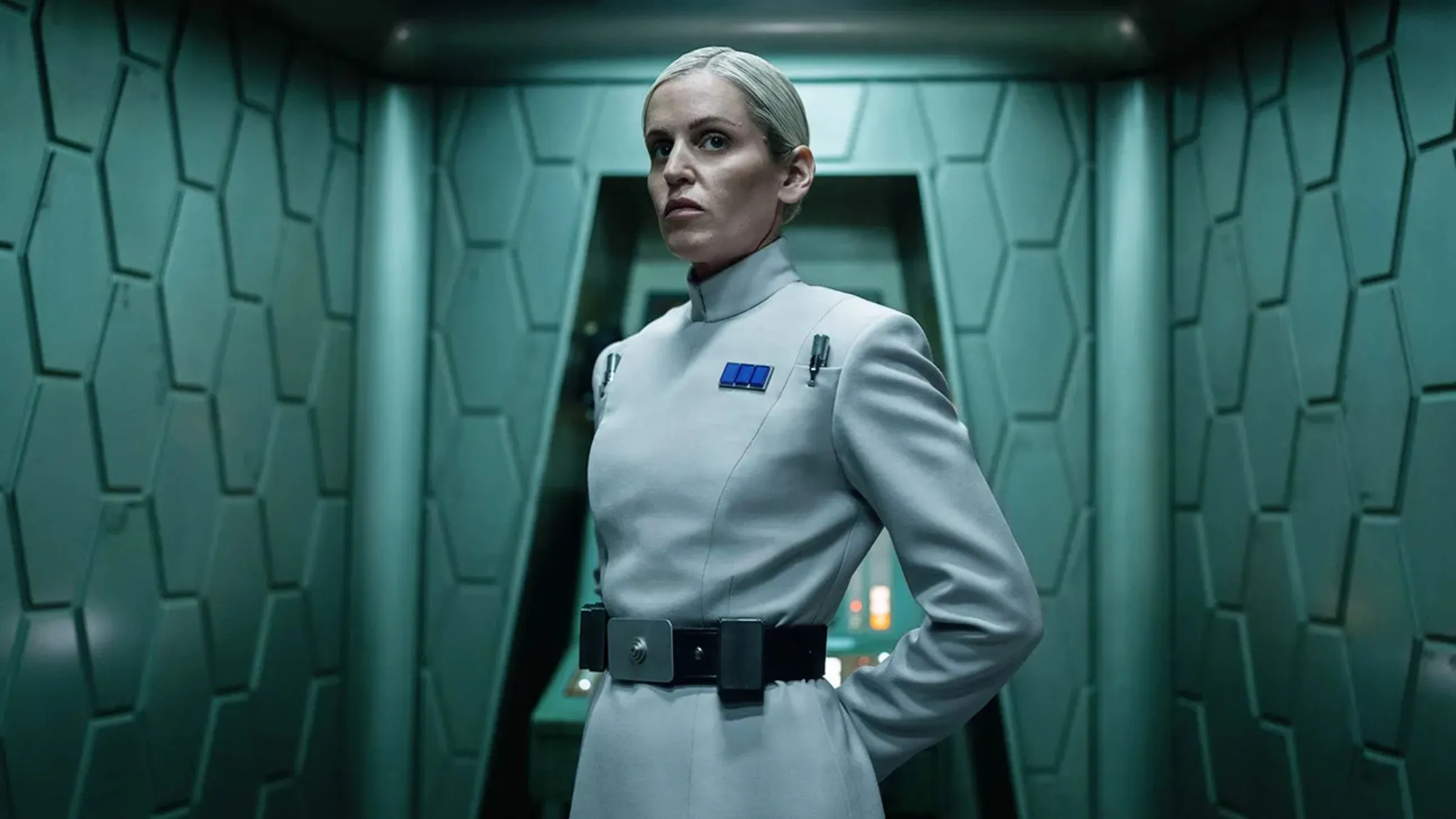
The series Andor completely changed how we see villains in Star Wars by moving away from the typical imagery of capes, lightsabers, and powerful, mystical abilities. Dedra Meero, played by Denise Gough, is a frightening antagonist because she’s exceptionally good at her job within the Imperial Security Bureau. While others ignore or dismiss the growing Rebel activity, Meero correctly identifies it as a coordinated network, and her relentless investigation forms the most captivating Imperial storyline in Andor.
What really struck me about Gough’s performance is how she embodies the chilling ambition you often find within institutions. It’s not about being outwardly evil, but about someone who’s completely bought into the Empire’s way of thinking – she genuinely believes she’s doing the right thing, even though it’s deeply flawed. And it’s fascinating because she doesn’t fight or use force; her power comes purely from being incredibly competent and, let’s face it, ruthless. Honestly, she feels like one of the most believable and unsettling Imperial villains we’ve seen in the whole franchise.
6) General Grievous
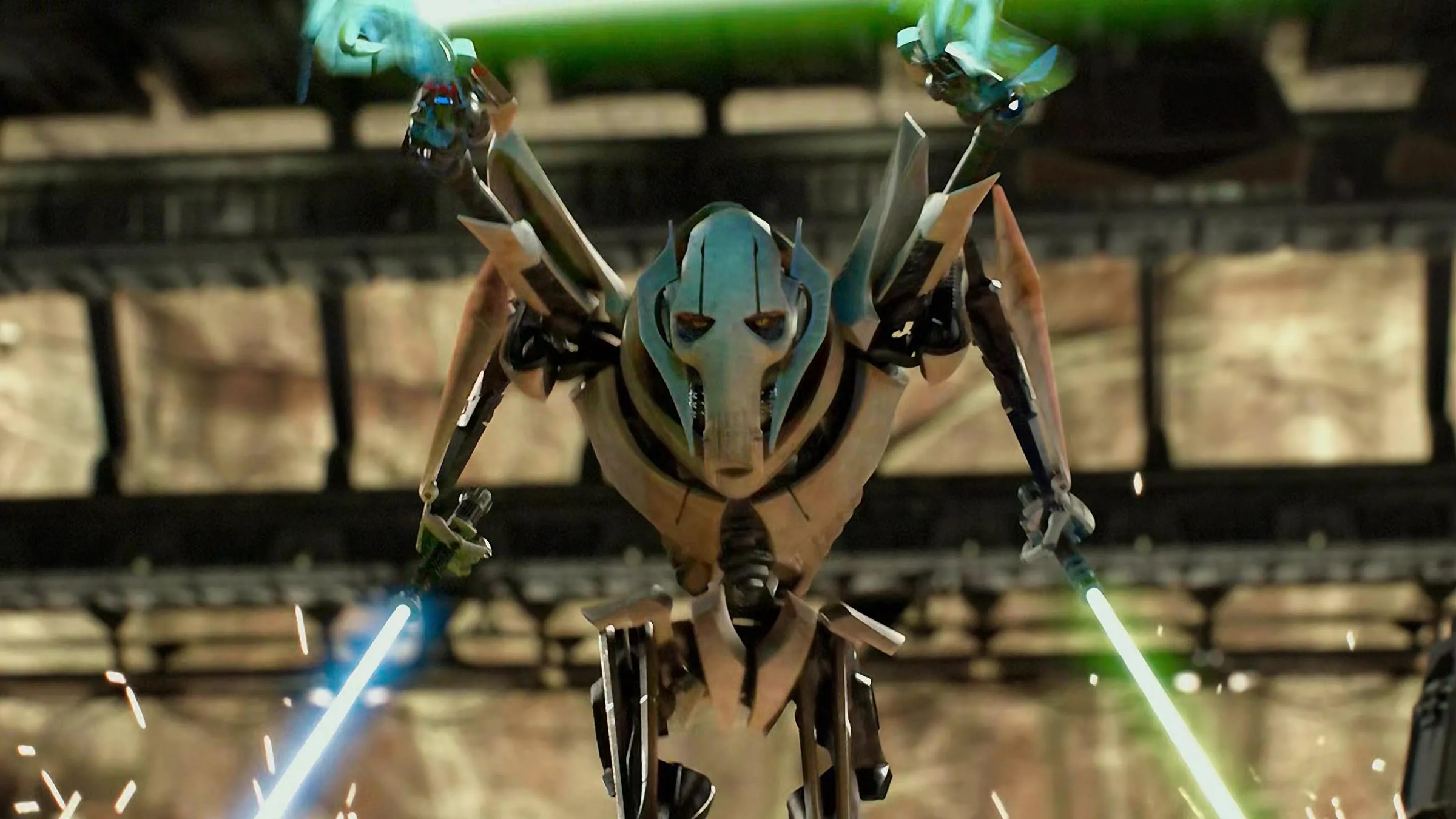
General Grievous first appeared as an animated character in Genndy Tartakovsky’s Star Wars: Clone Wars, and later in Revenge of the Sith. While his initial presentation as a coughing, stooped cyborg hinted at a terrifying villain, the film didn’t quite live up to that promise. However, the Star Wars: The Clone Wars animated series significantly improved the character, turning Grievous into a truly dangerous foe for the Jedi. The series showed him as a brilliant strategist and deadly fighter, having replaced most of his body with powerful, battle-ready machines, and relentlessly hunting Jedi Knights.
General Grievous’s story is tragically complex. He didn’t willingly become the cyborg he is; Separatist leaders, including Count Dooku, intentionally rushed his transformation to create a powerful weapon specifically designed to kill Jedi. This forced conversion left him permanently furious and disconnected from his own body. Understanding this backstory adds a layer of sadness and motivation to all his actions, a depth that the movie Revenge of the Sith didn’t fully have time to show.
5) The Grand Inquisitor
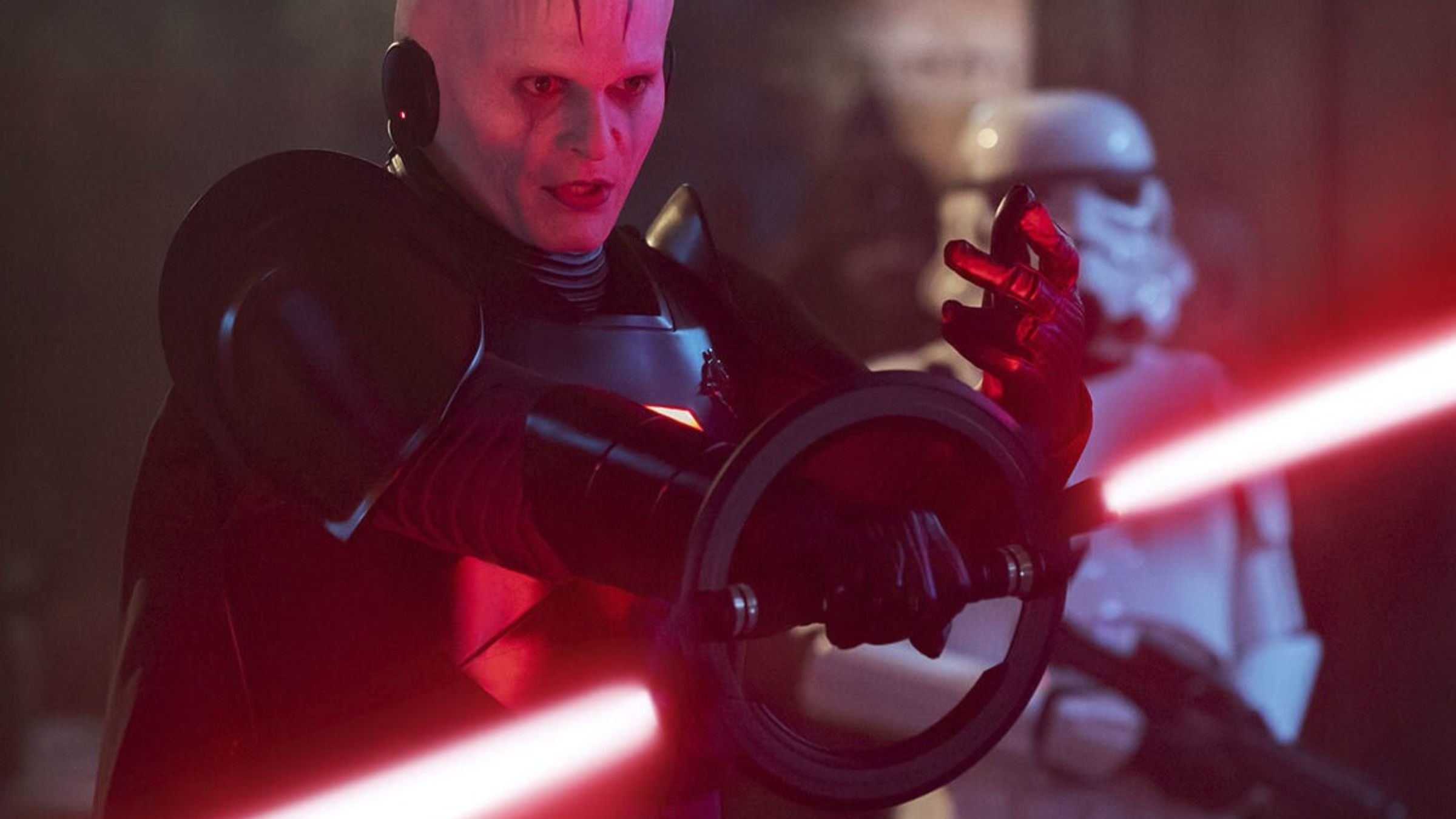
The Grand Inquisitor filled the power gap created by Order 66. Once a Jedi Temple Guard, he turned to the dark side and was then used by Darth Vader to track down remaining Jedi. What makes him a compelling villain is his ability to analyze his opponents – understanding their fighting styles and weaknesses with the insight of someone who once trained as a Jedi himself.
The animated series Star Wars Rebels built up The Grand Inquisitor as a truly frightening villain – one who was more dangerous because of his intelligence and restraint, rather than just raw Force ability. The recent Obi-Wan Kenobi series brought that same threat to life with actor Rupert Friend. The idea behind the Inquisitor program is particularly unsettling: using corrupted Jedi as weapons against those who still follow the light side of the Force.
4) Director Orson Krennic

Unlike other Star Wars films that focus on heroes and villains, Rogue One stood out by highlighting the inner workings of the Empire’s political system. The film’s director, Orson Krennic (played by Ben Mendelsohn), perfectly captures the frustration of a man who has dedicated his life to a grand project – the Death Star – but isn’t receiving the recognition he deserves. Krennic spent years building the weapon while dealing with Imperial politics, only to have Grand Moff Tarkin (Guy Henry) attempt to take credit for it upon completion. Mendelsohn brilliantly portrays Krennic’s professional embarrassment, making him both intimidating and surprisingly sympathetic.
As a huge fan of both Andor and Rogue One, I was really blown away by Season 2’s take on Krennic. It was so clever to show us a younger version of him, full of swagger and completely confident in his power – something we just didn’t get to see in Rogue One. Seeing him at the peak of his career, coldly ordering the Ghorman Massacre to get what he needed for the Death Star, totally changed how I saw him. It made all his later defeats and moments of weakness so much more impactful, because you understood exactly what he’d lost and what he used to be.
3) Jabba the Hutt
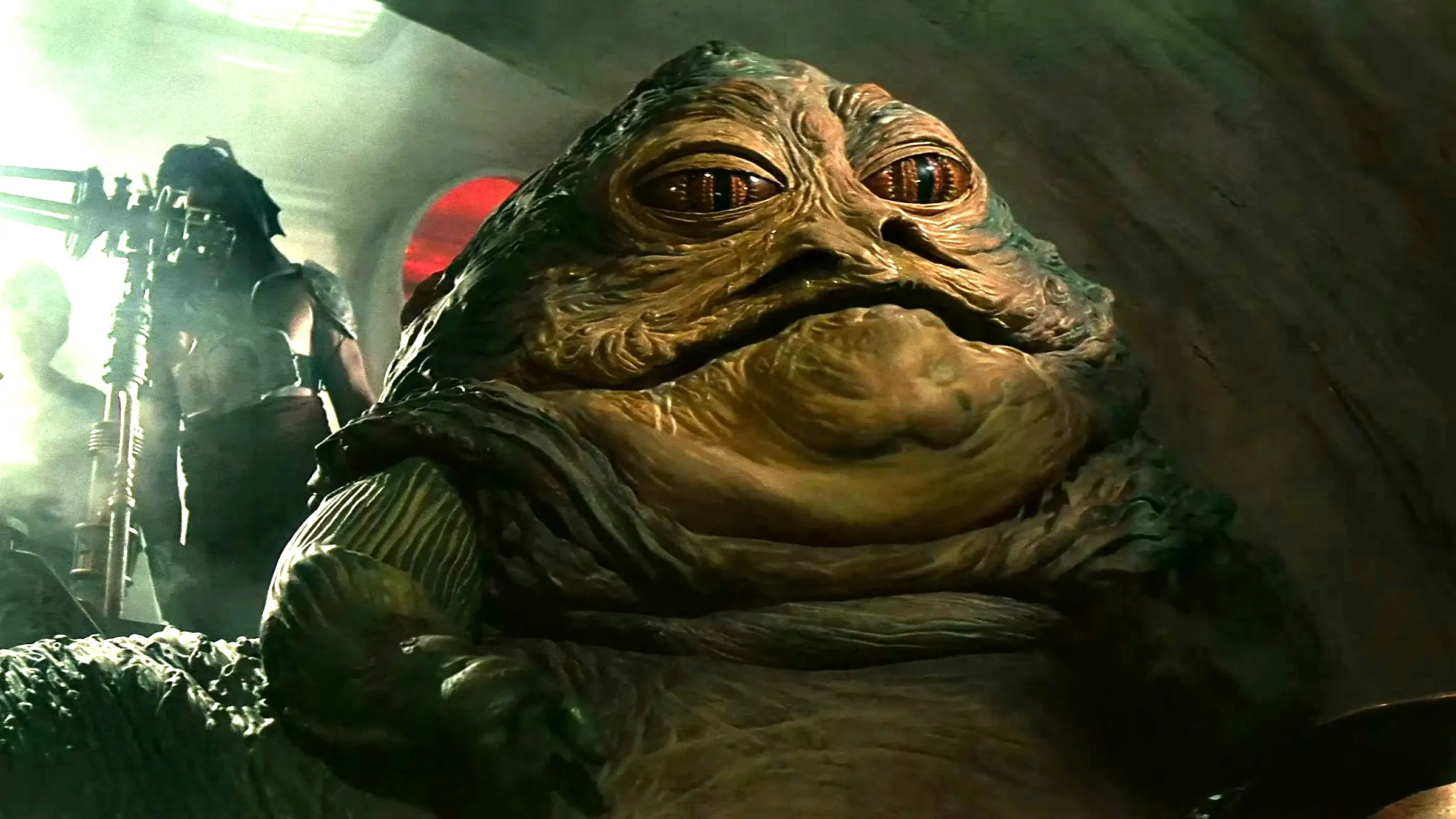
Jabba the Hutt doesn’t need any special powers to command respect. As the criminal boss of Tatooine, he maintains control through his wealth, cruelty, and a network of frightened followers who act as his personal empire within the larger galactic war. His massive, unmoving body visually represents his long-established power – he’s so dominant that he doesn’t even need to exert himself.
In Return of the Jedi, George Lucas used Jabba the Hutt’s palace to showcase the dark underbelly of the Star Wars universe. He filled it with a cast of criminals, performers, and other unsavory characters to demonstrate the consequences of living under a criminal leader. Jabba’s capture of Han Solo created immediate tension at the beginning of the film, separate from the larger galactic conflict, highlighting that power struggles in this galaxy aren’t always resolved with spaceship battles. Jabba’s impact continues to be felt in The Book of Boba Fett, which centers its story on the power struggle that occurred after his death.
2) Asajj Ventress
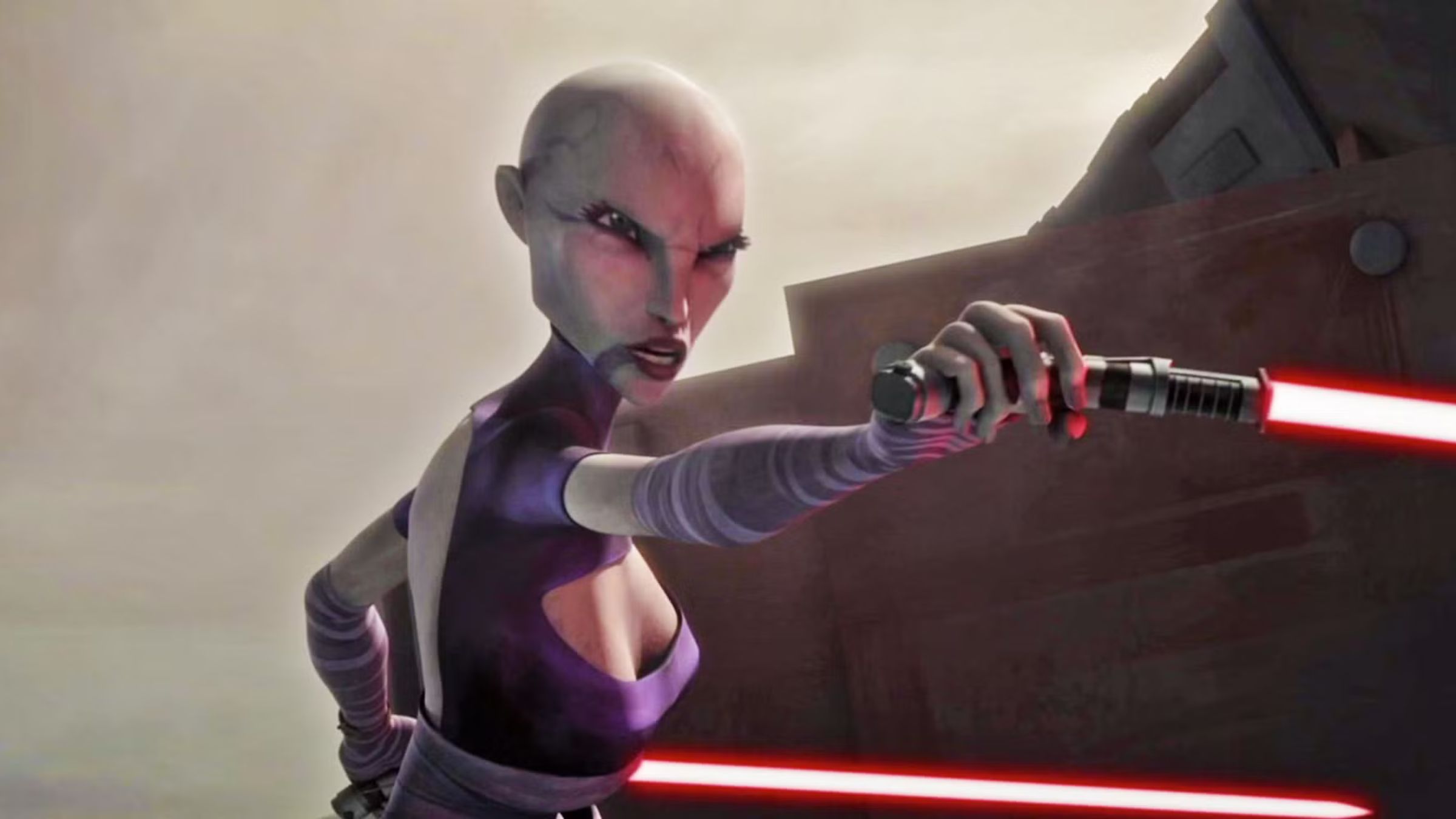
Asajj Ventress started as a dangerous assassin working for Count Dooku in The Clone Wars, frequently battling Anakin Skywalker and Obi-Wan Kenobi with her aggressive fighting style. The series deepened her character by exploring her past as a Nightsister from Dathomir, revealing how she was abandoned and betrayed, which fueled her skills and made her unpredictable. After Dooku tried to have her killed and she lived, Ventress broke free from serving the Sith. This allowed her to become a complex, independent character whose violent tendencies weren’t tied to any particular group or loyalty.
The animated series The Bad Batch continued the story of Asajj Ventress, and her main story arc concluded in the novel Dark Disciple, which was based on a storyline originally intended for The Clone Wars. However, she reappeared in Star Wars: Tales of the Underworld, suggesting her story might not be over. Ventress is one of the most well-developed characters in Star Wars animation, a villain whose complicated past made her redemption feel both believable and surprising.
1) Grand Admiral Thrawn
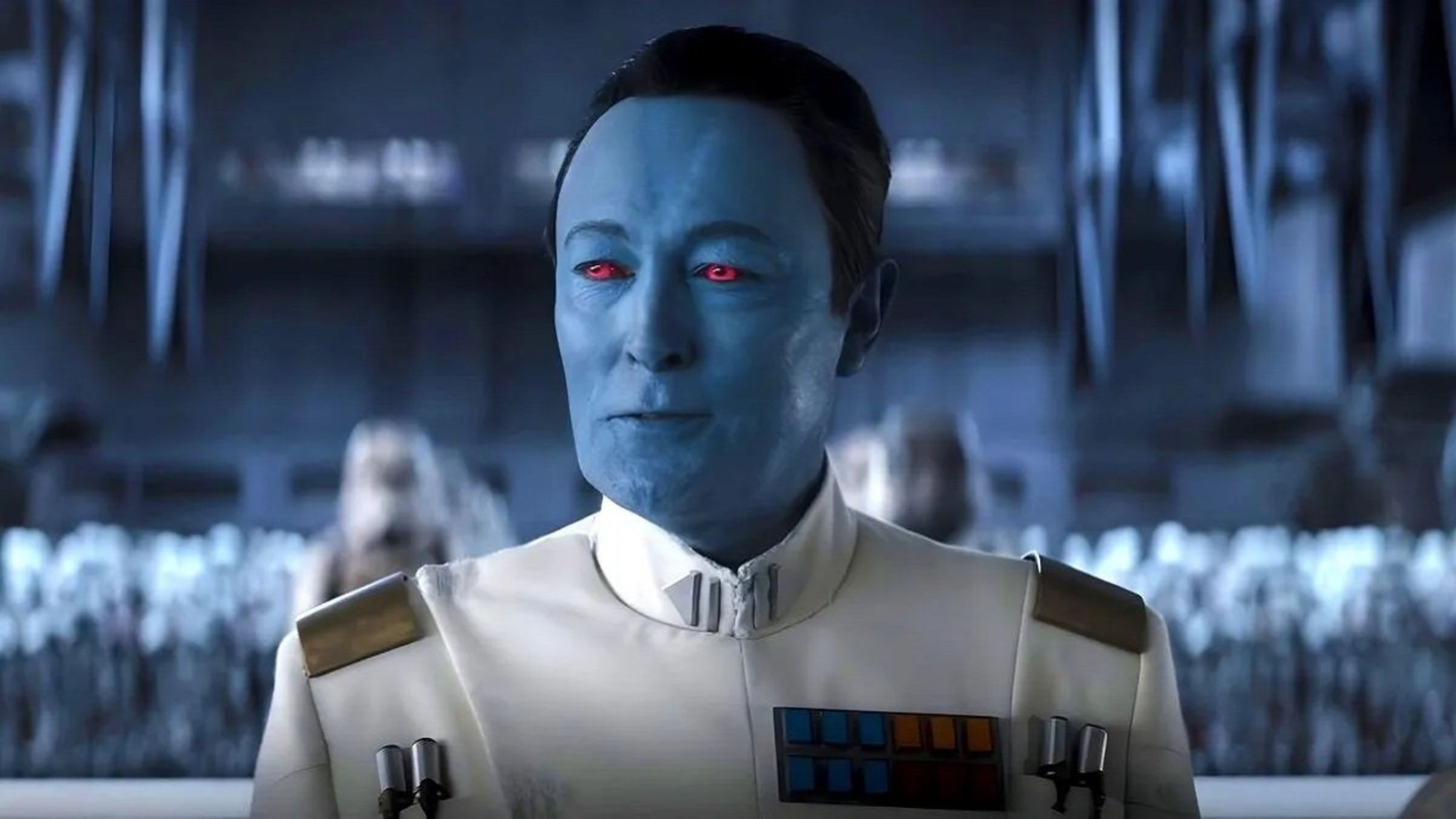
Grand Admiral Thrawn is a unique Star Wars villain because his threat comes from his intelligence, not brute force. Originally created by Timothy Zahn in the 1991 novel Heir to the Empire – a book that helped reignite interest in Star Wars when no new movies were being made – Thrawn was officially brought back into the story in season three of Star Wars Rebels as the Empire’s most brilliant strategist. He studies the art and culture of his enemies to understand how they think, using this knowledge as a way to gain a military advantage. This allows him to always seem one step ahead, and even when he’s defeated, it feels like a calculated retreat rather than a true loss.
Grand Admiral Thrawn’s first appearance in live-action in Ahsoka showed him as a strategist who had spent years in isolation, carefully planning his comeback. He’s become one of the most popular Star Wars villains—aside from Darth Vader, the Emperor, and Luke Skywalker—and is unique in that he’s maintained a strong following and complex story across books, animated series, and now, live-action TV.
I’m a huge Star Wars fan, and I’ve been thinking – beyond Vader, Palpatine, and Maul, which villain really deserves their own story? I’d love to hear your thoughts! Let’s chat about it over in the ComicBook Forum – come join the discussion now!
Read More
- Gold Rate Forecast
- Dune 3 Gets the Huge Update Fans Have Been Waiting For
- Looks Like SEGA Is Reheating PS5, PS4 Fan Favourite Sonic Frontiers in Definitive Edition
- Arknights: Endfield – Everything You Need to Know Before You Jump In
- Pluribus Star Rhea Seehorn Weighs In On That First Kiss
- Jack Osbourne Shares Heartbreaking Tribute to Late Dad Ozzy Osbourne
- Every Upcoming Transformers Movie: Release Dates, Details, & Everything We Know
- Disney Promotes Thomas Mazloum To Lead Parks and Experiences Division As Josh D’Amaro Prepares To Become CEO
- 5 Weakest Akatsuki Members in Naruto, Ranked
- Kelly Osbourne Slams “Disgusting” Comments on Her Appearance
2026-03-27 21:19