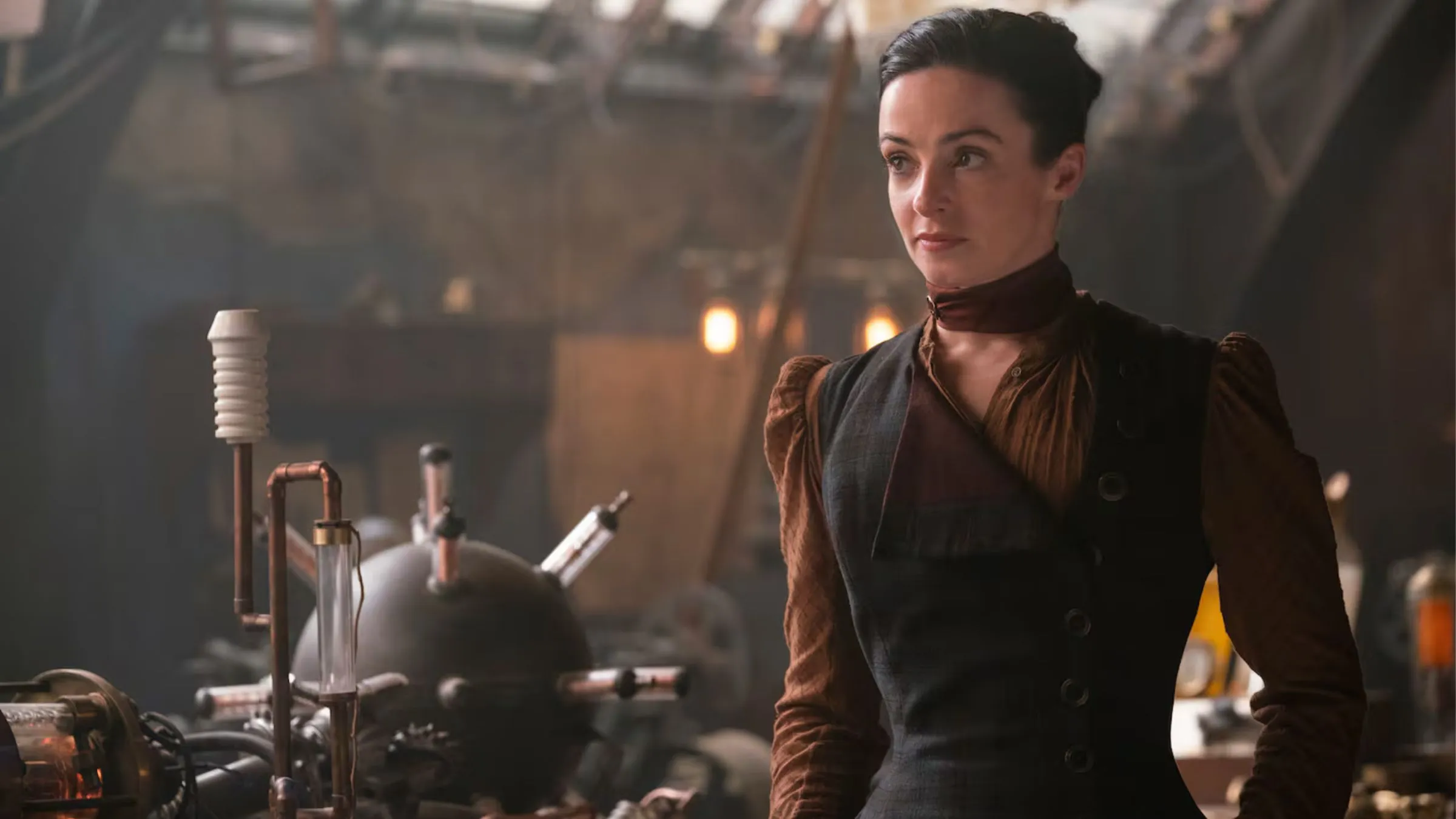
Steampunk is a unique type of science fiction that imagines the future as if it were powered by the technology and style of the 19th century, particularly the Victorian era. What makes it popular is the combination of old-fashioned ideas and futuristic inventions, creating worlds filled with steam-powered machines, intricate gadgets, and a strict social order. While you’ll often see airships, goggles, and gritty, industrial cities, steampunk’s real strength is its ability to explore many different themes. It allows creators to examine modern concerns like privacy, pollution, and social injustice by setting them within a visually striking and detailed historical world, where fantastical technology feels grounded in the reality of the Industrial Revolution.
I’ve noticed something really cool about a lot of TV shows lately – even when they don’t stick to the typical Victorian look, they still capture the feeling of steampunk. It’s all about this fascinating idea of a world where ordinary people, often those struggling against the system, use clever, homemade technology to get by. What I really love is how these shows look – they feel so real and detailed. They clearly put a lot of effort into building things practically, with amazing costumes and sets, which gives them a sense of history and weight that you just don’t get with a lot of computer-generated effects. It’s that tangible quality that really draws me in.
7) The Wild Wild West
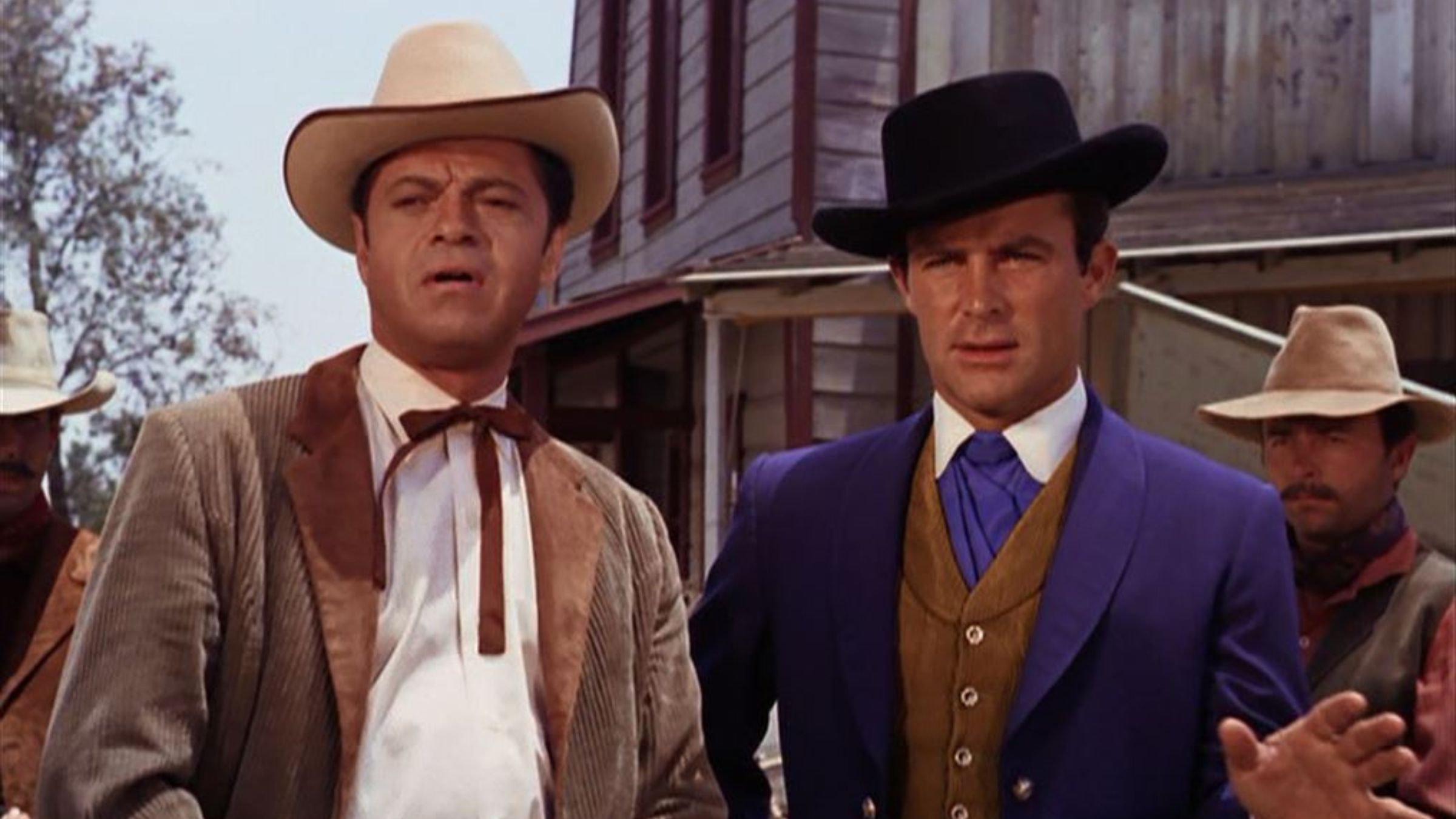
Even before “steampunk” became a recognized genre, the 1965 TV show The Wild Wild West was blending futuristic technology with the Old West. The series centers on Secret Service agents James West and Artemus Gordon as they work to safeguard President Ulysses S. Grant from unusual, technologically advanced villains. A major part of the show’s appeal comes from the creative inventions and hidden weapons found in their personal train and cleverly designed clothing.
The movie Wild Wild West developed a distinctive visual style by combining classic Western characters with futuristic technology and imposing mechanical structures. This unique approach impacted how similar stories were told for years to come. The film remains popular because it portrays its imaginative inventions as both exciting and genuinely threatening, blending the adventurous feel of Westerns with elements that later defined the steampunk genre.
6) Penny Dreadful

The horror in Penny Dreadful comes to life through the dark and dirty streets of Victorian London, where classic gothic stories meet the advancements of the Industrial Revolution with frightening results. Though the show features many supernatural dangers, the character of Victor Frankenstein (played by Harry Treadaway) and his attempts to bring life back through science add a strong steampunk element. Frankenstein’s lab is shown as a sterile, mechanical space, filled with precise tools that sharply contrast with the gruesome nature of his work. At the same time, Vanessa Ives (Eva Green) and Ethan Chandler (Josh Hartnett) struggle through a city that’s both incredibly powerful and on the brink of a moral and spiritual crisis.
The show highlights how science in the 1800s felt like a manufacturing process, which creates a sense of unease about quickly changing technology. Its careful historical accuracy and exploration of the troubling side of invention make Penny Dreadful a key example of the “gaslamp fantasy” style within the steampunk genre.
5) Carnival Row

Amazon’s fantasy series, Carnival Row, offers a dark and politically relevant take on steampunk, exploring the struggles of refugees in a rundown, industrial city. The story unfolds in The Burgue, where inspector Rycroft Philostrate (Orlando Bloom) investigates a string of horrific murders that could shatter the uneasy truce between humans and magical immigrants, including Vignette Stonemoss (Cara Delevingne).
The world of Carnival Row feels incredibly real and gritty, with dark, sooty streets lit by gas lamps and a sky filled with imposing airships. This detailed setting isn’t just for show – it visually represents the show’s themes of colonialism and social class. The show’s steampunk style emphasizes the deep inequalities within the world, offering a realistic and unflinching look at the effects of imperialism. The creators paid close attention to detail, not just in the overall environment, but also in things like mechanical prosthetics and military technology, making sure the fantastical elements always feel connected to a believable industrial world.
4) The Nevers
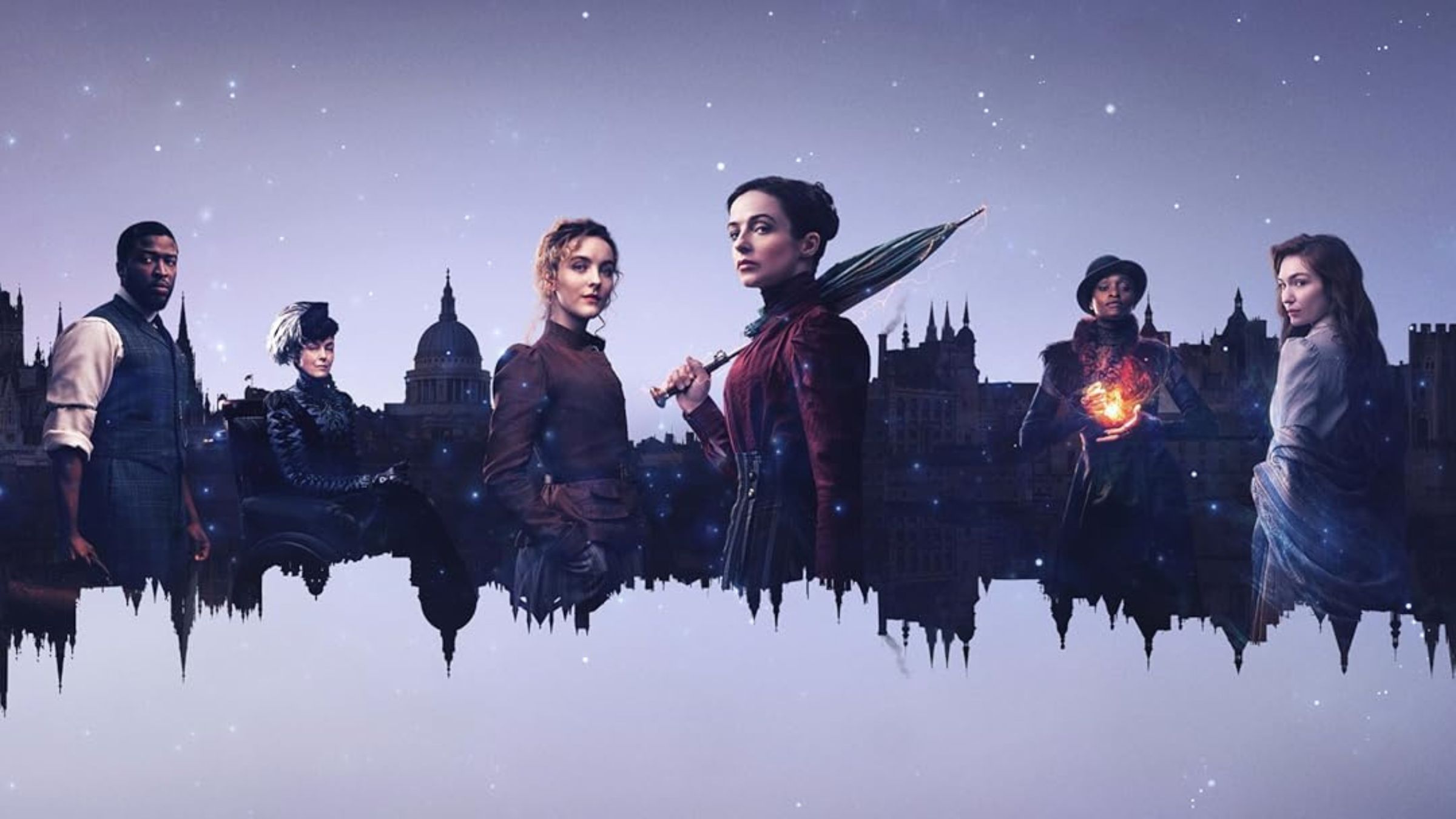
Even though it had a complicated release, The Nevers is one of the most original and visually striking steampunk shows in recent years. The story centers on a group of people in Victorian London – mostly women – who unexpectedly gain special abilities, called “turns.” These powers vary widely, from seeing the future to perceiving the hidden energy around them. The group is led by Amalia True (Laura Donnelly), a skilled fighter, and Penance Adair (Ann Skelly), a gifted inventor who builds incredibly advanced steampunk devices that are far ahead of their time.
The Nevers skillfully blends futuristic ideas with Victorian society, and its characters’ inventions are used to fight against the limitations placed on women at the time. The show also looks fantastic, with incredibly detailed, realistic clockwork machines and weapons that fit perfectly into the historical setting.
3) Avatar: The Legend of Korra
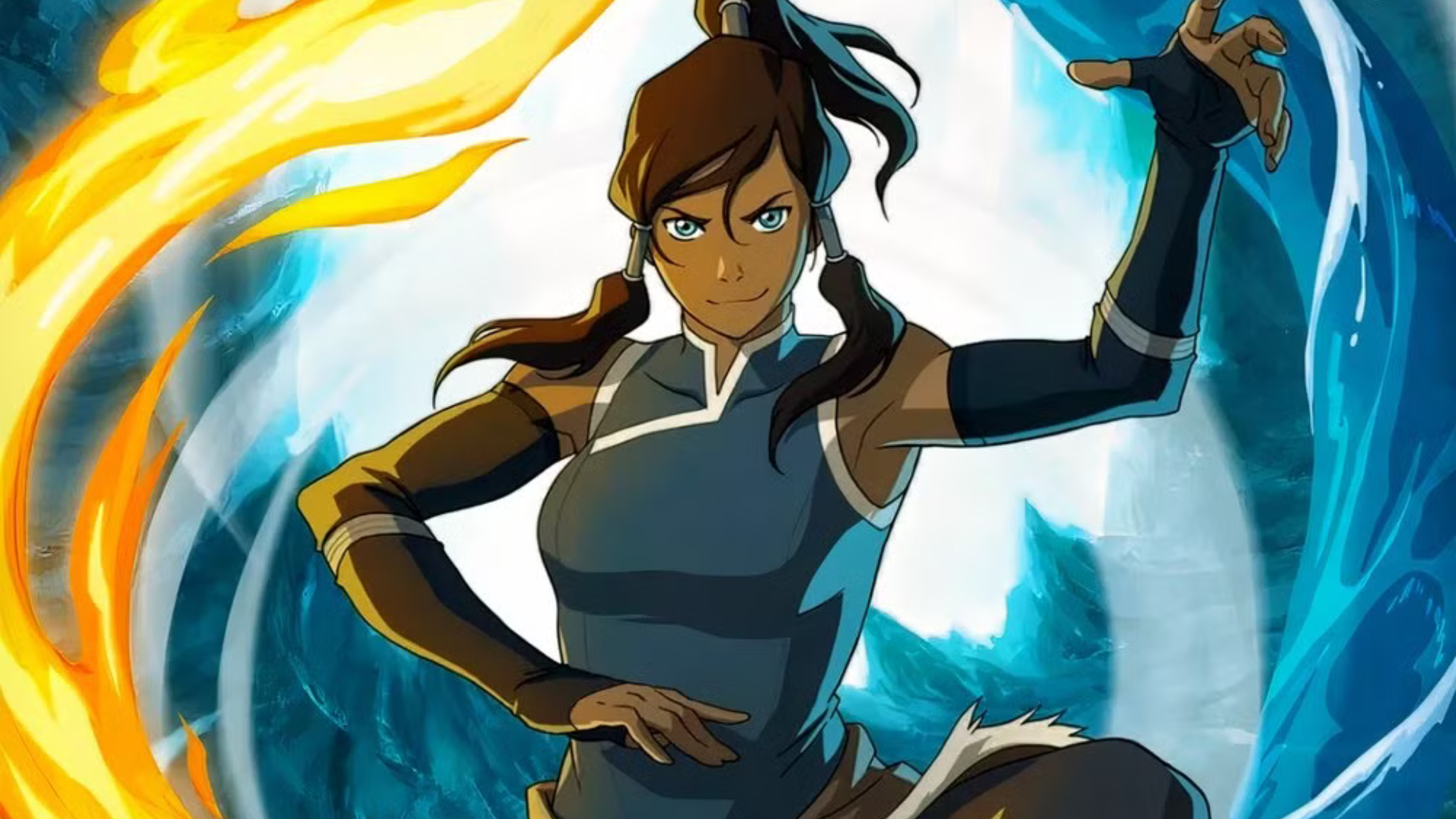
In Avatar: The Legend of Korra, the world is changing from a farming-based society to a modern, industrial one. The show explores how new technology can shake up existing power structures. The city of Republic City is a great example of this, designed with a unique steampunk style, complete with arenas for pro-bending, satellites powered by coal, and a complex system of vehicles called satomobiles.
In The Legend of Korra, voiced by Janet Varney, the Avatar feels lost as the world starts to rely less on her protection. The show also focuses on new groups fighting for equality, made possible by the invention of powerful mechanical suits. This new technology creates the main conflicts, pitting traditional spiritual beliefs against the growing desire for a more modern, democratic society. The series is known for its stunning animation, which beautifully blends the graceful movements of elemental bending with the intricate designs of the technology, making the world of the United Republic feel real and thought-provoking.
2) Fullmetal Alchemist: Brotherhood
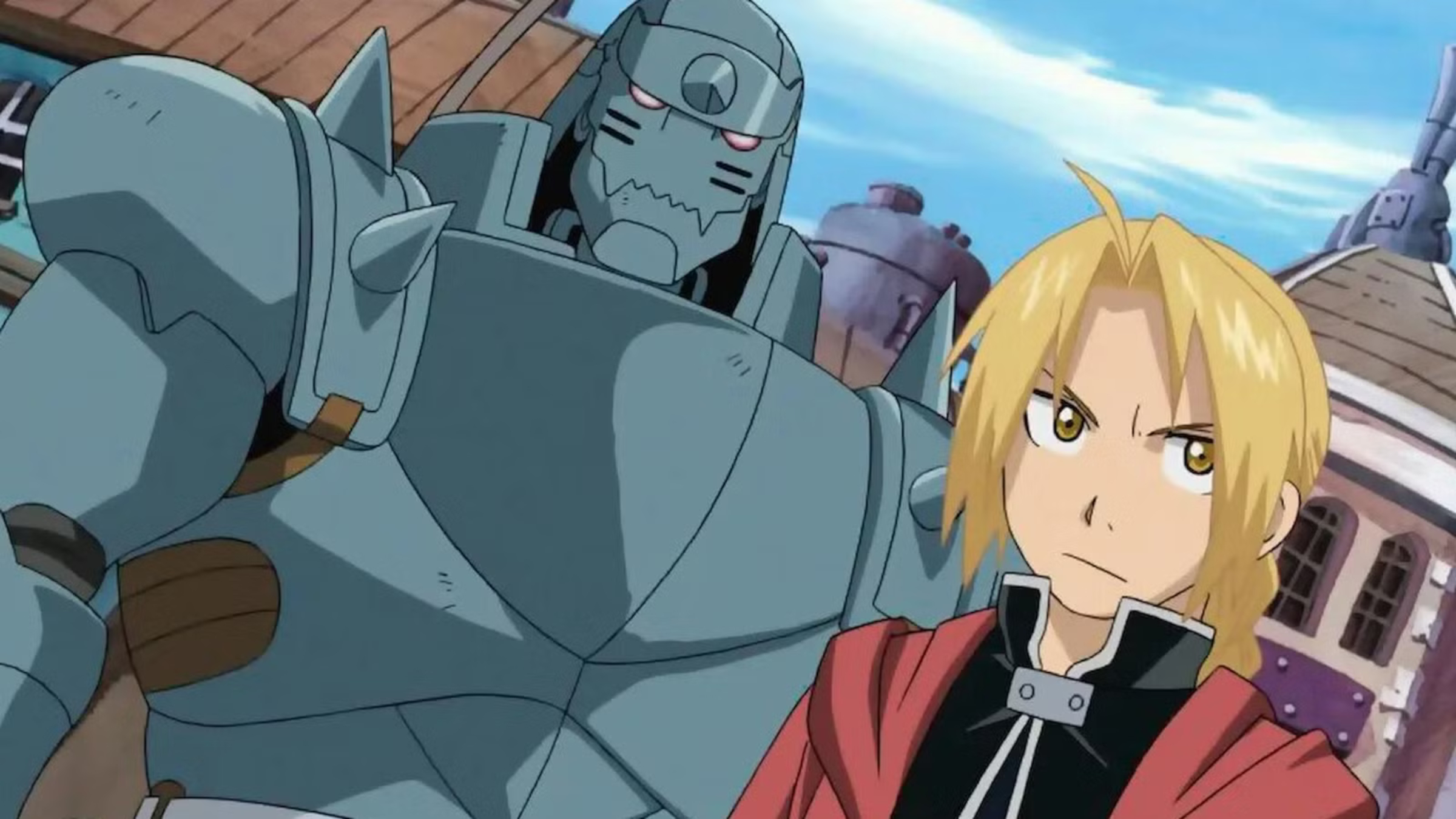
I’m a huge fan of Fullmetal Alchemist: Brotherhood, and what really sets it apart is how it builds its world. It’s amazing how alchemy isn’t just magic, but the driving force behind this entire, complex society. The story centers on the Elric brothers, Edward and Alphonse – Romi Park and Maxey Rie Kugimiya really bring them to life – and their desperate quest to fix what went wrong when they tried to use alchemy to bring someone back. They’re searching for the legendary Philosopher’s Stone, hoping it can restore their bodies after a terrible accident.
One of the most defining features of Fullmetal Alchemist: Brotherhood is its ‘automail’ – incredibly detailed, steam-powered prosthetic limbs that are surgically attached to the nervous system. The show realistically portrays the physical strain this technology puts on the body, highlighting the downsides of industrial progress. The world of Amestris itself, filled with steam trains, fortresses, and early 1900s cities, feels completely believable and connected to the rules of alchemy. Beyond its visuals, the series tackles important themes – questioning the ethics of scientific advancement and exploring the damaging effects of powerful military-industrial combinations – making it a standout example of steampunk storytelling.
1) Arcane

At the forefront of today’s animated series, Arcane is a stunning and heartbreaking story about the conflict between two cities and how they use technology. The wealthy city of Piltover embraces “Hextech,” a sophisticated system that uses magic and machines to improve life for its citizens. Meanwhile, the underground city of Zaun relies on “Chemtech,” a dangerous and unstable technology developed out of necessity and fueled by pollution.
The complicated relationship between sisters Vi and Jinx is deeply connected to the fast-paced development of new technologies, which represent both progress and ruin. By realistically portraying these technological and biological elements within its world, Arcane has raised the bar for steampunk visuals in all forms of media. Plus, the show’s animation – a unique mix of 2D and 3D from Fortiche Production – gives the world of Runeterra a beautiful, painted look that emphasizes the physicality of its machinery and the vibrancy of its lights.
What steampunk series do you think does the best job of blending a historical setting with imaginative futuristic elements? Share your thoughts in the comments and join the discussion in the ComicBook Forum!
Read More
- Dune 3 Gets the Huge Update Fans Have Been Waiting For
- Gold Rate Forecast
- Looks Like SEGA Is Reheating PS5, PS4 Fan Favourite Sonic Frontiers in Definitive Edition
- Pluribus Star Rhea Seehorn Weighs In On That First Kiss
- Kelly Osbourne Slams “Disgusting” Comments on Her Appearance
- Antiferromagnetic Oscillators: Unlocking Stable Spin Dynamics
- Tomodachi Life: Living the Dream ‘Welcome Version’ demo now available
- Arknights: Endfield – Everything You Need to Know Before You Jump In
- One Street Fighter Character’s Return Absolves Almost 29 Years Of Bad Blood
- ‘If You Found It Boring, This Won’t Change That’: Starfield’s PS5 Port to Be Revealed Soon, But Don’t Expect Major Reinvention
2026-01-26 23:45