One key to the lasting success of popular movie franchises is how easily audiences can follow the story. The Marvel Cinematic Universe, with its many films and TV shows, is a prime example – the interconnected stories remain consistent and logical. Even the James Bond series, with different actors over the years, maintains a recognizable thread, with nods to past films, as seen in Skyfall.
Some movie franchises lack a consistent creative vision – a key person who oversees each sequel and ensures everything fits together. While not essential – the recent Planet of the Apes films, for example, didn’t harm the originals – this consistency is really important for maintaining a cohesive story. Without it, franchises can become so disjointed that new installments feel completely unrelated to what came before, effectively breaking the established storyline. These are prime examples of when a movie series loses its way.
7) Terminator

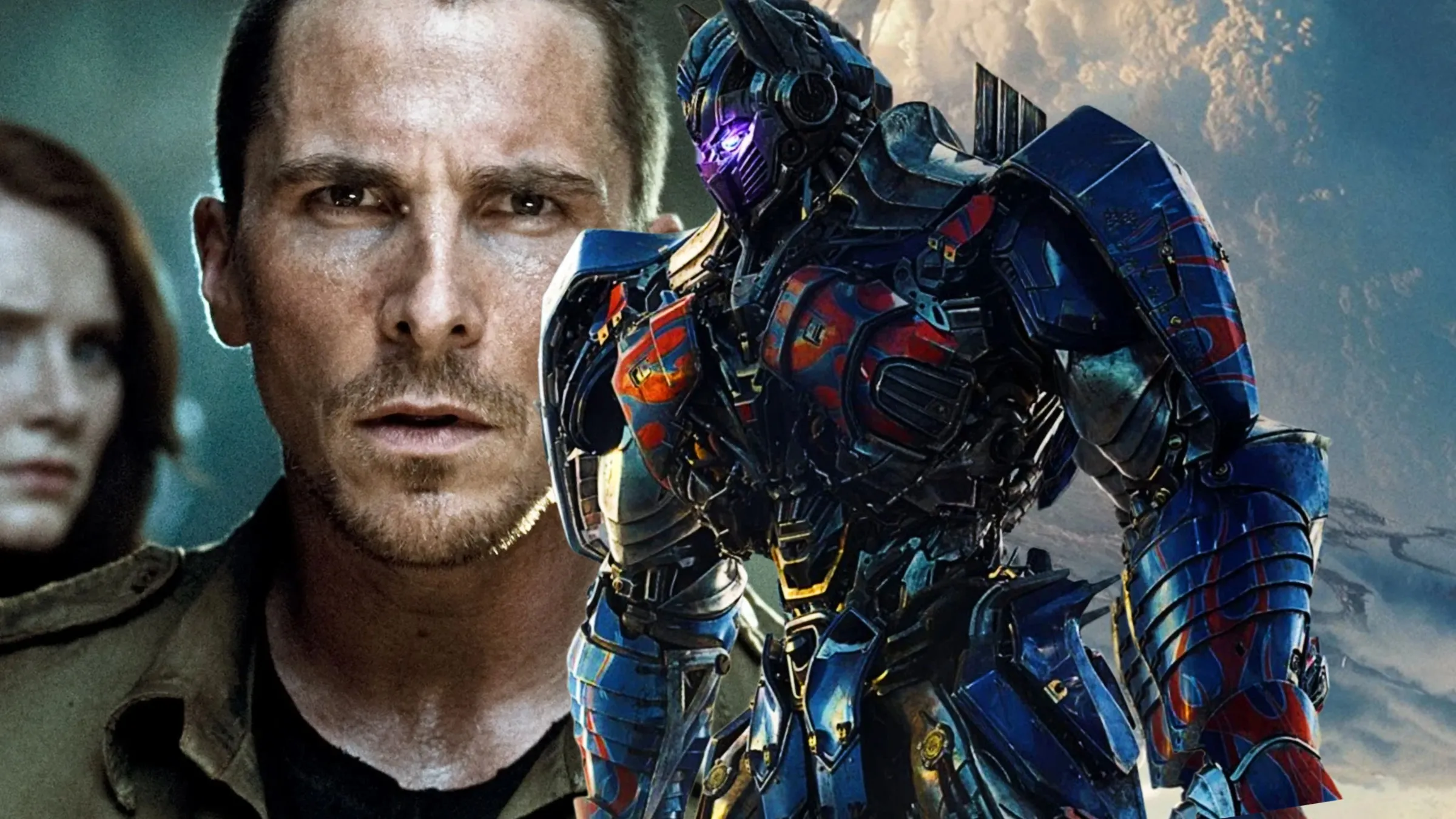
The Terminator movies used to be fairly easy to follow. Even though the third film didn’t have James Cameron directing and wasn’t as good as the others, it still fit within the established timeline. Problems really started with Terminator: Salvation, the 2009 movie intended to show the future war between humans and machines. However, the way this war was portrayed didn’t match what fans had previously seen in the series, and it also rushed through important backstory details about characters like John Connor and Kyle Reese.
Things didn’t improve. The release of Terminator Genisys disregarded many of the previous sequels, choosing to follow only Terminator 2. When that film received poor reviews and didn’t revive the series, another new timeline began with Terminator: Dark Fate in 2019. Dark Fate also acted as if only the original Terminator and Terminator 2 were official canon. Now, the franchise consists of six films (along with a TV series and anime), and the timeline has branched into several different possibilities.
6) Halloween
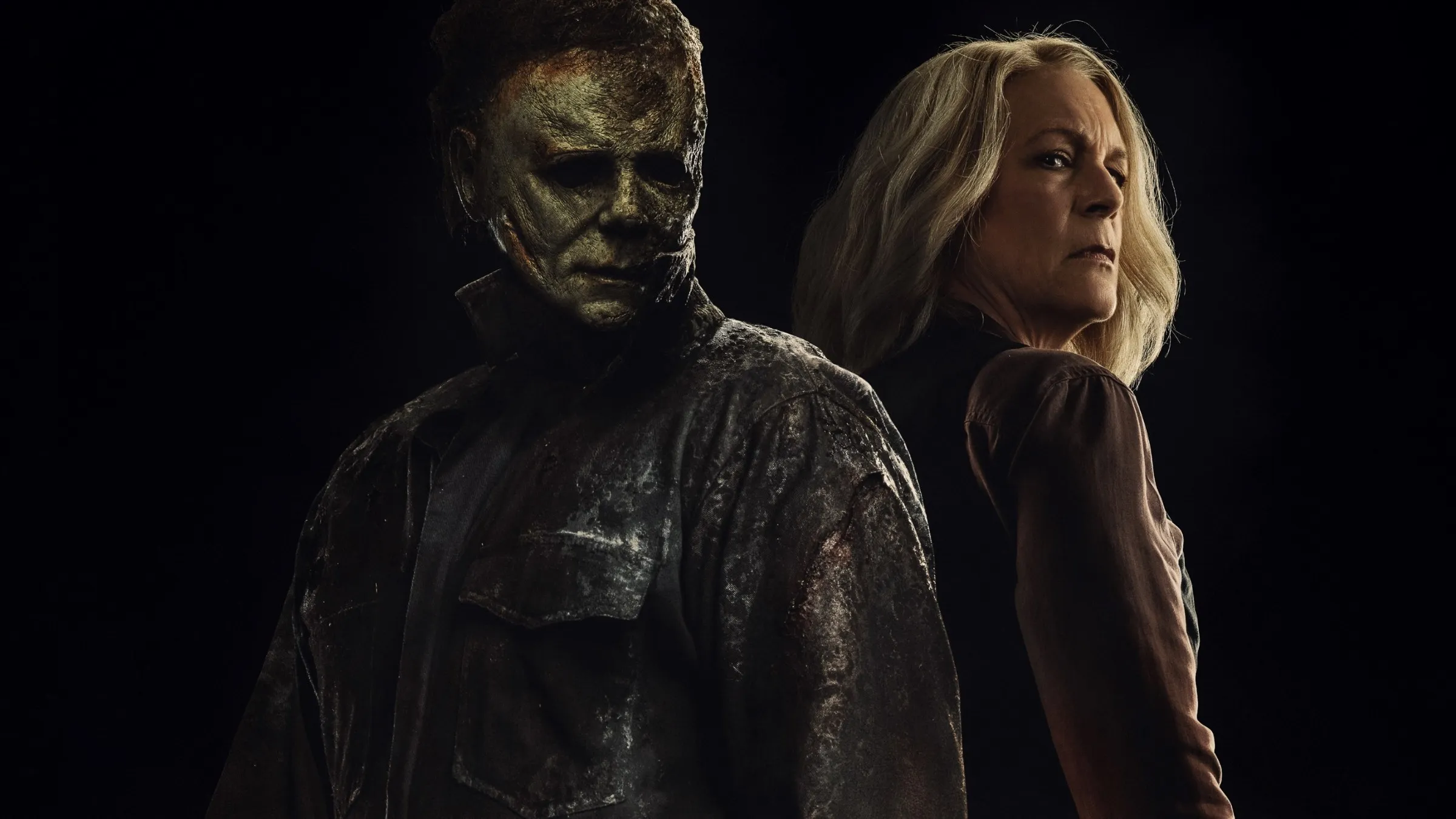
In 1978, John Carpenter and Debra Hill’s Halloween had a huge impact, fundamentally changing both independent filmmaking and the horror genre in America. It’s also surprising how a film with such a straightforward story ended up with a surprisingly complex and confusing history, leading to at least five separate timelines across its thirteen movies.
The Halloween movie series has four distinct timelines. The original starts with the first film and continues through Halloween 6. A second timeline begins after the second movie, ignoring everything else, and includes films Halloween 7 and 8. A third timeline branches from the very first Halloween (1978) and includes the 2018 reboot and its two follow-ups. Finally, the two films directed by Rob Zombie exist as a separate continuity.
Perhaps the most unusual entry in the Halloween series is Halloween III: Season of the Witch. It attempted to transform the franchise into a collection of standalone stories, and notably presented the original Halloween as a fictional film within its universe. As the 50th anniversary of Halloween approaches in just two years, expect another timeline shift with yet another reboot.
5) Godzilla

It’s become popular recently to focus on just the first movie in a franchise and skip the sequels, but Godzilla actually started that trend. There are a total of 38 Godzilla films – 33 made by Toho in Japan and 6 by American studios. These films aren’t all directly connected; some, like Shin Godzilla, tell completely independent stories. Others, such as Godzilla vs. Destoroyah, build on storylines from films made decades earlier.
The already complex timeline of Godzilla movies is getting even more tangled with two new films on the way: Godzilla Minus One and Godzilla x Kong: The New Empire. These movies don’t connect to each other at all, and even feature different versions of Godzilla, clearly showing that the series doesn’t have a consistent storyline.
4) Transformers
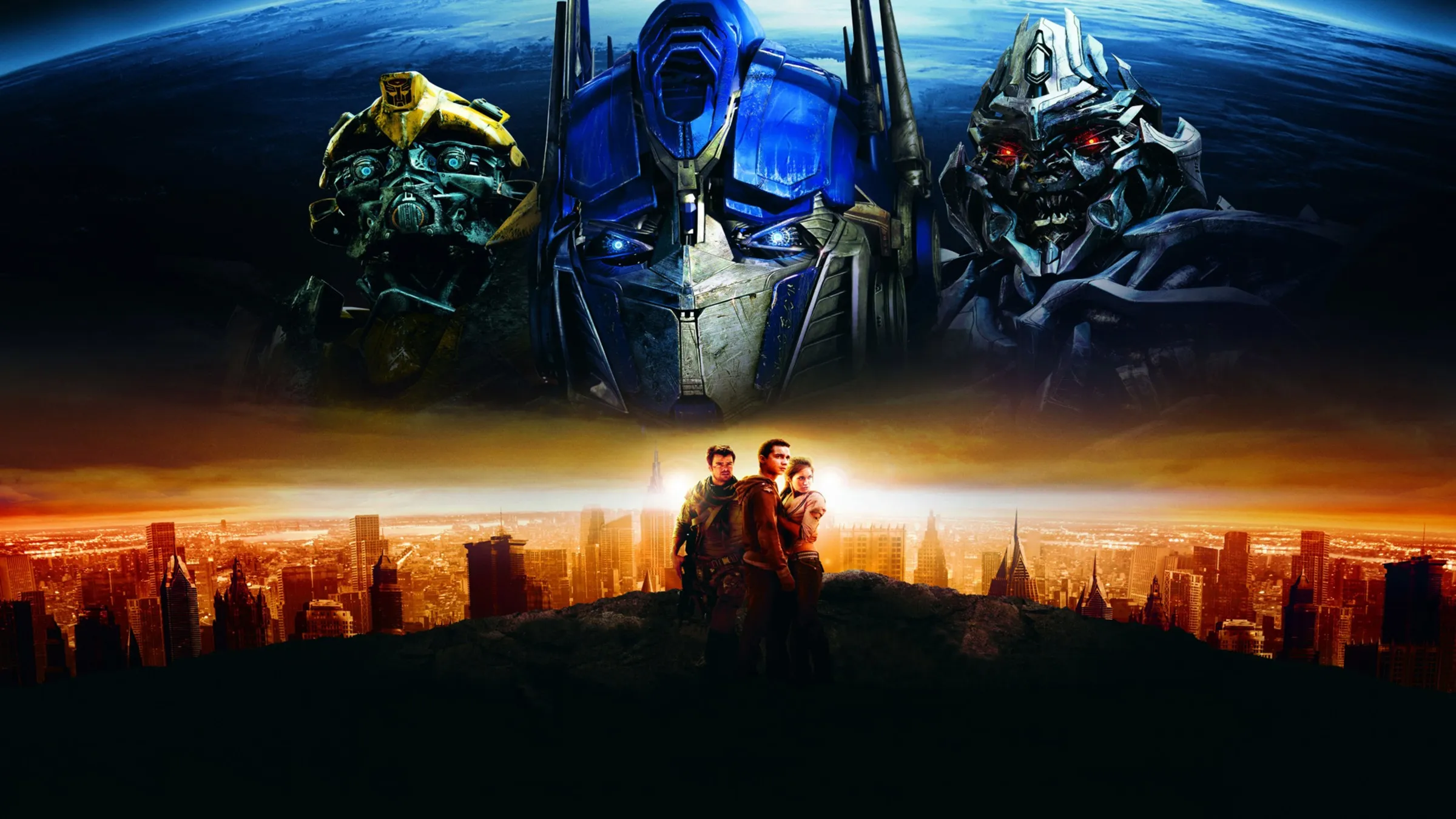
It’s easy to point out that the Transformers movies directed by Michael Bay don’t really make sense, but what’s truly funny is how many different parts of the story clash with each other. Let’s look at just one example: How long have the Transformers been aware of Earth?
The first Transformers movie ends with the Autobots happily settled on Earth after successfully defending it. However, later films drastically expand on their history. Dark of the Moon shows the original Transformers arrived 17,000 years ago, while Age of Extinction reveals some visited Earth even when dinosaurs were around. Then, The Last Knight throws everything into chaos, claiming Optimus Prime fought in the Napoleonic Wars and Bumblebee battled Nazis in World War II. It’s a timeline that simply doesn’t add up.
3) Cloverfield
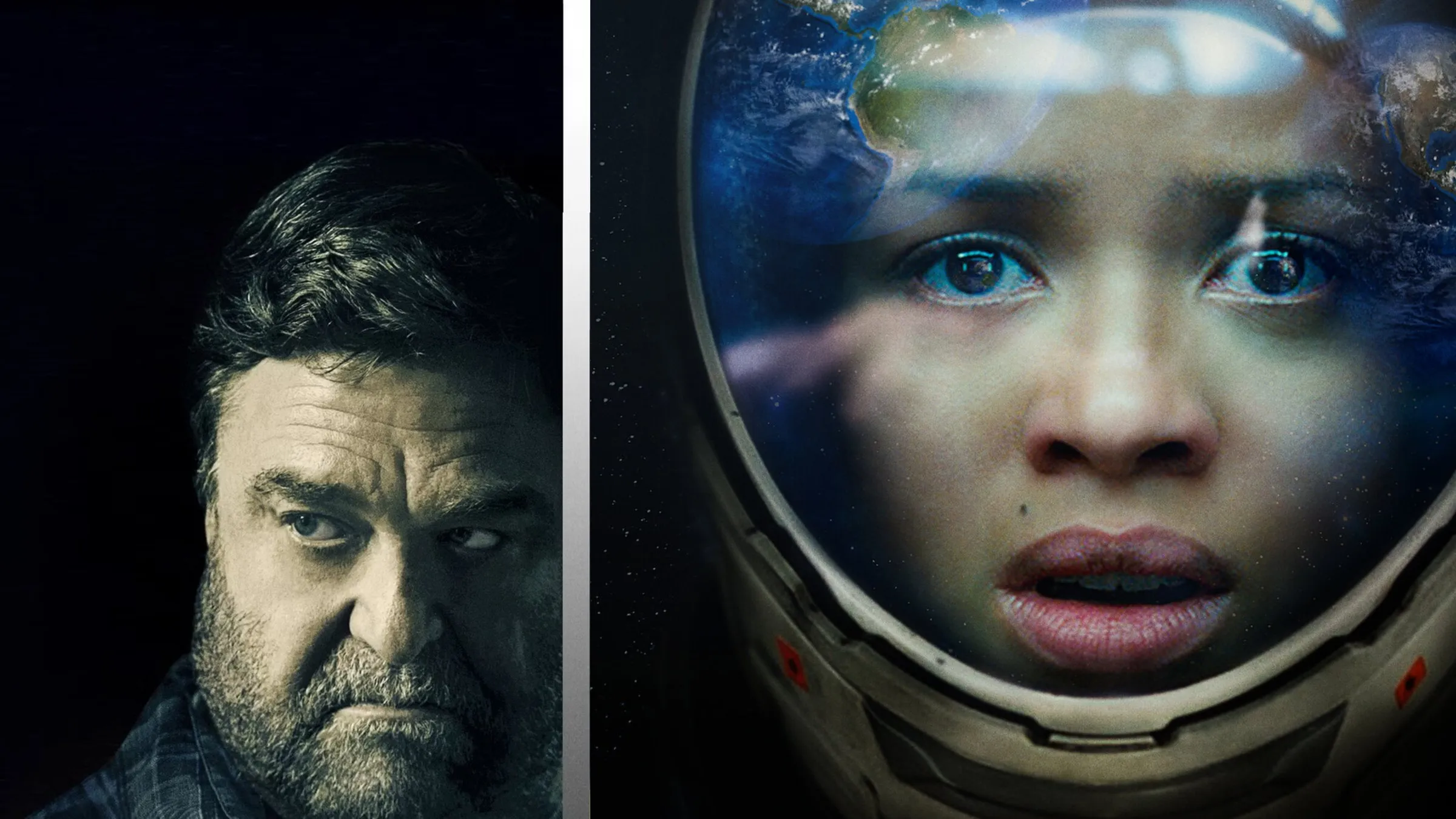
The idea behind the Cloverfield movies was always to be a series of standalone stories connected only by the title, hinting at the type of film you’d see rather than building a continuous storyline. However, that approach proved difficult when interconnected movie universes, like the Marvel Cinematic Universe, became the standard for success. The third film, The Cloverfield Paradox, ended up trying to tie back to the original, even though it was largely its own story. Ultimately, we have three movies that share a name and a similar premise – a large monster – but not much else.
2) Fox’s X-Men Movies
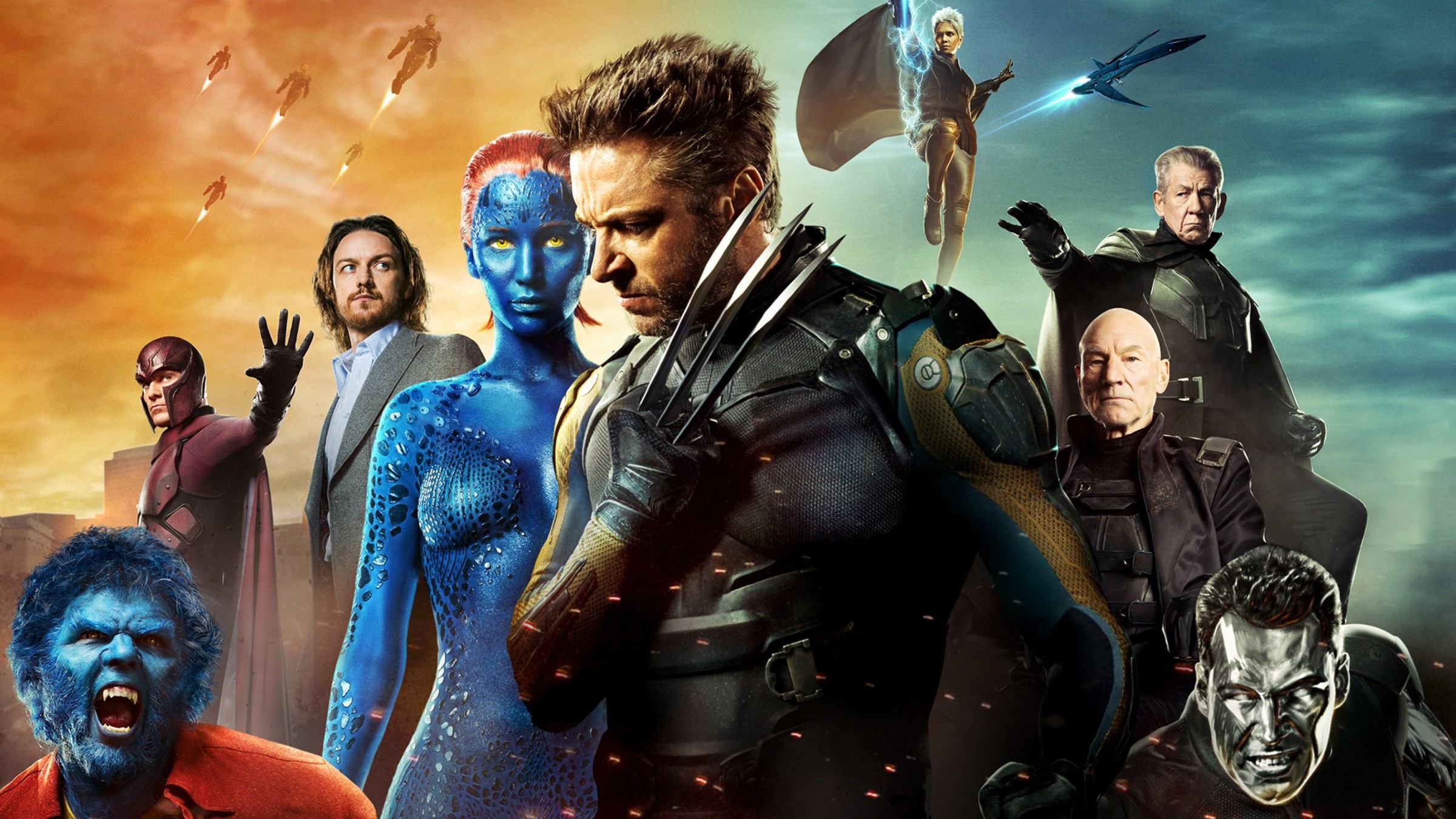
The X-Men movies always had timeline issues, with details about the origins of mutants and Wolverine’s past constantly changing from film to film. These problems got worse with X-Men Origins: Wolverine, but reached their peak with the attempt to restart the series. X-Men: First Class never fully committed to being a reboot or a continuation, creating major plot holes that became even more noticeable in later films like Dark Phoenix. Marvel faces a significant challenge in fixing this complicated history, and hopefully, they can create a more consistent storyline.
1) Alien & Predator
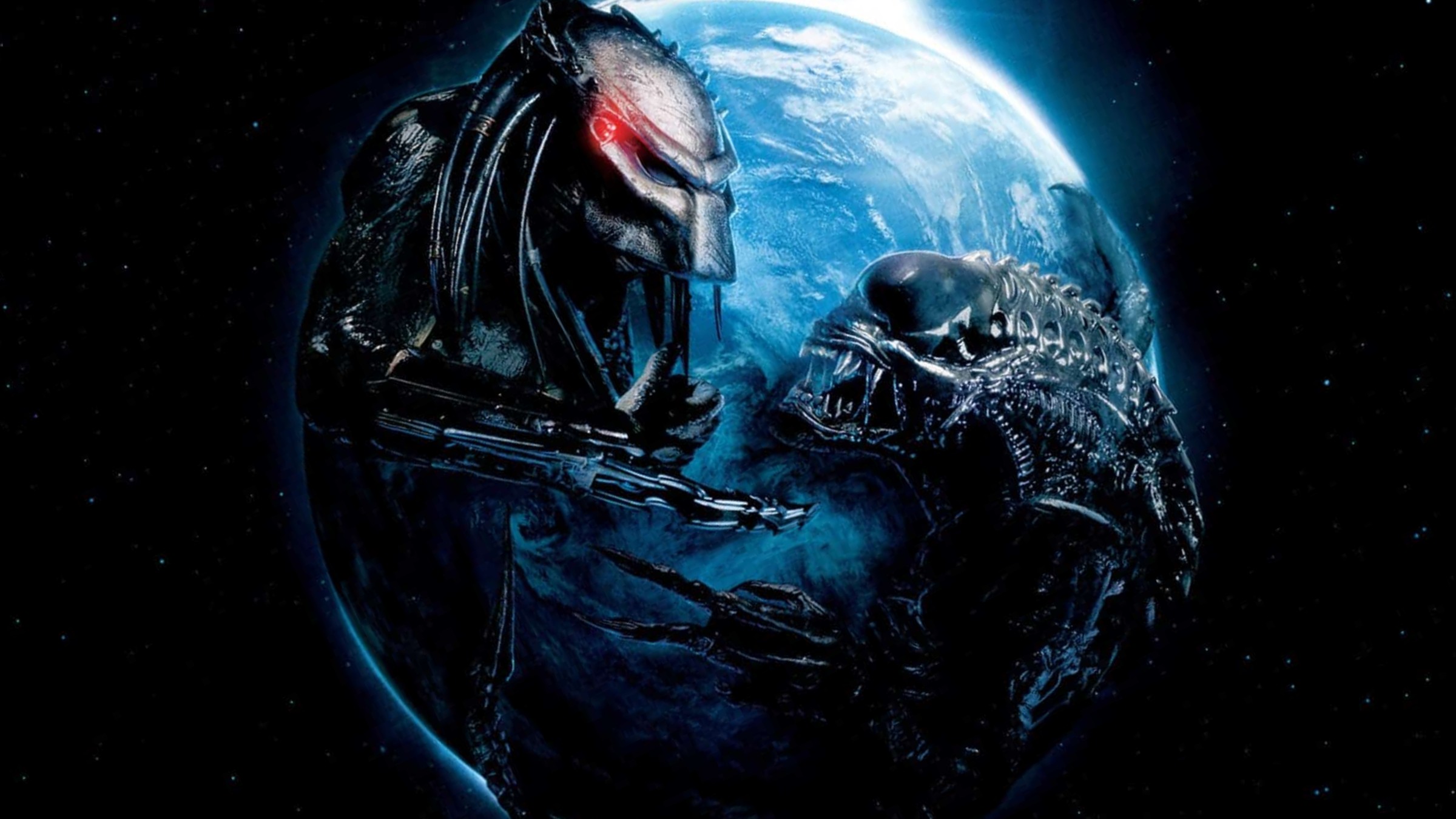
These two series are both confusing when looked at individually, and things get even messier because they’ve crossed over with each other several times. It’s a double dose of complicated lore!
The Alien movies mostly follow a consistent storyline, but the prequels, Prometheus and Alien: Covenant, really complicate the origins of the creatures – and the recent Alien: Earth series adds to that confusion. In contrast, the Predator films have very few connections to each other, so the overall story isn’t very important, aside from the idea that alien hunters occasionally visit Earth. There are a few questions that remain unanswered, like when the Predators first arrived on our planet.
As a long-time fan, I’ve always loved both the Alien and Predator series, but honestly, mashing them together with the Alien vs. Predator movies was a huge mistake. It really messes things up! These crossovers retroactively claim that ancient humans were used to create the Xenomorphs way before they should have even existed, and they suggest that hunting them on Earth is a Predator initiation rite – something earlier Predator films actually contradicted. Now we have nine films total across both franchises, plus those two crossovers, and it’s gotten to the point where the timeline is so tangled, it genuinely doesn’t matter which order you watch them in. It’s a mess, and it’s sad because both series were great on their own.
Read More
- Gold Rate Forecast
- Looks Like SEGA Is Reheating PS5, PS4 Fan Favourite Sonic Frontiers in Definitive Edition
- Dune 3 Gets the Huge Update Fans Have Been Waiting For
- Pluribus Star Rhea Seehorn Weighs In On That First Kiss
- Arknights: Endfield – Everything You Need to Know Before You Jump In
- Kelly Osbourne Slams “Disgusting” Comments on Her Appearance
- Antiferromagnetic Oscillators: Unlocking Stable Spin Dynamics
- 22 actors who were almost James Bond – and why they missed out on playing 007
- 5 Weakest Akatsuki Members in Naruto, Ranked
- Tomodachi Life: Living the Dream ‘Welcome Version’ demo now available
2026-03-06 17:12