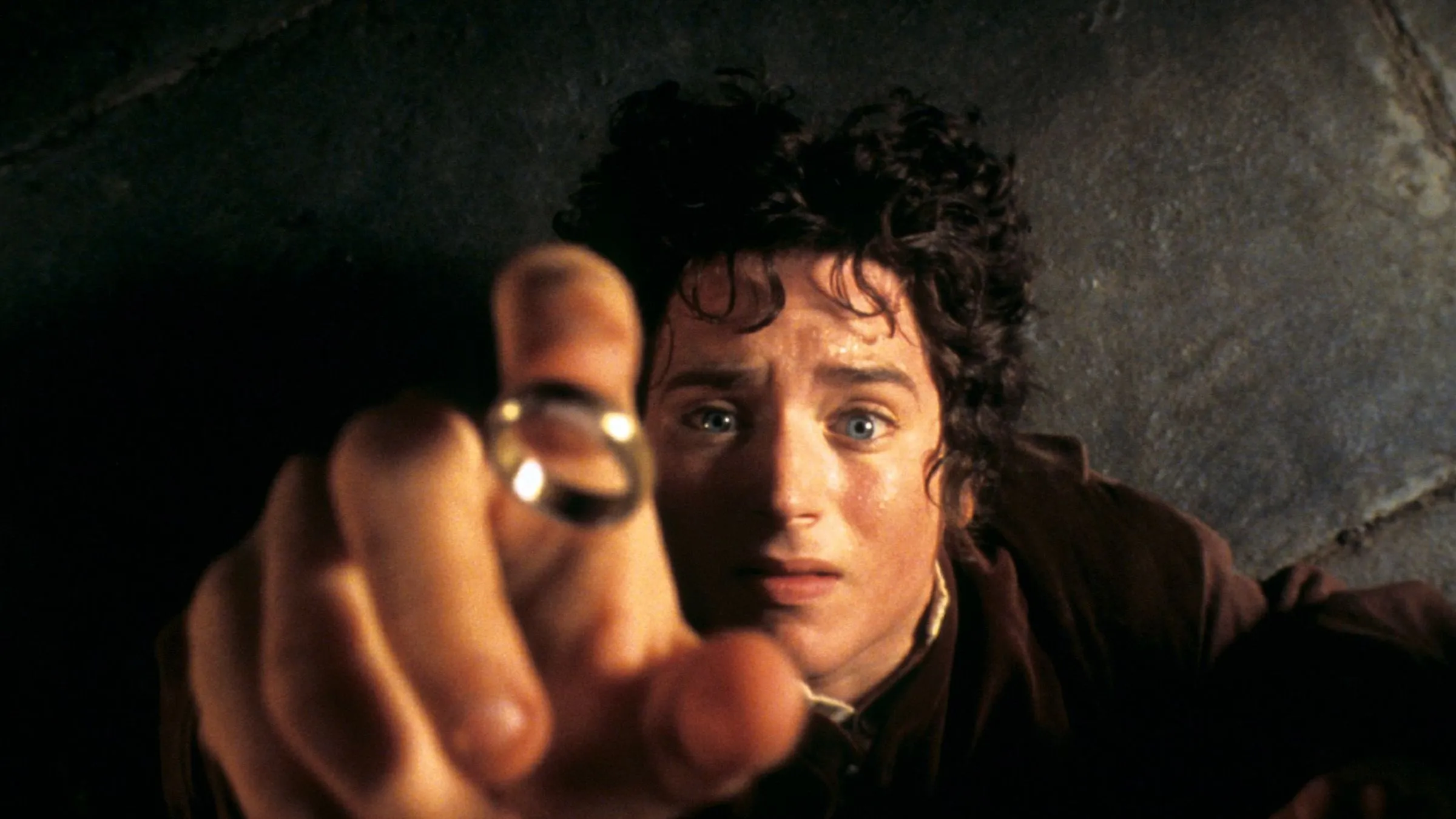
J.R.R. Tolkien is widely considered the creator of modern fantasy, and his work has shaped the genre for almost a century. Although The Hobbit and The Lord of the Rings were hugely popular during his life, they were just a small part of the incredibly detailed world he built over many years. Tolkien was a meticulous writer who constantly reworked his stories, even creating complete languages, family histories, and timelines that he never published. This dedication made his fictional world feel like a real, lost history. As a result, much of the detailed background of Middle-earth remained hidden in boxes of notes and manuscripts, known only to Tolkien and a few close friends.
After J.R.R. Tolkien’s death, his son, Christopher, took on the enormous job of sorting through, editing, and publishing his father’s unpublished stories over many years. These later publications have become incredibly important for fans eager to learn more about Middle-earth, especially after the success of Peter Jackson’s movies and the recent The Lord of the Rings: The Rings of Power series. They give crucial background to the events and relationships shown on screen, turning Middle-earth into a fully realized world with a rich history spanning millennia. Without these published works, our knowledge of key elements like the One Ring, the Wizards, and the Elves would be significantly lacking.
7) The Music of the Ainur
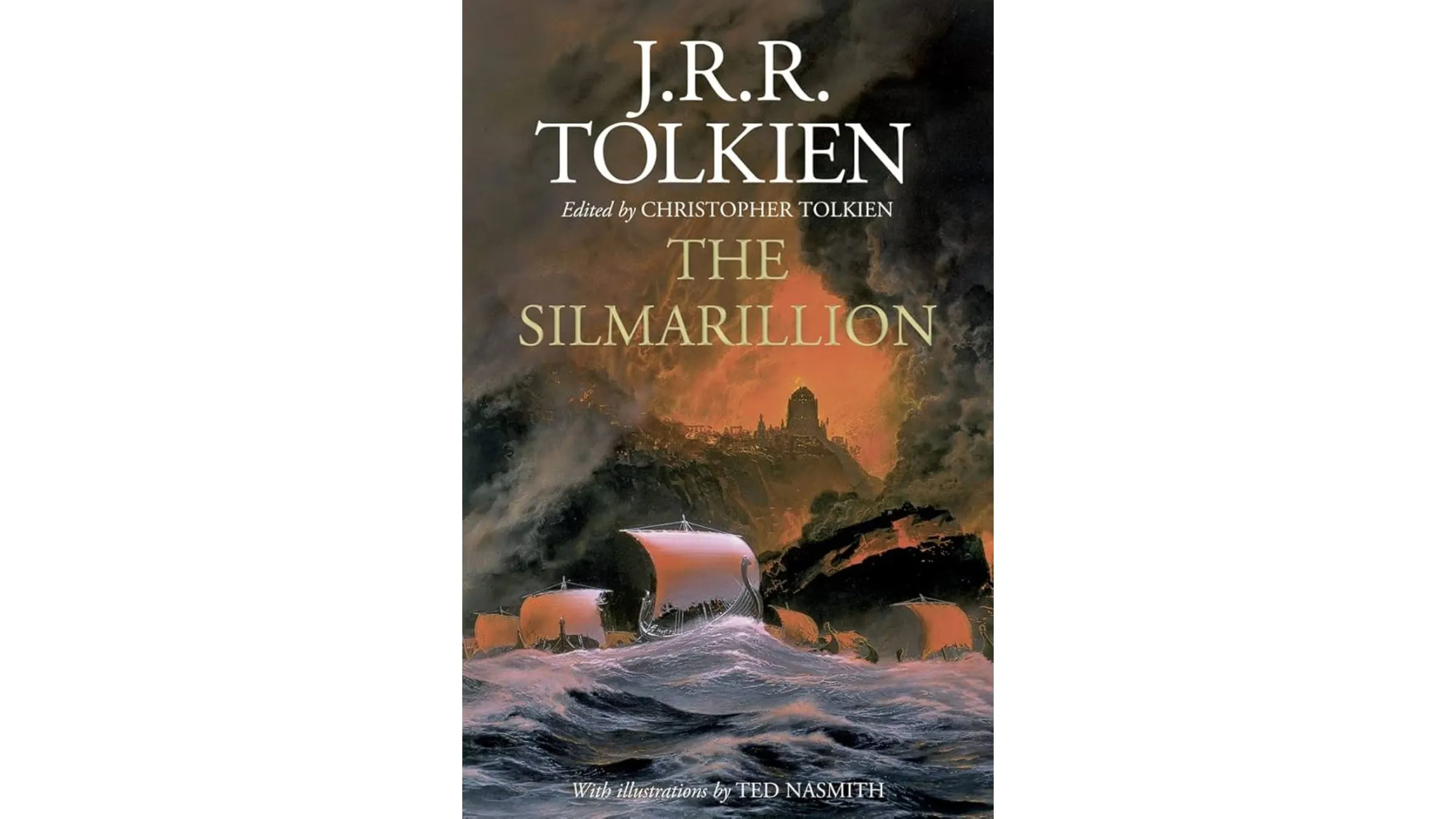
Tolkien’s creation story for Middle-earth, called the Ainulindalë, is considered one of his most imaginative and beautifully written works. Published in 1977 as the first chapter of The Silmarillion—four years after his death—it describes how Eru Ilúvatar, the supreme god, created angelic beings called the Ainur. He asked them to create a magnificent song, which ultimately formed the physical world. This story introduces the central conflict of Tolkien’s legendarium: Melkor disrupts the harmony of the song, essentially creating evil even before the world exists. Though it doesn’t have action or battles, the Ainulindalë is crucial because it lays out the fundamental rules of Tolkien’s world. It shows that the conflicts faced by characters like Aragorn and Frodo are reflections of an ancient, divine struggle that predates time itself, demonstrating how destiny and choice are intertwined in the very essence of Arda.
6) The Fall of Númenor
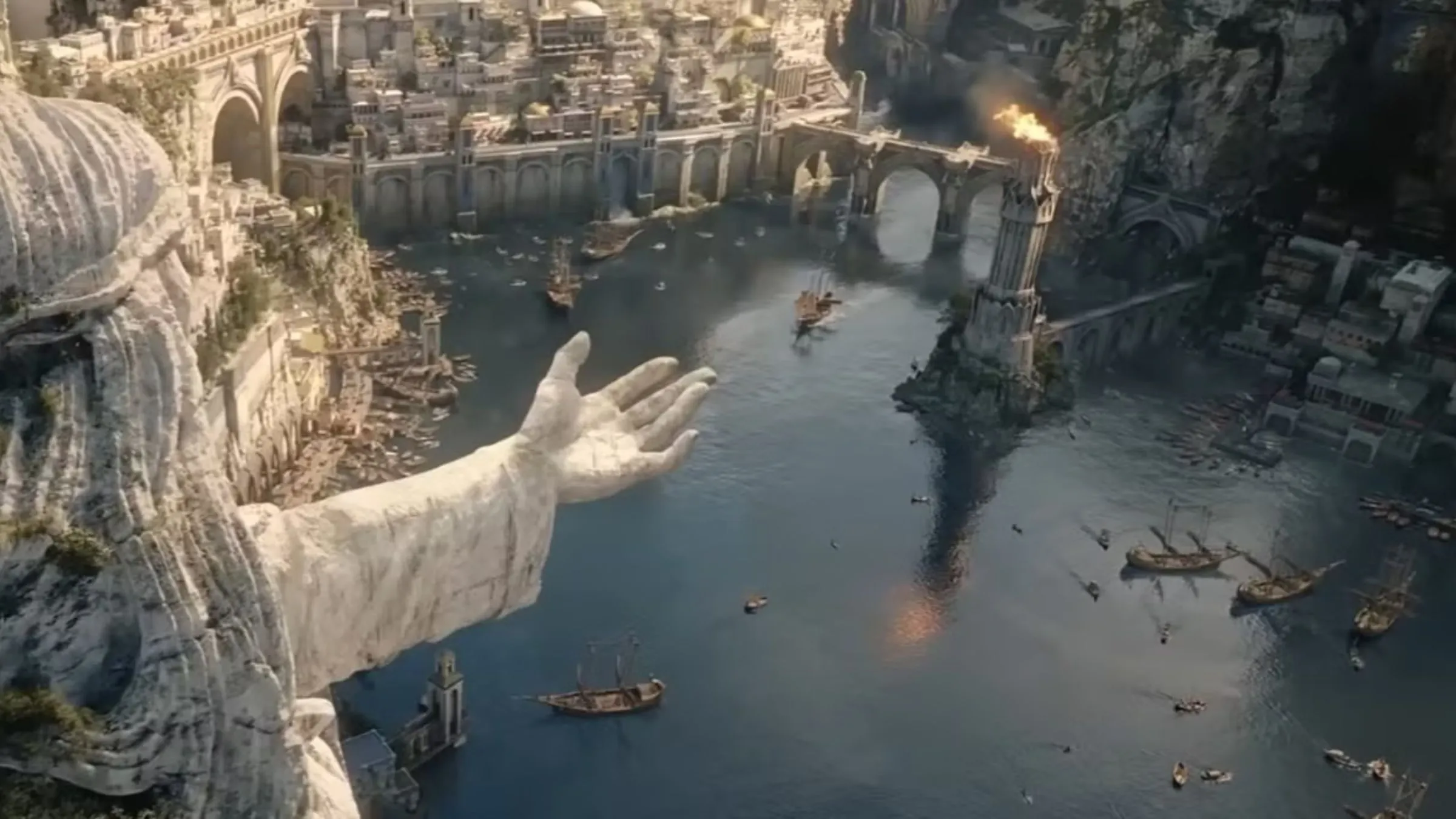
For many years, the story of Númenor’s destruction was found mainly in sections of The Silmarillion called the Akallabêth and in pieces within Unfinished Tales. But in 2022, editor Brian Sibley brought all these texts together into one complete book, The Fall of Númenor, giving readers a full account of the Second Age. This story is Tolkien’s take on the Atlantis legend, telling of a great human civilization that is gradually corrupted by fear of death and the influence of Sauron. Understanding this story is key to understanding the politics of the Second Age, including the rise of Ar-Pharazôn and the change in the world’s shape from flat to round. The Fall of Númenor explains how Gondor and Arnor came to be, and why Elendil and his sons had to escape to Middle-earth, ultimately founding the kingdoms so important in The Lord of the Rings.
5) The Forging of the Rings of Power
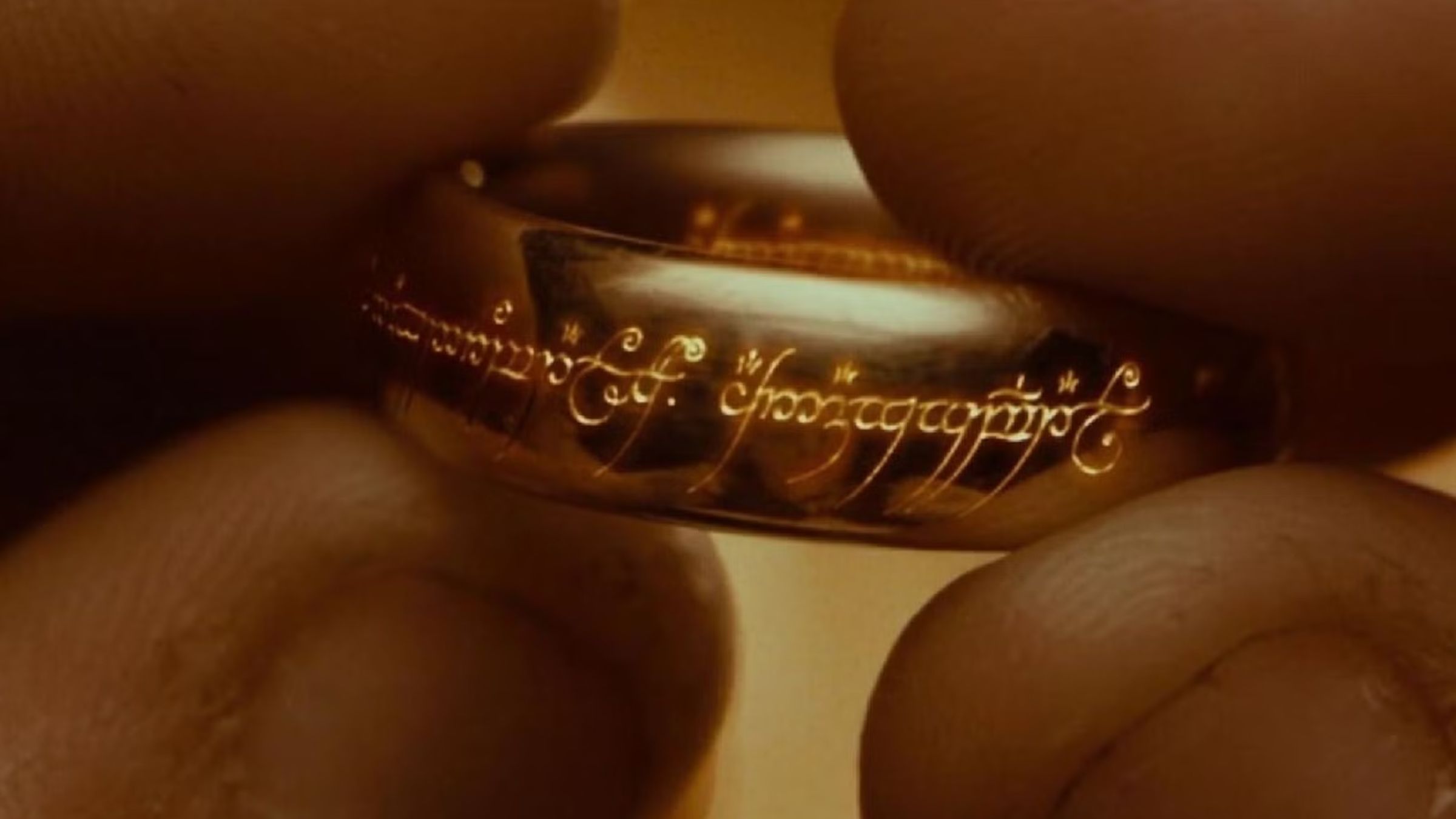
Despite its scholarly title, “Of the Rings of Power and the Third Age” is the essential story of what happened before the War of the Ring. Found at the end of The Silmarillion, it connects the ancient history of the Elves with the world Bilbo and Frodo knew. The story explains how Sauron cleverly disguised himself to trick the Elven smiths of Eregion, teaching them how to create rings that ultimately led to their downfall. It details exactly how the Three, Seven, and Nine rings were made, and why the One Ring controls them all. Published after J.R.R. Tolkien’s death, this section transforms Sauron from a simple villain into a shrewd political player who used others’ pride to gain power.
4) The Fall of Gondolin
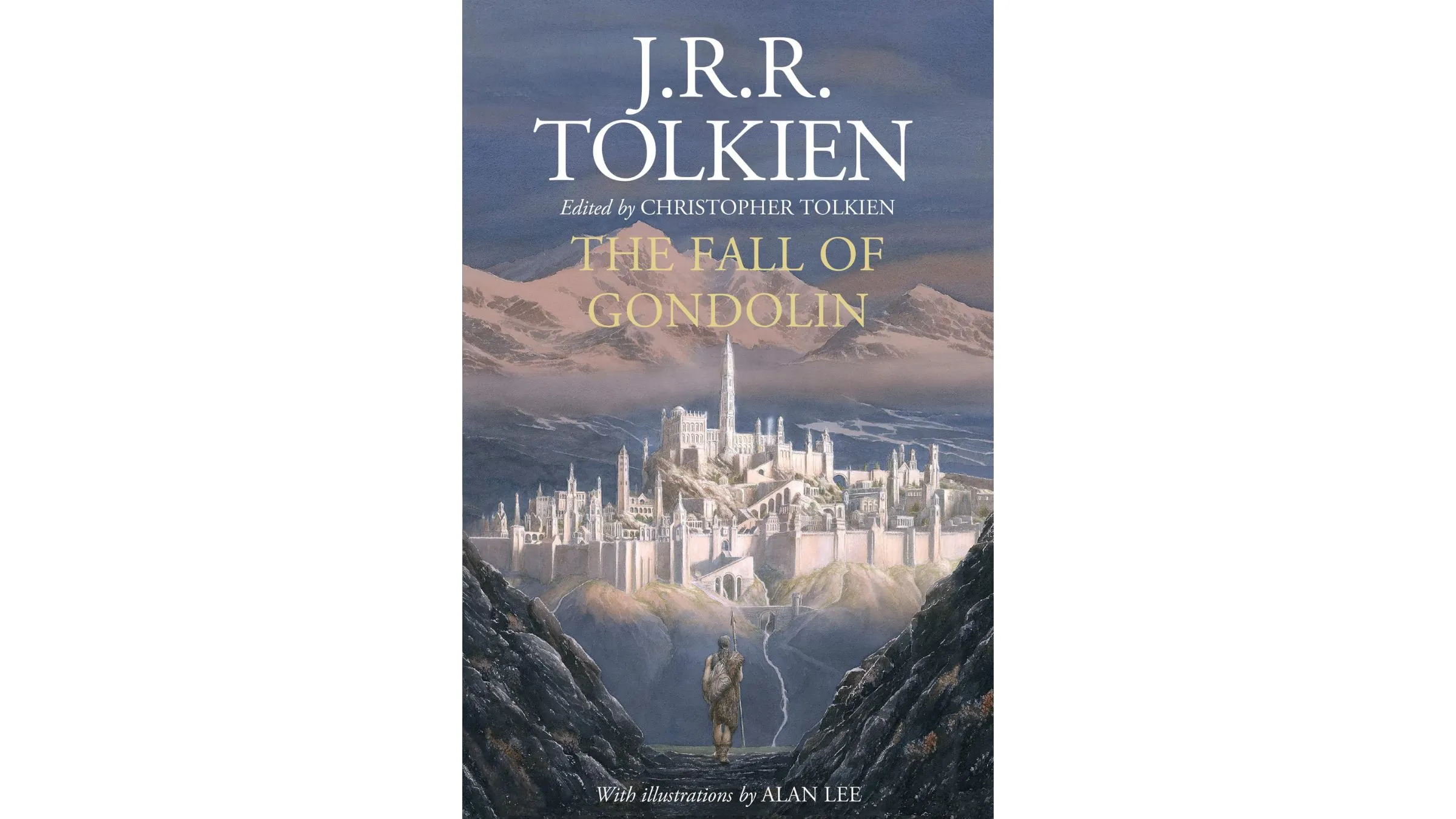
“The Fall of Gondolin” is significant as the very first story Tolkien wrote about Middle-earth, beginning in 1917 while he was on leave from World War I. Though started early in his writing career, it wasn’t finished during his lifetime and existed as fragmented drafts until his son, Christopher Tolkien, published it as a complete book in 2018. The story centers on the human hero Tuor, who, guided by the powerful being Ulmo, travels to the secret Elven city of Gondolin to deliver a warning of approaching disaster. It depicts a truly epic battle, famously including a duel between Glorfindel and a Balrog in the mountains. This tale is important because it reveals the immense power of Morgoth’s army and the tragic pride of the Elves, who thought they could escape the world’s problems. Finally published, this book completes one of the three major stories from the ancient history of Middle-earth.
3) Beren and Lúthien
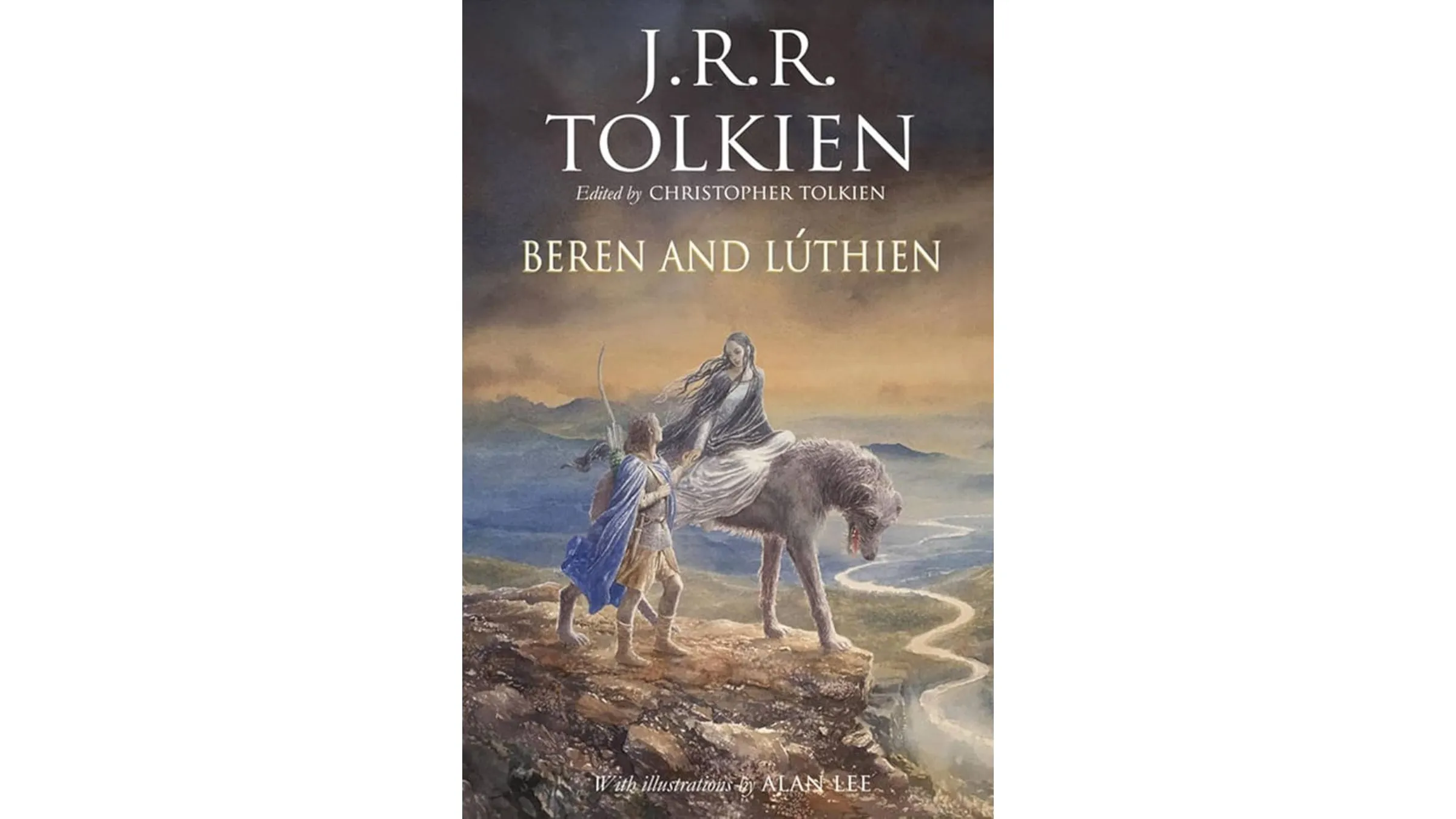
At the heart of Tolkien’s mythology lies the love story of Beren, a human, and Lúthien, an immortal elf – a tale so meaningful to Tolkien that he and his wife are buried with their names inscribed on their tombstones. Though briefly told in The Lord of the Rings, the complete story of their dangerous quest to steal a Silmaril from the evil Morgoth wasn’t fully revealed until after Tolkien’s death, most recently in the 2017 book Beren and Lúthien. This story sets the stage for later relationships between humans and elves, like that of Aragorn and Arwen. The tale also features surprisingly dark elements, such as Sauron’s time as a powerful, terrifying figure commanding werewolves. Ultimately, Beren and Lúthien is the emotional center of Tolkien’s First Age, demonstrating that love in his world is a powerful force capable of even changing fate and moving the unyielding judge, Mandos.
2) The Children of Húrin
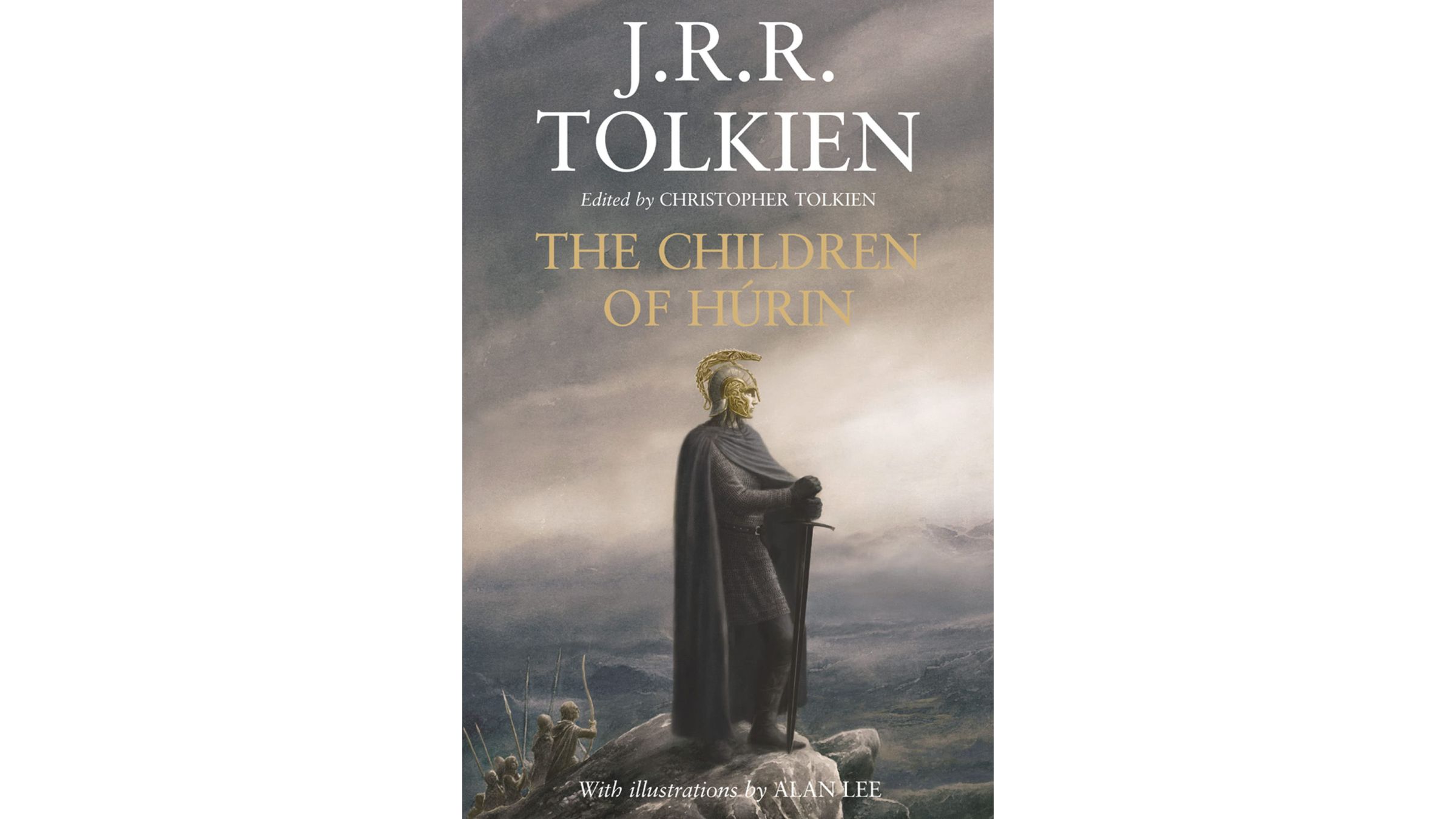
The Children of Húrin is Tolkien’s most fully realized work published after his death, appearing as a complete book in 2007. It’s a heartbreaking story about Túrin Turambar, a warrior whose life is ruined by the evil of Morgoth. This tale is much more relentlessly tragic than The Lord of the Rings, feeling more like an ancient Greek play or Norse legend than a typical fantasy story. Túrin isn’t a perfect hero; his pride and misfortune cause the deaths of almost everyone he cares about, including his close friend Beleg Strongbow. With the release of The Children of Húrin, readers could explore a darker side of Middle-earth where good doesn’t always triumph. The book also introduces Glaurung, a dragon who uses psychological warfare on the heroes, offering a frightening contrast to the more straightforward physical threat posed by Smaug.
1) Quenta Silmarillion
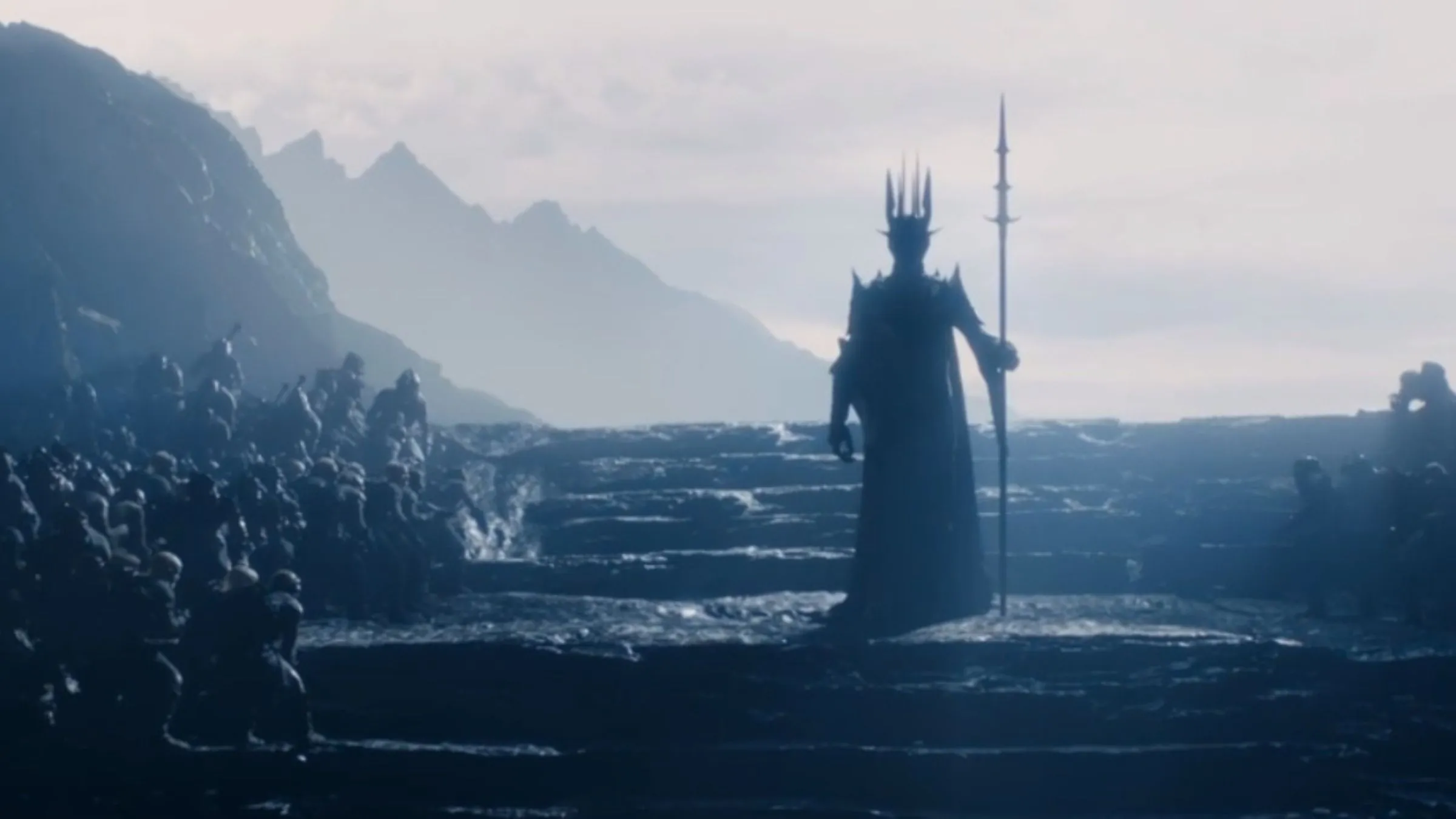
The most important work published after J.R.R. Tolkien’s death is undoubtedly The Quenta Silmarillion, the core story within the 1977 book The Silmarillion. This expansive tale acts as the foundational history of Middle-earth, detailing the story of the Silmarils and the long war between the Elves of the Noldor and the original Dark Lord, Morgoth. It introduces the key characters – both heroes like Fëanor and Fingolfin, and villains – who define the world’s lore. Without The Quenta Silmarillion, the mentions of “Elder Days” or “Beleriand” in The Lord of the Rings would be just evocative details without real meaning. It provides the broad historical context that gives depth to all other stories, explaining the decline of the Elves and the fading of the world. Essentially, it’s the key to understanding Tolkien’s entire created world, elevating The Lord of the Rings from a popular adventure series into a fully realized mythology comparable to those of ancient Greece or Rome.
As a huge Tolkien fan, I’m always curious to hear what everyone else thinks! I’m wondering, which of his stories—the ones published after he passed away—really stands out to you? Let me know in the comments, and let’s discuss it over on the ComicBook Forum!
https://comicbook.com/movies/list/7-most-beautiful-fantasy-movies-of-all-time-ranked/embed/#
Read More
- What Song Is In The New Supergirl Trailer (& What It Means For The DC Movie)
- Highly Anticipated Strategy RPG Finally Sets Release Date (And It’s Soon)
- TV legend Carol Kirkwood reveals the reasons why she decided to retire after 28 years with BBC
- Why is Tech Jacket gender-swapped in Invincible season 4 and who voices her?
- Dune 3 Gets the Huge Update Fans Have Been Waiting For
- MOUSE: P.I. For Hire Loops in Caravan Palace for A Catchy New Track Ahead of April 16 Release
- 49 Years Ago Today, Movie History Was Changed by a Film You’ve Never Even Seen
- Gold Rate Forecast
- The Most Surreal Moments From the O.J. Simpson Murder Trial
- Alan Ritchson’s Reacher Future Looks Hopeful Thanks To Amazon’s 10/10 Action Thriller Series
2025-12-17 01:16