Nostalgia can really change how we remember things, especially when it comes to the movies and shows we loved as kids. We often look back on them as perfect, but that’s not always accurate. This is especially true for fantasy films, which already require us to willingly accept unbelievable things. We tend to focus on the good feelings those films gave us – like watching them with friends – and forget about things that haven’t aged well, like cheesy special effects or storylines that wouldn’t be made today. While some classic fantasy films remain great because they tell timeless stories about people, others are products of their time and can feel strange or awkward when we watch them now that our tastes and technology have changed.
Just because a movie hasn’t aged well doesn’t mean it’s unwatchable, but it does mean how we experience it has changed. What once seemed groundbreaking visually might now look awkward, and a romance that felt exciting in the past could be seen very differently today, especially regarding issues of respect and boundaries. In the most extreme cases, outdated and problematic depictions of race or gender can completely overshadow any artistic value the film once had.
7) Highlander
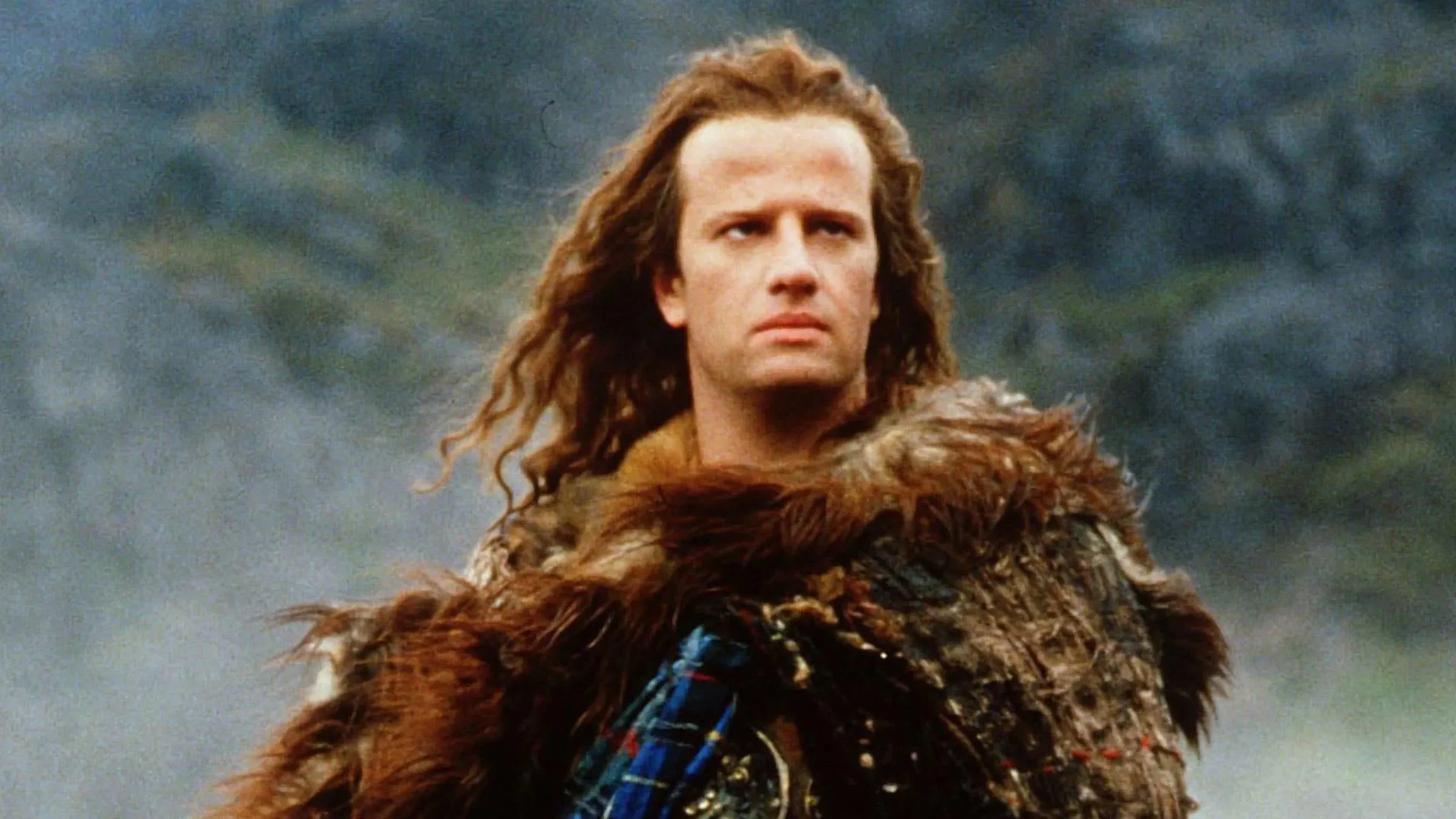
The basic idea behind Highlander is still really exciting – immortal warriors battling each other across time for an unclear reward. It’s classic, over-the-top adventure. However, the 1986 film struggles with some strange casting choices that become more noticeable over time. Most notably, the film asks viewers to believe that French actor Christopher Lambert is a native Scot. It gets even stranger when you consider Sean Connery, a very famous Scottish actor, plays an Egyptian character pretending to be Spanish.
Even if you can accept the movie’s unusual dialogue, Highlander struggles with a slow pace and a romance that doesn’t feel believable. The special effects, especially during the “Quickening” scenes, look cheap and resemble a low-budget music video. While the Queen soundtrack helps keep things lively, Highlander is a film that’s better remembered as a fun idea than actually watched for its full runtime.
6) Alice in Wonderland

Tim Burton is known for his unique filmmaking style, and his 2010 version of Alice in Wonderland was a huge hit, earning over a billion dollars. However, looking back, the film now feels like a prime example of the over-reliance on computer effects that characterized blockbusters in the early 2010s. The movie also strayed from the original story’s playful, dreamlike quality, replacing it with a predictable “hero’s journey” plot. Instead of a curious girl exploring a strange world, Alice (Mia Wasikowska) becomes a warrior tasked with defeating a dragon, which makes the story feel generic and loses what made it special.
The visual effects in Alice in Wonderland haven’t held up well over time. The heavy use of green screen makes the film look fake and lacks the warmth of Tim Burton’s older movies, which relied more on physical sets and props. Johnny Depp’s performance as the Mad Hatter comes across as a series of odd mannerisms instead of a fully developed character, and it signaled a shift where his unusual acting style started to feel repetitive. Many now consider the film’s ending dance sequence, the “Futterwacken,” to be one of the most cringeworthy moments in modern blockbuster filmmaking, and with good reason.
5) Twilight
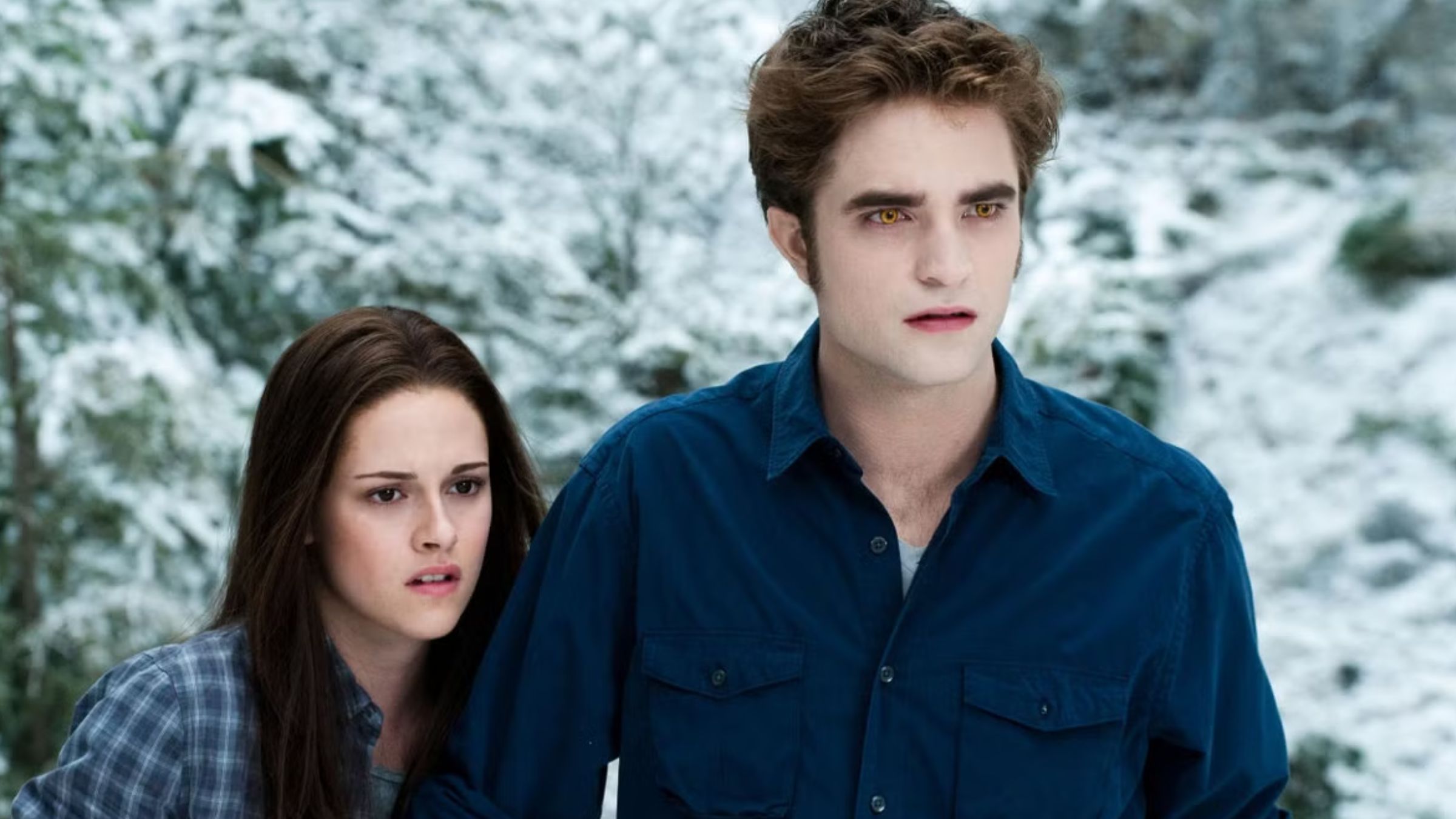
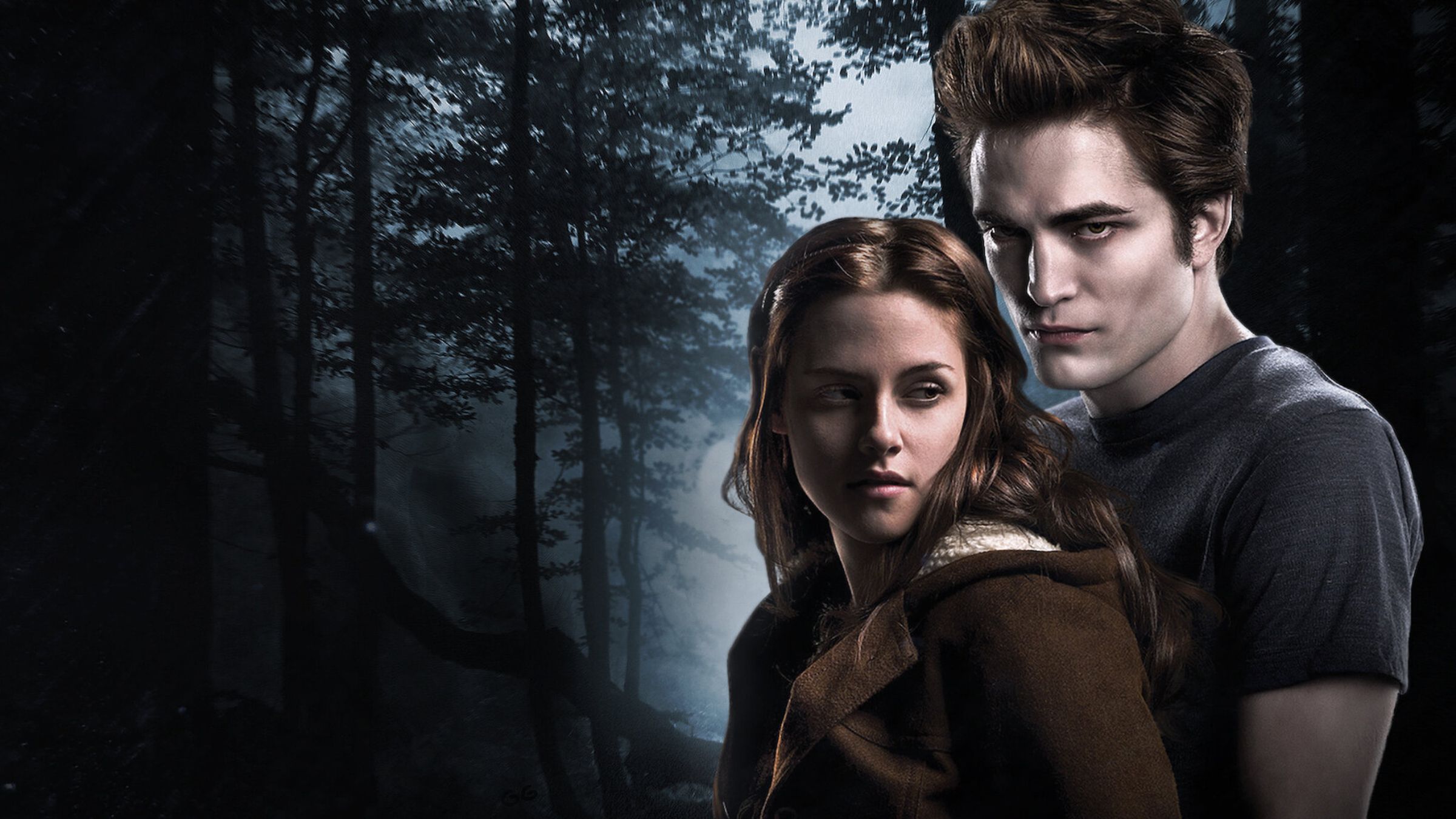
When Twilight first came out, it had a huge effect on popular culture, sparking a widespread obsession with vampires in both books and movies. However, looking back now, the relationship between Bella Swan (Kristen Stewart) and Edward Cullen (Robert Pattinson) seems much more problematic. While the film originally presented Edward’s actions as romantic and caring, a modern perspective reveals a relationship built on control, isolation, and stalking. He secretly watches her sleep, sabotages her car to keep her from socializing, and constantly tries to control her life under the guise of protecting her, effectively taking away her independence.
Issues with the Twilight series aren’t limited to the central romance; the broader mythology also has problems. A storyline involving Jacob Black culminates in him developing an instant, destined connection with a baby, which is presented as romantic but feels disturbing. Although many still enjoy the films as a nostalgic, over-the-top piece of 2000s pop culture, the way these relationships are portrayed as desirable makes it difficult for modern viewers to connect with the story.
4) 300
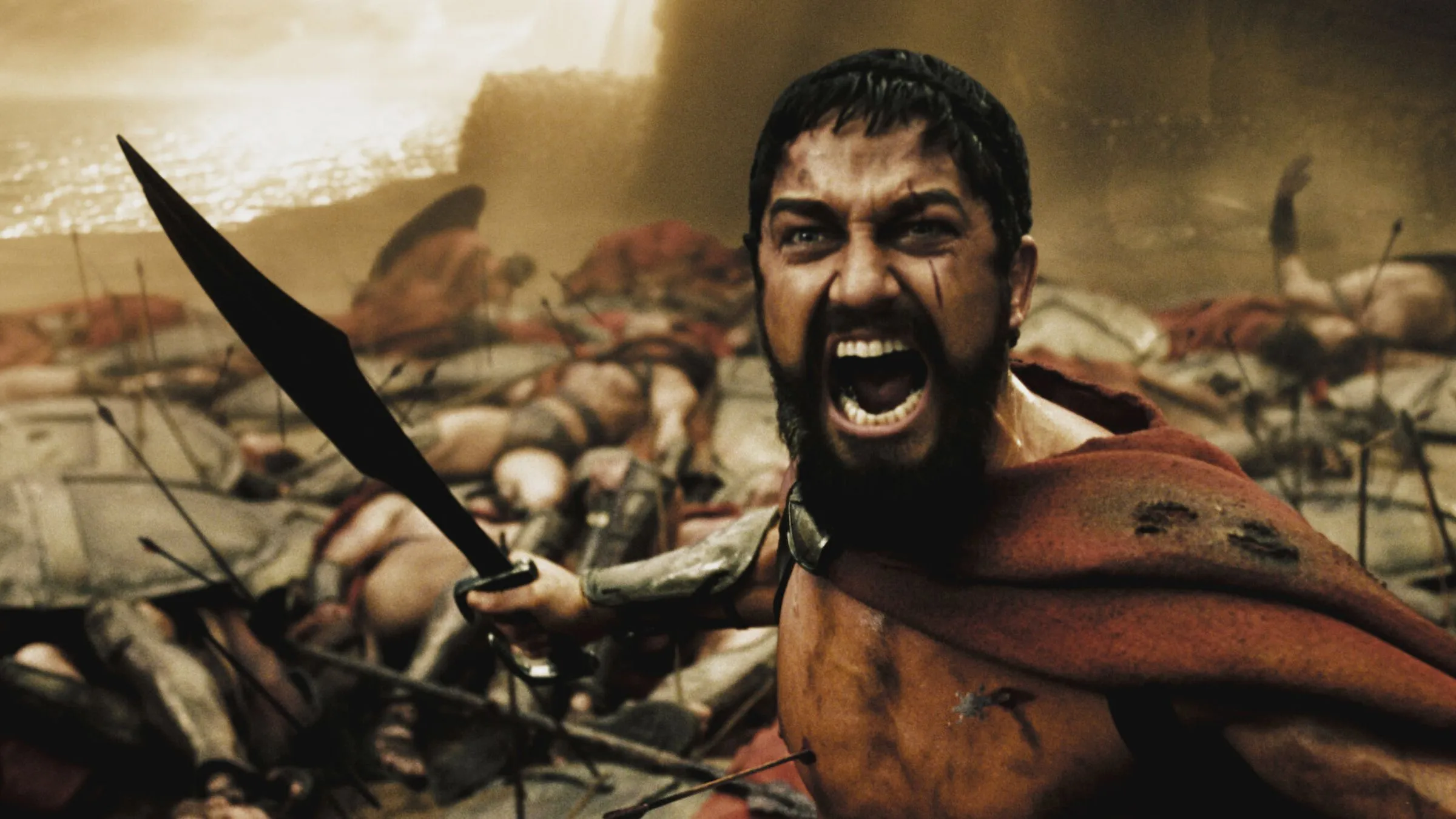
Zack Snyder first became known for his dramatic, slow-motion style with the film 300, which vividly recreated the Battle of Thermopylae like a comic book. Though the movie’s visuals were impressive when it came out, its underlying message hasn’t held up well. It portrays the Spartans, and their king Leonidas (Gerard Butler), as heroic defenders of freedom and Western values, but it ignores the fact that Spartan society relied on harsh slavery and selective breeding. The film simplifies a complex history, presenting a clear-cut story of good versus evil that now feels problematic given today’s social and political landscape.
The movie’s portrayal of the Persian army is particularly problematic. It shows the Persians as a frightening, exaggerated, and stereotypical group. Xerxes, played by Rodrigo Santoro, is presented as an imposing and strangely adorned figure, and his soldiers are often depicted as deformed or unthinking. This visual approach unfairly links physical differences and being foreign with being evil, while simultaneously suggesting that the Spartans’ physical strength represents moral goodness.
3) Big

As a huge movie fan, I absolutely adore Penny Marshall’s Big – it’s one of those comedies that really captured the ’80s spirit with its sweet story of a boy magically trapped in an adult’s body. Tom Hanks is incredible in it, truly nailing that childlike wonder. But honestly, looking back, there’s a part of the movie that makes me uncomfortable. The romance between Josh and Susan, while played for laughs and heartwarming moments, just doesn’t sit right with me now. It’s hard to ignore the fact that it involves an adult man and a much younger girl, and that dynamic really tarnishes the film’s overall impact.
The movie Big tries to distract viewers with Josh’s appearance, but the significant power imbalance and lack of consent in his relationship with Susan are hard to overlook now. Susan thinks she’s dating an eccentric man, but Josh is a child who isn’t capable of handling an adult relationship. Because of this, the scene where Susan spends the night at Josh’s apartment now feels deeply unsettling instead of romantic. While Big is still considered a classic film, this part of the story reflects outdated attitudes and doesn’t fully consider the problematic implications of its premise.
2) The Indian in the Cupboard

When The Indian in the Cupboard came out, it was popular for its visual effects and feel-good story. The movie centers around a boy named Omri who finds a special cupboard that magically brings his plastic toys to life. He becomes friends with Little Bear, a Native American man, and the film tries to share lessons about history and friendship. However, the movie’s basic idea relies on a problematic fantasy where a white child essentially owns a Native American person, keeping him confined and controlling his basic needs.
The story of The Indian in the Cupboard uses a common and problematic pattern in fiction: the “Magical Native American” who simply helps the white main character grow. The character of Little Bear isn’t treated as a fully realized person with his own thoughts and feelings, but more like a toy or an interesting object, and his culture is presented in a shallow way. Although the story acknowledges that Little Bear is a real person from the past, the unequal power dynamic between him and the boy remains unsettling. Ultimately, The Indian in the Cupboard downplays the serious history of Native American displacement and oppression by framing it as a lighthearted adventure.
1) Peter Pan
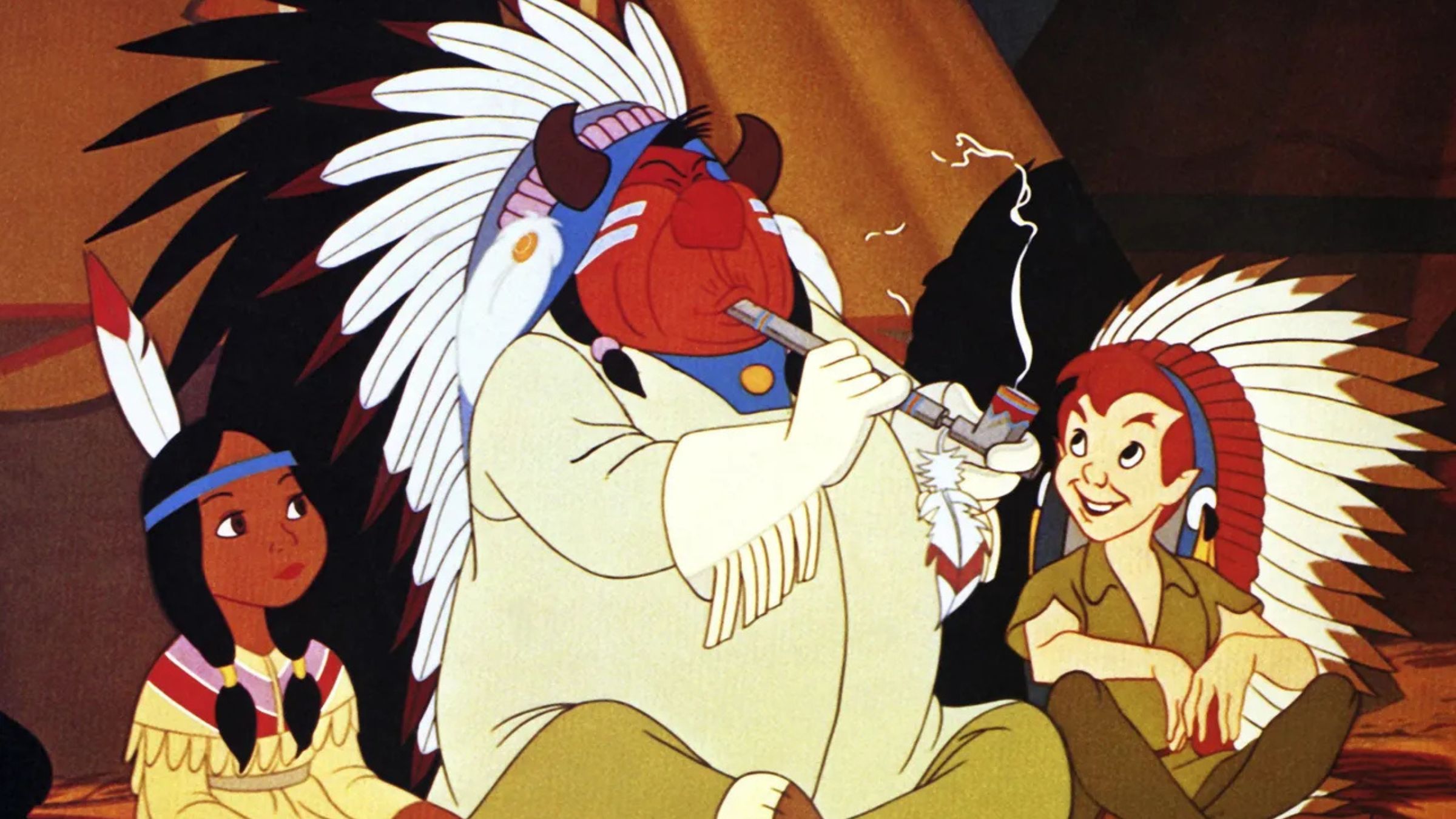
While many older Disney films contain problematic stereotypes, the 1953 animated version of Peter Pan is particularly notorious for its harmful portrayal of Indigenous people. Despite being a visually impressive and musically memorable film, it includes a deeply offensive sequence featuring Tiger Lily and her tribe. When Peter Pan and the Darling children visit the Indigenous encampment, the song “What Made the Red Man Red” presents a series of racist caricatures, using slurs and stereotypical images that are unacceptable today. The characters are shown with exaggerated red skin and speak in made-up, unintelligible language. This segment takes up a significant amount of the film and focuses entirely on mocking Indigenous cultures.
Even for its time, the 1950s film Peter Pan relied on damaging stereotypes. Today, it’s hard to show the movie to children without first explaining its racist depictions. Disney itself recognizes this problem and now includes content warnings, admitting these portrayals were wrong both then and now. Peter Pan is a prime example of a beloved classic that’s been significantly flawed by the biases of the past.
What other popular fantasy series do you think deserves a fresh look? Share your thoughts in the comments and join the discussion on the ComicBook Forum!
Read More
- The Super Mario Galaxy Movie: 50 Easter Eggs, References & Major Cameos Explained
- 10 Best Free Games on Steam in 2026, Ranked
- Surprise Isekai Anime Confirms Season 2 With New Crunchyroll Streaming Release
- Skate 4 – Manny Go Round Goals Guide | All of the Above Sequence
- Preview: Sword Art Online Returns to PS5 as a Darker Open World Action RPG This Summer
- Shonen Jump Officially Cancels Yet Another Major Series in 2026 (& Fans Saw It Coming)
- All 13 Smash Bros. Characters in the Super Mario Galaxy Movie
- Forza Horizon 6 ‘Prologue’ gameplay
- Joel Kinnaman Claims ‘Peacemaker’ Was His Last Time as Rick Flag Jr. in the DCU
- The Super Mario Galaxy Movie Is An Amusing Sequel (And an Improvement) [Review]
2025-12-28 21:14