As a huge fantasy fan, I’ve always felt it’s a really tough genre to nail. So many big-budget films just don’t hold up over time. It’s funny how quickly those amazing special effects can look…well, dated! What wowed us years ago can end up looking pretty clunky now as technology improves. But it’s not just the visuals. Stories that felt fresh and exciting in the past can become cheesy or even problematic when you revisit them. It’s a bit heartbreaking when a childhood favorite doesn’t live up to the memories, and you realize it hasn’t aged very well.
Some fantasy movies age remarkably well. They achieve this by focusing on classic filmmaking techniques – things like real-world sets, physical props, and compelling characters – instead of relying too much on the latest visual effects. By building sets you can actually touch, rather than creating everything digitally, these filmmakers give their worlds a depth and authenticity that can be hard to achieve with computer-generated imagery.
7) Legend

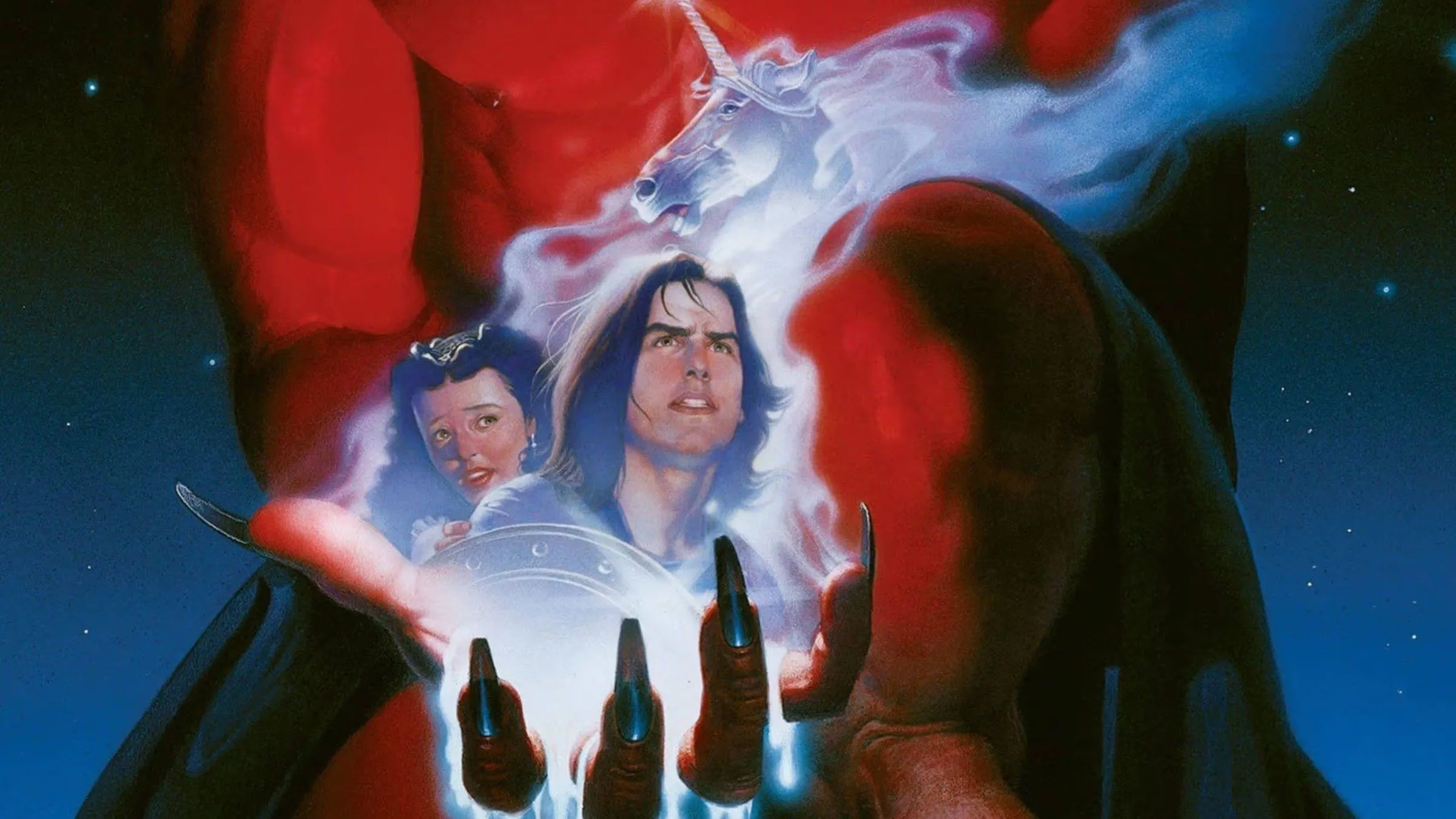
Ridley Scott is famous for his science fiction films, but his fantasy movie, Legend, is still visually stunning – a rare treat in modern cinema. The story is a classic fairy tale: Jack (Tom Cruise) must save the world from a never-ending winter and rescue Princess Lili (Mia Sara) from the evil Lord of Darkness (Tim Curry). While the plot isn’t very complex, the film holds up beautifully thanks to its incredible atmosphere and impressive practical effects. The production design, for example, created a magical forest environment with floating pollen and shimmering light that feels more like a beautiful painting come to life than a typical movie set.
What truly makes the film Legend enduring is the amazing practical effects work by Rob Bottin. His design for the Lord of Darkness is widely considered one of the most impressive demonic makeup creations in film history. It allows Tim Curry to become a frightening yet captivating monster – a huge, red-skinned figure with enormous horns and hooves. Because the character is a physical presence on set, the lighting realistically plays across his skin, something CGI struggles to replicate. This physicality gives the film a unique, tangible quality that continues to look incredible even today.
6) Willow
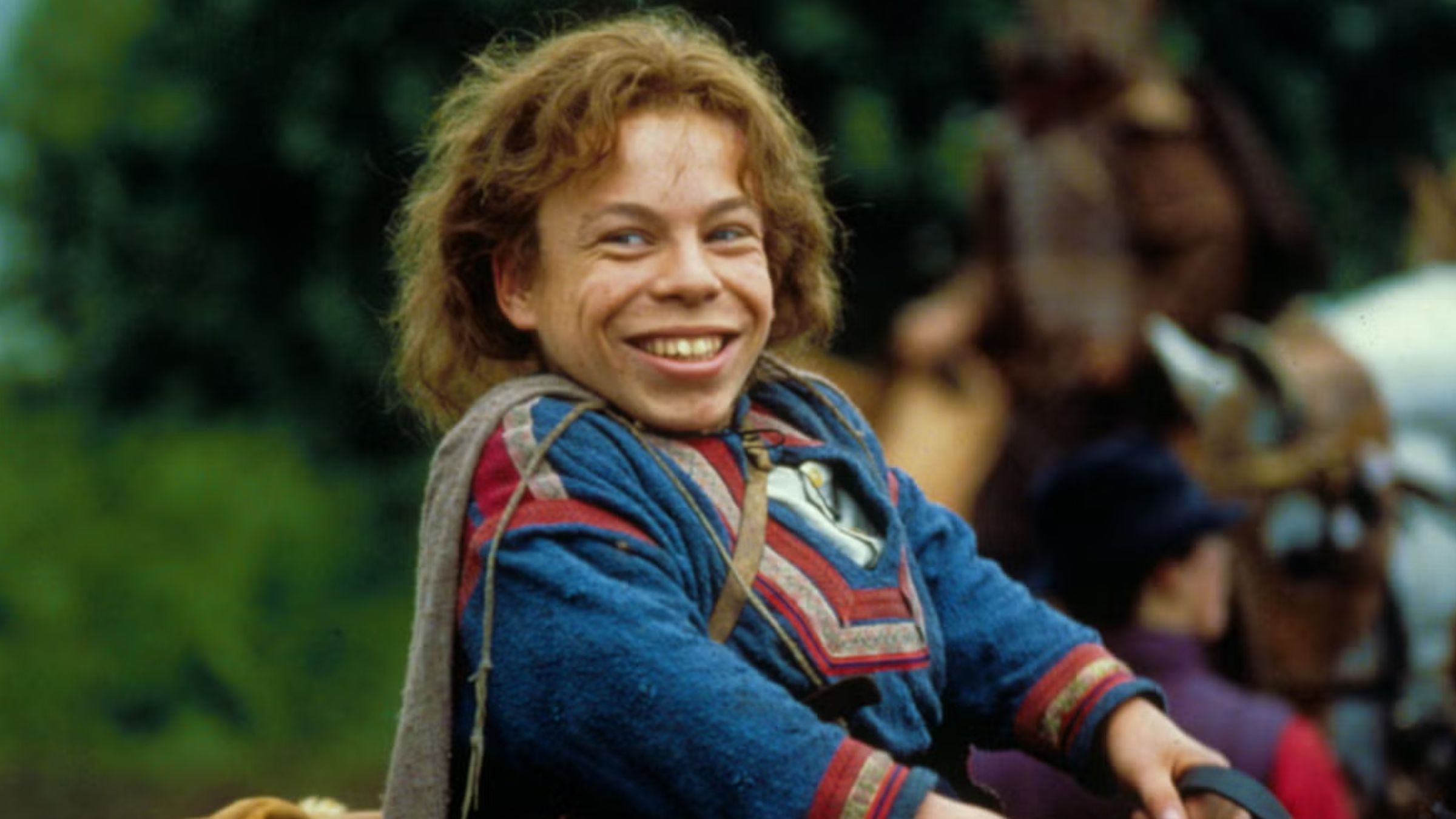
Before Peter Jackson’s fantasy films became popular, Ron Howard and George Lucas created Willow, a charming adventure movie. It tells the story of Willow Ufgood (Warwick Davis), a humble farmer who joins forces with the skilled swordsman Madmartigan (Val Kilmer) to safeguard a baby destined to defeat a powerful, evil sorceress. Willow works so well because it blends exciting, darker moments with a lot of fun and genuine emotion. The fantastic connection between Davis and Kilmer makes the magical story feel real, as their characters build a believable and heartwarming friendship.
The film Willow beautifully showcases the shift from traditional movie-making techniques to the rise of digital effects. Although it pioneered the use of digital morphing, the movie primarily uses practical effects like painted backgrounds, miniature models, and elaborate costumes to create its fantastical world. The Eborsisk dragon, a frightening two-headed creature, was brought to life through stop-motion animation, giving it a realistic, textured look that many digital creatures lack. Adding to the film’s grandeur, shooting on location in New Zealand and Wales provides stunning and expansive landscapes that perfectly complement the story’s adventure.
5) The Dark Crystal
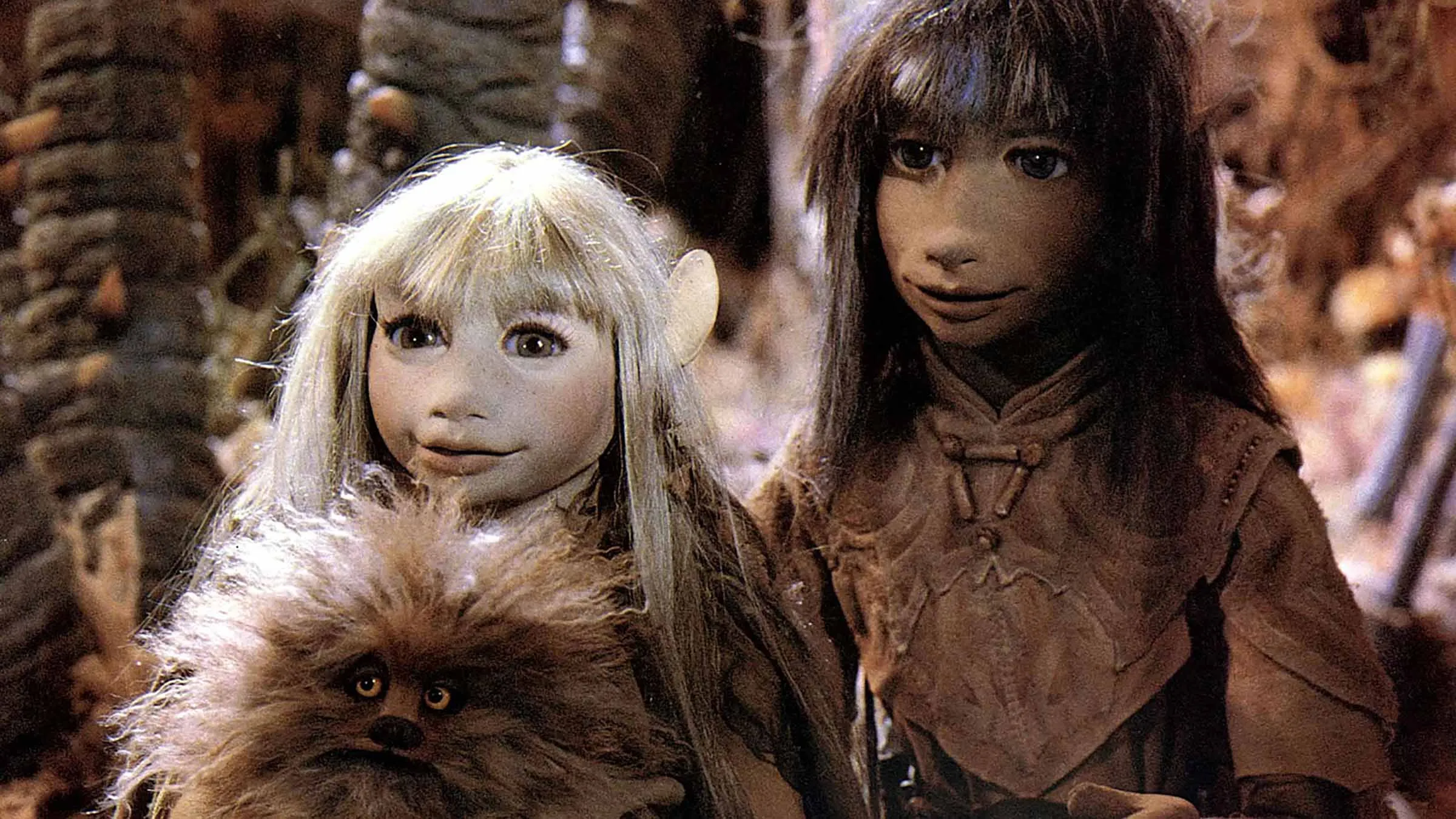
Jim Henson and Frank Oz co-directed The Dark Crystal, a surprisingly mature film for a family audience, notable for featuring no human actors. The story unfolds on the planet Thra, where a Gelfling named Jen (voiced by Stephen Garlick) embarks on a quest to restore a magical crystal and defeat the evil Skeksis. The film is a stunning showcase of puppetry and animatronics, building a completely believable and immersive alien world. Its detailed plants, creatures, and landscapes create a cohesive and richly imagined ecosystem, rivaling the best in science fiction world-building.
As a movie fan, I think what really makes The Dark Crystal hold up so well is how real the creatures feel. The Skeksis, especially, are incredible – they look like these ancient, decaying vulture-reptiles, but dressed in fancy robes. The way they move – all jerky and unsettling – adds so much to how creepy and believable they are, something I don’t think CGI could ever quite capture. Plus, because everything was built practically, there aren’t any moments where the effects look cheap or fake. It all just works. And honestly, I appreciate how dark and serious the story is. It doesn’t talk down to you; it tackles big themes like genocide and the environment with the weight they deserve, and that makes it feel timeless.
4) Excalibur

As a huge film fan, I’ve always been captivated by John Boorman’s Excalibur. It’s not just a movie, it feels like a wild, immersive dream, somehow managing to pack the entire Arthurian legend into one epic film. It follows Arthur (Nigel Terry) from his very beginning to his death, and Merlin (Nicol Williamson) isn’t the kindly old wizard you might expect – he’s a powerful, unpredictable, and honestly, a bit unsettling force. What really sets Excalibur apart from most Hollywood takes on the story is how raw it is – it’s bloody, sensual, and wonderfully strange. And the visuals! The knights are decked out in full, gleaming chrome armor, which isn’t historically accurate, but it makes them look less like men and more like radiant, otherworldly beings.
The reason Excalibur still captivates audiences is its unapologetic style. It doesn’t try to be a realistic historical film; instead, it embraces the fantastical nature of myth. The striking green lighting and dramatic use of Wagner’s music create an operatic feel, distinguishing it from typical medieval action movies. The film’s violence is deliberately rough and visceral, highlighting the harsh reality of sword fighting rather than presenting it as elegant. By fully committing to this heightened, fantastical world, Excalibur avoids feeling like a standard period piece and stands out as a unique and powerful work of visual art that feels both timeless and epic.
3) Conan the Barbarian
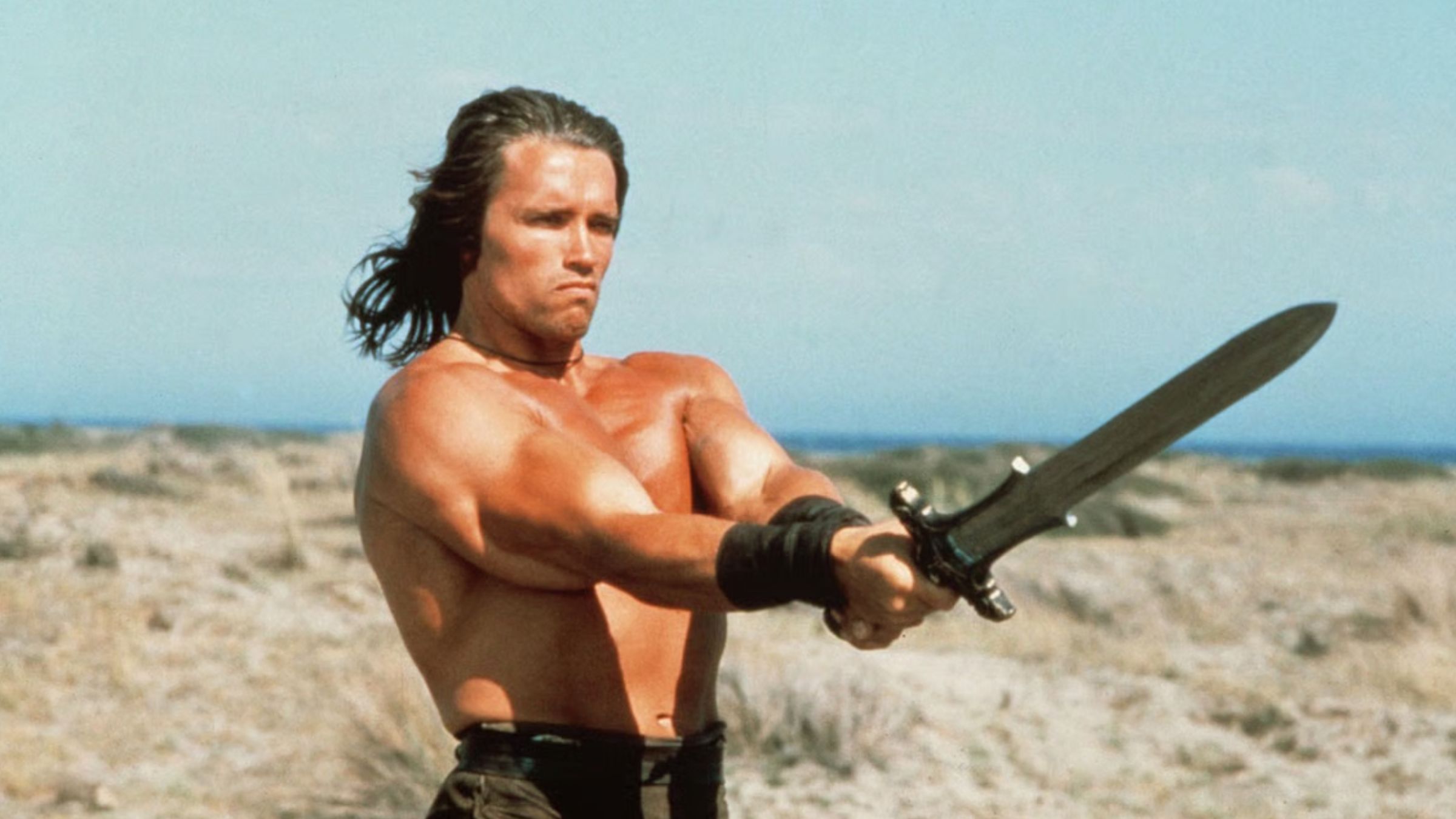
John Milius’s Conan the Barbarian is a landmark film that essentially created the sword and sorcery genre. Starring Arnold Schwarzenegger as the vengeful Conan, the movie pits him against the villainous Thulsa Doom (played by James Earl Jones). Surprisingly, the film doesn’t rely much on dialogue. Instead, it uses a powerful score by Basil Poledouris and the actors’ physical performances to convey the story. This approach gives the film a raw, energetic feel that immediately draws the audience in, without needing a lot of explanation.
Despite being made decades ago, Conan the Barbarian still holds up remarkably well thanks to its impressive sets and authentic filming locations. The environments feel solid and realistic, built with materials like stone and wood instead of cheap alternatives. The action is raw and intense, with performers doing their own demanding stunts. Arnold Schwarzenegger’s powerful physique itself became a visual highlight, staying true to the iconic artwork that created the character. This dedication to a rough and realistic style makes the film feel much more impactful than many of the lesser fantasy movies that came after it.
2) Labyrinth

Labyrinth is a unique coming-of-age story brought to life by the creative talents of Jim Henson and the iconic David Bowie. The film follows teenager Sarah (Jennifer Connelly) on a fantastical quest to rescue her brother from the Goblin King Jareth, played by Bowie. Known for its incredible set design, Labyrinth features a constantly changing maze that feels like a character itself. The film’s environments, from the dungeon to the mind-bending final staircase, are cleverly designed to both confuse and amaze viewers, relying on impressive practical effects and perspective tricks.
Over the years, Labyrinth has become increasingly beloved, thanks in large part to David Bowie’s captivating and unusual performance. He infused the classic villain role with a rock-star energy, creating a Jareth who is both intimidating and alluring. The film’s puppets, crafted by the renowned Henson Creature Shop, are incredibly lifelike, especially characters like Hoggle and Ludo who express a wide range of emotions. Labyrinth’s combination of music, dark fantasy, and quirky humor remains truly unique and unforgettable.
1) The Princess Bride

At the top of many ‘best of’ lists is The Princess Bride, a movie that remains timeless thanks to its brilliantly written script. Directed by Rob Reiner and based on William Goldman’s novel, it’s a fairy tale that playfully acknowledges its own genre. The story follows Westley’s quest to save Buttercup from the villainous Prince Humperdinck, but the clever addition of a grandfather reading the story to his grandson adds a smart, self-aware tone. The film is full of memorable lines, and its humor comes from the characters and their interactions, not from fleeting pop culture trends.
Despite having a limited budget, The Princess Bride cleverly uses this to create a charming, storybook feel. Locations like the Cliffs of Insanity and the Fire Swamp are brought to life with classic, theatrical sets and painted backdrops. The oversized rodents are scary when they need to be, but also funny enough to match the film’s lighthearted humor. Every actor delivers a perfect performance, from Mandy Patinkin as the determined Inigo Montoya to André the Giant as the gentle giant Fezzik. The Princess Bride expertly blends romance, action, and comedy, making it a standout and highly influential film in its genre.
What fantasy books from the past do you still enjoy today? Share your thoughts in the comments and join the discussion on the ComicBook Forum!
https://comicbook.com/tv-shows/list/5-canceled-fantasy-shows-that-deserve-a-reboot/embed/#
Read More
- What Song Is In The New Supergirl Trailer (& What It Means For The DC Movie)
- Why is Tech Jacket gender-swapped in Invincible season 4 and who voices her?
- Highly Anticipated Strategy RPG Finally Sets Release Date (And It’s Soon)
- TV legend Carol Kirkwood reveals the reasons why she decided to retire after 28 years with BBC
- Dune 3 Gets the Huge Update Fans Have Been Waiting For
- Palworld! More Than Just Pals ‘Special Video’, characters detailed
- Supergirl Director Breaks Down Kara Zor-El & Superman’s ‘Older-Sibling Dynamic’
- Dragon Ball: Sparking! Zero Is Still Stupidly Popular, Reels in 1 Million Monthly Players
- Jaleco Sports: Bases Loaded II announced for PS5, Switch; now available
- Digimon Is Getting a New RPG in 2026 (And You Probably Missed It)
2025-12-22 21:17