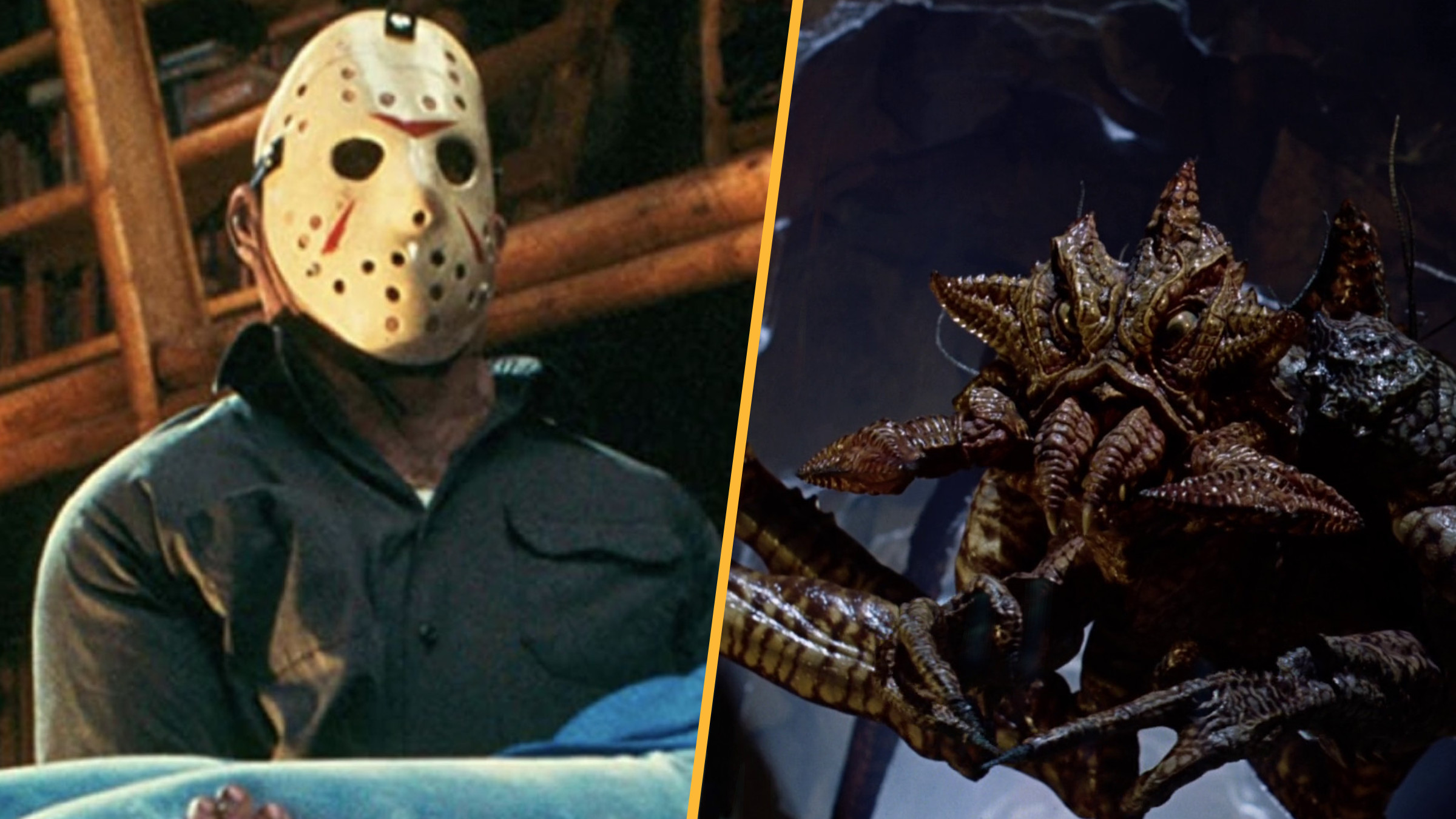
It’s frustrating when a movie starts strong and keeps you engaged, but then has a disappointing ending. This happens a lot in horror films, which often rely on twist endings or a last-minute scare. Sometimes these work well, like the twists in The Sixth Sense and Saw, or the final scares in movies like Carrie, Friday the 13th, and Insidious. However, some endings just don’t quite work and leave you feeling let down.
To make this list, an ending really had to be bad, not just disliked. Some endings, like those of The Mist and the original The Descent, are hated by many, but they’re powerfully sad rather than truly awful.
7) 1408
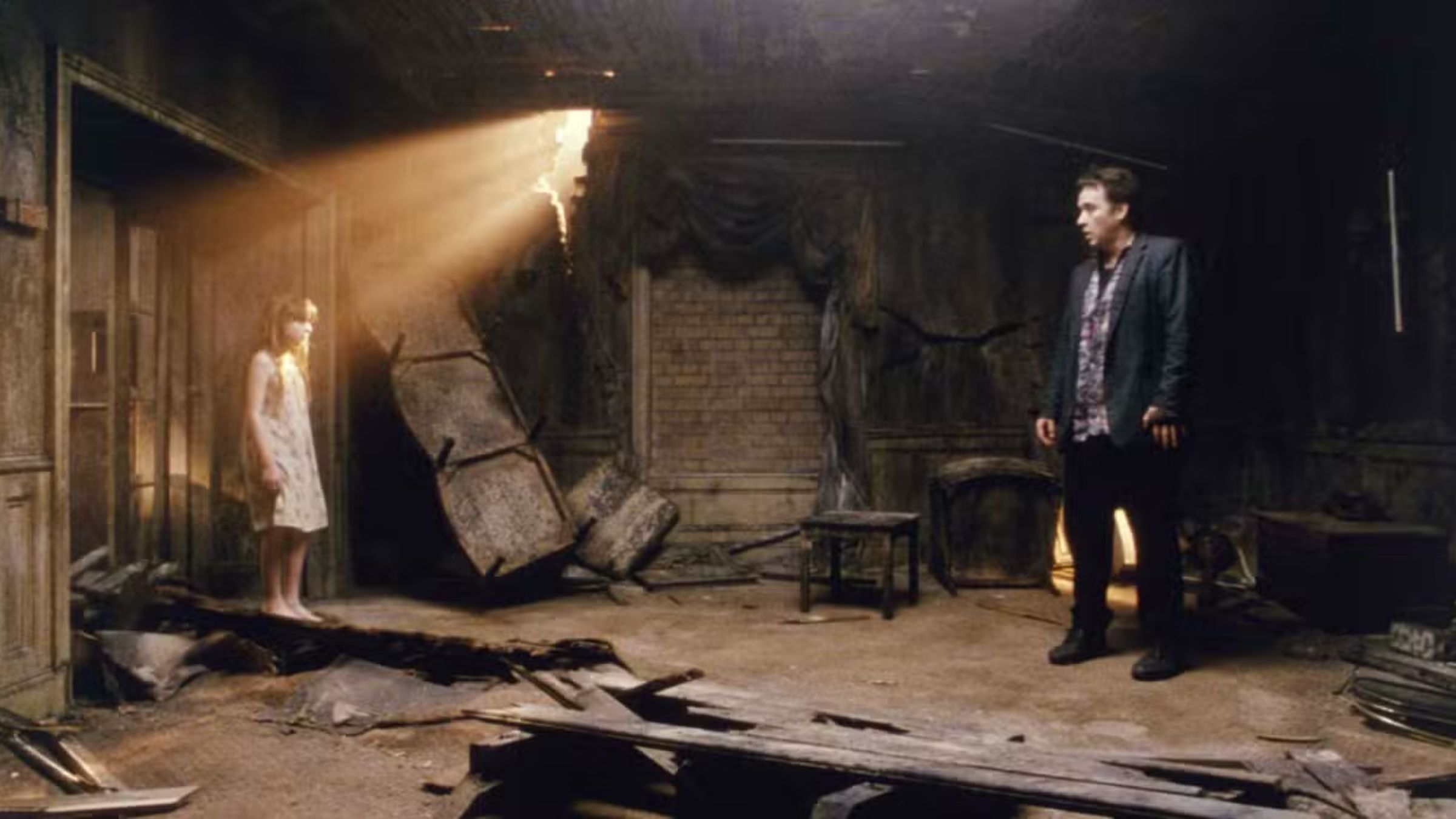
The movie 1408 was originally planned to have four different endings, but only two made it into the final cut. The version shown in theaters depicts Mike Enslin, played by John Cusack, miraculously surviving a fire in his hotel room – he manages this by creating a makeshift Molotov cocktail. He then reconnects with his wife, who is understandably doubtful about his terrifying experience. However, they discover a cassette tape from the room containing a message from their deceased daughter, proving that everything that happened was real.
The Director’s Cut has a sadder ending where Mike dies in the fire. The hotel owner, Olin, attempts to give Mike’s belongings – including the tape recorder – to Mike’s wife at the funeral, but she refuses. Olin then sees the ghosts of Mike and his daughter walking away together, holding hands. While it’s satisfying to have a sense of resolution, both endings feel a bit cheesy. The other two endings are so depressing that they’re probably best left for dedicated fans to seek out as extras.
6) Sinister
Most of the movie Sinister expertly creates a sense of mounting dread and hopelessness. This feeling persists throughout the film, culminating in a deeply unsettling ending where Ethan Hawke’s family – his wife, son, and daughter – are bound and gagged. The young daughter, Ashley, possessed by the evil entity Bughuul, then commits a horrific act, becoming the latest in a long line of children to perpetrate the same crime within that house.
The movie’s ending is controversial, and we generally avoid discussing endings that split audiences. We’re not focusing on the event itself, but rather on what happens after – a predictable jump scare. This felt unnecessary and undermined the impact of what was otherwise a dark, clever, and original conclusion. It was a common trope in horror films of that era, and it ultimately diminished the power of the ending.
5) The Last House on the Left (2009)

Generally, The Last House on the Left is a well-made remake of Wes Craven’s original film (which falsely claimed to be based on real events). It avoids some of the more troubling aspects of the first movie, but still creates a sense that anything could happen.
By the end of the movie, two members of the villainous family are dead, one has joined forces with the heroes, and another is left unable to continue. That last one is Krug, the family’s leader. Then, after the hero’s family leaves for the hospital, the father returns and gruesomely kills the villain’s father by microwaving his head – even with the door open. This act blurs the line between who is truly cruel. The scene feels unnecessary and could have been cut without harming the film.
4) Friday the 13th Part III
While the movie occasionally relies on flashy effects typical of 1980s 3D films, many consider Friday the 13th Part III to be the most frightening installment in the series. It’s noticeably more unsettling than the other films and excels at creating suspense, particularly in scenes like the opening at the convenience store and everything that happens at and around the barn.
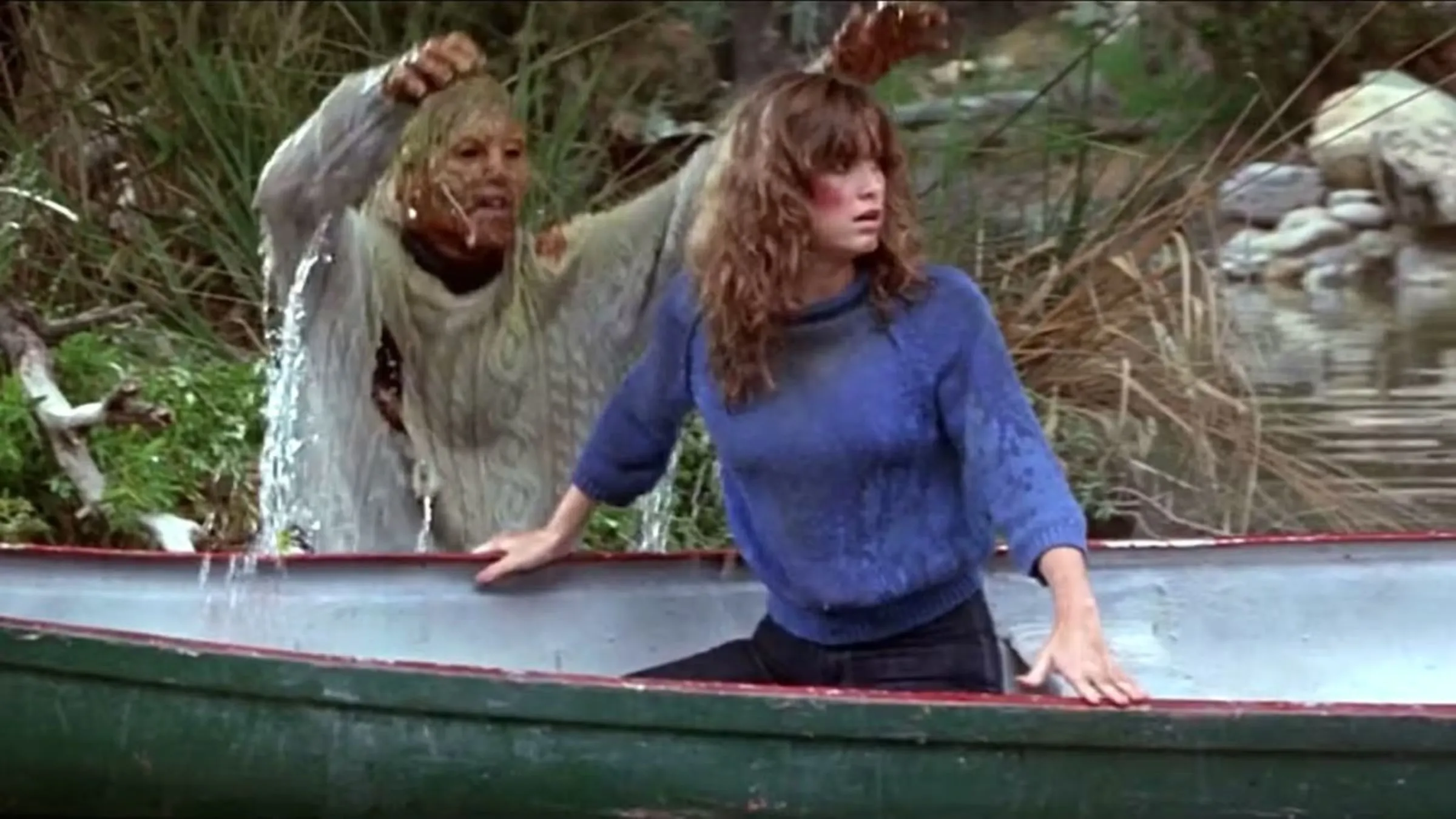
The first two Friday the 13th movies used a jump scare at the end, but Friday the 13th Part III shouldn’t have copied it. The scare in the third film feels forced and doesn’t make sense. Jason jumping out of the water in the original film was understandable, as the character Alice had heard stories about him from his mother. However, in Part III, the character Chris dreams about Mrs. Voorhees, even though there’s no reason to believe she ever knew her or anything about her—not even what color sweater she wore.
It’s worth noting that while the characters in Part 2 talk about the story of Jason and what happened in the first movie, Part III doesn’t. When Chris first sees Jason’s face, she simply exclaims, “It’s you!” – she doesn’t say his name. The final jump scare is especially weak because the filmmakers originally planned a much more effective ending. They actually filmed it, but the footage was lost except for a few online photos. In this lost ending, Chris wakes up and, instead of remaining in the canoe, walks to the main house, opens the door, and is immediately killed by Jason.
3) Signs
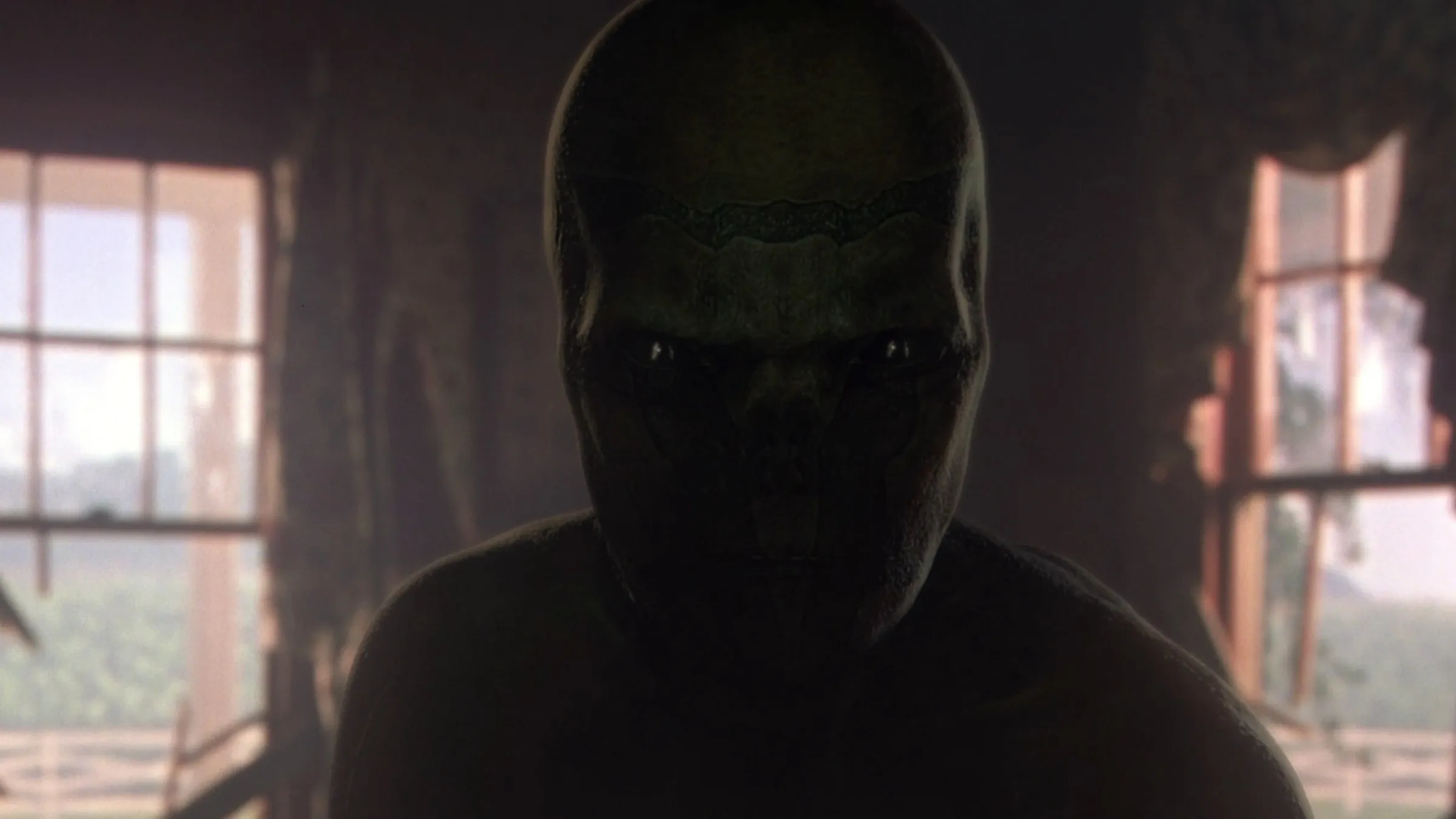
The ending of Signs, where the aliens are vulnerable to water, feels like a disappointing shortcut in what is otherwise a fantastic M. Night Shyamalan film. It’s too reminiscent of War of the Worlds, where aliens couldn’t survive Earth’s atmosphere, and if you’re going to draw inspiration from another ending, it should be something more believable.
Seriously? These aliens have incredible technology, but they didn’t bother to check if Earth’s air or water would be harmful to them? That doesn’t make sense, especially considering how well the movie built up the potential dangers and suspense.
2) Any Version of It
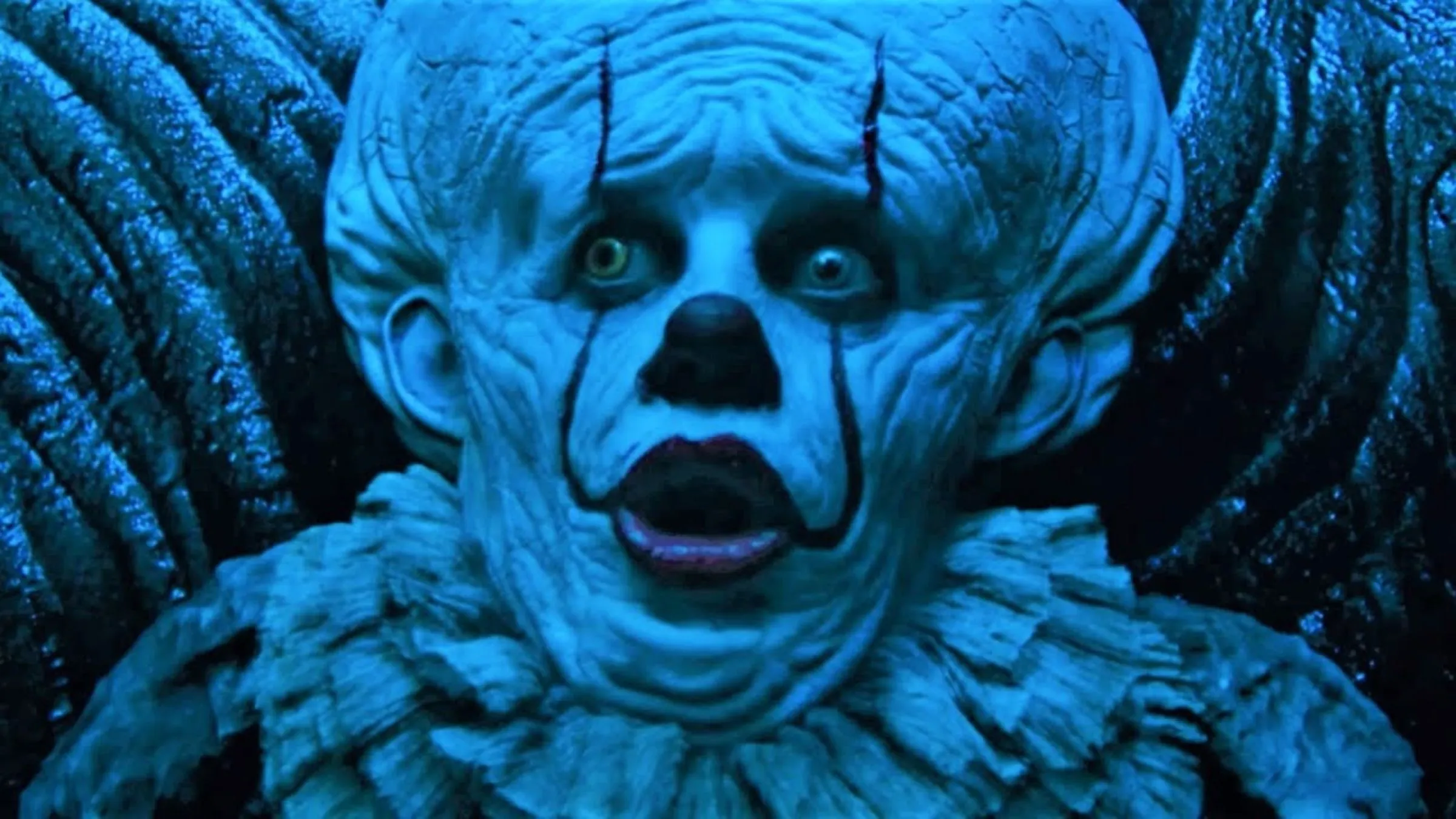
Okay, let me tell you, as someone who’s read a lot of Stephen King, the man struggles with sticking the landing. It’s a pattern! But if I had to pick the worst offender, it’s definitely It. The story starts with Pennywise, this truly frightening clown that genuinely chills you to the bone. Then, somehow, it devolves into a battle with…a giant, goofy spider? Seriously! The shift just completely deflates all the tension he so brilliantly built up. It’s a real shame, honestly.
Given the four-year gap between the book’s release and the miniseries, it seems odd they didn’t change the widely disliked spider ending. This is even more puzzling when you consider another 27 years passed before the first part of Andy Muschietti’s ‘It’ movies was released. The spider should have been removed entirely, although it was a good decision to still include Pennywise’s face on the creature.
1) A Nightmare on Elm Street
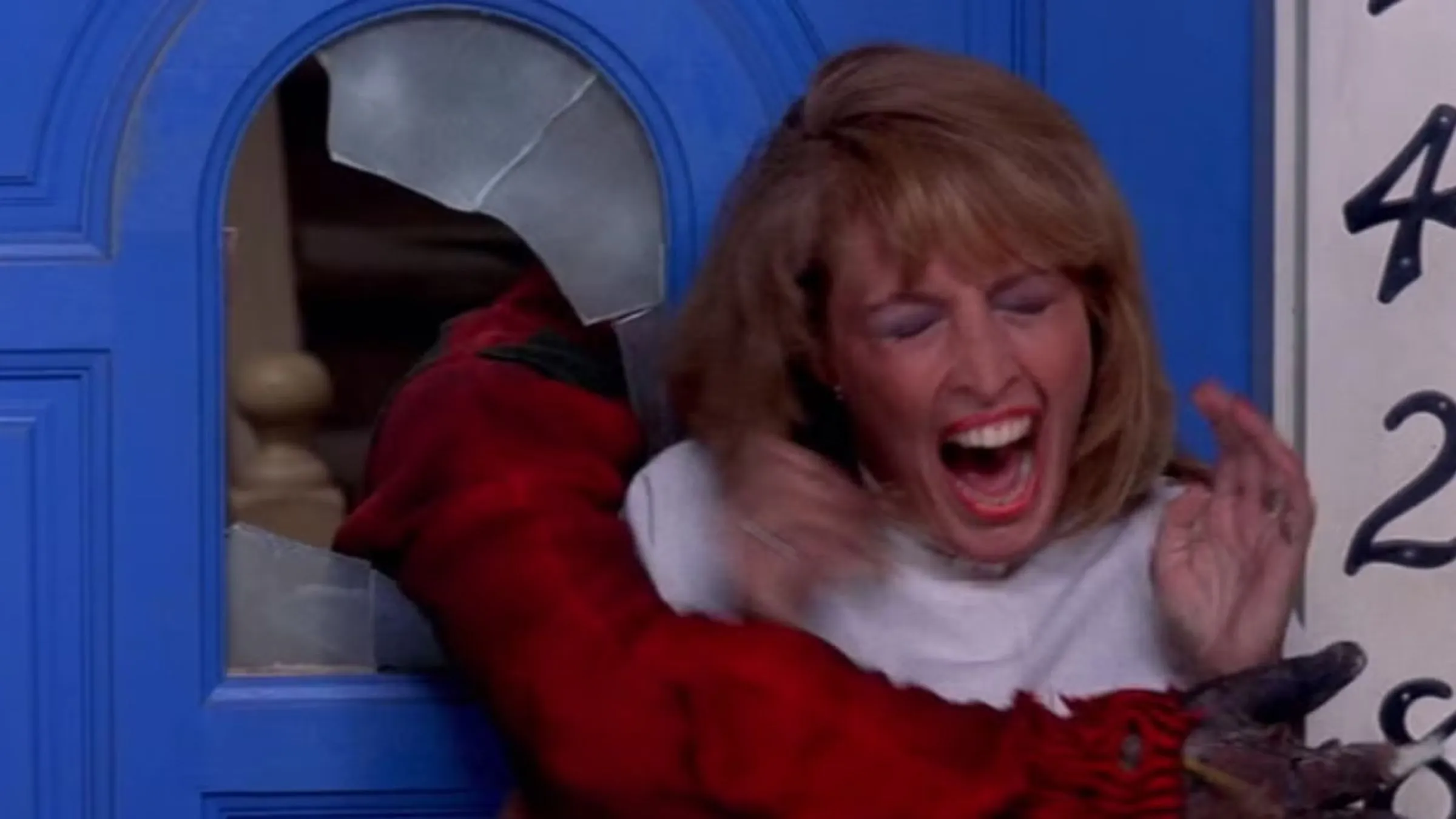
The tag scene in A Nightmare on Elm Street makes perfect sense. The movie actually concludes when Nancy defeats Freddy Krueger and turns away from him, causing him to disappear. Cutting to credits at that moment would have felt abrupt. Plus, the scene serves as a way to hint at future sequels, capitalizing on the film’s successful villain and suggesting there’s more story to tell.
The tag scene in A Nightmare on Elm Street seems decent when you just read about it. However, it comes across as pretty ridiculous when you actually watch it. It messes with what’s real a little too much, leaving you wondering if Nancy’s friends and mother are actually dead. And a car roof patterned like Freddy’s sweater isn’t particularly frightening. The scene where Nancy’s mom, Marge Thompson, is pulled through a window is especially over-the-top—she moves so fast it’s like she was ejected from a plane.
https://comicbook.com/movies/news/horror-movie-endings-scared-80s-kids-traumatizing/embed/#
Read More
- Gold Rate Forecast
- Dune 3 Gets the Huge Update Fans Have Been Waiting For
- Dungeon Stalkers to end service on June 9
- Every Creepy Clown in American Horror Story Ranked
- Disney Promotes Thomas Mazloum To Lead Parks and Experiences Division As Josh D’Amaro Prepares To Become CEO
- Hazbin Hotel Secretly Suggests Vox Helped Create One of the Most Infamous Cults in History
- Jack Osbourne Shares Heartbreaking Tribute to Late Dad Ozzy Osbourne
- Action Comics #1096 is Fun Jumping-On Point for Superman Fans (Review)
- Antiferromagnetic Oscillators: Unlocking Stable Spin Dynamics
- 5 Weakest Akatsuki Members in Naruto, Ranked
2025-12-12 03:41