
Many of the most beloved science fiction films share similar story structures and core ideas. This isn’t necessarily a bad thing – it’s a classic formula found across all genres, and it’s fundamental to how stories are told. However, popular and critically acclaimed movies like Avatar, The Matrix, Dune, Men in Black, Back to the Future, and Star Wars generally adhere to a fairly strict blueprint. Despite this, each film still manages to stand out with its own unique elements, memorable performances, and groundbreaking visuals.
Science fiction frequently explores new possibilities and challenges conventions. While many movies succeed by sticking to familiar stories and giving audiences what they want, there’s also value in being different, even if it initially feels unsettling. Taking risks with storytelling can be a gamble, but it can also lead to iconic films and even long-running franchises.
7) A Clockwork Orange
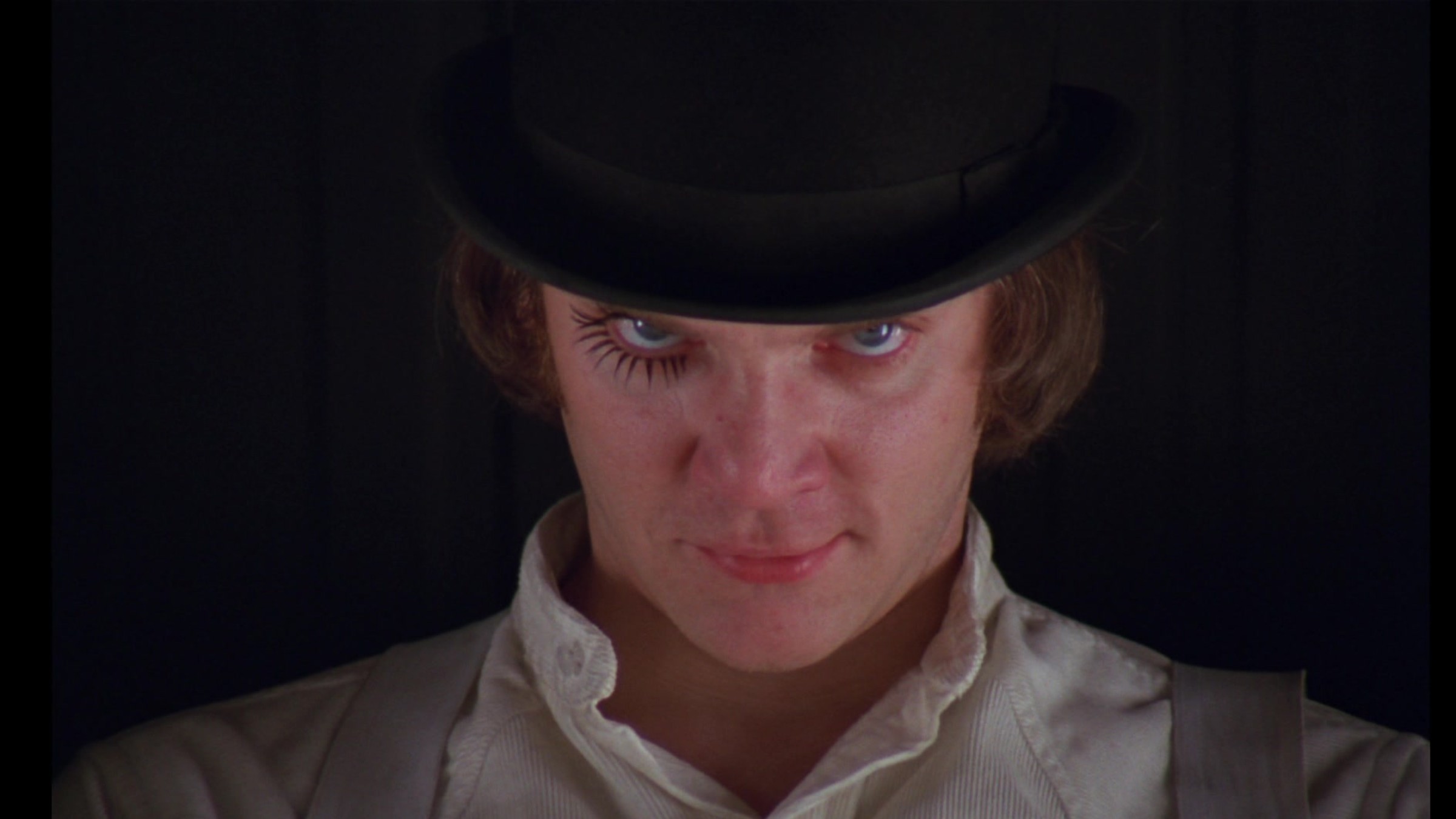
Stanley Kubrick’s 1971 film, based on Anthony Burgess’s novel, closely followed the source material – something many movies strive to do. Interestingly, this faithfulness led to the film immediately breaking two common rules. From the very beginning, A Clockwork Orange presents a main character who is deeply disturbed and difficult to sympathize with, and he speaks in slang that’s almost impossible to understand.
What makes A Clockwork Orange so compelling—from Kubrick’s writing to Malcolm McDowell’s acting—is how easily it draws you in, despite its challenging subject matter. Even though viewers initially don’t understand terms like “droogs,” the film quickly and effectively establishes its unique world and main character. This success led to an Academy Award nomination for Best Picture.
6) Godzilla (2014)
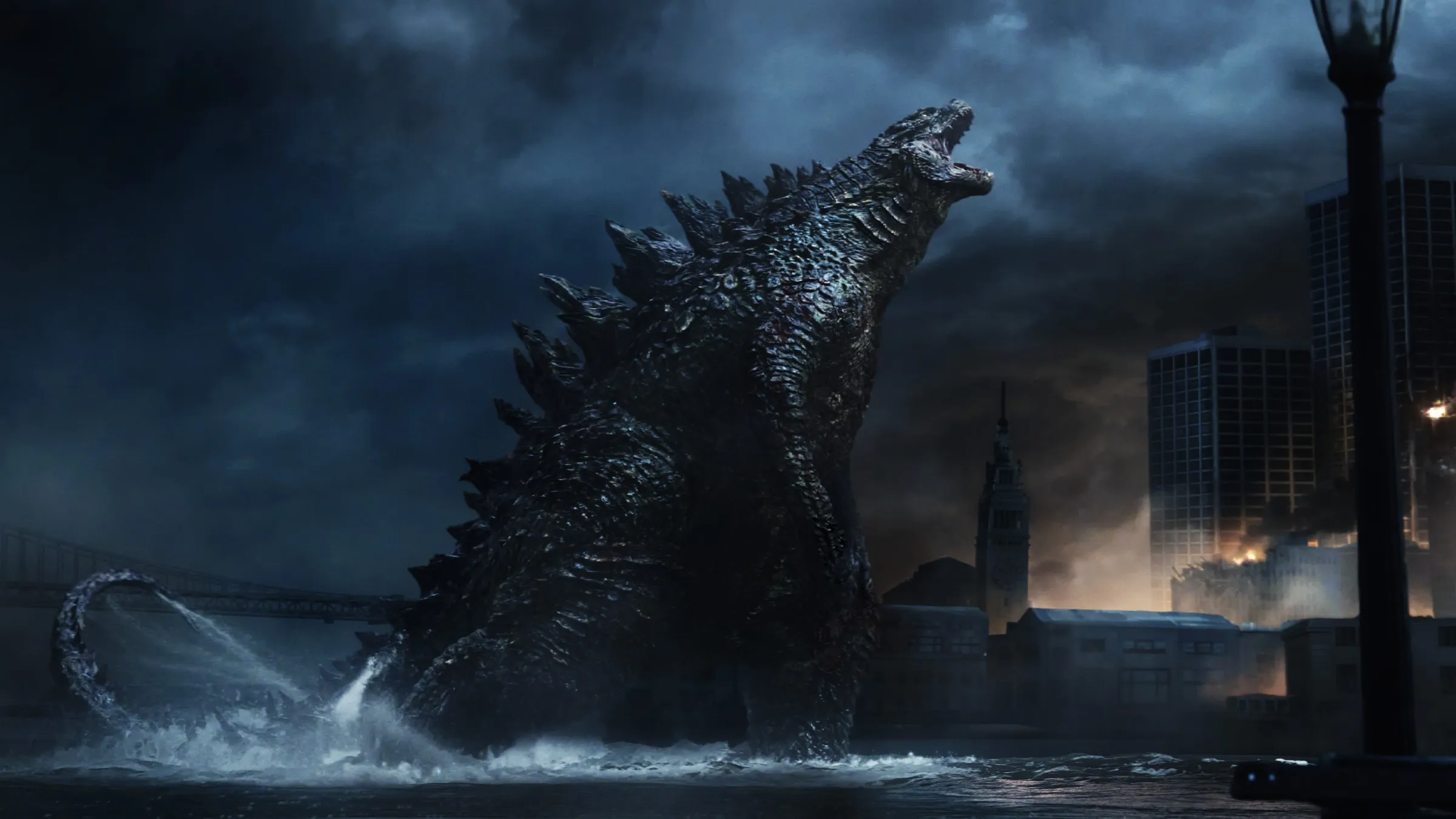
Legendary’s 2014 Godzilla faced an uphill battle, as many still remembered the less-loved 1998 American version. However, the film was generally well-received, though some viewers were surprised by how little screentime Godzilla actually had. Director Gareth Edwards made a monster movie that prioritized the human story, showing the consequences of the monster battles rather than extended fights. Some of the most impressive moments even played out on television screens within the film. This stylistic choice fit the movie’s realistic and gritty tone, allowing the story to build towards a massive and satisfying finale.
Viewers familiar with Gareth Edwards’ 2010 film, Monsters, would have recognized this approach, as he used a similar technique to reveal the creatures in that movie. While this storytelling choice frustrated some fans, it successfully sparked interest in an American take on Godzilla and its rich history. Although later Godzilla sequels moved away from the ideas presented in the 2014 film, none have been quite as compelling or original as Edwards’ take and its willingness to break from tradition.
5) Mars Attacks!
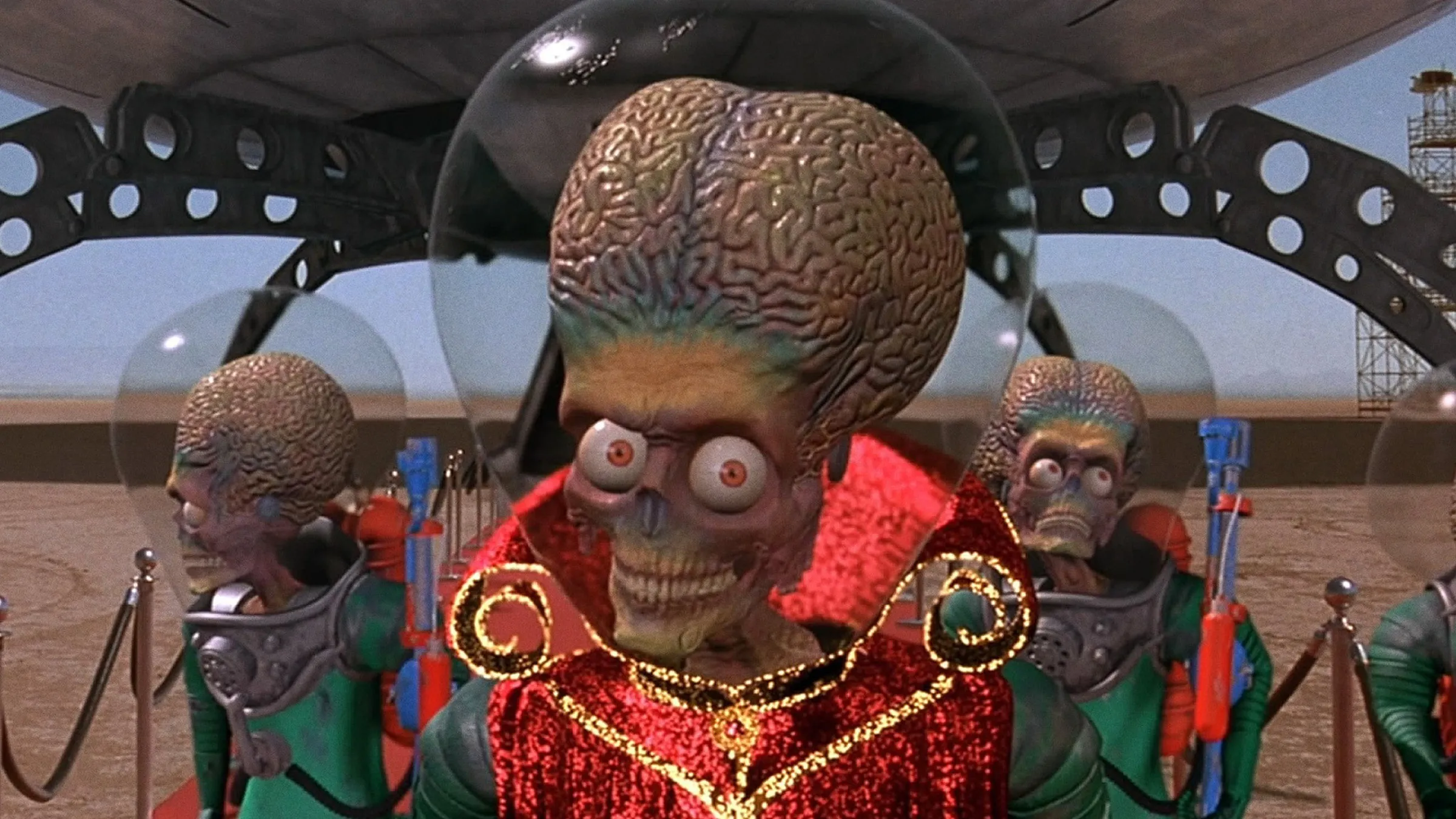
Tim Burton’s quirky comedy, Mars Attacks!, unfortunately came out at a difficult time, overshadowed by the huge success of Independence Day. While Independence Day offered audiences a feel-good, heroic story, Mars Attacks! was deliberately silly and subversive. The film featured a fantastic cast of stars, but gleefully killed them off in over-the-top, gruesome ways. Jack Black and Michael J. Fox are vaporized, Glenn Close is killed by a falling chandelier, and Pierce Brosnan and Sarah Jessica Parker lose their heads. Jack Nicholson even dies twice, playing two different roles. Ultimately, only Lukas Haas, Natalie Portman (before her Star Wars fame, but after Leon), and Jim Brown survive from the main cast.
4) The Matrix Resurrections

Despite years of anticipation and criticism of previous sequels, The Matrix Resurrections initially sparked some optimism. Many fans hoped it would recapture the spirit of the original Matrix and move away from the complex storylines of the later films. Unfortunately, that hope proved unfounded. The new film didn’t shy away from those very elements, and spent a significant amount of time commenting on itself – its own existence, its place in film history, and even the expectations of its audience. Ultimately, the film acknowledged it couldn’t recreate the original, and seemed to actively defy the desire for it to simply be a continuation of what came before.
Beyond being a thrilling science fiction film, The Matrix Resurrections emphasizes the importance of love and connection in overcoming the challenges of today’s world – whether those challenges come from big corporations, social media, or the threat of conflict. Simply put, it’s a genuinely good movie.
3) Planet of the Apes
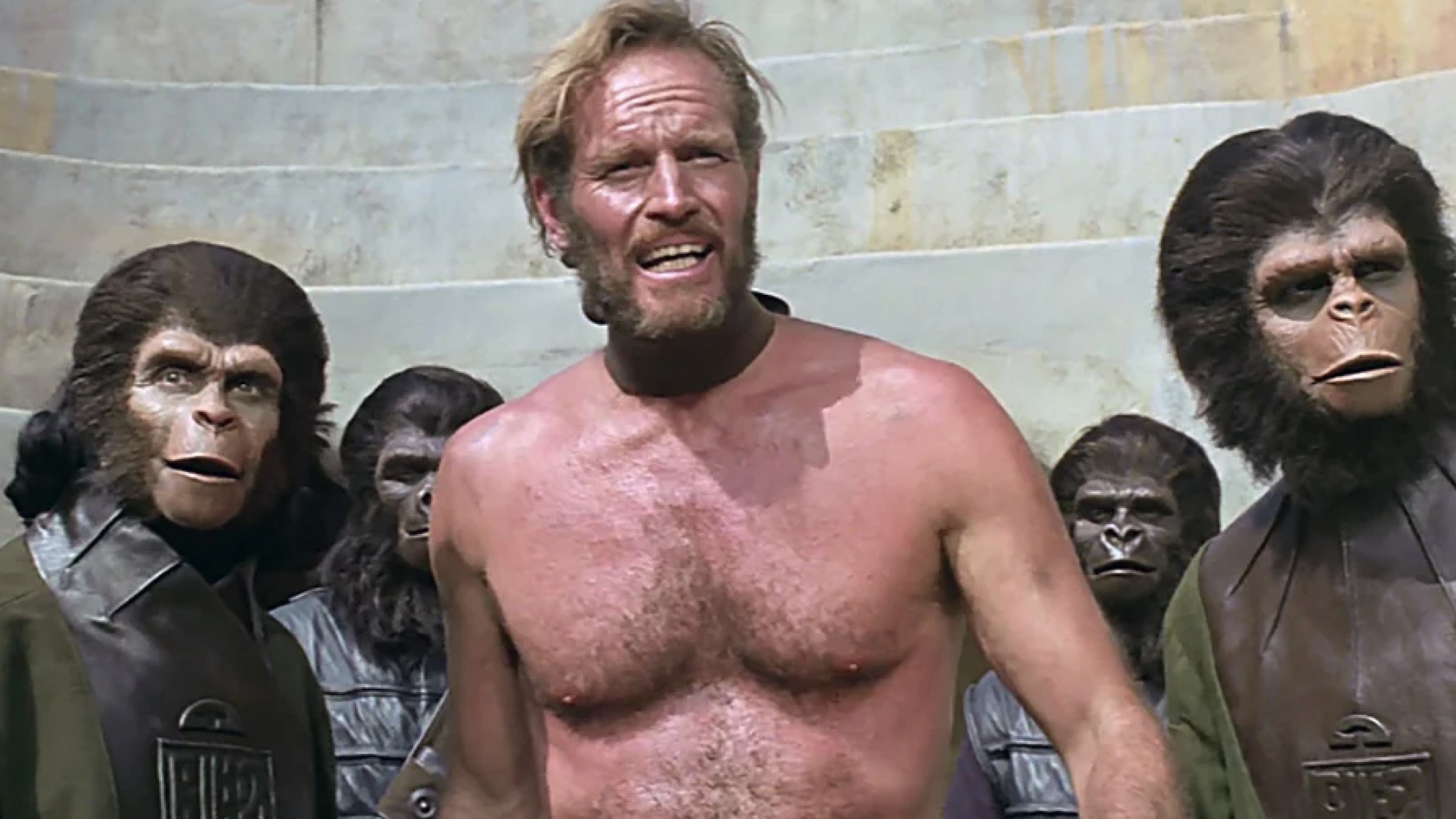
During the 1950s and 60s, many science fiction movies focused on American strength and triumph over huge challenges, often involving giant creatures or hinting at the threat of communism. That’s why Planet of the Apes was so different – it featured a cast of mostly non-human characters. The film could have easily portrayed the apes as villains, but instead, it showed them as complex, intelligent, and just as opinionated as people. This depth and relatability in non-human characters was a major departure from what audiences expected.
Everything led to the shocking twist at the end. Initially, the story seemed to be setting up a heroic journey for Charlton Heston’s character, Taylor, as he sought answers. Instead, the film delivered a devastating revelation: humanity itself had caused Earth’s destruction. This clever subversion of expectations, along with the earlier rule-breaking, launched one of the most successful movie franchises ever, and it’s still going strong today.
2) Stalker
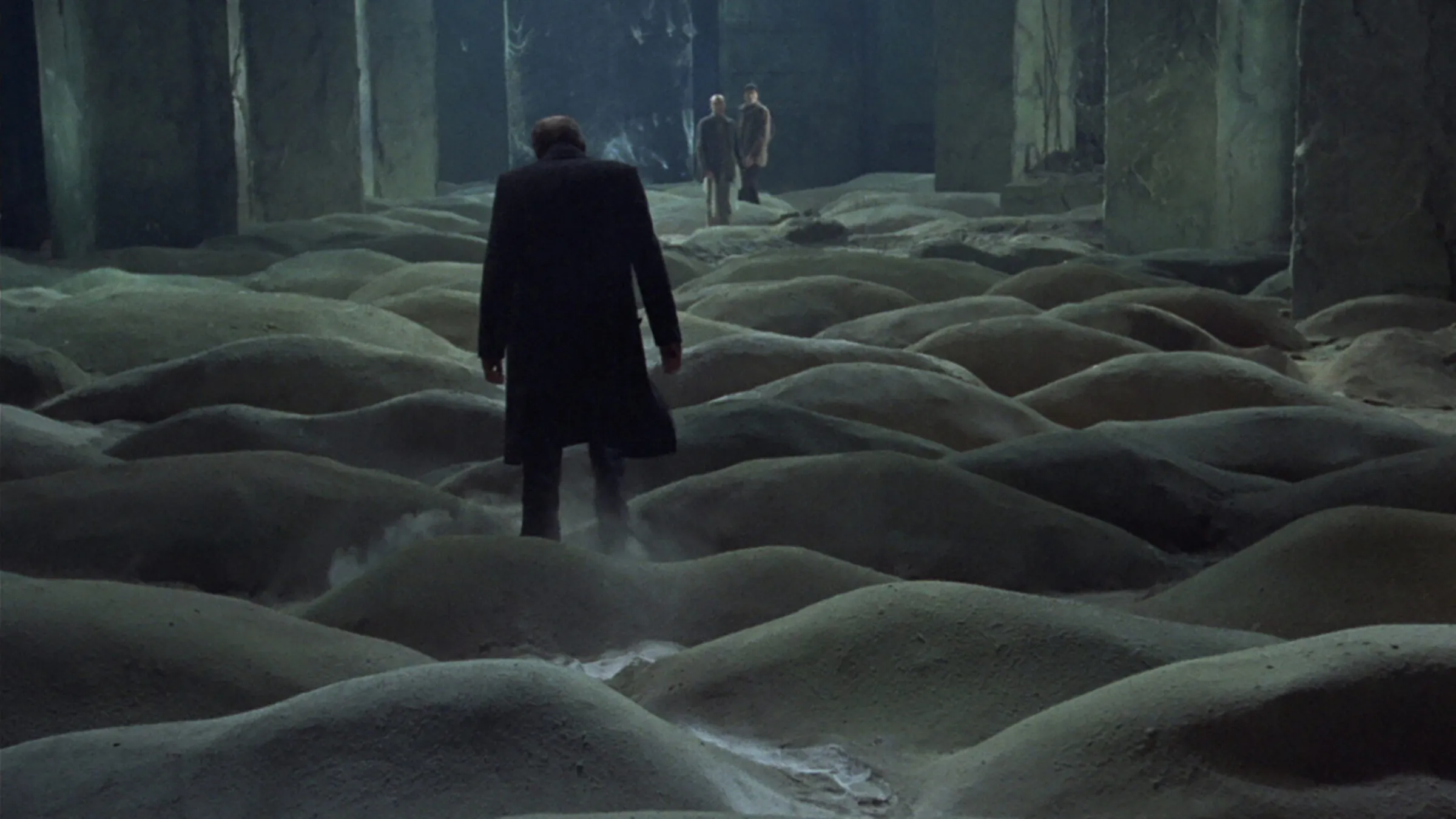
The film Stalker appears to be about a guide leading two individuals into a strange, otherworldly place known as “The Zone.” This area defies reality, possibly due to alien influence, and contains a room said to grant your deepest wish. Naturally, this attracts people who don’t understand the Zone’s dangers and oddities. Andrei Tarkovsky’s nearly three-hour film demands a lot of patience from viewers, and even then, it asks you to embrace ideas that are larger than yourself. If that sounds too high-minded, this movie might not be for you—but it could also be exactly what you need. Stalker intentionally defies typical science fiction tropes, offering a quiet, thoughtful experience that focuses on inner reflection and doesn’t spoon-feed explanations to the audience.
1) 2001: A Space Odyssey
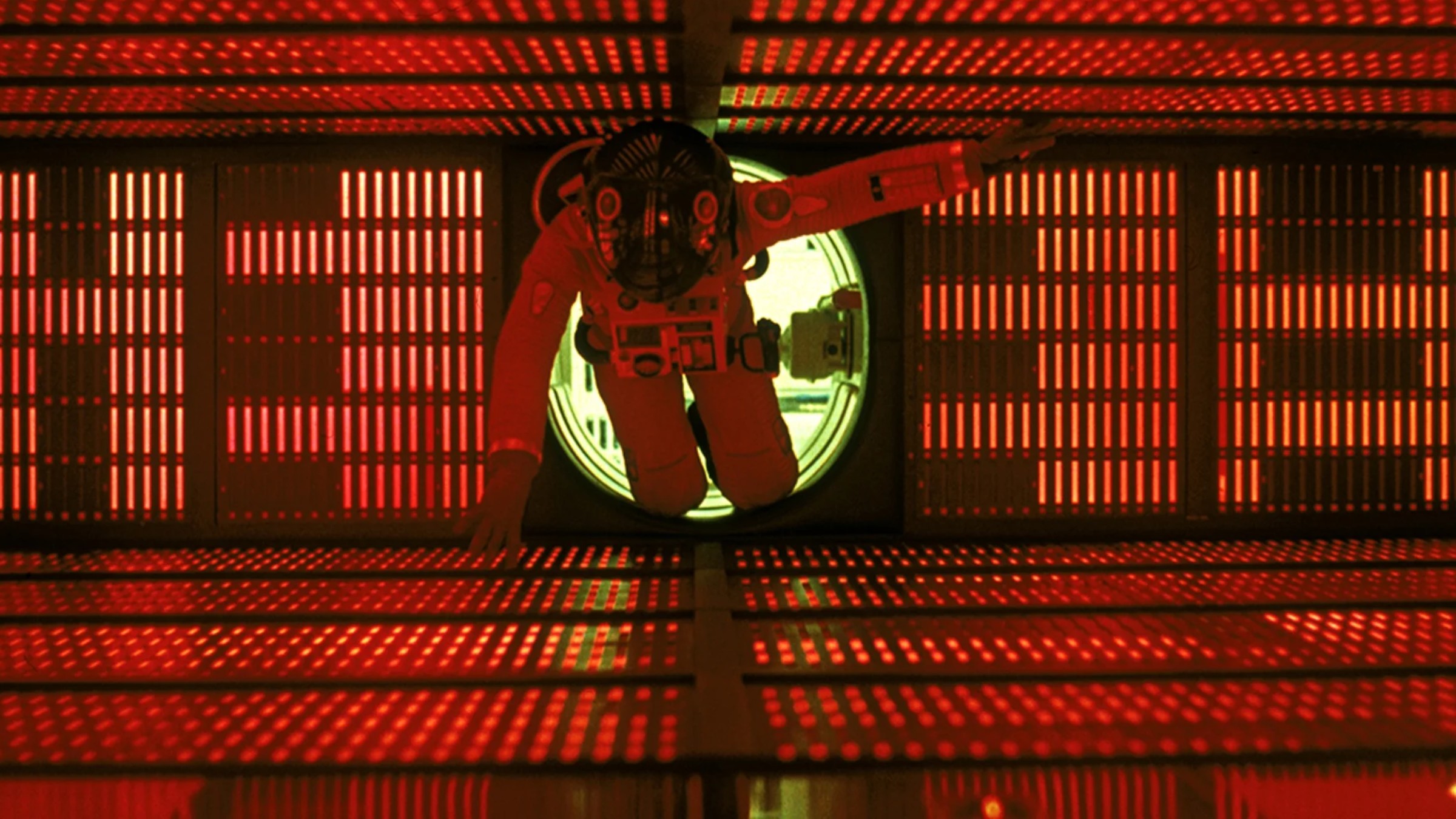
Before Stanley Kubrick shocked audiences with A Clockwork Orange, he revolutionized science fiction with 2001: A Space Odyssey. The film broke genre conventions in two key ways that initially divided critics. First, it doesn’t follow a single character’s journey, instead spanning the entire history of humanity, even going back to prehistoric times – and famously includes a lengthy sequence without any dialogue. Second, 2001 deliberately avoids over-explaining itself. While its themes are clear to attentive viewers, the film remains enigmatic and its ending continues to puzzle some. Despite initial criticism, 2001: A Space Odyssey fundamentally changed science fiction and remains incredibly influential to this day.
Read More
- All 13 Smash Bros. Characters in the Super Mario Galaxy Movie
- The Super Mario Galaxy Movie: 50 Easter Eggs, References & Major Cameos Explained
- Dune 3 Gets the Huge Update Fans Have Been Waiting For
- Welcome to Demon School! Iruma-kun season 4 release schedule: When are new episodes on Crunchyroll?
- Sydney Sweeney’s The Housemaid 2 Sets Streaming Release Date
- TV legend Carol Kirkwood reveals the reasons why she decided to retire after 28 years with BBC
- Why is Tech Jacket gender-swapped in Invincible season 4 and who voices her?
- Highly Anticipated Strategy RPG Finally Sets Release Date (And It’s Soon)
- Darwin’s Paradox! drops Switch version for Switch 2, delayed to 2026
- We Need More Open World Games to Feature This Genre
2026-01-15 23:14