
Science fiction often explores current fears by imagining them in the future, usually through advanced technology. These stories frequently involve a major threat – like robots taking over, aliens invading, or a deadly disease – that needs to be stopped quickly to save humanity. While these external dangers often drive the plot, the real conflict often becomes the struggles between people, as characters deal with fear, distrust, and difficult situations in unfamiliar or challenging settings.
Science fiction movies often create clear villains to represent our anxieties about quickly advancing technology, turning vague fears into something we can see and understand. However, some sci-fi films skip the villain altogether, choosing instead to highlight humanity’s strength and ability to solve problems using reason and science. Others simply explore interesting ideas about how we interact with technology.
7) Gravity
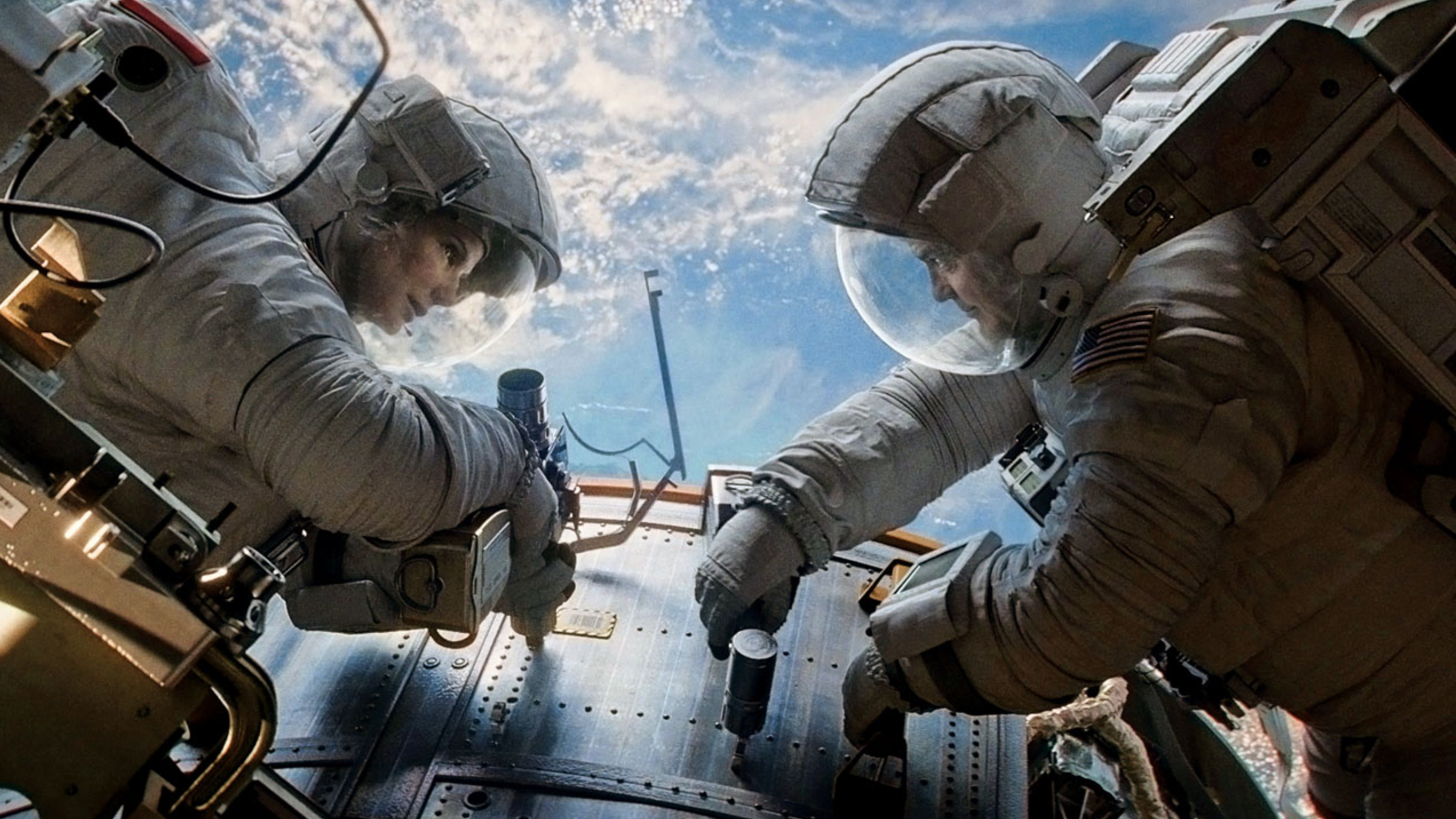
The film Gravity tells a gripping survival story in Earth’s orbit, but it stands out from typical sci-fi because it doesn’t rely on a villain or alien threat. Instead, the movie follows medical engineer Ryan Stone (Sandra Bullock) after her space shuttle is destroyed by debris, leaving her stranded. Director Alfonso Cuarón makes the environment itself the main challenge, focusing on the harsh realities of space – like physics and limited oxygen – as the obstacles Ryan must overcome. This allows the film to explore Ryan’s emotional journey from despair to determination, highlighting her resourcefulness in a dangerous situation. It’s not about fighting an enemy, but about mastering movement and damaged equipment, ultimately showcasing the power of human resilience against the vast, uncaring universe.
6) Solaris
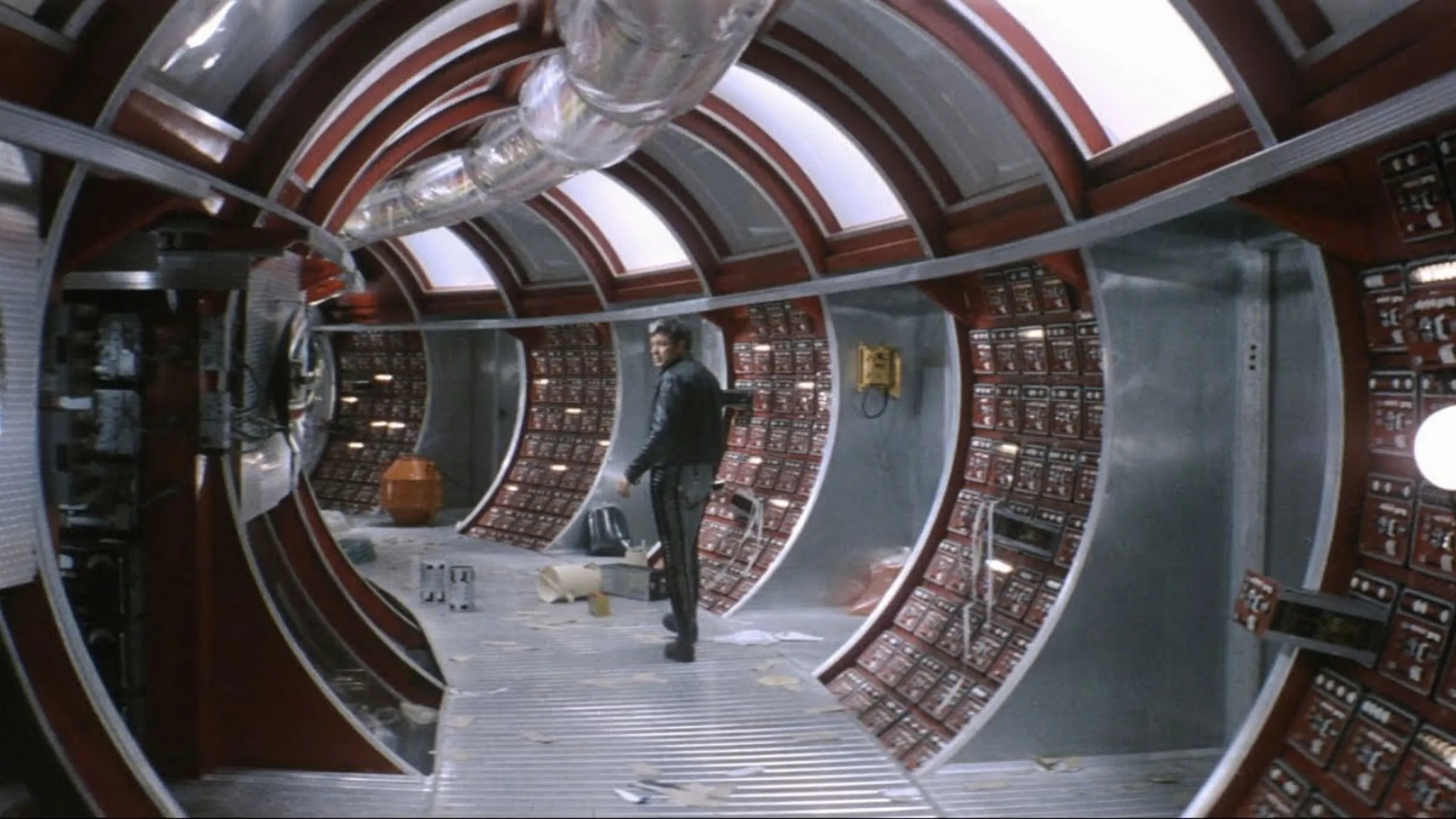
The 1972 film Solaris is a thoughtful look at what it means to be conscious and how memory shapes us. Unlike many sci-fi movies, it doesn’t focus on hostile aliens. Instead, when psychologist Kris Kelvin arrives at a space station orbiting a mysterious planet covered in ocean, he finds the crew tormented by realistic, physical reminders of their painful pasts. The planet isn’t actively causing harm; it’s more like a mirror, reflecting the crew’s inner struggles. The film argues that the real horror comes not from the planet itself, but from the scientists’ difficulty in facing their own histories. With its slow pace and deep philosophical ideas, Solaris becomes a moving exploration of how impossible it is to truly understand something completely different from ourselves, the limits of our ability to feel for others, and how easily our personal sense of reality can be broken.
5) Close Encounters of the Third Kind

Steven Spielberg’s Close Encounters of the Third Kind offers a hopeful take on alien encounters, portraying it as a journey of discovery instead of an invasion. The film centers on Roy Neary (Richard Dreyfuss), who becomes consumed by a strange vision after seeing UFOs. This leads him to a secret government location where preparations are underway for a peaceful meeting with aliens. Unlike many older sci-fi movies that showed aliens as threats, Close Encounters depicts them as inquisitive beings who use music and light to bridge the gap between cultures. By removing a traditional villain, the film emphasizes the excitement of potential first contact and suggests that discovering life elsewhere could bring people together instead of causing conflict.
4) Contact

The film Contact is a classic example of thought-provoking science fiction, largely because it explores the conflict between belief and scientific evidence. The story follows Ellie Arroway, a scientist searching for extraterrestrial life, who receives a complex signal from a star system called Vega. While the film shows challenges from government bureaucracy and religious groups, these are portrayed as realistic responses, not as villains. The central focus is on the international effort to build a strange machine based on instructions within the alien message. Contact examines how humanity might react to such a monumental discovery, emphasizing scientific process and the resulting philosophical debates. Ellie’s eventual journey through a wormhole highlights the immense and impartial nature of the universe, while also suggesting that meaningful connections are possible through dedicated research and a pursuit of truth.
3) Her

Spike Jonze’s film Her explores the complexities of relationships in the near future, but unlike many sci-fi stories, it doesn’t focus on robots becoming dangerous. The movie centers on Theodore (Joaquin Phoenix), a lonely writer who falls in love with Samantha (voiced by Scarlett Johansson), an intelligent computer program that learns and grows through interactions. Samantha’s development isn’t portrayed as threatening; instead, it’s a natural evolution that eventually surpasses what humans can understand. This creates a touching story about the meaning of connection and the boundaries of human relationships in a digital world. Her avoids the typical “evil robot” storyline, choosing instead to show the sad but realistic idea of becoming outdated, and how technology can offer genuine companionship even as it becomes more advanced. The ending isn’t about a fight between humans and machines, but about emotional growth and accepting that things change.
2) The Martian
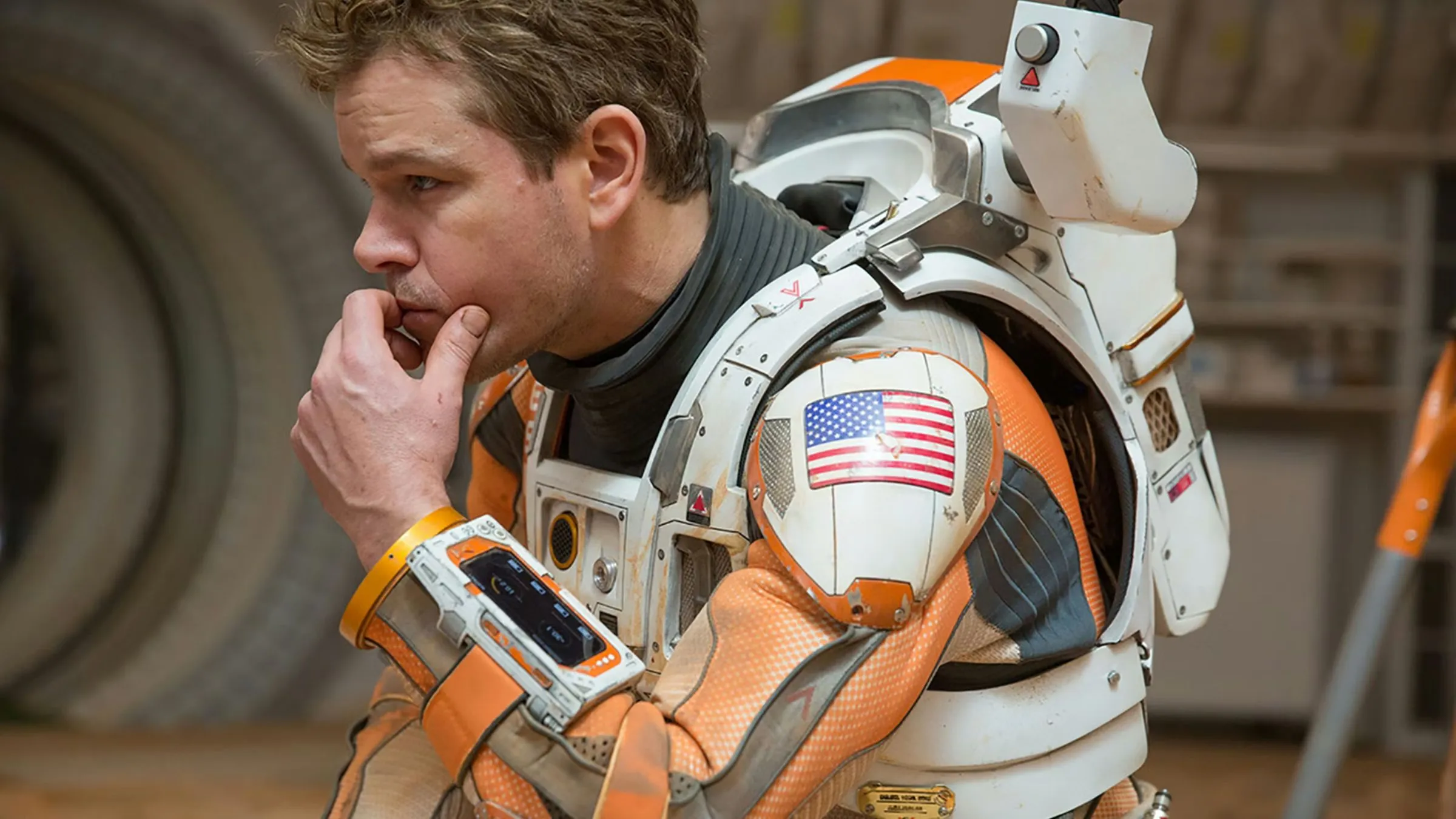
Beyond being a technically impressive film, The Martian is a tribute to the power of the scientific method. When astronaut Mark Watney (Matt Damon) is mistakenly left behind on Mars, he relies on his botany skills to find a way to survive long enough for a rescue. The movie carefully shows the chemistry and physics involved in creating water, growing food, and fixing communications – all in an environment where even a small mistake could be fatal. This dedication to realism makes every success feel well-deserved and earned through knowledge and problem-solving. Meanwhile, the story on Earth highlights how international cooperation can overcome political differences, demonstrating how the world can unite to save one person. By portraying Mars as a challenge to overcome with intelligence, rather than a hostile force, The Martian celebrates the power of optimism and resourcefulness, even in complete isolation.
1) Arrival

Unlike typical science fiction films, Arrival explores how communication can change us and rejects the idea of solving problems with military force. When twelve mysterious spacecraft appear worldwide, linguist Louise Banks (Amy Adams) is brought in to understand the aliens’ language before countries attack. The film flips the usual ‘invasion’ story by showing the aliens, called Heptapods, have actually come to offer humanity a gift – a new way of understanding time. The story highlights that the real danger isn’t the aliens, but our own fear and inability to work together internationally. Banks’ work to translate the aliens’ complex language is a lesson in understanding and patience, suggesting that the biggest threat to humanity is the loss of communication itself. Instead of a battle, Arrival offers a powerful insight into the nature of time and emphasizes how important it is for people around the world to collaborate for a better future.
What science fiction movie do you think best proves a story can be exciting even without a clear villain? Share your thoughts in the comments and join the discussion in the ComicBook Forum!
https://comicbook.com/movies/list/7-best-sci-fi-horror-movies-ranked/embed/#
Read More
- Looks Like SEGA Is Reheating PS5, PS4 Fan Favourite Sonic Frontiers in Definitive Edition
- Pluribus Star Rhea Seehorn Weighs In On That First Kiss
- Dune 3 Gets the Huge Update Fans Have Been Waiting For
- Kelly Osbourne Slams “Disgusting” Comments on Her Appearance
- Gold Rate Forecast
- Arknights: Endfield – Everything You Need to Know Before You Jump In
- Tomodachi Life: Living the Dream ‘Welcome Version’ demo now available
- Deus Ex Remastered Delayed to “Better Meet Fan Expectations”
- Action Comics #1096 is Fun Jumping-On Point for Superman Fans (Review)
- Did The Simpsons Retire a Major Character After Nearly 30 Years?
2026-02-17 21:16