I love watching TV, and there’s always something new to check out, but for me, nothing beats a good sitcom. They’re just reliably funny and easy to watch, usually around 30 minutes long with characters you instantly connect with. But when you really think about the history of sitcoms, you realize some weren’t just popular—they completely changed comedy. They didn’t just have their moment; they redefined the genre and became true classics. Those shows really stand out as masterpieces!
It’s tough to pick the best sitcoms, but here are 7 of the most memorable, ranked by how much they changed television. We’re not deciding which is the funniest – we’re looking at the shows that really innovated, raised the bar for comedy, and continue to inspire new TV shows today.
7) The Office
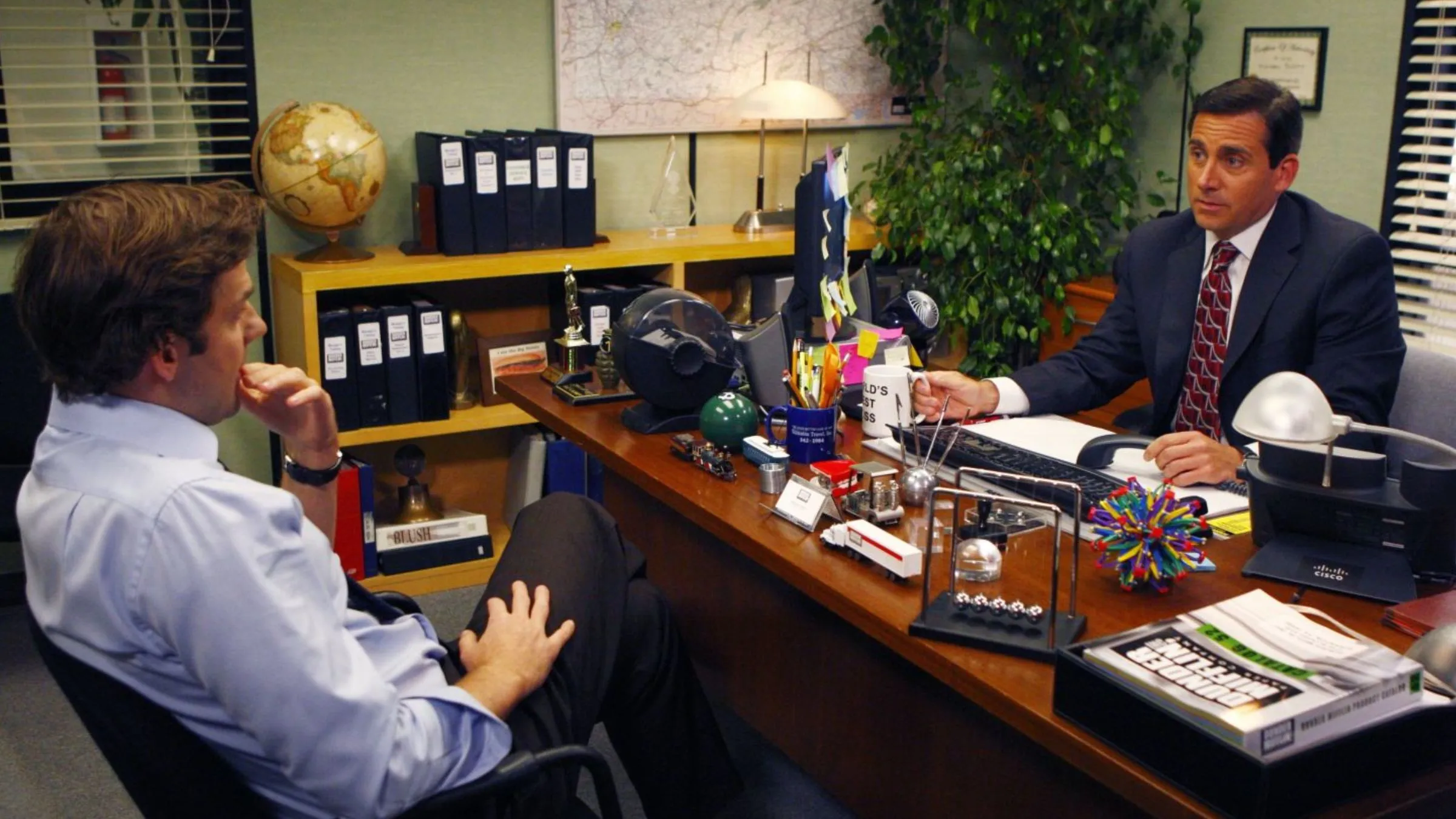
There’s no doubt The Office is a significant TV show. However, ranking it last isn’t meant to diminish its importance, but rather to acknowledge that it built upon the foundations laid by earlier comedies. The show humorously portrays the everyday lives of employees at a paper company in Pennsylvania, led by the hilariously awkward Michael Scott (Steve Carell), all filmed as if it were a real documentary. Its comedy comes from awkward moments, uncomfortable silences, and the surprisingly relatable interactions between coworkers – things anyone who’s worked in an office will recognize. This is why it resonated with so many viewers and became one of the most memorable comedies of the 2000s.
While The Office was hugely influential, its impact was more about how comedy was done than about changing the sitcom itself. It popularized the mockumentary style and became incredibly popular online thanks to memes and repeat viewings. However, unlike some other groundbreaking sitcoms, it didn’t fundamentally change the sitcom format. It perfected and boosted an existing style, making its legacy powerful, but not entirely revolutionary.
6) Friends
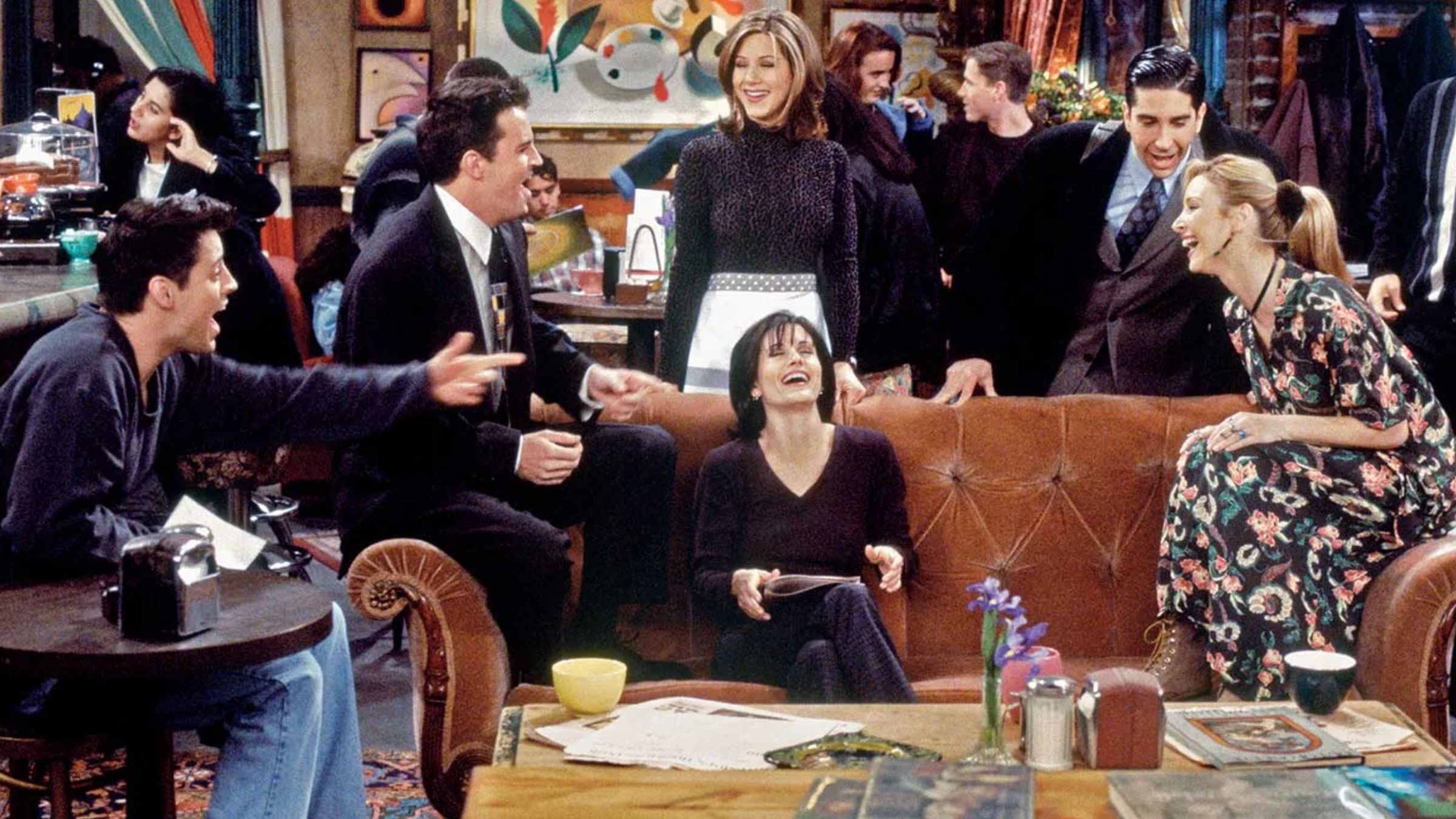
Everyone knows Friends, even if they’ve never seen it! The show’s impact and longevity are undeniable. Few programs have been watched, re-watched, quoted, and referenced as often. The concept was simple – six friends navigating life, love, and careers in New York City during their twenties – but incredibly successful. What made it such a huge hit? The cast had amazing chemistry, of course, but the writing was also brilliant, knowing exactly when to be funny and when to create genuinely moving moments.
Friends didn’t create a totally new type of show; it took what was already working and did it exceptionally well. This is why it became such a huge cultural hit. It set the standard for how ensemble comedies portrayed close-knit groups of friends, and even changed how actors and networks made deals. While it didn’t revolutionize the sitcom, it perfected the formula like few others have.
5) Cheers
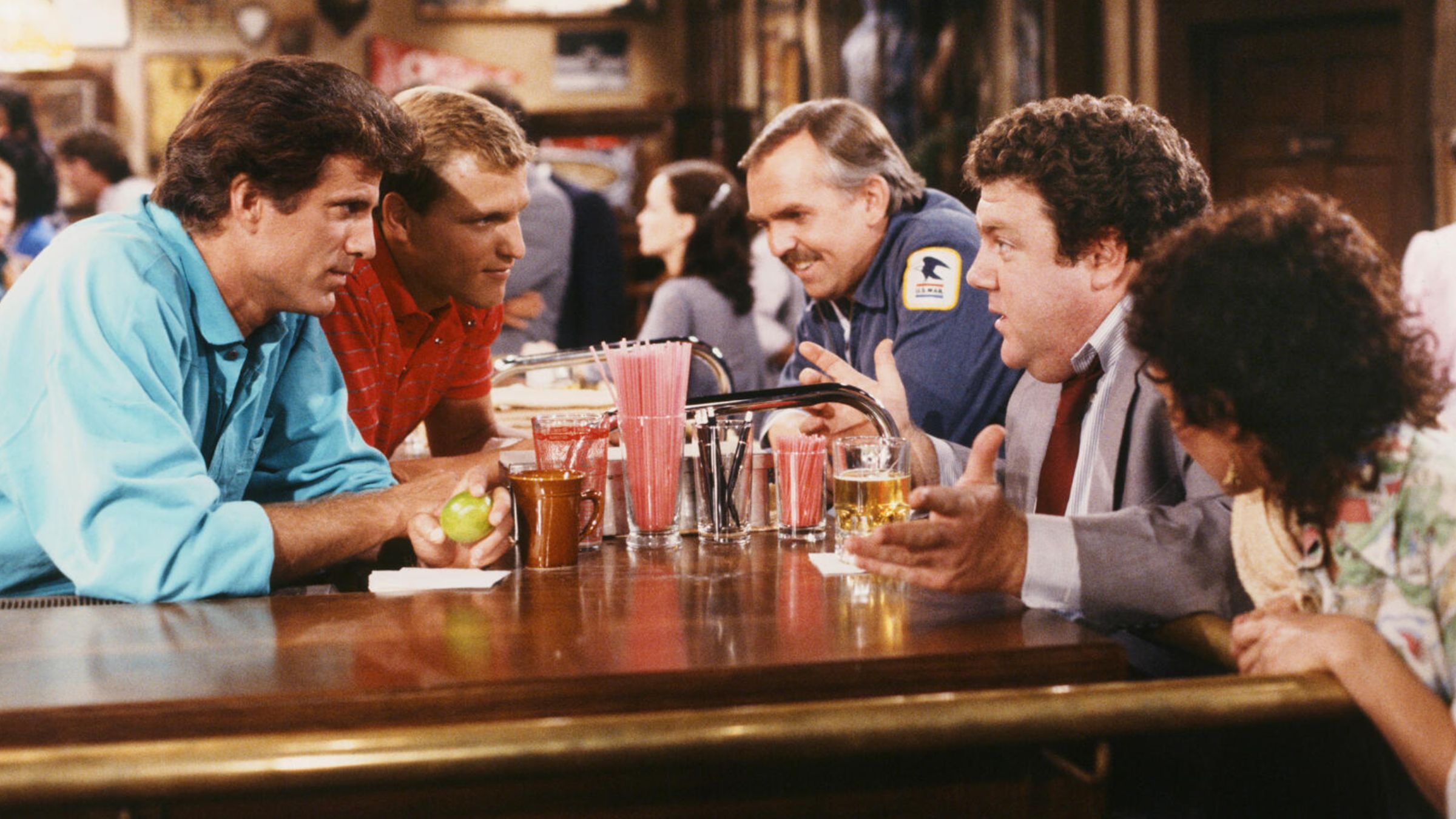
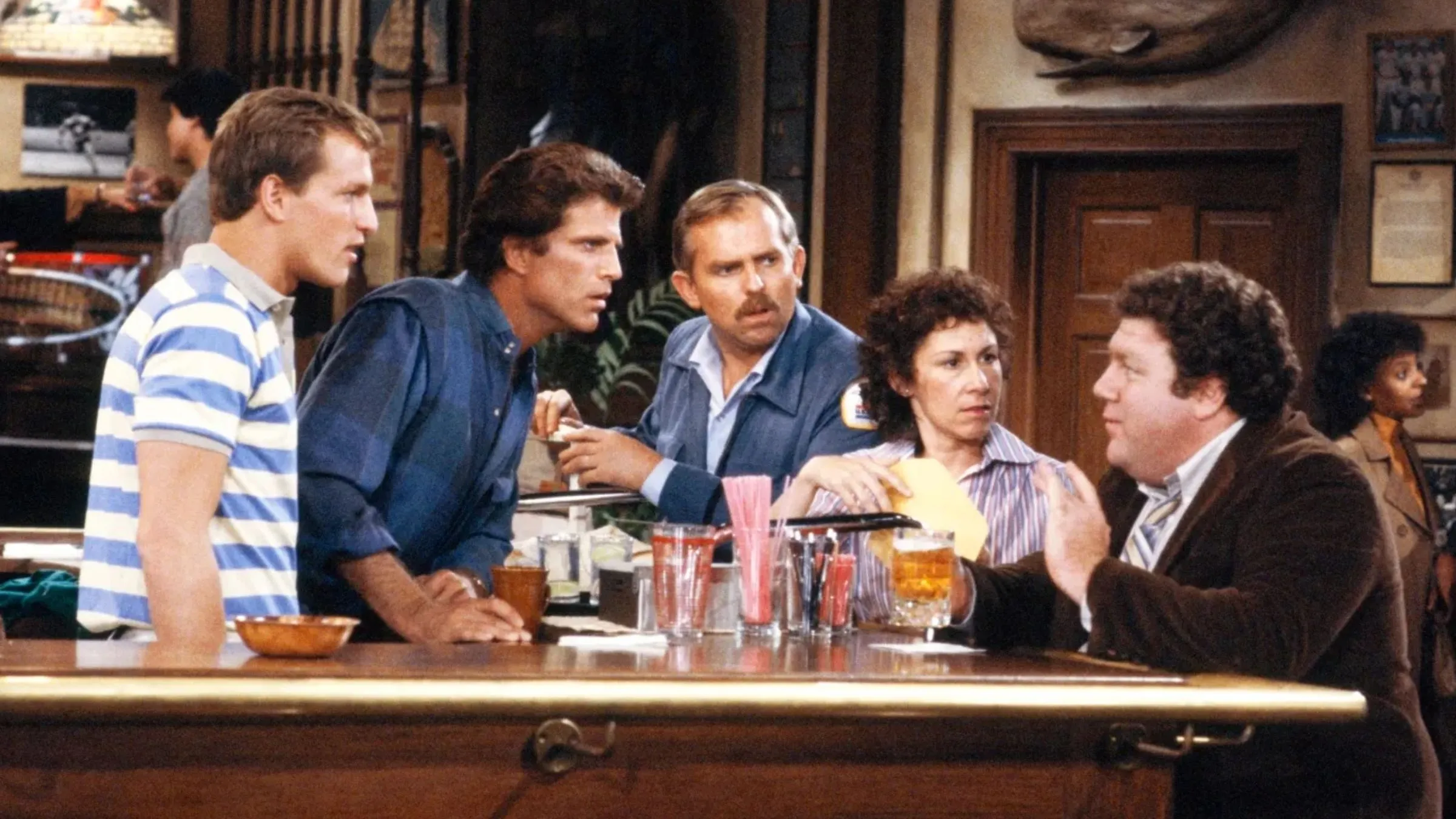
Cheers is a beloved sitcom set in a Boston bar where the patrons are like family. The show’s simple idea – a place where everyone knows your name – is surprisingly effective. It centers on Sam Malone, a former baseball player, and the colorful group of regulars who navigate love, life’s challenges, and ongoing relationships. Despite taking place almost entirely within the bar, the show never feels confined. The strength of Cheers lies in its well-developed characters, who drive the story and keep it engaging throughout the series.
These days, most sitcoms need flashy tricks or complicated storylines to grab your attention. But Cheers succeeded with a simple approach. Its lasting popularity comes from its strong characters and well-written conversations – proving that great dialogue is enough to build a hit show. It essentially created a formula for long-lasting success in a traditional sitcom format. However, it’s on this list because other shows later took TV innovation even further.
4) Seinfeld
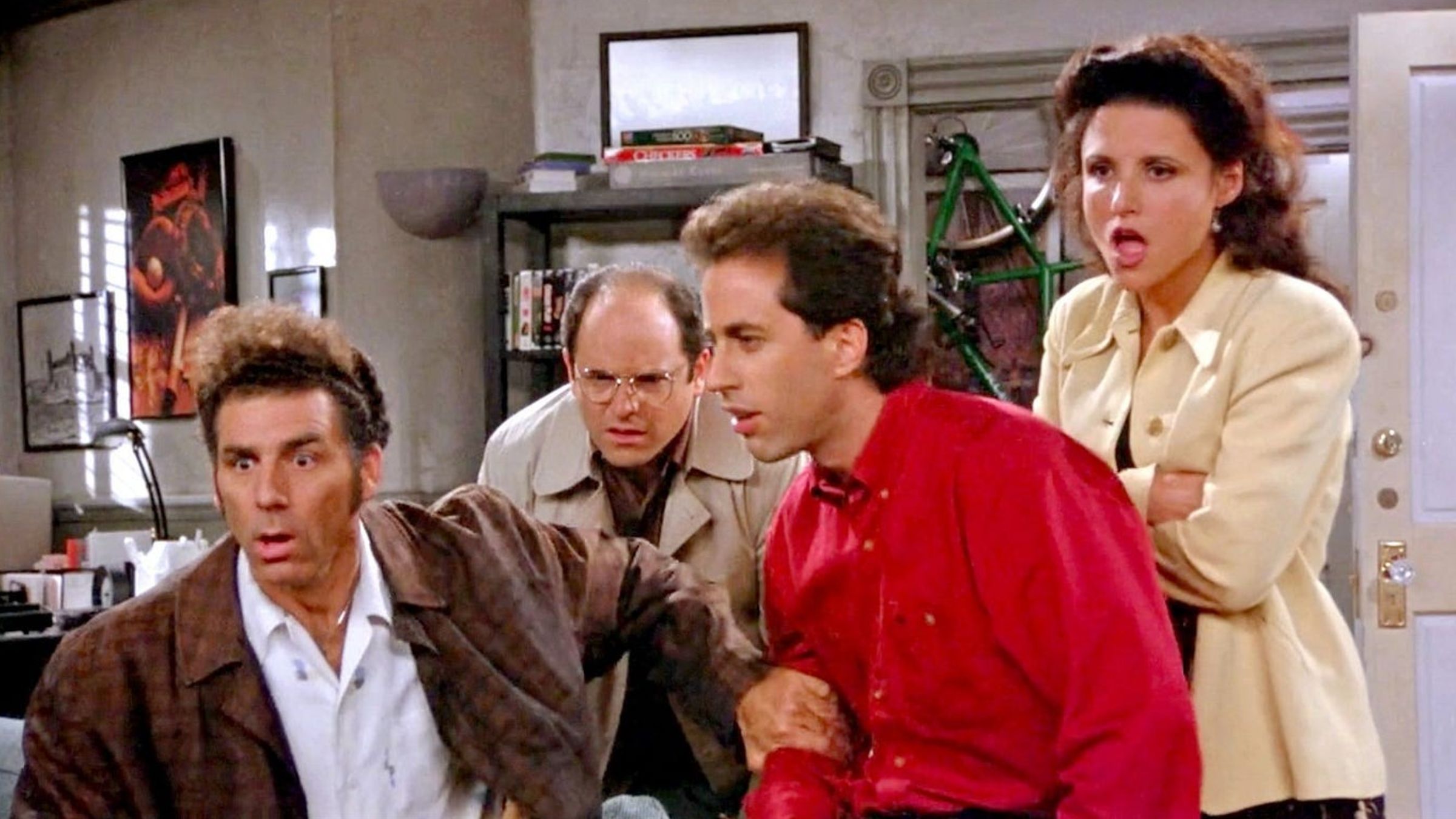
As a huge cinema and TV fan, I’ve always been fascinated by Seinfeld. It felt like it took everything we expected from TV stories and just tossed it out the window. The show centers around Jerry and his friends, and it’s amazing how they could take the most mundane things – like waiting for a table at a restaurant or a silly disagreement – and turn them into these huge, funny events. What really struck me was that Seinfeld didn’t bother with those typical heartwarming lessons or character growth you usually see. Nobody learns a big lesson or becomes a better person. It was genuinely groundbreaking for its time, and it still feels fresh today.
In many ways, Seinfeld redefined sitcom writing. Its comedy comes from simply observing the characters and their often frustrating lives – they never really learn or change. Plus, the show’s structure – with several smaller plots weaving together – became hugely influential for a whole generation of comedy writers. However, its impact was more about how the show was written than how it was made, which is why it’s considered a significant, but not top-tier, television innovation.
3) M*A*S*H
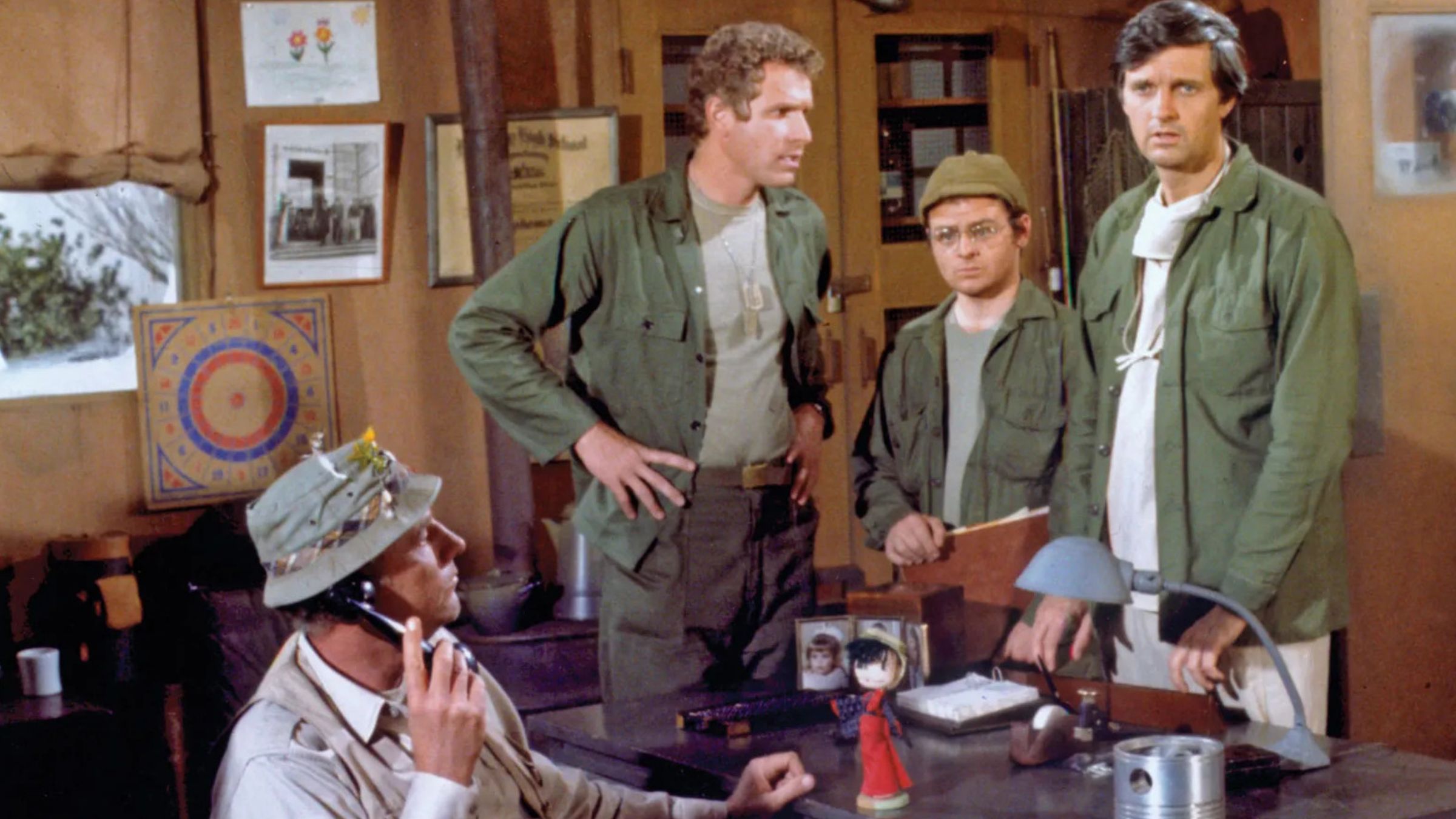
Sitcoms are meant to be funny, but what if a show uses humor to explore deeper themes? MASH* did just that, bravely setting its story in a mobile army hospital during the Korean War. The show follows doctors and nurses who use comedy to get through the difficulties of war. It sounds serious – and it is – but it’s still genuinely funny. The drama and comedy are equally important, and the show wasn’t just trying to find a good tone; it was making a point. This blend of humor and serious commentary was unusual for a network sitcom back then.
The show MASH was groundbreaking because it demonstrated that comedy and serious political messages aren’t mutually exclusive – in fact, they can make each other more powerful. Today’s shows like Veep and Brooklyn Nine-Nine are able to blend humor with social commentary thanks to the path MASH paved decades ago. It broadened the scope of what comedy could address and helped create the now-common “dramedy” format. Before MASH*, sitcoms were generally just meant to be lighthearted. Afterward, they could also offer thoughtful reflection.
2) All in the Family
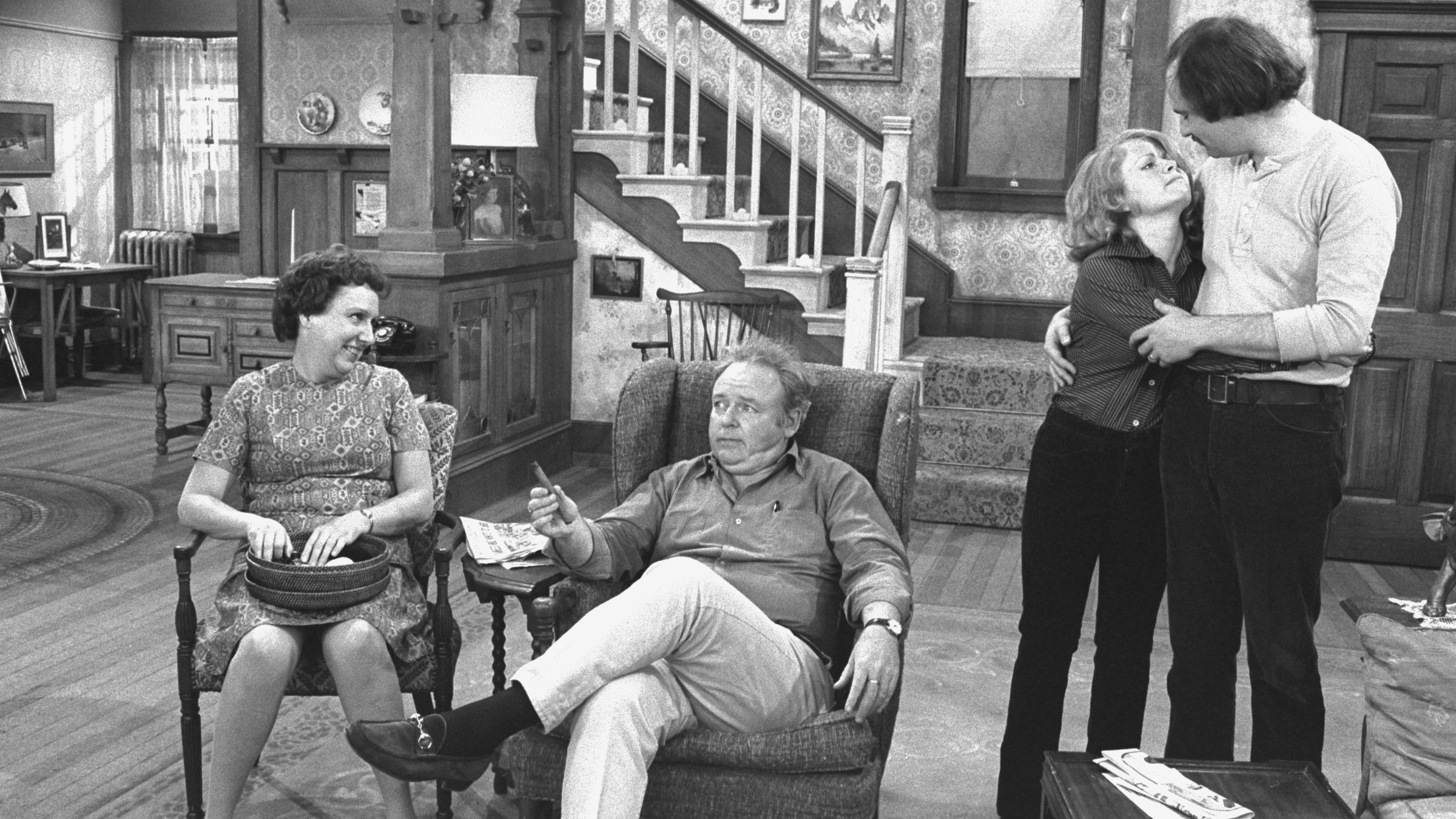
While MASH broadened the style of sitcoms, All in the Family* completely changed what they were about. The show revolves around Archie Bunker (Carroll O’Connor), a very conservative father whose prejudiced and old-fashioned beliefs constantly cause conflict with his family. Though set in a typical home, the show’s conversations always deal with important political and social issues. This approach feels incredibly modern and realistic, especially considering it was broadcast during primetime in the 1970s. It wasn’t just daring—it was groundbreaking.
What lasting impact did All in the Family have? It fundamentally changed what topics sitcoms could openly address. While it might not be as well-known to younger viewers today, its influence is clear. The show boldly brought important issues like racism, war, feminism, and inequality into homes, tackling them with direct, honest conversations rather than hidden meanings. It undoubtedly made television history, ranking second only to the show that originally established the sitcom format.
1) I Love Lucy
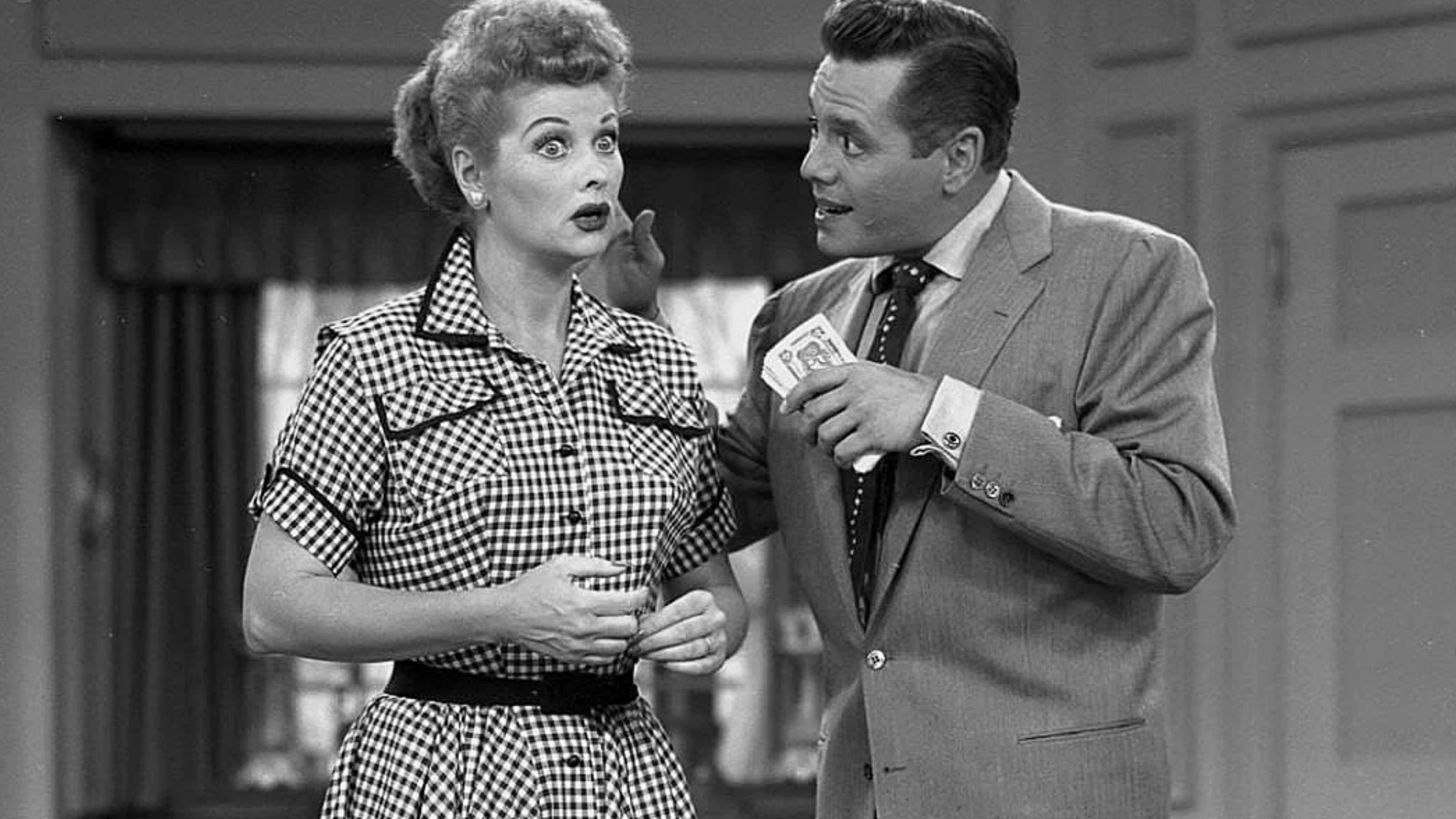
For sitcom lovers, I Love Lucy is essential viewing – it really set the standard for the genre. The show essentially created the blueprint for modern sitcoms, following Lucy Ricardo (Lucille Ball) and her hilarious, often chaotic, attempts to break into show business, much to the exasperation of her husband, Ricky (Desi Arnaz). It’s known for its classic physical comedy, funny misunderstandings, and well-crafted plots. But I Love Lucy’s influence went beyond what you saw on screen. It popularized the multi-camera setup with a live studio audience, and it pioneered the practice of reruns, which became a key way for television shows to generate revenue.
I Love Lucy fundamentally changed television comedy. It proved that sitcoms could be successfully copied and mass-produced, and without it, the genre wouldn’t be what it is today. Every sitcom since, including those considered classics, follows a model that this show pioneered in the 1950s. Therefore, when discussing the most influential shows, I Love Lucy isn’t just one of the greats—it’s where the story begins.
Do you enjoy any of these comedies? Share your thoughts in the comments and join the discussion on the ComicBook Forum!
https://comicbook.com/tv-shows/list/7-sitcoms-so-bad-theyre-hard-to-watch/embed/#
Read More
- Gold Rate Forecast
- Dune 3 Gets the Huge Update Fans Have Been Waiting For
- Dungeon Stalkers to end service on June 9
- Disney Promotes Thomas Mazloum To Lead Parks and Experiences Division As Josh D’Amaro Prepares To Become CEO
- RimWorld Odyssey DLC & Free Update Have Players Racing Back to RimWorld
- Every Creepy Clown in American Horror Story Ranked
- Action Comics #1096 is Fun Jumping-On Point for Superman Fans (Review)
- 22 actors who were almost James Bond – and why they missed out on playing 007
- Jack Osbourne Shares Heartbreaking Tribute to Late Dad Ozzy Osbourne
- Antiferromagnetic Oscillators: Unlocking Stable Spin Dynamics
2026-03-04 22:13