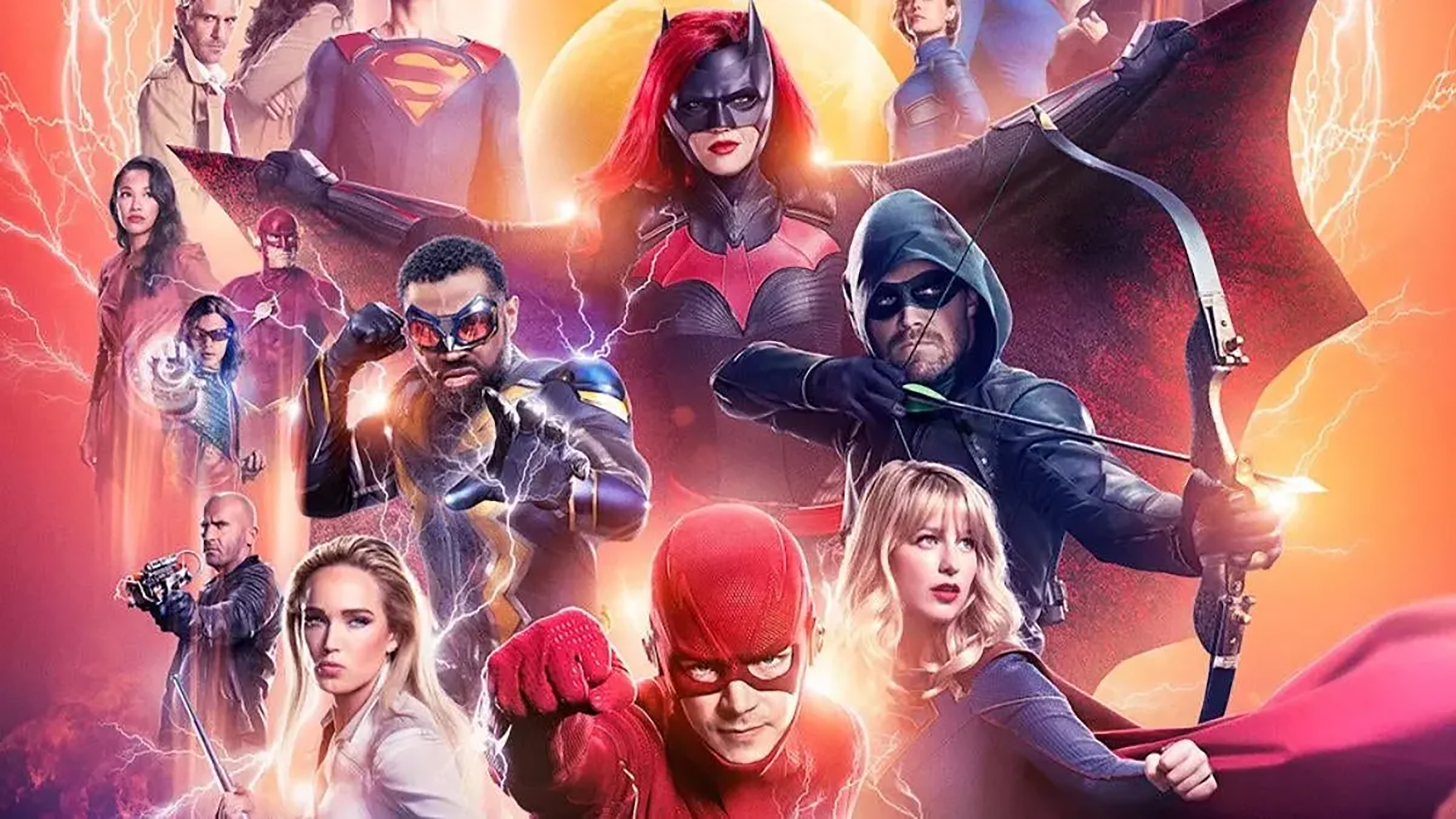
Now that the DC Universe (DCU) is the main place for DC characters in live-action, it’s worth remembering that fans used to have two options: the Arrowverse and the DCEU. Both were attempts to bring DC Comics to life on screen, but in different ways. The Arrowverse did this through television shows, while the DCEU focused on big-budget movies. Though fans were split at the time, looking back, the Arrowverse seems to have been the more successful of the two.
The superhero universe on The CW began with the show Arrow, and later grew to include series like The Flash, Supergirl, and Legends of Tomorrow. At the same time, the DC Extended Universe (DCEU) started with the film Man of Steel, continued with Zack Snyder’s films like Batman v Superman: Dawn of Justice and Justice League, and eventually expanded in many different ways.
7) The Arrowverse Was Built Up Slower Than The DCEU

One common criticism of the DC Extended Universe (DCEU) is that it tried to build a shared universe too quickly. While starting with a standalone Superman film was a good move, the franchise immediately moved on to Batman v Superman: Dawn of Justice without first establishing Batman with his own solo film. This pattern continued with the introduction of Wonder Woman, Aquaman, Cyborg, and The Flash, all before they had their own individual movies – and they all appeared together in Justice League before getting those solo opportunities.
The Arrowverse took a more gradual approach. When The Flash first aired, Arrow was already into its third season, and it wasn’t until later that big crossover episodes began. Characters generally had their own series before appearing together as a team. Plus, because the shows had longer seasons, there was more time to develop supporting characters.
6) The Arrowverse Used A Wider Variety Of DC Heroes
The DC Extended Universe (DCEU) showcased many of DC’s most popular heroes. Batman, Superman, and Wonder Woman were featured from the beginning, and later films highlighted characters like Aquaman, The Flash, Shazam, and Harley Quinn.
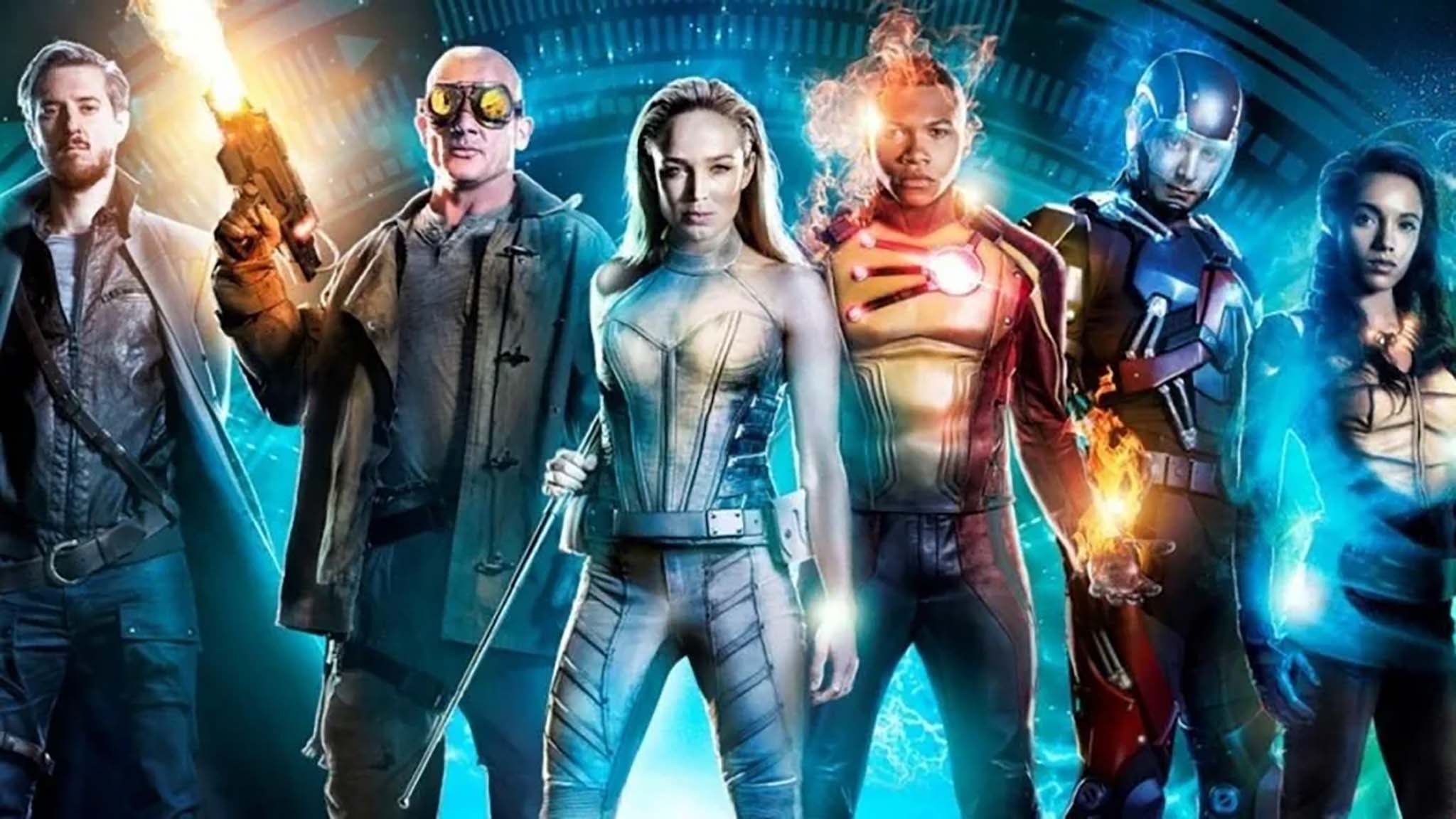
Although we didn’t see most of the famous Justice League heroes in the Arrowverse, the show did a great job of highlighting a lot of less-known characters. Interestingly, the whole universe is based on Green Arrow, who wasn’t part of the DC Extended Universe movies. Shows within the Arrowverse also made characters like Batwoman, Black Lightning, White Canary, Atom, Firestorm, and Hawkman central figures.
5) The DCEU Was Constantly Changing Plans (& The Arrowverse Wasn’t)
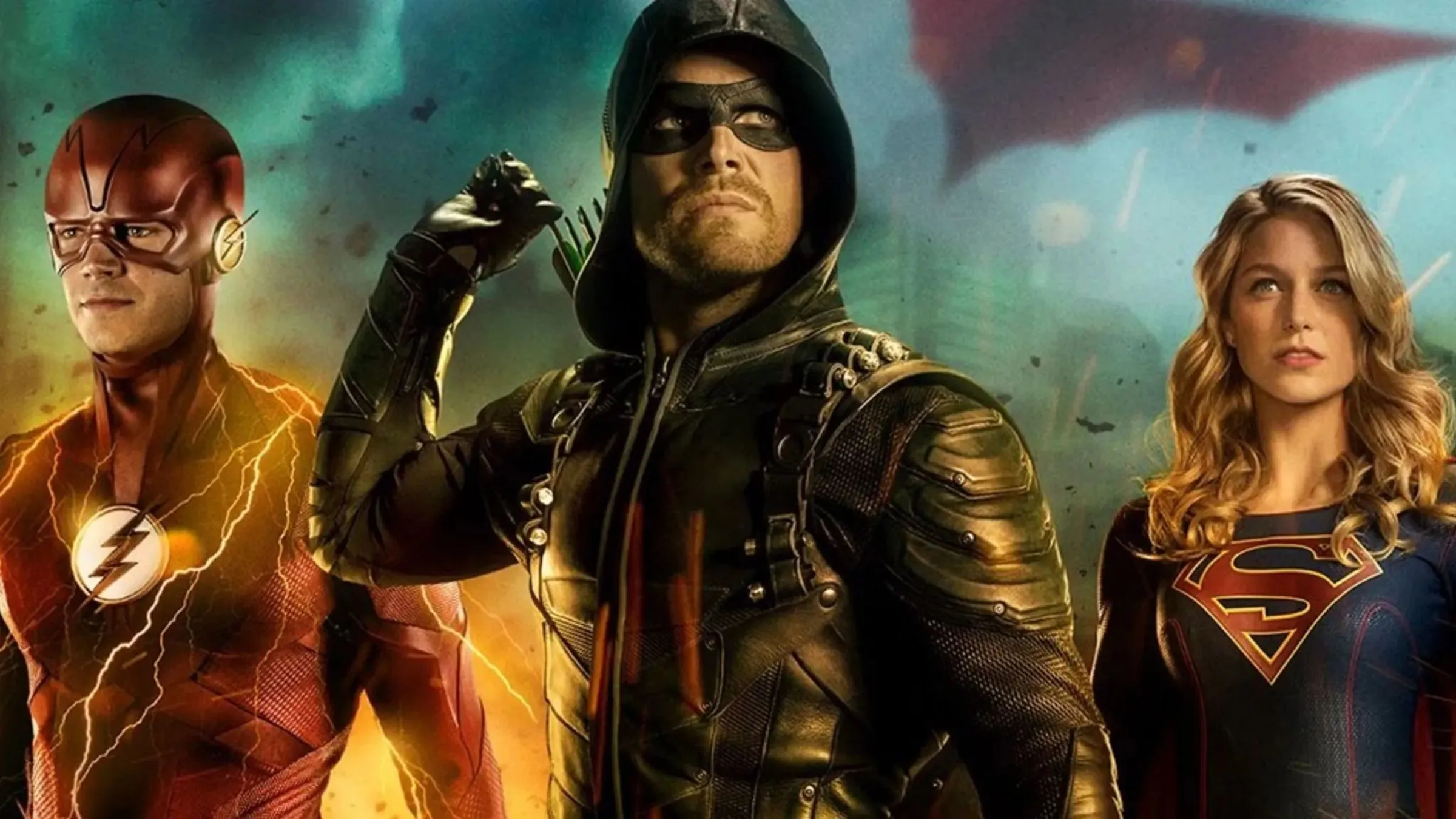
What was most fascinating about the DC Extended Universe (DCEU) wasn’t necessarily the films themselves, but the chaotic way they were made. The franchise constantly changed direction, shifting away from Zack Snyder’s original, darker vision towards a lighter, more comedic tone in the late 2010s. At one point, DC centered its plans around Dwayne Johnson’s Black Adam, even briefly bringing back Henry Cavill as Superman – but those plans ultimately fell through.
The Arrowverse didn’t have the same kind of public struggles with behind-the-scenes changes as some films, like Justice League and Suicide Squad. Unlike those movies, the production issues with the Arrowverse shows weren’t widely publicized, which is a good thing for the series as a whole.
4) The Arrowverse Was A More Cohesive Universe
After changes were made to Zack Snyder’s initial plan for Justice League, the DC Extended Universe (DCEU) never felt like a cohesive, connected story. Several plot points were introduced but never fully explored, like The Flash’s warning to Batman, Darkseid’s role in Justice League, and Superman’s cameo in Black Adam. The films also felt disconnected due to inconsistent tones and frequent changes to the storyline, making it hard to believe these characters all lived in the same world.
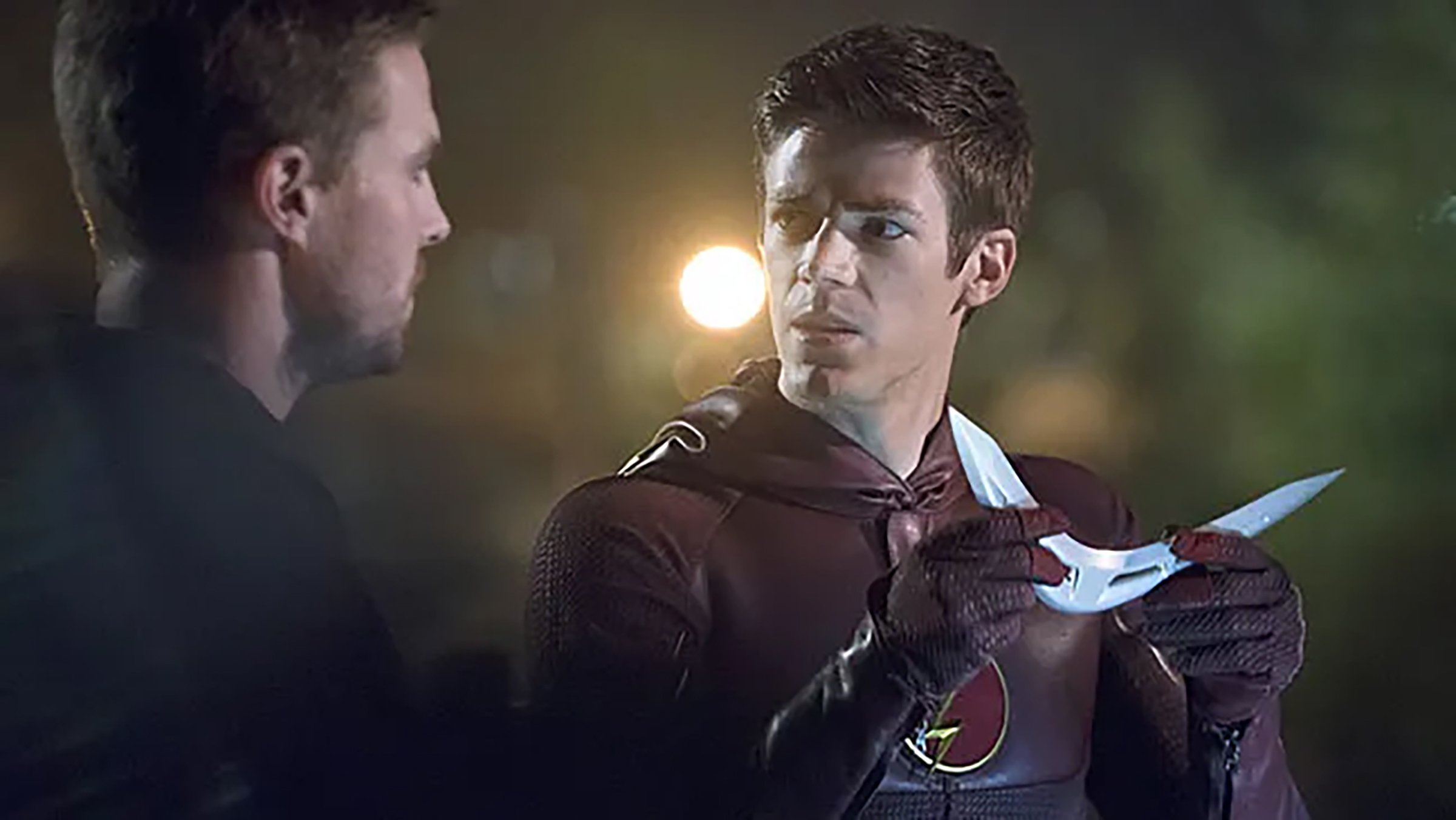
Luckily, the Arrowverse managed to steer clear of this issue. Though the shows explored different storylines, they generally maintained a consistent tone and frequently featured crossovers between series.
3) The Arrowverse’s TV Format Gave It More Room To Grow
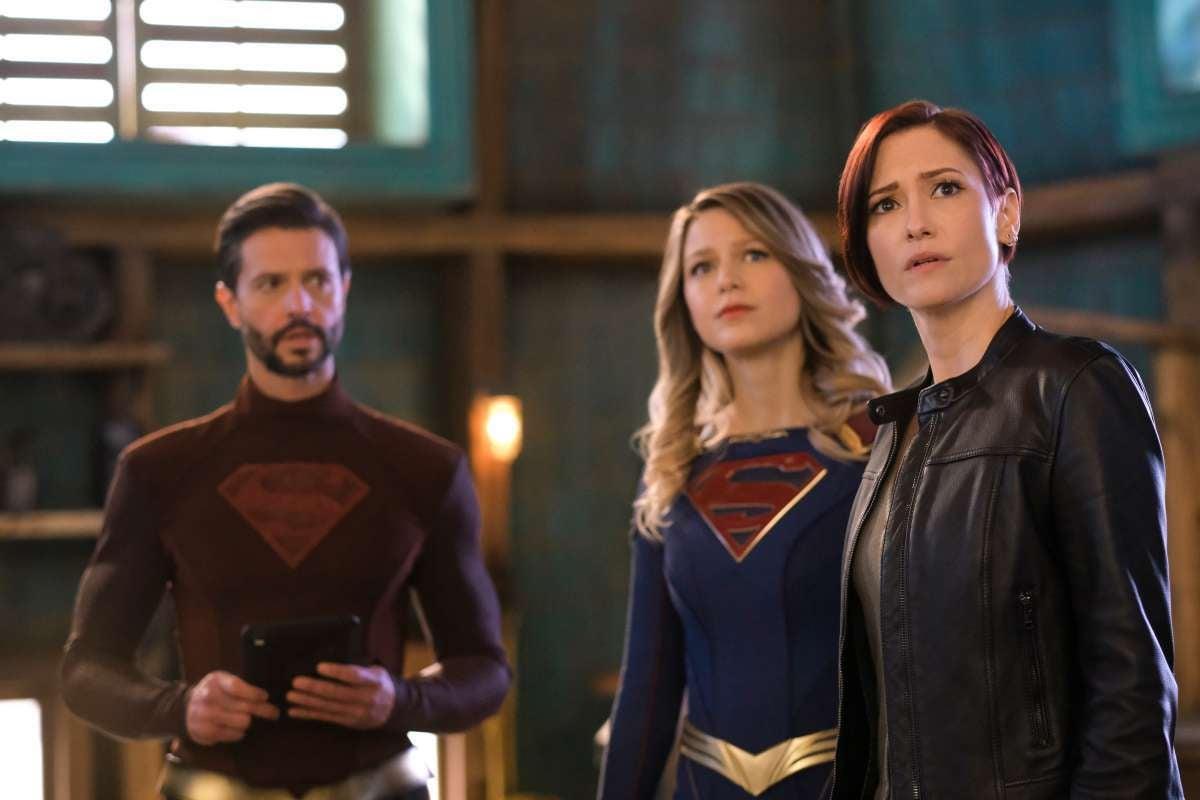
The DC Extended Universe (DCEU) focused almost exclusively on big-budget blockbuster movies, which restricted the depth of its storytelling. In contrast, shows within the Arrowverse lasted much longer – from three to nine seasons – with each season containing between 10 and 23 episodes. This gave the Arrowverse significantly more time to develop its characters, plotlines, and overall universe.
2) Crisis On Infinite Earths Was a Better Multiverse Story than The Flash
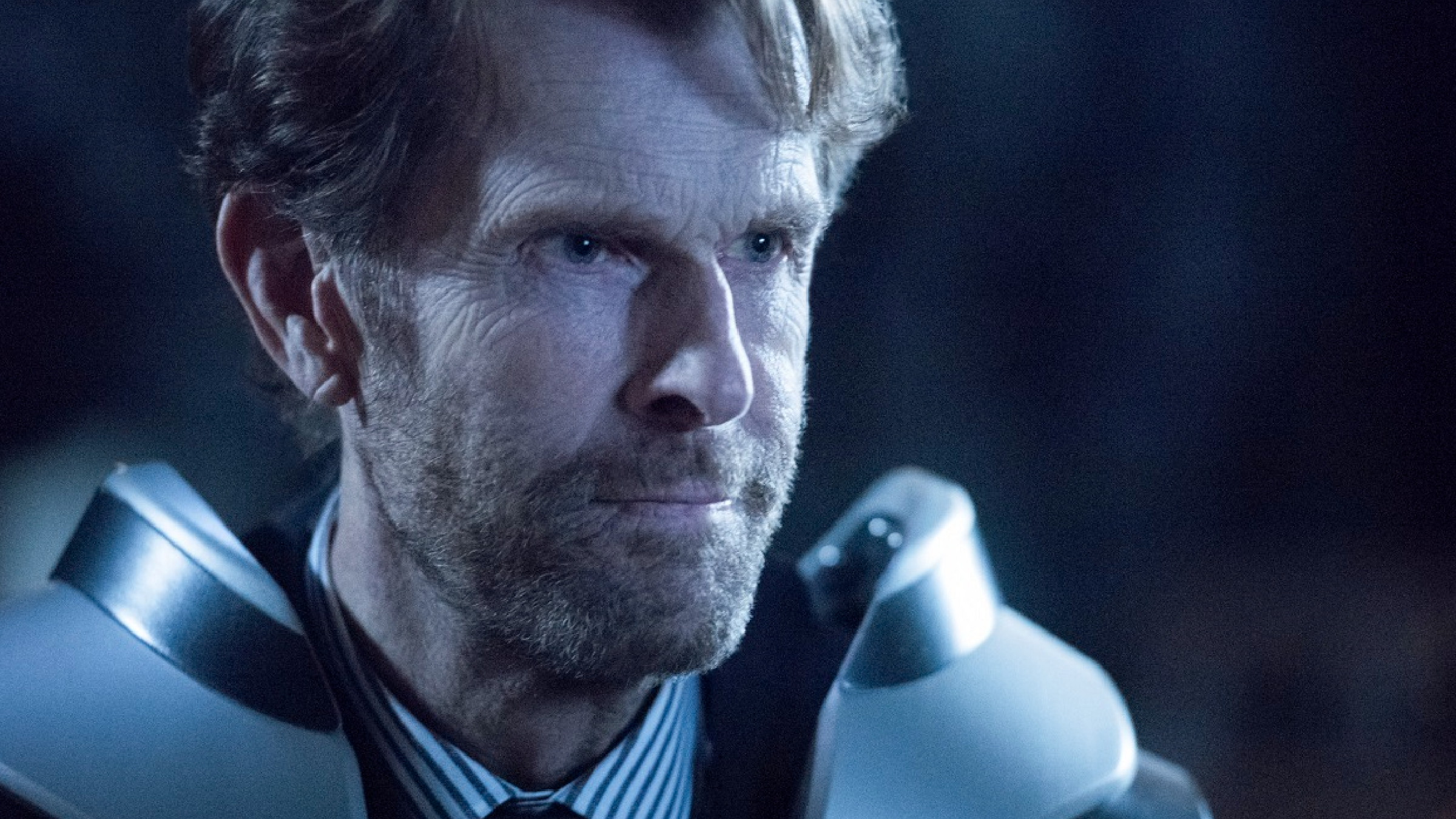
Despite expectations that the DC Extended Universe (DCEU) was wrapping up, 2023’s The Flash was intended as a large-scale story bringing together multiple universes. Unfortunately, the movie received very negative reviews and didn’t perform well at the box office. The Flash heavily featured characters and elements from Tim Burton’s Batman films and earlier DCEU movies, and controversially used CGI to revive older DC characters.
The Arrowverse also tackled the Crisis on Infinite Earths storyline, and it was a much more successful adaptation. Their crossover event lasted several episodes and impressively brought together characters from a wide range of different Batman universes – including the Tim Burton films and the 1960s TV show – as well as shows like Titans, Smallville, Doom Patrol, and even characters from the DC Animated Universe and the DC Extended Universe.
1) The Arrowverse Wasn’t Competing With a Marvel Counterpart
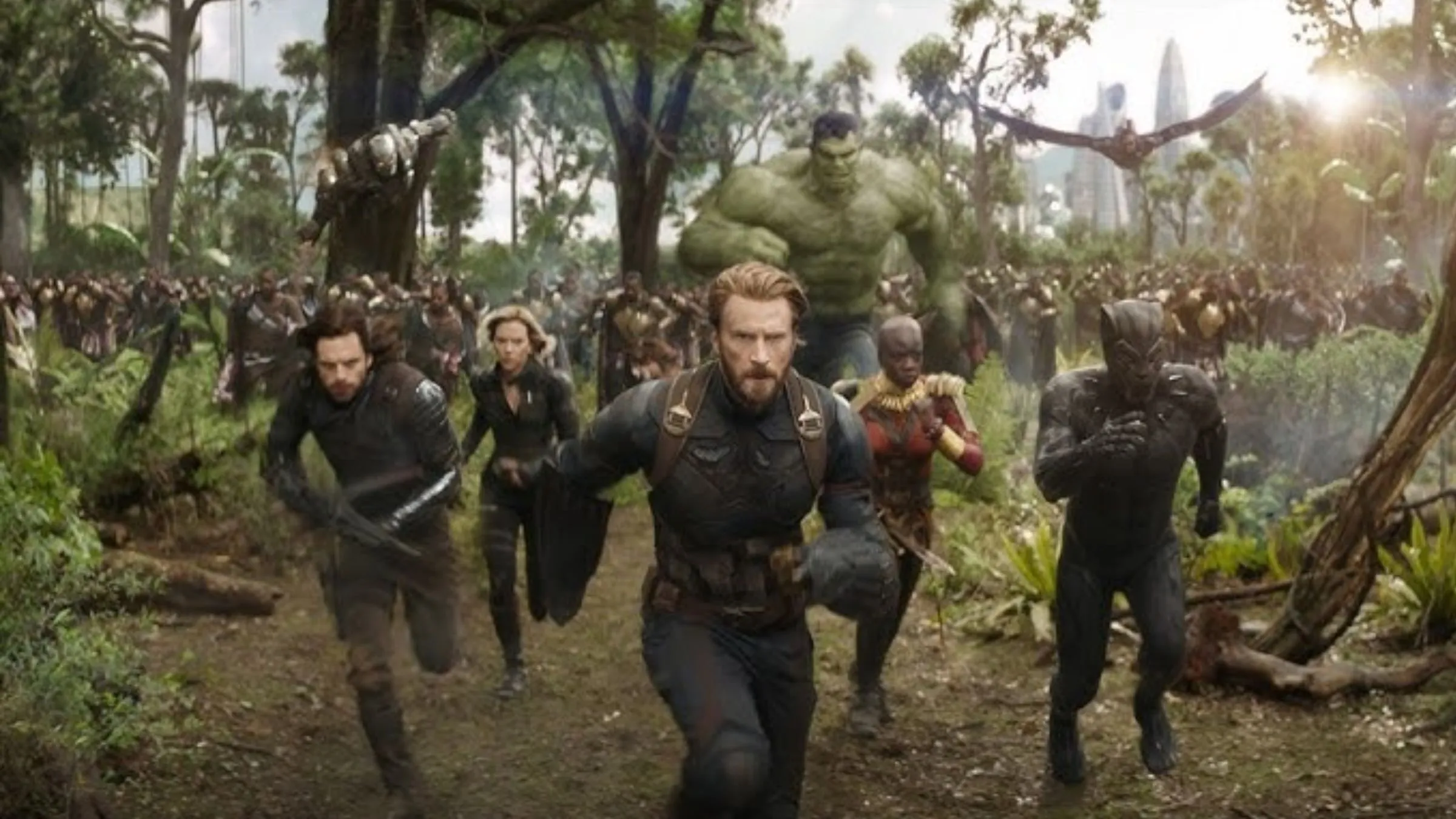
Ultimately, the main reason the Marvel Cinematic Universe (MCU) thrived while the DC Extended Universe (DCEU) struggled was that Marvel didn’t have an existing live-action TV series to compete with. Many of the DCEU’s issues stemmed from trying to quickly match the MCU’s success. However, the DCEU couldn’t replicate Marvel’s style, storytelling, or characters, and as a result, it didn’t achieve the same level of popularity or critical acclaim.
The Arrowverse wasn’t simply copying Marvel’s approach. While Marvel had its Netflix series, those shows connected directly to the main Marvel Cinematic Universe and didn’t really compete with what the Arrowverse was building. In fact, the Arrowverse was more successful, allowing it to define its own style and speed, which ultimately led to critical and audience acclaim.
What’s your favorite version of the DC Universe? Share your thoughts in the comments and join the discussion on the ComicBook Forum!
https://comicbook.com/tv-shows/news/arrowverse-green-arrow-character-change-dcu/embed/#
Read More
- What Song Is In The New Supergirl Trailer (& What It Means For The DC Movie)
- Eurogamer Gives ARC Raiders 2/5 Over AI Voices, Dropping Metacritic Score from 94 to 84
- Gold Rate Forecast
- One of Hulu’s Best New Shows Lands on Disney+ Ahead of Season 2
- Kristen Bell Details “the Real Stuff” in Family Bond With Dax Shepard
- Homura Hime coming to Switch 2 in 2026
- Dolly Parton’s Husband Carl Dean’s Will Revealed After His Death
- Pokemon Go Unveils Precious Paths Season Details With New Masterwork Research, Pokemon Debuts & More
- Kena PS5 Studio Goes Full Circle with Bridge of Spirits Switch 2 Port
- Kylo Ren’s Darkest Moment: A Shocking Echo of Anakin’s Infamous Past
2026-01-10 03:12