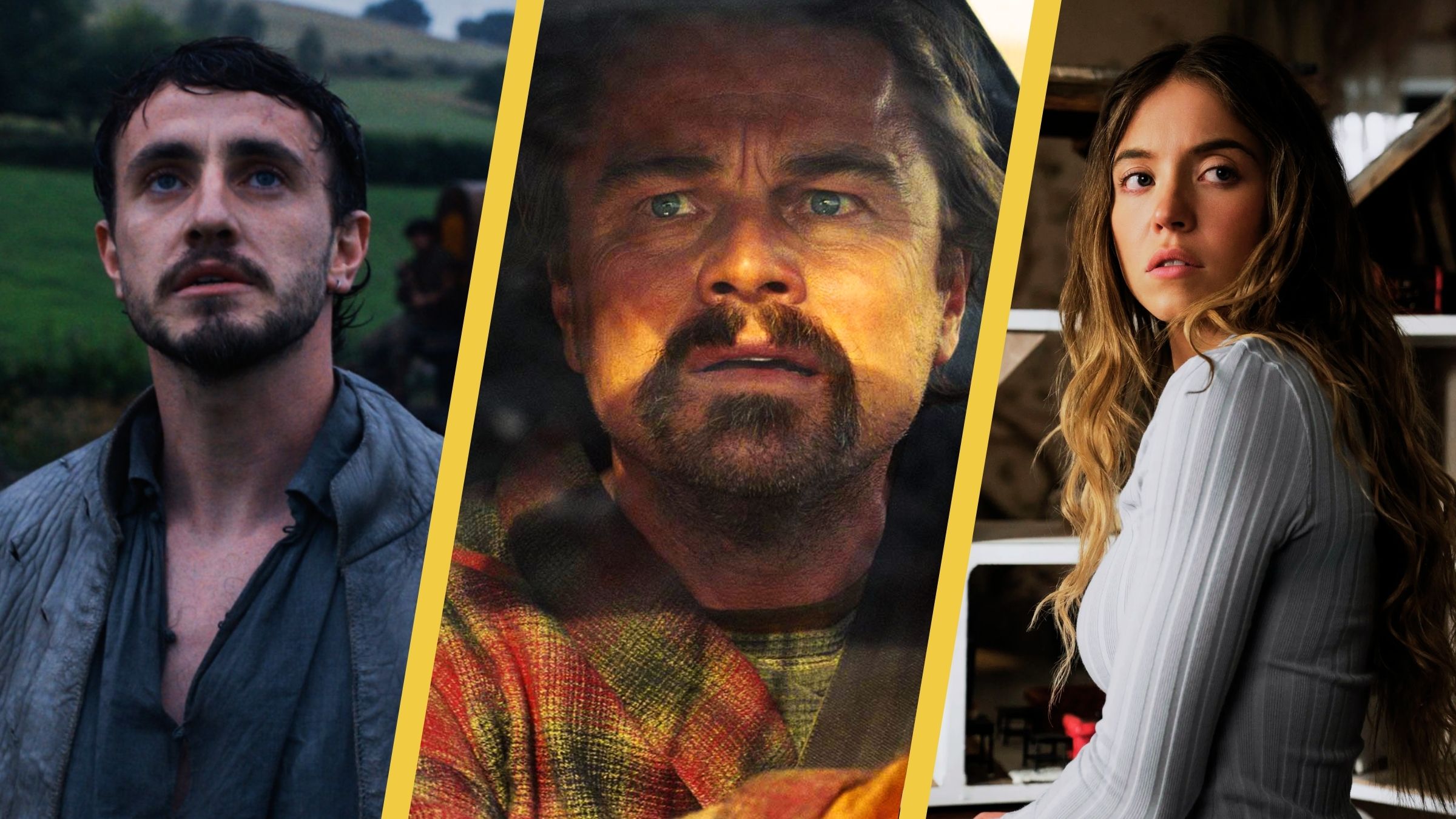
It’s always exciting when a favorite book becomes a movie! But turning a story into a film is tricky – filmmakers have to keep the plot moving, maintain the emotional impact, and stay faithful to the original. While many adaptations fall short, recent ones have really succeeded. They’ve managed to strike a great balance, appealing to both newcomers and longtime fans, and created truly award-worthy cinematic experiences. These are adaptations done right, a huge improvement over some we’d all rather forget.
Here are 7 new movies adapted from books that truly capture the spirit of the originals – they’re practically masterpieces. These films don’t just tell the story, they bring the book to life with epic, unforgettable results.
7) The Hunger Games: The Ballad of Songbirds & Snakes

What makes this Hunger Games prequel so successful is its ability to enrich the world of Panem in a fresh way. Instead of simply repeating the original story, The Ballad of Songbirds & Snakes explores how society and the Games themselves can corrupt someone, turning them into a ruthless leader. The film delves into themes of power, ambition, and manipulation, with a young Coriolanus Snow (Tom Blyth) at its heart. As a mentor to tribute Lucy Gray (Rachel Zegler) in the 10th Hunger Games, he’s forced to confront difficult political realities and make challenging moral choices for the first time.
This movie is a remarkably faithful and well-crafted adaptation of the book. What truly stands out is how it makes you understand the protagonist, even though he’s deeply flawed. While Snow is unlikeable, the film reveals his backstory, offering a new perspective on his actions. Unlike the other Hunger Games films, this one doesn’t rely on action; instead, it builds suspense through the situation, the choices characters make, and the resulting consequences, giving it a unique impact. Ultimately, the film explains how Panem creates its villains, and presents the Games as a more complex and strategic battle.
6) Dune: Part Two
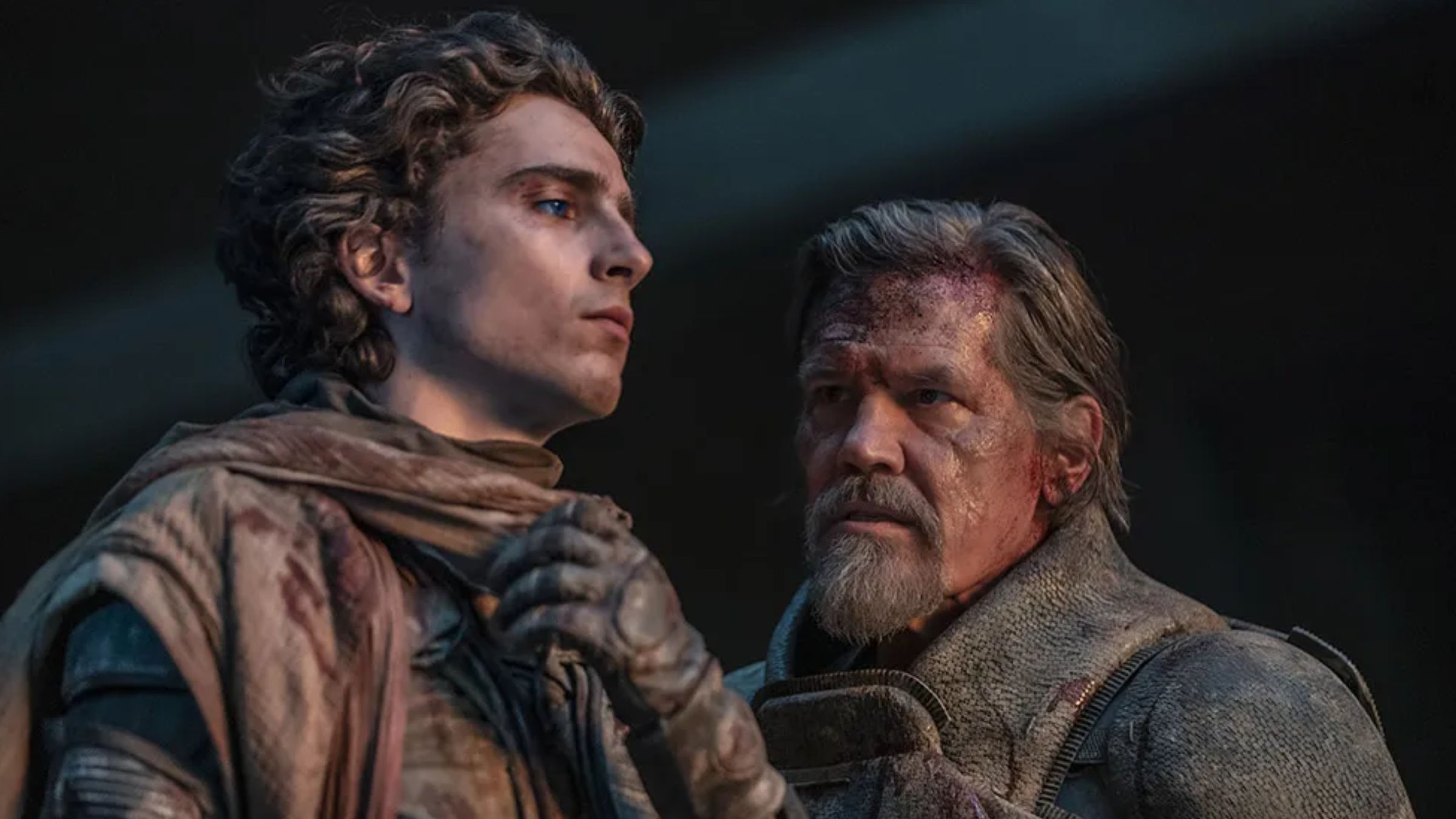
This movie is a stunning example of how to adapt a complex story for the big screen. While the first Dune film was impressive, Dune: Part Two truly showcases Denis Villeneuve’s skill at turning a massive and intricate narrative into a captivating cinematic experience. The film follows Paul Atreides (Timothée Chalamet) as he allies with the Fremen people to overthrow the Empire and embrace his destined role, challenging his ability to lead and, crucially, his sense of right and wrong. What’s remarkable is that the movie maintains the rich political, cultural, and religious details of the book while ensuring every scene contributes to the overall story.
Adapting a book as complex as Dune is a huge challenge, and it would have been easy to lose the story in the process. However, this adaptation flows beautifully, prioritizing the characters’ decisions and their impact over simply showing action. It’s easily one of the best adaptations we’ve seen in a long time, successfully condensing a detailed and layered story into something balanced and meaningful. While there are changes for the film, Dune: Part Two stays true to the heart of the book, which is truly impressive. And visually, it’s breathtaking.
5) Frankenstein
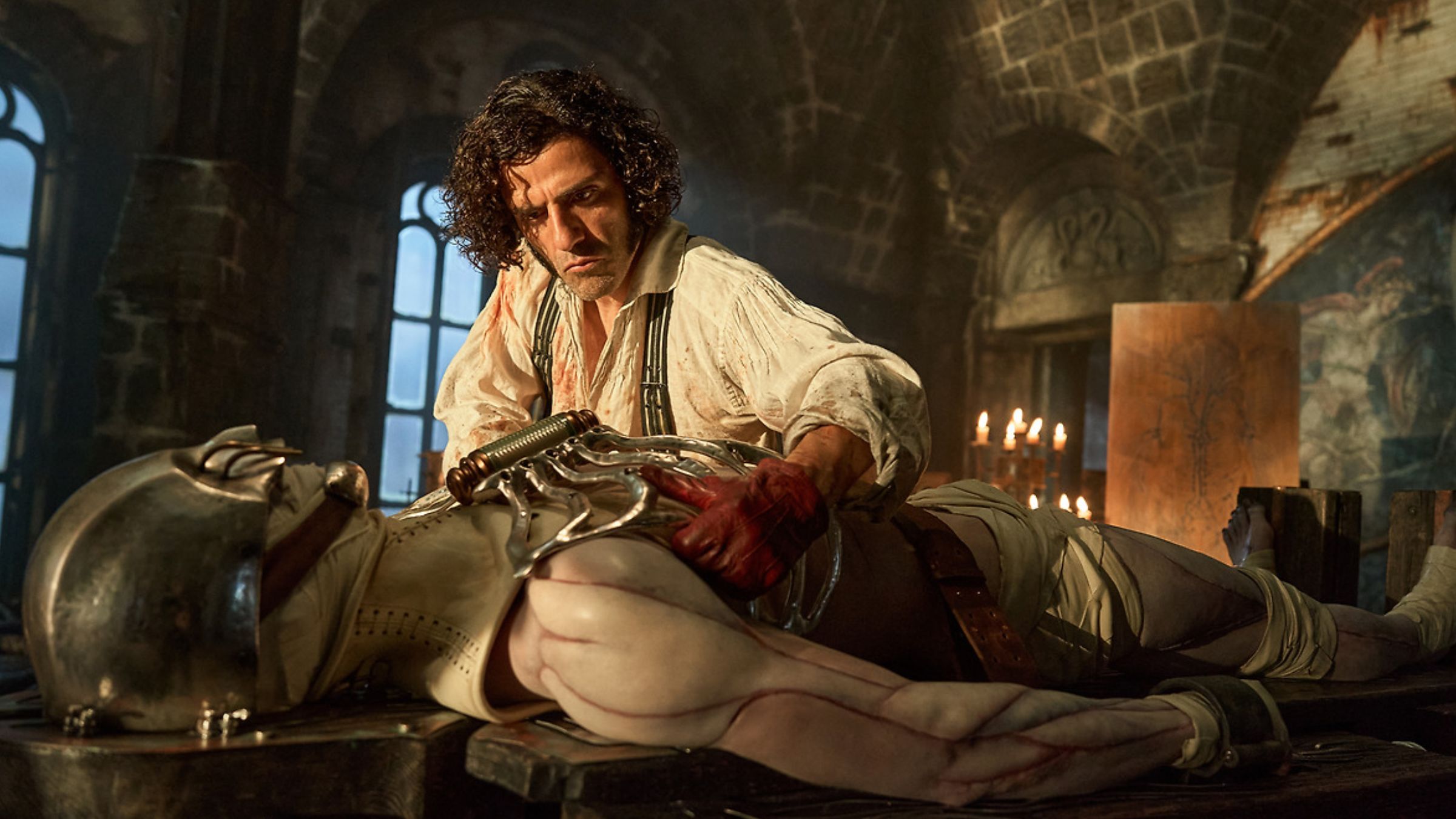
While the story of Frankenstein has been told many times before, this new adaptation finally captures the true horror and the darkness of human nature at its core. The film follows scientist Victor Frankenstein (Oscar Isaac) as he creates a being (Jacob Elordi) from dead bodies and then faces the repercussions. It challenges the idea of who the real monster is, and wisely avoids relying on flashy effects or cheap thrills. Instead, its strength lies in presenting the story from multiple viewpoints, offering a fresh take even for those familiar with the classic tale.
What makes this version of Frankenstein so great is how accessible it is. It tackles big ideas about creation and responsibility, but presents them in a clear and engaging way. Plus, it’s visually stunning and the creature is truly captivating. This is one of the best adaptations in years, as Guillermo del Toro clearly understands the heart of the story and has turned it into a genuinely compelling film.
4) The Housemaid

Everyone is raving about the book, and the movie adaptation is just as good – if not better! The Housemaid seems like a typical suspense thriller at first, but it’s actually a clever and psychologically driven story, which is what makes it so captivating. The film follows Millie (Sydney Sweeney), a young maid who becomes entangled with a wealthy family, and her actions – or lack of them – create a lot of trouble. Every moment feels like a calculated move, filled with manipulation, leading to a shocking finale that’s even more impactful than the big plot twist. Ultimately, the movie succeeds because it truly understands its story and delivers exactly what the audience is hoping for.
Many book adaptations get bogged down in changes, but The Housemaid avoids that trap. It immediately grabs your attention and stays true to the heart of the story – the power struggles, manipulation, and the consequences that follow. It’s a fast-paced, gripping film that doesn’t rely on gimmicks or unnecessary scenes. The tension and emotional impact feel genuine and are expertly handled. This movie is full of unexpected twists and is easily one of the best thrillers in recent years.
3) Hamnet
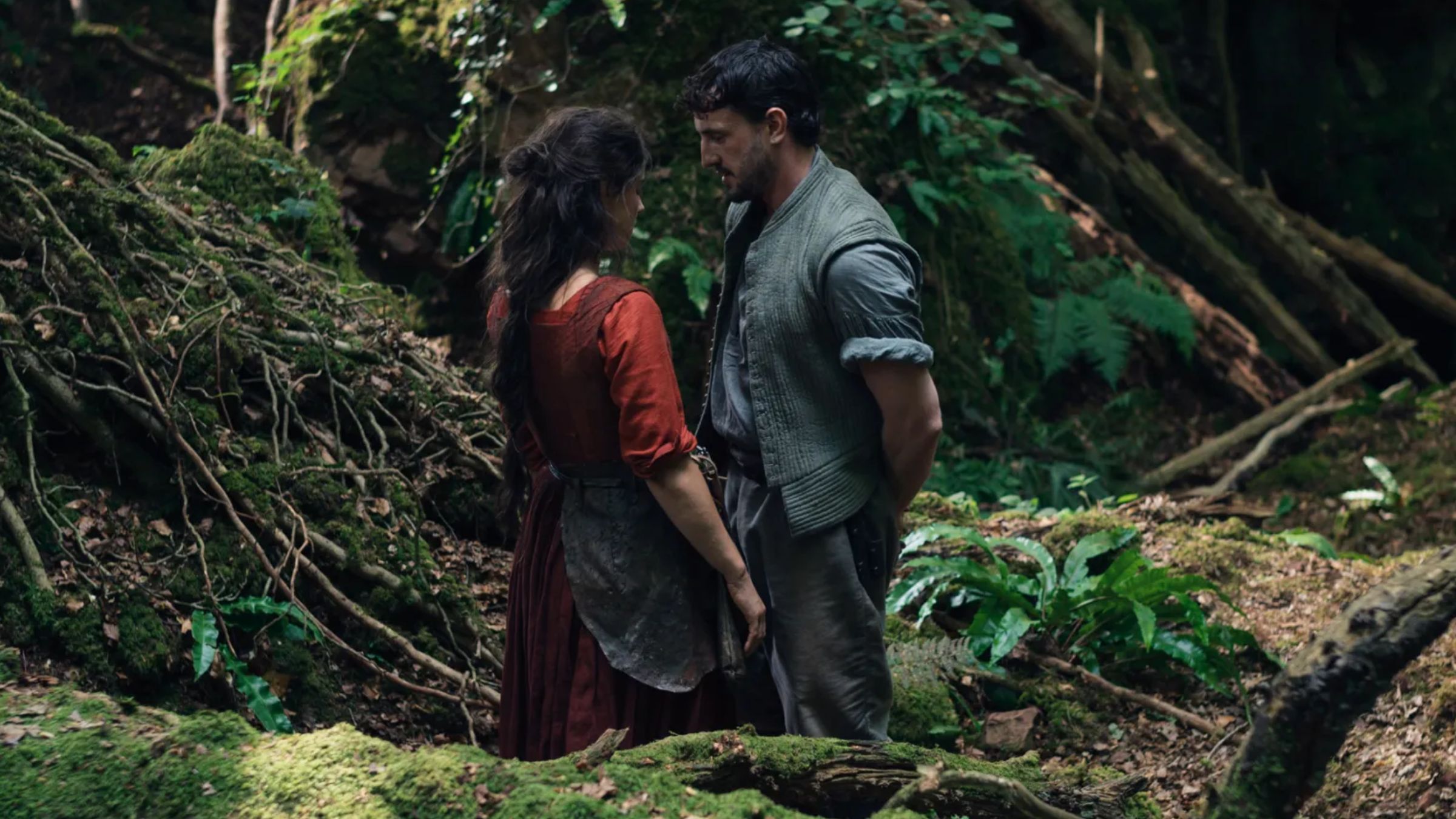
The book Hamnet powerfully explores grief and loss, and the film adaptation does so equally effectively, but in a way that resonates more immediately with viewers. While the novel delves into the inner thoughts of William Shakespeare’s family as they cope with the death of their son in 17th-century England, the film presents this story with greater clarity, both visually and in terms of its narrative. Importantly, the film maintains the same strong emotional core as the book, keeping the audience engaged from beginning to end.
Similar to The Housemaid, Hamnet demonstrates that originality isn’t always necessary – skillful execution is key. This novel is a modern masterpiece, powerfully portraying the grief of loss and its lasting impact on individuals. It’s straightforward, engaging, deeply moving, and unflinchingly honest, brilliantly illustrating how this tragedy could have sparked Shakespeare’s creation of Hamlet. The book’s success stems not only from its compelling story, but also from its ability to reveal the emotional reasoning behind Shakespeare’s artistic decisions. It’s a truly exceptional work that fully earns its acclaim.
2) One Battle After Another
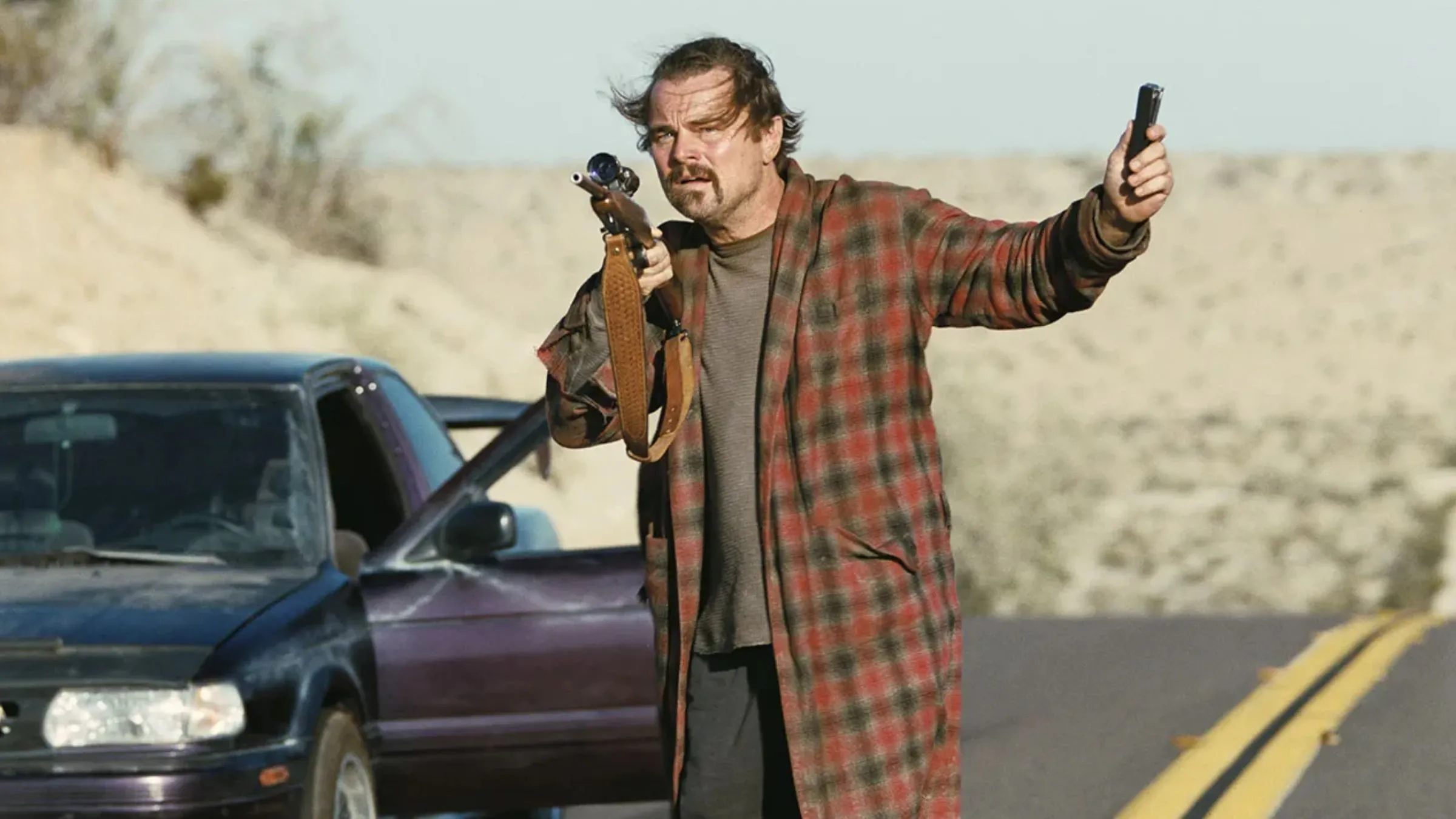
As a film fan, I think Paul Thomas Anderson really knocked it out of the park with this one. Adapting a complicated book is always tough, but he managed to organize everything so beautifully – every scene felt purposeful and made sense. It’s not about a word-for-word copy, it’s about taking the heart of the story and reshaping it for the screen, and he nailed it. The movie, One Battle After Another, centers around Bob Ferguson (Leonardo DiCaprio), a former revolutionary who’s forced to face his past while trying to protect his daughter, all against the backdrop of intense political and ideological conflict. It really captures the book’s core ideas – things like radicalism, cultural shifts, and fighting against the system – and it’s a perfect example of how to bring a great story to life on film.
The strength of One Battle After Another lies in its consistently gripping tension and well-managed pace, even though it doesn’t strictly follow the original story. The film realistically portrays the consequences of actions for every character, offering no easy outs, and thoughtfully examines themes of politics, suspense, and family. Given how challenging Thomas Pynchon’s writing usually is, the fact that even dedicated fans were impressed speaks volumes. This is a truly compelling film that’s well worth your time, and it’s clear why many are calling it one of the year’s best.
1) The Long Walk
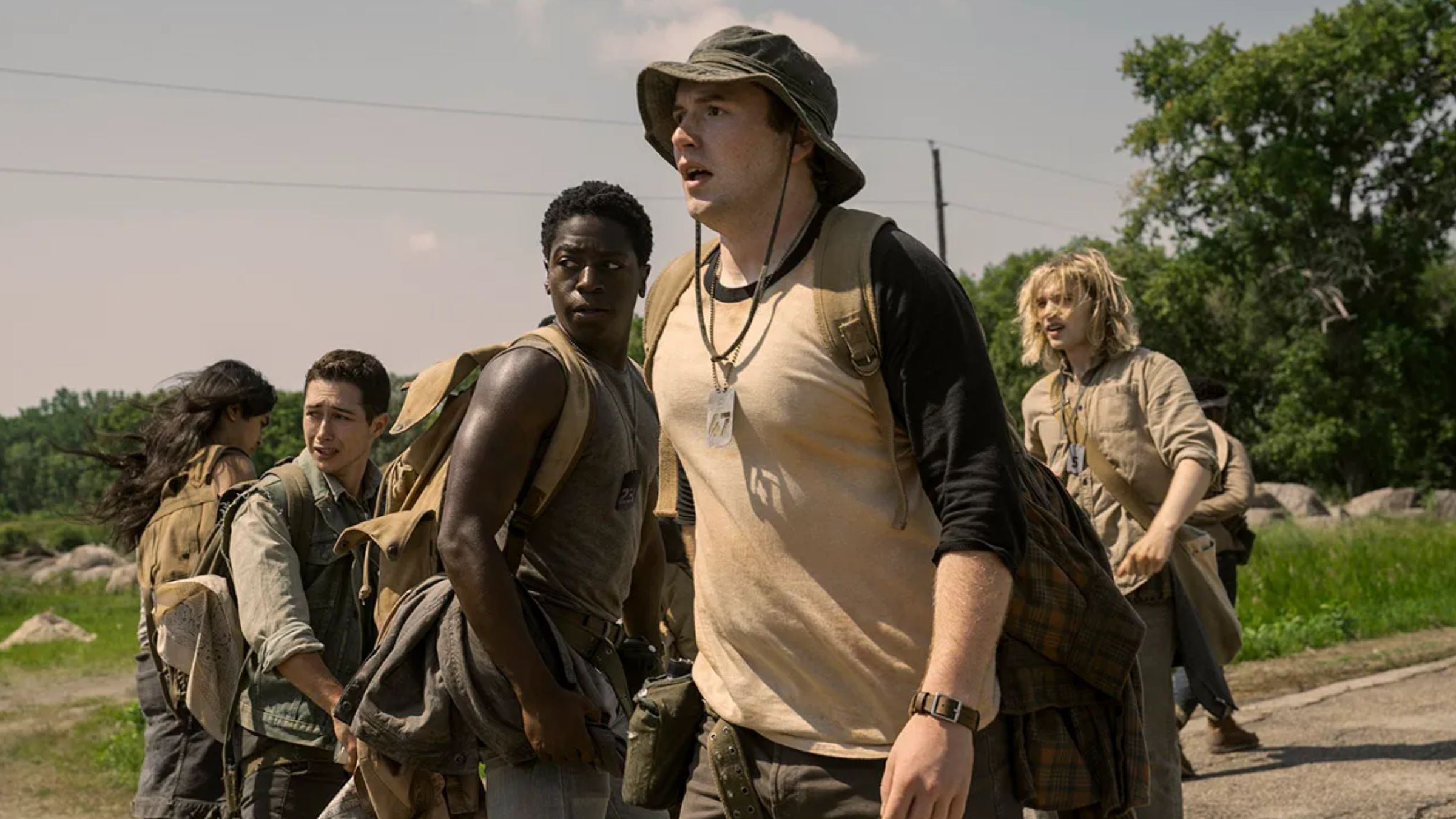
Stephen King’s work has been adapted for the screen many times, but the recent adaptation of The Long Walk is remarkably well done. It succeeds because it focuses on the story’s core: the intense psychological pressure and the desperation of the contestants. The film stays true to King’s vision, emphasizing the competition’s rules, relentless pace, and the difficult decisions the characters face. While it doesn’t shy away from violence (as King intended), it avoids relying on shocking visuals for their own sake, instead prioritizing the story’s emotional and mental toll. In The Long Walk, young people compete in a brutal contest where only one can survive, testing them both physically and mentally.
Despite being overlooked, The Long Walk is a truly powerful film. Those who have seen it understand why it’s so underrated. The adaptation is gripping and creates intense discomfort through its clever visual storytelling – it doesn’t rely on anything more than that. What makes it special is how fully it immerses the audience in the characters’ journey, making you feel like you’re walking with them with no way out. It’s a simple, unflinching, tense, and direct adaptation – precisely what this story demands.
What are your thoughts on these changes? Share your opinion in the comments and discuss them with other fans on the ComicBook Forum!
Read More
- Looks Like SEGA Is Reheating PS5, PS4 Fan Favourite Sonic Frontiers in Definitive Edition
- Gold Rate Forecast
- Dune 3 Gets the Huge Update Fans Have Been Waiting For
- Pluribus Star Rhea Seehorn Weighs In On That First Kiss
- Jack Osbourne Shares Heartbreaking Tribute to Late Dad Ozzy Osbourne
- Action Comics #1096 is Fun Jumping-On Point for Superman Fans (Review)
- Every Upcoming Transformers Movie: Release Dates, Details, & Everything We Know
- 22 actors who were almost James Bond – and why they missed out on playing 007
- Dungeon Stalkers to end service on June 9
- Antiferromagnetic Oscillators: Unlocking Stable Spin Dynamics
2026-03-06 01:13