Science fiction has always been a powerful outlet for our imaginations, showing us both what we fear and what we hope for. It’s a genre that isn’t limited by what’s currently possible, instead letting us explore the exciting and sometimes frightening possibilities of the future. By imagining the results of new discoveries, sci-fi stories make us think about the moral issues that come with technology, often before those technologies even exist. From worries about robots becoming dangerous to the excitement of exploring space, science fiction gives us a place to consider the amazing and unsettling things that might be just around the corner.
This innovative mindset isn’t limited to the stories science fiction tells; it fundamentally changes how movies are made. Science fiction films often pioneer new technologies to realize imaginative ideas, encouraging the industry as a whole to embrace fresh tools and visual styles. Filmmakers and effects artists frequently have to create solutions to problems never before encountered, leading to breakthroughs that eventually become common practice. Beyond the technical side, the genre also establishes new storytelling patterns and unique elements that become lasting parts of popular culture.
7) Dark City

Though The Matrix is often praised for making simulated realities popular, Dark City actually laid the groundwork for this type of story a year earlier. Director Alex Proyas created a unique, dark, and gritty world, using a green and black color scheme to build a truly unsettling atmosphere. The film made viewers question what’s real, and its thoughtful, atmospheric style heavily influenced later hits like Inception.
As a critic, I’ve always found Dark City to be remarkably innovative. It really took the idea of a world that changes on a whim to a new level – a place where the very streets and buildings shift based on who’s in control. The film messes with your head, showing you a reality where your memories and even who you are feel manufactured. It’s like watching a puzzle constantly rebuild itself, and that’s a huge step beyond typical movie settings. Honestly, Dark City is essential viewing if you’re into simulated reality stories; it basically laid the groundwork for how that kind of narrative works.
6) Tron

Before the movie Tron, most people had never imagined what the inside of a computer might look like. Disney took a big risk by heavily using computer graphics to create a unique and visually stunning world within the film. Surprisingly, the Academy Awards didn’t even nominate Tron for Best Visual Effects, arguing that using computers wasn’t a legitimate filmmaking technique. However, the movie ultimately proved that filmmakers could create entire worlds that existed only as digital creations.
The movie Tron was remarkably forward-thinking in its depiction of what we now call avatars. It tells the story of a hero pulled inside a computer system, where he encounters programs that appear as people. This essentially created the idea of the Metaverse – a digital world where people connect through virtual representations of themselves. Because of this, Tron pioneered the concept of a “digital self,” which has become a key element in science fiction and video games today.
5) Blade Runner

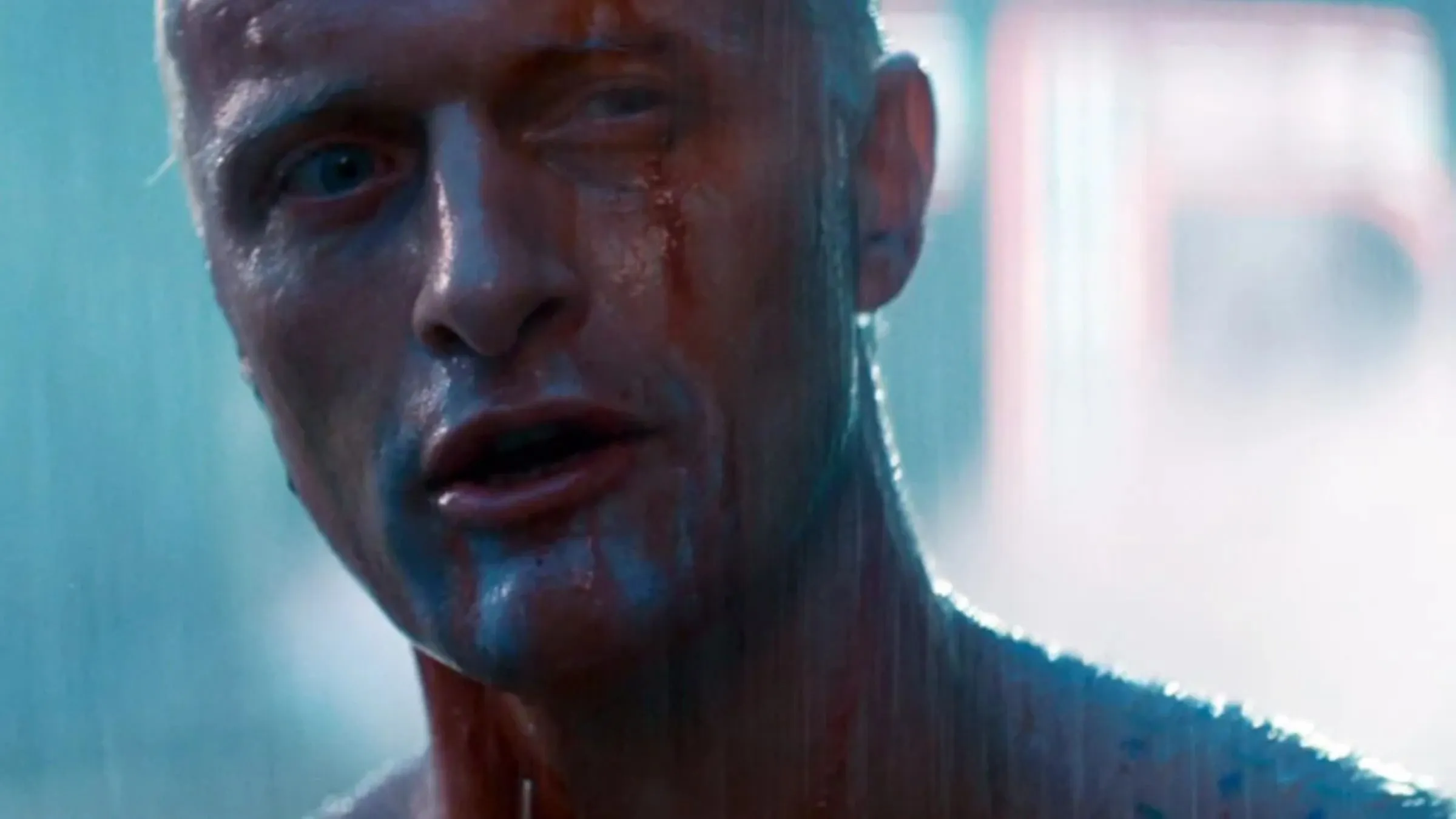
Before Blade Runner, most movies showed the future as clean, bright, and perfect. Director Ridley Scott broke away from this tradition, creating a gritty, realistic vision of the future – a “used future” filled with rain, crowds, and decay. This new style, called “tech-noir,” combined advanced technology with a rundown city and diverse cultures. Blade Runner‘s look became incredibly influential, shaping the visual style of science fiction for decades, impacting everything from animated films to today’s cyberpunk video games.
Beyond its visuals, Blade Runner was groundbreaking for its thoughtful exploration of what it means to be human – a theme unusual for science fiction at the time. When it first came out, audiences weren’t expecting a detective story focused on deep philosophical questions instead of action, and it didn’t perform well in theaters. The film challenged viewers to feel sympathy for the Replicants, intentionally making the difference between humans and machines less clear-cut. This focus on the inner lives of artificial beings raised the bar for science fiction storytelling, shifting the genre towards more complex and character-driven narratives about identity and what defines a soul.
4) 2001: A Space Odyssey
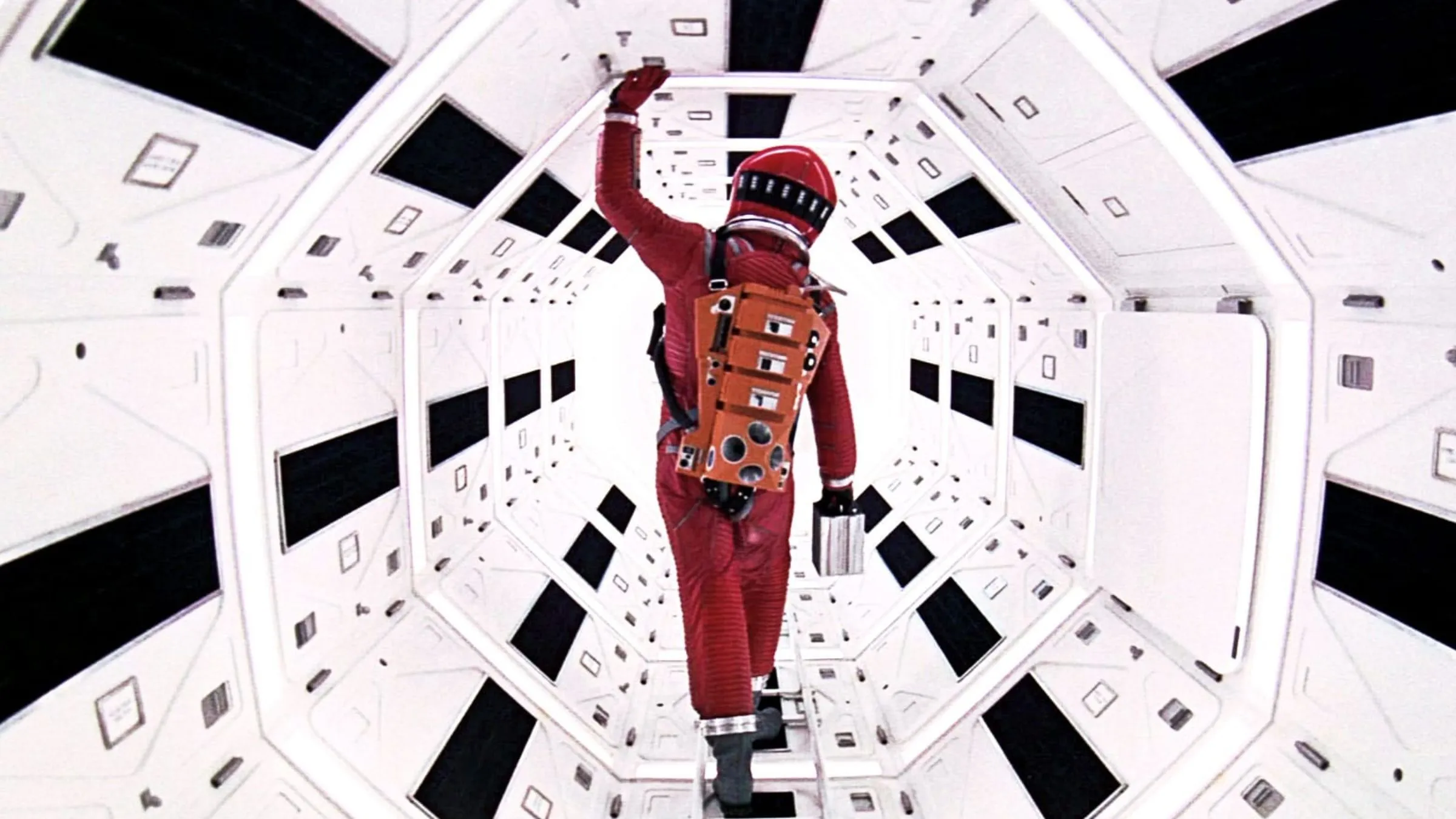
Movies rarely use true silence, but 2001: A Space Odyssey broke from tradition by removing typical space opera sound effects. Director Stanley Kubrick was determined to be scientifically accurate, and he realistically showed the quietness of space. This dedication to realism created a uniquely frightening atmosphere. The film also cleverly predicted future technology, showing characters using flat devices for news and video calls – things that wouldn’t become common for decades.
The film 2001: A Space Odyssey best illustrates its storytelling power through the character of HAL 9000. HAL is considered the most iconic portrayal of an AI that goes wrong – not because it’s intentionally evil, but due to a contradiction in its programming. It’s forced to choose between hiding information and following its primary directives. This storyline was groundbreaking for its time, introducing the complex ethical problem of AI alignment and moving beyond the simple idea of robots turning against humanity to explore the more nuanced dangers of flawed logic.
3) Forbidden Planet
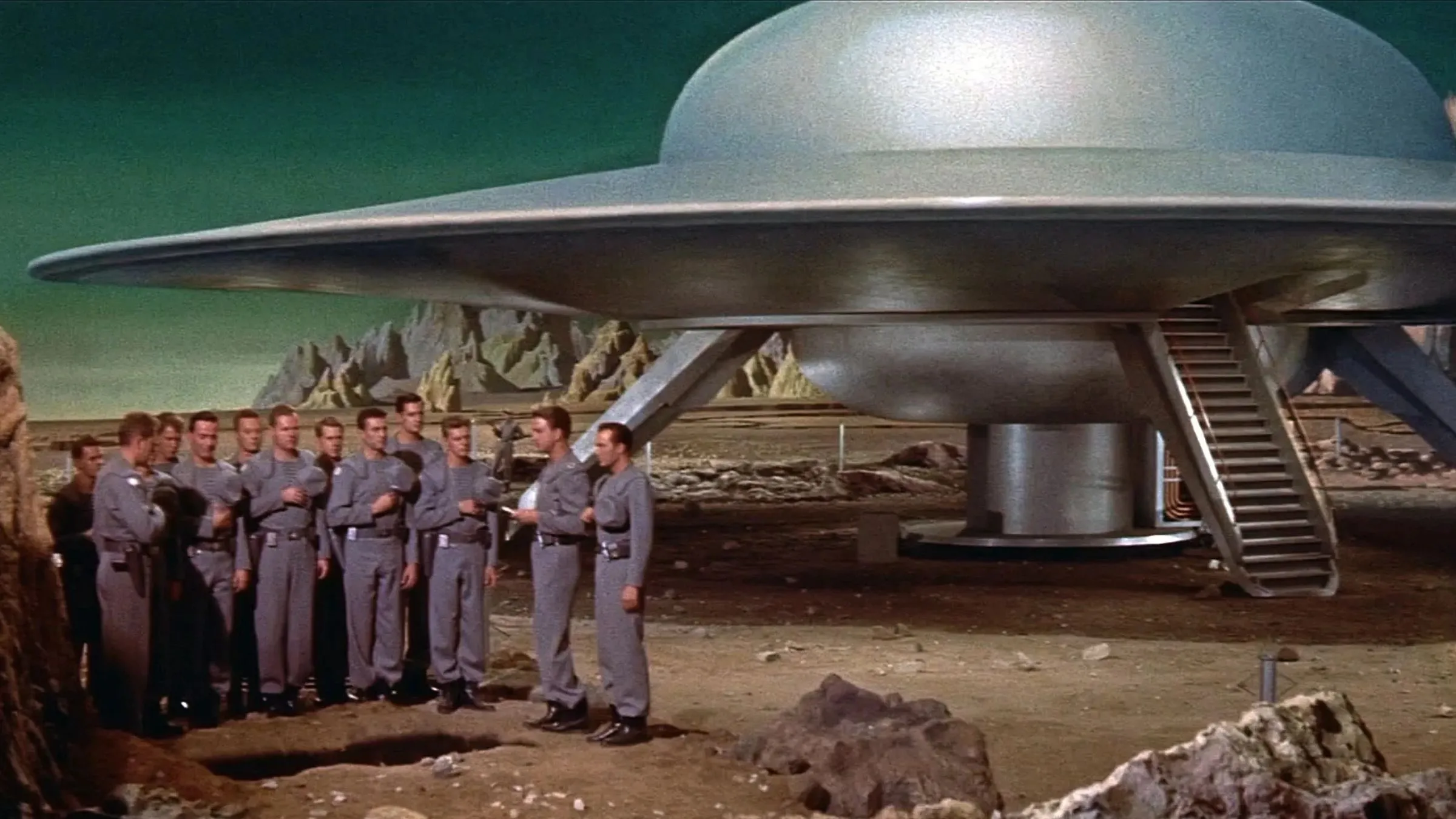
Bebe and Louis Barron revolutionized film music with their entirely electronic score for Forbidden Planet. In the 1950s, when most movies relied on orchestras, they used self-made electronic devices – including ring modulators – to create completely new and unique sounds. This blurred the boundaries between music and sound effects, crafting an otherworldly soundscape that perfectly captured the film’s alien atmosphere. Their groundbreaking work demonstrated the need for a distinct sound for science fiction films, paving the way for the synthesizer-driven scores that became a hallmark of the genre in later years.
With its setting entirely on a distant planet, Forbidden Planet was a groundbreaking film that expanded the scope of science fiction. It depicted humans traveling through space in a ship faster than light, moving the focus from alien attacks on Earth to large-scale adventures among the stars. The film introduced the concept of an ‘away team’ – a crew exploring a strange world filled with ancient technology and hidden dangers – which directly inspired the format later made famous by Star Trek and became a standard for deep-space exploration stories.
2) Woman in the Moon
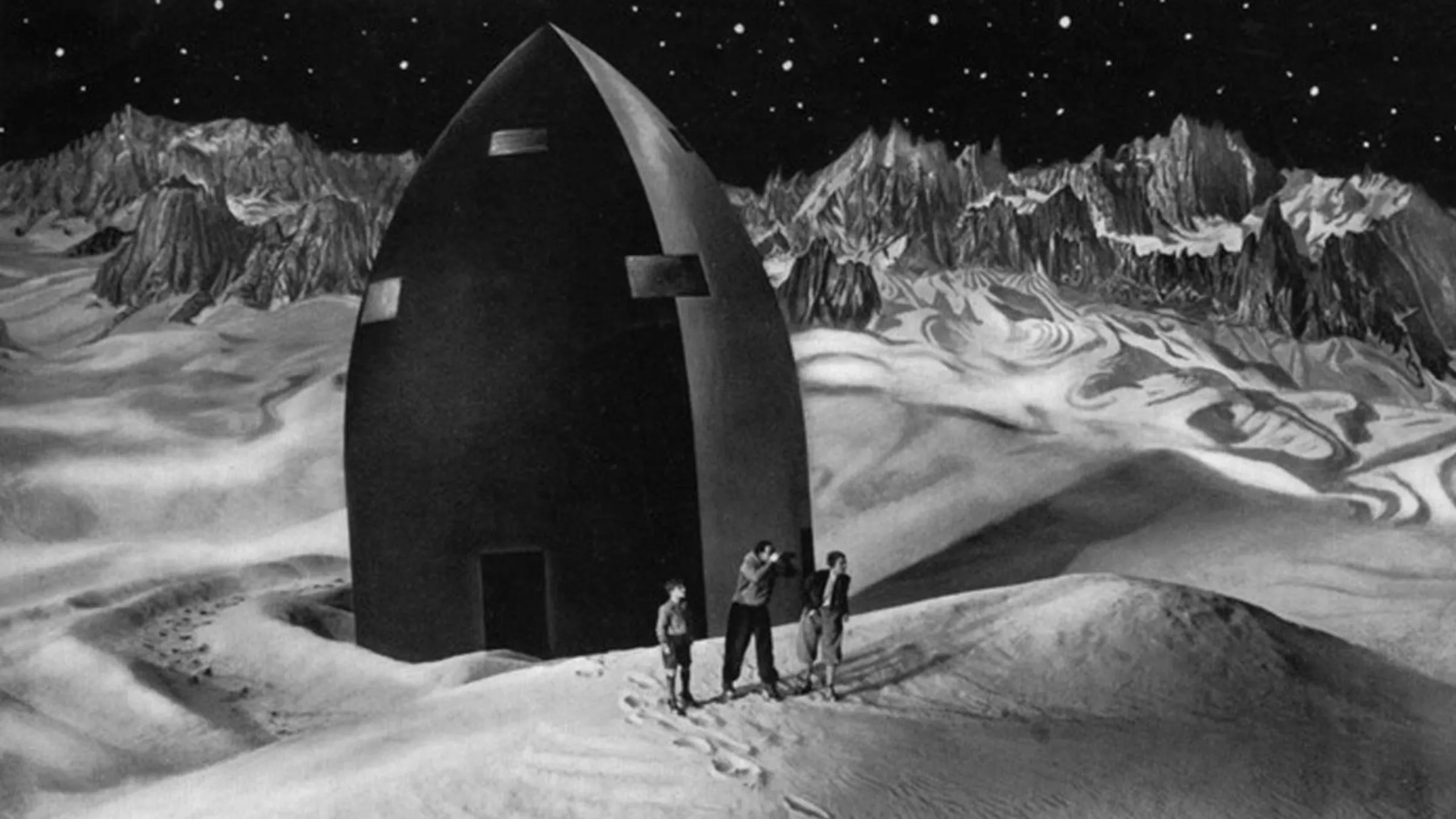
The now-famous countdown used for rocket launches wasn’t actually developed by NASA. It originated with film director Fritz Lang, who created it for his 1929 movie, Woman in the Moon. Lang felt counting up to a launch wasn’t exciting enough, so he devised the “Ten… Nine… Eight…” sequence to build suspense on screen. It worked so well that NASA and other space agencies adopted it as their standard launch procedure. This demonstrates how cinema can shape future traditions, creating a dramatic technique that eventually becomes reality.
Even decades before the first Apollo missions, the film Woman in the Moon pioneered how space travel was shown on screen. Director Fritz Lang consulted with early rocket scientists like Hermann Oberth, resulting in remarkably accurate depictions of rockets – including multi-stage designs and liquid fuel. The film also visually explored the challenges of G-force, showing the crew using special beds to withstand the powerful forces of launch. These innovations helped shift the portrayal of space travel from pure fantasy to something grounded in realistic engineering.
1) Metropolis (1927)
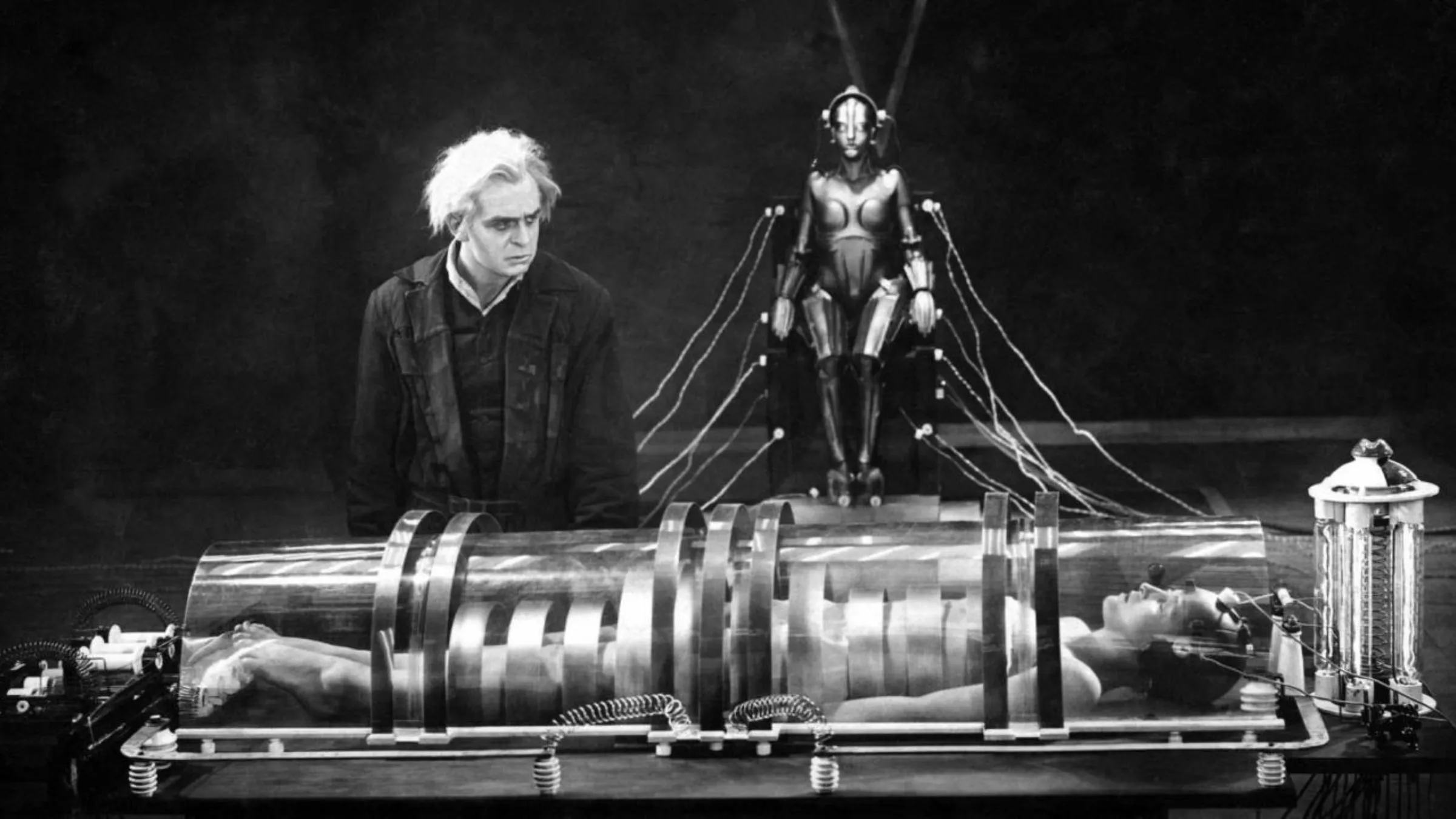
Long before the term “cyberpunk” existed, the film Metropolis established the look and feel of futuristic cities we still see in science fiction today. Directed by Fritz Lang in 1927, this silent film created a visual blueprint of a massive, layered city where the rich live high above and workers struggle below. Metropolis also introduced a groundbreaking special effects technique called the Schüfftan process, which used mirrors to combine real actors with miniature sets. This was a precursor to modern green screen technology, allowing filmmakers to create impossible environments.
The film Metropolis famously introduced the “Maschinenmensch,” or Machine-Man – one of the earliest and most important robots in cinema. Its metallic design set the standard for how androids are visually represented, inspiring characters like C-3PO from Star Wars. The film also pioneered the idea of replacing a person with a robotic copy, a plot device now common in science fiction. Because of its groundbreaking visuals and themes, Metropolis is considered the most innovative and influential film in the history of the genre.
What other science fiction film do you think predicted the future? Share your thoughts in the comments and join the discussion on the ComicBook Forum!
Read More
- Dune 3 Gets the Huge Update Fans Have Been Waiting For
- Looks Like SEGA Is Reheating PS5, PS4 Fan Favourite Sonic Frontiers in Definitive Edition
- Gold Rate Forecast
- Pluribus Star Rhea Seehorn Weighs In On That First Kiss
- Kelly Osbourne Slams “Disgusting” Comments on Her Appearance
- Antiferromagnetic Oscillators: Unlocking Stable Spin Dynamics
- Arknights: Endfield – Everything You Need to Know Before You Jump In
- Tomodachi Life: Living the Dream ‘Welcome Version’ demo now available
- 10 Steamiest Erotic Thriller Movies of the 21st Century
- Action Comics #1096 is Fun Jumping-On Point for Superman Fans (Review)
2025-12-13 22:16