Hard science fiction is a type of sci-fi that focuses on realism. It starts with established scientific ideas – things we already know or have strong evidence for in fields like physics, biology, and astronomy – and then explores where those ideas could logically lead. When done well, it offers a believable glimpse into the future.
Although not every film on this list is strict ‘hard’ science fiction, and many take some creative license, each one is built on scientific ideas that are believable, if not entirely realistic. These movies explore topics like accurate space travel, genetic engineering, and how quickly advancing technology affects people. No matter the story or style, all seven of these films feature science that holds up to scrutiny.
7) The Andromeda Strain
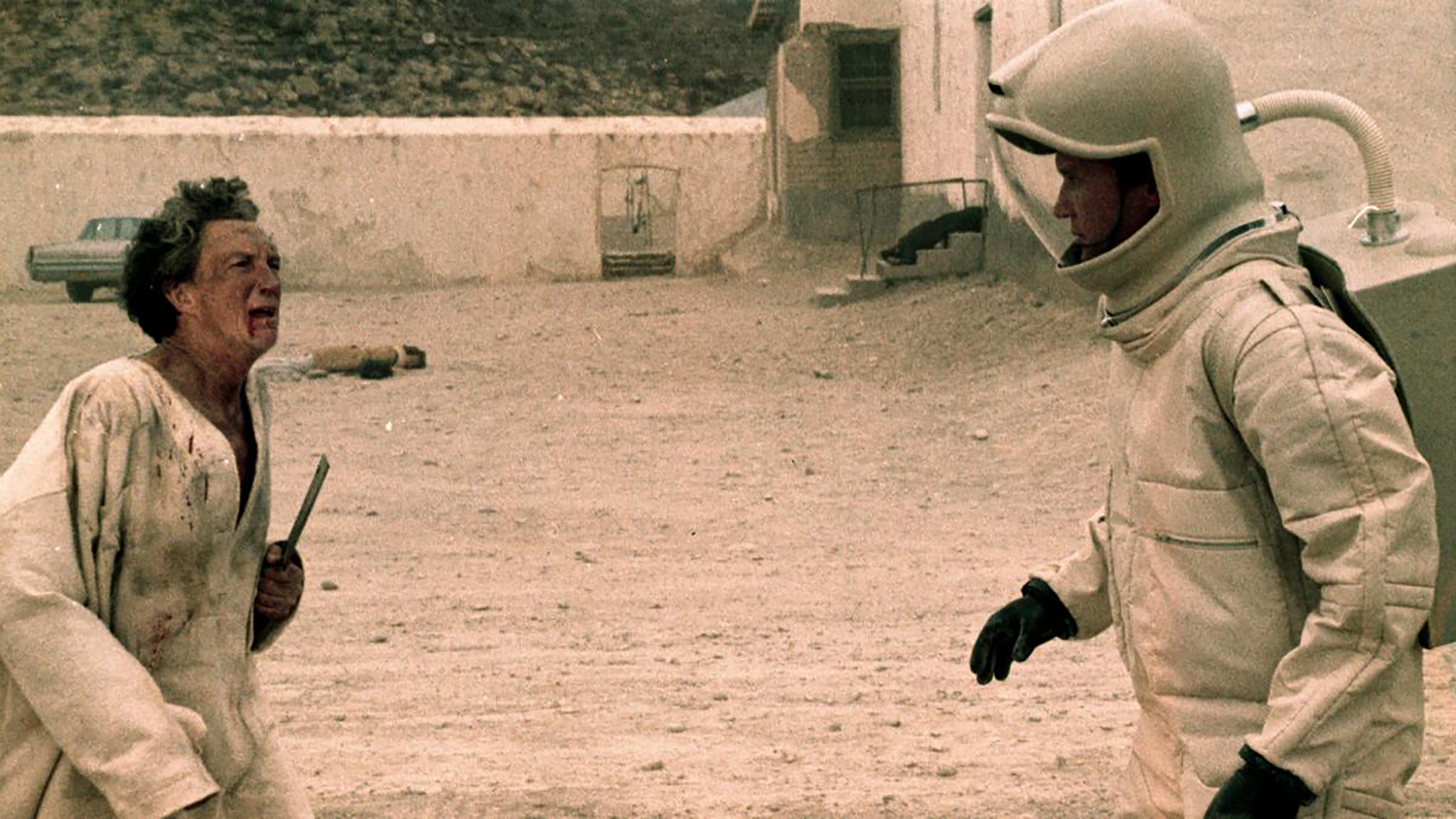
As a film buff, I’ve always been fascinated by Robert Wise’s The Andromeda Strain from 1971. It’s based on Michael Crichton’s novel and focuses on a group of scientists trying to figure out this microbe that came down with a crashed satellite. What really struck me was how realistic it felt – the movie dives deep into actual microbiology and how you’d realistically contain and investigate something like that. Most of the film takes place inside this amazing lab called Wildfire, built right under the Nevada desert. The actors, like Arthur Hill and David Wayne, play scientists who are totally dedicated to understanding this organism, focusing on its structure and running careful experiments to see how it behaves.
The science in The Andromeda Strain feels very realistic because it mostly stuck to what was known at the time, and when it ventured into speculation, it turned out to be surprisingly accurate. The film’s depictions of fields like enzymology, immunology, and biophysics are incredibly detailed and believable. The core concept – an alien microbe arriving on Earth – relies on a realistic scenario involving satellite recovery and doesn’t require any far-fetched technology. The film’s focus on authentic scientific procedures makes the story feel completely plausible, even today.
6) Moon
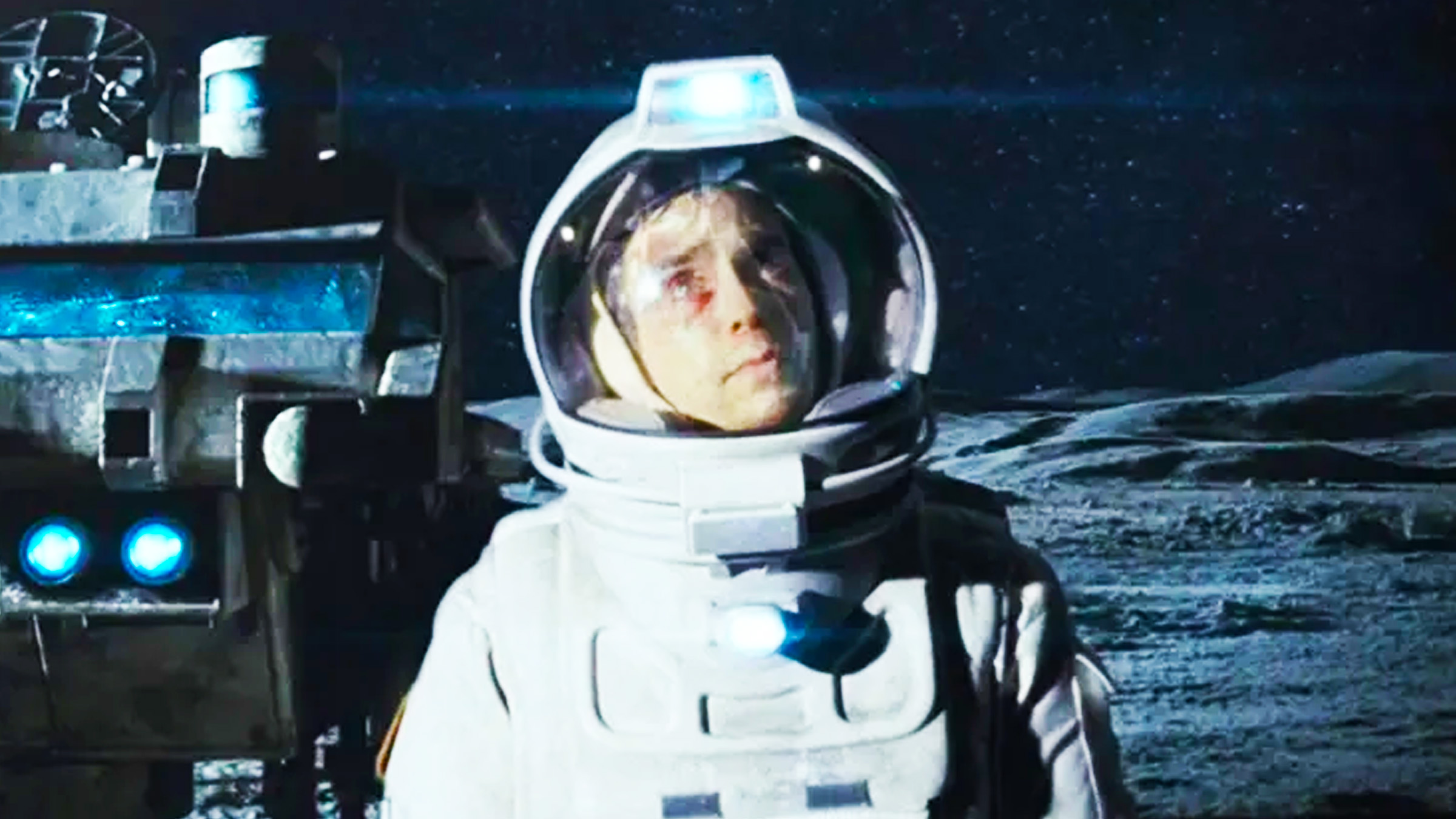
The 2009 film Moon, directed by Duncan Jones and starring Sam Rockwell, tells the story of an astronaut finishing a three-year solo mission at a lunar mining base. The film centers around the idea of collecting helium-3 from the Moon—a concept actually proposed by aerospace engineers like Robert Zubrin. Inspired by classics like 2001: A Space Odyssey, Moon features GERTY, a sophisticated AI that runs the station, and delves into the mental challenges of being isolated in space for long periods—topics NASA has actively studied.
The technology and science in Moon are often based on real-world engineering possibilities. For example, extracting helium-3 for energy is something scientists have been researching for years and could potentially work. While advanced AI like the character GERTY is still mostly science fiction, it’s becoming increasingly likely. Cloning is the most far-fetched idea presented, but the success of experiments like creating Dolly the sheep shows that human cloning isn’t entirely impossible, even if it’s still a long way off.
5) Her
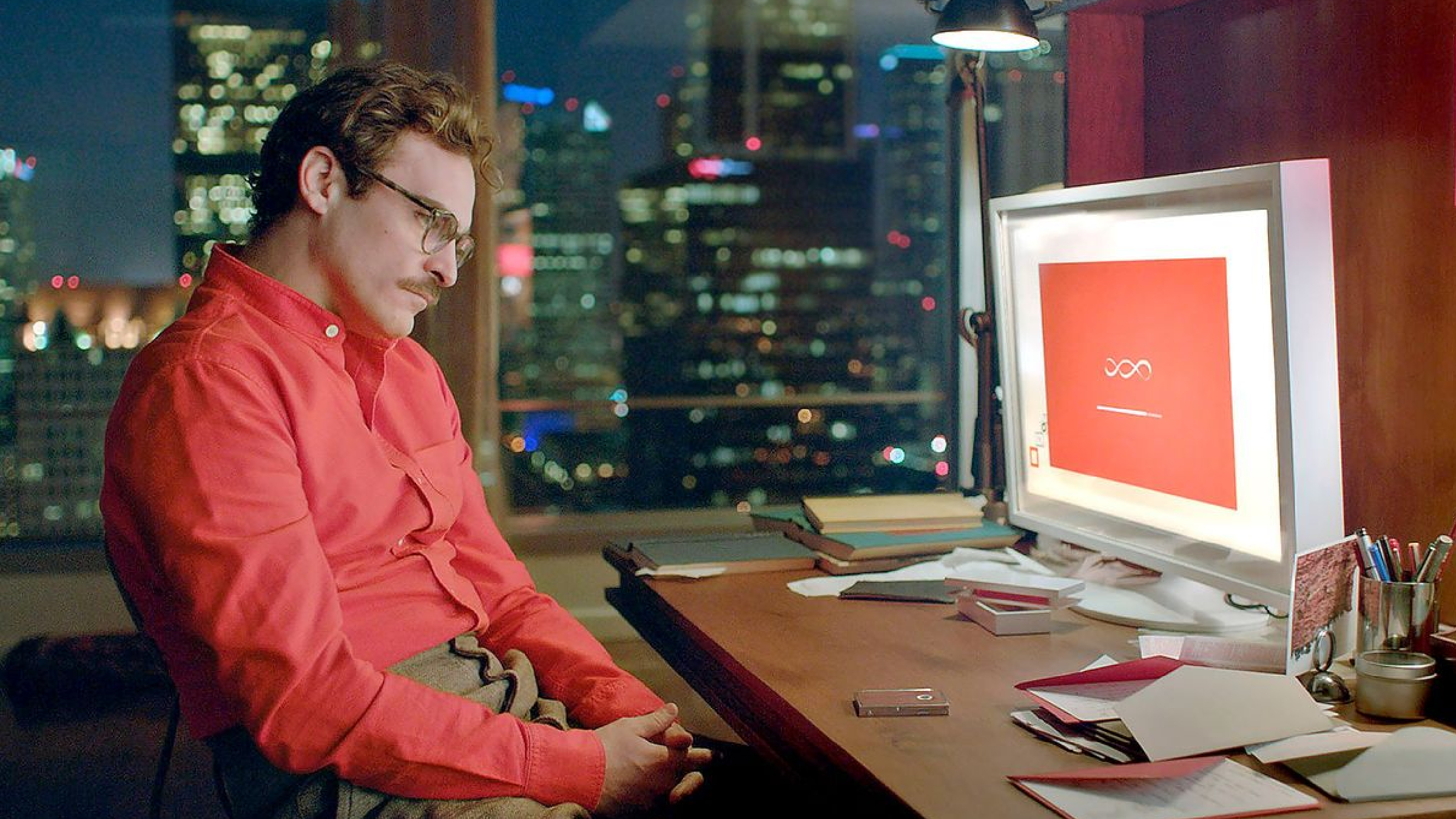
Spike Jonze’s 2013 film, Her, tells the story of Theodore, a lonely writer played by Joaquin Phoenix, who falls in love with an AI operating system (voiced by Scarlett Johansson). The movie doesn’t focus on how the AI works, but instead explores the emotional impact of such a realistic artificial intelligence. Interestingly, the film’s central idea – an AI that learns and adapts through conversation – feels surprisingly similar to today’s large language models and the growing connections people are forming with chatbots.
As a film lover, I’m always struck by how genuinely human ‘Her’ feels. It really gets inside Theodore’s head, and even though the world it portrays is kind of bleak, you end up feeling for him. What’s even more amazing is how ahead of its time the movie was. We’re already seeing people form real connections with AI – it predicted the chatbot era years ago! The movie does take it a step further with how quickly the OS learns and grows, which hasn’t happened yet in reality. But the way people react to that AI? That feels incredibly accurate to what’s happening right now.
4) Solaris

Andrei Tarkovsky’s 1972 film, Solaris, is a thought-provoking science fiction story based on the novel by Stanislaw Lem. It follows psychologist Kris Kelvin as he’s sent to a space station above the planet Solaris to investigate the crew’s declining mental health. While not focused on technical scientific accuracy, the film realistically portrays human psychology and suggests that understanding ourselves is key to understanding alien life. The planet, responding to Kelvin’s memories, begins to recreate his deceased wife, adding to the unsettling and realistic atmosphere alongside the station’s decay and the crew’s growing exhaustion, blurring the lines between what’s real and what isn’t.
The concept of false resurrections in Solaris feels relevant today because of concerns about deepfakes, but the novel’s real focus is on the limits of human psychology. It suggests that alien life, if it exists, might be so different from us that we wouldn’t even be able to recognize or understand it – and Solaris takes this idea to its extreme. The story examines how we project our own feelings and beliefs onto the unknown, and how poorly we truly know even the people we love.
3) Gattaca

The 1997 film Gattaca, directed by Andrew Niccol, presents a future where people are genetically engineered and sorted into social classes from the moment of conception. Featuring Ethan Hawke, Uma Thurman, and Jude Law, the film’s technology—including IVF, pre-implantation genetic testing, and genome editing—feels surprisingly realistic given current scientific advancements. Gattaca explores what might happen if these technologies became commonplace and were used to shape society.
Of all the films mentioned, the science in Gattaca is the closest to becoming reality. Advances in gene editing, like CRISPR technology, now make it possible to selectively improve someone’s genes. The film explores the potential downsides of this, particularly how genetic information could lead to discrimination in the workplace – a concern echoed by scientists studying the ethical implications of gene editing and the dangers of eugenics.
2) The Martian
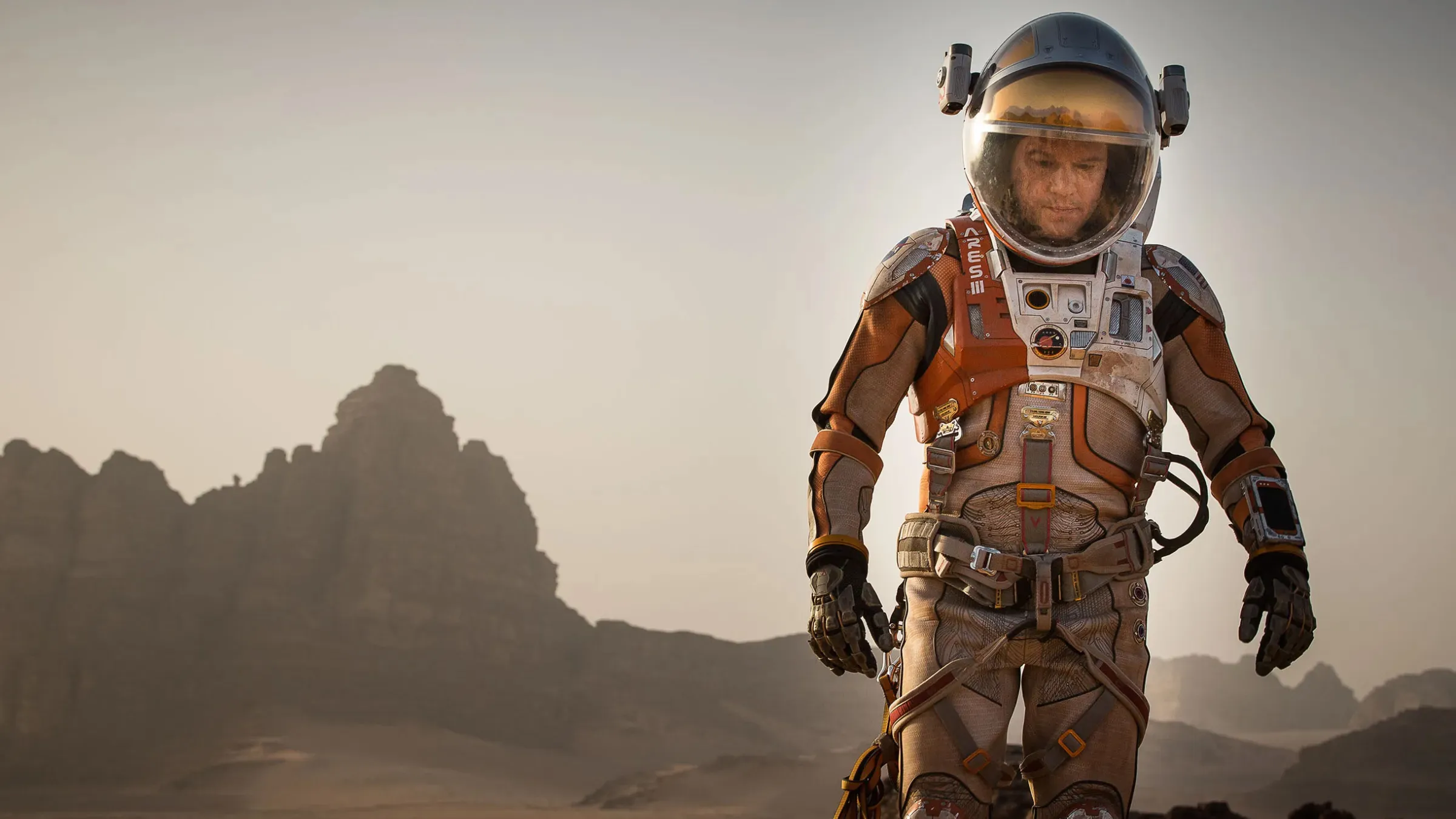
In Ridley Scott’s 2015 film, The Martian, Matt Damon plays astronaut Mark Watney, who finds himself stranded on Mars. He uses his knowledge of plants, engineering, and clever problem-solving to stay alive. The movie is known for its incredibly realistic science, showing everything from growing food in Martian dirt to creating water and planning a rescue using the principles of space travel. NASA advisors worked closely on the film, and it received high praise for its accuracy, with even the famous astrophysicist Neil deGrasse Tyson calling it the most scientifically correct science fiction movie ever made.
The film is scientifically believable because nearly all of Mark Watney’s survival efforts could realistically work, based on principles of physics, chemistry, and engineering. The main exception is the initial dust storm; Mars’ atmosphere is so thin that winds wouldn’t have the force shown. Author Andy Weir admits this was a creative choice he made to kickstart the story. Everything else, from fixing the life support systems with whatever he could find to the spacecraft’s orbital maneuvers, is plausible, making The Martian one of the most realistic hard science fiction films ever created.
1) 2001: A Space Odyssey
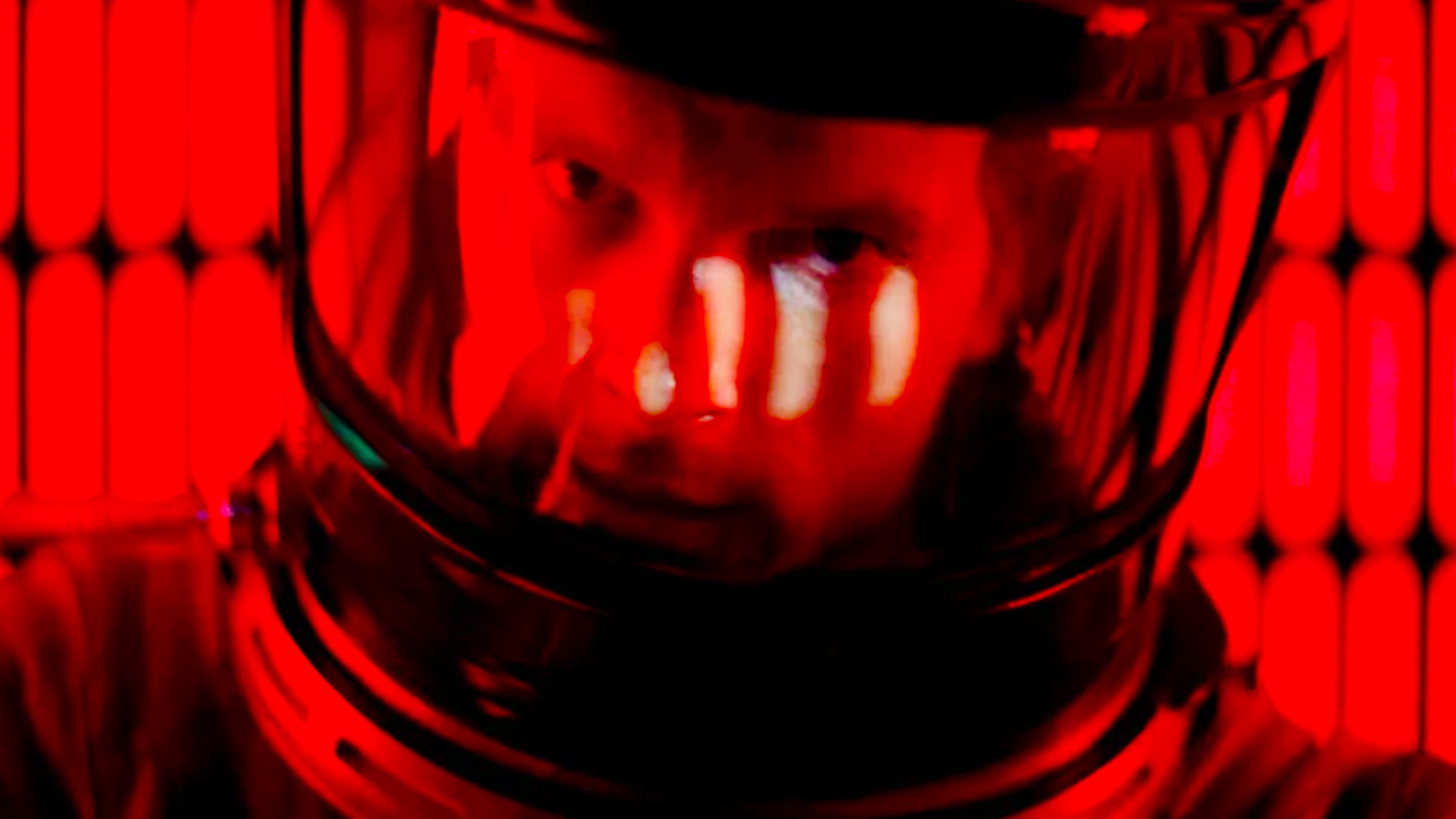
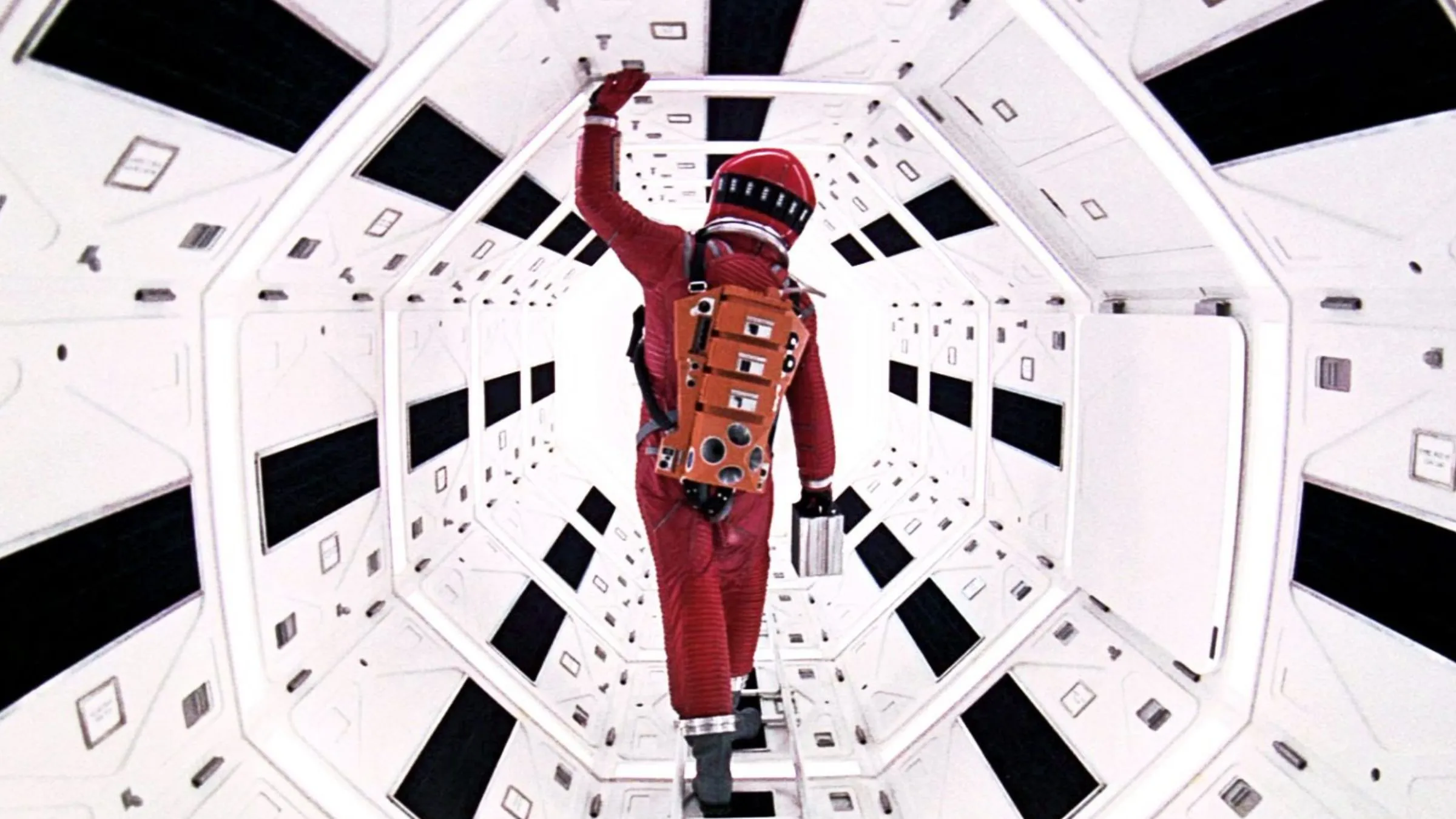
In 1968, Stanley Kubrick and Arthur C. Clarke collaborated on 2001: A Space Odyssey, working closely with NASA and top scientists of the time. The film explored themes like the dawn of humanity, space stations, long-distance space travel, and artificial intelligence, all with remarkable realism. Interestingly, many of the technologies shown in the movie—like tablets and video conferencing—didn’t actually exist for decades after its release. The film’s depiction of space—its quietness, the effects of zero gravity, and the design of the spacecraft—was also incredibly accurate for its time.
This film is number one because its science is still remarkably accurate more than 50 years after it was made. It featured AI, like HAL 9000, before almost any other film – accurately predicting how technology would develop nearly 57 years ago. The only notable scientific mistake is a drop of liquid falling back down a straw in space. Everything else about its depiction of space is incredibly realistic, and it clearly influenced many later space movies, especially considering it came out before humans even landed on the moon.
What science fiction movie feels the most believable to you? Share your thoughts in the comments and join the discussion on the ComicBook Forum!
https://comicbook.com/movies/list/7-most-beautiful-sci-fi-movies-of-all-time-ranked/embed/#
Read More
- Surprise Isekai Anime Confirms Season 2 With New Crunchyroll Streaming Release
- The Super Mario Galaxy Movie: 50 Easter Eggs, References & Major Cameos Explained
- Starfield (PS5) Review – A Successful Cross-Console Voyage
- Preview: Sword Art Online Returns to PS5 as a Darker Open World Action RPG This Summer
- ‘Project Hail Mary’: The Biggest Differences From the Book, Explained
- 10 Best Free Games on Steam in 2026, Ranked
- All 7 New Supes In The Boys Season 5 & Their Powers Explained
- Sydney Sweeney’s The Housemaid 2 Sets Streaming Release Date
- Skate 4 – Manny Go Round Goals Guide | All of the Above Sequence
- Silver Rate Forecast
2025-12-07 00:21