
The original Star Wars movie, released in 1977, completely changed the film industry, turning a gamble on a space story into a massive cultural and financial success. Before Star Wars, science fiction films often focused on dark, pessimistic futures or slow, thought-provoking ideas. But George Lucas brought the excitement of fantasy stories into space, creating a thrilling adventure with magical powers, heroic sword fights, and a clear conflict between good and evil. This unique combination created a memorable style that captivated audiences worldwide and launched a hugely profitable franchise that remains a major part of pop culture after nearly five decades.
The huge success of the 1977 film Star Wars quickly led other studios to start making their own large-scale science fiction movies, hoping to attract similar audiences. These films tried to copy the look and storytelling of Star Wars, featuring characters like brave young heroes, charming smugglers, and powerful, evil empires. But despite varying levels of critical and commercial success, none of these copycats managed to become as popular, influential, or long-lasting as the original.
7) Wing Commander
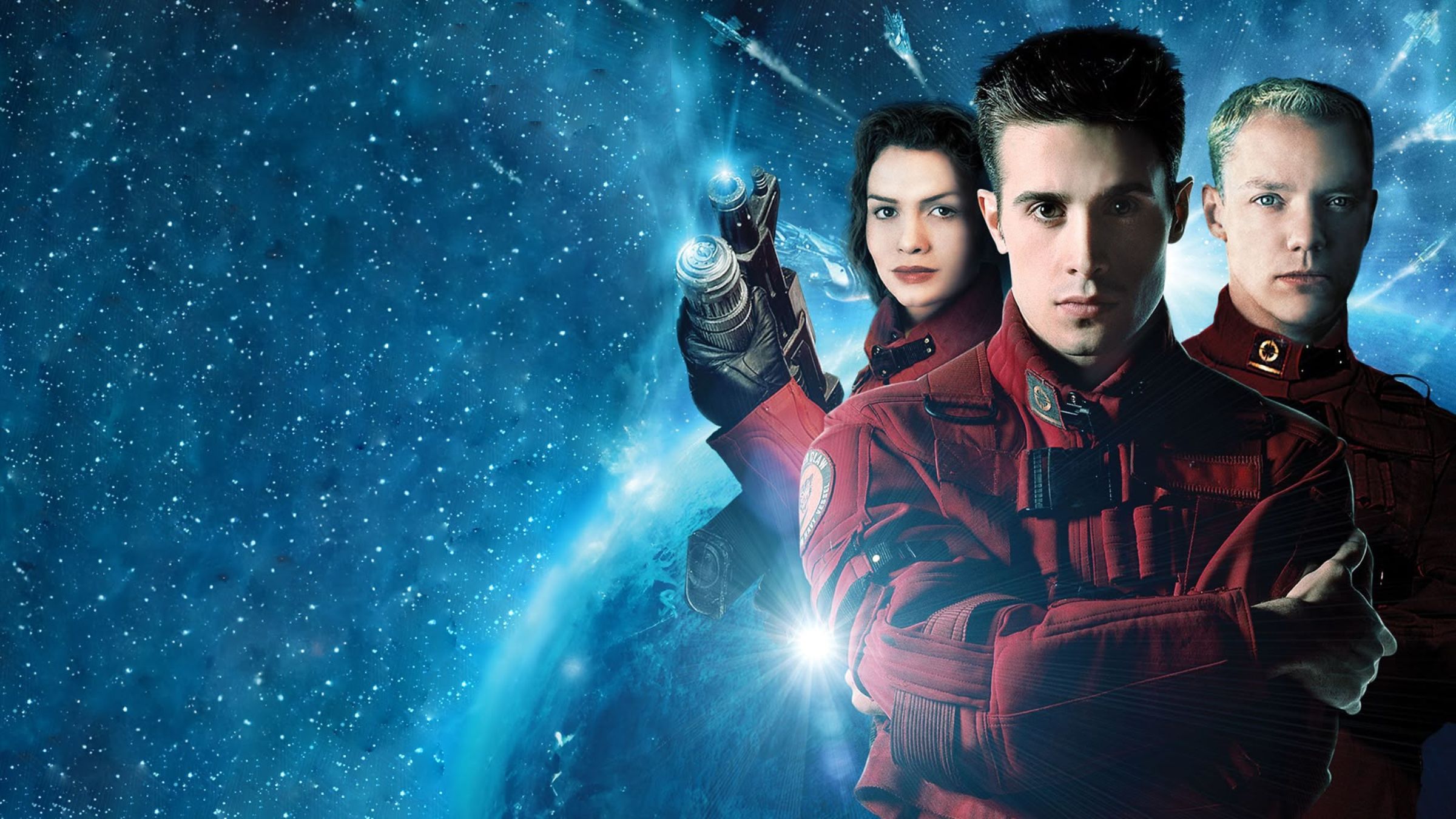
The 1999 movie Wing Commander, based on the well-known video game series, is widely considered a failed attempt to capitalize on the popularity of space adventure stories. Directed by Chris Roberts, the film centers on Christopher Blair (Freddie Prinze Jr.) and Todd “Maniac” Marshall (Matthew Lillard) as they fight in a crucial war against the Kilrathi, a race of cat-like aliens.
The movie Wing Commander attempts to recreate the exciting aerial battles and playful spirit of Star Wars, but falls short by lacking a compelling story or believable world. It’s hampered by poor dialogue, uninteresting characters, and visual effects that actually look worse than the original games. While Star Wars used practical effects to create a sense of realism, Wing Commander relies on dull computer graphics and uninspired ship designs. This ultimately disappoints fans of the games and fails to attract a wider audience, effectively ending any hopes for a series of films.
6) Rebel Moon
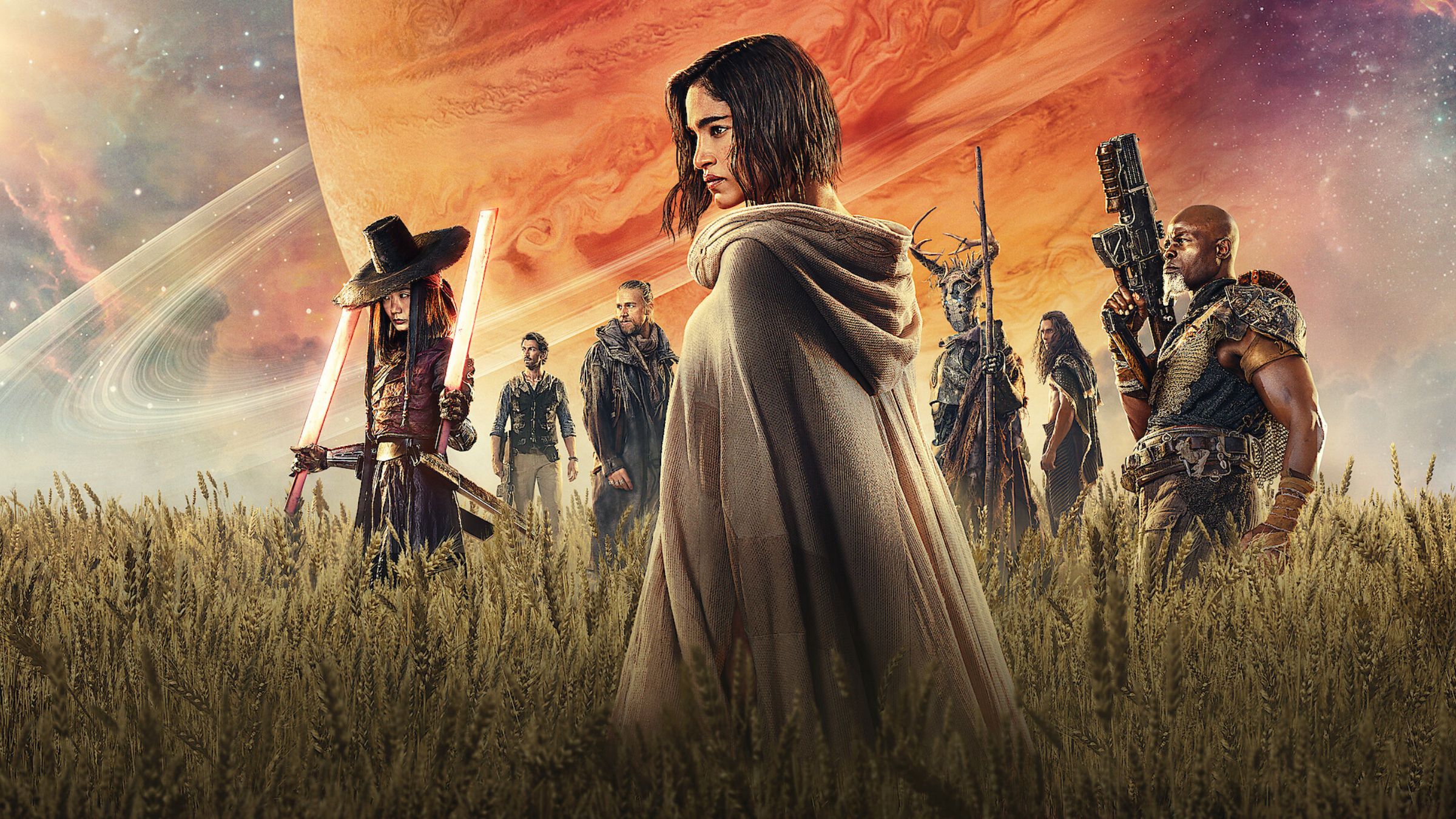
Zack Snyder first imagined Rebel Moon as a darker story within the Star Wars universe, but he later developed it as its own original story for Netflix. The film follows Kora (Sofia Boutella), a former soldier who gathers a team of fighters from different planets to protect a quiet farming community from a cruel, powerful empire. It’s clear the movie draws heavy inspiration from Star Wars, featuring elements like glowing swords, a menacing galactic empire, and a lively cantina filled with strange creatures.
Despite a large budget and detailed world-building, Rebel Moon doesn’t quite feel original. Director Zack Snyder leans too much on his trademark slow-motion and dark visuals, which unfortunately remove the fun and excitement typically found in great space adventures. Ultimately, the film feels long and uninspired, proving that simply copying elements from famous franchises isn’t enough to create a truly captivating story or universe.
5) Battle Beyond the Stars

As a big fan of those classic, low-budget sci-fi flicks, it’s amazing to me how quickly Roger Corman threw Battle Beyond the Stars together! He really wanted to ride the wave of success that Star Wars and other sci-fi movies were having back in the late 70s. The story is about this farm boy named Shad who has to travel the galaxy to find some fighters to defend his home planet from a really nasty villain, Sador. Honestly, it’s basically a space version of Seven Samurai – George Lucas used that same story structure for Star Wars, too! It’s cool to see those connections.
Roger Corman’s film brings together a quirky group of alien rebels, led by a character actually named Cowboy (played by George Peppard). However, the movie was made on a tight budget and couldn’t fully realize its ambitious ideas. The result is a somewhat silly and cheaply-made film, reusing old sets and featuring unimpressive special effects. Despite its flaws, Battle Beyond the Stars has a certain enjoyable trashiness and a fantastic soundtrack by James Horner, but ultimately it’s a disappointing attempt to launch a franchise that lacked a compelling story.
4) Valerian and the City of a Thousand Planets
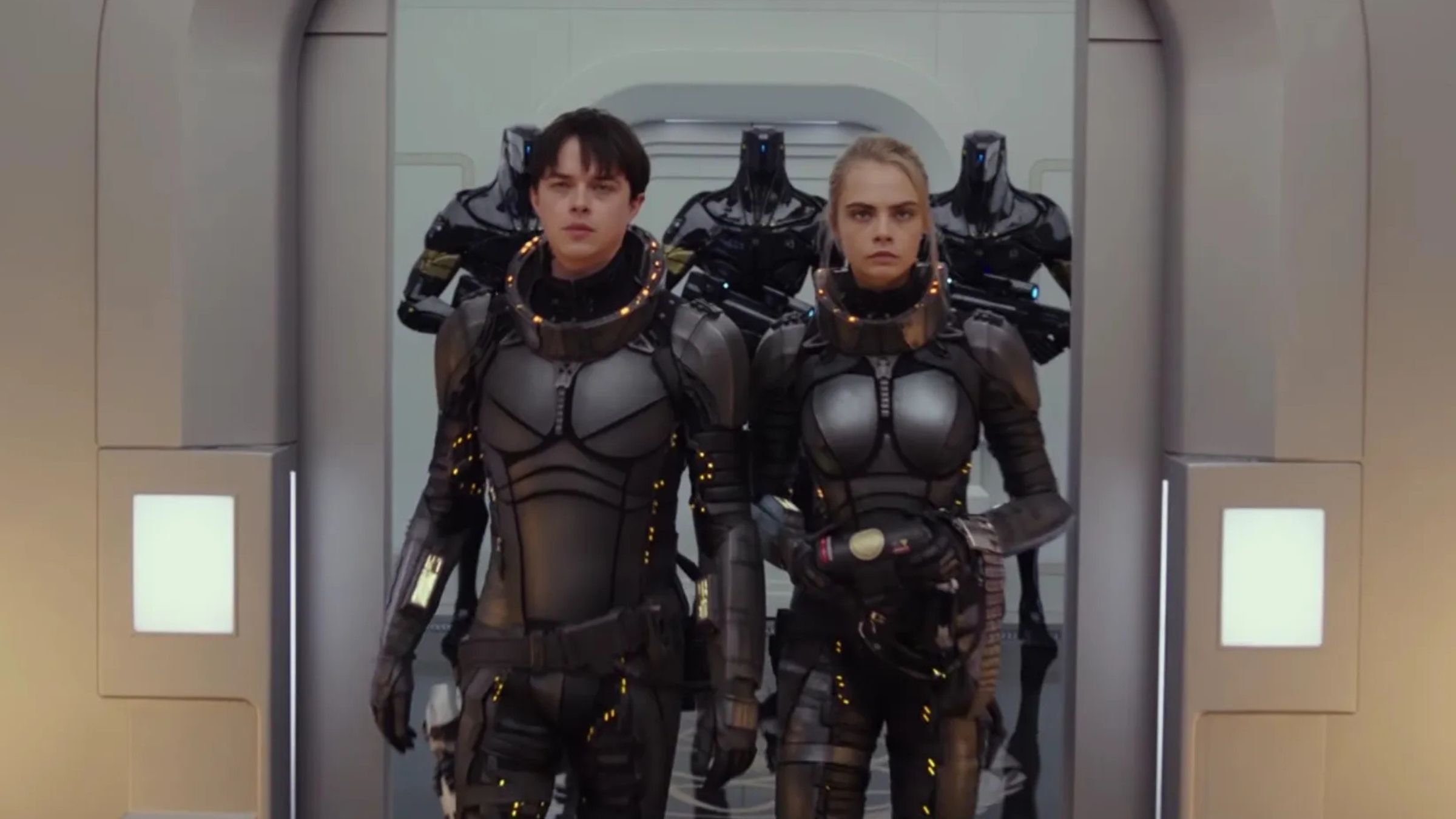
I’ve always been fascinated by Luc Besson’s Valerian and the City of a Thousand Planets. It’s a film he clearly poured his heart into, bringing to life a French comic book series that actually helped inspire the look of the original Star Wars! The movie follows Major Valerian and Sergeant Laureline as they try to solve a huge conspiracy within this unbelievably detailed, massive city that spans across galaxies. And wow, the visuals! With a budget over $180 million, Besson really created some of the most stunning and immersive planetary worlds I’ve ever seen – honestly, they’re right up there with the best of the Star Wars prequels.
Valerian and the City of a Thousand Planets is visually stunning, filled with imaginative aliens and exciting action. However, the movie’s romance feels forced, and the lead actors lack chemistry, which prevents the audience from connecting with the story. This weak connection between the visuals and the emotional core ultimately led to disappointing box office results and the cancellation of any planned sequels, despite the film’s beautiful design.
3) The Black Hole
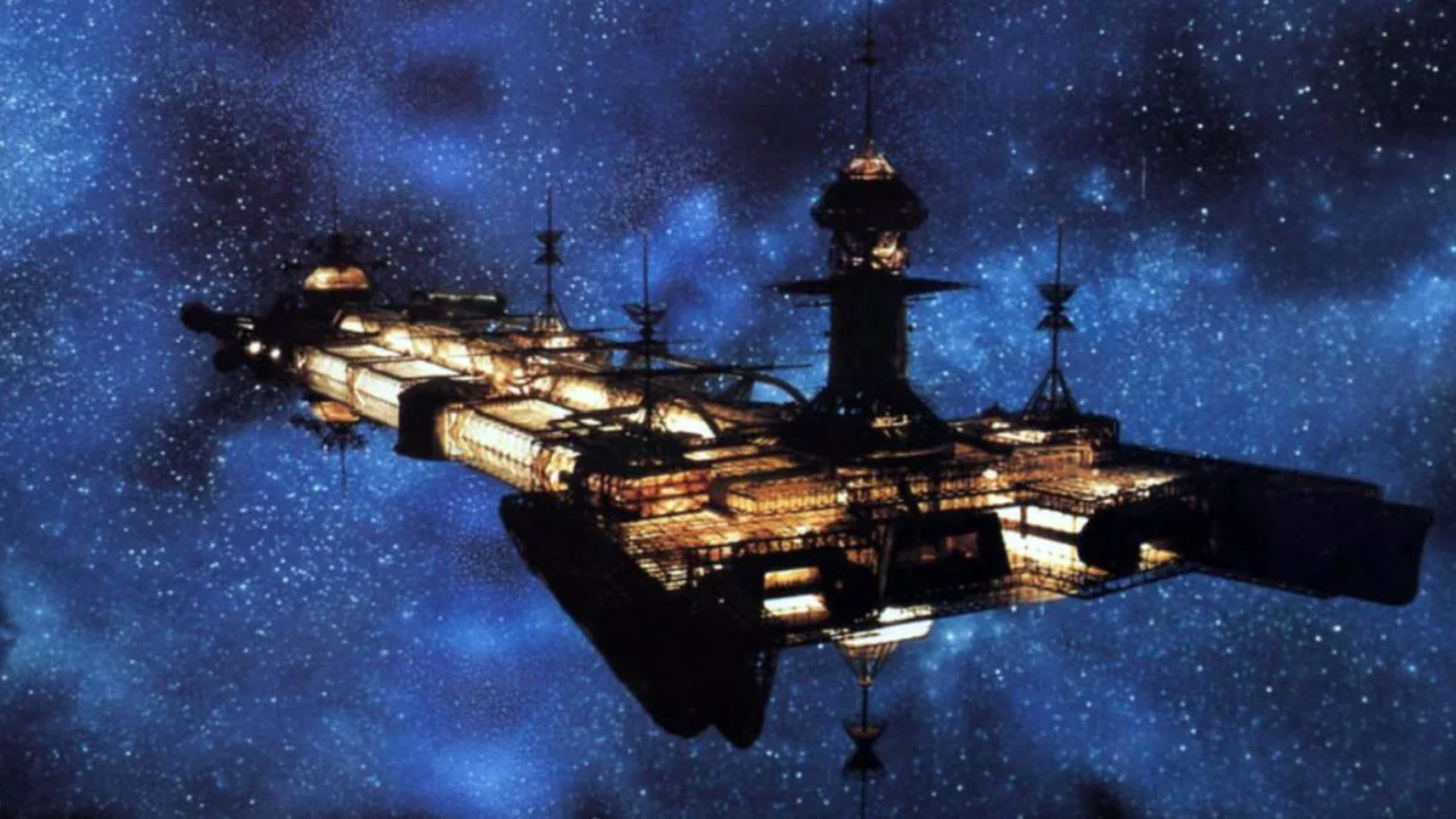
After the huge popularity of Star Wars, Walt Disney Studios created The Black Hole, aiming to combine appealing robots with surprisingly scary and thought-provoking themes. The story follows the crew of the USS Palomino, led by Captain Dan Holland (Robert Forster), as they stumble upon a mysterious, abandoned spaceship near a giant black hole. Inside, they encounter the eccentric scientist Dr. Hans Reinhardt (Maximilian Schell), who controls an army of emotionless robotic servants.
Disney’s The Black Hole featured impressive special effects and a dramatic score, aiming to compete with other big sci-fi films. However, the movie struggled to find a consistent tone, shifting between lighthearted moments with the robot V.I.N.CENT (voiced by Roddy McDowall) and genuinely frightening scenes, including a depiction of Hell. While visually striking and atmospheric, the film’s dark story and complicated ending ultimately prevented it from becoming a popular franchise with accompanying toys.
2) Krull

The movie Krull was a bold effort to combine the growing popularity of science fiction with classic fantasy elements. Directed by Peter Yates, the story centers on Prince Colwyn (Ken Marshall) and his mission to save his wife from a terrifying alien called the Beast. To do so, Colwyn must find a powerful, five-pointed weapon called the Glaive.
The movie Krull closely follows the classic hero’s journey, featuring a young prince who teams up with a group of unlikely allies, a wise old guide, and magical creatures. The filmmakers invested a lot in creating impressive sets and an epic musical score, hoping to build a unique world that blends futuristic technology like laser guns with medieval elements like swords and castles. While Krull isn’t perfect – it suffers from a slow pace and somewhat stiff acting – its imaginative visuals have gained it a devoted fanbase over the years. Unfortunately, despite these creative strengths, the film was a major box office failure, effectively ending any plans for sequels.
1) The Last Starfighter

The Last Starfighter is a truly great movie that embodies the hopeful spirit and exciting adventure of classic space operas, and it’s a shame it isn’t more widely remembered. The story follows Alex Rogan, a bored teenager living in a trailer park, who discovers his favorite arcade game is a secret way to recruit pilots for an interstellar war. When he masters the game, he’s unexpectedly taken away by the charismatic alien Centauri to fly a Gunstar spaceship with the help of his reptilian co-pilot, Grig.
The movie The Last Starfighter reimagines the classic story of an ordinary young person rising to extraordinary heights, but updates it for those who grew up playing video games. It especially focuses on Alex and his dream of escaping his current life. Notably, the film was a pioneer in visual effects, using computer-generated images for its space battles instead of traditional models. The Last Starfighter is a delightful, well-acted, and visually impressive adventure, though it surprisingly didn’t launch a major series of sequels.
Okay, so let’s talk about those space movies that should have been huge. Which one, despite not initially finding an audience, do you think really had the potential to kick off a massive sci-fi universe? I’m genuinely curious to hear your thoughts – head over to the ComicBook Forum and let’s discuss!
Read More
- Gold Rate Forecast
- Dune 3 Gets the Huge Update Fans Have Been Waiting For
- Dungeon Stalkers to end service on June 9
- Disney Promotes Thomas Mazloum To Lead Parks and Experiences Division As Josh D’Amaro Prepares To Become CEO
- RimWorld Odyssey DLC & Free Update Have Players Racing Back to RimWorld
- Every Creepy Clown in American Horror Story Ranked
- Action Comics #1096 is Fun Jumping-On Point for Superman Fans (Review)
- 22 actors who were almost James Bond – and why they missed out on playing 007
- Jack Osbourne Shares Heartbreaking Tribute to Late Dad Ozzy Osbourne
- Antiferromagnetic Oscillators: Unlocking Stable Spin Dynamics
2026-03-04 23:21