
It’s well known that the Star Trek franchise owes a great deal to its incredibly dedicated fans! As “Trekkies,” we don’t just enjoy watching the show – we love exploring it deeply, and that often means developing fan theories, some more believable than others. For almost 60 years, we’ve spent countless hours analyzing episodes, looking for small details, contradictions, and connections. This close examination has led to some truly interesting theories – the kind that don’t just offer a new perspective on a single episode, but can even change how we view iconic characters altogether. It’s a testament to the show’s impact and our dedication.
As a longtime Star Trek fan, I’ve always loved diving into the ‘what ifs’ of the universe. Things like whether Sisko actually *became* the basis of the Bajoran religion, or if Lore pulled off the biggest swindle in Trek history – these are the kinds of questions that really show why the show has lasted so long. It all comes down to the characters – they’re just so well-developed that we can endlessly debate and analyze them. And honestly, in a franchise all about boldly going where no one’s gone before, I think fan theories are just another way we explore that universe. They might never be officially confirmed as canon, but they prove how invested Trek fans are in these crews we’ve grown to love.
From tricky time paradoxes to surprising revelations about characters we love, here are some Star Trek theories that offer a new perspective on major figures in the series.
7) Benjamin Sisko Was the Founder of Bajoran Religion
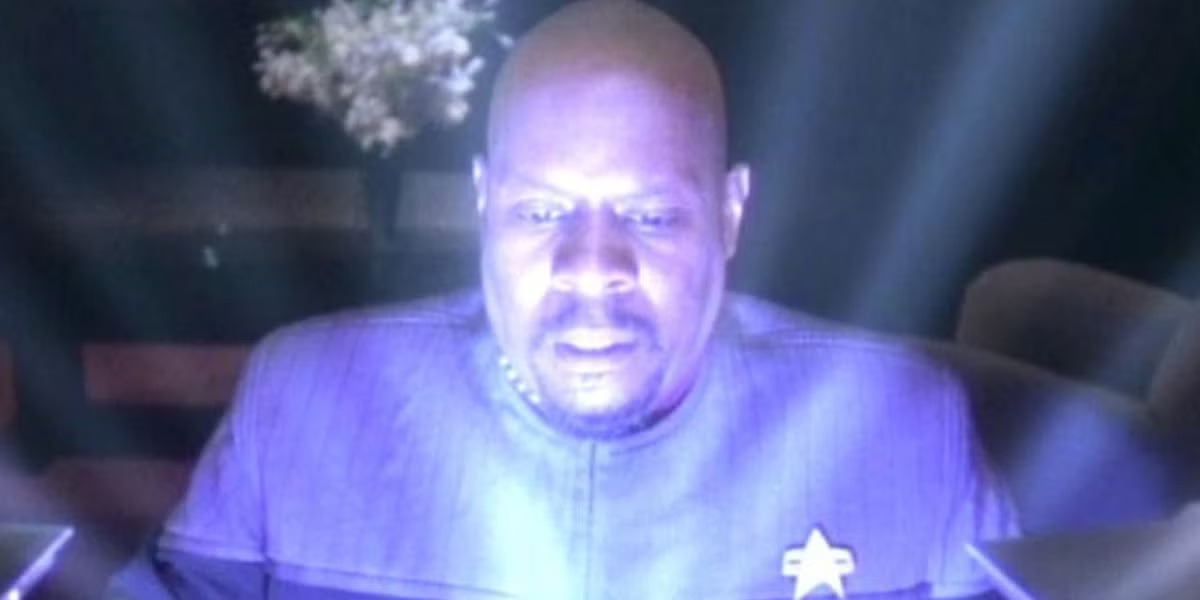
Deep Space Nine distinguished Captain Benjamin Sisko from other Starfleet Captains by assigning him a spiritual role as the Bajoran Emissary of the Prophets. However, a fan theory proposes he wasn’t just chosen by chance through prophecy-instead, because of a complex time paradox, he was actually the first emissary and the source of the entire Bajoran religion.
I’ve always been fascinated by the idea that the Prophets didn’t just *predict* Sisko’s arrival – they actually *made* it happen! It’s incredible to think they inhabited his mother and orchestrated his birth. But what’s even more mind-bending is that, because they exist outside of time, they might have done all of this knowing he was *always* going to come to them through the wormhole, or even because they’d *already* lived through it. It wasn’t a prophecy *about* him, but rather they *created* the prophecy based on their complete knowledge of who he was. From their point of view, Sisko wasn’t fulfilling a destiny; he *was* their Emissary, eternally. This isn’t just a twist on Sisko’s story, it completely changes how we see Bajoran religion! It means Sisko isn’t a fulfillment *of* the faith, he’s the very *foundation* of it. And it gets even stranger when you consider Sisko taught the Prophets about linear time. Their meeting might have been a bizarre form of ‘first contact’ – a truly unique event, since anything and everything could be a ‘first’ for beings outside of time. It’s just… amazing to think about!
6) Seven of Nine Was Sent to Voyager Deliberately
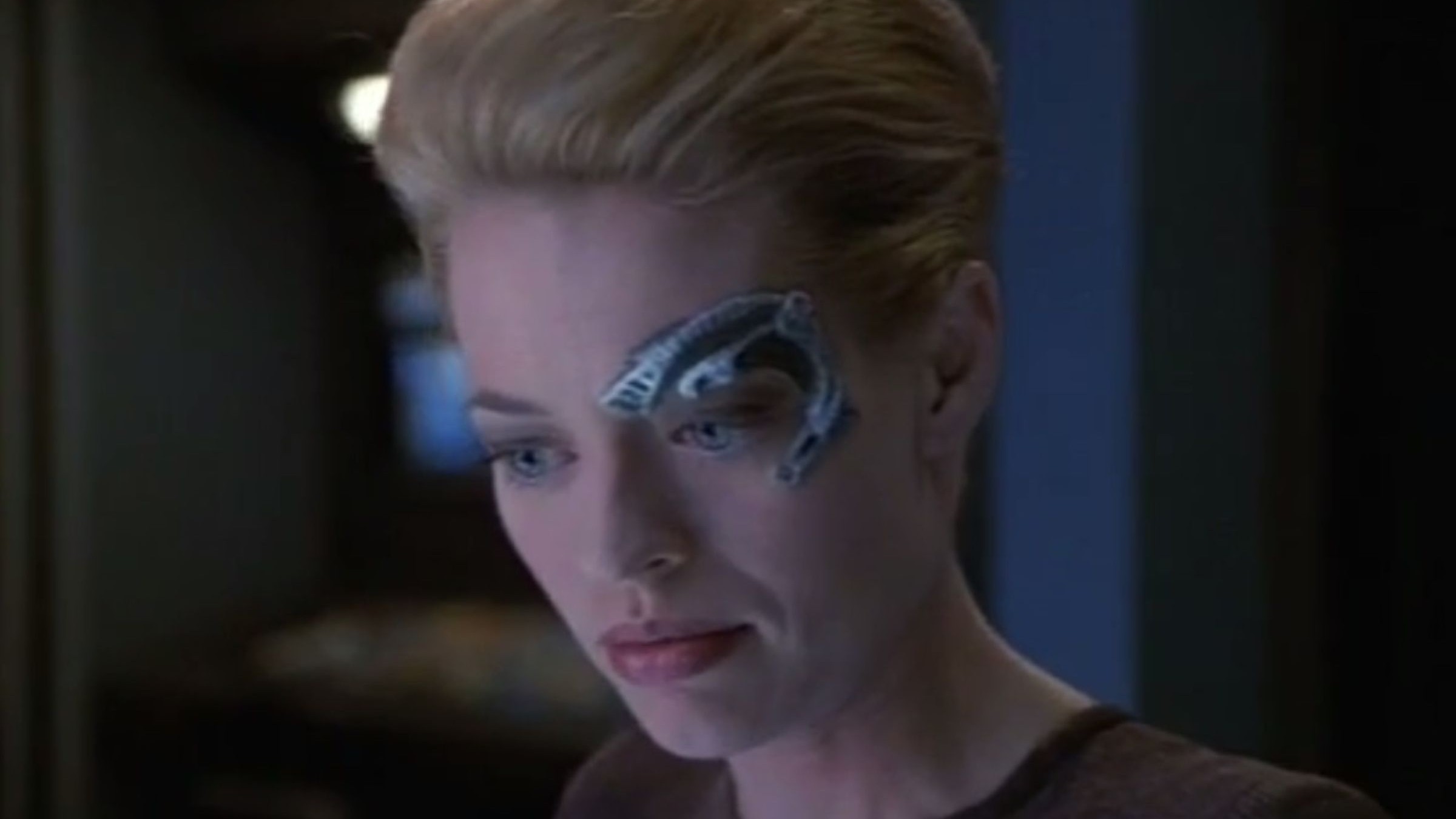
When Seven of Nine joined Voyager, the show definitely improved, but some fans wonder if it was all part of a Borg scheme. One theory proposes that the Borg deliberately allowed Seven to become independent – without even Seven realizing it – so she could infiltrate the crew, earn their trust, and secretly send information back to the Collective. While it’s a bit far-fetched, it connects to a larger idea: that the Borg are intentionally losing to the Federation repeatedly. The idea is they’re ‘farming’ Federation technology, pushing Starfleet to create stronger defenses and tech. This would make assimilation even easier – and more rewarding – for the Borg in the future. It’s strange to think a powerful force like the Borg could be consistently defeated by captain after captain.
If this idea holds up, Seven of Nine’s journey to regain her individuality becomes even more complex: did she ever really have free will, initially? Even so, if Seven unknowingly worked as a spy for the Borg for a period, it could be argued the Borg were the ones tricked. While her being on Voyager might have briefly benefited the Borg, her unparalleled understanding of their technology ultimately helped Voyager survive – though that knowledge eventually proved to be a disadvantage.
5) Beckett Mariner Was a Prisoner of War on DS9
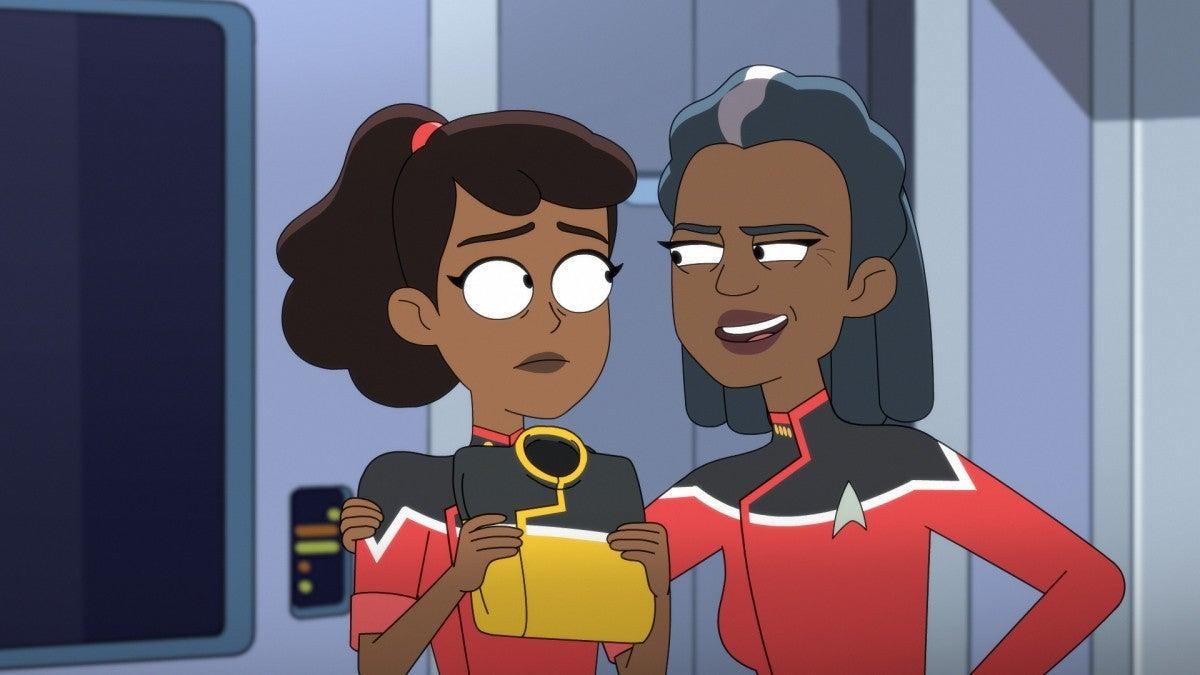
Lieutenant Beckett Mariner is easily one of the most humorous characters in Lower Decks, and while she’s usually the source of comedy, glimpses into her past suggest a much more troubling history. In the Season 1 episode “Envoys,” she casually mentions escaping a Klingon prison and even battling a yeti over her footwear. When combined with the fact that she served on Deep Space Nine during the Federation-Klingon War, many fans believe she was likely held captive as a prisoner of war.
Later episodes, such as “Hear All, Trust Nothing,” highlight the lasting emotional scars and feelings of guilt she carries from the Dominion War. If it’s accurate that her difficult memories of her time on Deep Space Nine stem from being captured by the Klingons during her assignment there, it offers a new perspective on Mariner’s defiant attitude and wit – seeing them as ways she deals with experiences that were far from funny. This reframes her behaviour as a survival strategy.
4) Garak Was Actually a Double Agent for the Federation
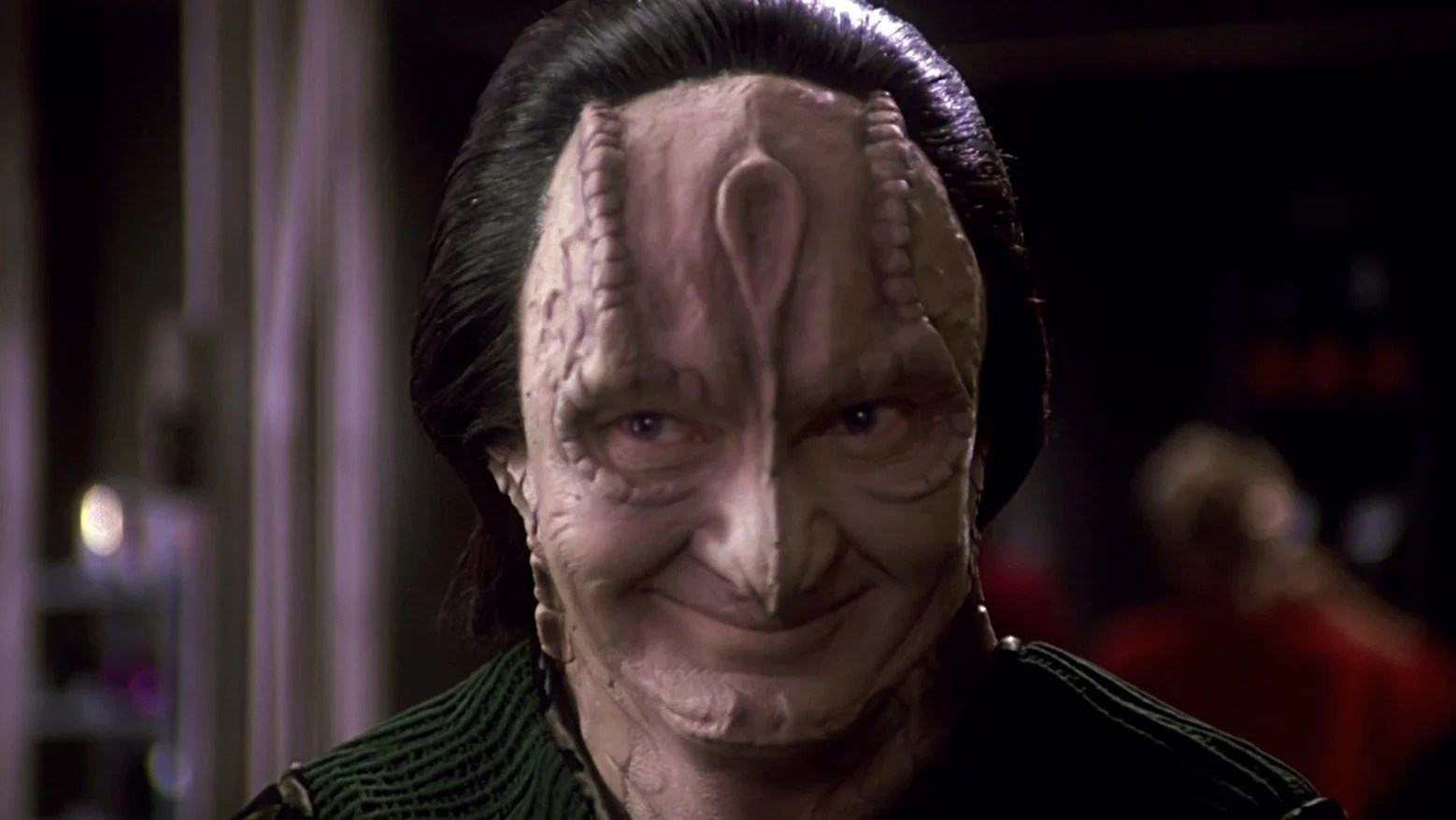
Elim Garak is a remarkably complex figure in Star Trek: he presents himself as just a tailor, but he has a mysterious history with Cardassian intelligence. But could his time on Deep Space Nine have been more than a new job – perhaps an official mission? Garak’s true allegiance is always uncertain. Though he generally appears to support Cardassia, he seems primarily motivated by his own goals, and he doesn’t clearly side with either the Federation or against it.
A popular theory among fans is that Garak was secretly a double agent for the Federation the entire time. This could explain why Starfleet permitted a known spy to reside openly on the station, and why he frequently aided the crew, even when it went against Cardassian objectives. If this is the case, Garak’s witty remarks and mysterious insights become even more significant – he was the ultimate master of disguise, fooling everyone, including the viewers.
3) Nick Locarno and Tom Paris Are the Same Person
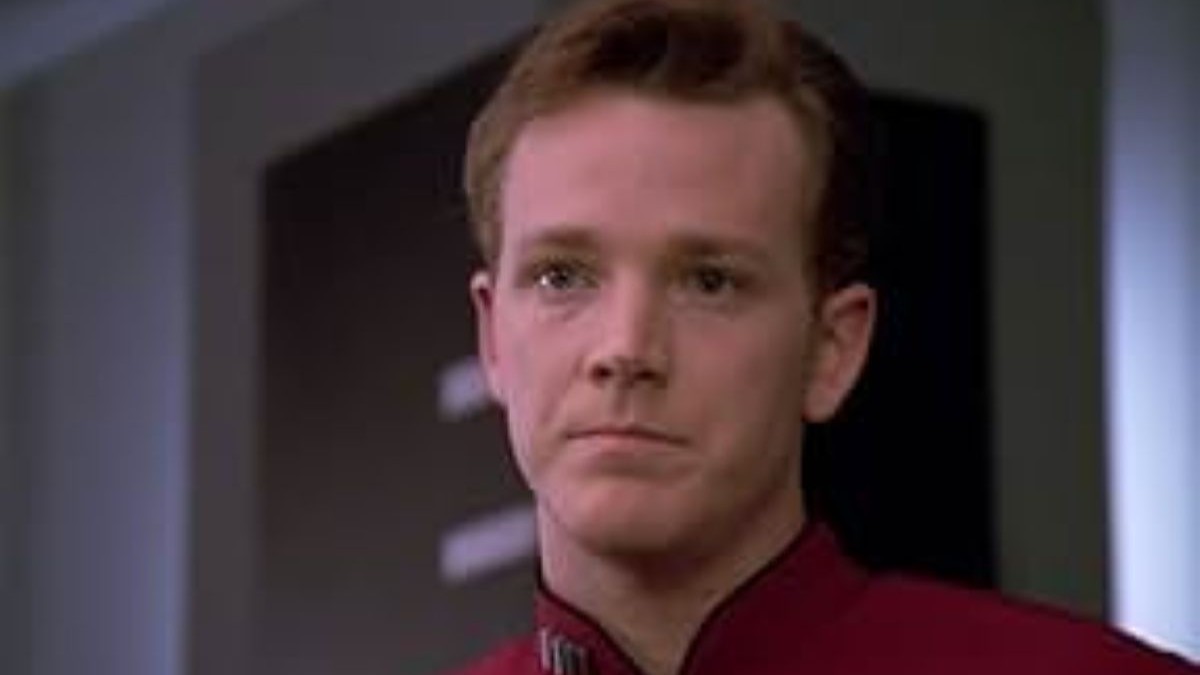
It’s practically a known fact! When Robert Duncan McNeill played Tom Paris in Voyager, viewers quickly realized he looked just like Nick Locarno – a former Starfleet cadet McNeill portrayed in The Next Generation, and who shared a very similar history with Paris. The reason for this resemblance is that Tom Paris was originally going to be Nick Locarno. However, legal problems came up, preventing Voyager’s writers from using the name or directly bringing back the character. They also decided that Locarno wasn’t a character worth redeeming, so they created a new character, heavily based on Locarno, and gave him a more satisfying path to redemption.
The story told within the show suggests that Paris is actually Locarno, having secretly rejoined Starfleet by cleverly exploiting loopholes-much like Captain Kirk would. It’s an interesting concept that enriches Paris’ character, giving him a story of growth and redemption that unfolds throughout the series.
2) Lore Secretly Replaced Data
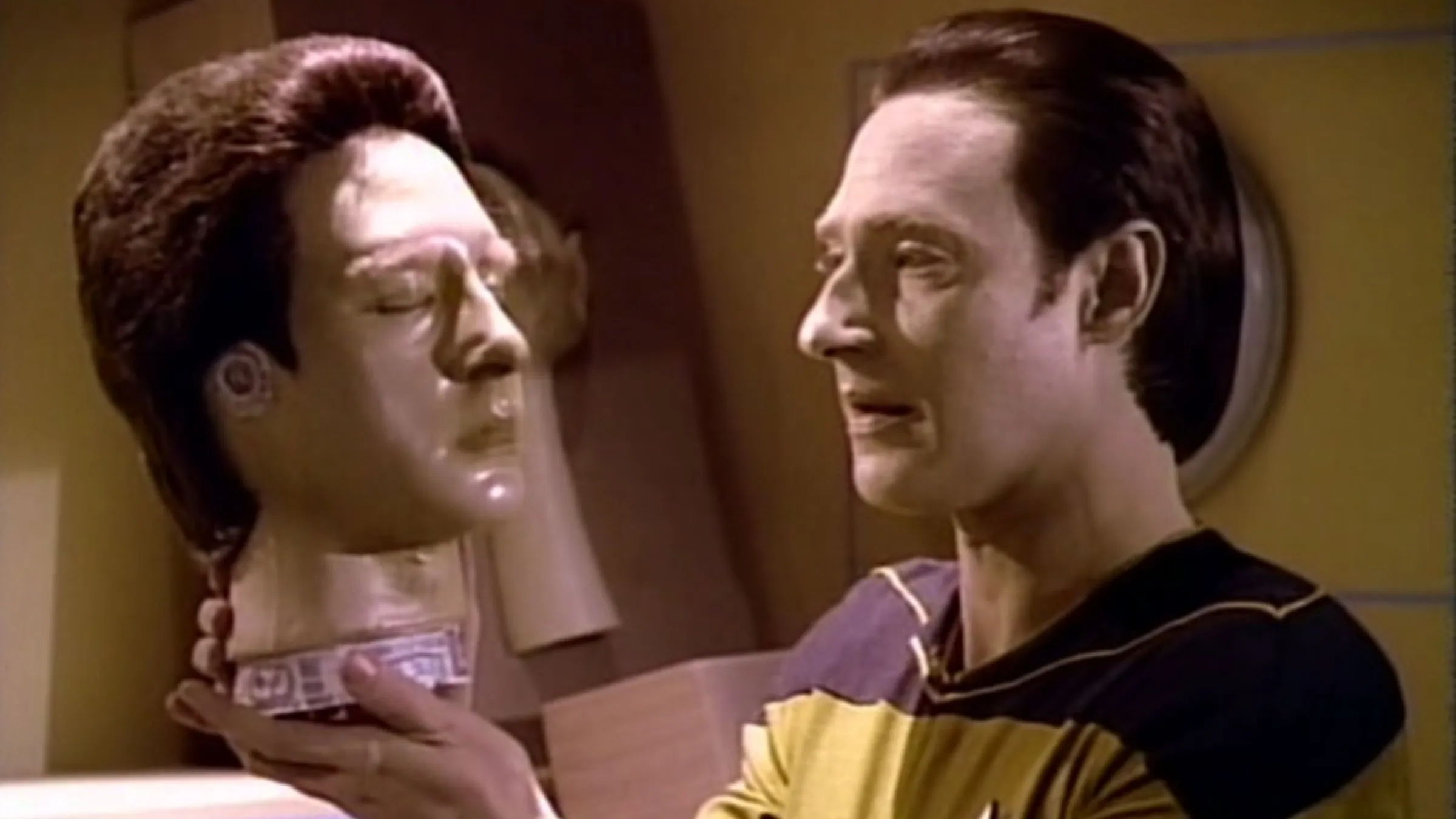
When TNG’s seventh season ended, fans were relieved that Data seemingly triumphed over his evil brother, Lore. But what if that wasn’t the full story? Some viewers believe Lore actually won, eliminating Data and impersonating him. This idea could explain the changes in Data’s personality in the later TNG movies – his storyline felt more somber and didn’t always align with the Data we’d come to know. However, it’s a rather far-fetched notion.
Previously, Lore demonstrated an ability to imitate Data, but it’s puzzling why he would maintain this deception for potentially his entire life! Considering Lore’s history of causing trouble and always having a plan, you’d expect we would have discovered his impersonation by now! However, maybe he simply desired a peaceful existence… If that’s the case, this theory implies the franchise executed a cleverly misleading plot – and suggests Starfleet failed to realize that one of their most reliable officers was actually Lore in disguise.
1) The “Humanoid Figure” Was Jonathan Archer
Interestingly enough, Enterprise concluded after its fourth season without revealing the identity of one of its most puzzling characters: the enigmatic villain known as the “Humanoid Figure” who was secretly pulling the strings.
The big reveal never happened, so fans came up with a surprising idea: could Jonathan Archer actually be the villain, somehow changed or controlled in the future? Though it was never officially confirmed, this twist would have given Enterprise’s controversial ending a much more somber and impactful legacy-and completely changed how we see Archer, not as a heroic First Captain of Starfleet, but as one of its biggest dangers. We think this would have been a far more interesting twist than the ending we actually received!
https://comicbook.com/tv-shows/news/5-movies-shows-star-trek-love-letters-galaxy-quest/embed/#
Read More
- All 13 Smash Bros. Characters in the Super Mario Galaxy Movie
- TV legend Carol Kirkwood reveals the reasons why she decided to retire after 28 years with BBC
- Why is Tech Jacket gender-swapped in Invincible season 4 and who voices her?
- Welcome to Demon School! Iruma-kun season 4 release schedule: When are new episodes on Crunchyroll?
- Highly Anticipated Strategy RPG Finally Sets Release Date (And It’s Soon)
- The Super Mario Galaxy Movie: 50 Easter Eggs, References & Major Cameos Explained
- Dune 3 Gets the Huge Update Fans Have Been Waiting For
- Sydney Sweeney’s The Housemaid 2 Sets Streaming Release Date
- Sesame Street Slams “Disgusting” Posts on Elmo’s Account After Hack
- Alan Ritchson’s Reacher Future Looks Hopeful Thanks To Amazon’s 10/10 Action Thriller Series
2025-10-02 14:13