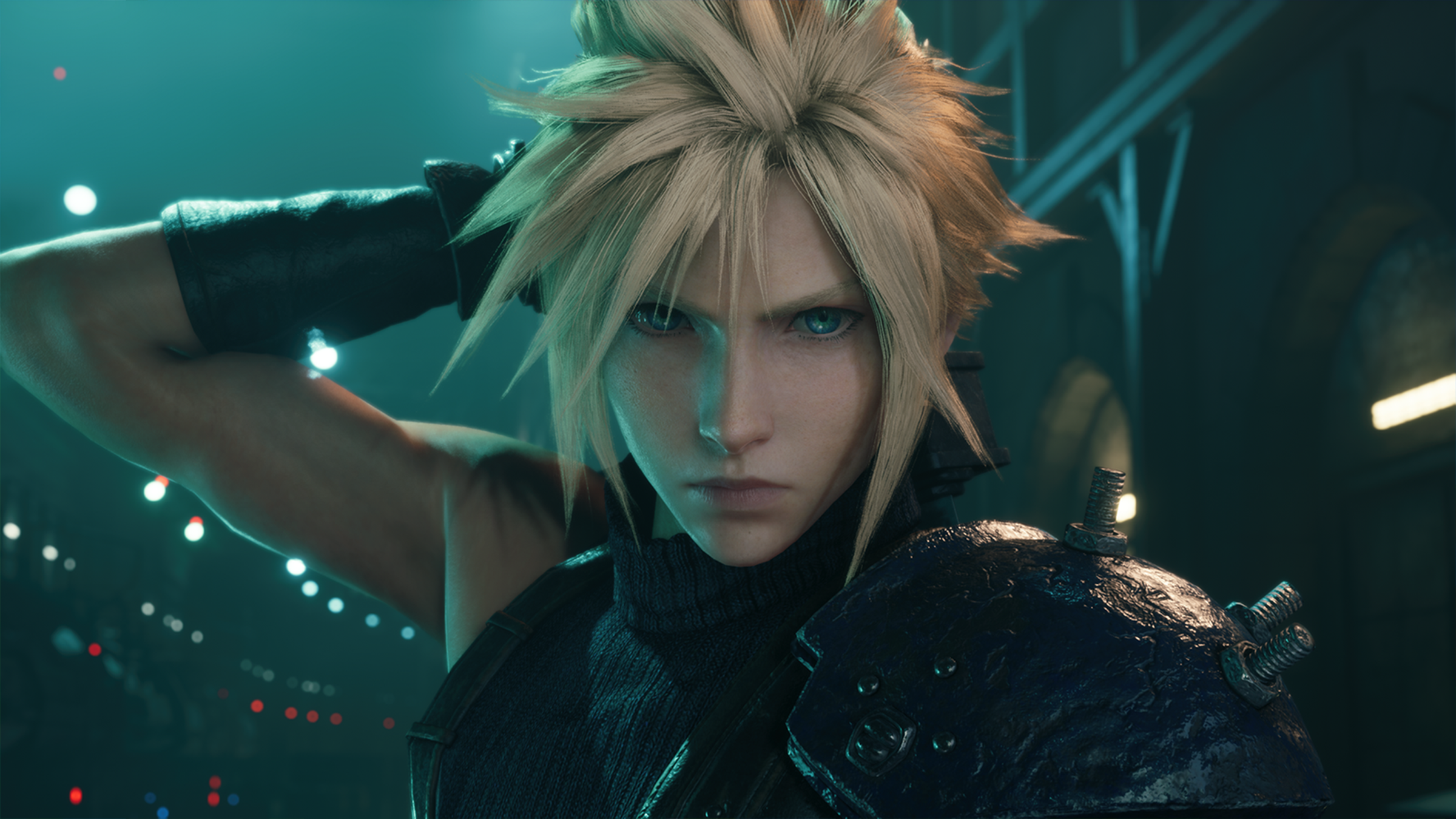
With so many dedicated fans over the years, it’s not surprising that people have come up with their own ideas about how the magical elements in the Final Fantasy series work. While many Final Fantasy games tell separate stories in different worlds, and aren’t directly connected unless they’re sequels, fans have still found ways to link the games together and create a unified understanding of the franchise.
Fans of the Final Fantasy series love to come up with theories that link different games together, imagining a shared universe across titles that weren’t originally connected. Other popular theories explore darker interpretations of the stories, sometimes portraying heroes as villains or explaining strange events by suggesting characters may have died earlier than we thought. Some of the most fascinating theories even try to connect Final Fantasy to other games made by Square Enix. Here’s a look at some of the most compelling fan theories and how they reimagine the series.
It’s The Same Gilgamesh In Several Final Fantasy Games (Final Fantasy V)
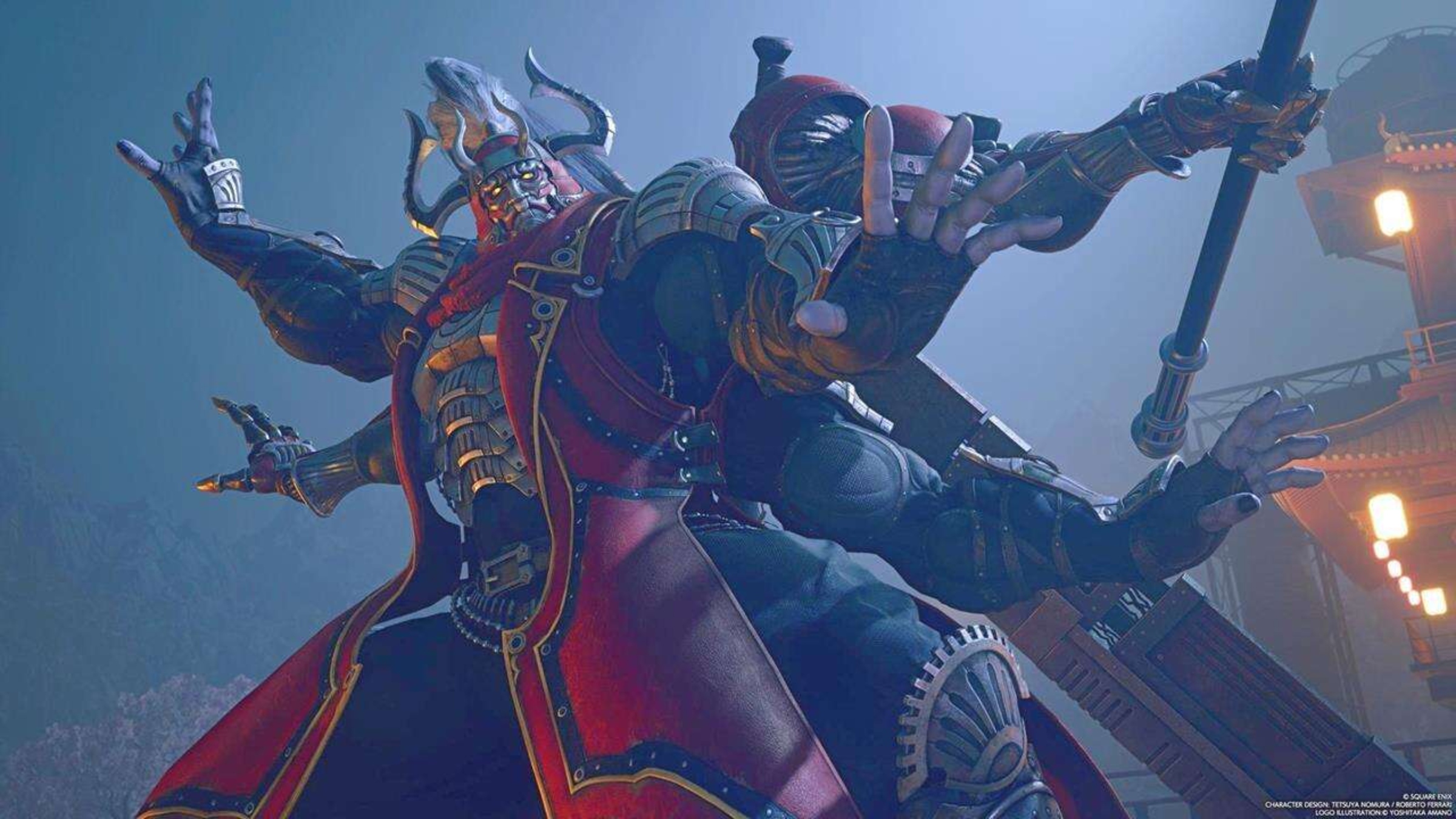
You know, like Cid shows up in almost every Final Fantasy game, so does Gilgamesh! But a lot of fans think it’s actually the same Gilgamesh throughout all the games. The idea comes from Final Fantasy V – at the end of that game, he gets blasted into this crazy rift in time and space, and people think that’s how he keeps popping up in different eras and worlds. It’s a pretty cool theory, honestly!
The idea is that Gilgamesh has been traveling through different worlds within the Final Fantasy universe. This could explain why his personality stays relatively the same across games, and why he collects weapons from so many different titles – it adds a deeper layer to his story. The theory also suggests that his journey through a dimensional tear is the source of his demigod powers, giving him incredible abilities as a result.
Jenova Is Connected To Lavos From Chrono Trigger (Final Fantasy VII)

Many fans consider Chrono Trigger to be one of Square Enix’s best RPGs, even though it’s separate from the Final Fantasy series. Some believe the two series could be connected because the villain Lavos shares striking similarities with Jenova from Final Fantasy VII. Both are essentially cosmic parasites who aim to drain the life energy of their worlds.
Both characters are skilled at manipulating others, but they focus on different things when it comes to their targets. However, a major challenge to this idea comes from Yoshinori Kitase, the producer of Final Fantasy VII, who has stated that the two characters aren’t even the same species. While it’s still just a fan theory, it’s an enjoyable way to imagine a connection between these two Square Enix games and create a larger, shared universe.
Cloud Accidentally Killed Aerith (Final Fantasy VII)
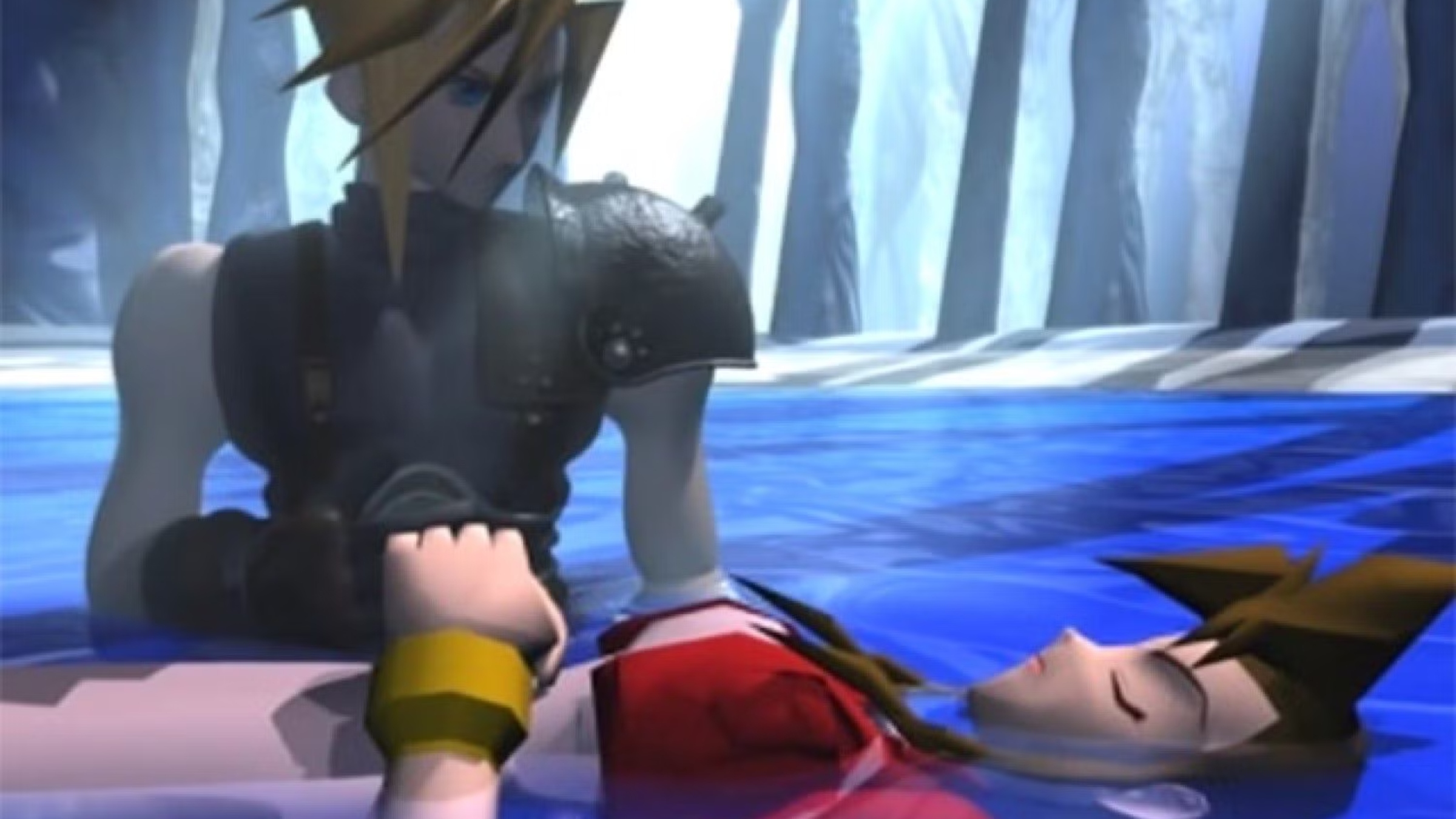
As a huge Final Fantasy VII fan, I’ve always been messed up by Aerith’s death, but there’s this theory that’s really stuck with me. It suggests that Cloud, not Sephiroth, actually caused her death, and it’s both incredibly sad and strangely funny to think about. You know, how it happens so suddenly, and then Cloud puts her body in the water and she just…sinks. It adds a whole new, messed-up layer to an already devastating moment.
One theory suggests Sephiroth’s attack didn’t fatally wound Aerith, and her magical abilities could have healed her. However, because Cloud was disoriented and believed she was gone, he inadvertently left her to drown. This unsettling idea fits with the game’s themes of Cloud’s unreliable memory and perception. If this is true, Aerith’s death becomes even more heartbreaking, as it’s caused by someone who loved her.
Squall Is Dead (Final Fantasy VIII)
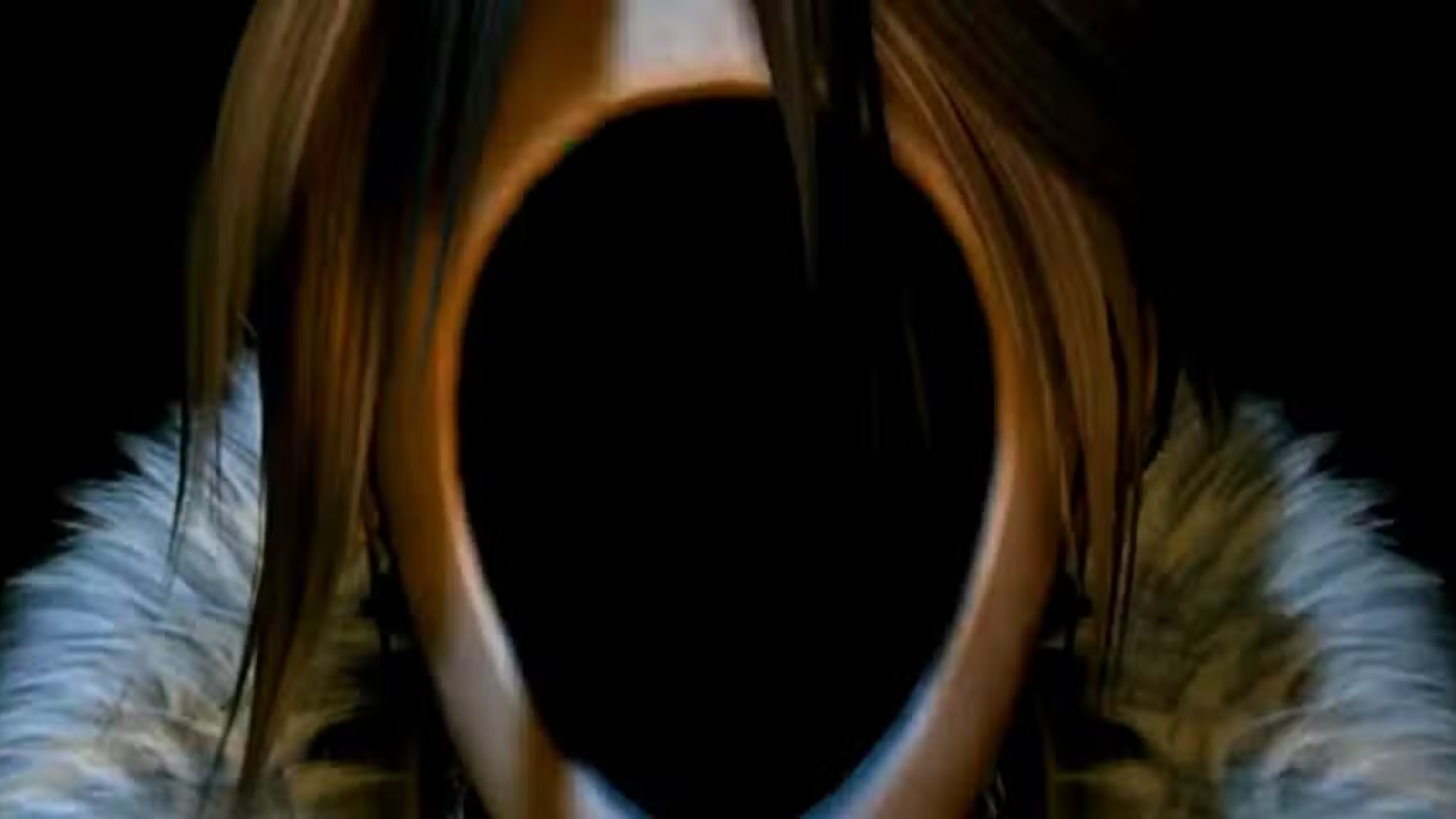
A popular fan theory about Final Fantasy VIII proposes that Squall died at the end of the first disc, struck by Edea’s ice attack. According to this idea, everything that happens after that is actually Squall’s fading dream as he dies. This could explain the strange and dreamlike events in the latter half of the game, particularly the ambiguous ending where Squall finds himself alone in darkness.
Like the theories connecting Squall to Jenova and Lavos, this idea has been dismissed by the game’s creators. Yoshinori Kitase, the director of Final Fantasy VIII, has explained that Squall’s injury was limited to his shoulder. Despite being incorrect, it’s an interesting thought that adds a special element to the game, something you don’t find in other Final Fantasy titles.
Rinoa Is Secretly Ultimecia (Final Fantasy VIII)
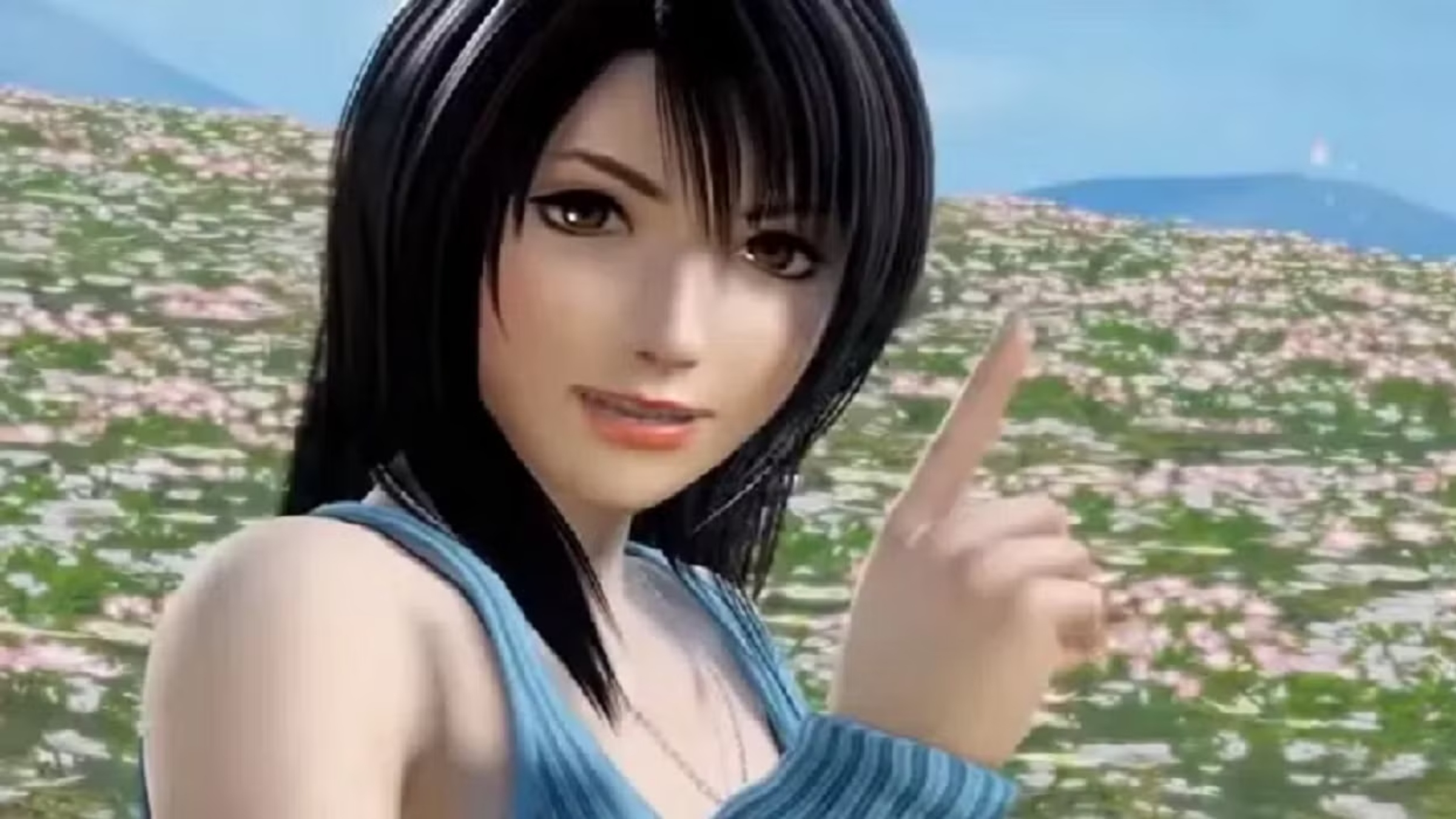
One interesting idea about Squall’s possible fate suggests that his love, Rinoa, might actually be Ultimecia. Because the story involves time travel, an older Rinoa could have gone back in time and eventually become the powerful Ultimecia, which would explain why they look so alike. This theory proposes that Ultimecia is driven by the grief of Squall’s death in a future timeline.
This idea suggests she attempted to stop their relationship from developing, hoping to avoid heartbreak, and that this ultimately led to her becoming Ultimecia. It provides a more poignant understanding of the villain’s motivations and adds a tragic dimension to the game’s time travel elements – like the location of her castle, built where Squall and Rinoa promised to meet again, and her use of Griever, a being connected to Squall’s ring. It’s a thought-provoking theory that enriches the story’s emotional impact.
Final Fantasy Tactics Is A Distant Sequel To Final Fantasy XII (Final Fantasy Tactics)
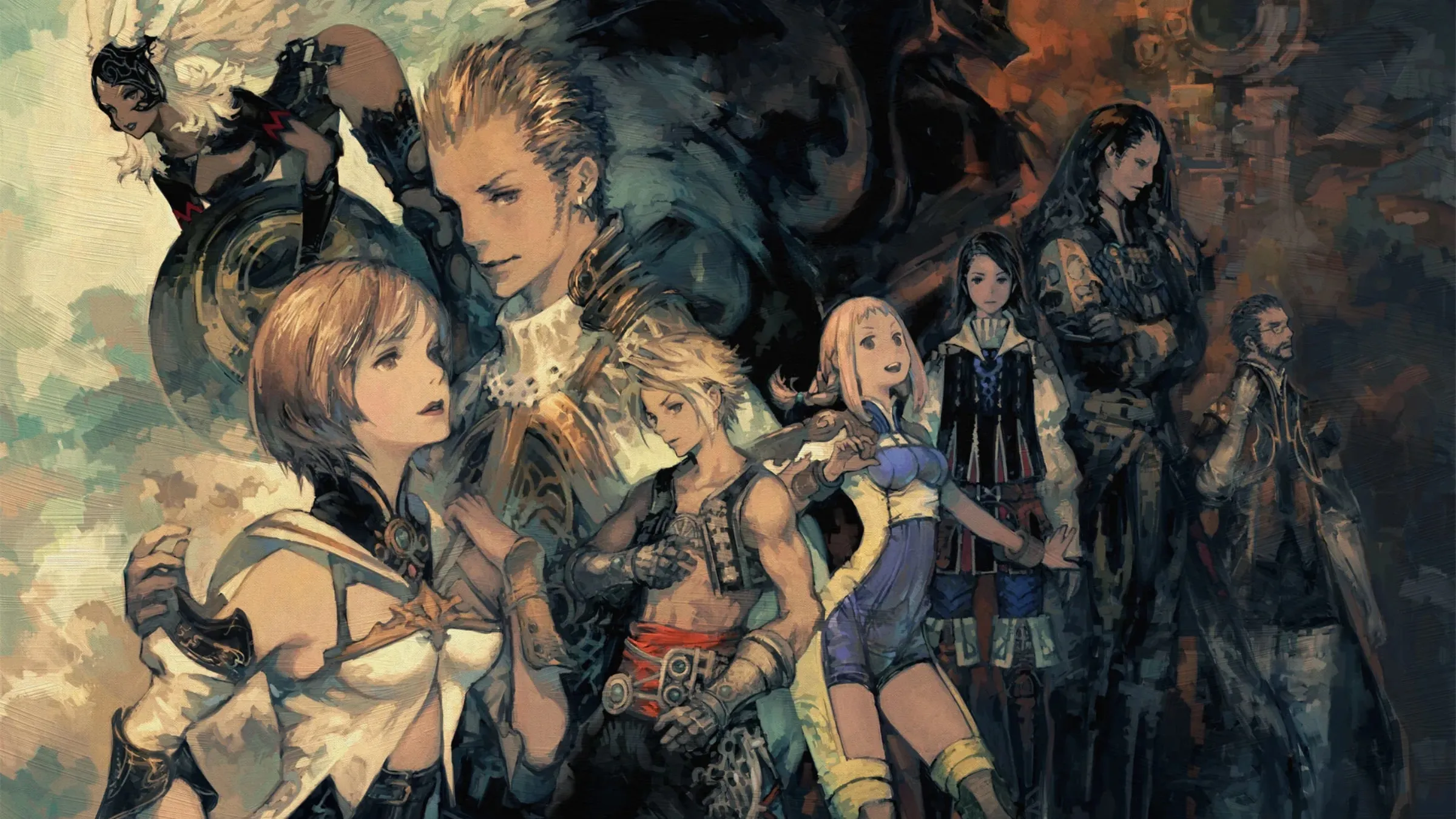
Many fans believe that Final Fantasy XII and Final Fantasy Tactics share the same world, but some evidence suggests a deeper connection than previously thought—and a grim fate for the world of FFXII. The idea is that Tactics is set hundreds of years after FFXII, and focuses on unresolved issues from the earlier game. Certain side quests in Tactics mention a “Golden Age,” which some players think actually refers to the events of Final Fantasy XII itself.
This side-quest hints that the world of Ivalice was once home to more than just humans and featured airships. A massive disaster then occurred, nearly wiping out all intelligent life except for humanity. This could explain why we see different races in Final Fantasy XII that are no longer around in Final Tactics. The idea also proposes that the powerful Espers from FFXII survived on the edges of the world and eventually transformed into the Lucavi seen in Tactics. It’s a compelling theory that adds a layer of darkness to the otherwise hopeful ending of Final Fantasy XII.
Final Fantasy X Is A Distant Prequel To Final Fantasy VII (Final Fantasy X)
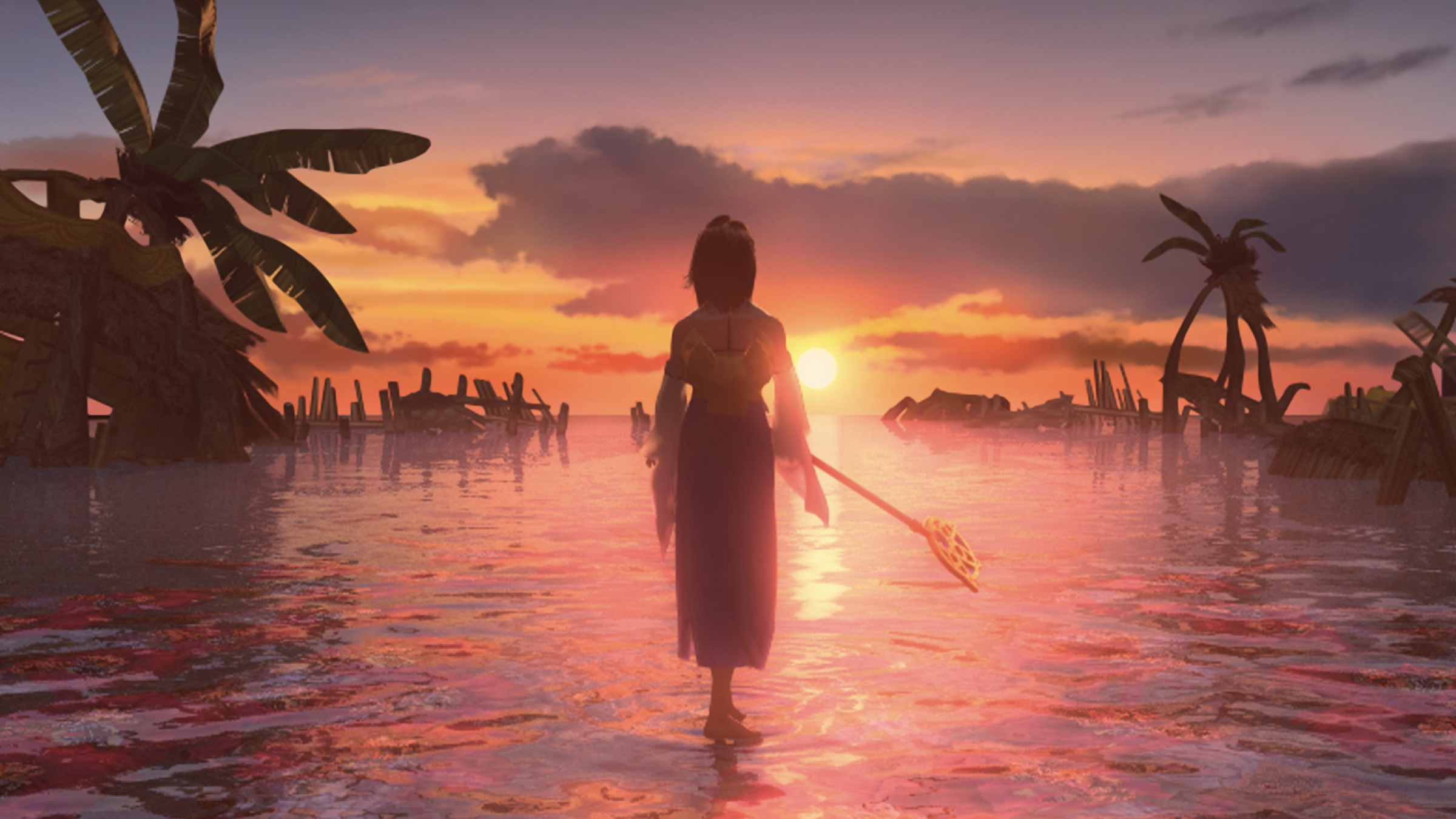
A popular fan theory proposes that Final Fantasy VII and Final Fantasy X might take place in the same universe, but at very different times. The idea is that the world of Final Fantasy X (including Final Fantasy X-2) – known as Spira – eventually becomes the world of Final Fantasy VII, renamed Gaia, thousands of years later. This could explain the common themes and details between the games, like the connection between Gaia’s Lifestream and Spira’s Pyreflies. Both games also feature similar spirit realms – the Promised Land in FFVII and the Far Plane in FFX – which share visual and thematic connections.
Connections between the Final Fantasy games suggest a shared history. In Dirge of Cerebrus, Cid discovers technology resembling that of Spira, hinting at a connection to a forgotten civilization. Furthermore, FFX-2 features a scientist named Shinra researching a powerful energy source. This scientist is theorized to be the founder of the infamous Shinra Corporation from FFVII, which later seeks to exploit the Lifestream for energy.
Read More
- Gold Rate Forecast
- Hideo Kojima Says He Was Never Told About The Matrix Creators Wanting Him to Make a Game
- Dune 3 Gets the Huge Update Fans Have Been Waiting For
- Guardians of the Globe Members We Want to See in Invincible Season 4
- ’90s Cartoon Reboot & TMNT Connection!
- Kelly Osbourne Slams “Disgusting” Comments on Her Appearance
- The 10 Best Fantasy Movies Of the 2020s (So Far)
- James Gunn’s DCU Just Revealed What Green Lanterns Will Look Like In Space
- Eurogamer Gives ARC Raiders 2/5 Over AI Voices, Dropping Metacritic Score from 94 to 84
- Robert Downey Jr. Shares Official Doctor Doom & Iron Man Holiday Art (Photo)
2026-01-04 20:16