Science fiction frequently prioritizes imaginative storytelling over scientific accuracy. A classic example is Doctor Who, which famously used the nonsensical phrase “reverse the polarity of the neutron flow” in the 1970s. Many sci-fi shows that feature concepts like time travel or alien life often invent details without considering whether they align with established scientific principles.
It’s great when a science fiction show gives as much attention to the ‘science’ as it does to the fiction. Some shows actually use real scientific ideas to create their worlds, making the stories both believable and fun.
7) Battlestar Galactica Understands That Sound Can’t Travel in Outer Space

Space is essentially a vacuum, meaning sound can’t travel because there’s nothing to carry the waves. That’s why the dramatic sound effects often heard in science fiction space battles – like explosions or weapons fire – aren’t realistic; no one could actually hear them in the vacuum of space.
When Battlestar Galactica first aired 20 years ago, it stood out for its realistic approach to science fiction. Unlike many shows, its space battles were depicted silently – ships exploded without any sound effects. This wasn’t just more believable, it also created visually stunning scenes that made the battles feel even more grand and impactful.
6) The Expanse Relies on Newtonian Physics for Space Movement
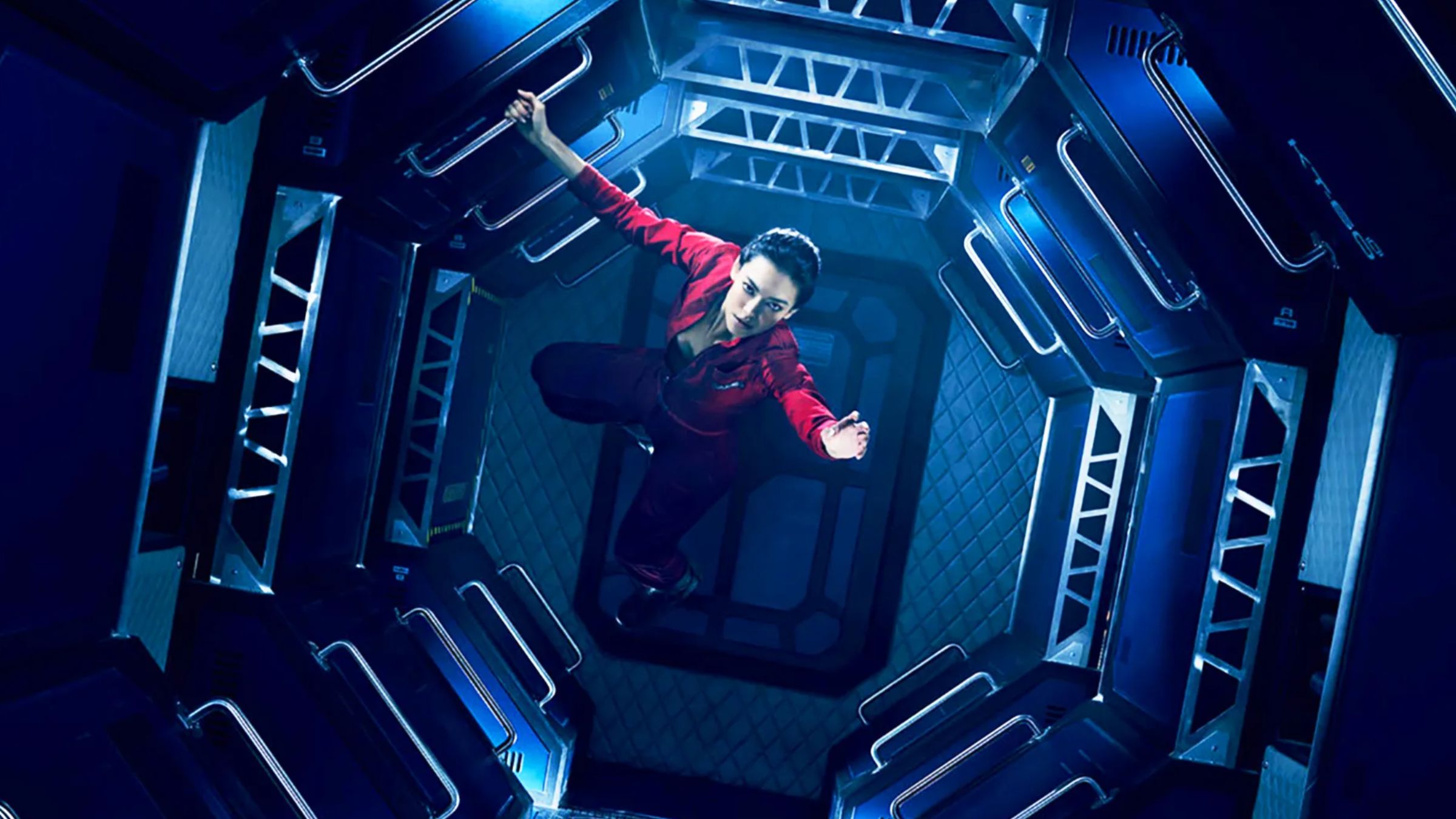
Science fiction shows often invent complex ways for spaceships to travel, but these explanations aren’t realistic. Space is a vacuum without gravity, meaning spaceships can’t move like planes or boats on Earth. They don’t follow the same rules of movement.
As a sci-fi fanatic, I have to say The Expanse really nails the details. What I love most is how realistically they portray space travel. They don’t just have ships zipping around; you actually see them use thrusters to turn and move, and it all feels grounded in real physics – you know, Newton’s third law about action and reaction. They even show how much heat builds up and how crucial it is to manage that, otherwise the ship would literally fall apart! Plus, they don’t gloss over the fact that there’s no gravity in space and how brutal long-term space travel would be on the human body. It’s just incredibly well thought-out.
5) The Orville Uses Planetary Science as Part of its Space Exploration Stories

A common issue with many science fiction stories is that they tend to depict alien planets as being very similar to Earth. Often, these planets have breathable air and gravity levels that humans can easily handle, which makes things convenient for the characters—unless they run into unfriendly inhabitants.
Unlike many sci-fi shows, The Orville focuses on the realistic challenges of space travel. The writers thoroughly research planets to create believable environments, meaning characters face genuine physical difficulties like breathing problems or limited movement. The show doesn’t shy away from showing the limits of the human body in space, instead of pretending humans can easily adapt to any environment.
4) Silo Uses Science and Engineering Principles to Build an Underground World

Silo is a compelling sci-fi series adapted from a book series. It’s set in a future where humanity lives underground due to a poisonous external environment, and follows a main character determined to uncover the truth about what lies outside. While the idea of underground societies isn’t new in science fiction, Silo offers a fresh and unique take on the concept.
The world inside Silo feels incredibly realistic because it’s based on actual engineering. The show uses these real-world principles to logically explain how things work – from air flow and waste disposal to the very rules that govern the city – and these details often play a key role in the story.
3) Star Trek: The Original Series‘ Communicators Used Scientifically Plausible Tech that Predicted Mobile Phones

When Star Trek: The Original Series first aired in 1966, the communicators used by Kirk and his crew to talk to each other across planets were considered science fiction. However, the technology seemed so plausible that it accurately foreshadowed the development of mobile phones.
The communicators resembled the flip phones of the 1990s, and the connection wasn’t just cosmetic. Like mobile phones, they used radio waves to function. Interestingly, the technology behind these fictional devices even foreshadowed the development of GPS and location tracking.
2) Doctor Who Gets the Effects of Black Holes Right

Despite often being over-the-top and occasionally relying on questionable science – particularly when it comes to time travel – recent episodes of Doctor Who have accurately portrayed the science of black holes.
Black holes warp time and gravity, and stories like “The Satan Pit” dramatize these phenomena. Grounding these episodes in real science makes them feel more believable and enhances their impact, particularly when aiming for a frightening effect.
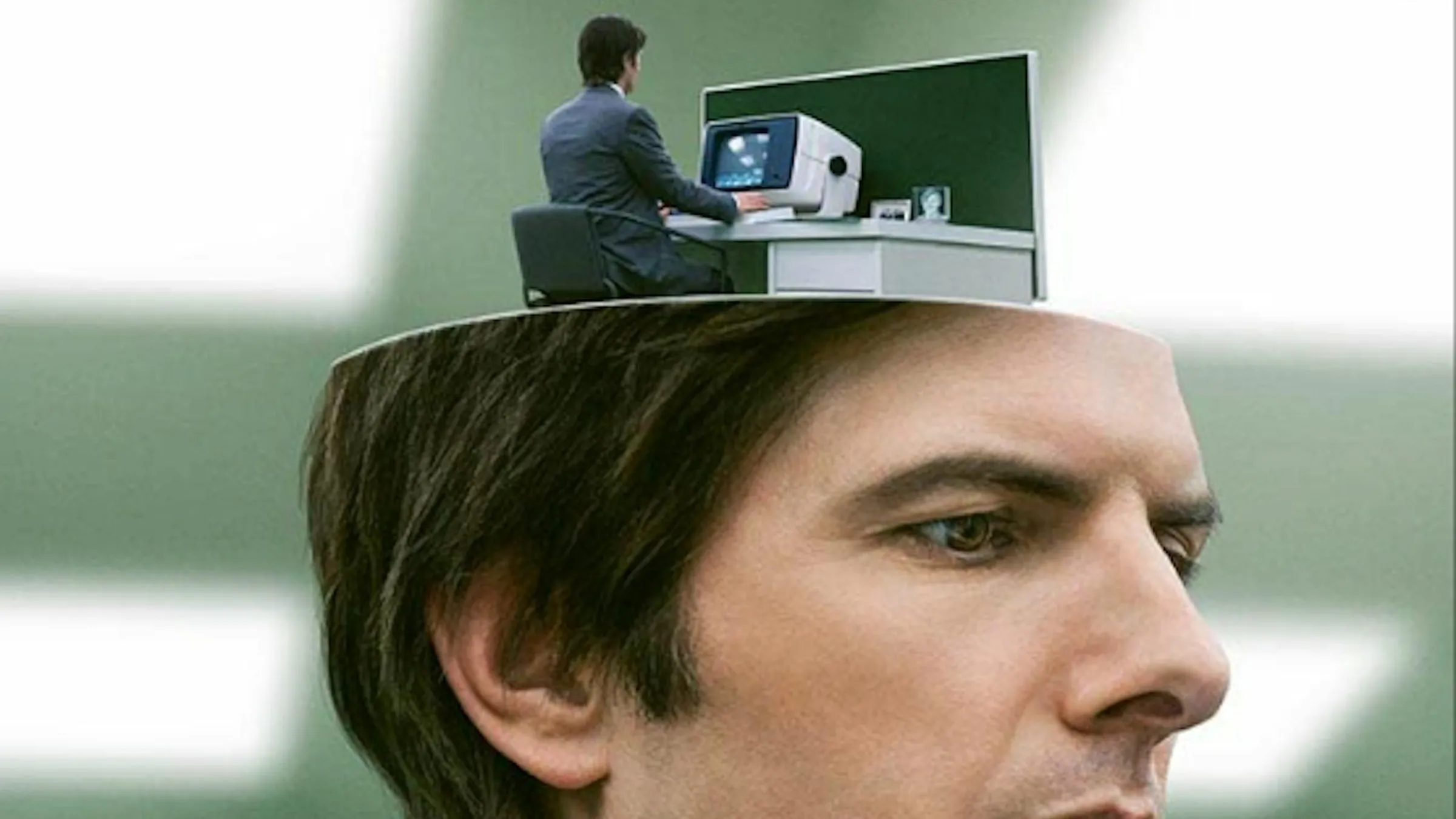
1) Severance‘s Fictional Brain Split Procedure is Based on Neuroscientific Principles

The show Severance is frightening because of a procedure that divides characters’ work and personal memories. This creates a condition much like Dissociative Identity Disorder, where each person essentially has two separate selves, neither aware of the other’s experiences.
As a movie buff who also loves a little science, what really got under my skin about this series wasn’t just the scares, but how grounded they were. It turns out the core idea – messing with people’s memories – isn’t as far-fetched as it seems. Scientists have actually mapped how our brains store different kinds of memories in different places. So, the show’s terrifying procedure, while fictional, feels unsettlingly plausible – like it’s only a small leap from what we already know about how the brain works, and that’s what makes it so creepy and effective. It’s not just a monster, it’s a manipulation of something very real.
Have any science fiction shows actually taught you something about real science? Share your thoughts and discuss it with others in the ComicBook Forum!
https://comicbook.com/movies/news/9-sci-fi-movies-that-eerily-predicted-the-future/embed/#
Read More
- The Super Mario Galaxy Movie: 50 Easter Eggs, References & Major Cameos Explained
- 10 Best Free Games on Steam in 2026, Ranked
- Surprise Isekai Anime Confirms Season 2 With New Crunchyroll Streaming Release
- Sydney Sweeney’s The Housemaid 2 Sets Streaming Release Date
- Preview: Sword Art Online Returns to PS5 as a Darker Open World Action RPG This Summer
- Welcome to Demon School! Iruma-kun season 4 release schedule: When are new episodes on Crunchyroll?
- Skate 4 – Manny Go Round Goals Guide | All of the Above Sequence
- Why is Tech Jacket gender-swapped in Invincible season 4 and who voices her?
- PS5’s Ace Combat 8 Will Be the Most Ambitious Game in the Series Yet, and We Can’t Wait
- The Super Mario Galaxy Movie Is An Amusing Sequel (And an Improvement) [Review]
2026-01-18 01:42