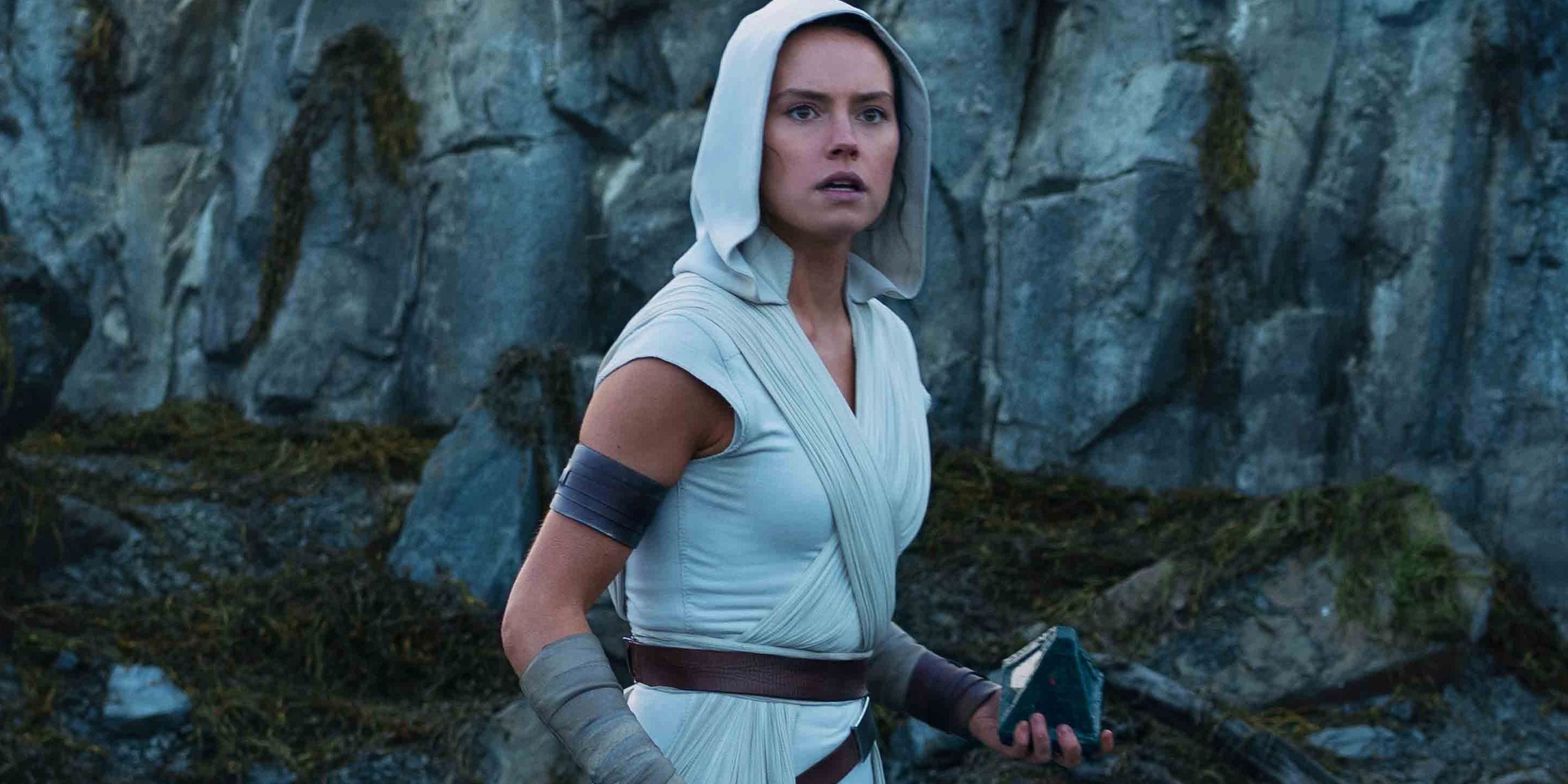
The world of Star Wars has returned to cinemas with The Mandalorian and Grogu. For several years, fans hadn’t seen a Star Wars film in theaters, as Lucasfilm and Disney had been creating shows for streaming platforms instead.
The latest installment in the franchise has arrived, but reviews are mixed. Currently, The Mandalorian and Grogu has a 62% rating on Rotten Tomatoes, with many critics saying the story feels too small and more like a collection of TV episodes than a full Star Wars film.
With the arrival of a new Star Wars film, older movies are getting attention again, especially the sequel trilogy – the most recent set of films released. Like The Mandalorian and Grogu, the sequels (The Last Jedi and The Rise of Skywalker specifically) initially received a varied response from audiences.
Unlike The Last Jedi, which has a dedicated and passionate fanbase, The Rise of Skywalker received a lot more criticism when it first came out. However, looking back after seven years, The Rise of Skywalker actually holds up surprisingly well. It’s a thrilling story with beautiful visuals and compelling characters, particularly Rey and Kylo Ren.
The Rise of Skywalker’s Story Felt Huge

One of the main criticisms of The Mandalorian and Grogu is its limited scope. The film focuses tightly on Din Djarin and Grogu, rarely expanding beyond their story. While this keeps the characters central, some viewers felt it made the film seem less connected to the wider Star Wars galaxy and its larger events.
Despite its flaws, The Rise of Skywalker told a very large-scale story. The main plot revolved around the surprising return of Emperor Palpatine and his threat to the entire galaxy – unless everyone swore loyalty to him. This gave the story a significant sense of importance, arguably even more so than The Last Jedi, which also felt like a story with massive consequences.
Palpatine’s return was a major factor in the conflict. He’d always been a powerful enemy to the Jedi and other heroes, but in The Rise of Skywalker, he felt even more dangerous. He commanded a massive fleet of Sith star destroyers—thousands strong—capable of appearing anywhere in the galaxy. What made them especially terrifying was that each ship carried a weapon powerful enough to destroy an entire planet, similar to the Death Star.
In the film, Palpatine operated independently from the First Order, adding to the overall scope of the story. This created a three-way conflict between the Resistance, the First Order, and Palpatine’s hidden fleet on Exegol. While the previous two films in the series focused on the battle between the Resistance and the First Order, The Rise of Skywalker expands the conflict to an even larger scale.
The Visuals Were Excellent

Some recent Star Wars shows on Disney+, like The Book of Boba Fett and Obi-Wan Kenobi, have faced criticism for their visual effects. Many viewers complained that the shows didn’t look as polished as the sequel trilogy, particularly due to the use of Volume technology. The newer series simply didn’t have the same high visual quality as some of the more recent Star Wars films.
The sheer size of The Rise of Skywalker was evident in both its story and stunning visuals. Director J.J. Abrams brilliantly depicted the massive Sith fleet, with incredible scenes of thousands of star destroyers preparing for battle above Exegol.
Visually, this movie really delivers, especially with its planets. Each one feels unique as our heroes journey across the galaxy. Exegol, while a bit confusing story-wise, is stunning – think dark, stormy skies lit up by brilliant blue and constant lightning. Then there’s Takodana, a desert planet that reminded me of Tatooine, but cranked up the color and life to eleven. It was a refreshing take on that familiar landscape and made it instantly more memorable than some of the other desert planets we’ve seen in the franchise.
The Resistance base is visually impressive. It’s located on the remote planet Ajan Kloss, far from the First Order’s reach. The planet’s look was largely decided by existing footage of a similar base from The Force Awakens, as that’s where all of General Leia Organa’s scenes were filmed and reused.
Ajan Kloss could have easily felt repetitive, similar to the planet seen in The Force Awakens, but it successfully avoided that. It was a visually unique world, distinct from others, and felt fully realized, showcasing the impressive cinematography of The Rise of Skywalker.
Rey’s Arc Is Perfect
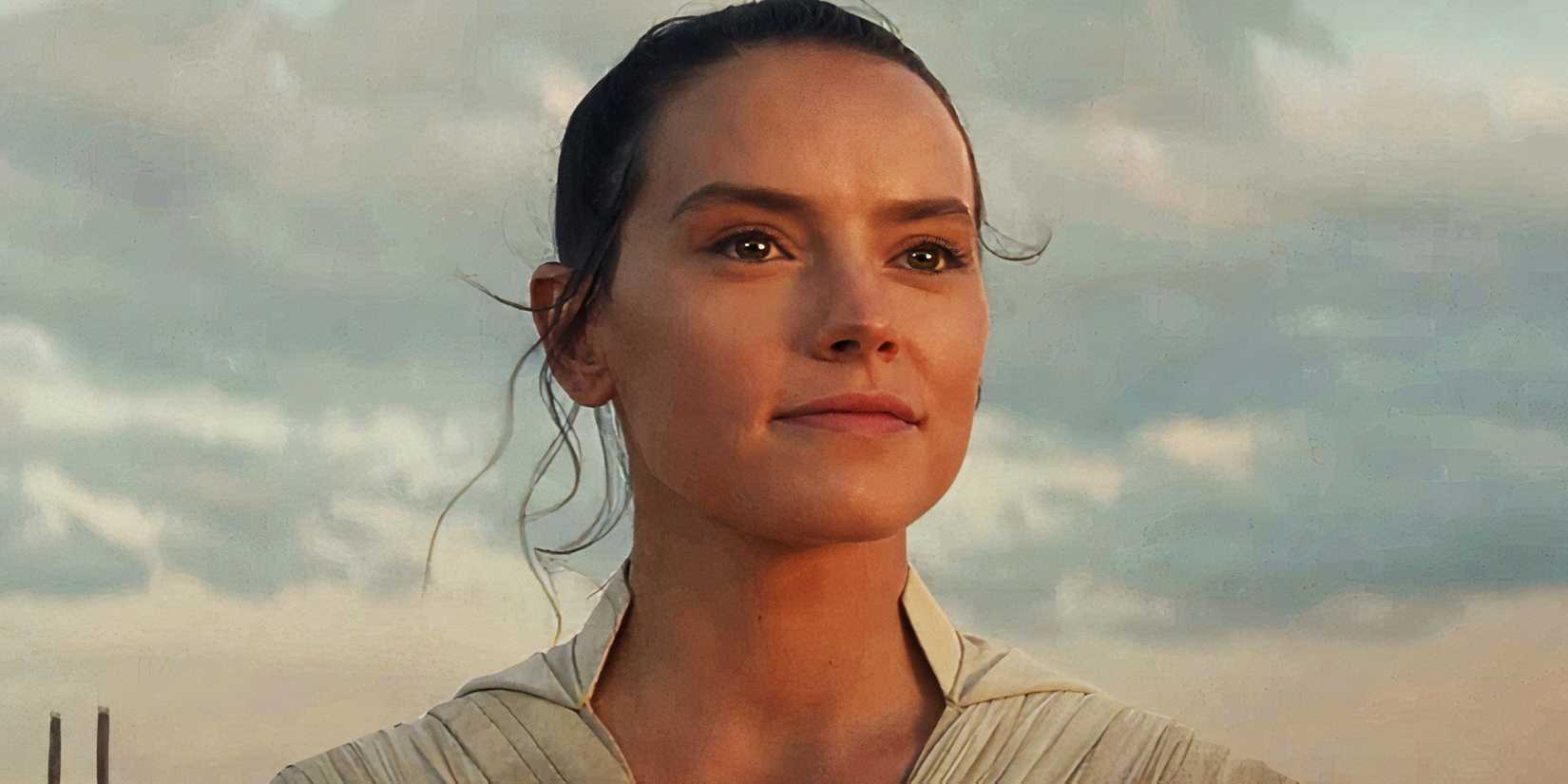
Character development in The Rise of Skywalker was uneven. Rey and Kylo Ren had well-developed storylines that concluded their character arcs, but other characters like Finn, Poe Dameron, and Rose felt underdeveloped, which was particularly frustrating given this was the final film in the trilogy.
Even with the controversy surrounding the film, Rey’s story is still a major strength. While many fans questioned the choice to connect Daisy Ridley’s character to Palpatine, this twist actually created an interesting parallel to the original Star Wars trilogy and is only one piece of her overall journey.
As a fan, I always felt Rey’s story, once you get past the whole Palpatine reveal, was a really classic Star Wars tale. It’s basically about a Jedi learning the ropes, overcoming challenges, and ultimately becoming the hero she was destined to be. It wasn’t groundbreaking, sure, but it was super satisfying to watch, and it reminded me a lot of Luke’s journey in the original movies. Seeing her grow and succeed felt right, and it was a comforting part of The Rise of Skywalker for me.
Rey’s story in Episode IX echoes Luke’s in several ways. Like Luke in The Empire Strikes Back, she discovers a surprising truth about her family. However, there’s a key difference: Luke believed there was good in his father despite his dark side, while Rey feels her family history will always be overshadowed by the evil deeds of Palpatine.
Perhaps the most compelling aspect of Rey’s journey is how she handles the truth about her lineage. While she spent the sequel trilogy searching for her family, her discovery in The Rise of Skywalker wasn’t a happy reunion like Luke’s. Instead, she faced the difficult task of battling her own family, realizing that Palpatine was beyond redemption. This conflict actually echoes the kind of dramatic, operatic storytelling George Lucas established in the original six Star Wars films.
Read More
- Gold Rate Forecast
- 10 Most Powerful Versions of Superman, Ranked
- GBP CNY PREDICTION
- 007 First Light: Release Date, Story, Gameplay, Cast, Editions, and Platforms
- DOGE PREDICTION. DOGE cryptocurrency
- Superman’s 7 Best Power-Ups, Ranked
- 10 Best Free Games on Steam in 2026, Ranked
- 10 Greatest Wii U Games of All Time, Ranked
- Forza Horizon 6 Car List So Far: Confirmed Highlights, Cover Cars, DLC, and Rewards
- What happened to Soldier Boy in The Boys?
2026-05-31 16:09