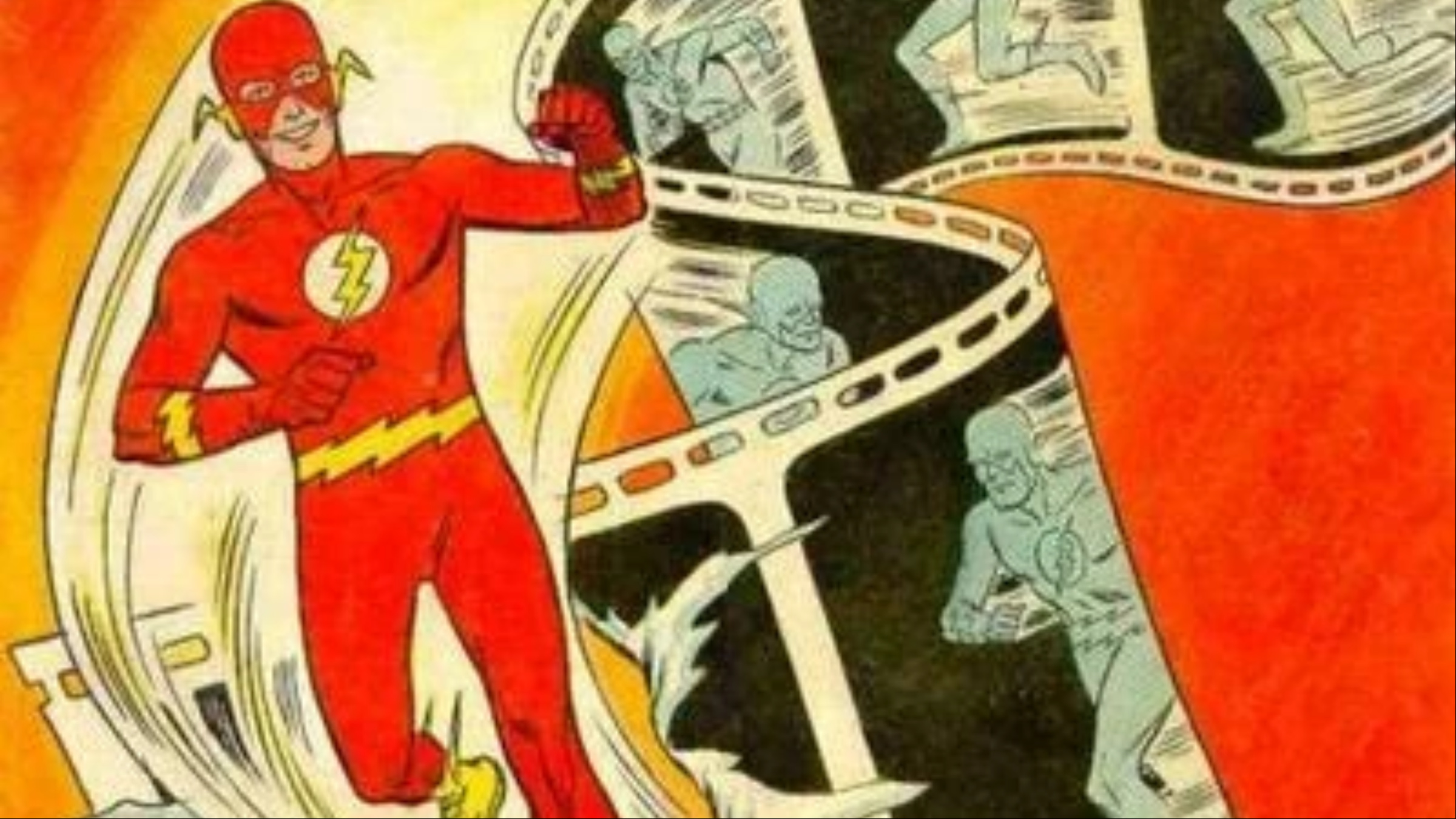
DC Comics is currently experiencing a surge in popularity, outselling Marvel Comics for the first time in a long time. For decades, Marvel has been the dominant force, a position they built starting in the 1960s with what’s known as the Silver Age of Comics. While DC technically created the first superhero comics, Marvel innovated by creating a connected universe where all their heroes existed in the same world. Since then, DC has often played catch-up, which is somewhat ironic. The Silver Age, and many of the successful ideas Marvel used, actually originated with DC Comics. Seventy years ago, DC launched the comic Showcase #4, effectively kicking off the Silver Age.
During the Golden Age of comics, DC Comics was the dominant publisher, but most of their characters faded into obscurity by the 1950s, with Superman, Batman, and Wonder Woman being the notable exceptions. Issue #4 of Showcase marked a turning point: DC reintroduced the Flash, revitalizing a character from its past. Barry Allen became the Flash for a new generation, and his initial story—created by Robert Kanigher, John Broome, Carmine Infantino, and Joe Kubert—helped define a new style of superhero comic. These early Silver Age DC comics essentially paved the way for Marvel Comics, providing the foundation they needed to eventually become the industry leader.
DC Set the Terms of the Silver Age and Marvel Used Them to Profit
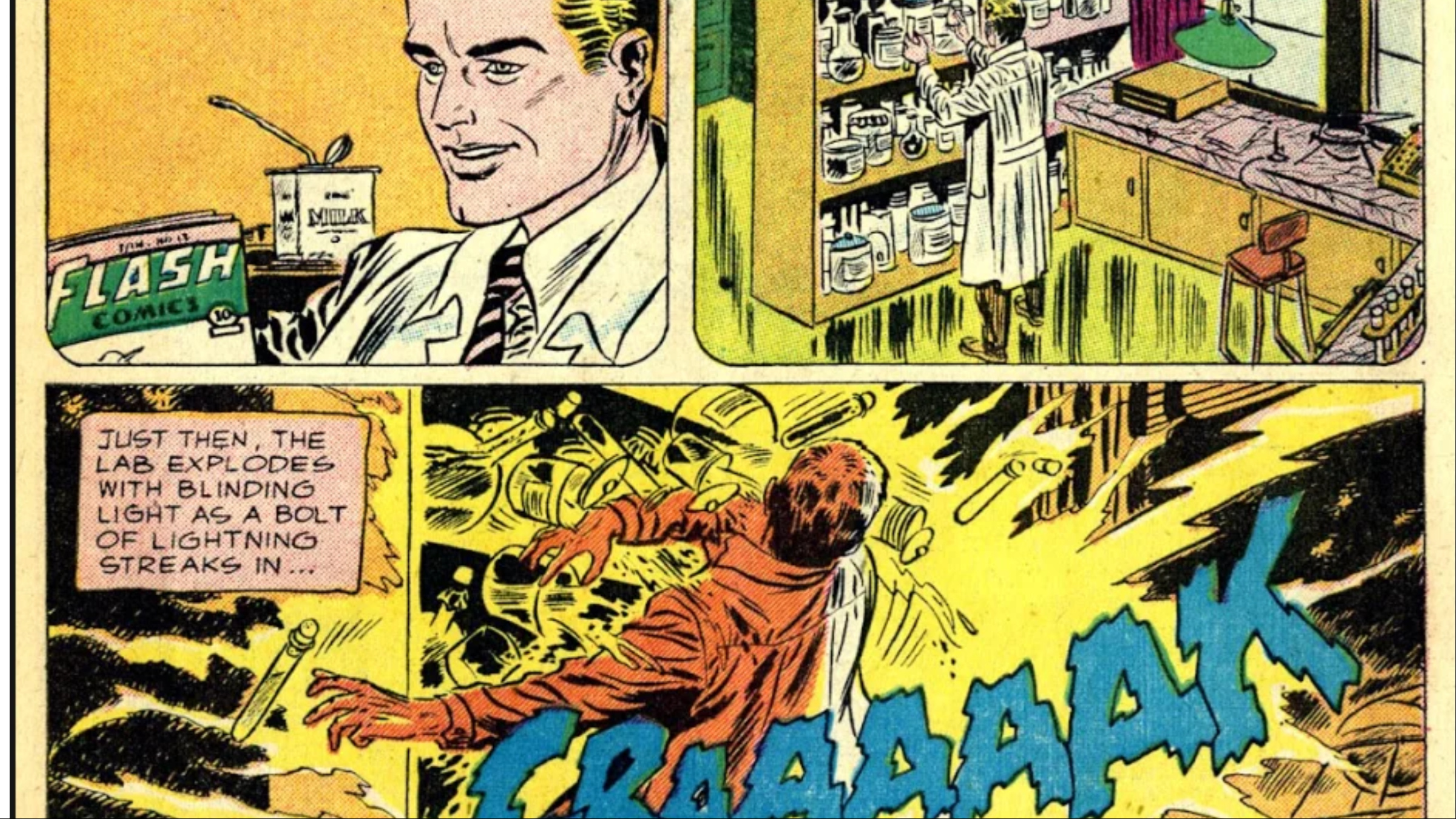
Jay Garrick, the original Flash, was a hugely popular hero during the Golden Age of comics. He had a distinctive look and powers that were ideal for the medium, embodying the classic all-American hero. When superhero comics fell out of favor, Garrick faded into obscurity. However, as the 1950s progressed and concerns raised in Frederic Wertham’s Seduction of the Innocent lessened, comic sales began to improve. DC editor Julius Schwartz recognized this shift and spearheaded a revival of the publisher’s superhero line, beginning with the creation of Showcase #4.
In the 1950s, creators like Schwartz, Kanigher, and Broome transformed Barry Allen into a defining hero of the era. Recognizing the popularity of science fiction, they made him a forensic scientist – a character Schwartz hoped would inspire readers. His stories blended grounded science with adventure, and even gave the super-speedy Flash relatable flaws, like a tendency to be late. Barry’s powers weren’t based on magic, but on a believable (for the time) scientific accident, and he became a model for many superheroes that followed.
In the 1950s, DC Comics introduced a wave of fantastic superheroes, often drawing inspiration from the growing public interest in science and science fiction. These heroes were typically portrayed as scientists or soldiers, representing ideal American citizens. By 1961, DC had established a complete superhero world, and Marvel was eager to re-enter the scene. They did so by closely following DC’s successful formula, particularly the model established by Showcase #4. The first issue of Fantastic Four shared a similar foundation – a science fiction story about responsible adults who gained superpowers and chose to use them for good.
Marvel built on the science fiction concepts DC Comics had already explored, blending them with the fears of the Cold War era. They also took the idea of relatable superheroes – like DC’s Flash, who had everyday flaws – and perfected it for a 1960s audience. Stan Lee and Jack Kirby brilliantly understood the impact of the Showcase #4 comic, and they took that concept even further. Just as Barry Allen resonated because he was an ordinary person, Stan and Jack made their heroes deeply human and relatable. Showcase #4 essentially predicted the future of superhero comics, and Marvel successfully capitalized on that vision.
Marvel Comics Would Not Exist Without Showcase #4

Everyone agrees Marvel thrived during the Silver Age and successfully dominated the comic book scene. They’re often credited with making superheroes appealing to a wider audience and pioneering the idea of a shared universe. While the creators of 1960s Marvel certainly deserve recognition, it’s important to remember that DC’s Showcase #4 actually laid the groundwork for the entire Silver Age Marvel Universe.
Barry Allen, the Flash, arrived as a hero perfectly suited for a changing America. The 1950s were a period of economic growth mixed with Cold War fears, and this pushed science into the center of American life. Editor Julius Schwartz understood this and, with the comic’s creators, crafted a story and character that resonated with the era. Their work paved the way for the later successes of Stan Lee and Jack Kirby at Marvel, and arguably, Marvel wouldn’t have reached the same level of popularity without them.
Read More
- The Super Mario Galaxy Movie: 50 Easter Eggs, References & Major Cameos Explained
- 10 Best Free Games on Steam in 2026, Ranked
- Sydney Sweeney’s The Housemaid 2 Sets Streaming Release Date
- Why is Tech Jacket gender-swapped in Invincible season 4 and who voices her?
- All 13 Smash Bros. Characters in the Super Mario Galaxy Movie
- Welcome to Demon School! Iruma-kun season 4 release schedule: When are new episodes on Crunchyroll?
- Forza Horizon 6 ‘Prologue’ gameplay
- Joel Kinnaman Claims ‘Peacemaker’ Was His Last Time as Rick Flag Jr. in the DCU
- What happened to Soldier Boy in The Boys?
- WTH?! Twitter Drops Fake Daredevil: Born Again Season 2 Spoilers as Character Return Confirmed
2026-03-19 21:23