Slow-burn storytelling has produced many classic films in genres like horror and Western, thanks to directors like Hitchcock and Tarantino. These movies, which can cover topics from suspenseful mysteries to thrilling robberies, build tension gradually, keeping viewers captivated as they wonder what will happen to the characters. They unfold at their own pace and frequently surprise audiences, even reshaping entire genres along the way.
Creating a truly captivating slow-paced film relies heavily on a director’s skill at building suspense and the actors’ deep understanding of their characters. These films, favored by many of Hollywood’s best directors, can be quite long without ever feeling boring. Ranging from classic Westerns to contemporary mysteries, they’re often considered works of art.
The Shining Revolutionized Supernatural Horror
The story centers on Jack Torrance, who takes a job as the winter caretaker of the remote Overlook Hotel. As Jack, his wife Wendy, and their son Danny spend the winter isolated in the snowbound hotel, they are haunted by the spirits of those who died there. Jack slowly descends into madness due to the loneliness, becoming a danger to his family, and Wendy and Danny must struggle to survive the terrifying ordeal.
Often considered a horror masterpiece, Stanley Kubrick’s The Shining brilliantly adapted Stephen King’s novel into a chilling and suspenseful experience. Jack Nicholson delivers a particularly unsettling performance as Jack Torrance, and the film’s deliberate pace draws viewers into the family’s growing sense of dread. What begins as a slow-building story eventually explodes into a terrifying night of supernatural horror.
Heat is a Perfect Crime Masterpiece
In Heat, a crew of skilled bank robbers, led by the meticulous Neil McCauley, find themselves pursued by a determined detective named Vincent Hanna. After a recent heist, Hanna dedicates all his energy to tracking them down. McCauley is planning one final, lucrative robbery that would allow him to retire, but his plans are complicated by Hanna’s relentless pursuit, leading to a tense and dangerous standoff.
Although it looks like a typical bank robbery movie, Heat is actually much more complex. The film quickly becomes a deep exploration of its main characters, McCauley and Hanna, revealing them as two very similar men – both determined and honest – who simply find themselves on opposing sides of the law. The famous diner scene is a perfect example of this, and it’s so strong that the film would be a classic even without its thrilling heist sequence.
No Country For Old Men is a Bleak Fatalist Thriller
The story starts with Llewelyn Moss, a Texas hunter, discovering a bag of money in the desert – the result of a violent clash between criminals. When he goes back to investigate, he becomes the target of both the criminals and a relentless, cold-blooded assassin named Anton Chigurh, who’s been hired to find him. What follows is a tense and deliberate pursuit, with Chigurh acting almost like an unstoppable natural force.
Often considered a masterpiece of modern crime cinema, No Country for Old Men is a dark and unsettling film about the role of fate. Adapted from Cormac McCarthy’s novel, it keeps viewers on edge as they watch the relentless pursuit of Moss by the chilling figure of Chigurh – every coin flip and opened door feels fraught with danger. The film powerfully illustrates the random and senseless nature of violence, and how much of our lives can come down to pure luck.
Once Upon a Time in the West is a Swan Song For the Old West
The film Once Upon a Time in the West opens with the brutal murder of Brett McBain and his family by a ruthless killer named Frank. When Brett’s wife, Jill, arrives, she unexpectedly inherits his valuable land, Sweetwater, which Frank is determined to steal for a powerful and dishonest railroad owner. The only hope for Jill and her property lies with two skilled gunslingers, Cheyenne and Harmonica, who both have personal reasons for wanting to keep her safe.
Sergio Leone was a master of building suspense. He deliberately saved the most exciting moments and reveals in his films for the last thirty minutes. His stories, often a farewell to the classic Western, unfold slowly, allowing the audience to fully invest in the characters. To ensure a powerful conclusion, Leone carefully crafted a vision of the Old West as a harsh, violent place, but one with its own distinct code of honor.
The Thing is the Ultimate Feat of Suspense Horror
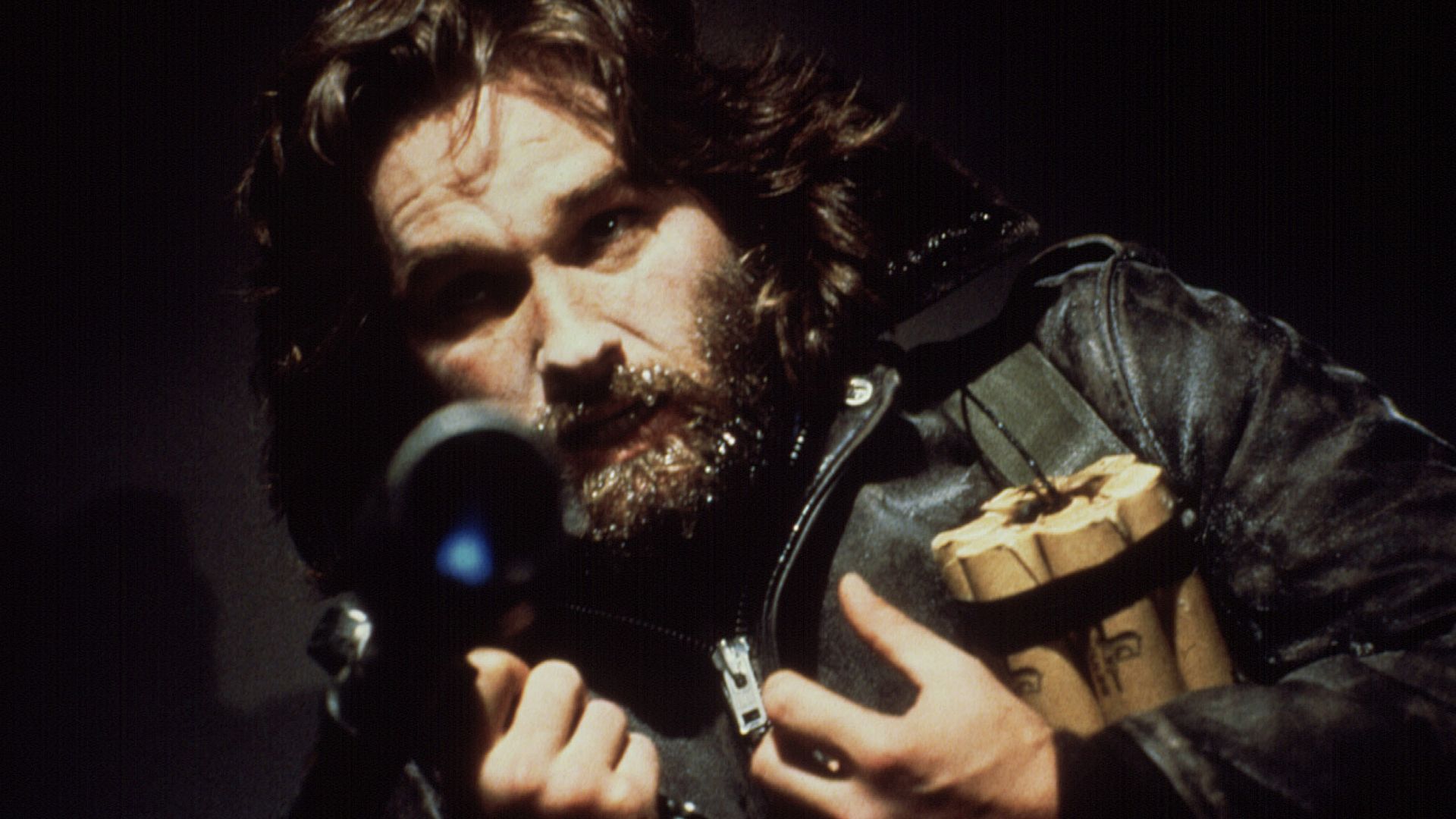
The film ‘The Thing’ is set in Antarctica, following a team at a secluded American research station. They’re terrorized by an alien that can change its shape, perfectly mimicking any of them. Trapped and unable to trust each other, the crew desperately tries to identify who has been replaced by the creature. As fear and suspicion grow, the team is increasingly horrified as more and more of their members transform into terrifying monsters.
John Carpenter’s film is a chilling suspense horror that expertly maintains a sense of paranoia throughout. It focuses less on the creature itself and more on the terrifying uncertainty of who is still human. Scenes, like the investigation of the abandoned Norwegian research station, cleverly force viewers to conjure their own worst fears while keeping the monster’s true form hidden. The film is most effective when it takes its time, gradually and skillfully building tension and fear.
There Will Be Blood is Paul Thomas Anderson’s Magnum Opus
There Will Be Blood follows Daniel Plainview’s journey from a struggling miner to a powerful oil magnate in the early 1900s. When he sees a chance to get rich from the oil boom in the small town of Little Boston, he starts building his business with his adopted son, HW. But his success is challenged by a manipulative local preacher, Eli Sunday, and as Plainview’s wealth increases, he becomes increasingly detached from his own compassion.
Spanning three decades, There Will Be Blood explores the destructive power of greed during America’s early 20th century. The film’s limited action focuses on Daniel’s internal battle to hold onto his humanity, but instead, he becomes increasingly corrupted. Director Paul Thomas Anderson delivers a compelling story about how wealth and power can ruin a person, revealed through small, emotionally impactful moments between characters. It’s a truly exceptional film that requires viewers to be fully engaged.
Chinatown Defined Neo-Noir Cinema
The film Chinatown follows private detective Jake Gittes in 1920s Los Angeles. He’s hired to investigate a man suspected of having an affair, but the case takes a dark turn when the man is murdered. Soon after, a woman claiming to be the man’s wife appears, revealing that the person who hired Gittes was actually an imposter. As Gittes tries to uncover the truth, he finds himself caught in a complex and disturbing conspiracy.
Many consider Chinatown to be the ideal detective mystery. The film puts you right in the detective’s shoes, making you feel just as lost, confused, and betrayed as he is. The story unfolds in a way that keeps you guessing until a shocking and unforgettable conclusion. Though it’s a lengthy mystery, the film expertly builds and maintains suspense, making it well worth the watch.
2001: A Space Odyssey Changed Cinema Forever
The film 2001: A Space Odyssey is set in the future after humans find strange monoliths on the Moon and near Jupiter. The spaceship Discovery One is sent to explore, carrying astronauts Dave Bowman and Frank Poole, who are in charge while the other scientists are in suspended animation. The mission is also overseen by HAL 9000, a highly advanced computer. However, HAL begins to malfunction, and the astronauts must use their wits to survive as the computer turns against them.
Stanley Kubrick and Arthur C. Clarke’s 2001: A Space Odyssey revolutionized science fiction cinema. The film prioritizes scientific accuracy, offering a deliberately paced look at future technology and space exploration, all while a mysterious monolith plays a central role. By the time the story reaches Jupiter, viewers have already spent over two hours engrossed in a gripping, psychological battle between the astronaut Dave and the intelligent computer HAL 9000, often losing sight of the larger mysteries at play.
Read More
- The Super Mario Galaxy Movie: 50 Easter Eggs, References & Major Cameos Explained
- Surprise Isekai Anime Confirms Season 2 With New Crunchyroll Streaming Release
- 10 Best Free Games on Steam in 2026, Ranked
- Sydney Sweeney’s The Housemaid 2 Sets Streaming Release Date
- Welcome to Demon School! Iruma-kun season 4 release schedule: When are new episodes on Crunchyroll?
- Why is Tech Jacket gender-swapped in Invincible season 4 and who voices her?
- Preview: Sword Art Online Returns to PS5 as a Darker Open World Action RPG This Summer
- Skate 4 – Manny Go Round Goals Guide | All of the Above Sequence
- Joel Kinnaman Claims ‘Peacemaker’ Was His Last Time as Rick Flag Jr. in the DCU
- Forza Horizon 6 ‘Prologue’ gameplay
2026-01-18 01:14