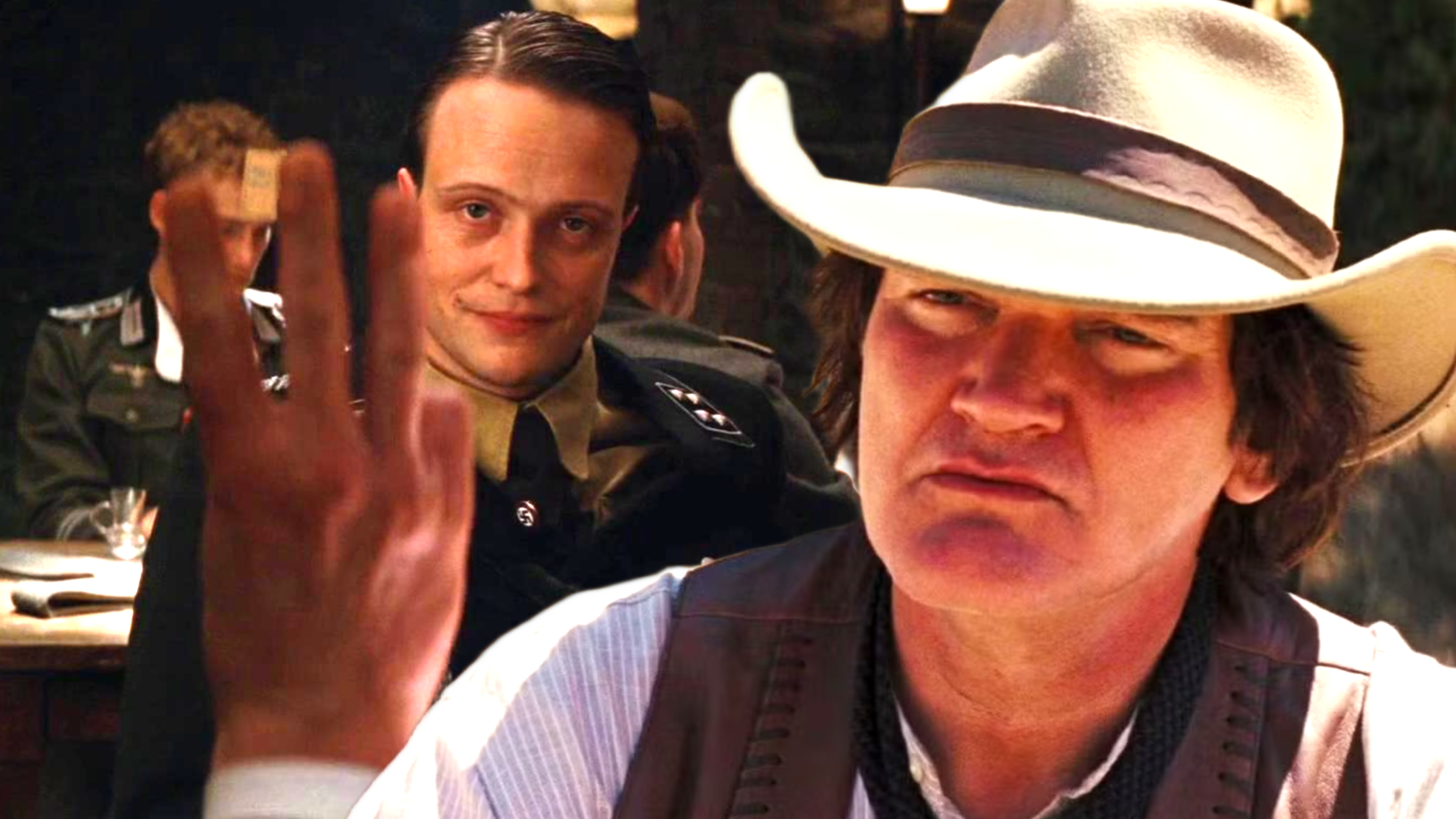
Quentin Tarantino is one of the most influential filmmakers working today. While known for his distinctive style – including violence, large casts, and unconventional storylines – his deep passion for movies always comes through. His best films are full of intriguing details that spark conversation and add layers of mystery. These subtle touches are a key reason his work is so beloved and widely discussed, with fans constantly analyzing and appreciating the fascinating details within each movie.
Quentin Tarantino has famously said he plans to make ten movies total, but people talk even more about the many theories surrounding his films. Fans love to debate unexplained scenes and the director’s unique, self-aware storytelling style. Some of these theories are surprisingly convincing, while others are quite far-fetched, but they all add to the fun of watching his work.
8) The Hateful Eight Is A Remake Of The Thing
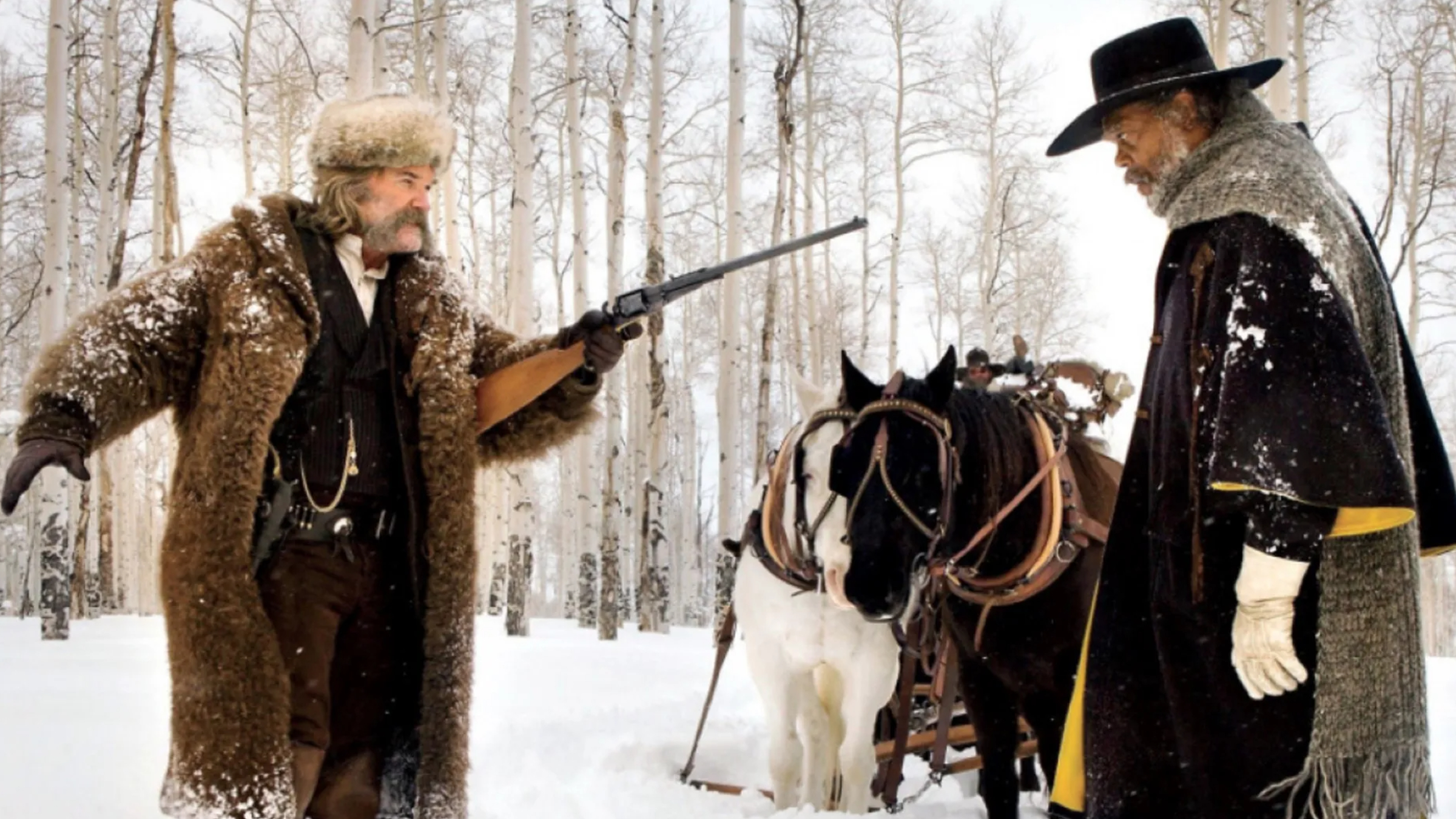
Although The Hateful Eight didn’t become as popular as some of Quentin Tarantino’s other films, some believe it’s secretly a reimagining of John Carpenter’s classic, The Thing. The movie swaps the sci-fi setting of The Thing for a Western one, but it shares a similar feeling of distrust and suspicion among a group of people trapped in a snowy, isolated place. Plus, the endings of both films have noticeable similarities, which adds weight to this idea.
7) Pulp Fiction & Reservoir Dogs Are Set On The Same Day
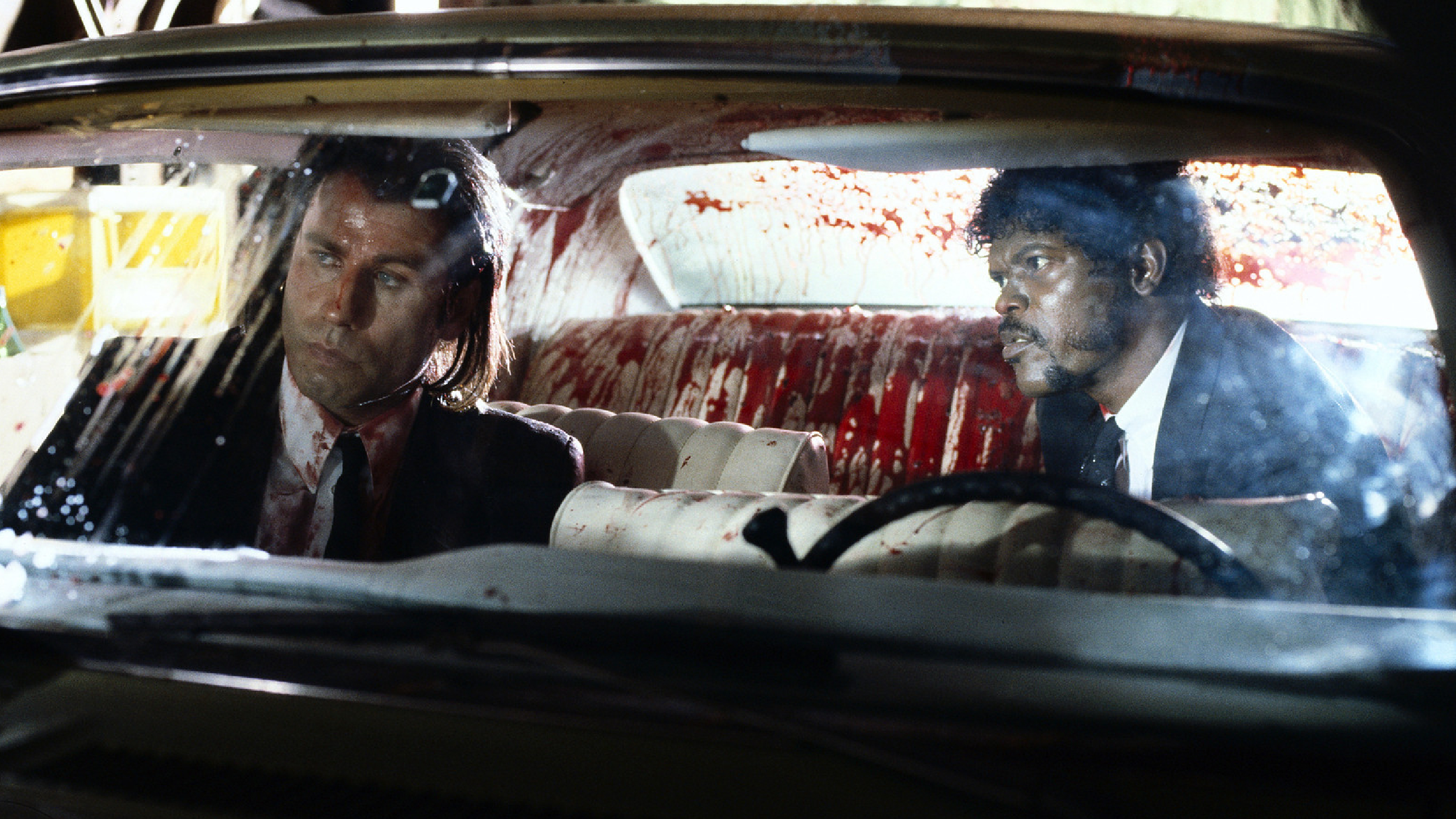
Quentin Tarantino’s films Reservoir Dogs and Pulp Fiction are often hailed as defining movies of the 1990s. An interesting theory suggests a hidden connection between them: that the events of both films actually happen on the same day. A key piece of evidence is a scene in Pulp Fiction where Vince and Jules drive around in a messy car without encountering any police. The idea is that the police were occupied with the heist depicted in Reservoir Dogs. While it’s a clever thought, it’s probably just a coincidence.
6) Marsellus Wallace’s Briefcase Contains His Soul
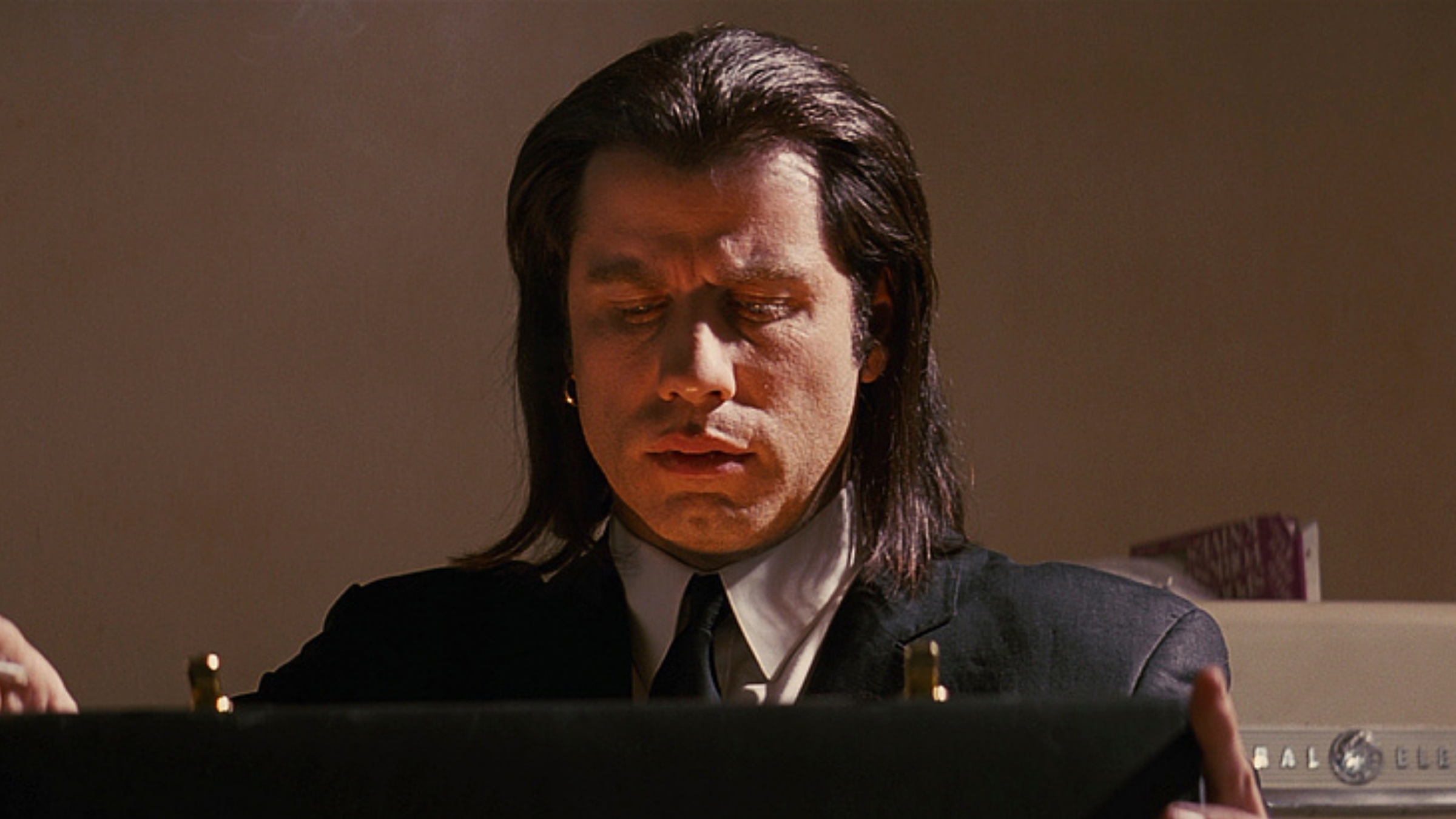
While many theories attempt to explain what’s inside the briefcase in Pulp Fiction, the idea that it holds Marsellus Wallace’s soul is particularly brilliant. Fans point to details like the marks on his neck and his 666 tattoo as possible evidence of a deal with the devil. Though it’s probably not the correct answer, it’s a remarkably clever and enduring theory, which is why it remains so popular.
5) Robert Rodriguez’s Movies Are Set In The Tarantino-Verse
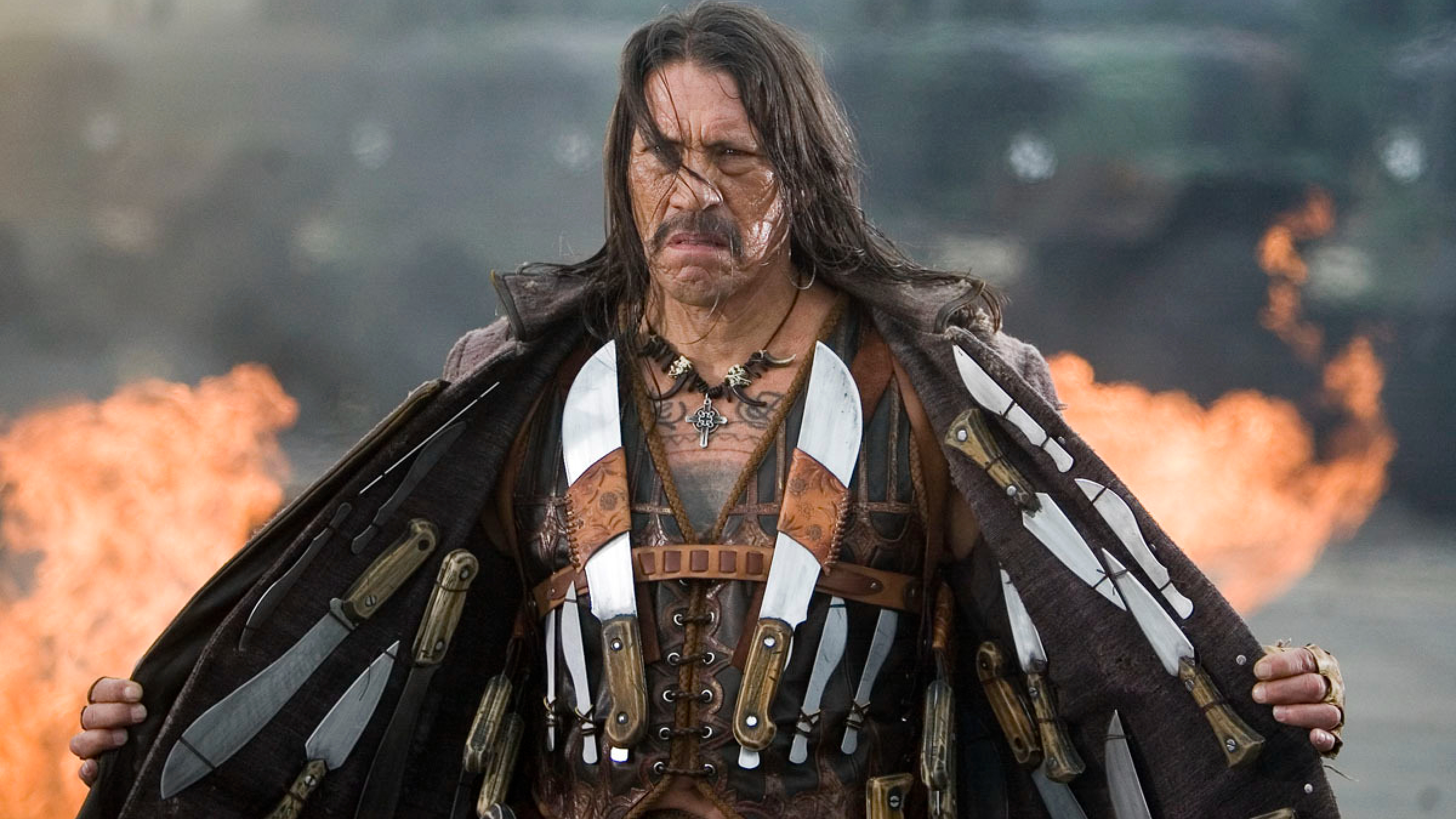
While Robert Rodriguez hasn’t reached the same level of success as Quentin Tarantino, the two directors often collaborate and their work frequently overlaps. A popular idea is that several of Rodriguez’s films, like ‘Machete,’ actually take place within the same fictional universe as some of Tarantino’s movies – including the movies within Tarantino’s movies. Shared actors and props appearing in both filmmakers’ work support this theory, and it makes sense given the similar, gritty, and violent style of many of their films.
4) The 3-Finger Gesture Wasn’t The Tell It Appeared To Be
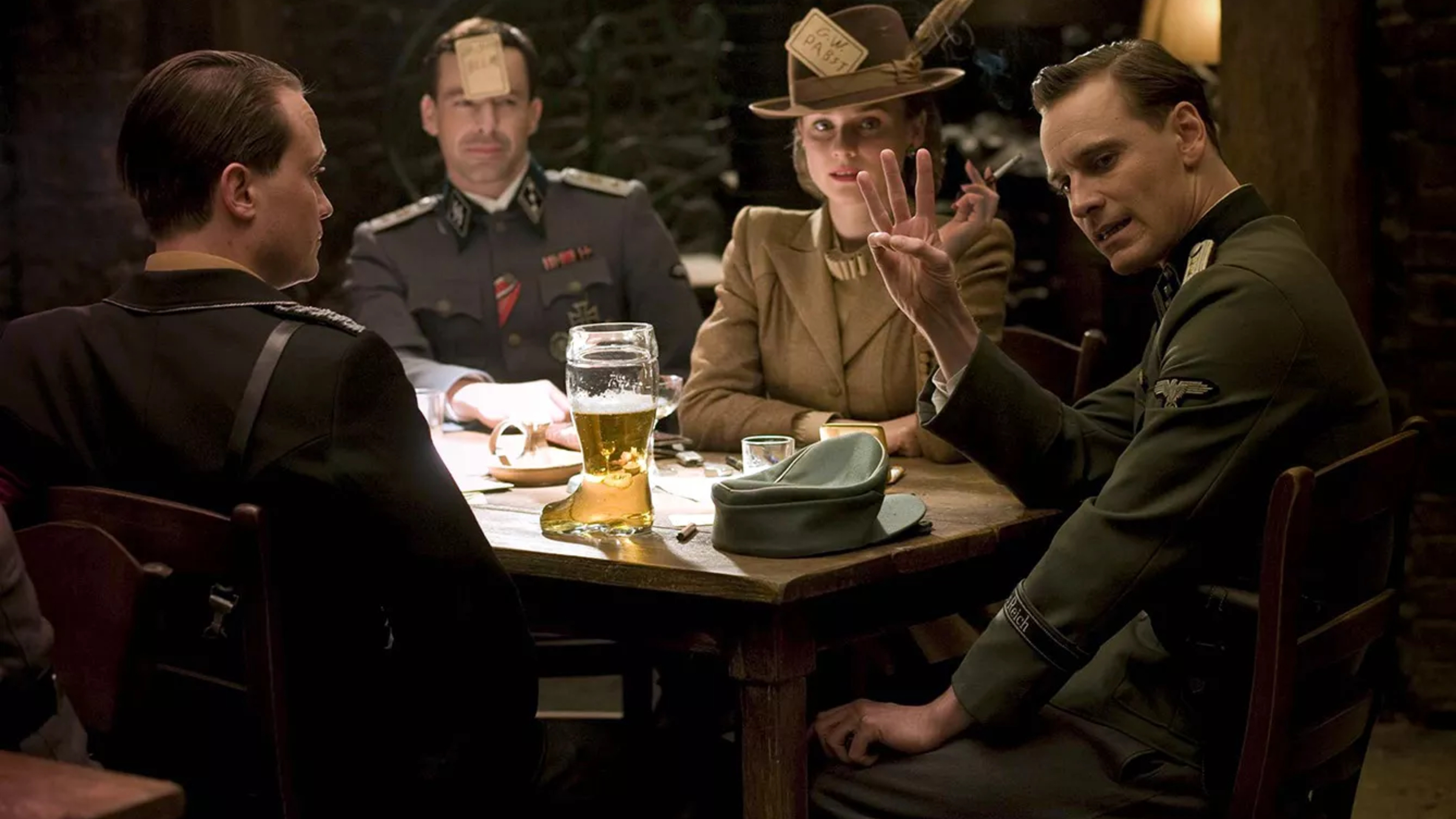
The moment when British spy Archie Hicox exposes himself to the Nazis is often considered a masterful scene, and his three-finger salute has become a symbol of a careless mistake leading to downfall. However, some believe the scene wasn’t what it seemed. This theory suggests that Major Hellström knew Hicox was a spy all along, but let him continue to incriminate himself before taking action. The salute was simply the final, revealing error that forced Hellström to act. While impossible to confirm, this explanation is both ingenious and convincing.
3) Bill Doesn’t Really Die In Kill Bill Vol. 2

Many fans have interesting theories about Quentin Tarantino’s Kill Bill, and one of the most compelling suggests Bill isn’t really dead. The idea is that Beatrix’s deadly Five Point Palm Exploding Heart Technique didn’t actually work, and Bill faked his death to let Beatrix take their child. Several subtle clues in the movie seem to support this, making it a very believable explanation.
2) Once Upon A Time In Hollywood’s Ending Is Cliff Booth Hallucinating
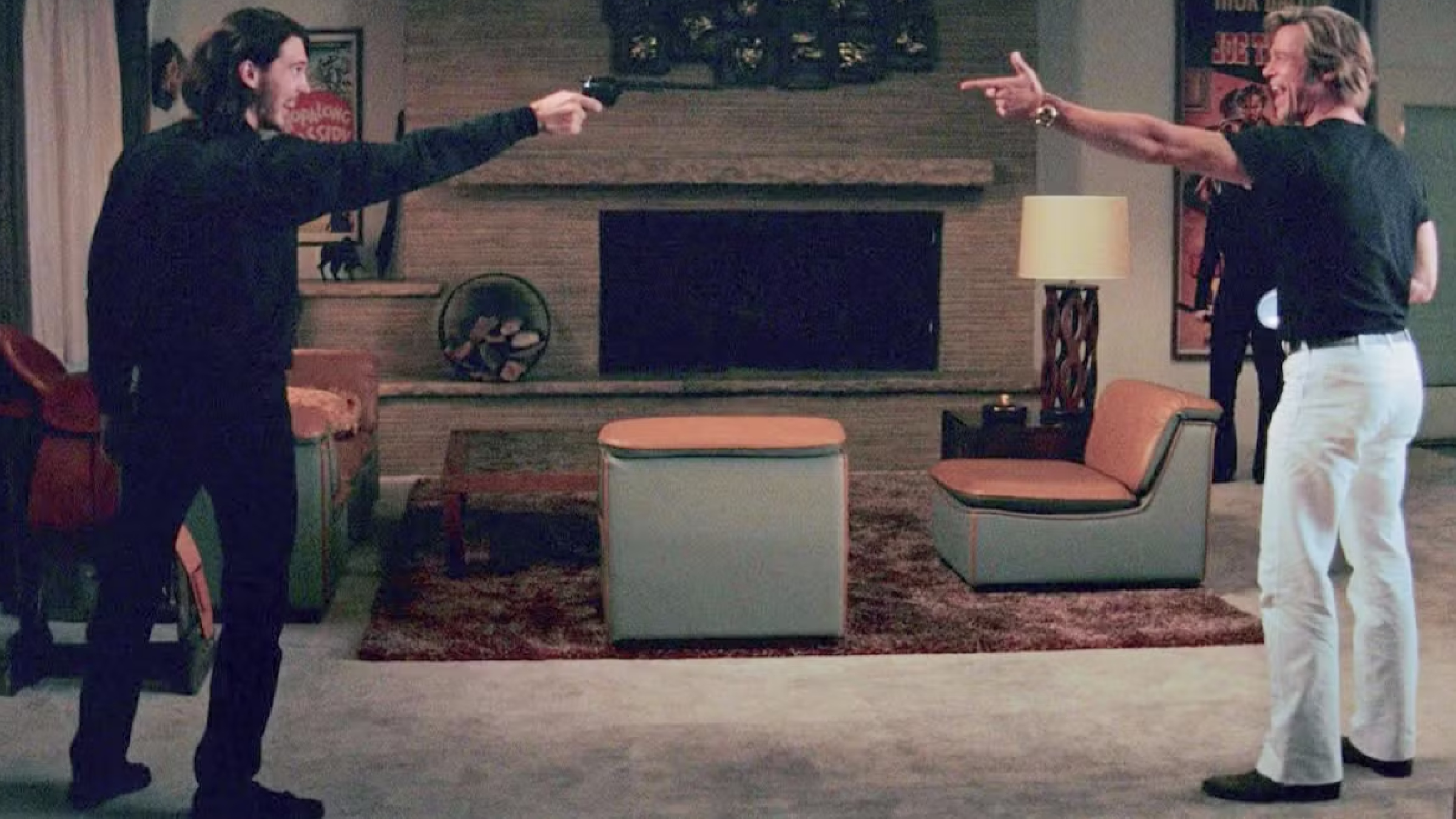
The conclusion of Quentin Tarantino’s Once Upon a Time in Hollywood perfectly showcases his signature style, but some viewers believe it might not be what it seems. One idea suggests that Cliff Booth was likely affected by hallucinogenic drugs before the movie’s climax, making him an untrustworthy storyteller. While it’s impossible to prove, this could explain the incredibly fortunate and improbable events that unfold, like his surprising strength and quick reflexes during the fight with the Manson followers.
1) Inglourious Basterds Establishes The Alternate Timeline Of Tarantino’s Universe

Quentin Tarantino has revealed that his films exist in two different types of universes: some are set in a hyper-realistic world he calls “Realer Than Real,” while others are movies within movies. A popular fan theory suggests that the ending of Inglourious Basterds – where Hitler dies and World War II ends early – creates an alternate history. This altered timeline, the theory goes, explains the high level of violence we see in films like Pulp Fiction and Reservoir Dogs. The idea is that a shorter, more brutal war led to a society less shocked by violence, making the events in those films believable. It’s a convincing theory, and difficult to disprove.
What do you think? Leave a comment below and join the conversation now in the ComicBook Forum!
Read More
- What Song Is In The New Supergirl Trailer (& What It Means For The DC Movie)
- Eurogamer Gives ARC Raiders 2/5 Over AI Voices, Dropping Metacritic Score from 94 to 84
- Gold Rate Forecast
- One of Hulu’s Best New Shows Lands on Disney+ Ahead of Season 2
- Kristen Bell Details “the Real Stuff” in Family Bond With Dax Shepard
- Homura Hime coming to Switch 2 in 2026
- Dolly Parton’s Husband Carl Dean’s Will Revealed After His Death
- Pokemon Go Unveils Precious Paths Season Details With New Masterwork Research, Pokemon Debuts & More
- Kena PS5 Studio Goes Full Circle with Bridge of Spirits Switch 2 Port
- Kylo Ren’s Darkest Moment: A Shocking Echo of Anakin’s Infamous Past
2026-02-21 00:15