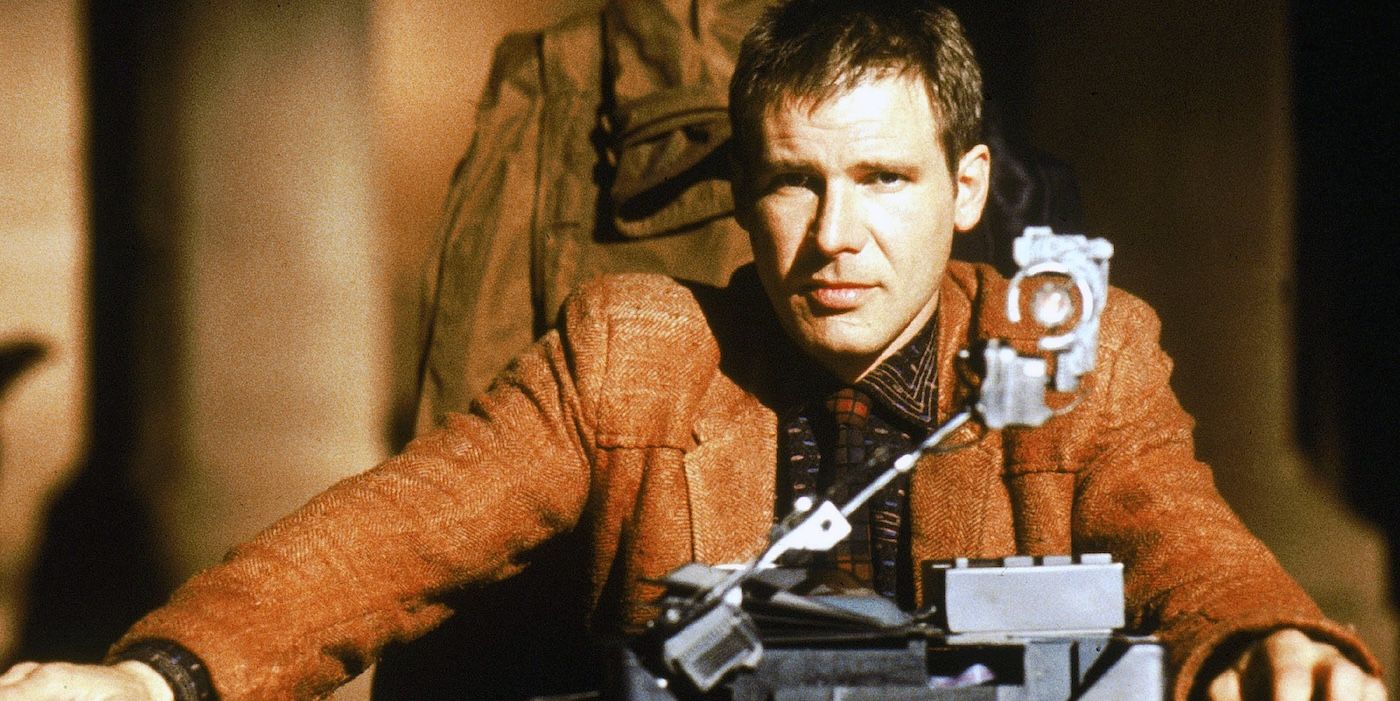
The 1980s gave us some truly unforgettable movies. Many things contribute to a film’s success – great acting, beautiful visuals, and compelling stories – but practical effects were especially important for making fantastic elements feel real. The ’80s were a period of real innovation in these effects, and many of the techniques developed then are still used today.
The 1980s saw a huge leap in special effects, particularly benefiting fantasy, sci-fi, and horror films. These movies were able to create visuals that felt more real and believable than ever before. Many directors today look back at this decade as a prime example of how to solve filmmaking challenges with practical effects, leading to a number of classic, visually impressive films.
Jim Henson’s Labyrinth Brought the Most out of Puppetry
Even before the 1986 film Labyrinth, Jim Henson and his Creature Shop had a reputation for creating imaginative worlds. Audiences had already seen hints of their skill in previous work. Labyrinth built on that foundation, taking their effects and puppetry to a new level. The movie is a fantastic showcase of the impressive practical effects used in 1980s filmmaking.
Like Jim Henson’s The Dark Crystal, Labyrinth used a mix of live actors and practical effects. Every creature Sarah encounters in the labyrinth was a real, physical creation – built, operated, and filmed on set. However, Labyrinth went further than Henson’s earlier work by giving the puppets and animatronics more realistic movement and a wider range of expressions, allowing them to convincingly interact with the human actors.
The Empire Strikes Back Set the Standard for the Decade
Released in 1980, Star Wars: The Empire Strikes Back is celebrated for its incredible practical effects and clever use of forced perspective. It proved that science fiction films could create a sense of enormous scale without relying on computer-generated imagery, and it became a benchmark for the decade.
The film is a stunning example of what’s possible with miniatures and stop-motion animation. The AT-AT walkers used were less than two feet tall and were filmed on a set covered in salt to look like they were walking through snow. Even after more than forty years, The Empire Strikes Back still feels incredibly vibrant and realistic compared to many films made today.
The Terminator Obliterated Its Budget Constraints with Creativity
Released in 1984, The Terminator succeeded by making audiences believe its central idea – that a robot could convincingly disguise itself as a human. All of the film’s special effects were created by Stan Winston and his team, who cleverly combined different techniques and practical stunts to create a more impactful experience than the film’s budget might suggest.
The futuristic war scenes and the tanker explosion were made using miniature models. For some shots of the T-800’s skeleton, filmmakers used stop-motion animation. They also built full-sized puppets for close-up shots. The result was a memorable and iconic sci-fi character that fans still love.
Ghostbusters Used Effects to Fit the Horror and Humor of the Film
The 1984 comedy classic Ghostbusters, featuring stars like Bill Murray, Dan Aykroyd, and the late Harold Ramis, needed special effects that were both funny and believable. Slimer, one of the film’s ghosts, perfectly illustrates this balance. He was brought to life using a combination of a performer in a costume and puppetry controlled by rods.
The Stay Puft Marshmallow Man is a hugely memorable character from 1980s movies. The actor Bill Bryan wore a special suit with parts inside that let him move a little. To make Stay Puft seem enormous, filmmakers built tiny city models for wide shots. Combining a real actor with visual effects helped make the funny scenes feel natural and believable.
John Carpenter’s The Thing is a Milestone in Horror Effects
As a huge movie fan, I still think John Carpenter’s The Thing is one of the greatest horror films ever made. It’s not just the unsettling, open-ended finale or the constant feeling of dread that makes it so special – the effects are a massive part of why it’s so highly regarded. Rob Bottin and his team created some truly incredible practical effects that still hold up today, and they were really pushing the boundaries of what was possible at the time.
One of the most iconic scenes in The Thing – where a character’s chest appears to come alive – relied on a clever illusion. The actor had both legs amputated, and the gruesome effect of teeth erupting from the chest was achieved using a realistic prosthetic body and robotic jaws controlled from a distance. This groundbreaking work by special effects artist Rob Bottin set a new benchmark for body horror in film, and its influence can still be seen in movies today.
James Cameron Takes Xenomorphs to a New Level in Aliens
James Cameron’s 1986 film Aliens is often hailed as one of the greatest sequels of all time. It was groundbreaking for its incredible practical effects, and Cameron once again collaborated with Stan Winston (from The Terminator) to bring those effects to life. Together, they created a massive animatronic alien queen – over 15 feet tall – that took two people to operate.
The famous facehuggers were brought to life using either mechanical parts or puppets controlled with sticks. The shocking chest-bursting moments involved realistic fake bodies made with latex. Building just one of these effects took months, and the smaller alien puppets needed constant repairs and careful teamwork to operate.
Who Framed Roger Rabbit? was a Landmark in Animation and Effects
The 1988 film Who Framed Roger Rabbit? was revolutionary in its combination of live actors and animation. To make the interaction between humans and cartoon characters look realistic, filmmakers used a clever technique: they built physical props representing the animated characters on set. Actors actually interacted with these props during filming, ensuring a believable final product where cartoon characters appeared to share the screen with live-action performers.
To make the cartoon characters interact with real-world objects, the filmmakers used a technique borrowed from stage magic – similar to how an ‘invisible man’ illusion is created. Like Frank Oz did on The Empire Strikes Back, they built the sets on platforms, letting puppeteers operate from underneath. Who Framed Roger Rabbit? is still celebrated today for seamlessly blending live-action footage, animation, and practical effects.
Ridley Scott’s Blade Runner is a Visually Stunning Example of Practical Effects
Ridley Scott’s 1982 film, Blade Runner, is famous for bringing the cyberpunk genre to life on the big screen. It created a memorable and immersive vision of a gloomy, futuristic Los Angeles, filled with rain and bright neon lights. The film’s stunning shots of this future city were created using detailed miniature models.
The city backdrop measured approximately 15 by 8 feet, and clever use of perspective made it seem much larger. Lighting played a huge role in capturing the look and feel of the classic film Blade Runner. The combination of smoke, haze, and bright neon lights created the movie’s famous, vibrant atmosphere. This film is a perfect example of how practical effects can powerfully shape a movie’s visual style.
Read More
- Gold Rate Forecast
- Hazbin Hotel Secretly Suggests Vox Helped Create One of the Most Infamous Cults in History
- Every Creepy Clown in American Horror Story Ranked
- 22 actors who were almost James Bond – and why they missed out on playing 007
- As Dougal and friends turn 60, Radio Times explores the magic behind The Magic Roundabout
- Best X-Men Movies (September 2025)
- Blue Protocol Star Resonance: Goblin Lair Dungeon Guide
- Jack Osbourne Shares Heartbreaking Tribute to Late Dad Ozzy Osbourne
- Arknights: Endfield – Everything You Need to Know Before You Jump In
- Everything We Know About Gen V Season 3 (& Why It’ll Be a Very Different Show)
2025-12-06 23:10