
Most directors don’t have complete control over the final version of a movie that audiences see. While it might seem frustrating for filmmakers, this is mainly to protect the money invested in the film. Studios, production companies, and distributors – those who financially support the movie – need to ensure it has the best chance of succeeding at the box office, and that decision needs to be a collaborative one, not left to the director alone.
Final cut – the ability to have the final say on how a film is edited – is very rare, and typically only granted to highly respected directors like James Cameron, Steven Spielberg, Martin Scorsese, Quentin Tarantino, and the Coen Brothers. However, even these directors don’t have complete control. Studios can step in and take over if a film goes over budget, runs too long, or takes too much time to make.
Sometimes, studio involvement in a film doesn’t cause any problems. But often, when studios try to change a director’s vision, the final movie suffers and isn’t what the director originally intended. This can lead to fans asking for the director’s cut, and occasionally, the studio will release the director’s original version, which is usually much better than the theatrical release.
8
‘Kingdom of Heaven’ (2005)
20th Century Fox
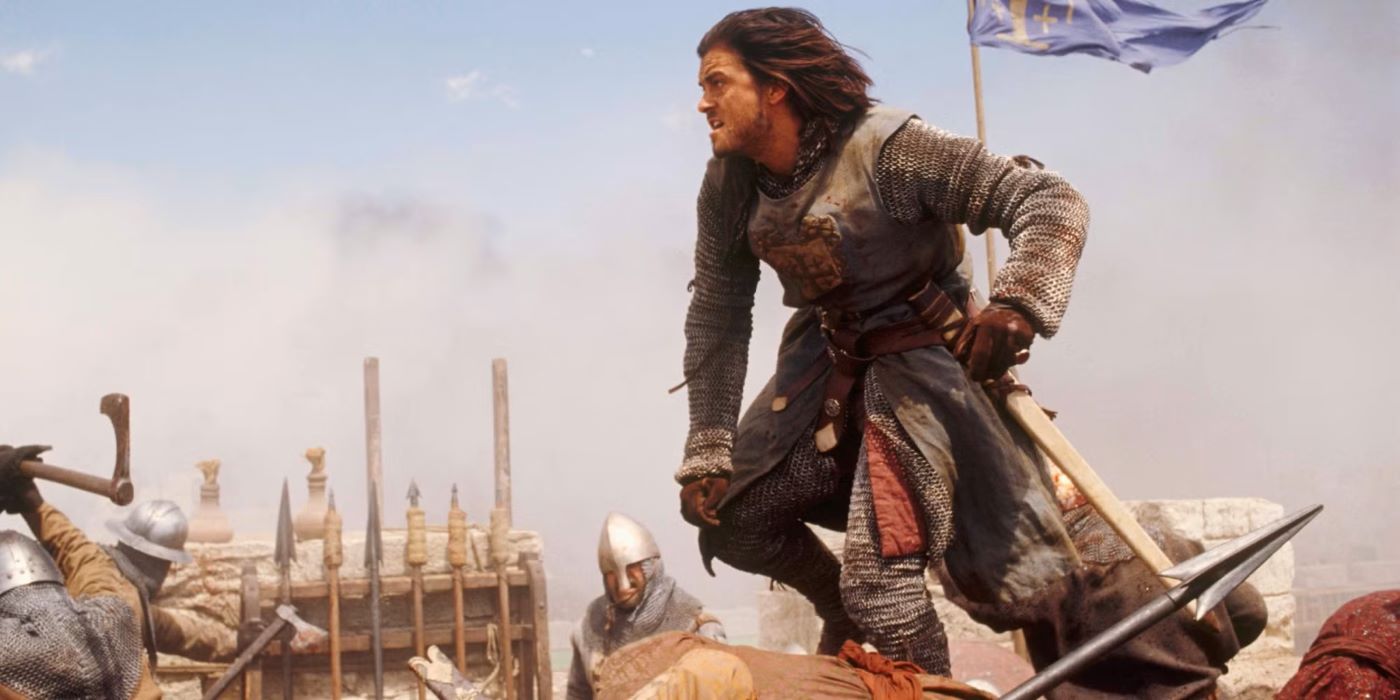
Kingdom of Heaven is a historical drama loosely based on the events surrounding the Third Crusade. In 1187, kings from France, England, and the Holy Roman Empire tried to take Jerusalem back from Saladin. The film centers on Balian of Ibelin (played by Orlando Bloom), a blacksmith who joins the crusade and struggles with the brutality and disorder he finds there.
Ridley Scott’s theatrical cut of Kingdom of Heaven looks and sounds fantastic, but the story itself feels disjointed. Like Gods of Egypt, the film clumsily handles religious themes, lacking the necessary background or nuance. This led some viewers upon its release to believe it unfairly portrayed Christians and favored Islamic extremism.
Scott wasn’t happy with the original theatrical release – he felt Fox had focused too much on what test audiences wanted. So, he created a director’s cut, adding back the 45 minutes that had been removed. This improved the character of Balian, making his transformation from blacksmith to warrior more believable. The result is a much more compelling and captivating historical drama from Scott that’s difficult to turn away from.
7
‘Brazil’ (1985)
Universal Pictures
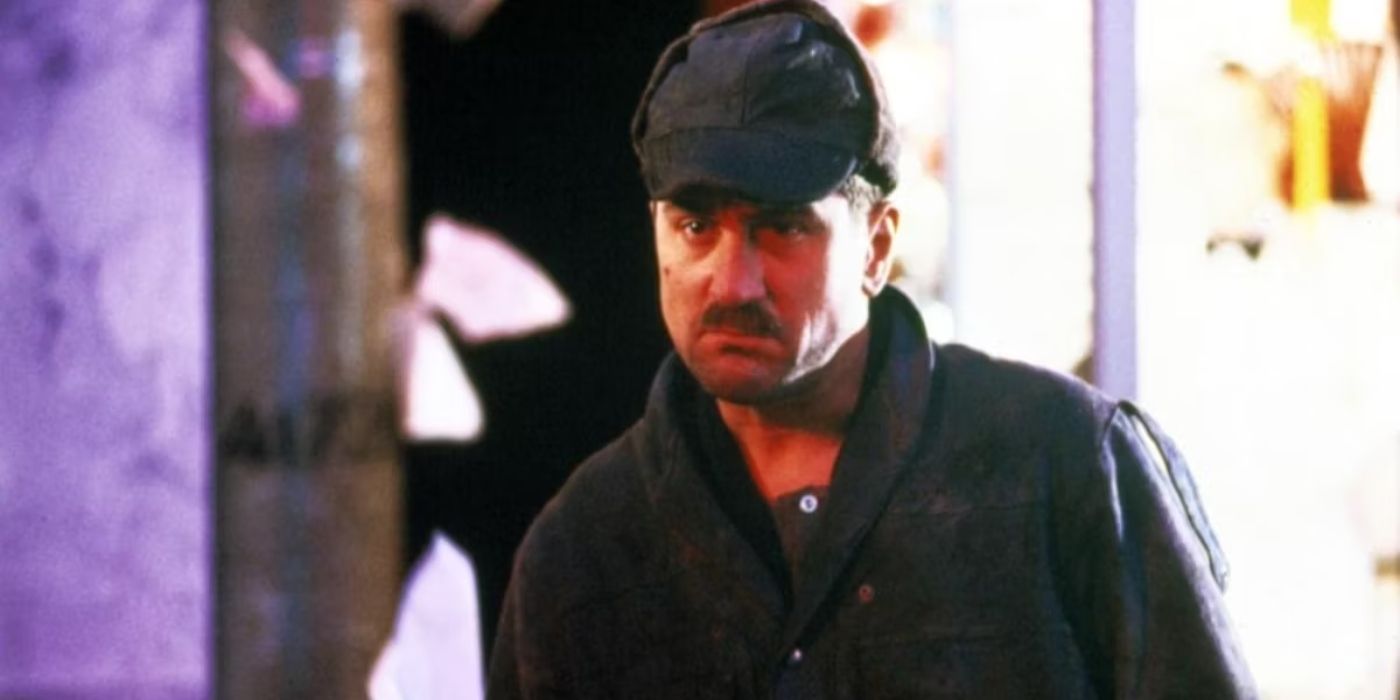
Terry Gilliam’s film, Brazil, isn’t actually about the country of Brazil. The title comes from the song “Aquarela do Brasil,” which appears throughout the movie. The film is set in a strangely outdated but futuristic world where people are overwhelmed by excessive government control and constant monitoring. The story follows Sam Lowry (Jonathan Pryce), a worker in the Information Department, whose simple mistake leads to the wrong man – an innocent citizen – being arrested in place of a suspected terrorist named Archibald Tuttle (Robert De Niro).
Brazil is a thought-provoking film that explores complex themes like technology, societal control, and corruption, all presented with a surreal and unsettling style. Scientists have commended the film for realistically portraying how technology can negatively impact society, but these nuances are most apparent in the director’s cut.
Terry Gilliam’s film sparked a major battle over its final form even before it hit theaters. Universal Pictures initially released a streamlined 94-minute cut, titled “Love Conquers All,” that removed a key, darker ending. This frustrated the director, who publicly protested and even took out an ad in Variety to voice his disapproval. He also secretly showed his preferred cut to film critics. Ultimately, it was his version that received critical acclaim and is now the most commonly available version of the movie.
6
‘Daredevil’ (2003)
20th Century Studios
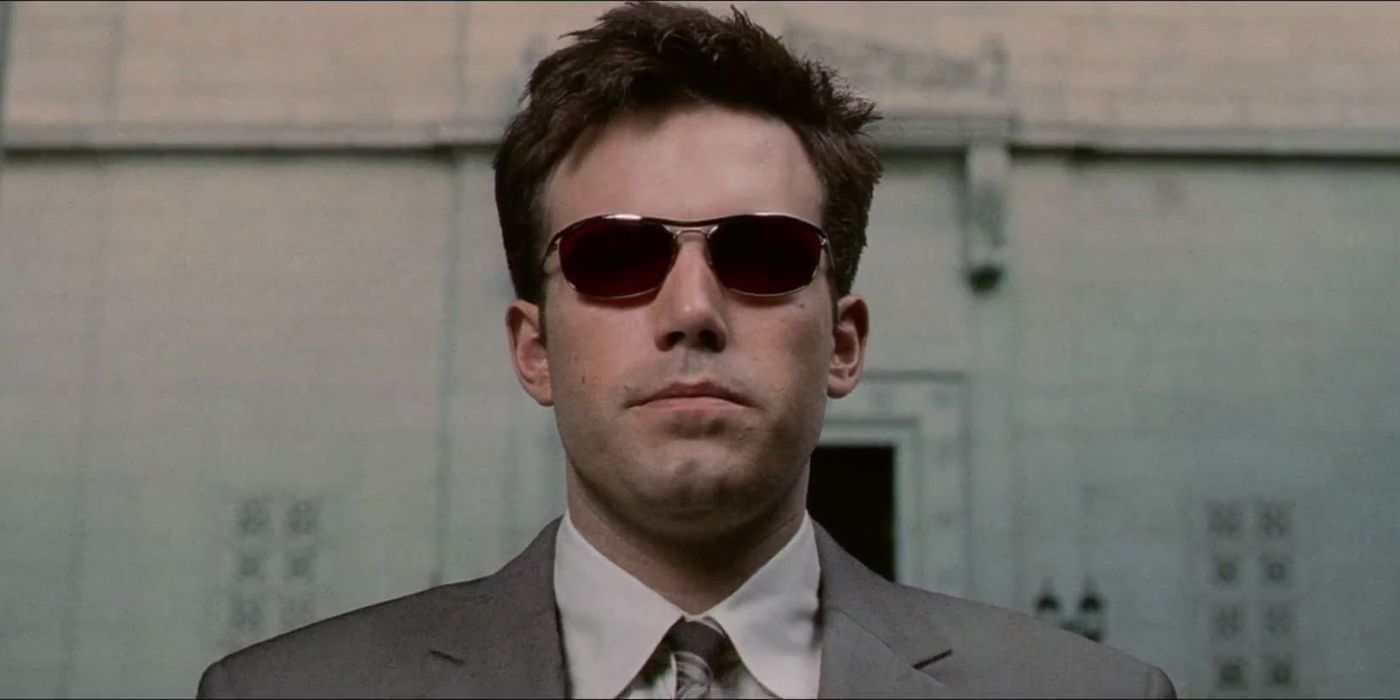
Before the popular Netflix series, the story of Daredevil first appeared on the big screen, starring Ben Affleck as Matt Murdock. Murdock is a blind lawyer who fights crime as the masked vigilante Daredevil, using his other senses to compensate. He works to improve his neighborhood, Hell’s Kitchen, through both legal means and direct action, all while navigating a romance with Elektra Natchios (Jennifer Garner). His main adversary is the powerful crime boss, Wilson Fisk, also known as Kingpin (Michael Clarke Duncan).
Mark Steven Johnson had previously demonstrated a talent for blending humor with realistic stories. Because of this, critics felt he didn’t quite succeed with the more serious tone of Daredevil. Ben Affleck’s performance also received criticism, and the film was heavily featured at the Golden Raspberry Awards (Razzies).
People’s views shifted when a director’s cut came out on DVD a year later. This longer version is more engaging, featuring new commentary and a fascinating storyline about a drug addict – played by rapper Coolio – who is accused of murdering someone working for the main villain. The director’s cut also has a darker, more violent feel, and spends less time on the romantic relationship.
5
‘Once Upon a Time in America’ (1984)
Warner Bros.
Sergio Leone’s last film, Once Upon a Time in America, tells the story of Noodles (Robert De Niro) and Max (James Woods), two Jewish gangsters who become notorious figures in New York City. The film is based on Harry Grey’s 1952 book, The Hoods, which draws from Grey’s own life experiences.
Let me tell you, when this film first hit theaters in its original 139-minute cut, it was a disaster. Critics – myself included – found it rambling and far too sappy. It flopped hard at the box office, earning just $5.5 million, and I heard whispers that this negative reception was a big reason the director walked away from Hollywood for good. It’s genuinely sad because he didn’t live to see the film finally get the praise it deserved; he passed away five years after its initial release. Thankfully, the director’s cut eventually found its audience and the recognition it truly deserved, but it took years.
This carefully rebuilt cut brings together all the strongest parts of the film, even the graphic violence. Leone shot an incredible 10 hours of footage, which surprised the studio. He initially edited it down to six hours and planned to release it as two separate movies, but the studio refused, citing the poor performance of Bernardo Bertolucci’s lengthy film, 1900. Even after Leone reduced the runtime to 229 minutes, the studio ultimately released a 139-minute version.
4
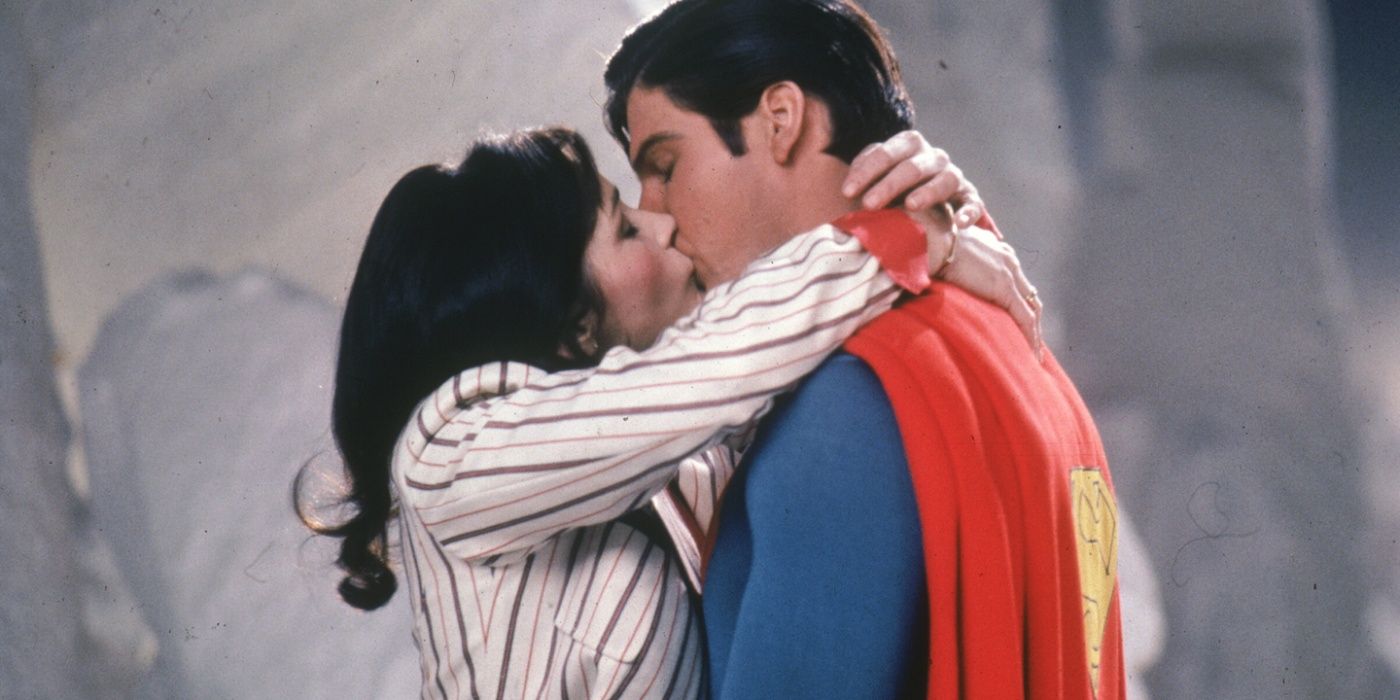
‘Superman II’ (1980)
Warner Bros.
It’s a familiar story: a superhero trying to live a normal life. In Superman II, that’s exactly what Clark Kent – Superman – wants with Lois Lane. Unfortunately, things don’t go as planned. A powerful enemy, General Zod, arrives on Earth with plans to reshape it into a new home, and to make matters worse, Lex Luthor is still causing trouble.
Those who loved the first Superman movie might find this one overly silly and exaggerated. While Terence Stamp is lively and fun as General Zod, he doesn’t quite match Gene Hackman’s iconic portrayal. The result is a film that feels incomplete. This is largely because Richard Donner, the original director, was let go after filming most of it, and someone else finished the project.
This situation is similar to the debates around Zack Snyder’s Justice League. Fortunately, the Donner Cut was released in 2006, edited by Michael Thau and with Richard Donner’s supervision. It quickly became essential viewing, offering substantial new footage and different scenes. Donner’s skillful direction of the action, his excellent timing and rhythm, and the smooth camera work all enhance this captivating DC film.
3
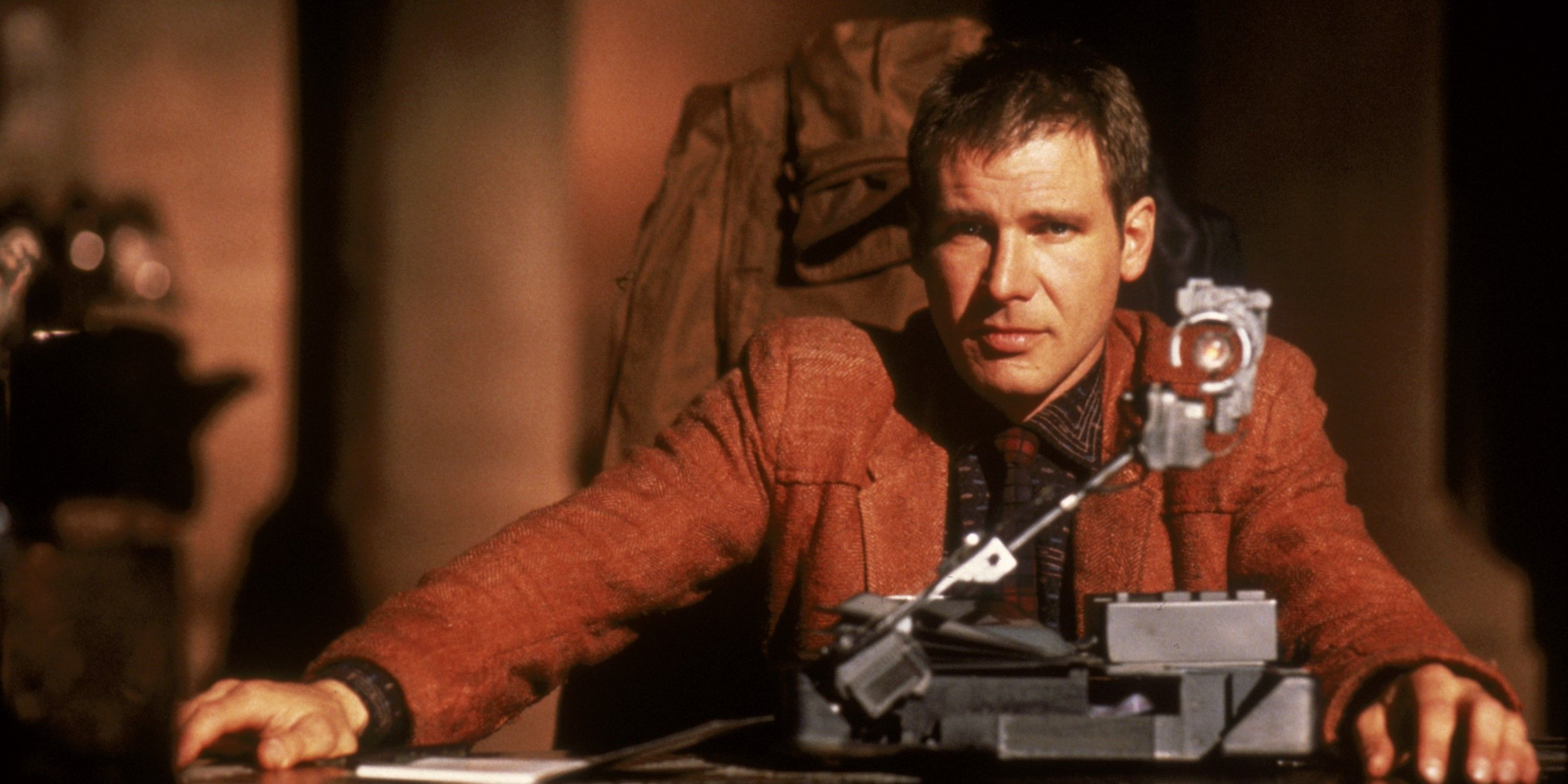
‘Blade Runner’ (1982)
Warner Bros.
Ridley Scott’s 1982 film, Blade Runner, imagined a dark future in the year 2019. The story depicts a world where artificial humans, called Replicants, have been outlawed and exiled from Earth after rebelling. The film follows Rick Deckard, a former police officer, as he’s tasked with hunting down four Replicants who have illegally returned.
Inspired by Philip K. Dick’s novel Do Androids Dream of Electric Sheep?, the film Blade Runner, starring Harrison Ford as Rick Deckard, delves into issues of oppressive control and our dependence on technology. When it was first released, critics were disappointed, finding the story overshadowed by its visuals and the pacing too slow for what was advertised as a fast-paced action movie.
Of all the films we’ve talked about, Ridley Scott’s sci-fi classic went through the biggest transformation. There are seven different cuts of the movie, largely due to many changes requested by the studio. Finally, in 2007, Warner Bros. released Scott’s preferred version, The Final Cut, which is the only one where he had full creative control. This version perfectly captures the essence of cyberpunk and is a must-see for any fan.
2
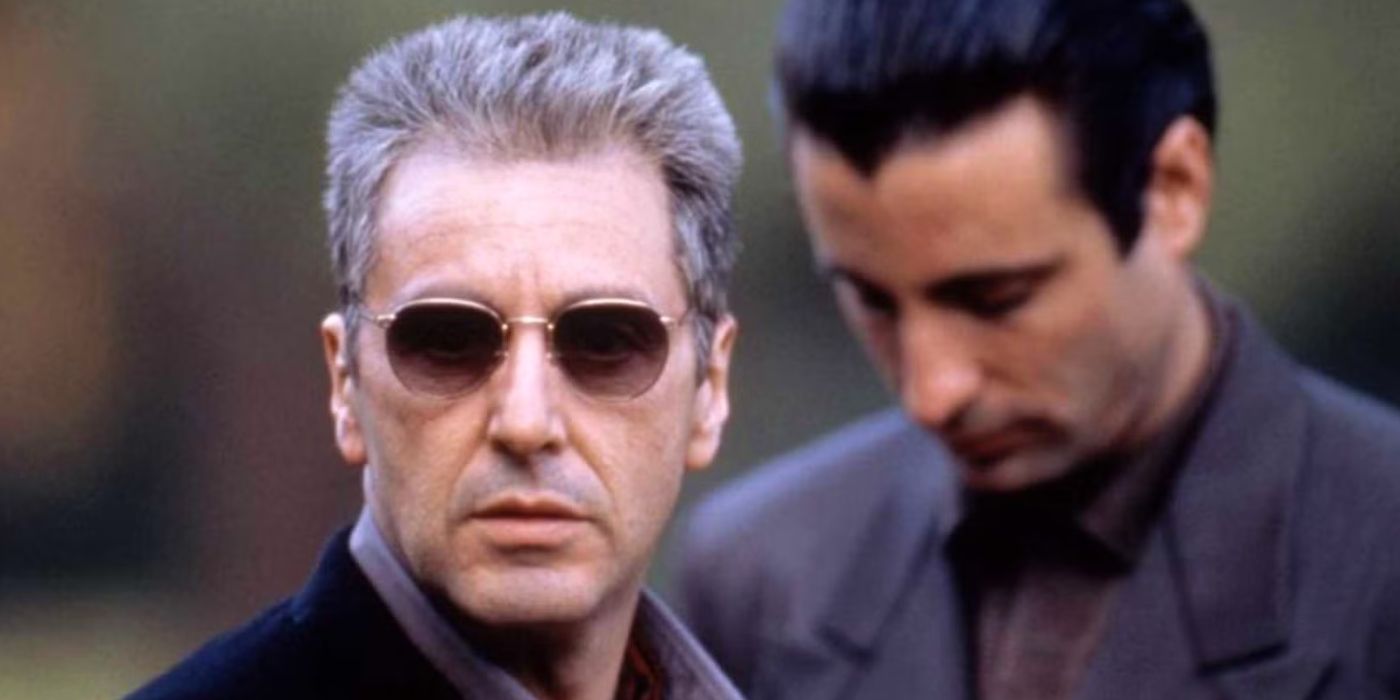
‘The Godfather Part III’ (1990)
Paramount Pictures
Eventually, every powerful criminal wants to leave that life behind, and that’s the central idea of The Godfather Part III. An older Michael Corleone (Al Pacino) tries to make his family’s business legitimate by working with the Vatican on a financial deal. However, his past catches up with him, and violence resurfaces, particularly with the arrival of his driven nephew, Vincent Mancini (Andy Garcia).
Many consider this the weakest film in the series, and its problems are very noticeable. Sofia Coppola’s acting is the only truly poor performance across all three movies, and the plot takes an odd turn towards a conspiracy thriller, moving away from the original gangster story.
In 2020, a revised version of The Godfather Part III, called The Godfather Coda: The Death of Michael Corleone, was released to mark the original film’s 30th anniversary. This new cut showcases Coppola’s skill more clearly. Staying true to the classic gangster movie style, the film is a consistently gripping and intense crime story. This director’s cut removes some of the original’s more emotional moments and rearranges scenes to build more suspense.
1
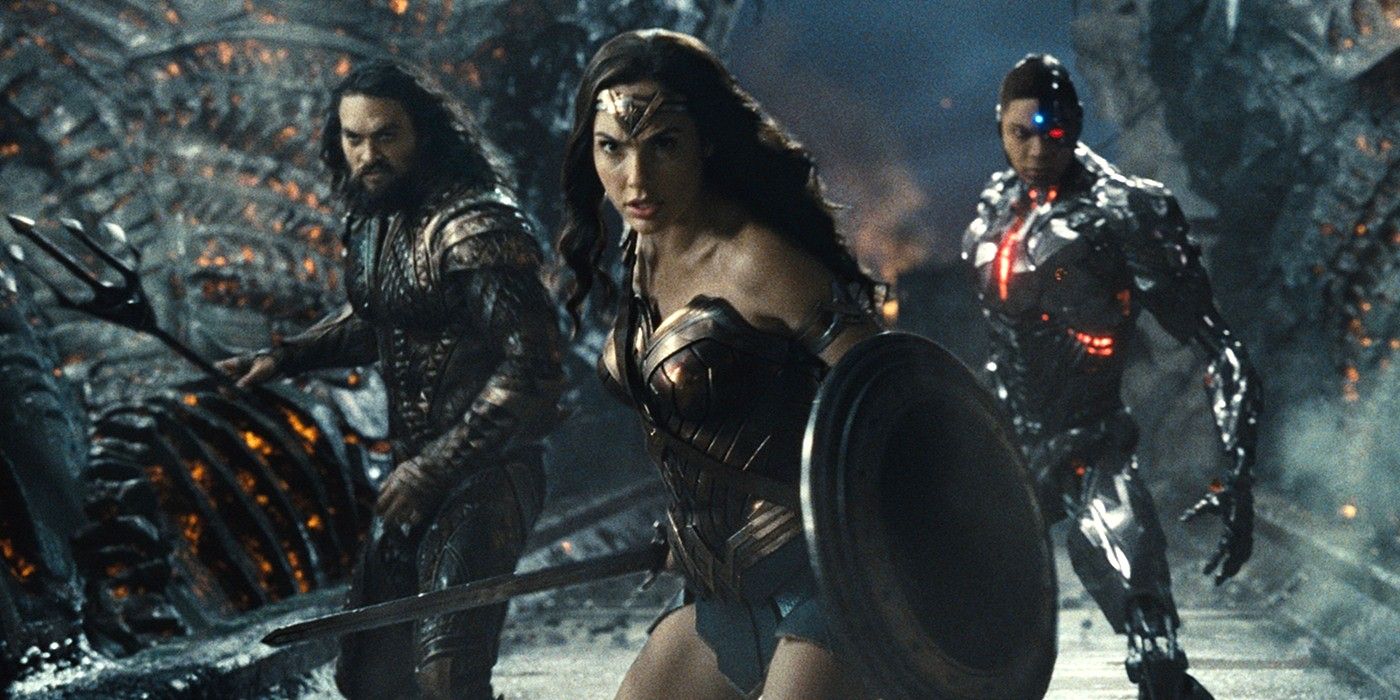
‘Justice League’ (2017)
Warner Bros. Pictures
The making of the DC movie Justice League was surprisingly troubled and could be a fascinating story on its own. Director Zack Snyder had to leave the project due to a family tragedy. Warner Bros. then hired Joss Whedon, hoping he could bring the same successful style he used on the first Avengers films. However, the results weren’t what they’d hoped for.
The movie Justice League had a lot of problems, from the noticeable digital removal of Henry Cavill’s mustache (he was growing it for another role in Mission Impossible) to weak jokes and poorly developed characters. This led to rumors about a “Snyder Cut” – a different version of the film – and fans quickly began demanding to see it.
Zack Snyder not only got to release his cut of the film, but an additional $70 million was invested in finishing it, including the music, special effects, and editing, with some new scenes added. The final version highlights the strengths of each hero, significantly improves Cyborg’s storyline, and features stunning visuals. The Joker even makes a cameo. Unfortunately, with James Gunn and Peter Safran now leading DC Studios, fans shouldn’t expect this story to continue.
Read More
- Gold Rate Forecast
- Dune 3 Gets the Huge Update Fans Have Been Waiting For
- Jack Osbourne Shares Heartbreaking Tribute to Late Dad Ozzy Osbourne
- 22 actors who were almost James Bond – and why they missed out on playing 007
- Hazbin Hotel Secretly Suggests Vox Helped Create One of the Most Infamous Cults in History
- Every Creepy Clown in American Horror Story Ranked
- As Dougal and friends turn 60, Radio Times explores the magic behind The Magic Roundabout
- Jason Statham’s Hit Creature Feature Is Heading to Streaming for Free
- Everything We Know About Gen V Season 3 (& Why It’ll Be a Very Different Show)
- Arknights: Endfield – Everything You Need to Know Before You Jump In
2025-12-11 23:06