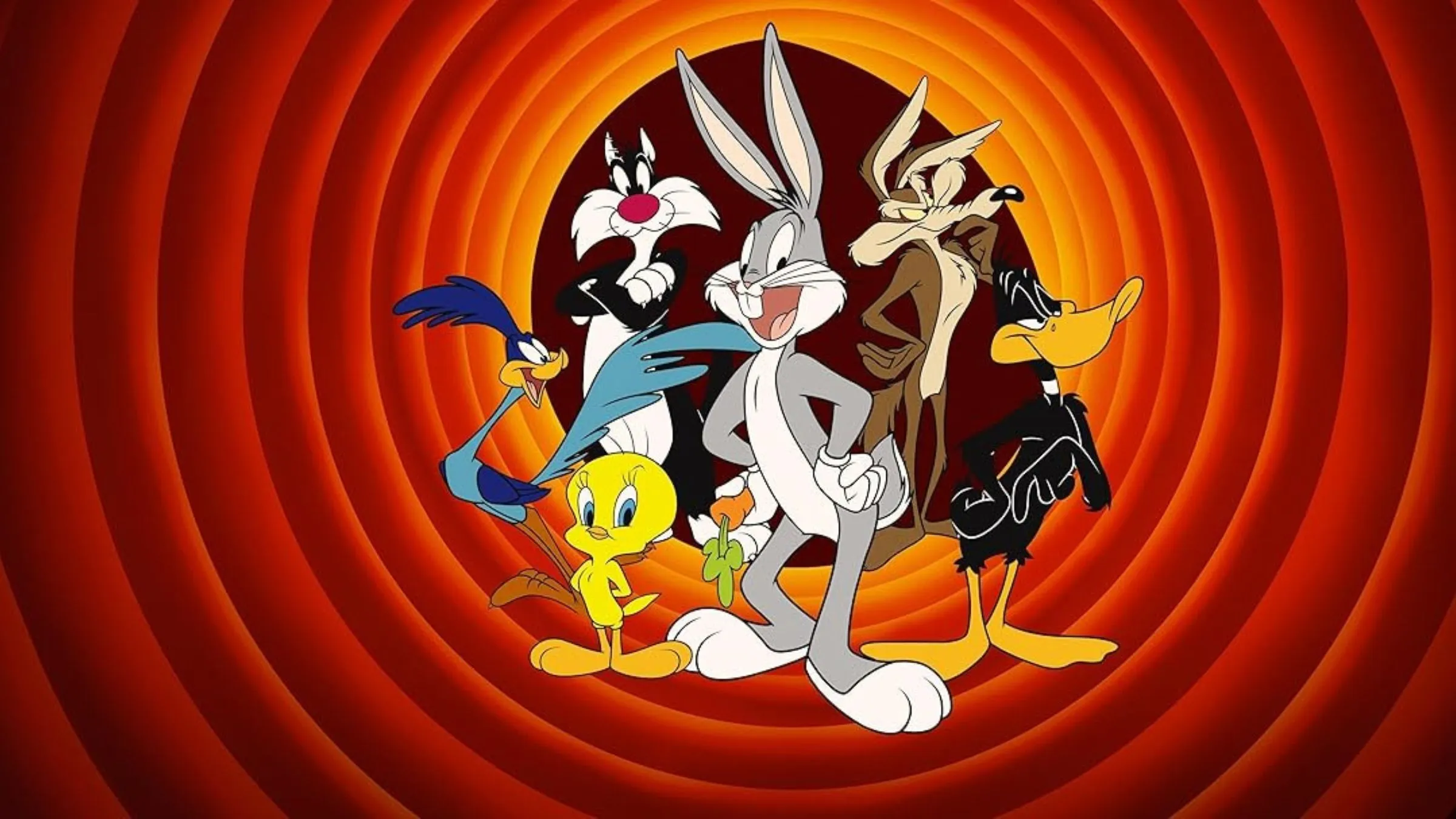
Starting in 1930 as a way for Warner Bros. to showcase its music, the Looney Tunes series grew into a major force in animation thanks to talented directors like Chuck Jones and Friz Freleng. They moved beyond simple musical shorts, creating characters with unique personalities and surprisingly complex feelings. Bugs Bunny and Daffy Duck became famous figures, and the series became known for its playful, often rebellious humor that appealed to both kids and adults. However, because the show ran for so long, some older cartoons now reflect outdated and problematic viewpoints. Social standards have changed, and certain characters and storylines feel very dated as a result. In particular, one character’s core idea is so flawed that many fans find him impossible to defend.
Pepé Le Pew, the lovestruck skunk, first appeared in theaters on January 6, 1945, in the short film Odor-able Kitty, directed by Jones. This cartoon established the basic formula for almost all of his future appearances: Pepé persistently pursues someone he thinks loves him back. While many of his cartoons featured a cat getting painted with a white stripe, the main storyline always focused on Pepé’s refusal to accept when someone doesn’t return his affections. He was originally created as a humorous take on the romantic French characters often portrayed by actors like Charles Boyer in classic Hollywood films. However, despite being intended as comedy, Pepé Le Pew’s behavior is now recognized as deeply problematic.
Pepé Le Pew Is Looney Tunes‘ Most Unfortunate Addition
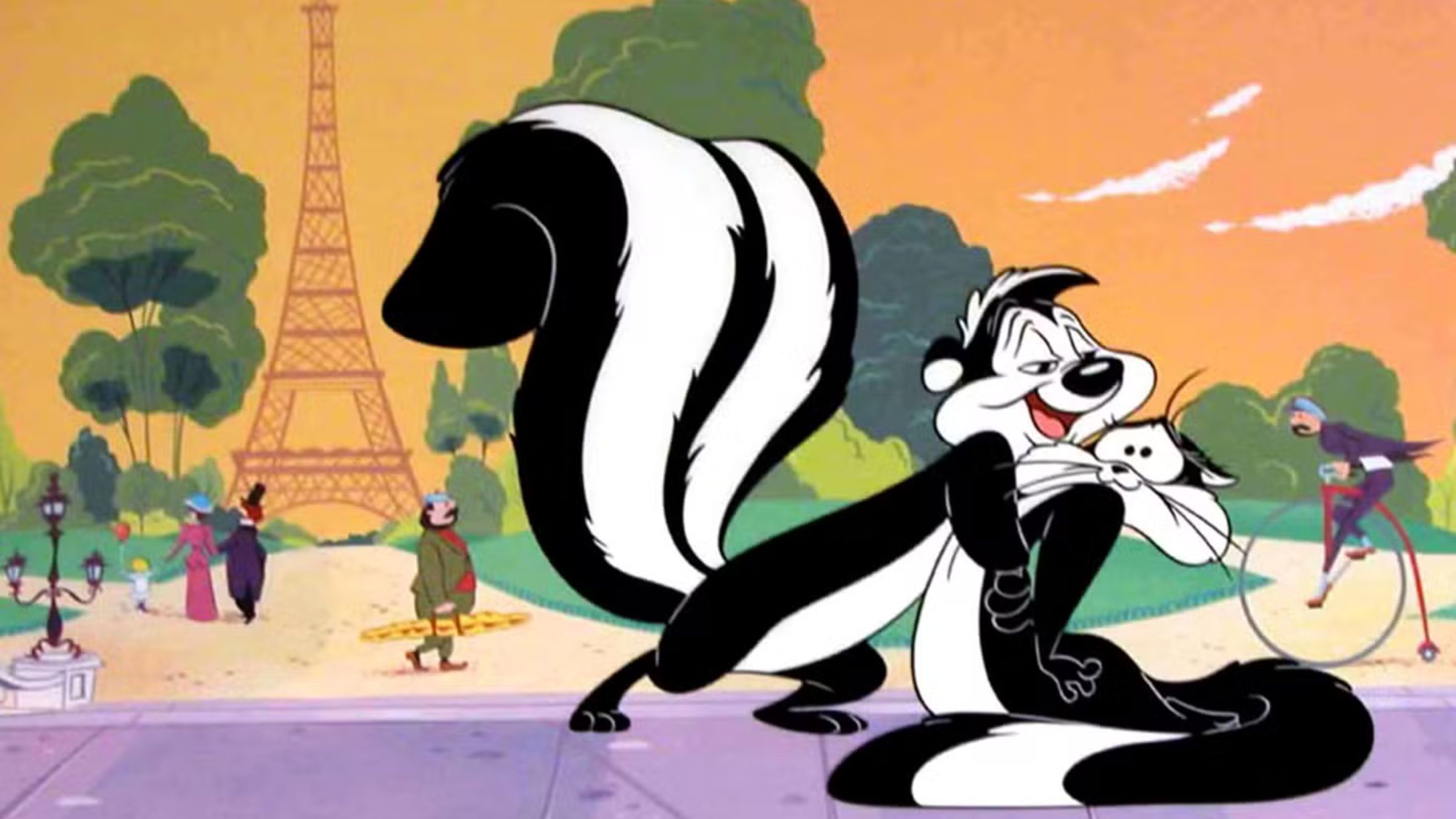
As a film buff, I’ve always loved the classic cartoons, but looking back at Pepé Le Pew, it’s hard to ignore a really problematic core. The whole joke with Pepé relies on him relentlessly pursuing Penelope Pussycat, and it’s not funny when you realize it’s basically about harassment. He’s always physically overpowering her, trapping her, and ignoring her clear ‘no’ – he just keeps trying to kiss her despite her struggling to get away. The cartoons present this as a silly romance, but that sends a terrible message – it implies that if someone keeps pushing, even without consent, they’ll eventually wear you down. What’s even more disturbing is that sometimes the cartoon actually has Penelope falling for him after all this, which reinforces this awful idea that persistence equals romance, even if it starts with unwanted advances. It’s a classic case of a cartoon aging badly and revealing some really uncomfortable truths.
In 2021, Warner Bros. removed the character Pepé Le Pew from the movie Space Jam: A New Legacy after a public outcry. People objected to how Pepé’s persistent and unwanted advances normalized harmful behavior and made light of sexual harassment. Unlike other Looney Tunes characters who sometimes relied on outdated stereotypes that could be addressed or explained, the core of Pepé Le Pew’s character is the harassment itself. You can’t fix the problem without fundamentally changing who he is, because his entire purpose is to aggressively pursue affection from those who reject him. This makes Pepé Le Pew a particularly problematic character compared to other classic cartoon icons.
What are your thoughts on Pepé Le Pew no longer appearing in Looney Tunes? Share your opinion in the comments and join the discussion on the ComicBook Forum!
https://comicbook.com/anime/news/looney-tunes-streaming-free-watch/embed/#
Read More
- Gold Rate Forecast
- Kelly Osbourne Slams “Disgusting” Comments on Her Appearance
- One of Hulu’s Best New Shows Lands on Disney+ Ahead of Season 2
- Hideo Kojima Says He Was Never Told About The Matrix Creators Wanting Him to Make a Game
- Guardians of the Globe Members We Want to See in Invincible Season 4
- What Song Is In The New Supergirl Trailer (& What It Means For The DC Movie)
- ’90s Cartoon Reboot & TMNT Connection!
- Dune 3 Gets the Huge Update Fans Have Been Waiting For
- The Most Iconic Kids Show of All Time Just Brought Brand New Episodes to Netflix
- Eurogamer Gives ARC Raiders 2/5 Over AI Voices, Dropping Metacritic Score from 94 to 84
2026-01-06 20:14