
The Resident Evil film series, notably the six-movie series led by Paul W.S. Anderson, occupies an unusual spot in the annals of video game adaptations. These films raked in enormous profits globally, amassing over a billion dollars and briefly holding the title for the highest-grossing movie franchise derived from a video game. However, for devotees of the original Capcom survival horror games, they frequently spark disappointment. The movies are notorious for veering away from the source material, emphasizing flashy action scenes over chilling horror ambiance and, most divisively, replacing the cherished protagonists with a new cinematic hero – Milla Jovovich’s Alice. This narrative shift meant that when characters from the games made appearances, their roles were frequently significantly reworked.
In the newer Resident Evil series, instead of being the main protagonists, characters like Jill Valentine, Chris Redfield, and Leon S. Kennedy took a backseat to Alice’s storyline. Their rich histories, character development, and key relationships from the games were often diminished or overlooked. Furthermore, villains lost their complexity, and heroes became less effective to keep Alice at the center. Even the 2021 reboot, Resident Evil: Welcome to Raccoon City, which aimed for a more accurate portrayal, found it challenging to balance its large cast effectively, combining the stories of two games into one movie. Consequently, many characters from the Resident Evil franchise have been criticized for their less-than-ideal adaptation to the big screen.
1) Carlos Oliveira

In the storyline of Resident Evil 3, Carlos Oliveira is a complex character – initially an Umbrella mercenary, yet his inherent goodness often overpowers his corporate loyalty. He initially comes across as a brash soldier, but his collaboration with Jill Valentine sees him evolve into a true hero, willing to sacrifice himself in a harrowing journey through a hospital overrun by zombies, in an attempt to find a vaccine to save her. This transformation, from a mere follower of orders to one taking a moral stand, imbues him with a depth that resonates with fans, making him a beloved character.
Apocalypse, consistently undermines his individuality by making him solely relevant to Alice’s survival. The most disrespectful moment comes when he sacrifices himself heroically in Extinction, but then is reintroduced as a series of mindless clones in Retribution, turning a character with honor and depth into expendable supporting characters. This transformation goes against the very essence of what made Carlos an appealing character to begin with.
2) Claire Redfield

Claire Redfield’s cinematic struggles can be attributed to a misinterpretation of her true beginnings. Unlike portrayed, Claire isn’t a battle-hardened soldier in her video game debut; instead, she’s a resilient college student on a mission to find her missing brother, Chris. Her allure lies in watching an ordinary individual transform into a fighter against unimaginable horrors. Her determination to protect others, particularly the young Sherry Birkin, forges her strength. The audience resonates with her because they witness her evolve into a hero live on screen, her bravery and compassion illuminating amidst fear.
In both movie versions, Claire’s transformative journey is bypassed, denying her the essential on-screen development. The Anderson movies depict Claire (Ali Larter) as an established leader of an armed desert convoy, already molded without any backstory. The 2021 reboot follows a contrasting but equally problematic approach, portraying Claire (Kaya Scodelario) as a paranoid conspiracy theorist, shaped by a distinct orphanage trauma rather than her evolution. Neither adaptation seems to believe in the audience’s ability to connect with her transformation; instead, they present pre-made characters that bear little resemblance to the original source material beyond a shared name and red jacket.
3) Chris Redfield

Chris Redfield is a character deeply rooted in history, often portrayed as a man burdened by decades-long combat against bioterrorism. From his harrowing encounters at the Spencer Mansion to his worldwide missions with the BSAA, he carries the weight of his past. His storied past, heated rivalry with Albert Wesker, and strong familial bond with Claire are the cornerstones that shape his character, positioning him as a pivotal figure in the franchise. Known for his iconic act of punching a boulder into a volcano due to sheer determination, he stands as one of the series’ key characters.
In the movies, Chris (portrayed by Wentworth Miller initially and later Robbie Amell), is shown without any notable past or heritage. First appearing in Resident Evil: Afterlife, he’s confined to a prison cell, instantly appearing weakened and overlooked like an old, forgotten artifact. His intense rivalry with Wesker is only briefly depicted in a lightweight fight scene, which lacks depth due to the two characters having no prior history together. The new portrayal of Chris in the reboot lacks substance too, presenting a bland soldier with no connection to his former significance. The films provided the uniform, but failed to give us a glimpse of the man wearing it.
4) Nemesis

In Resident Evil 3, the chilling terror of Nemesis stems from its uncanny inhumanity. As a single-purpose bio-weapon, Nemesis exists solely to pursue and eliminate its targets. With its relentless pursuit, cunning intelligence, and deadly arsenal including a rocket launcher, it generates an unparalleled and enduring sense of dread unlike many other video game antagonists. What makes Nemesis truly terrifying is that it’s not a living being with emotions or motives, but an unyielding, intelligent killing machine devoid of reason – it can only be evaded, not negotiated with.
In the movie “Resident Evil: Apocalypse,” the filmmakers unfortunately decided to humanize their antagonist, the Nemesis (played by Matthew G. Taylor), by giving it a past as a sympathetic character from the initial film, Matt Addison (Eric Mabius). This immediate shift took away the terror that the creature initially instilled and turned it into something less threatening. The decision to grant the monster feelings and even act against its programming to aid Alice was a significant misstep, showing a lack of understanding for what made the Nemesis effective. It’s an example of diminishing the fear by explaining the monster away, swapping genuine dread with a sentimental moment of cheap emotion.
5) Jill Valentine

In the original storyline, Jill Valentine is a highly skilled hero, and her mind control story arc in Resident Evil 5 creates an intense narrative that’s deeply rooted in her extensive history with Chris Redfield. This makes her rescue a vital and emotionally charged mission. For a brief while, the Anderson movies appeared to accurately portray Jill Valentine as seen in Resident Evil: Apocalypse. Actress Sienna Guillory perfectly embodied the elite S.T.A.R.S. operative from the games, who is well-loved by fans for her calm demeanor, unwavering determination, and indomitable spirit.
Instead of capitalizing on her promising introduction, her subsequent roles in the films have largely missed the mark, showcasing an untapped potential. After being absent for a while, Jill makes a comeback in “Resident Evil: Retribution,” portrayed as a mind-controlled minion, mirroring only superficially the game’s plotline. Her rescue seems more like a mere distraction in Alice’s story rather than a significant goal. Moreover, the new interpretation of Jill (played by Hannah John-Kamen) bears such a different personality that she is almost unrecognizable compared to her original character. Both iterations of the series have diminished one of gaming’s most formidable characters to a secondary role or minor detail.
6) Leon S. Kennedy
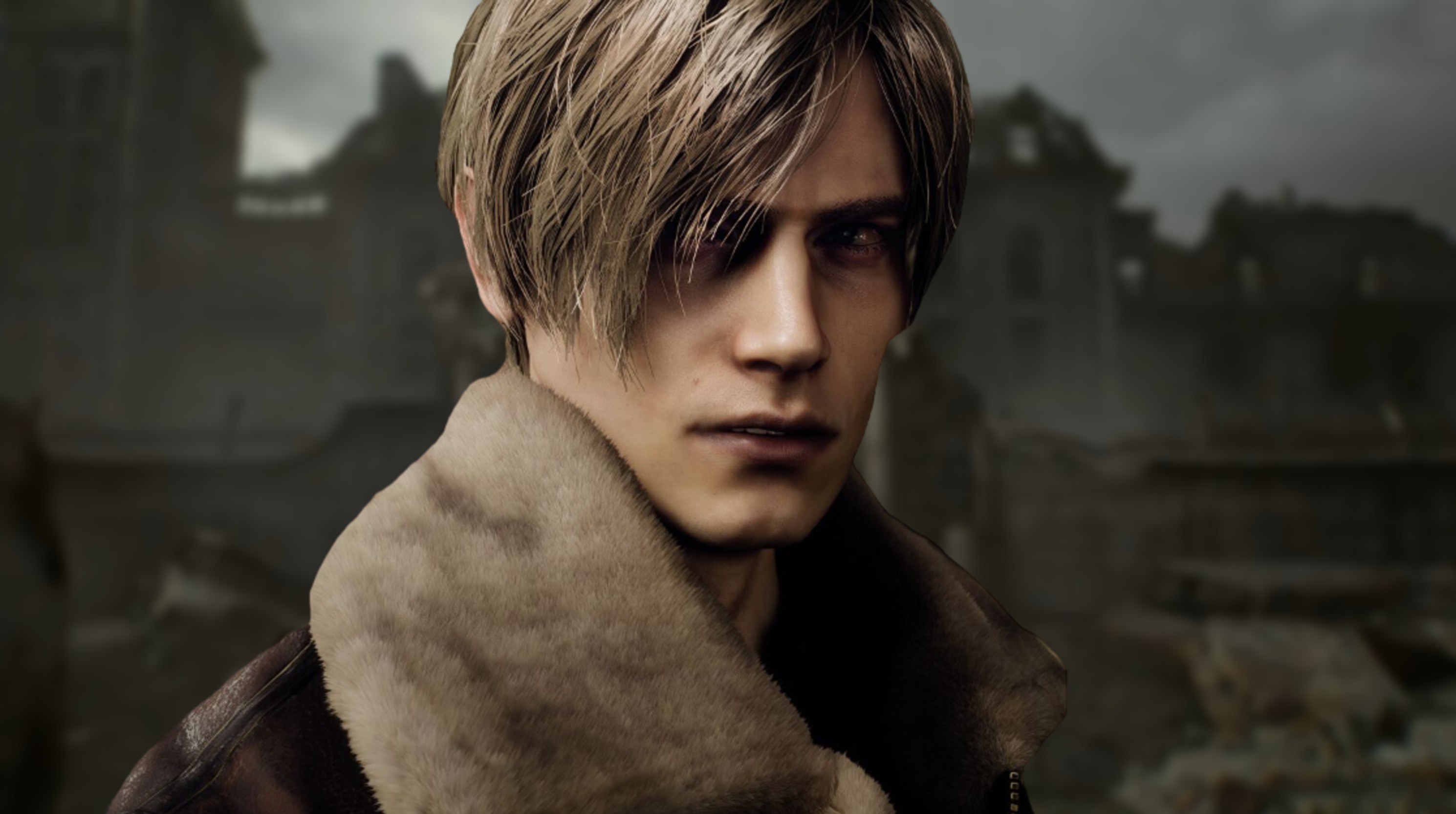
As a dedicated fan, I can’t help but marvel at Leon S. Kennedy’s transformative journey in the gaming world. From a green rookie cop on his inaugural day to a battle-hardened government agent, his character arc is nothing short of extraordinary. His character is a captivating blend of dry wit, unwavering professionalism, and an understated swagger that speaks volumes about a man who’s faced the depths of hell and emerged victorious. What sets Leon apart for many fans is the authenticity of his skill set; it feels hard-won, making him one of the most beloved characters in the franchise.
The film versions have unfortunately misrepresented Leon in two vastly different yet equally disappointing ways. The Anderson series presented Leon (played by Johann Urb) as more of a mannequin, lacking the charisma and individuality that define the character. On the other hand, the 2021 reboot transformed Leon (Avan Jogia) into an inept buffoon for comic relief, making him so ineffectual it’s surprising he makes it through the night. While one portrayal was devoid of substance, the other was a caricature, both falling short of doing justice to the renowned competence of the character from the games.
7) Albert Wesker
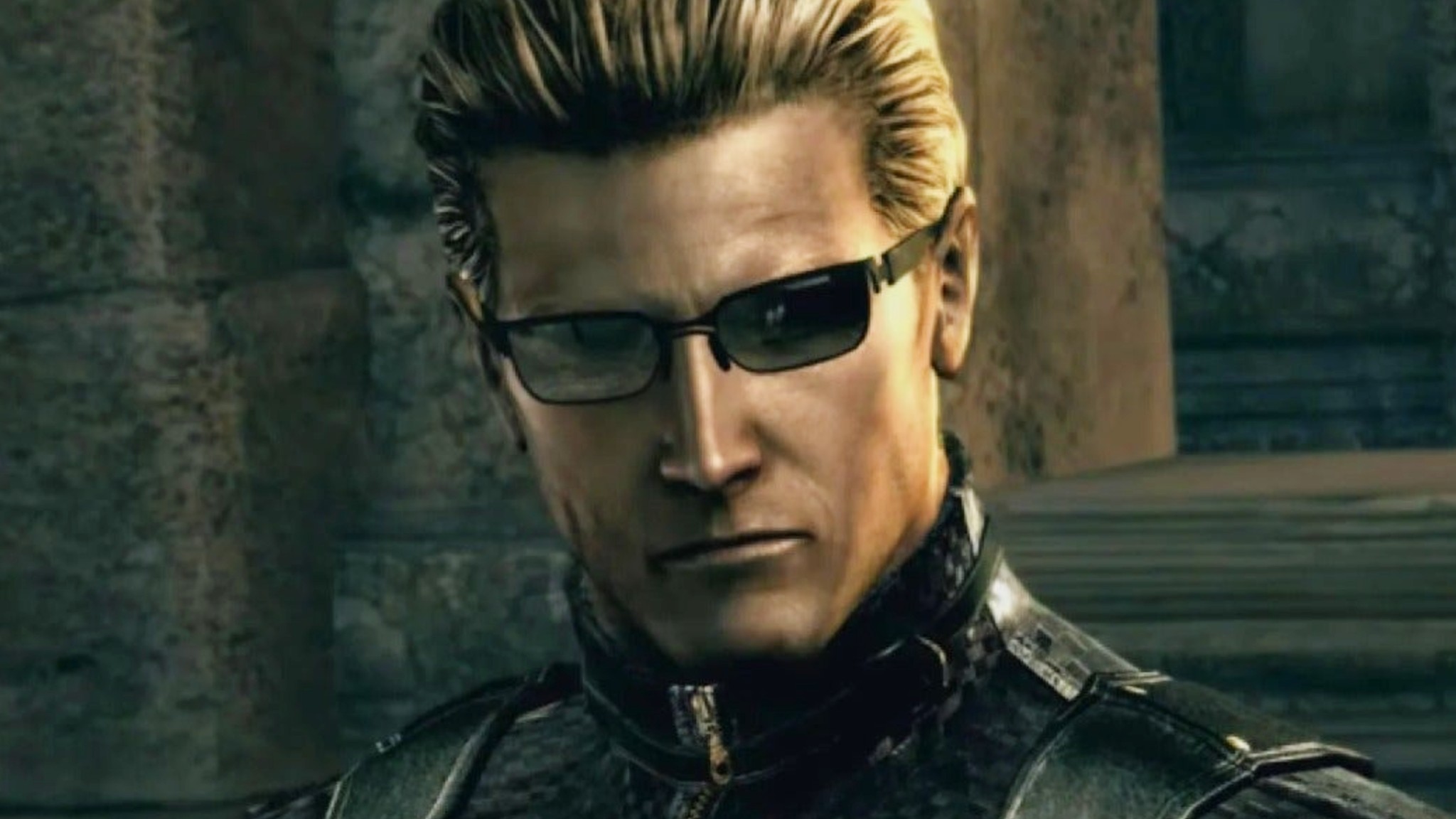
The storyline of the Resident Evil games revolves primarily around the impressive and egocentric character of Albert Wesker. He stands out as the main antagonist, a cunning, deceitful mastermind whose aspirations extend to reshaping the world according to his vision. From his initial act of betrayal to his transformation into a super-powered megalomaniac, Wesker’s captivating malice and personal animosity towards Chris Redfield establish him as an iconic adversary. Furthermore, his unyielding thirst for power serves as the primary catalyst, propelling the narrative forward for many years.
In the Anderson film series, surprisingly, the character Wesker is portrayed as an obedient subordinate rather than the power-hungry figure he was originally known for. Throughout the films, Wesker (portrayed by Jason O’Mara initially and later Shawn Roberts) functions as a corporate executive who follows commands, even from a computer program. This shift in characterization goes against Wesker’s fundamental desire for unwavering control. The reboot’s version of Wesker, played by Tom Hopper, takes this deviation further, presenting a simplistic police officer with minimal moral complexity and none of the original’s intensity or charisma.
Which character from the Resident Evil series would you like to have seen portrayed more effectively in the movies? Feel free to share your favorite choices in the comments below!
https://comicbook.com/gaming/news/resident-evil-villains-best/embed/#
Read More
- Trails in the Sky 2nd Chapter launches September 17
- Paradox codes (April 2026): Full list of codes and how to redeem them
- Crimson Desert’s Momentum Continues With 10 Incredible New Changes
- PRAGMATA ‘Eight’ trailer
- Pragmata Shows Off Even More Gorgeous RTX Path Tracing Ahead of Launch
- How Could We Forget About SOL Shogunate, the PS5 Action RPG About Samurai on the Moon?
- Hulu Just Added One of the Most Quotable Movies Ever Made (But It’s Sequel Is Impossible To Stream)
- Why is Tech Jacket gender-swapped in Invincible season 4 and who voices her?
- Dragon Quest Smash/Grow launches April 21
- Xbox Game Pass Users “Blown Away” by New Exclusive Game
2025-08-17 00:21