
In the year 2000, the movie X-Men introduced a world of superpowered characters immersed in human drama that resonated with audiences, taking a risk that proved to be incredibly profitable as it grossed over $296 million globally on a budget of just $75 million. The success of this film, combined with the intense action of the R-rated Blade (1998) starring Wesley Snipes and the phenomenal debut of Sam Raimi’s 2002 Spider-Man featuring Tobey Maguire, sparked the rise of the modern superhero movie era. For two decades, the X-Men series produced by Fox became a box office powerhouse, spanning thirteen films that collectively surpassed in length the Marvel Cinematic Universe up to that point. This ambitious, impactful, and often brilliant series established the benchmark for ensemble storytelling within the superhero genre.
The success of the X-Men series was largely rooted in its primary theme exploring the mistreatment of a minority group, which strongly resonated with viewers. Moreover, the casting choices were exceptional, particularly Patrick Stewart and Ian McKellen as Professor Charles Xavier and Magneto, adding depth to their roles, while Hugh Jackman’s portrayal of Wolverine, an unforgettable performance that cemented him as one of the most legendary figures in comic book adaptations.
The blend of deep themes and memorable character development enabled the X-Men movie series to weather creative setbacks and shifting audience preferences for twenty years. Regrettably, five years ago, on August 28, 2020, the longest-running Marvel franchise met its end not with a dramatic finish, but with the underwhelming and disappointing cinema debut of The New Mutants.
The Highs and Lows of Fox’s X-Men Franchise

The initial X-Men trilogy laid down a robust foundation for contemporary superhero group stories, yet it also highlighted the underlying creative inconsistency within the franchise. After the first movie’s triumph, X2: X-Men United refined the formula, offering a sequel that remains a notable milestone in the genre. However, this peak was swiftly followed by a creative rift. X-Men: The Last Stand, under new leadership, moved away from the intricate character development of its predecessors towards an overblown, hurried spectacle. By awkwardly incorporating an improperly handled “Dark Phoenix Saga” into a story about a mutant cure and callously dispatching key characters like Cyclops (James Marsden) with surprising disregard, the film showcased the franchise’s tendency to compromise narrative coherence for temporary box-office success-a trend that would persist.
Following the disappointing performances of “The Last Stand” and “X-Men Origins: Wolverine,” which were met with harsh criticism, the X-Men franchise was on the brink of collapse and required a major overhaul. This transformation was achieved by “X-Men: First Class,” which reinvigorated the series by focusing on its fundamental aspects, casting key roles with the captivating duo of James McAvoy as Professor X and Michael Fassbender as Magneto. The film’s 60s backdrop and emphasis on their philosophical struggle mirrored the essence of the initial films, and the subsequent movies peaked in popularity and praise with “X-Men: Days of Future Past.” This movie was not just a successful box office hit, but also served as a clever narrative tool, utilizing its time-travel storyline to explicitly undo the timeline of its least favored installments.
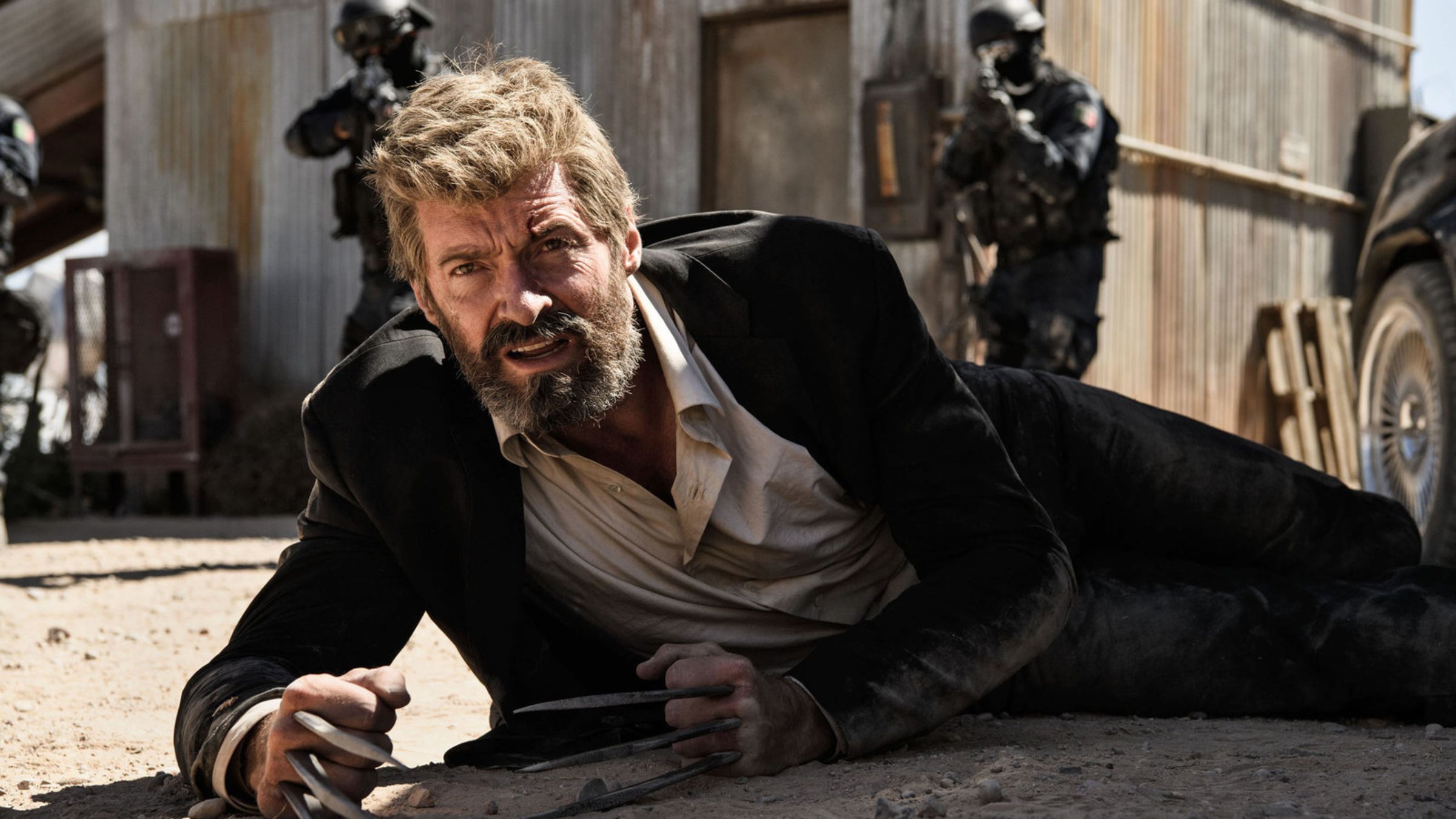
In time when the main series seemed to struggle once more, it was the groundbreaking productions on the outskirts of the franchise that truly sparkled. These triumphs underscored the brand’s potential when it embraced unique perspectives and creative freedom beyond the team-up format. For instance, the movie “Deadpool”, headlined by Ryan Reynolds, broke records and traditional genre boundaries with its adult-themed, self-referential humor. Two years after that, James Mangold’s “Logan” redefined the genre by presenting a brutally intense neo-western, which garnered an Academy Award nod for its screenplay. On the small screen, Noah Hawley’s “Legion” broke away from franchise continuity entirely, providing a mesmerizingly surreal psychological thriller that stands among the most innovative comic book adaptations ever produced.
This growing difference of approach eventually signaled the inevitable end of the main X-Men storyline. In stark contrast to the daring moves being made elsewhere, X-Men: Apocalypse turned out to be a repetitive CGI display, rehashing themes and conflicts that the series had previously handled more compellingly. The franchise’s downward spiral continued with Dark Phoenix, another poorly executed take on the famous storyline. This film was a critical and commercial disaster, underscoring the fact that the X-Men franchise had little left to offer. Surprisingly, even after the disastrous Dark Phoenix, another X-Men movie was still produced.
The Muted Finale of The New Mutants
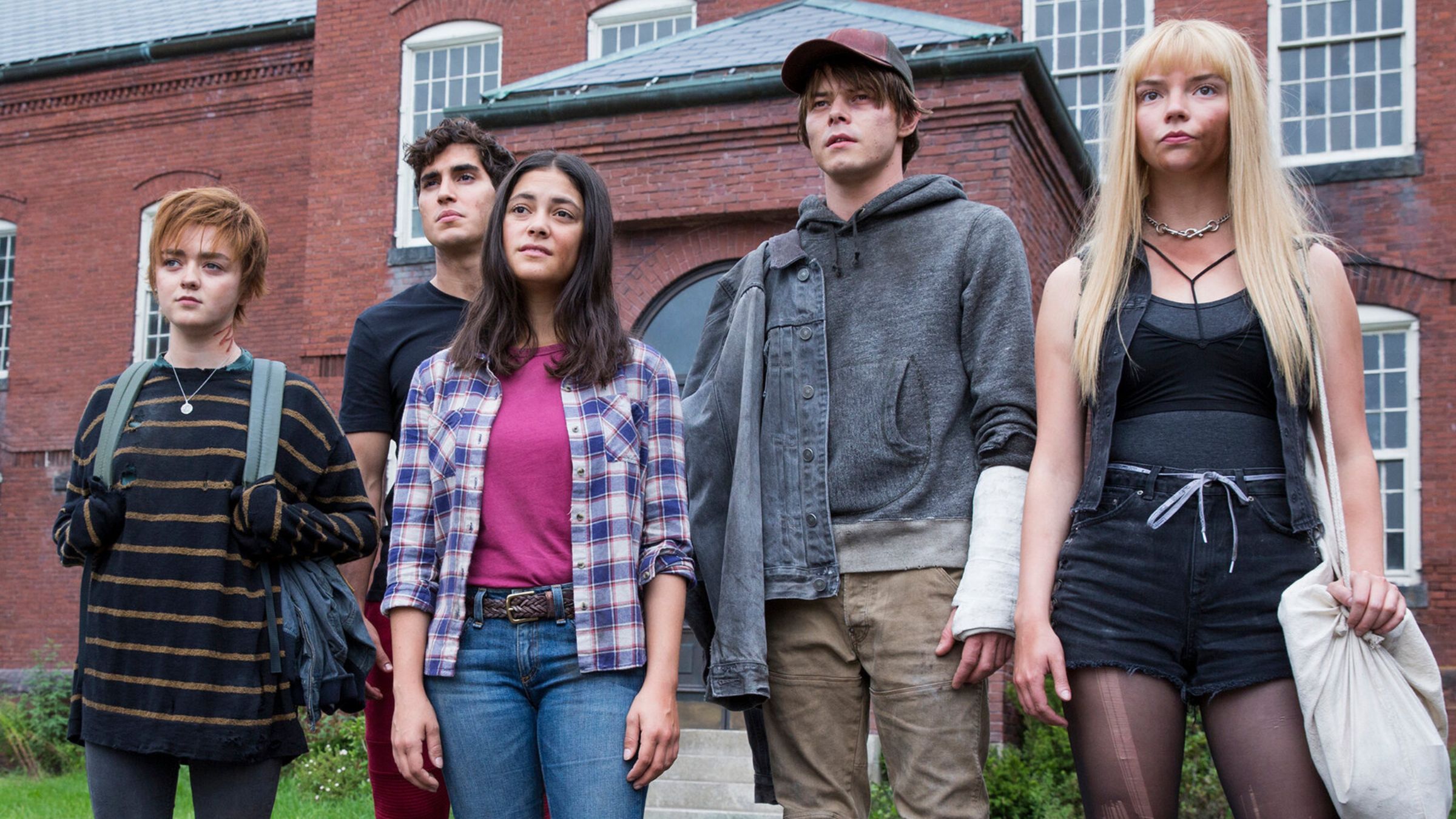
The New Mutants offered a unique twist to the superhero genre, with director Josh Boone positioning it as a chilling psychological horror tale nested within the X-Men universe. The story drew inspiration from one of the most acclaimed and distinctively toned comic book series, Chris Claremont and Bill Sienkiewicz’s “Demon Bear Saga,” celebrated for its dreamlike visuals and in-depth psychological analysis. The initial trailer, unveiled in 2017, strongly emphasized this theme, showcasing a tense thriller that garnered widespread attention and fueled anticipation for a movie unlike any other comic book adaptation to date.
The original plan for the release of the movie, initially set for April 2018, was significantly altered due to a prolonged and turbulent production process marked by studio indecision and corporate turmoil. Initially, Fox sought to make the horror film even more terrifying by requesting reshoots, but later shifted their demands to make it more accessible. Although reshoots were planned, they never took place, leaving the project in a confusing state, stuck between Boone’s original vision and an unfulfilled studio mandate. The uncertainty was further heightened by the Disney-Fox merger, which left The New Mutants as an abandoned production.
After a long wait until August 2020, when The New Mutants finally hit the screens, it became clear that the movie reflected its complicated production history. The end product was an unusual blend of teen drama, predictable superhero action, and underdeveloped horror aspects which fell short in all areas, not meeting any of its target expectations. To make matters worse, the truly chilling ideas from the “Demon Bear Saga” were watered down, leading to a movie that wasn’t scary enough for a horror film or thrilling enough for a superhero blockbuster.
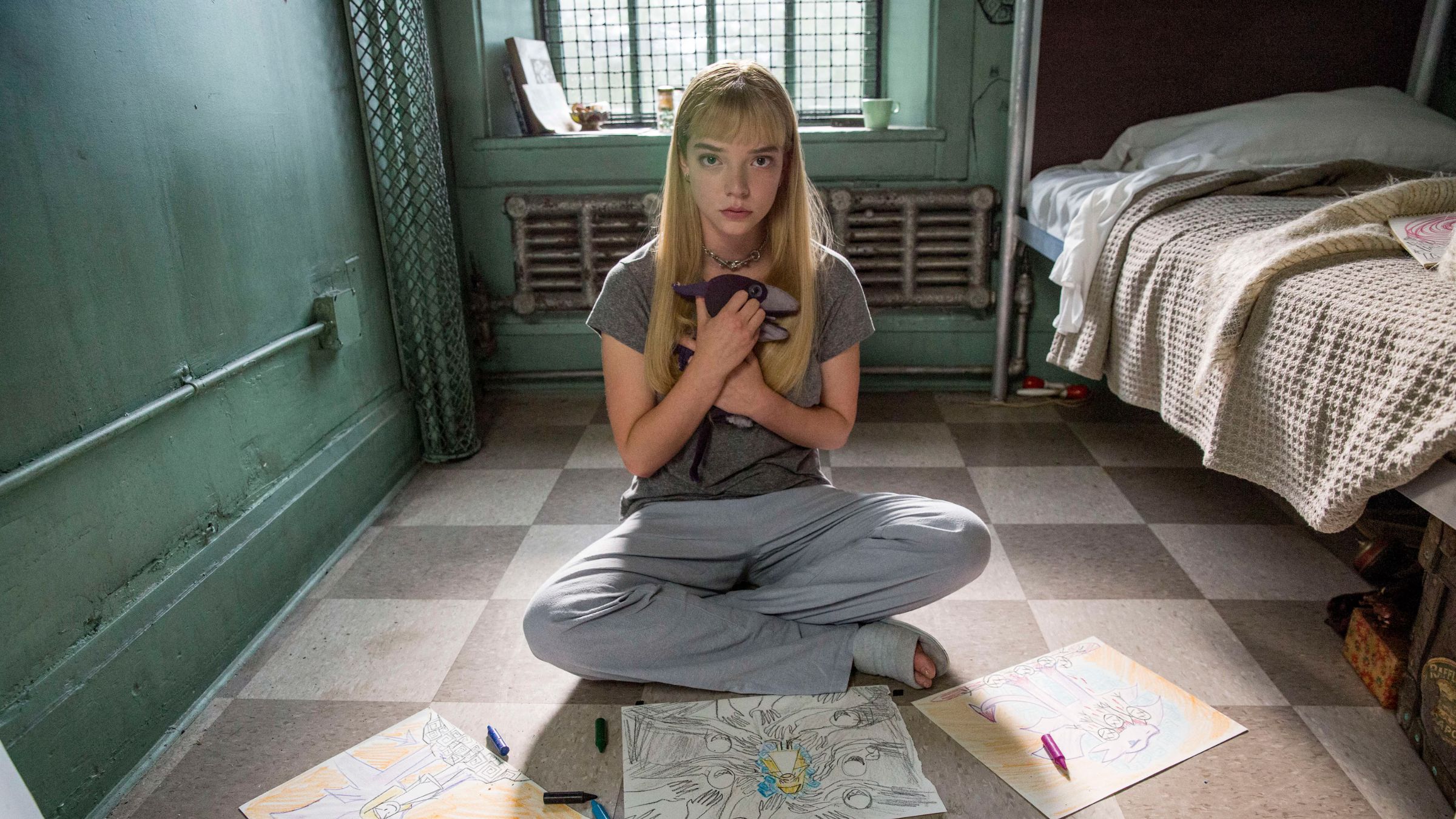
Disney’s choice to debut The New Mutants in theaters amidst a global pandemic proved to be the last straw for its success. With many theaters shut down and viewers staying at home, the film was destined to be a commercial disaster, pulling in just $49 million globally. This marked an extremely disappointing conclusion to a twenty-year cinematic journey that revolutionized Hollywood’s understanding of superhero productions.
Though the final chapter of the Fox X-Men series, ‘The New Mutants’, ended on a less than stellar note, the impact of that era continues to resonate strongly within the Marvel Cinematic Universe (MCU). This influence manifested in 2022’s ‘Doctor Strange in the Multiverse of Madness’, where Sir Patrick Stewart reprised his role as Professor Charles Xavier from an alternate Earth. Two years following this, ‘Deadpool & Wolverine’ hit the screens, marking a definitive connection between Fox’s ‘Deadpool’ films and the MCU by incorporating those characters and their continuity into one cohesive narrative.
The grand conclusion of this legacy unfolds in the upcoming “Avengers: Doomsday,” with news that actors from the original “X-Men” trilogy such as Stewart, McKellen, Marsden, and Alan Cumming will rejoin their emblematic roles. This move underscores the enduring significance of the “X-Men” franchise, as it stands as indisputable proof that a final film that fell short could not diminish its impact on cinema over two decades.
You can stream The New Mutants right now on Hulu.”
“Avengers: Doomsday is set to hit the screens on December 18th, 2026.
Share with us your favorite moment from the Fox X-Men series, and tell us which characters you’re thrilled about seeing again in the Marvel Cinematic Universe (MCU). Let’s chat below!
https://comicbook.com/movies/news/overpowered-x-men-could-break-mcu/embed/#
Read More
- Gold Rate Forecast
- Welcome to Demon School! Iruma-kun season 4 release schedule: When are new episodes on Crunchyroll?
- Nintendo Switch 2 Reportedly Getting Remake of One of the Best PS3 and Xbox 360 Games
- 10 Movies That Were Banned in Different Countries For Random Reasons
- 9 Great Supernatural Characters Everyone Forgot About
- Crunchyroll Confirms New Isekai Anime Releases for 2026 and Beyond (With Major Returns)
- Michael Jackson Biopic’s Record-Breaking Debut Unseats 2026’s Biggest Box Office Hit On U.S. Chart
- Crimson Desert Guide – How To Unlock All Elemental Skills
- Taylor Sheridan’s Gritty 5-Part Crime Show Reveals New Final Season Villain
- All 61 Episodes 90s Cult Classic Sci-Fi TV Show That Was Famously Canceled Twice Were Just Added to Tubi
2025-08-25 16:12