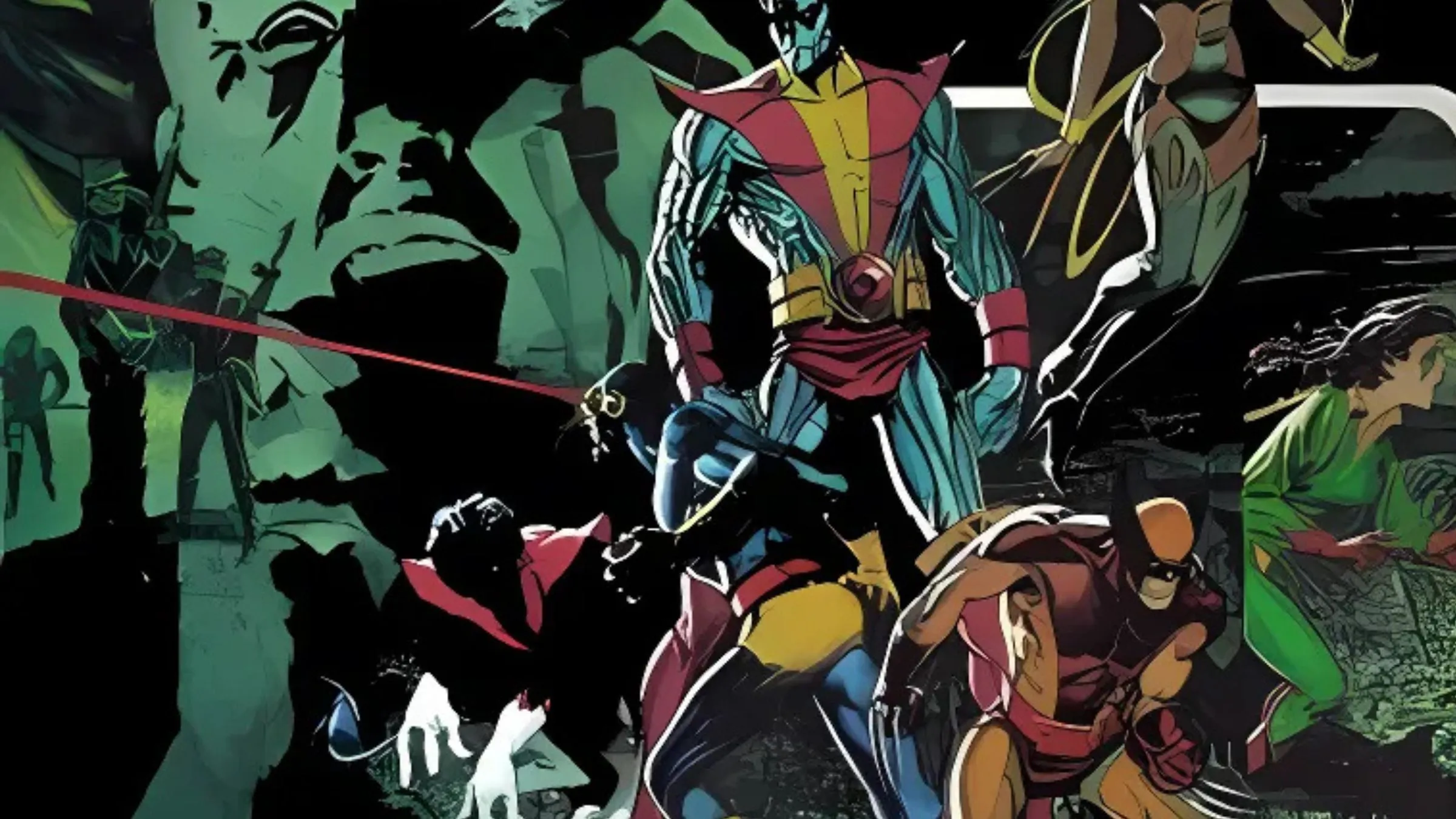
In Marvel Comics, it’s unlikely that there are superheroes with a more complex and troubled past than the X-Men. Given that they are mutants, their lives are already fraught with danger as society often harbors hatred and fear towards them, which is even more intense than the feelings directed at villains. This prejudice and hostility have contributed to some of the darkest storylines in the comics, as the X-Men frequently venture into alternate timelines, and these excursions usually result in catastrophic outcomes where mutants are oppressed, imprisoned, or even wiped out. It’s not just a problem confined to other dimensions; Earth-616 has also seen its fair share of dark storylines involving the X-Men, underscoring their persistent struggle for acceptance.
Let’s delve into some of the most somber narratives that mutants from the X-Men series have been involved in throughout their comics journey with Marvel.
10) Sins of Sinister

During the Krakoa Era, a storyline called “Sins of Sinister” emerged, marked by its bleakness because it exposed that some mutants dwelling in peace on the island were actually seeking discord. Mister Sinister aimed to sabotage the tranquility of mutant life. The narrative delved into events spanning 10 years, 100 years, and 1,000 years into the future. Sinister crafted Moira MacTaggert clones, harnessing their mutant abilities to rewrite history, thus controlling each timeline alteration to his advantage. Ultimately, Sinister ascended to a godlike status at the cost of the mutant nation. However, what truly cast a shadow over this tale was when the genuine Moira discovered the deception. She ventured into the future to eliminate that clone, trapping Sinister there and subsequently restoring the past while eliminating other clones. Mother Righteous arrived from the future, disclosed the truth, and this revelation sparked the “Fall of X,” effectively ending the utopian life the mutants had constructed on Krakoa.
9) Inferno
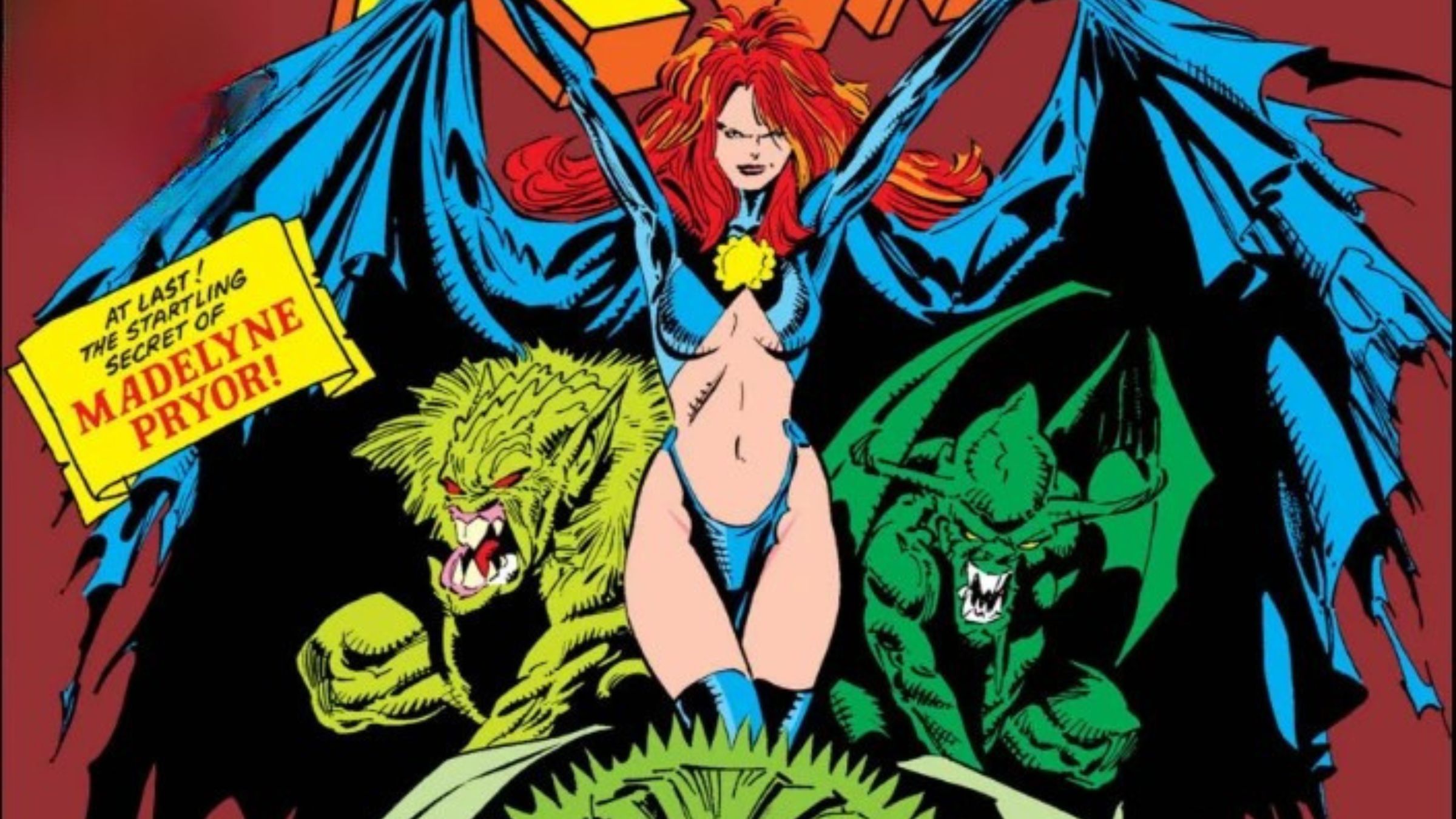
The narrative of “Inferno” was a somber saga within the primary X-Men timeline that revolved around Madelyne Pryor, who eventually became the Goblin Queen. Mister Sinister had engineered Madelyne as a clone of Jean Grey. She tied the knot with Scott Summers and together they retreated to Alaska where they welcomed a son named Nathan. However, when it was revealed that Jean Grey was still alive, Scott abandoned Madelyne and Nathan in Alaska, returning to Jean. The Maurauders arrived to eliminate Madelyne and abduct Nathan, but she managed to survive and sought aid from the X-Men. Upon learning that Scott had reunited with Jean, her mental state deteriorated, and her mutant powers emerged, creating a vengeful and incredibly potent clone. She then intended to sacrifice her own child, Nathan, in an attempt to summon Hell on Earth. This event served as a rallying cry for all the mutant teams to band together and halt Madelyne, but the emotional depth of her backstory and the grim theme nearly brought the X-Men to their breaking point.
8) Age of Apocalypse

The “Age of Apocalypse” was a surprising and unforeseen comic book storyline and crossover event. In this narrative, Legion travels back in time to assassinate Magneto, thereby furthering his father’s aspirations more smoothly. Regrettably, Professor X gave up his life to save Magneto, resulting in Legion never existing, and Xavier never forming the X-Men. Instead, Magneto assumed Xavier’s role but ultimately failed as Apocalypse emerged and dominated the world. With Apocalypse wreaking havoc as the new ruler, mutant rebels arose to challenge him. Even after they defeated Apocalypse, the world couldn’t recover as Weapon Omega (Wolverine) appeared, rising as Apocalypse’s heir, and he proved to be even more dangerous than his predecessor.
7) X-Men: Schism

The tragic incident known as X-Men: Schism occurred due to a devastating rift within the X-Men and the broader mutant community. Post M-Day, only a meager number of mutants remained worldwide, yet humanity’s inherent prejudice towards them persisted. Instead of uniting against this hatred, the mutants unfortunately turned on each other.
As nations started to arm their Sentinels for alleged protection against mutants, these mechanized creatures began attacking indiscriminately. In a museum filled with mutants, a young mutant was given conflicting advice: Wolverine told her to escape while Cyclops urged her to act as she saw fit. She chose to destroy the building, eliminating the Hellfire Club soldiers and saving both X-Men and civilians in the process. This decisive action led to a fierce confrontation between the two mutant leaders right in the midst of a Sentinel assault.
Once the smoke cleared, Wolverine departed from Utopia, taking any mutant who wished to join him. Those who chose to stay remained with Cyclops, thus fracturing the X-Men.
6) Dark Phoenix Saga

In an unprecedented move for Marvel Comics, the storyline known as “The Dark Phoenix Saga” took a turn that had never been seen before in their comics. Unlike today’s frequent instances of killing and resurrecting popular characters, Jean Grey’s death came as a shock to readers. The story unfolded with the Shi’ar Empire charging Jean for the genocide she unintentionally committed during her transformation into the Dark Phoenix, which resulted in the destruction of billions of lives in a distant galaxy. The X-Men rallied to defend Jean and confronted the Imperial Guard. Initially, it was planned that Jean would lose her powers and return to Earth, but Marvel’s Editor-in-Chief Jim Shooter ordered that she die instead, given the lives she had taken. In a selfless act, Jean sacrificed herself to save the X-Men. This moment marked the first time that Marvel Comics took the life of one of their major heroes. However, it was later revealed that the character who died was not actually Jean Grey, but at that point in time, this event signified a significant milestone for Marvel Comics.
5) Old Man Logan

In the saga of ‘Old Man Logan’, it began with one of the gloomiest chapters in X-Men chronicles. On Earth-807128, the antagonists united their forces instead of operating individually, amassing strength sufficient to triumph at last. Deceivingly, Mysterio employed his abilities of illusion to lead Wolverine into thinking that villains had assaulted Professor Xavier’s school. Enraged and acting without thought, Logan eliminated every villain he came across in a brutal sweep. Tragically, this was a fabricated scenario, and Wolverine unknowingly slaughtered every mutant at the school, effectively dismantling the X-Men. Overwhelmed with grief, Logan withdrew from combat and chose not to engage further, as malefactors like Red Skull, Doctor Doom, Kingpin, and Hulk (who ousted Abomination) ruled over the densely populated regions of the nation. It was a post-apocalyptic landscape reminiscent of Mad Max, where survivors were compelled to either conceal themselves or engage in combat to survive. The story concluded with Old Man Logan transitioning to the Earth-616 universe.
4) Days of Future Past

In the movie “X-Men: Days of Future Past,” we see a bleak future where robots known as Sentinels are hunting down mutants and heroes alike, leaving only a handful alive due to either deaths or internment in concentration camps. This grim scenario is triggered when Charles Xavier’s decision to publicly acknowledge his daughter Jean Grey as a mutant prevents her from turning into the destructive Phoenix. However, this revelation also sets off a chain of events, such as the manipulation of public opinion against mutants by Senator Robert Kelly. Following Kelly’s assassination, the US government responds by developing the Sentinels, which eventually eliminate even powerful teams like the Avengers and Fantastic Four. The Sentinels then overthrow the government and take control, leading to an almost hopeless situation for the remaining survivors. Desperate measures are taken to alter the past, with Kitty Pryde being sent back in time to swap places with her younger self in an attempt to prevent Kelly’s assassination. However, this action creates a new timeline instead of changing the original one.
3) E is For Extinction

The storyline “E is for Extinction” in the X-Men series is particularly grim because it resulted in the devastating loss of millions of lives within the primary Earth-616 timeline. During this period, mutants enjoyed a tranquil life on an island nation called Genosha, regarded as a self-governing haven where they could reside free from human prejudice and hostility. However, as with all periods of peace for mutants, this too was not destined to last forever. In this instance, it was Cassandra Nova, the powerful telepathic sister of Professor Xavier, who orchestrated an unprovoked Sentinel assault on Genosha. By the attack’s end, there were few survivors; Emma Frost managed to live thanks to a secondary mutation that transformed her into diamond, preserving her life. The tragic event resulted in the deaths of approximately 16 million mutants.
2) God Loves, Man Kills

The short narrative titled “God Loves, Man Kills” centers around the perils of religious extremists, who so fervently advocate their faith that it leads to lethal chaos for numerous people groups. In this context, a character named William Stryker, posing as a minister, distorts Bible passages to label mutants as fiends from Hell sent to defile Earth. His devotees, known as the Purifiers, resort to violent acts like murdering children they suspect might be mutants. As the Purifiers’ actions become increasingly brutal and it’s revealed that they are under Stryker’s control, the story takes a more sinister turn, with Stryker justifying his killing of mutants in the name of God, and having enough supporters to make him a powerful and potentially dangerous figure.
1) Mutant Massacre

The most harrowing tale in X-Men’s chronicles is the “Mutant Massacre.” Although more mutants were killed in “E for Extinction,” the deaths in “Mutant Massacre” had a greater impact as they targeted an entire community, leaving not even the X-Men, X-Factor, Thor, or the Fantastic Four with the power to save them. This was the beginning of Mister Sinister deploying the Marauders into the underground tunnels beneath New York City, where they brutally murdered the Morlocks – men, women, and children – and even made an attempt to crucify Angel. This marked the first mutant crossover event, and the graphic, intimate deaths served as a stark reminder that mutants worldwide always have reason to live in constant fear, even those who strive for peace.
Read More
- Adam Levine Looks So Different After Shaving His Beard Off
- Trails in the Sky 2nd Chapter launches September 17
- After AI Controversy, Major Crunchyroll Anime Unveils Exciting Update
- Xbox Game Pass Users “Blown Away” by New Exclusive Game
- Dialoop coming to Switch on June 17
- Bitcoin’s Rollercoaster: Will the Crypto Crown Its Lost Roving Glory?
- How Could We Forget About SOL Shogunate, the PS5 Action RPG About Samurai on the Moon?
- PS2 Exclusive RPG Series Returning 20 Years Later With New Release
- Why is Tech Jacket gender-swapped in Invincible season 4 and who voices her?
- FRONT MISSION 3: Remake coming to PS5, Xbox Series, PS4, Xbox One, and PC on January 30, 2026
2025-08-29 22:13