
The mid-1990s marked a significant shift in the video game industry, primarily because of the debut of the first PlayStation console in 1994. This console introduced innovative tools for developers, which provided new possibilities. Among these opportunities, Japanese Role-Playing Games (JRPGs) flourished, particularly with the release of an exceptional title named “Final Fantasy VII” during this period on the platform. While titles like “Dragon Quest” and “Final Fantasy VI” had garnered a loyal fanbase prior, JRPGs were still considered a niche genre in the West compared to sports or shooting games. However, the arrival of “Final Fantasy VII” paved the way for future JRPGs and expanded their appeal beyond their existing audience.
On September 7, 1997, “Final Fantasy VII” was launched in North America (having already been released in Japan). This game featured a diverse cast, mature content, and a complex narrative with intricate subplots that continue to be discussed today. Square Enix made history when they released
Final Fantasy VII is Considered One of the Best Games of All Time

Right from the start, it’s clear that Final Fantasy VII offers an immersive storyline reminiscent of cinema. As players, we find ourselves in a gritty cyberpunk world, assuming the identity of Cloud Strife, a former soldier member. Initially, our task seems straightforward, set within Midgar. However, as events unfold, we uncover a complex narrative riddled with political tensions, ecological concerns, moral dilemmas, and an iconic antagonist – Sephiroth himself.
Final Fantasy VII wouldn’t be as iconic as it is today if not for Cloud and Sephiroth alone – the whole ensemble of characters makes it truly special. From Aerith, Tifa, Vincent Valentine, and others, each character has a rich background that resonates deeply with fans, stirring up strong emotions. The gameplay was revolutionary within the Final Fantasy series, elevating turn-based tactics and strategy to unprecedented levels. Rather than merely observing the story, players became an integral part of it, leading Cloud and his indelible companions through a compelling narrative, all while enjoying immersive and diverse gameplay.
The groundbreaking game, Final Fantasy VII, truly tested the boundaries of the PlayStation console. With its advanced 3D character models, pre-rendered backdrops, awe-inspiring soundtrack, and cinematic cutscenes, it transcended the realm of video games and felt more like an immersive film experience. The intricate storyline entwined personal hardships with planetary-scale conflicts, resulting in intense personal scenes while maintaining a broader narrative about saving the planet. Square Enix’s innovation, artistic prowess, and emotional depth left players and critics alike captivated, cementing Final Fantasy VII‘s reputation as one of the greatest games ever created.
How Final Fantasy VII Changed JRPGs Around the World
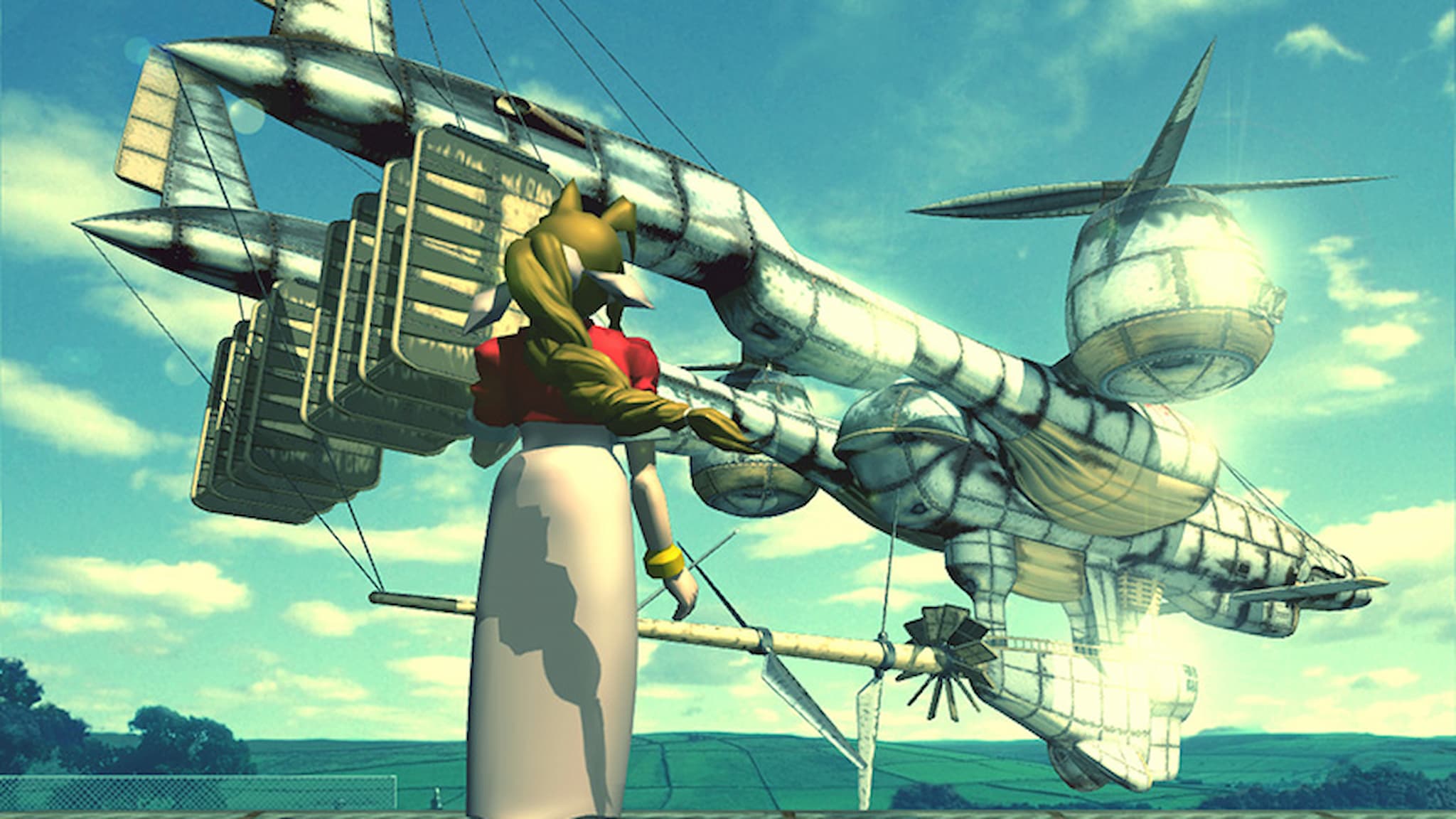
scarcely have individuals matched the epic tale of Final Fantasy VII, yet more than two decades later, it remains influential. In those days, sales for JRPGs usually were meager compared to other types of games, partially because of localization issues. However, Square Enix took a substantial risk by investing heavily in an atypical marketing effort for the time. They spared no expense, venturing beyond just localization with TV ads, magazine features, and top-tier trailers. This aggressive marketing strategy resulted in the game’s massive success: marketing has always been crucial in entertainment, but Square Enix’s relentless pursuit made them groundbreakers for mainstream audiences.
As a dedicated fan, I can’t help but reflect on the extraordinary impact “Final Fantasy VII” made when it was unveiled in September 1997. Within mere weeks, it sold millions of copies around the globe, surpassing the sales figures of previous games in the series, particularly in the United States. This game wasn’t just a hit; it was a global phenomenon that reshaped the landscape of gaming.
Its success paved the way for other Japanese developers to bring their games to Western shores. Titles like “Xenogears,” “Suikoden II,” and “Chrono Cross” gained significant traction, largely due to the captivating reception of Cloud and Sephiroth in “Final Fantasy VII.” Many players, including myself, were drawn to these games because of the profound impact that “Final Fantasy VII” left – an impact that remains strong even today.
Final Fantasy VII’s Legacy Today

The influence of Final Fantasy VII remains relevant today. Many contemporary video games, especially those in the same genre, draw from its design philosophies, such as intricate narratives, cinematic cutscenes, and character-driven storytelling. Notably, numerous game developers acknowledge it as a significant source of inspiration. This extends beyond the realm of JRPGs, with even filmmakers finding inspiration in Final Fantasy VII.
icons like Cloud Strife and Sephiroth from Final Fantasy have left an indelible mark on the gaming world. They’ve made appearances in collaborative games such as Kingdom Hearts and Super Smash Bros. Ultimate. Interestingly, characters like Aerith Gainsborough and Tifa Lockheart share a commonality; they often served as many players’ first romantic interests, even garnering attention from renowned actor Robert Pattinson. The emotional depth of the stories revolving around Cloud, Aerith, and Sephiroth continue to be talked about today because they were crafted and presented in a way that resonated deeply with consumers at a time when the industry was still working to demonstrate the worth of gaming beyond just being a source of entertainment for children.
Square Enix has significantly capitalized on the popularity of Final Fantasy VII, with games like Final Fantasy VII Remake and Final Fantasy VII Rebirth offering a contemporary retelling and fresh play experience of the legendary story. Prior to these releases, they had also developed spin-offs such as Final Fantasy VII: Dirge of Cerberus, Final Fantasy VII: Crisis Core, and Final Fantasy VII: Advent Children, all of which have been well-received by fans and provide additional depth to the original game’s universe.
Few game series, not even a solitary title, have earned as much affection and acclaim as Final Fantasy VII. Twenty-eight years ago, gaming took a significant turn with its release, shaping the identity of the Japanese Role-Playing Game (JRPG) genre. Without it, the genre might not have achieved such popularity or its success would have been delayed. Final Fantasy VII demonstrated that video games could offer more than mere entertainment, but rather stir emotions and capture the hearts and minds of generations.
Read More
- Marvel Officially Confirms Deadpool’s Most Brutal Redesign
- 10 Movies That Were Banned in Different Countries For Random Reasons
- Welcome to Demon School! Iruma-kun season 4 release schedule: When are new episodes on Crunchyroll?
- Nintendo Switch 2 Reportedly Getting Remake of One of the Best PS3 and Xbox 360 Games
- Crunchyroll Confirms New Isekai Anime Releases for 2026 and Beyond (With Major Returns)
- Michael Jackson Biopic’s Record-Breaking Debut Unseats 2026’s Biggest Box Office Hit On U.S. Chart
- 9 Great Supernatural Characters Everyone Forgot About
- Gold Rate Forecast
- ‘The Bride!’ Review: Jessie Buckley Breathes Life into a Monstrous Mess
- Taylor Sheridan’s Gritty 5-Part Crime Show Reveals New Final Season Villain
2025-09-07 19:31