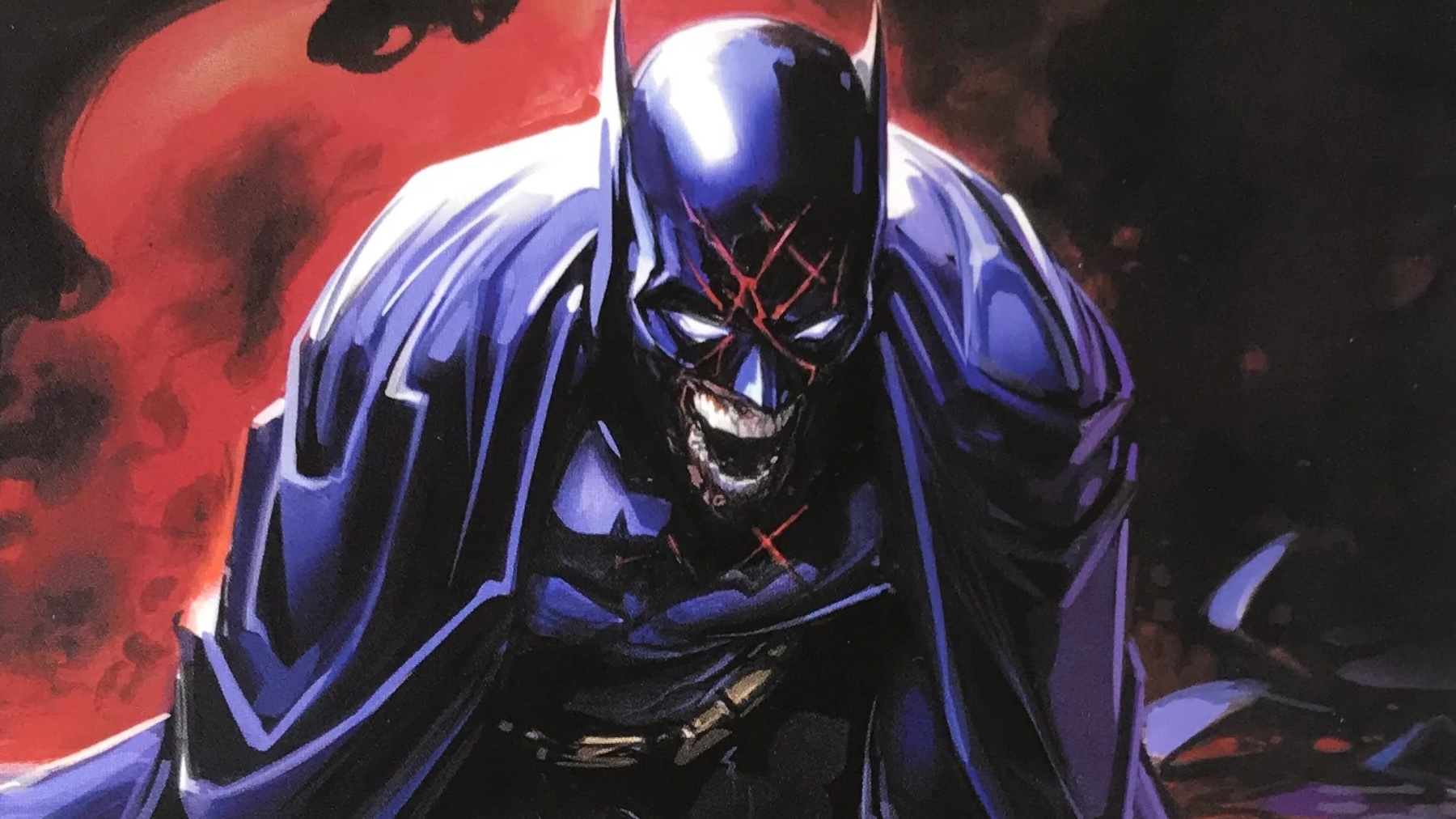
Zombies, known for their widespread appearance in fiction, are among the scariest creatures out there. They depict a chilling scenario where loved ones transform into mindless, rotting cannibals bent on consuming everything. In 2005, Marvel introduced its own take on this terrifying theme with the launch of the Marvel Zombies franchise, set in an alternate universe where even their most famous heroes and villains became flesh-eating zombies. This series was extremely successful, leading to multiple sequels and a forthcoming animated mini-series adaptation within the Marvel Cinematic Universe. Similarly, DC Comics introduced DCeased in 2019, another alternate universe zombie apocalypse series that also gained massive popularity, spawning several sequels. While both storylines involve a universe filled with undead superheroes, DCeased stands out as a more coherent, chilling, and ambitious series that effectively captures the essence of the zombie genre.
In these two tales, the initial scenarios are markedly distinct, yet they lead to strikingly similar conclusions. In the universe of Marvel Zombies, a zombified replica of Sentry lands in New York City and bites Earth’s Mightiest Heroes, subsequently infecting them with a zombie virus that leaves their powers and intellect unchanged but eradicates their moral compass, causing them to consume and spread the infection to anyone they encounter. In contrast, within the realm of DCeased, Darkseid inadvertently triggers a zombie outbreak when he botches an attempt to control the Anti-Life Equation, which aims to subjugate all life across the universe. Instead, during his attempt to extract and harness this cosmic force from Cyborg’s body, Darkseid makes a mathematical error, unleashing a deadly techno-organic virus. The infected Cyborg is then swiftly dispatched to Earth, where he accidentally transmits the virus over the internet and turns billions of people into ravenous zombies overnight.
Marvel Zombies had a Good Start, but Fell Flat

The original “Marvel Zombies” narrative penned by Robert Kirkman offers an engaging twist within the zombie theme. What truly set it apart was its perspective – instead of focusing on the uninfected survivors, the tale unfolds largely from the standpoint of the infected zombies themselves. Even as the virus caused decay and a strong craving for human flesh, the zombies retained some vestiges of their cognitive faculties. In spite of their deteriorating state, they could still speak, strategize, and utilize their powers to their maximum potential. With their intelligence and power, the zombies swiftly overran the planet, leaving few survivors. The situation grew even more dire when the superpowered zombies consumed the Silver Surfer, granting them the ability to harness the Power Cosmic to spread their infection across the cosmos. Marvel skillfully blends grisly and hopeless horror with dark humor in this gruesome tale.
After Kirkman departed from Marvel Comics, the Marvel Zombies franchise started to lose its appeal and seemed repetitive with each new installment. The storyline grew complex, and while the unique perspective of portraying events from the zombies’ viewpoint was intriguing at first, it eventually became monotonous due to lacking character development or emotional depth. Apart from a few exceptions like Spider-Man who occasionally showed remorse for cannibalism, most characters only discussed their hunger. The survivors were hard to connect with because they invariably became infected. When a character seemed poised for an engaging story arc, they either got consumed or focused on consuming others. The repetition was further exacerbated by the fact that Marvel Zombies Return felt like a permanent loop: although some zombified heroes went to another universe, it resembled their first one, with them repeating similar actions all over again. This tediousness led readers to tire of the relentless attempts at shock value and dark humor. Although Marvel Zombies had a promising beginning, it ultimately failed to maintain its appeal. A wiser decision would have been to keep it as a standalone mini-series.
DCeased Used Its Universe Much Better Than Marvel Zombies Did
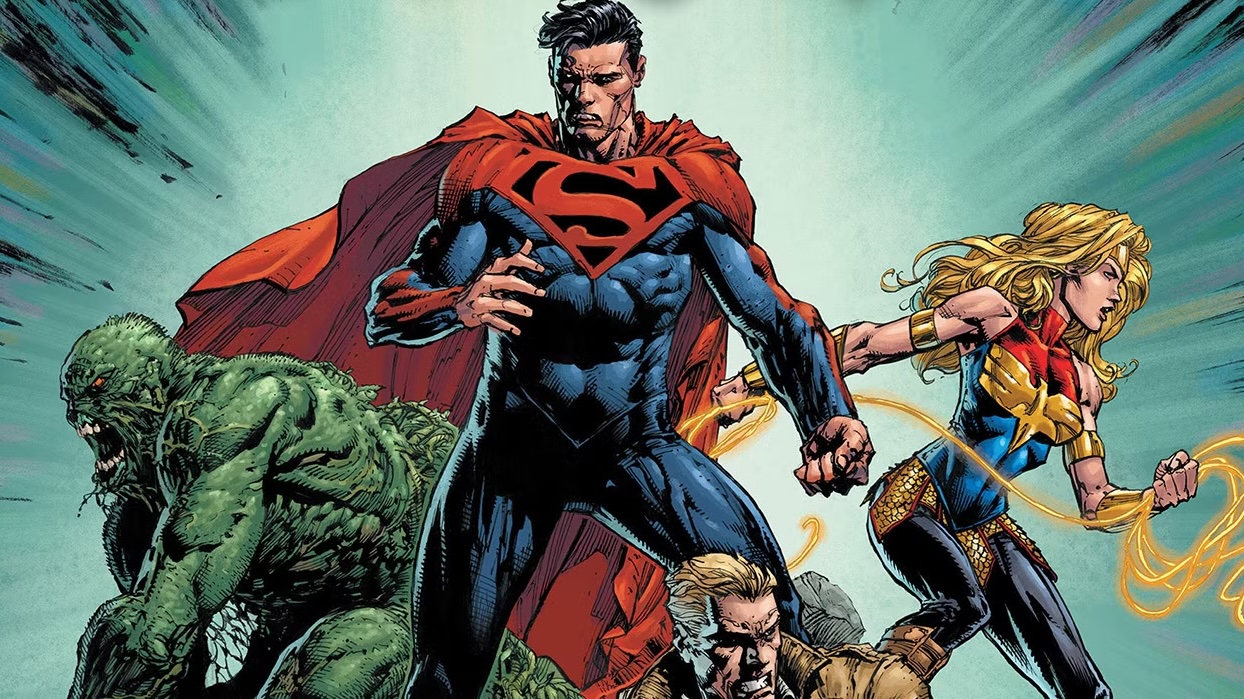
One notable enhancement in DCeased over Marvel Zombies’ initial concept is its deep immersion into the DC Universe environment. A key criticism of Marvel Zombies lies in the lack of a coherent Marvel Universe setting; it seems more like an isolated event rather than part of the larger universe. In the debut issue, many iconic Marvel superheroes and villains are transformed into flesh-eating zombies almost instantaneously, with their attempts at resistance swiftly and unrealistically squashed within hours. This leaves little room for chaos or gripping storylines that a zombie apocalypse could bring to the Marvel Universe. Instead of exploiting this potential mayhem, the zombies primarily use the Power Cosmic for flight and energy blasts, failing to create any significant conflicts or events.
Instead of Marvel Zombies falling short, DCeased brilliantly leverages the DC Universe and its iconic superheroes to introduce intrigue and suspense into a zombie invasion narrative. The comic smartly depicts familiar DC characters undergoing dramatic transformations as they struggle to adapt and survive in a post-apocalyptic world. For instance, after Hal Jordan turns into a zombie and is killed by Black Canary, his ring transfers to her, making her the new Green Lantern. Other notable instances include Cassandra Cain, the second Batgirl, inheriting Shazam’s powers upon obtaining the wizard’s staff; Poison Ivy using her plants to create a sanctuary for survivors; and Alfred taking on the role of the new Spectre after the original perishes while battling zombified New Gods. Following the initial outbreak, younger characters like Jon Kent and Damian Wayne step into their parents’ roles, emphasizing the significance of legacy in DC Comics. The story also offers distinct character arcs, with heroes and villains evolving in sometimes unexpected yet authentic ways, maintaining fidelity to their mainline counterparts. For example, some of DC’s most infamous villains, such as Cheetah, Bane, and Darkseid, develop credible alliances with the heroes to combat a common enemy.
In the comic series DCeased, the once heroic characters have been transformed into terrifying zombies, unlike the zombified superheroes in Marvel Zombies. For instance, we see a twisted version of Plastic Man transform into a monstrous, liquid form reminiscent of an ocean, while The Flash uses his speed to spread infection worldwide. Such shocking and gruesome transformations, which cleverly utilize the original characters’ powers, create a chilling vision of a potential zombie apocalypse within the DC Universe.
The sequels of DCeased have been successful due to their consistent and loyal expansion of the DC Universe’s foundations. On the other hand, Marvel Zombies often feels like an opportunity to portray superheroes indulging in cannibalism, whereas DCeased offers a fully-realized, evolving universe that generates entertaining and believable storylines that thoughtfully alter and expand the DC Universe in unique ways.
DCeased Feels Like a Real Zombie Apocalypse Story
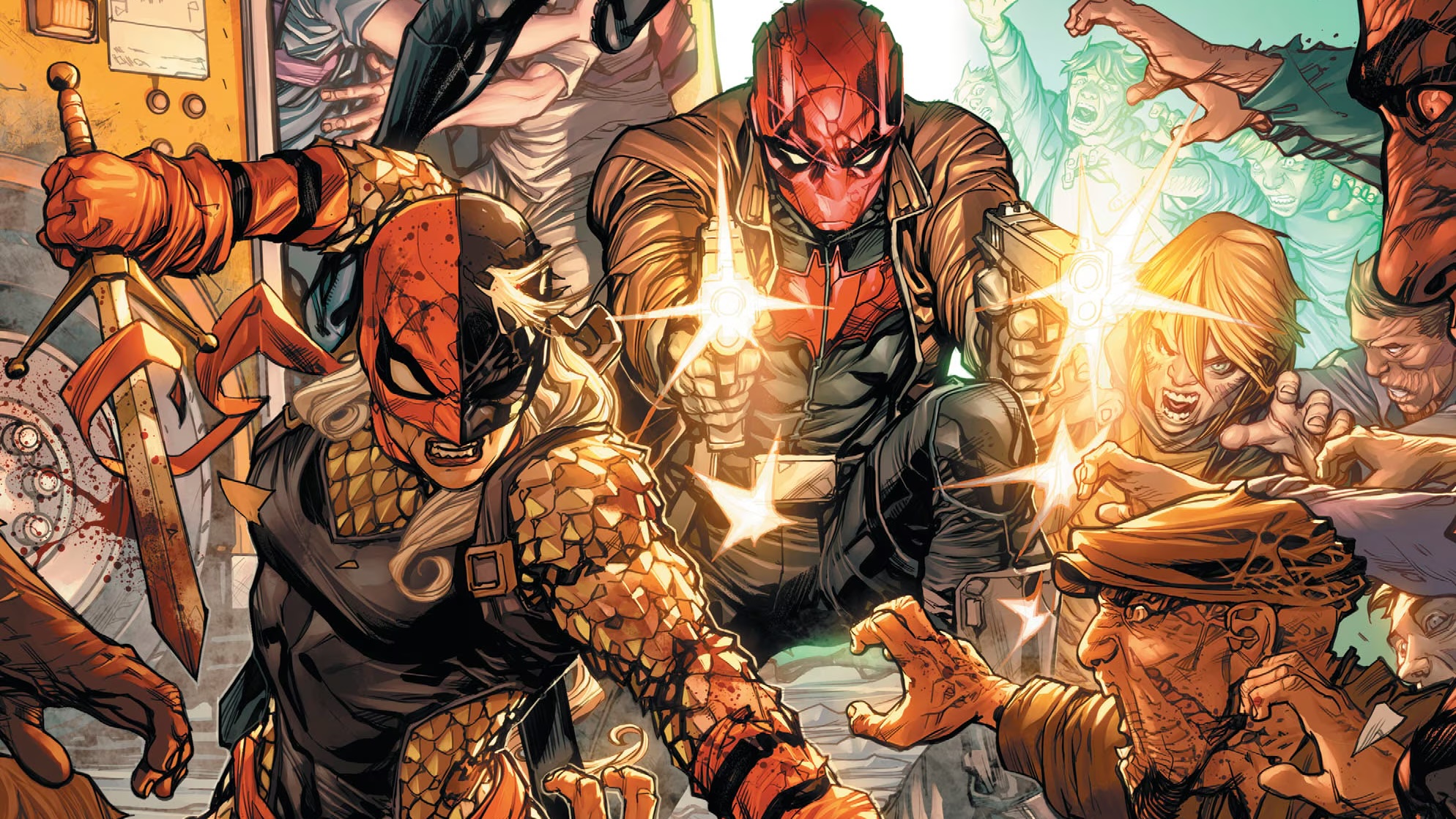
What sets DCeased apart from Marvel Zombies is its deep immersion in the zombie genre. While Marvel Zombies had the intriguing premise of undead heroes exploiting the vulnerabilities of their loved ones, it unfortunately veered towards repetitive, crude humor instead of fully exploring its dark and unsettling potential. On the other hand, DC offers a chilling portrayal of the infected as an overwhelming, nearly unstoppable horde. Instead of instantly turning most main characters into zombies within the first two issues, DCeased employs a slower, more suspenseful pace, eliminating heroes one by one over time, keeping readers on edge and guessing who will fall next. Furthermore, DC establishes a stronger emotional bond with the victims in DCeased, showcasing the fear of those recently infected and their loved ones. As a result, while Marvel Zombies tends to feel like an edgy, dark comedy lacking a genuine sense of danger, DCeased delivers a much more intense, intricate world with human elements, making it seem like a primal struggle between the living and the dead.
Zombie series like “The Walking Dead” and “Train to Busan” prove that it’s not just the undead creatures that keep stories captivating; it’s the survivors who do. While watching zombies feed and infect can be entertaining, as seen in “Marvel Zombies,” this theme can quickly become repetitive, especially when loved characters die almost instantly. That’s why most zombie media concentrates on the struggles and heartbreak of the human protagonists, as they strive to survive in a world overrun by the undead. In “DCeased,” DC skillfully builds tension and empathy by focusing on the survivors of the initial zombie outbreak, allowing fans to experience the world through the eyes of some of DC’s beloved heroes. As these characters witness their world crumbling and loved ones transforming into mindless monsters, we feel the weight and loss they endure. In contrast, “Marvel Zombies” leaves us less engaged because either the world’s brightest minds give up on finding a cure or are instantly infected. “DCeased” inspires us to root for the embattled heroes as we witness their determination to find a cure. When they discover a cure, we share their urgency as they work tirelessly to distribute it to as many people as possible. Essentially, DC grasps what makes the zombie genre compelling – humanity’s resilience in the face of apocalypse.
Keep yourself informed about the latest geek entertainment news by marking us as your preferred source on Google – right here!
https://comicbook.com/comics/news/joke-terrifying-villains-dc-comics-list/embed/#
Read More
- Marvel Officially Confirms Deadpool’s Most Brutal Redesign
- 10 Movies That Were Banned in Different Countries For Random Reasons
- Welcome to Demon School! Iruma-kun season 4 release schedule: When are new episodes on Crunchyroll?
- Nintendo Switch 2 Reportedly Getting Remake of One of the Best PS3 and Xbox 360 Games
- 9 Great Supernatural Characters Everyone Forgot About
- Gold Rate Forecast
- Crunchyroll Confirms New Isekai Anime Releases for 2026 and Beyond (With Major Returns)
- Michael Jackson Biopic’s Record-Breaking Debut Unseats 2026’s Biggest Box Office Hit On U.S. Chart
- The Fairly OddParents’ Creator Reveals Who Timmy Ended Up With
- ‘The Bride!’ Review: Jessie Buckley Breathes Life into a Monstrous Mess
2025-09-07 19:33