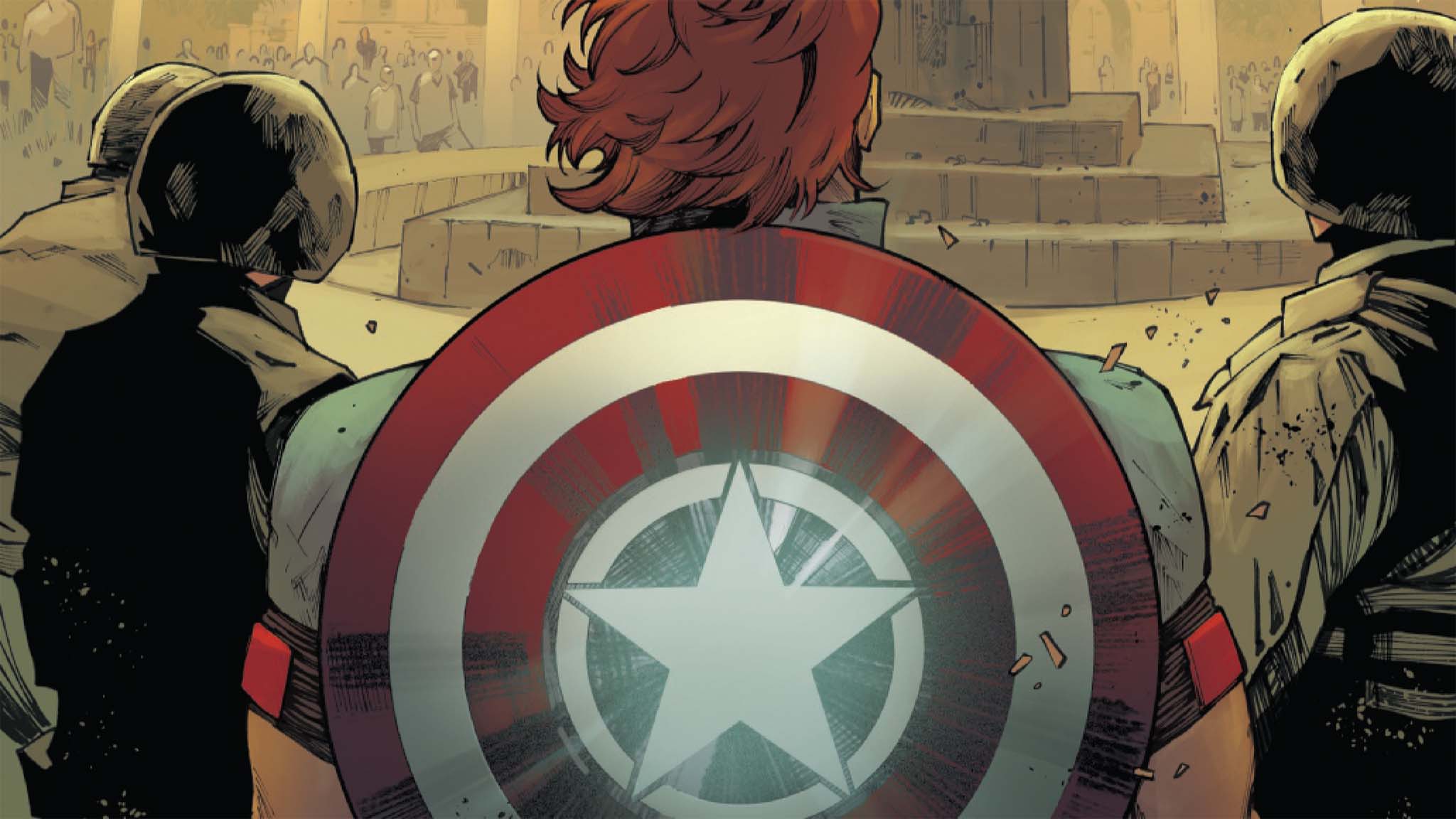
Chip Zdarsky’s run on Captain America is a daring and often harsh look at the challenges of being a hero in today’s world, filled with conflict and difficult realities. This isn’t the Captain America you see in the Marvel movies, and it doesn’t rely on the classic, traditional themes usually associated with Steve Rogers. Instead, Zdarsky immediately places Steve Rogers in a gritty, modern setting, forcing him to grapple with the complicated and often messy realities of current military actions and American policy.
The current Captain America in the comics is David Colton, and in just a few issues, he’s been portrayed as both a courageous hero and someone struggling with mental health. This version of Captain America challenges readers to confront the harsh realities of war and the emotional burdens faced by those who fight.
Colton Is a Dark Mirror to Steve Rogers, but Is a Realistic Modern-Day Captain America
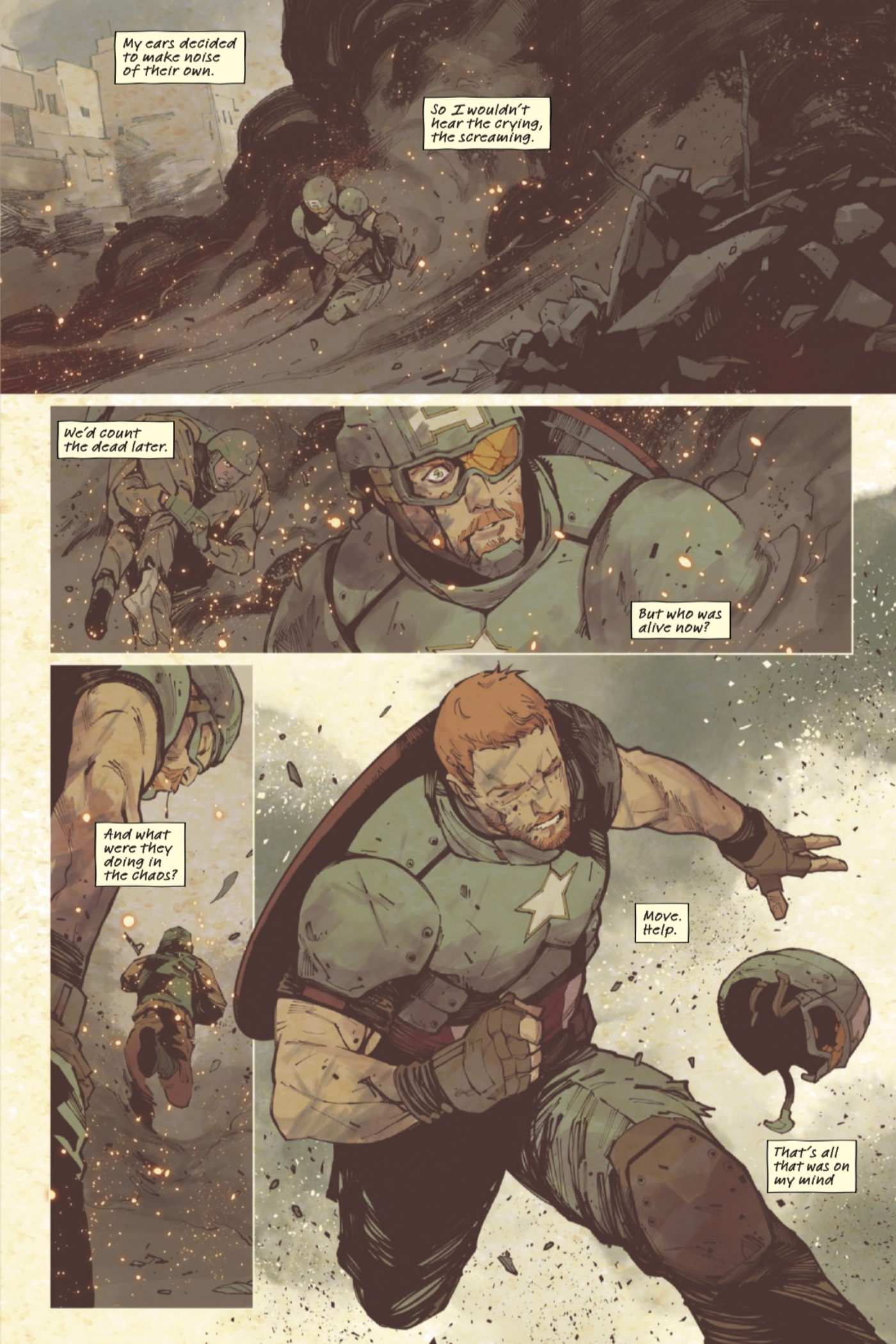
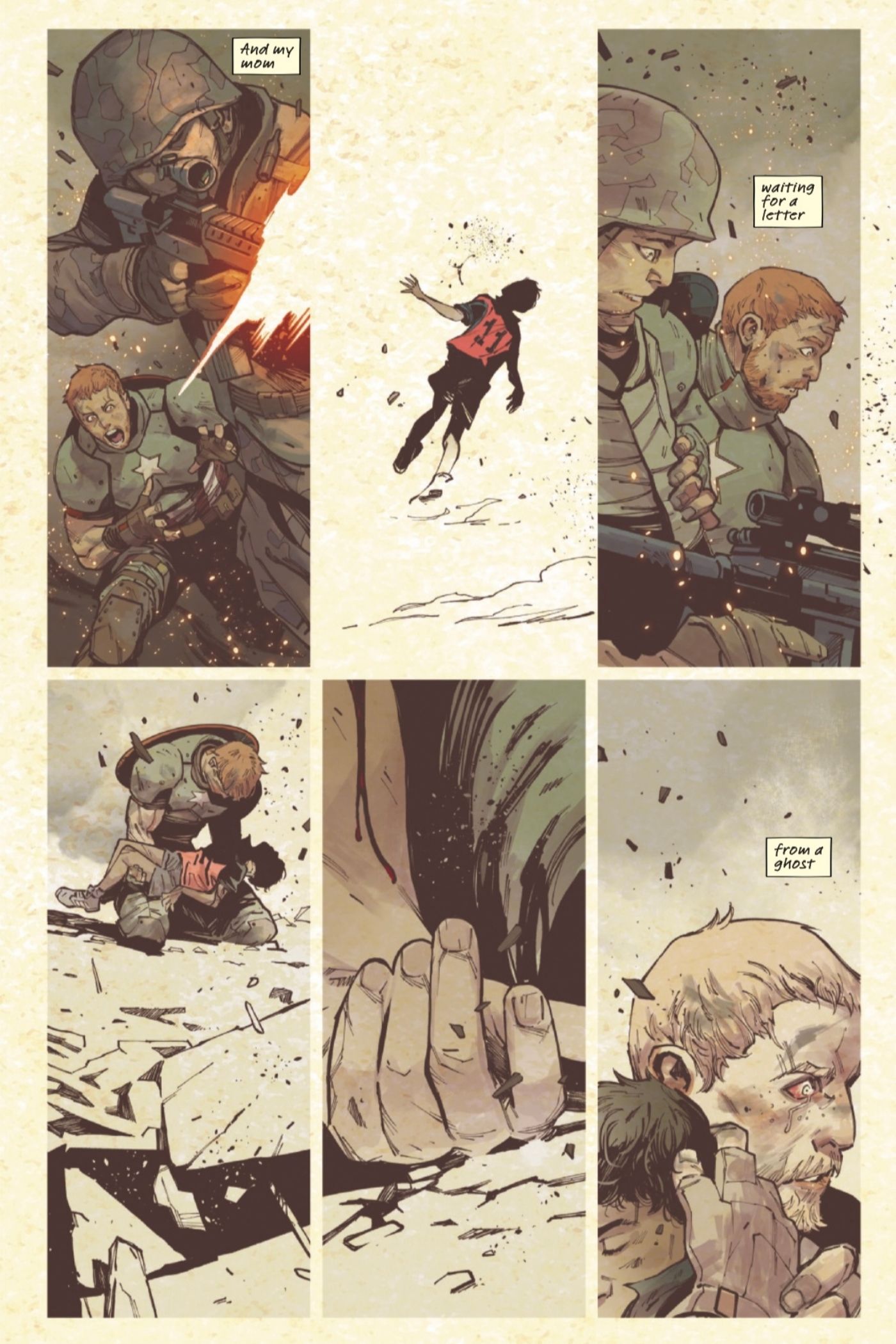
The very first issue of *Captain America* set a dark and serious mood, but the recent issue takes that intensity to a whole new level. *Captain America* #3 feels more like a war film than a typical comic book, depicting the current Captain America, David Colton, and his team in Iran. The story doesn’t hold back in showing the shocking details of a sudden car bomb attack, presenting the graphic violence without hesitation.
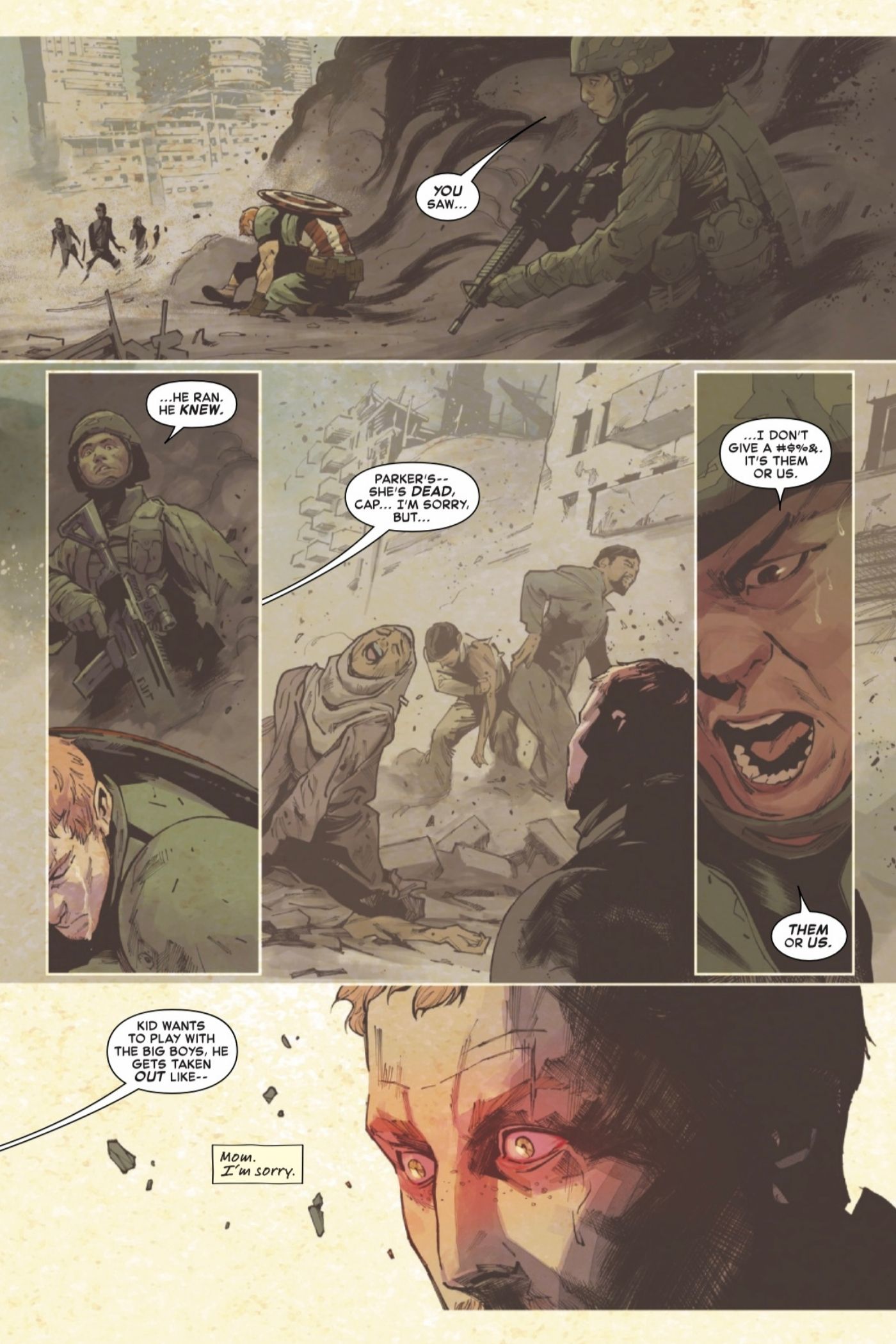
Amidst the confusion, one of Colton’s soldiers accidentally shoots and kills a child trying to escape the blast. Colton cradles the boy’s body, utterly devastated by the shocking and tragic loss. This moment of senseless death and trauma breaks Colton. When the soldier who fired the shot claims the child knew about the attack, Colton loses control. He violently attacks and ultimately kills the soldier using Captain America’s shield.
The darkness and intensity of a moment in *The Falcon and the Winter Soldier* are more unsettling than anything seen in most Marvel movies. John Walker, the government’s chosen successor to Captain America after Steve Rogers retired, brutally kills a man with the shield, and the shocking act is captured on video and quickly spreads online. This is a very public downfall. However, unlike Walker, whose actions are fueled by a super-soldier serum exacerbating his existing issues, the character of Colton doesn’t have a scientific explanation for his behavior.
Colton’s actions aren’t just frightening; they’re deeply tragic. He was already haunted by the horrors of war, and this moment represents his complete mental breakdown. The fact that he committed such a cold-blooded act using Captain America’s shield-a symbol of hope and righteousness-is a disturbing illustration of how easily ideals can be corrupted. This scene in *Captain America* #3 powerfully portrays the psychological toll of war, a subject rarely handled with such honesty in major Captain America stories. The violence isn’t presented as something to celebrate, but as the devastating result of a soldier overwhelmed by trauma, marking the point where Colton loses himself and becomes someone unrecognizable, even to his own family.
The Clash Between Light and Darkness Sets the Stage for an Inevitable Showdown
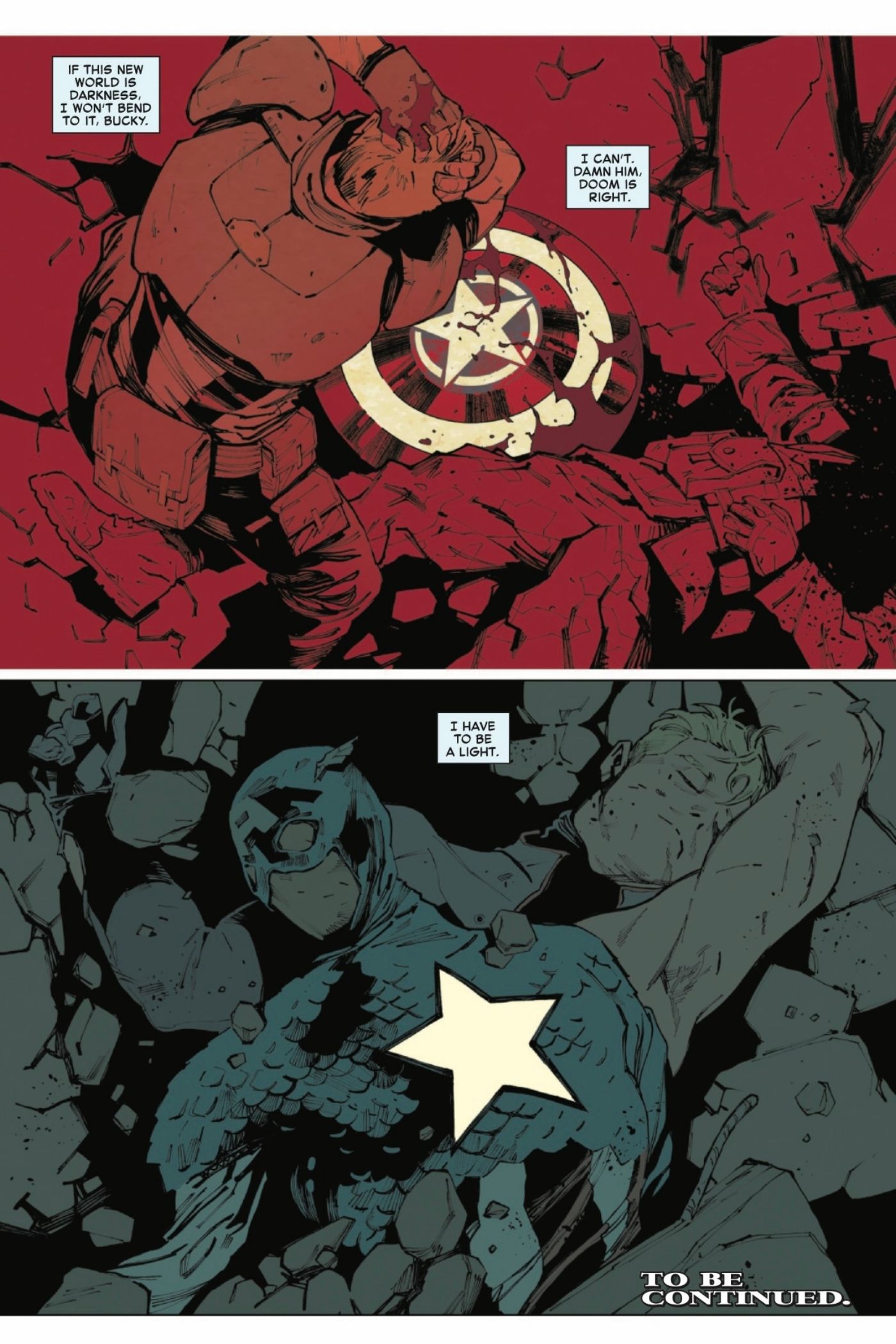
The final page of *Captain America* #3 powerfully foreshadows the central conflict of the series: a battle between ideals and harsh realities. It portrays Colton as a symbol of America’s darker side-a nation wrestling with its past and how it’s perceived on the world stage. Covered in blood after a killing, he represents the nation’s own violent history and the repercussions of its foreign policy. Colton embodies the disappointment, rage, and grief that arise when the world falls short of its principles. He’s a stark depiction of the nation’s struggles, and the brutal consequences that occur when lofty ideals collide with the complex and often violent realities of power.
Steve Rogers, unlike his counterpart, is presented as the ideal of what America hopes to be-a symbol of freedom, fairness, and doing what’s right. This isn’t naive patriotism; it’s a deep-rooted faith in the core values America was founded on. He stands in stark contrast to the darker Captain America, and this difference is brilliantly portrayed through both the writing and the artwork, creating a conflict that’s more complex than a simple good-versus-evil fight. A major ideological clash is brewing between these two versions of Captain America-a battle between the nation’s aspirations and its harsh realities, between hope and despair. This new Captain America isn’t just a typical villain; he’s a tragic character who mirrors Steve Rogers and is, in a way, a product of the world Steve fought to protect-and even helped shape-during World War II. Steve feels out of place in the modern world, having just fought Nazis, and recognizes that the lines between right and wrong are no longer so clear.
The conflict between Colton and Steve isn’t about strength, but about what America truly stands for. This adds depth to the story, moving beyond a simple superhero tale to explore the ongoing fight for the nation’s identity. It questions whether America’s core values can withstand harsh realities, and if someone good can save someone who has been overwhelmed by darkness and hardship.
What do you think? Leave a comment below and join the conversation now in the ComicBook Forum!
https://comicbook.com/comics/news/most-devastating-losses-in-captain-americas-history-ranked/embed/#
Read More
- The Super Mario Galaxy Movie: 50 Easter Eggs, References & Major Cameos Explained
- 10 Best Free Games on Steam in 2026, Ranked
- All 13 Smash Bros. Characters in the Super Mario Galaxy Movie
- Sydney Sweeney’s The Housemaid 2 Sets Streaming Release Date
- Welcome to Demon School! Iruma-kun season 4 release schedule: When are new episodes on Crunchyroll?
- Why is Tech Jacket gender-swapped in Invincible season 4 and who voices her?
- Control Resonant’s Hiss and Mold Are “Way More Complex” Than Before (and More Aggressive)
- Dune 3 Gets the Huge Update Fans Have Been Waiting For
- TV legend Carol Kirkwood reveals the reasons why she decided to retire after 28 years with BBC
- Highly Anticipated Strategy RPG Finally Sets Release Date (And It’s Soon)
2025-09-17 19:04