
A compelling hero is always linked to a strong villain. The villain’s motivations and impact need to be just as significant and memorable as the hero’s values. Often, villains are made appealing – charming, cunning, and even somewhat likable – to make their evil or corruption more engaging. This is why villains sometimes become more popular with fans than the heroes. A standout antagonist is essential for any series, grabbing the audience’s attention and creating real stakes. Villains should be as iconic as the protagonists, providing a genuine threat and forcing both the hero and the audience to question their beliefs.
Great villains often divide fans, and anime is no different. While many anime feature heroes with complex morals, we’re seeing more main characters who actually *cause* problems and act as villains themselves. As these villains are increasingly given understandable, even sympathetic, backstories – explaining why they seek revenge or try to change things – it’s natural that more fans start to see things from their point of view. This list highlights several anime villains who successfully gained the audience’s empathy, and maybe even their support.
7) Psycho-Pass

Released in 2012, *Psycho-Pass* is a thrilling cyberpunk anime set in a dark, futuristic world. The story explores a society where the government uses advanced technology to monitor citizens and predict their likelihood of committing crimes. People identified as potential threats are labeled “latent criminals” and are either arrested or forced to help catch others. The series centers around Shogo Makishima, a brilliant criminal who aims to dismantle this controlling system.
Shogo isn’t afraid to use violence to achieve his goals, but his desire to overthrow the government feels surprisingly reasonable. He believes in free will and argues that it’s wrong to punish people for crimes they *might* commit. This makes it hard not to side with him when he fights against the Public Safety Bureau, especially since their actions are oppressive and unjust. He wants to liberate humanity from a controlling system. However, Shogo is also a master manipulator, willing to cause chaos and operate in the shadows to avoid detection by the Sybil System. While his methods aren’t admirable, his core beliefs are compelling enough to make you secretly hope he achieves at least some of what he wants.
6) Black Butler
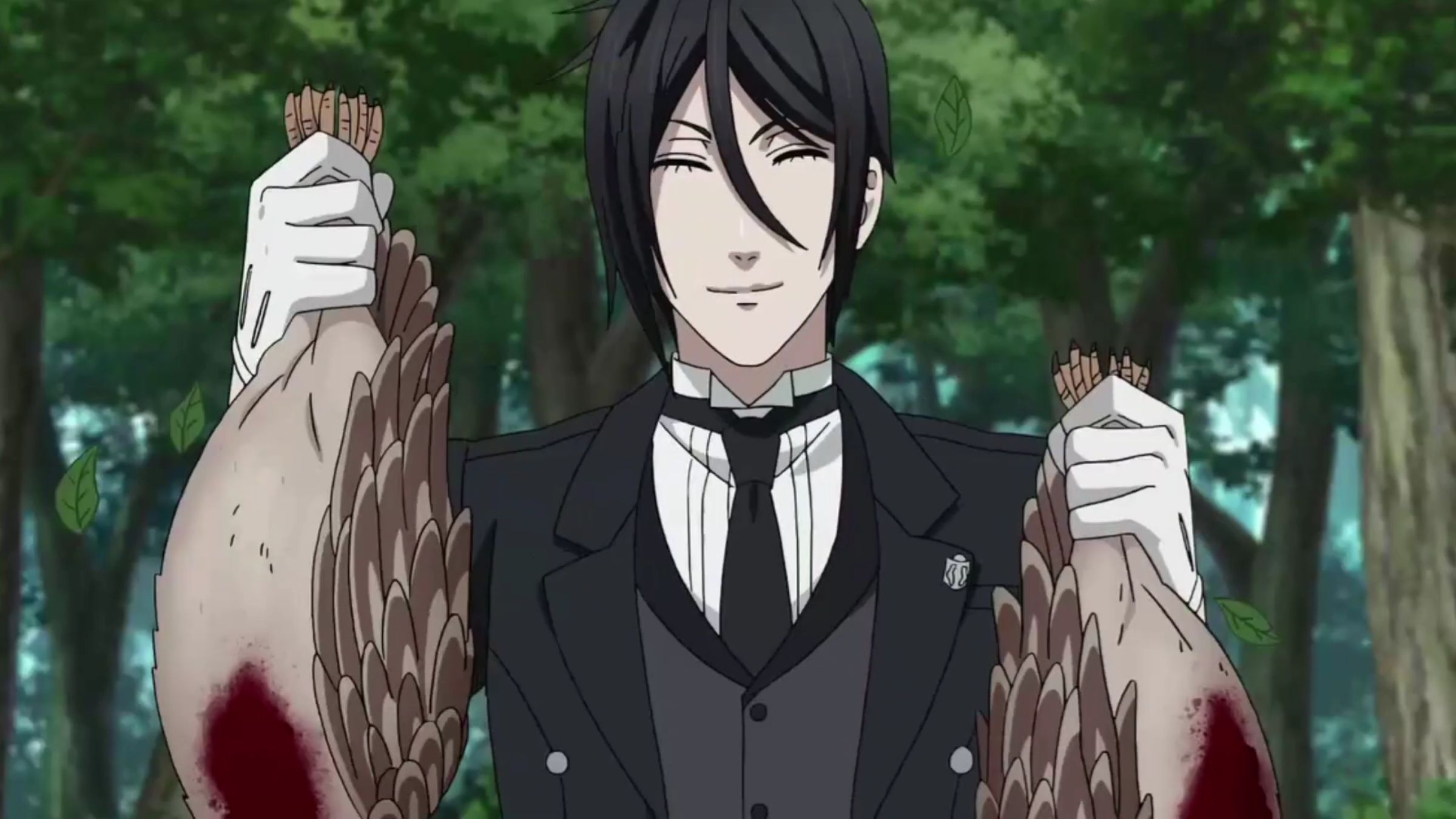
Released in 2008, *Black Butler* is a dark and supernatural anime known for its complex characters and mature themes. The story centers on Ciel Phantomhive, a young boy who survived a brutal attack that killed his family. After being captured and tortured by a cult, Ciel makes a deal with the demon Sebastian Michaelis: Sebastian will act as his loyal servant and help him take revenge on those who wronged him, in exchange for Ciel’s soul. Together, this unlikely pair-Ciel, the head of a powerful family, and Sebastian, his incredibly capable demon butler-work to eliminate everyone responsible for the tragedy, all while Ciel serves as a special investigator for the Queen.
What makes *Black Butler* so compelling is that almost no one is truly ‘good,’ which means viewers often find themselves supporting characters who are, at best, questionable. However, many fans overlook the fact that Sebastian is the primary villain. It’s easy to admire him as he protects Ciel, defeats his enemies, and effortlessly navigates social situations. But we shouldn’t forget that he’s doing all of this simply to eventually consume Ciel’s soul – he has no genuine care for Ciel or any of the humans around him. Despite this, Sebastian is incredibly charismatic, making him easy to root for despite his true motives.
5) Overlord

Released in 2015, *Overlord* is a well-known example of the isekai genre. The story centers around Momonga, a regular office worker who loves playing the online game Yggdrasil. When Yggdrasil is set to shut down, Momonga remains logged in, and his consciousness is unexpectedly transferred into the game as his incredibly powerful character, Ainz Ooal Gown. Now, he has to figure out how to navigate this new reality, using his gaming skills and knowledge of the game’s rules to succeed in Yggdrasil.
Ainz is a unique protagonist for the isekai genre. Usually, these stories feature a hero destined to save a new world, but Ainz acts more like a powerful overlord. He’s willing to use ruthless tactics to grow his kingdom, and doesn’t seem to care about the feelings of the game characters he defeats. It’s surprisingly easy to support Ainz, especially considering how many gamers have done the same thing – prioritizing victory over the virtual world around them. Ainz offers a realistic look at what it would be like to be a conqueror in a game, and even as he becomes more morally ambiguous, it’s hard not to be fascinated by his ambition and want to see what he’ll do next.
4) Code Geass
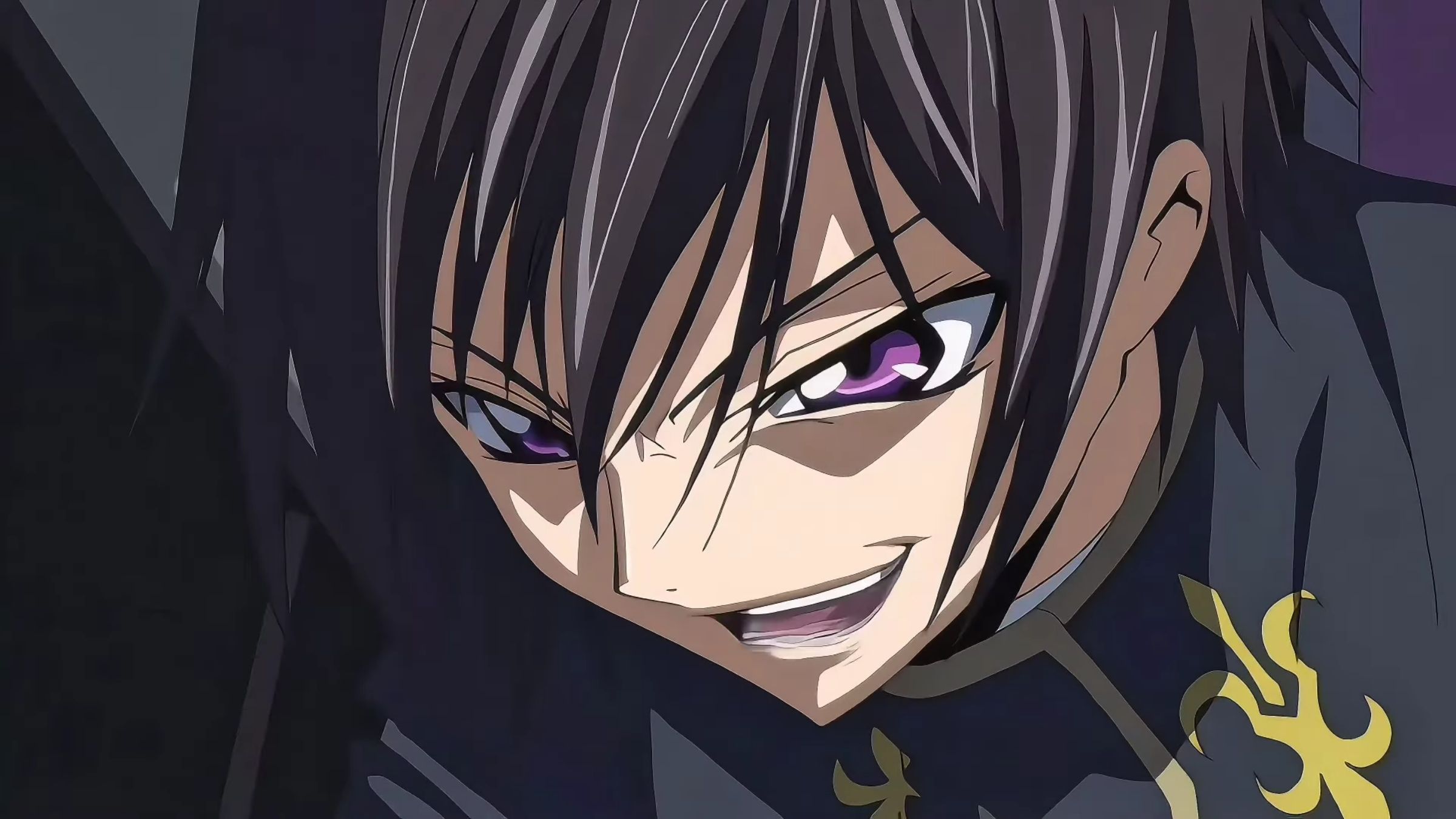
Released in 2006, *Code Geass* is a popular science-fiction anime known for its complex story and characters. What makes it stand out is how it presents its main character, Lelouch Lamperouge, as a villain, largely through the perspectives of those around him. The series takes place in a world where the Holy Britannian Empire dominates most of Earth. Lelouch, a prince of Britannia, is sent to Japan with his sister following the mysterious death of their mother, which is quickly covered up.
Fueled by a thirst for revenge, a lack of faith in the Britannian government, and a deep commitment to protecting his sister, Nunnally, Lelouch sets out to dismantle the Holy Britannian Empire. He’s able to do this thanks to Geass, a powerful ability that lets him control others. Lelouch is a classic anime mastermind – incredibly intelligent, clever, and skilled at manipulation, making every scene he’s in compelling. Despite committing questionable acts, even those that could be considered war crimes, Lelouch is driven by a desire to protect Nunnally and overthrow a corrupt government. This combination of motives, clear goals, and well-crafted dialogue makes him a villain audiences often find themselves rooting for.
3) Attack on Titan
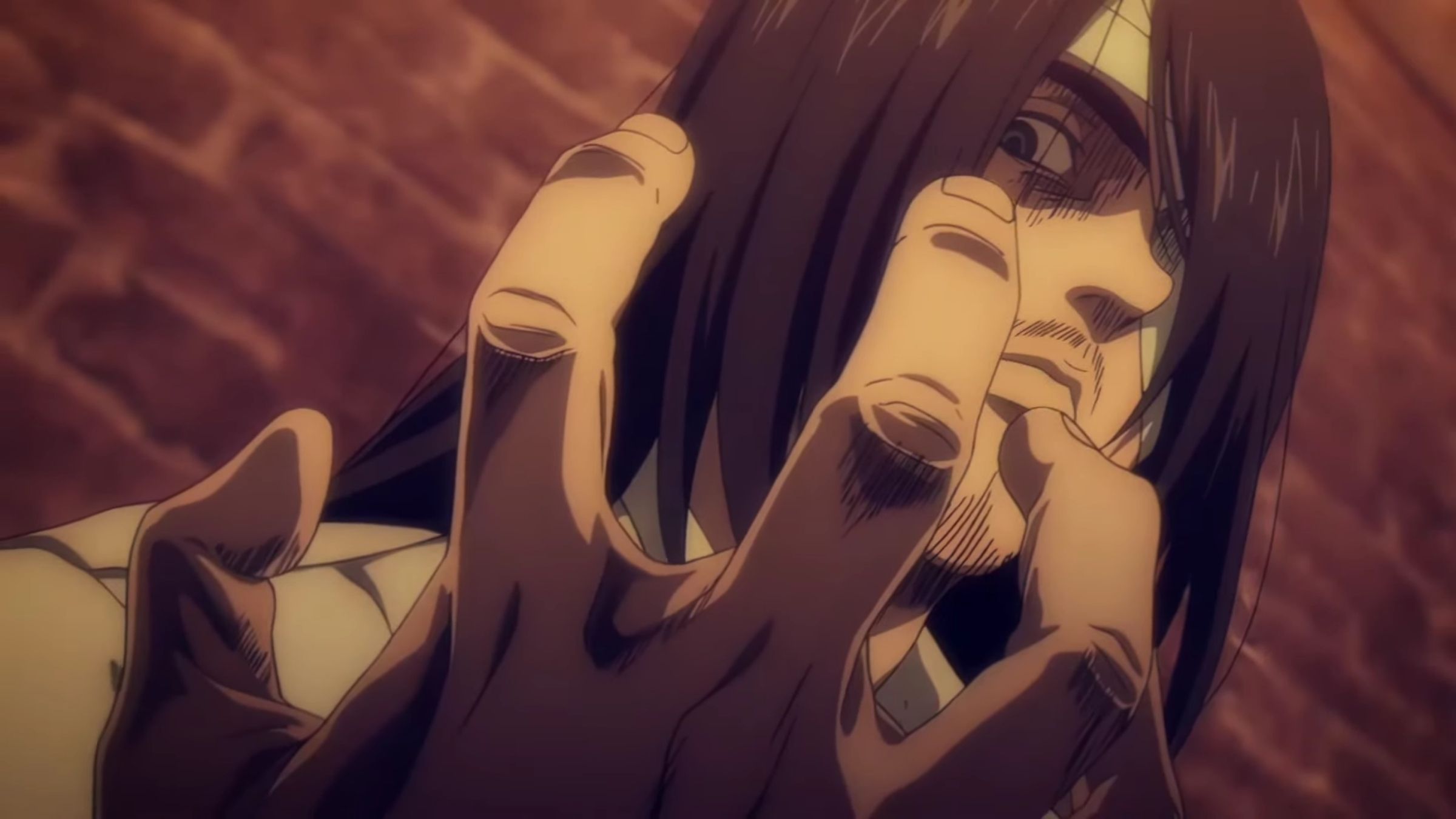
Attack on Titan, which premiered in 2013, is a dark and intense fantasy series known for its action, horror, and supernatural themes. The story unfolds on Paradis Island, where people live protected behind massive walls to keep out terrifying, man-eating creatures called Titans. The life of Eren Yeager changes forever when the outer wall is destroyed, and he witnesses his mother’s tragic death during a Titan attack on his hometown.
Throughout the series, Eren is driven by a powerful memory and a burning hatred for the Titans, vowing to wipe them all out. However, his understanding and anger evolve as he learns shocking truths: he discovers he can transform into a Titan himself, finds out that most of humanity lives beyond Paradis Island, and uncovers the history of the Eldians and the oppression they face. Eren’s decision to fight back against those who threaten his home and friends isn’t made easily. By the end of *Attack on Titan*, the energetic and impulsive boy we first meet is gone, replaced by a somber, haunted figure who seems to know what’s coming. The tragedy of Eren Yeager – becoming the very thing he once swore to destroy, all in a desperate attempt to give his friends a chance to rebuild – is what makes his transformation into a villain so complex and captivating.
2) Elfen Lied

First released in 2004, Elfen Lied is a mature anime series blending horror, fantasy, and science fiction. The story centers around the Diclonius, a humanoid race distinguished by horns and powerful, tentacle-like extensions called vectors. Because they’re seen as a potential threat to humanity’s dominance, the Diclonius are largely oppressed and mistreated. The protagonist, Kaede, also known as Lucy, is a Diclonius who escapes captivity and develops a second personality as a result of severe physical and emotional trauma.
Lucy suffered terribly as a child, enduring bullying, neglect, and cruel experiments at both the orphanage and the Diclonius Research Institute before finally escaping. Given this lifelong trauma and the prejudice she faced, it’s understandable why she developed a desire to eliminate humanity and create a safe place for herself. As the central character, the audience is shown her pain and naturally empathizes with her struggle for survival and revenge against her oppressors. Even though Lucy knew her actions would likely make her unforgivable, she remains a sympathetic villain who deserved a better life.
1) Death Note

No discussion of great anime is complete without mentioning *Death Note*, a groundbreaking series that put a villain at the heart of the story. Released in 2006, it set the standard for many crime, horror, and thriller anime that followed, with its intricate plot, clever schemes, and thrilling cat-and-mouse game. The premise is straightforward: Light Yagami, a high school student, finds a *Death Note* – a notebook with the power to kill anyone whose name is written inside.
Most people would reject the power over life and death, but Light Yagami embraces it, seeing himself as a god. He starts by killing criminals in Japan, but soon anyone who challenges Kira – the public persona he creates – becomes a target. *Death Note* brilliantly demonstrates how arrogance, ambition, a sense of moral superiority, and an inflated ego can lead to widespread devastation and ruin. Despite all of this, Light remains a fascinating villain, and it’s hard not to be captivated by his actions and desire to outwit the detectives determined to stop him.
https://comicbook.com/anime/news/best-anime-villains-of-all-time/embed/#
Read More
- Best Controller Settings for ARC Raiders
- FRONT MISSION 3: Remake coming to PS5, Xbox Series, PS4, Xbox One, and PC on January 30, 2026
- Mark Zuckerberg & Wife Priscilla Chan Make Surprise Debut at Met Gala
- Meet the cast of Good Omens season 3: All the actors and characters
- Review: Final Fantasy Tactics: The Ivalice Chronicles (PS5) – Still the Benchmark for Turn-Based Tactics
- Nippon Sangoku Is The Best New Post-Apocalyptic Anime of Spring 2026
- 7 Great Marvel Villains Who Are Currently Dead
- Welcome to Demon School! Iruma-kun season 4 release schedule: When are new episodes on Crunchyroll?
- Wistoria: Wand and Sword Season 2 release schedule: When are new episodes out?
- The Boys Season 5 Officially Ends An Era For Jensen Ackles’ Soldier Boy
2025-09-27 01:23