
You can always count on Christopher Nolan to deliver films that demand your full attention – definitely not something you can casually watch. Each of his movies is essentially a mental workout: some play with the order of events, others delve into complex scientific ideas, and some manage to do both. And the biggest challenge? Nolan doesn’t offer easy explanations through dialogue or narration; he wants you to solve the mystery yourself, as that’s central to the viewing experience. He prioritizes engaging your mind over simple entertainment, aiming for a feeling of accomplishment when you finally understand the story. Watching a Nolan film requires paying close attention to every single detail, and often means watching it again and again to fully grasp what happened.
As a huge Christopher Nolan fan, I’ve always been amazed by how much he makes you *think* while you’re watching his films. So, I put together a ranking of all his movies, from the ones that are a little easier to follow to the ones that will *really* make your brain work! Seriously, whether it’s an action flick, a drama, or sci-fi, be prepared – you’re going to feel the burn trying to keep up with everything that’s happening on screen. It’s part of the fun, though! Trust me on this, you’ll need to pay attention!
12) The Dark Knight
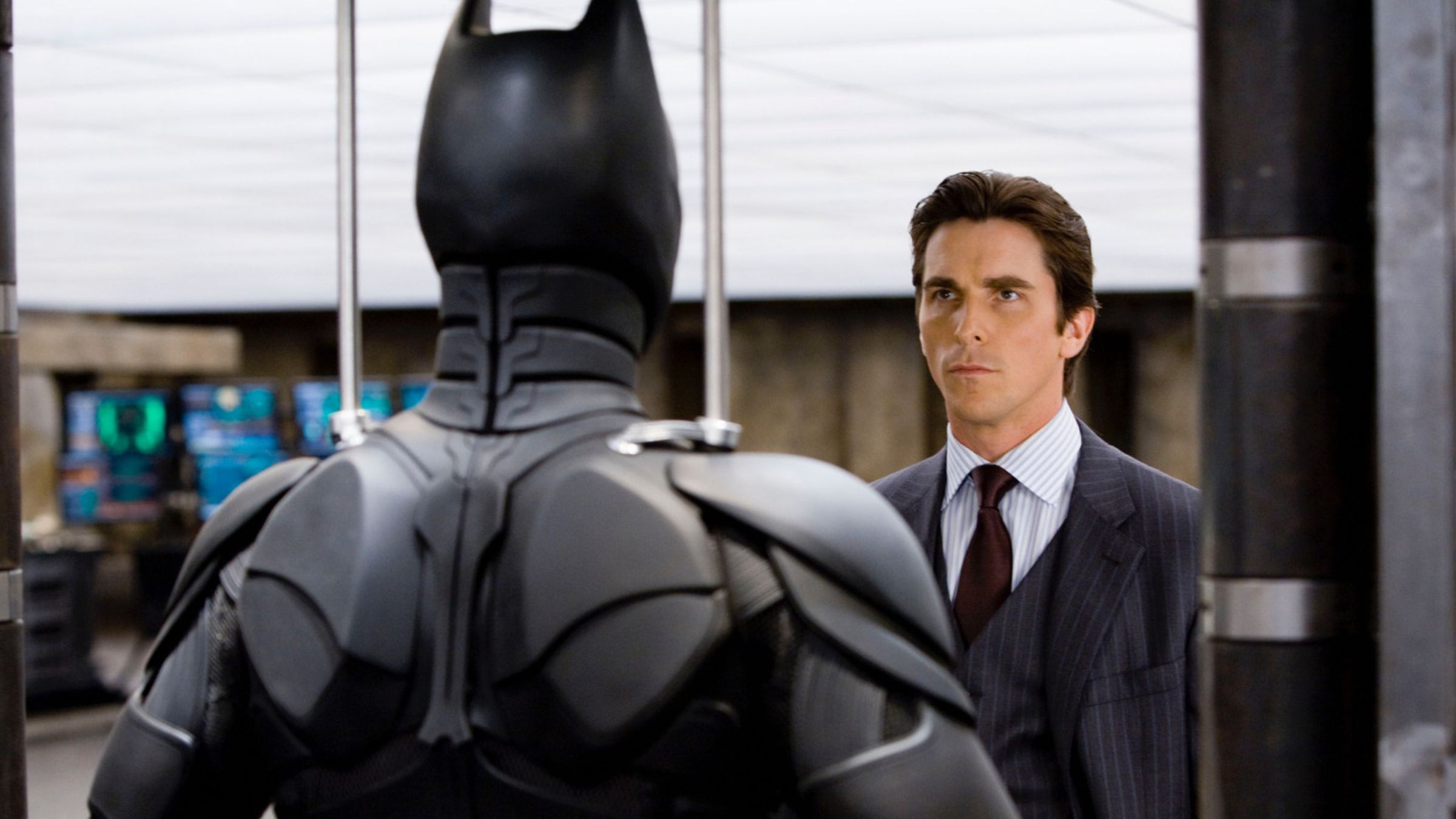
When people think of The Dark Knight, they usually don’t think of a complicated puzzle-they think of it as the greatest superhero movie ever. The film sets Batman (Christian Bale) against the Joker (Heath Ledger), who throws Gotham City into turmoil, turning it into a testing ground for chaos and what’s right and wrong. The story unfolds clearly, without confusing jumps in time, and the biggest challenge is simply grappling with the difficult questions it raises-like, “How much are you willing to do to keep things under control?” However, it’s definitely not a movie that will overwhelm you with complexity. Even Batman himself, as a symbol, forces viewers to think about justice and self-sacrifice, but that’s just a core part of who he is. This isn’t Christopher Nolan getting lost in complicated science; it’s his most straightforward and accessible film.
11) Batman Begins
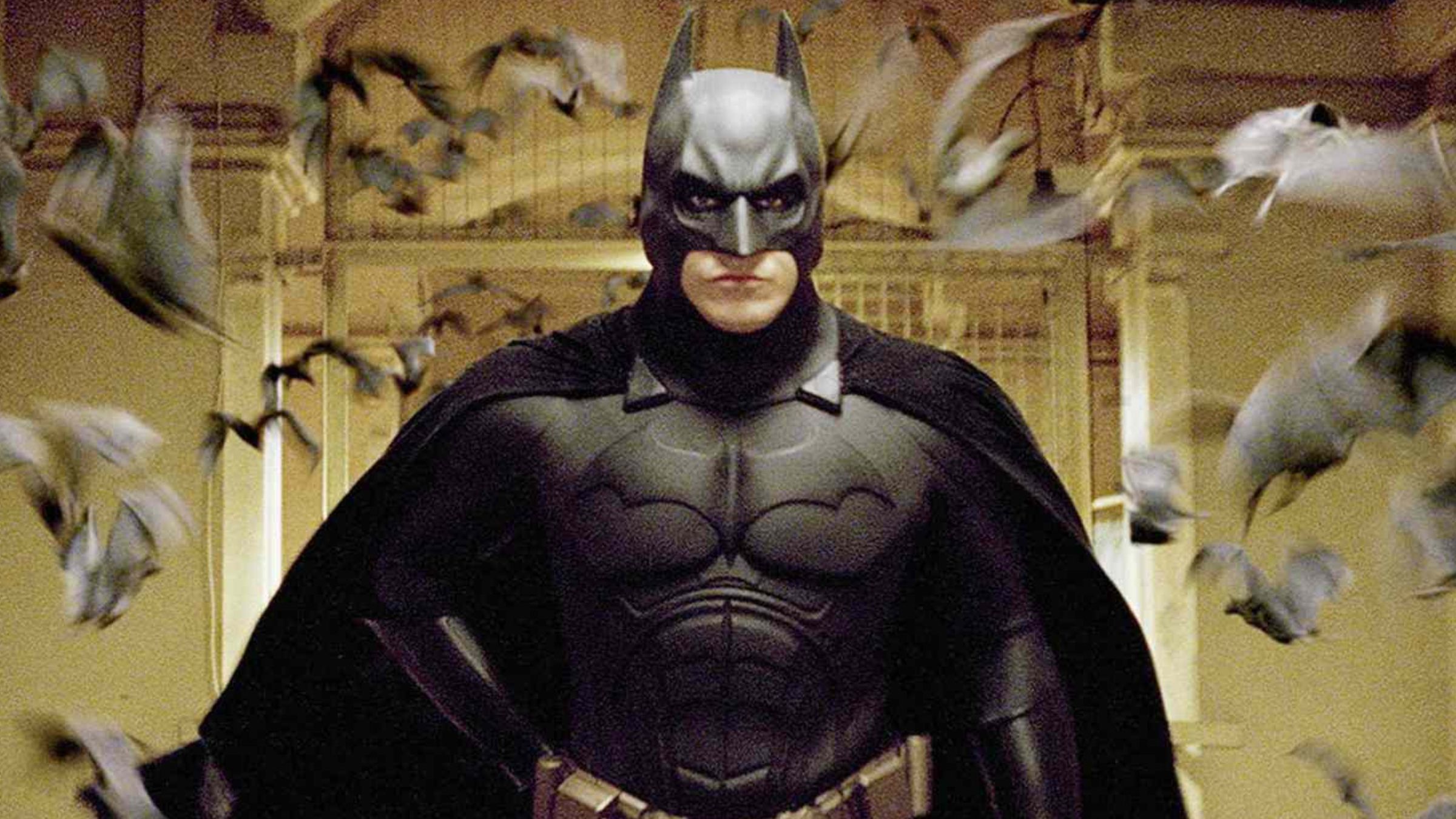
The first film in Nolan’s Batman trilogy is the easiest to get into, though it’s still quite intense. Batman Begins tells the story of Bruce Wayne’s journey – from his training with the League of Shadows to becoming the hero we recognize, and his confrontation with Ra’s al Ghul (Liam Neeson). While it’s an origin story, it’s much more thoughtful and serious than most superhero movies of that era. The film makes you think by examining how fear can be used as a powerful force. Bruce must overcome his own painful experiences and transform them into strength, and the movie constantly blurs the line between inspiration and fear. It’s a relatively simple story, but it raises big questions, like “to what extent can fear be used for positive change?” It’s not one of Nolan’s most complicated films, but it proves he never saw the superhero genre as just simple, brainless fun.
10) The Dark Knight Rises
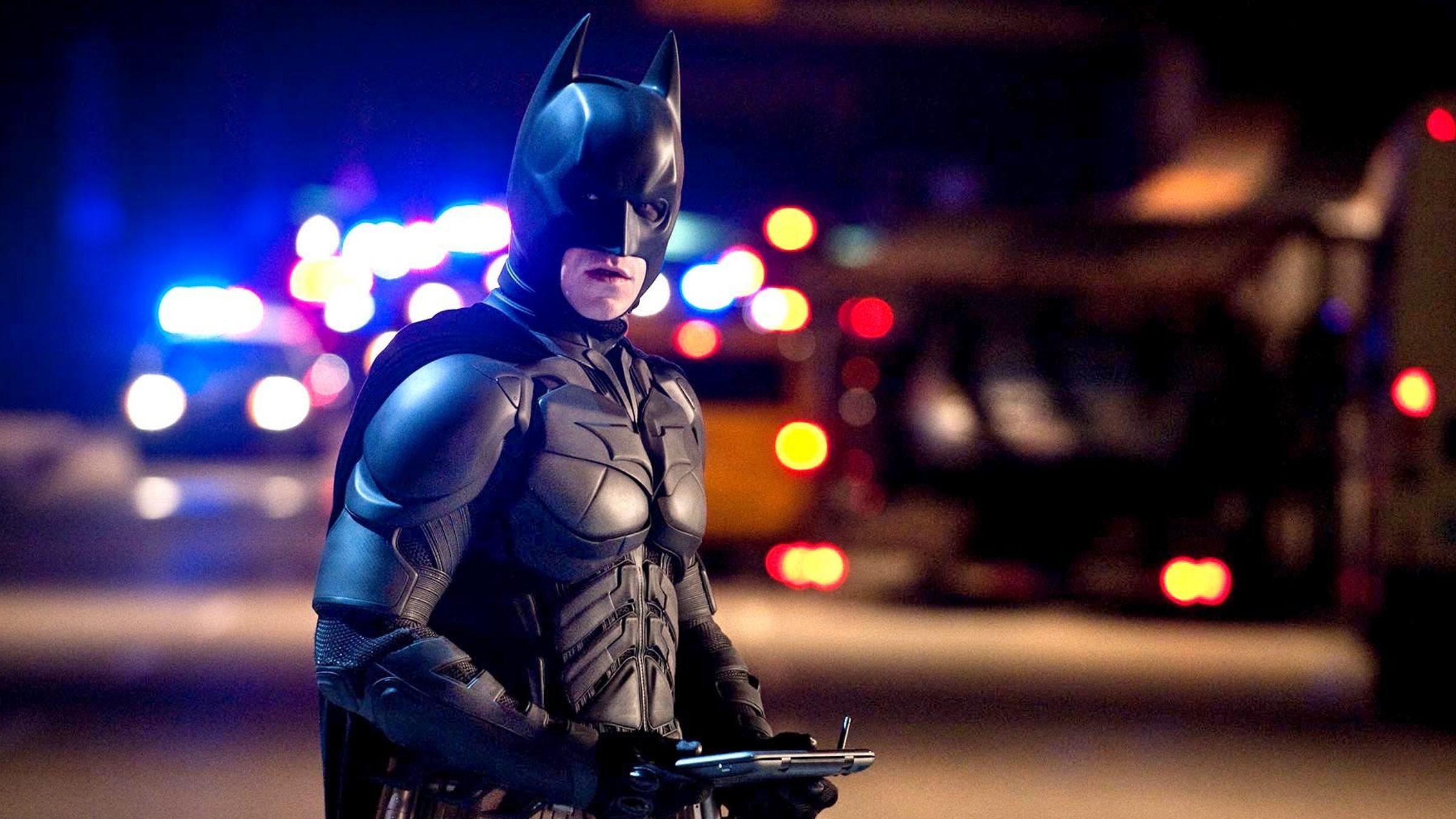
Concluding the Batman trilogy, The Dark Knight Rises is filled with complex themes that add depth to the story. The film centers on a recovering Bruce Wayne who is forced back into action when Bane (Tom Hardy) seizes control of Gotham and plans to destroy the city. While the storyline is straightforward, it explores significant issues like what we leave behind, unfairness in society, and widespread unrest. What makes it a more thoughtful experience? The meaning is found beneath the surface. Nolan uses the crumbling city to represent conflicting beliefs, asks whether Batman is a true inspiration or simply a person, and introduces Talia (Marion Cotillard) to change the story’s focus. It isn’t necessarily complicated, but it definitely asks you to pay attention to more than just the action.
9) Insomnia
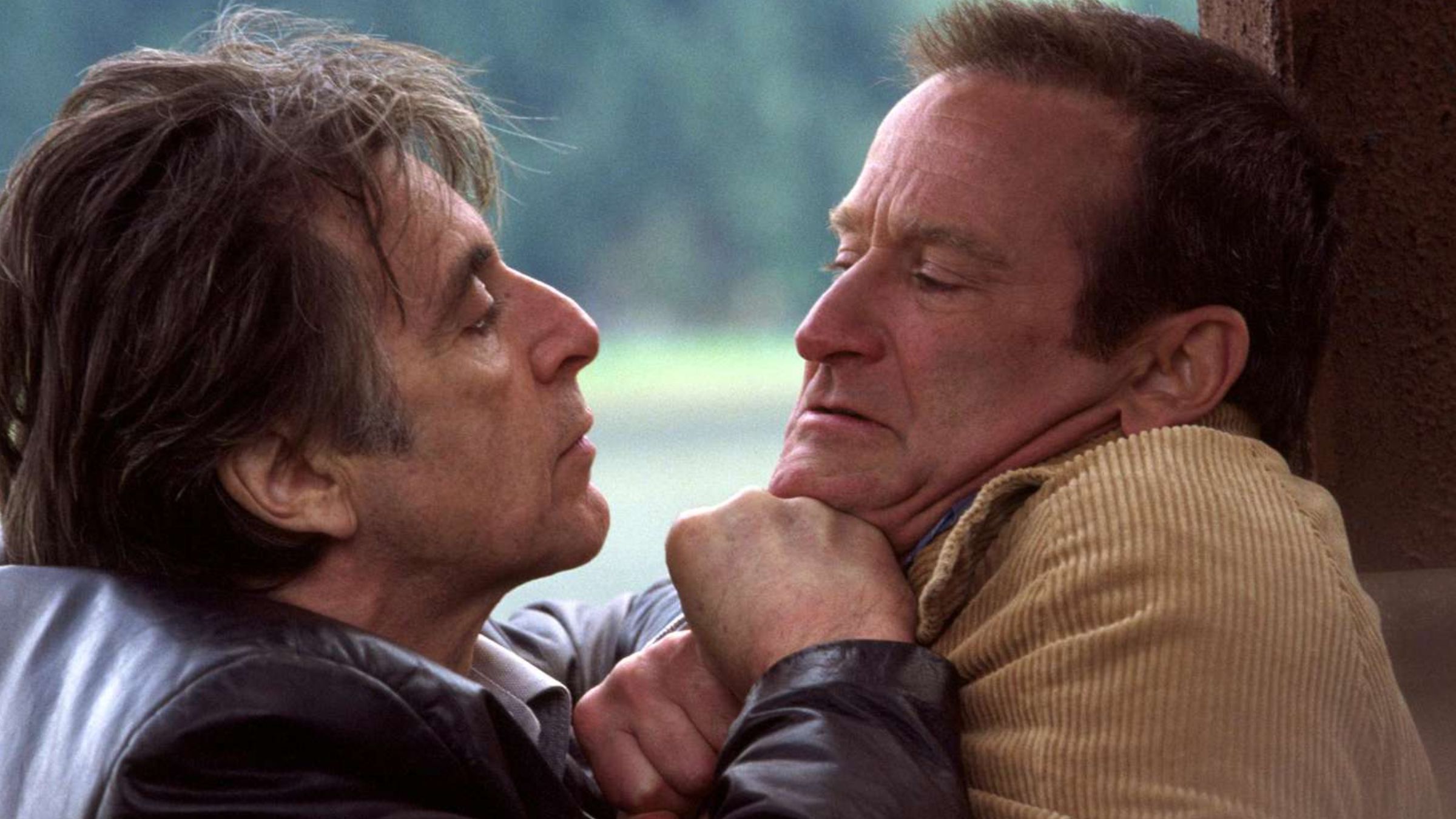
Moving away from typical superhero stories, we have Insomnia. However, it’s not widely known as a complex, twisty mystery – and that’s because its difficulty lies more in its psychological depth. The film centers around Detective Will Dormer (Al Pacino), who goes to Alaska to solve a murder, but unintentionally kills his own partner. Because of the constant daylight, he can’t sleep and begins to struggle with what’s real and what isn’t. The main challenge is trying to understand a character’s deteriorating mental state. It doesn’t rely on time-based illusions, but instead on feelings of paranoia, guilt, and a main character who becomes less and less trustworthy. The mental strain isn’t about intellectual puzzles; it’s a moral one: it makes you wonder how much a police officer can rationalize their behavior when they’re just as flawed as the criminals they’re pursuing.
8) Following
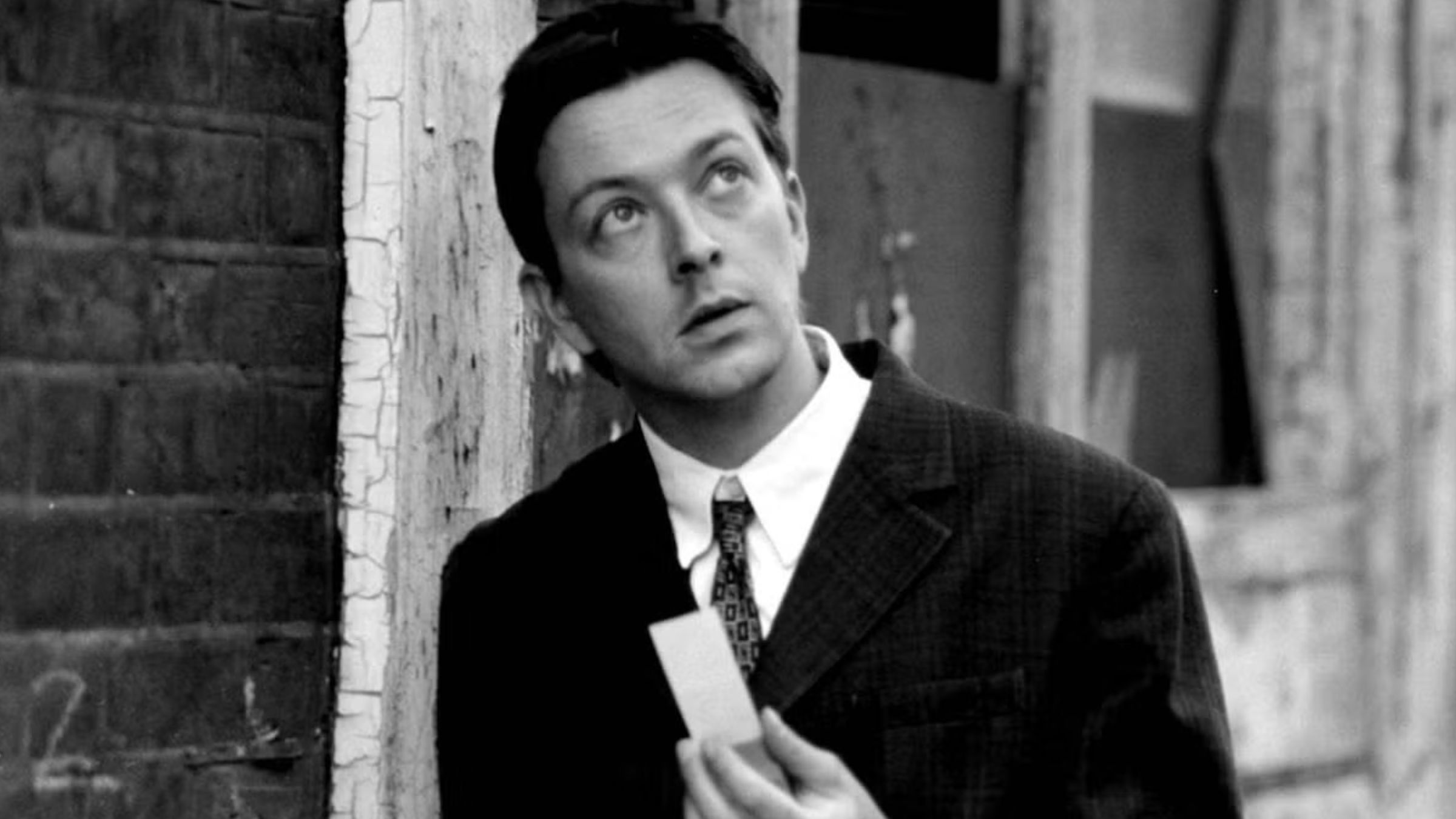
Following is Christopher Nolan’s debut feature film, and it’s relatively restrained. He didn’t aim for extravagance with his first project, but he still subtly challenges the viewer’s ability to follow the story. The film centers on a young writer who begins following people as a hobby and becomes entangled with a thief, leading to a complex web of deceit. It’s a modestly-budgeted, black-and-white film, and the storyline can be a little confusing. The enjoyment comes from piecing together the events, determining the correct sequence, and identifying who is being dishonest. However, it requires your full attention; you’ll miss crucial details if you aren’t engaged. Ultimately, Nolan demonstrates his intention: to transform movie-watching into an intellectually stimulating experience.
7) Dunkirk

Let’s look at some of Nolan’s more famous films. Dunkirk could easily have been a traditional war movie, but Nolan doesn’t do things the expected way. The film depicts the rescue of British soldiers in World War II, but with a unique approach: it’s shown through three different viewpoints – on land, at sea, and in the air. Each of these timelines moves at its own speed, and they don’t come together until the very end. This can make it a bit challenging to follow because the film relies very little on dialogue to explain what’s happening. You need to keep track of the different timelines yourself. The timeframes also vary greatly – some scenes cover a week, while others take place over just a day or even an hour. The end result is a film that, even without being science fiction, requires you to actively assemble the story in your mind just to understand what’s happening, all while maintaining a constant sense of wartime tension.
6) Oppenheimer

While Oppenheimer isn’t necessarily difficult to follow, it’s likely the most draining film to watch. It tells the story of Robert Oppenheimer (Cillian Murphy), detailing his work developing the atomic bomb and the subsequent hearings that threatened to ruin him. The movie jumps around in time and shows events from different perspectives. However, the difficulty isn’t just tracking these shifts; it’s taking in the enormous amount of scientific, political, and ethical information Christopher Nolan includes. You’re asked to understand complicated scientific ideas while also considering questions of morality, accountability, and influence. It’s a demanding film – and that’s by design. This popular movie is the type you might need to pause and gather your thoughts before continuing.
5) Interstellar
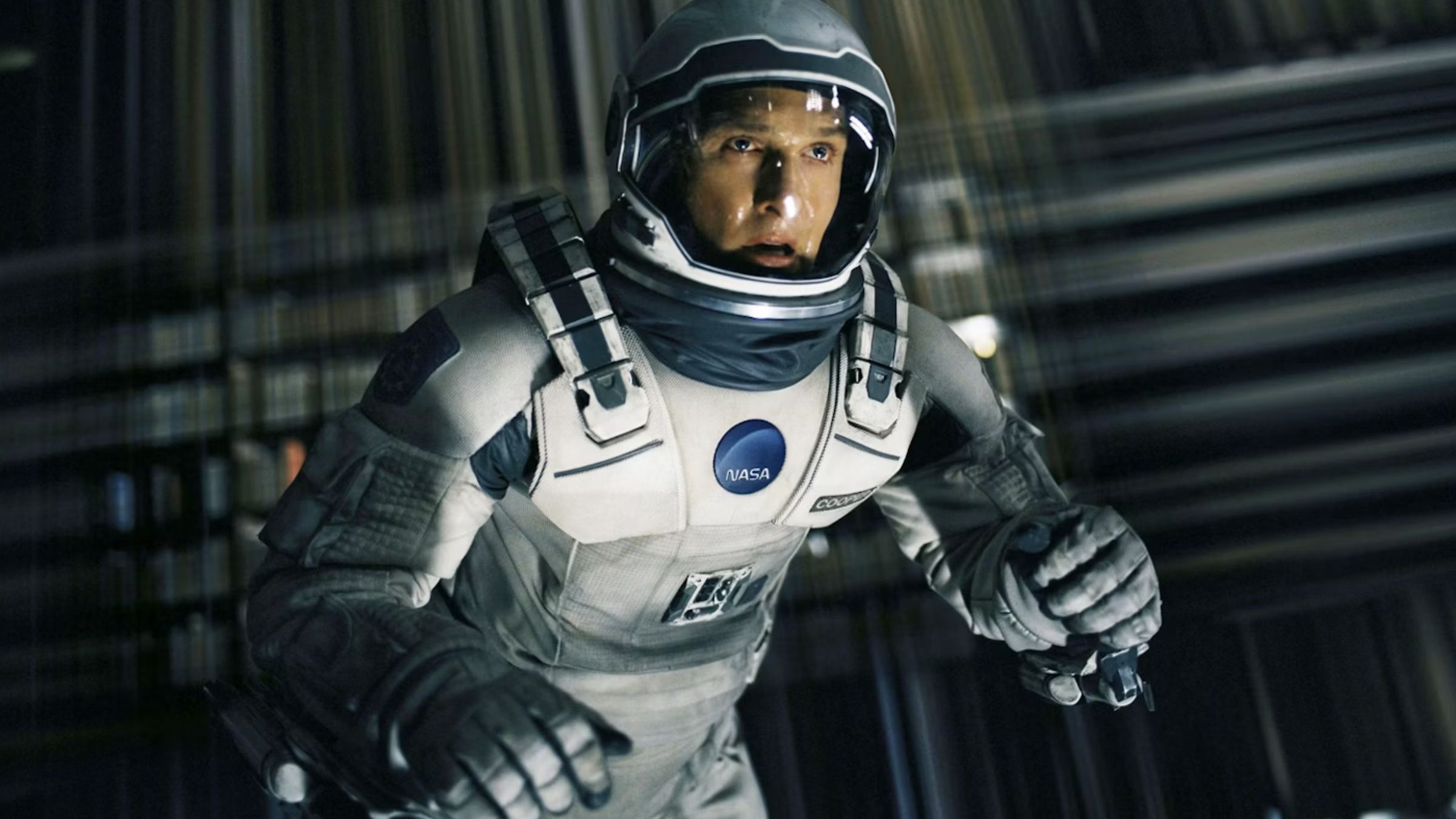
Imagine if Christopher Nolan blended complex physics with a heartfelt family story. That’s precisely what he achieves in Interstellar. The film centers on Cooper (Matthew McConaughey), a pilot who journeys through a wormhole seeking a new planet for humanity, all while being separated from his daughter back on Earth. But what makes the film a bit challenging to follow? The way time slows down near black holes actually becomes the central conflict in the family’s relationships, though it takes some time for viewers to fully understand this – and all the other intricate details. While it isn’t Nolan’s most complex film, it still requires careful attention and thoughtful consideration. You’re essentially trying to process two things at once: the scientific concepts and the strong emotions they create. Essentially, your mind is working on two levels simultaneously – using logical, scientific reasoning *and* experiencing empathy and emotion – which can be quite demanding.
4) The Prestige
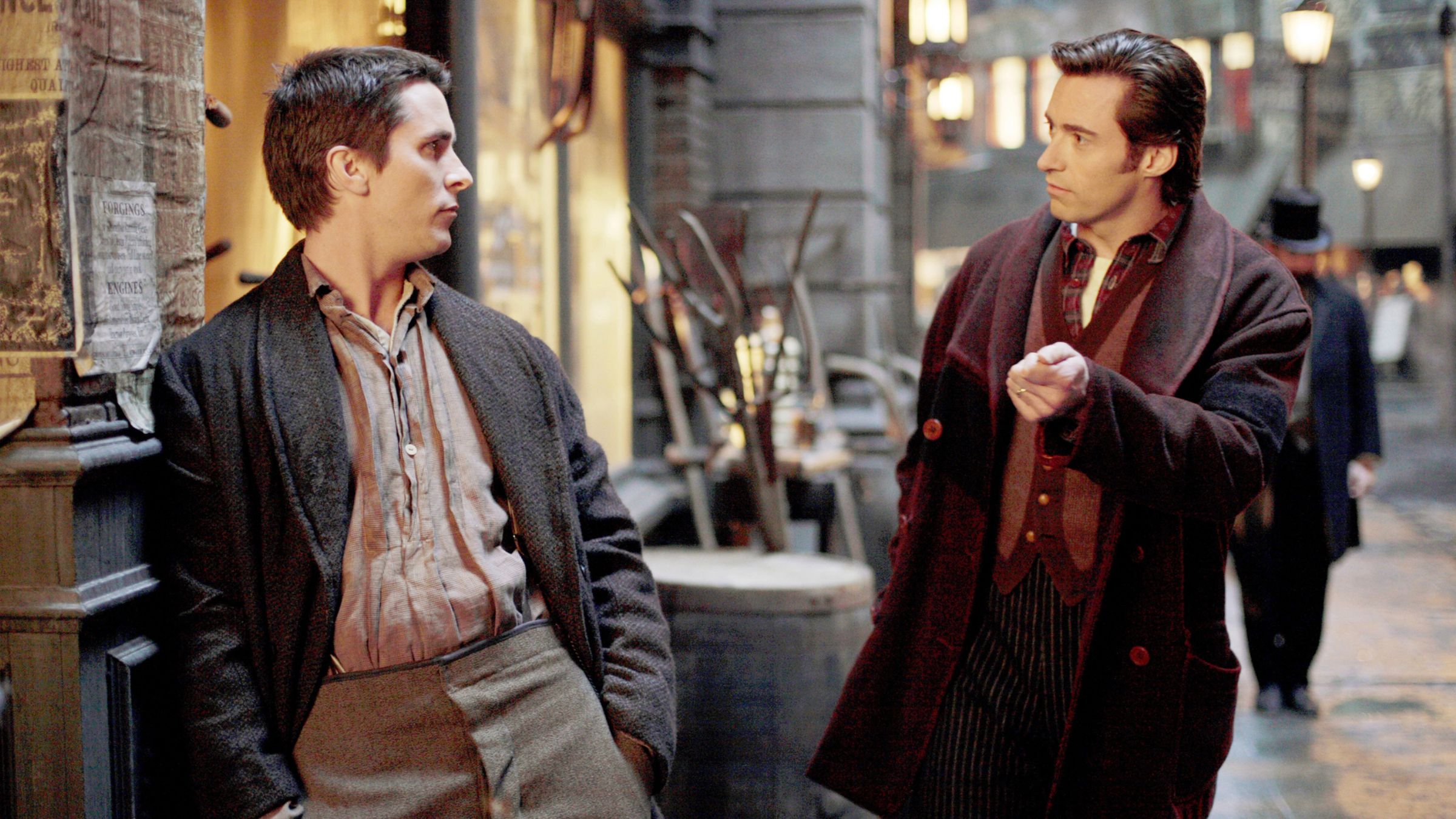
Not many Christopher Nolan films are quite as focused on detail as The Prestige. The movie tells the story of two competing magicians who become entangled in a dangerous rivalry, all in an attempt to invent the ultimate illusion. The basic idea is interesting, but the way the story is told is complex – it jumps around between diary entries, different time periods, and surprising twists that make you question everything you thought you knew. Essentially, it’s very difficult to watch the movie without constantly analyzing and trying to make sense of it all. This is where Nolan really challenges the audience, asking more of them than most visually impressive films do. You have to carefully observe every small detail to realize that the solution was obvious all along. The characters’ drive to mislead the audience mirrors the viewers’ own struggle to piece together the clues. It’s clever, and, frankly, one of Nolan’s most overlooked movies.
3) Inception
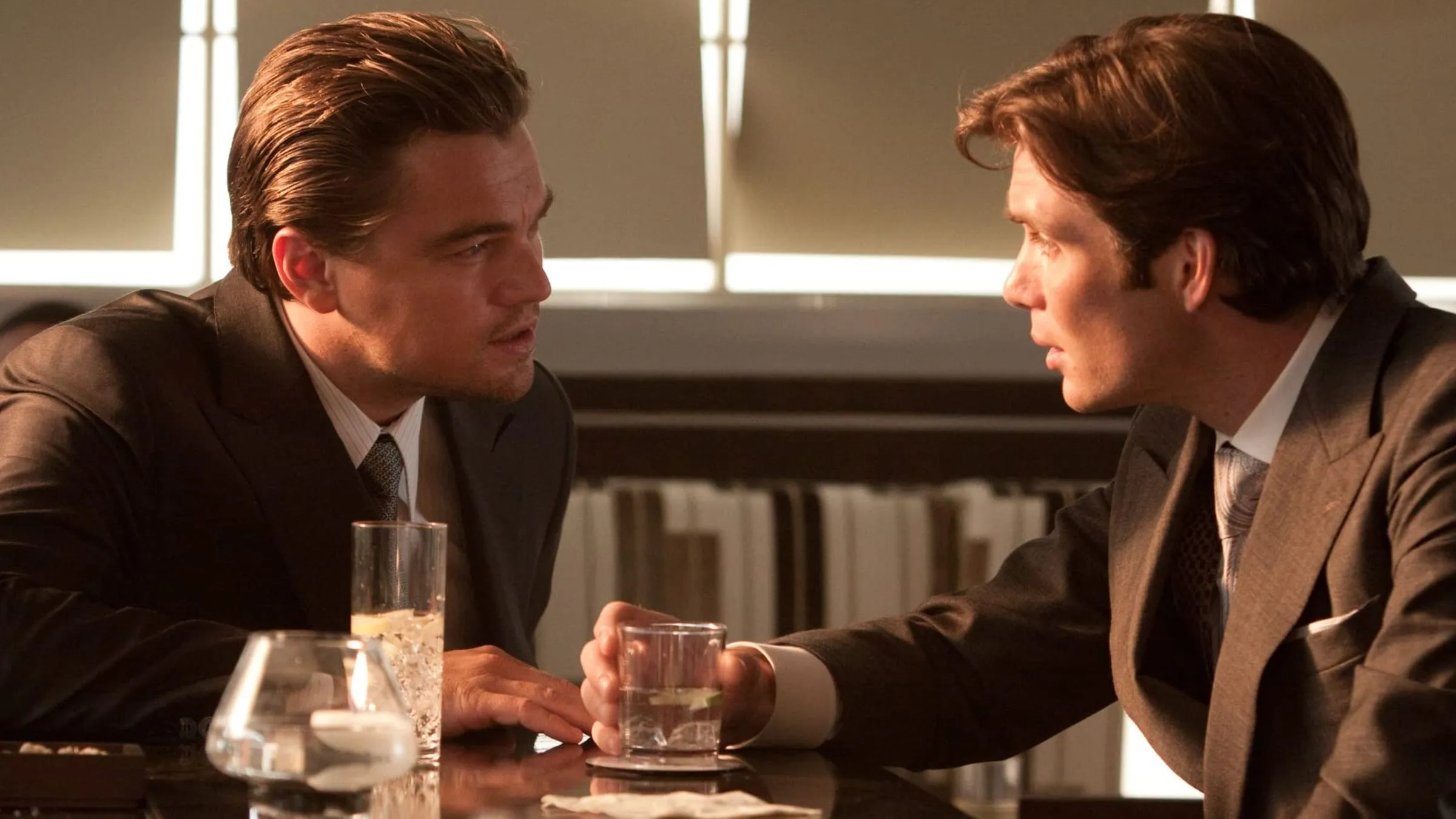
It all begins with the celebrated and innovative Inception – the film that established Nolan as the center of every conversation about confusing plot twists. The story centers on a group of thieves who enter people’s dreams, but their mission is different this time: they need to *implant* an idea. They navigate through several dream levels, each operating with its own unique rules regarding time and the laws of physics. One viewing simply isn’t sufficient. The ending is completely perplexing. The film requires your undivided attention, as multiple storylines unfold at the same time, each progressing at its own speed, while the personal struggles of the main character, Cobb (Leonardo DiCaprio), add further complexity. It’s not just about understanding the plot; you also need to keep track of which dream level you’re in and what the consequences are. This perfectly encapsulates the classic Nolan experience: you watch the film, spend hours discussing it afterward, and it remains so astonishing that it barely registers.
2) Memento

It’s tough to choose Christopher Nolan’s most confusing movies, as two of them are very close in complexity. However, if you consider everything, Memento would likely come in second. The film centers around Leonard (Guy Pearce), a man with short-term memory loss who is trying to find his wife’s killer. The unique thing about it is that the story unfolds in two ways: one in color and another in black and white. This makes watching the movie feel like you’re experiencing things through Leonard’s eyes, constantly trying to figure out what actually happened and who might be deceiving whom. Unlike other films, this one actively engages your brain, almost like an interactive puzzle. The goal isn’t just to be entertained, but to assemble the pieces of the story while also understanding the frustration of Leonard’s condition. It’s more than just a movie; it’s an experience.
1) Tenet
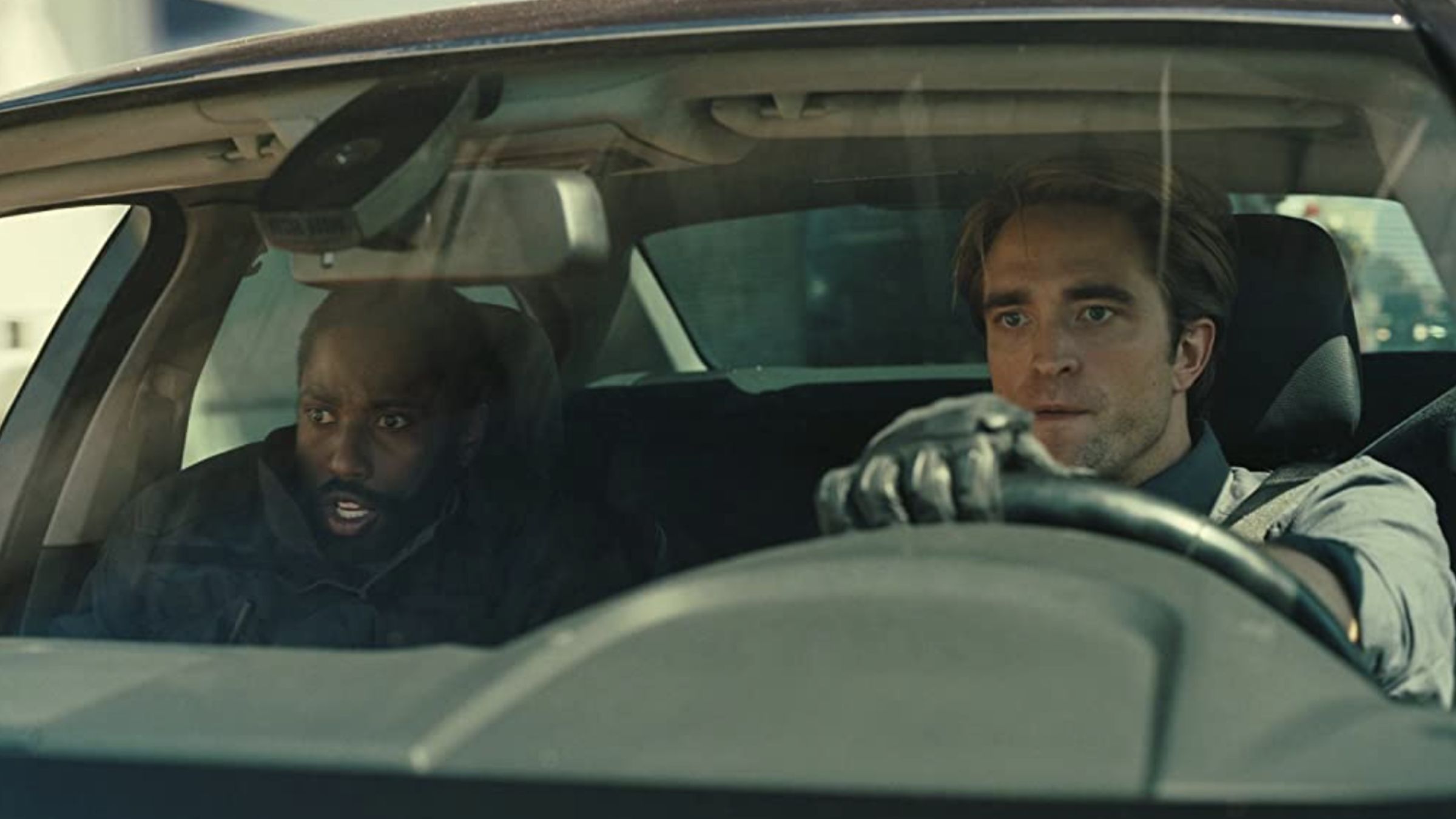
Let’s be clear: many viewers are still confused by Tenet. It’s incredibly complex, even after multiple viewings trying to piece things together. The film centers on an agent tasked with preventing World War III using “reverse entropy”-the idea that people and objects can move backwards in time (and that’s a challenging concept on its own!). Nolan blends intense action with concepts that feel like they come directly from a college-level physics book. It’s certainly not a simple watch. Scenes unfold both forwards and backwards at the same time, characters interact across different time periods, and complicated scientific terms are presented without much explanation. You’ll likely only grasp about half of the movie on your first viewing. Rewatching it is practically essential. It’s Nolan at his most challenging.
Read More
- What Song Is In The New Supergirl Trailer (& What It Means For The DC Movie)
- Why is Tech Jacket gender-swapped in Invincible season 4 and who voices her?
- Dune 3 Gets the Huge Update Fans Have Been Waiting For
- Highly Anticipated Strategy RPG Finally Sets Release Date (And It’s Soon)
- TV legend Carol Kirkwood reveals the reasons why she decided to retire after 28 years with BBC
- Eurogamer Gives ARC Raiders 2/5 Over AI Voices, Dropping Metacritic Score from 94 to 84
- Starfield PS5 Won’t Play Off Physical Disc without a Download
- First Berserker: Khazan Players Are Getting Free Items to Celebrate the Game’s 1 Year Anniversary
- Unforgotten legend Nicola Walker stars in first look at all-new “outrageously witty” comedy drama series
- 49 Years Ago Today, Movie History Was Changed by a Film You’ve Never Even Seen
2025-10-01 15:17