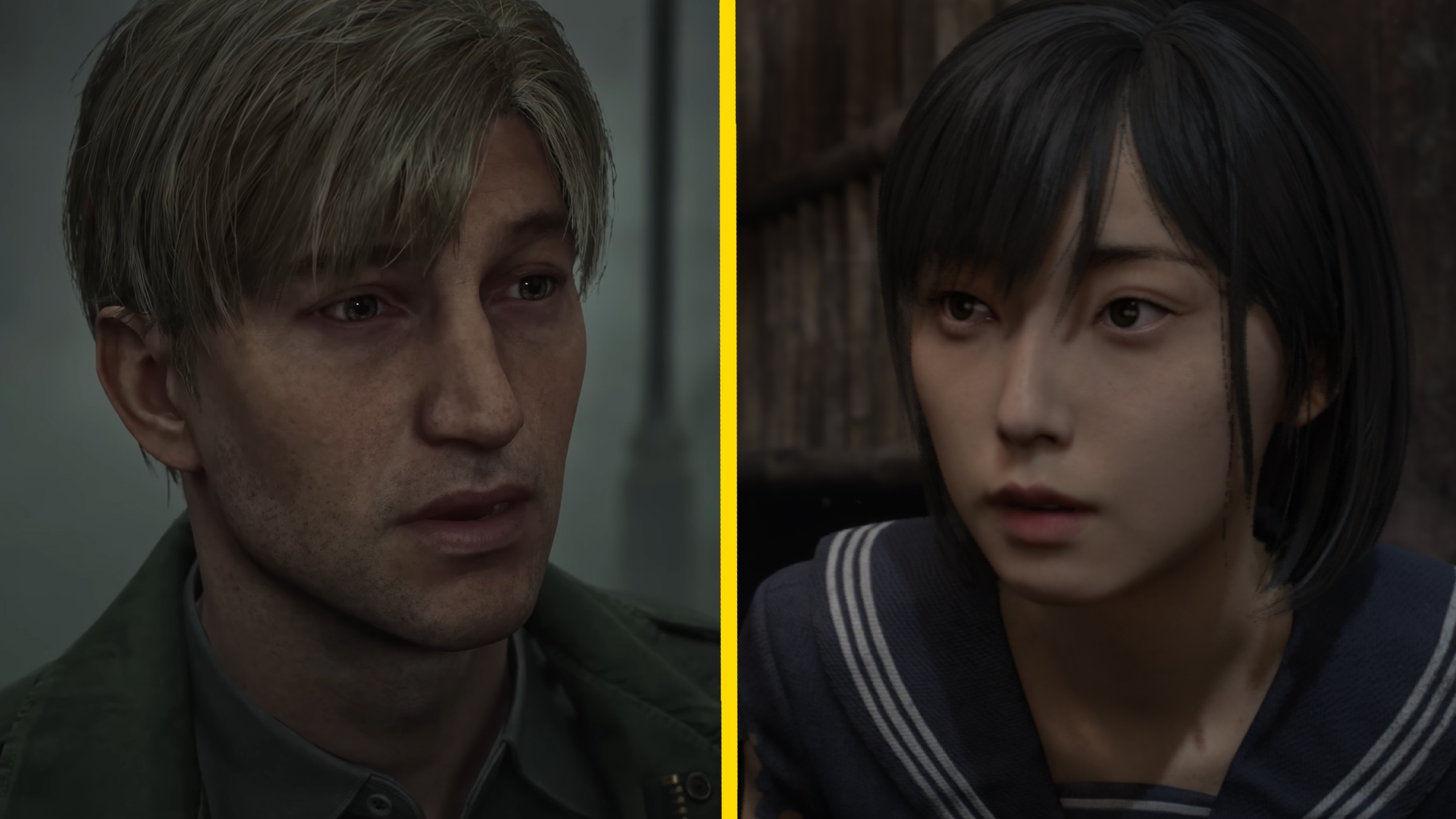
Since 2001, Silent Hill 2 has been a dominant presence, influencing almost every part of the series. Sometimes, great success can become a challenge, creating expectations that are hard to live up to. This pressure contributed to the struggles of other games, especially those that deliberately tried to follow in the footsteps of James Sunderland’s original story. Silent Hill f cleverly avoids this issue by taking a completely new direction, making it the best Silent Hill game in over two decades.
Silent Hill f differs most noticeably in its setting and the characters who inhabit it, as the two are closely connected. The game’s 1960s Japan is a significant change from the American locations featured in most other Silent Hill games. While the United States is large, its cities don’t vary much and offer limited creative possibilities; there are only so many ways to depict an American hospital. Ebisugaoka, the rural Japanese village in f, allows for a deeper exploration of how an entire town can become corrupted, going beyond the typical rusted prisons and apartment buildings.
Silent Hill f Explores More Than Many Other Entries
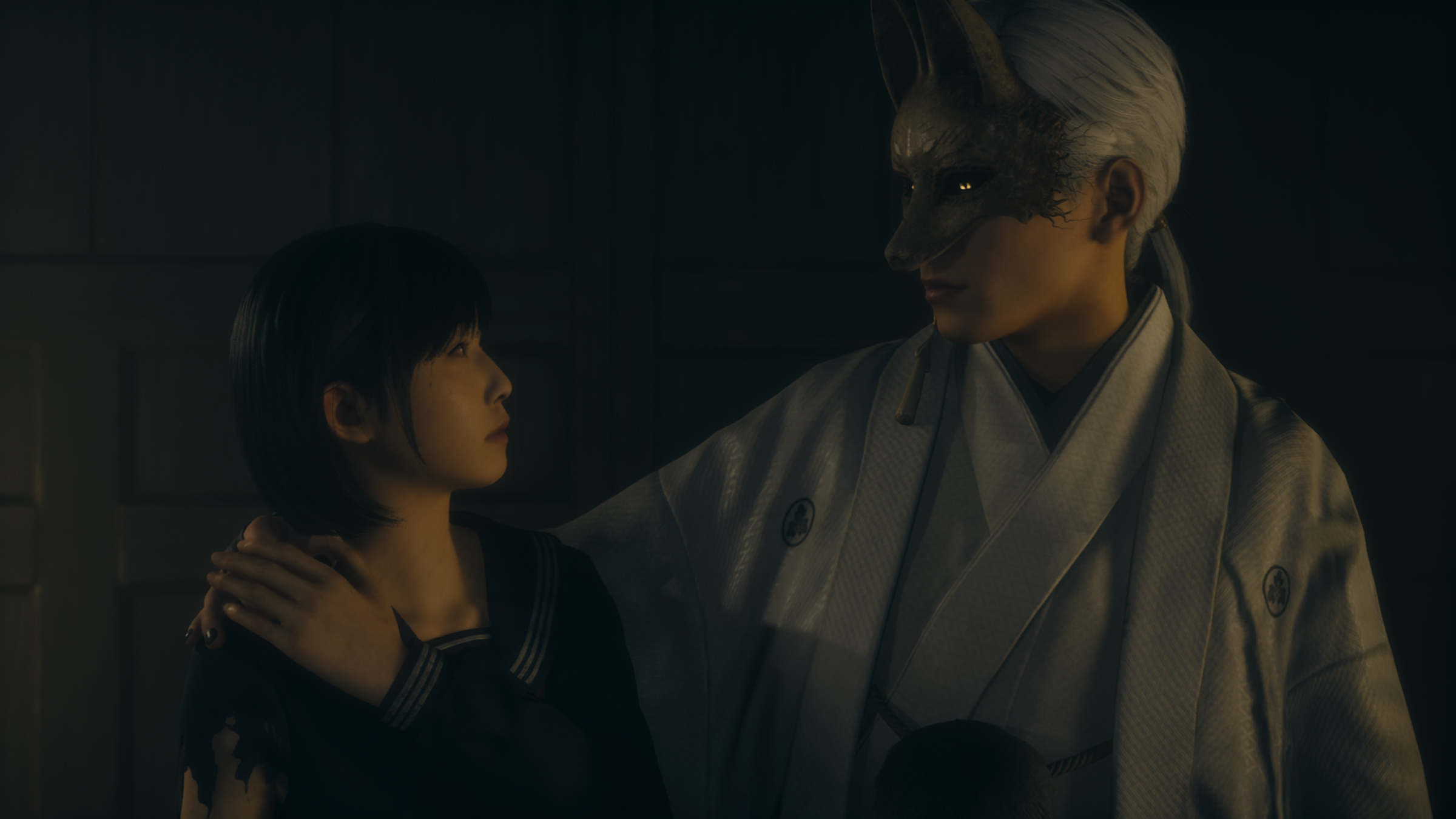
When corruption takes hold in decaying, overgrown buildings, it manifests in striking ways, beautifully displayed through vibrant crimson foliage that expands as the influence intensifies. This mysterious and disturbing decay is visually captivating, largely due to its environment. It diverges from other Silent Hill games, creating something truly original while still conveying the theme of a place succumbing to darkness. Even the Otherworld feels different – a traditional Japanese temple, unlike the repulsive Otherworlds found in the other titles. It’s impossible to mistake a screenshot of f for any other game in the series, and that’s a rare achievement for Silent Hill.
What makes this accomplishment even more impressive is the game’s setting and protagonist. Hinako Shimizu, the main character in f, is a teenager, which allows the game to explore unique issues from a teenage perspective. While f‘s message about things like gender roles and abusive behavior is universal, the 1960s in Japan adds a special layer to these themes. Just as Silent Hill 3‘s Heather brought a fresh direction to that series through her character, f builds on that idea and takes it even further.
By taking these steps, f manages to move away from the strong influence of Silent Hill 2, which has unfortunately overshadowed many other games in the series. Homecoming, a particularly criticized installment, features a poor late-game twist that feels like a weak imitation of the impactful reveal at the end of Silent Hill 2, without putting in the necessary effort to make it meaningful; it simply copies the surface level elements. It even includes an unnecessary appearance by Pyramid Head, which, beyond being a simple attempt to appeal to fans, weakens his importance in Silent Hill 2 by suggesting he isn’t uniquely tied to James’s story. It’s clear he’s there just to generate excitement, not to contribute to the narrative.
Downpour doesn’t directly copy the story elements of Silent Hill 2, but it still features a complex, middle-aged man with a troubled history who also looks remarkably like James. Origins attempts to give its main character a sad backstory too, but it doesn’t connect that story well to the main events, and feels like it’s following a formula rather than being original. While these characters aren’t all identical, they share common traits and don’t feel like significant departures from each other.
Silent Hill f Is Still a Silent Hill Game
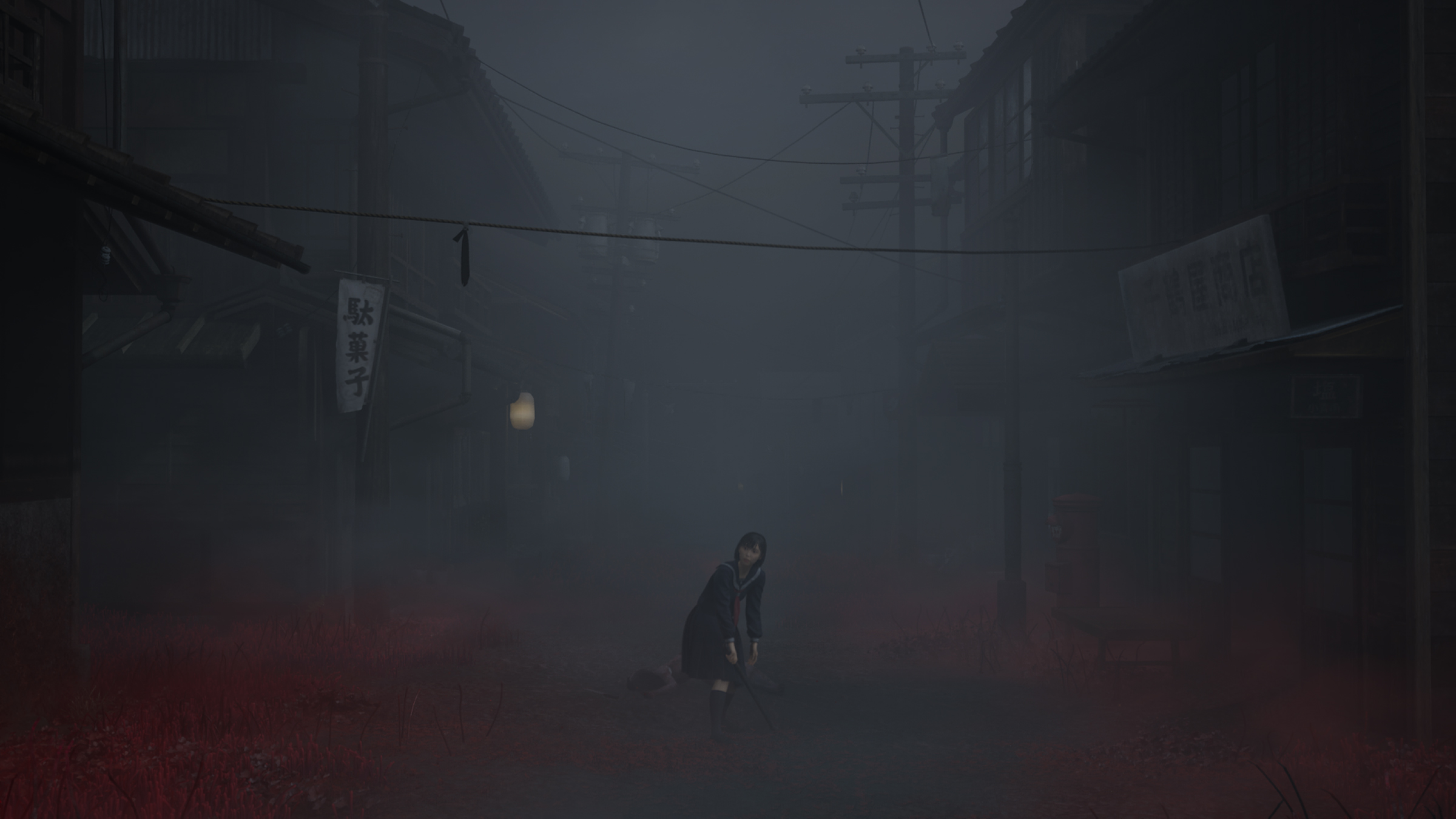
Silent Hill 3, Silent Hill 4: The Room, Silent Hill: Shattered Memories, and P.T. are often praised, and one reason for this is that they each tried something different from Silent Hill 2. SH3 featured a teenage girl as the main character, who wasn’t burdened by a troubled past. SH4 took place primarily within a creepy room and wasn’t even set in Silent Hill itself. Shattered Memories analyzed players’ psychology and removed combat entirely. And P.T. changed to a first-person view, emphasized uncovering secrets, and was, quite simply, a much more terrifying experience than the games before it.
While they all share similarities with the beloved 2001 game – whether it’s a character with messy hair or a familiar, misty setting – these titles still feel like true Silent Hill games. f, however, pushes even further away from the traditional Silent Hill formula with its setting, yet still captures what makes the series special. f‘s story is rich with meaning, demands careful interpretation, and isn’t shy about tackling difficult or sensitive subjects. The creepy creature designs are often used as smart symbolism. The music shifts between beautiful and unsettling, and the sound design creates the feeling that the world itself is suffering.
At its heart, Silent Hill focuses on storytelling through symbolism, characters with depth, the idea of worlds blending together, and unique music. A new Silent Hill game doesn’t have to follow a simple list of expected features to feel like part of the series. It doesn’t need to be set in a standard American town or feature a predictably gloomy main character. Hugo Martin, the director of the modern DOOM games, has talked about the importance of understanding what makes a series special. He used the Star Wars sequel trilogy as an example, explaining that it’s valuable to really study the original material when trying to revive a franchise. He believes the Star Wars sequels suffered because they didn’t do this. The success of the last three DOOM games-and how well they build on the first two-proves his point.
Silent Hill f Is a Blueprint for Other Franchises to Follow
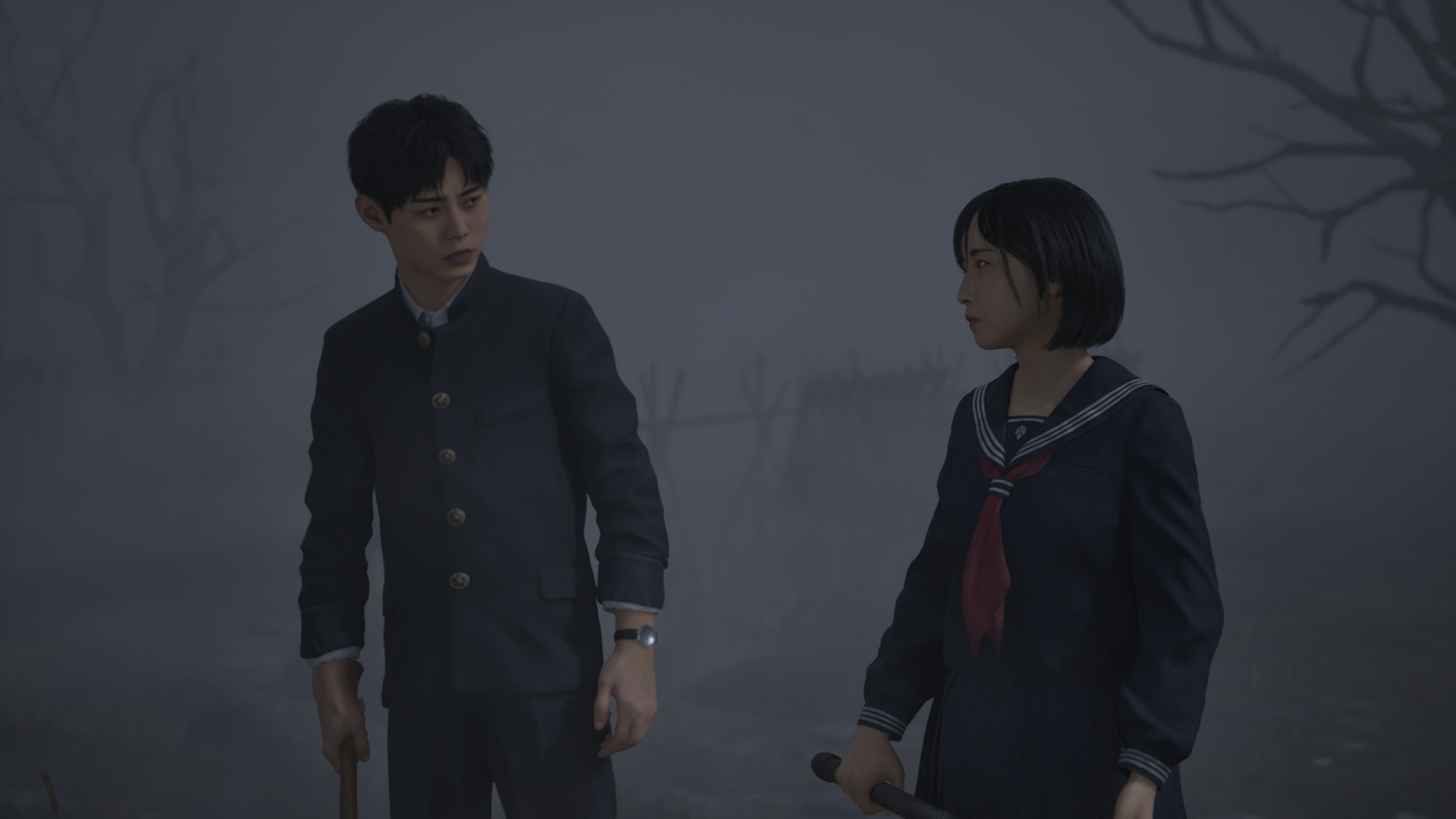
As a big fan, I was really encouraged to hear series producer Motoi Okamoto echo what Martin said! He stressed that the team is going to keep experimenting and really push boundaries to make sure each new Silent Hill game feels special and has its own distinct flavor. He also explained that they want to continue making the games challenging in a good way, and that a strong psychological story is absolutely key to what makes Silent Hill, well, Silent Hill – and they’re going to focus on that going forward. Seeing how much DOOM benefited from Martin’s approach, I think f is a great sign that Okamoto’s words aren’t just talk – they’re actually putting it into practice!
Given these positive results, Silent Hill f should be the blueprint for future games in the series. When the franchise takes a limited approach, we end up with games like Homecoming, Downpour, and Origins. Silent Hill doesn’t need any more weak or uninspired titles that simply try to imitate a classic. The series has been struggling for too long, and as f demonstrates, innovation and taking risks are the key to its revival.
A PS5 copy of Silent Hill f was provided by the publisher for the purpose of this feature.
What do you think? Leave a comment below and join the conversation now in the ComicBook Forum!
https://comicbook.com/gaming/news/metal-gear-solid-delta-remake-silent-hill-2-better/embed/#
Read More
- Sydney Sweeney’s The Housemaid 2 Sets Streaming Release Date
- Highly Anticipated Strategy RPG Finally Sets Release Date (And It’s Soon)
- The Super Mario Galaxy Movie: 50 Easter Eggs, References & Major Cameos Explained
- Dune 3 Gets the Huge Update Fans Have Been Waiting For
- Welcome to Demon School! Iruma-kun season 4 release schedule: When are new episodes on Crunchyroll?
- Why is Tech Jacket gender-swapped in Invincible season 4 and who voices her?
- TV legend Carol Kirkwood reveals the reasons why she decided to retire after 28 years with BBC
- Crimson Desert is a “Cynical Amalgamation of Borrowed Mechanics,” Says Larian’s Publishing Director
- Jaleco Sports: Bases Loaded II announced for PS5, Switch; now available
- Marathon is Taking Aim at Bubble Shields, Knives, Snipers and More in Upcoming Balance Patches
2025-10-03 23:00