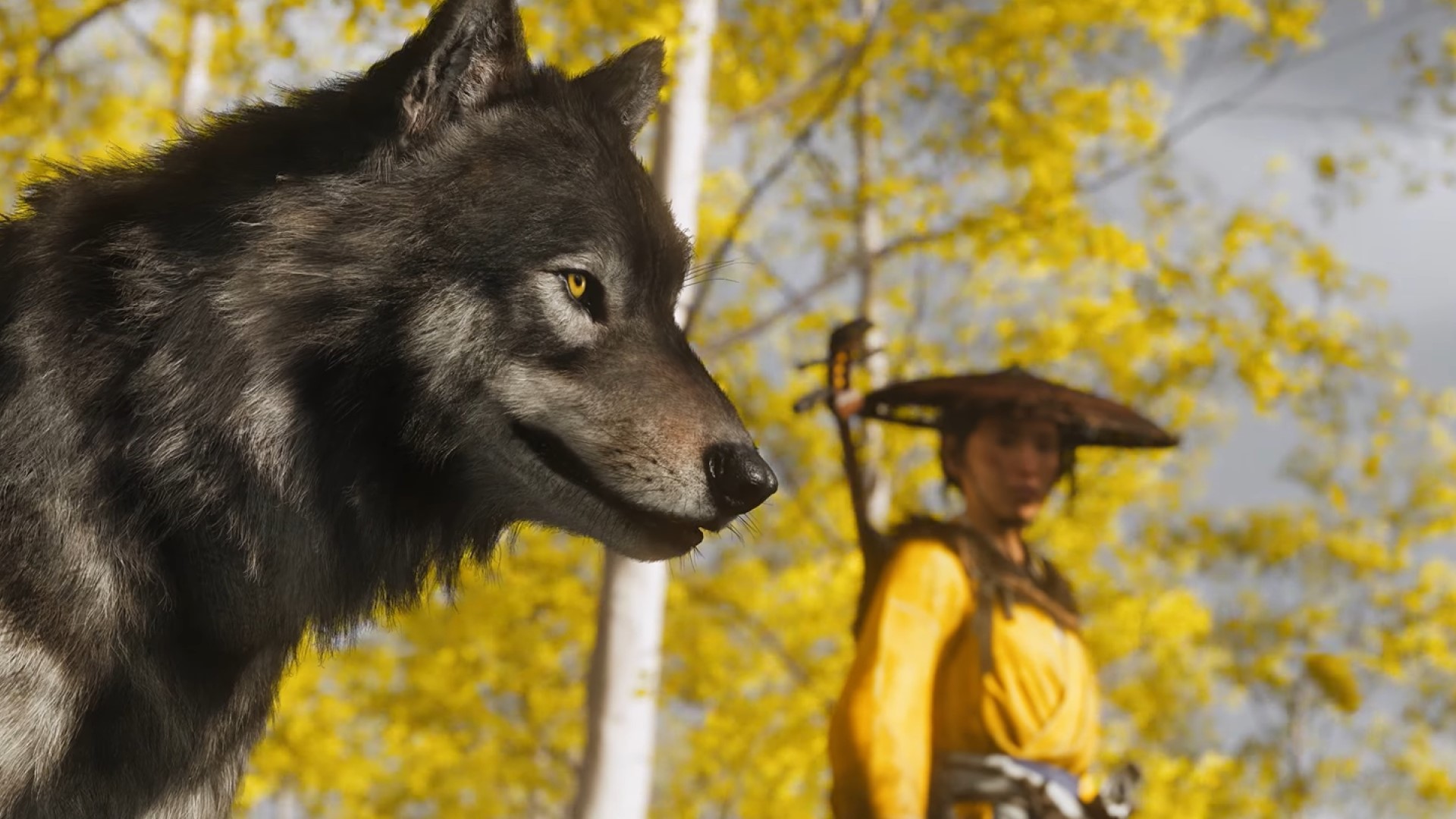
It’s no surprise we’re comparing these two games. Both *Assassin’s Creed Shadows* and *Ghost of Yotei* offer similar gameplay and are set in ancient Japan – a location gamers clearly love. Both titles have been incredibly enjoyable to play.
It’s natural to compare these two games, as they share a lot of similarities. We won’t rehash the common story elements of revenge, but *Ghost of Yotei* echoes *Assassin’s Creed’s* portrayal of ancient Japan in many ways. The question is, does it surpass its competitor? Has Sucker Punch created enough unique elements, especially considering how Jin Sakai often felt like an Assassin despite not being one?
It’s time to find out!
Japan Like Never Before
Both games share a common starting point: their setting. Ancient Japan has become a popular choice for video game developers recently.
Fans of the *Assassin’s Creed* series have long wanted a game set in feudal Japan, and *Assassin’s Creed Shadows* delivers. Setting the story during the turbulent Sengoku period was a great choice, as it naturally incorporates the ongoing battle between Assassins and Templars, all while offering a stunningly realized version of the time period.
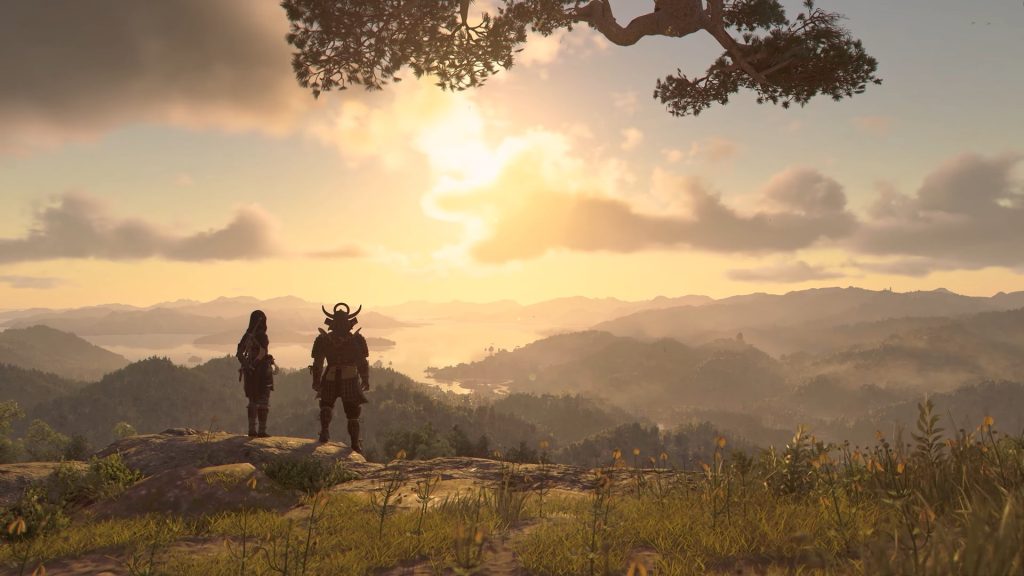
Unlike the previous game, *Ghost of Yotei* is set much later, on the island of Ezo. There, the law isn’t strongly enforced, giving the developers a great backdrop for a revenge story. The game took a long time to develop, and the setting is a real strength, allowing the main character, Atsu, to explore themes of justice and deliver exciting action sequences.
So, which game handles its historical setting more effectively? It’s best to look at how well each game integrates the overall experience with the time period, while still meeting player expectations. While *Assassin’s Creed Shadows* seems like an obvious winner – it really nails the conflicts, buildings, and characters of the era to create an authentic and fun experience – a closer look is needed.
Both *Ghost of Yotei* and its competitor offer compelling depictions of ancient Japan, exploring similar themes but from different perspectives. *Ghost of Yotei* particularly excels at portraying the daily struggles of ordinary people living under the shadow of those seeking power in a neglected region. Considering the quality of their Japanese settings, we’d say the two games are equally impressive.
Beautiful Open Worlds With A Lot To Do
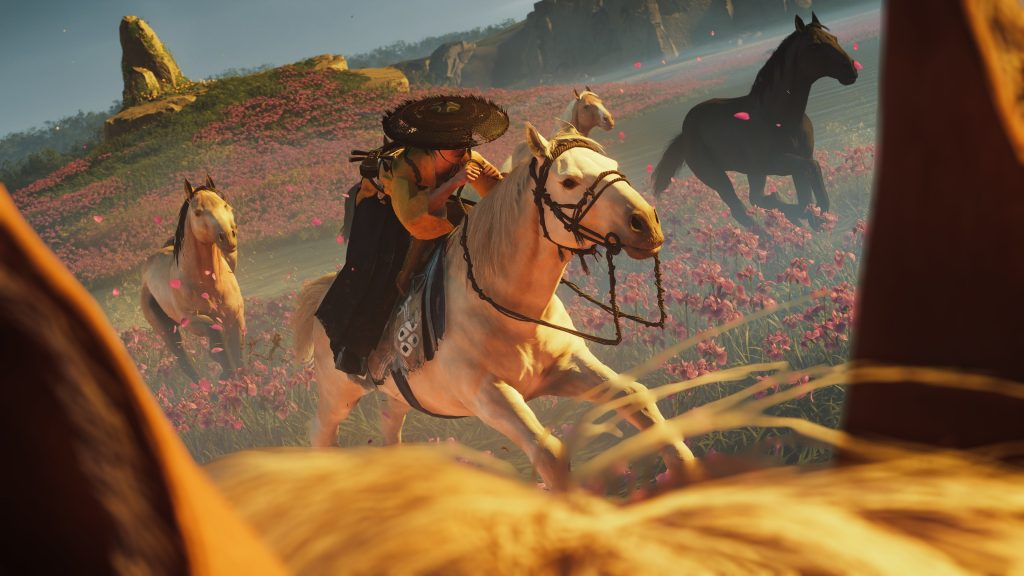
As a huge fan, I have to say the world in *Assassin’s Creed Shadows* completely blew me away. It wasn’t just big, it felt *alive* – the weather, the way the game encouraged exploration, and the engine itself all worked together beautifully. Seriously, exploring feudal Japan was incredible, and I always felt like there was something new and interesting around every corner. It was just a joy to wander and discover things!
From the very beginning of *Shadows*, it was clear that delaying the game’s release paid off. The depiction of ancient Japan is breathtaking, featuring beautiful landscapes, lush jungles, and charming villages that frequently prompted us to pause and take in the scenery. As the first *Assassin’s Creed* game built specifically for current-generation consoles, *Shadows* is a visually stunning experience.
While Shadows featured an open world, it quickly felt repetitive. The available activities, though initially presented well, became tedious. Things like finding Knowledge Ranks by exploring locations and collecting codex pages started to feel like chores. Unfortunately, the game’s combat system forced players to keep pursuing these activities to improve their Knowledge Rank.
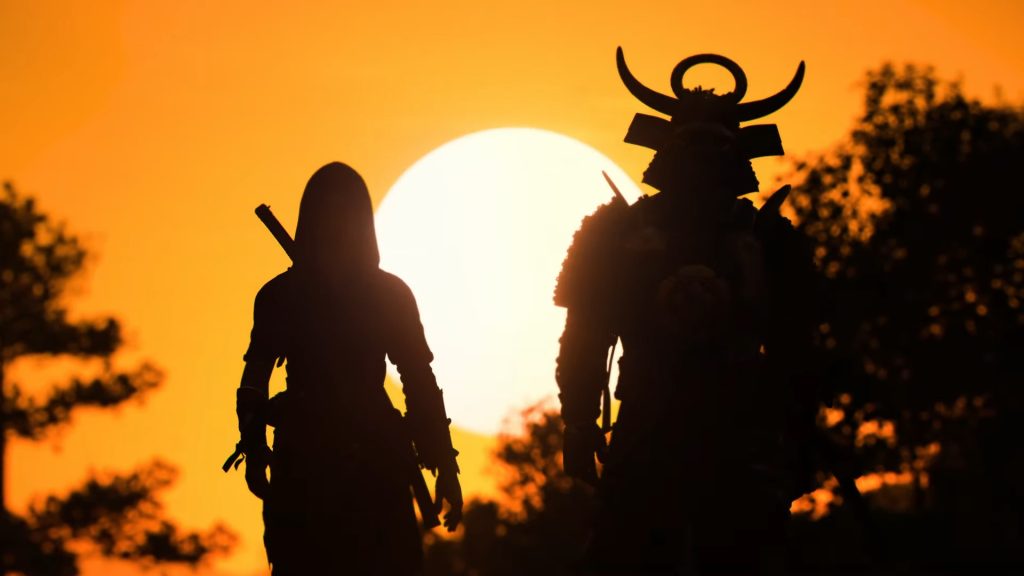
While sneaking into forts for loot was enjoyable, and the few things to do were genuinely fun, *Ghost of Yotei* offers a completely different experience.
The graphics in *Ghost of Yotei* are comparable to *Shadows*, but the open world feels different. While Sucker Punch uses a more colorful design for the island of Ezo, and the filters inspired by famous Japanese filmmakers are a nice addition, overall the two games are fairly similar in terms of visual quality.
Like the beautiful game *Shadows*, *Yotei* presents a stunning vision of ancient Japan. However, *Yotei* goes further with a dynamic open world that truly responds to the player. It feels genuinely alive, and in ways that directly impact your experience. Subtle cues like the wind and the appearance of animals – birds, foxes, and more – gently guide you towards your goals and interesting discoveries.
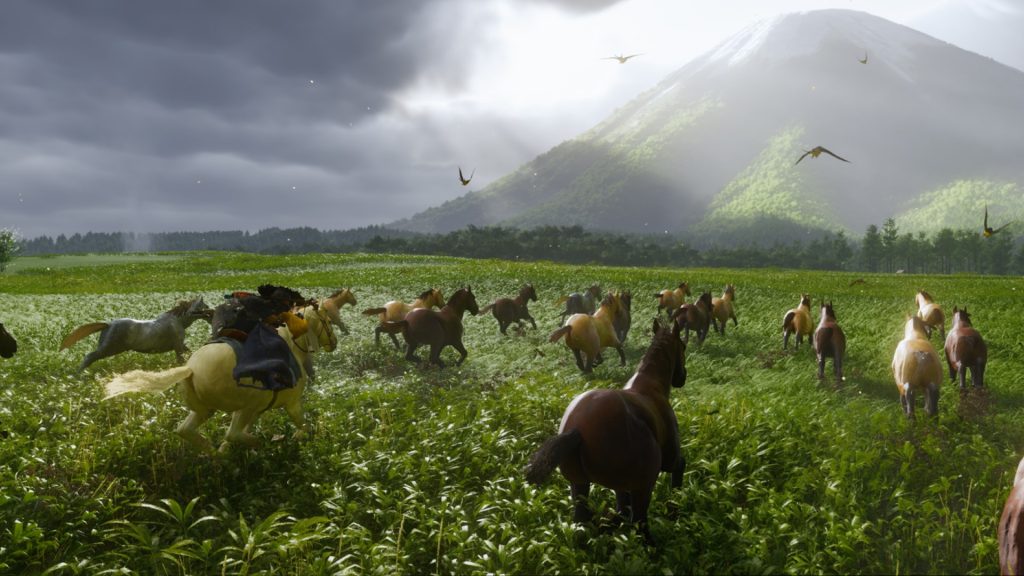
Beyond that, we found new places by buying smaller maps and carefully comparing them to the main game map. This feels much more interesting and realistic than just climbing towers and pressing a button to reveal the surrounding area. *Yotei* is full of clever details that naturally encourage you to explore, and it rewards you with story elements and gameplay benefits that feel meaningful.
Both games look quite similar, but *Ghost of Yotei* has a better open world. However, when it comes to the quests themselves, how do the two games compare?
Engaging Mission Designs
Side quests are a core part of any open-world game, and in this title, the quests related to *Shadows* and *Yotei* are quite comparable. However, *Yotei* ultimately offers a better experience. Although Naoe and Yasuke had plenty to do in *Shadows*, the quality of those activities and how well they fit into the overall game could be improved.
Two things really made a difference here. First, Shadow’s Exploration Mode added a welcome sense of discovery to the game. It was great having to actually look around for objectives once you knew the general location – a feature we’ve enjoyed since it first appeared in Origins.
Mission Boards helped manage the huge number of quests you encountered while exploring the world in *Shadows*. They were a useful tool for keeping track of everything, as new objectives came at you very quickly.
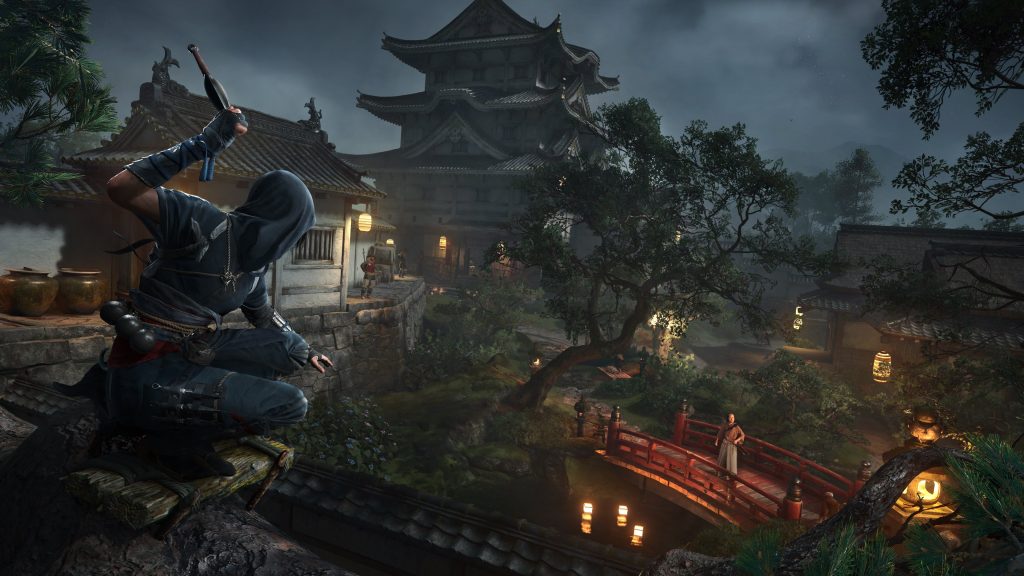
Combining these two core parts of the game created a smooth and captivating experience. However, the actual goals and missions are where the game starts to lose its appeal. The majority of quests in *Shadows* involve finding targets listed on a mission board and then either eliminating them or fighting them.
It was also frustrating that some quests were locked until you reached a certain player level, forcing you to pause an engaging storyline just because you weren’t high enough level to continue. This was particularly annoying when following a captivating questline about tracking down Yokai – we became really invested in each creature and its background. While *Shadows* had solid quest design, it doesn’t quite measure up to the quality of main and side content in *Yotei*.
Atsu’s journey feels more natural because she meets allies and enemies through the course of her adventures. The game world itself often leads her to new stories, and important characters will even seek her out while she’s resting. While combat is common, many quests add depth to Atsu’s personality and encourage her to think about her place in the world, and what comes after she finishes her main goal.
The game keeps track of quests using clue cards that are much more engaging than the quest system in *Shadows*. It’s genuinely enjoyable to manage objectives in *Ghost of Yotei*, and we constantly stumbled upon new things to do while exploring the island of Ezo, making it hard to focus on any single task.
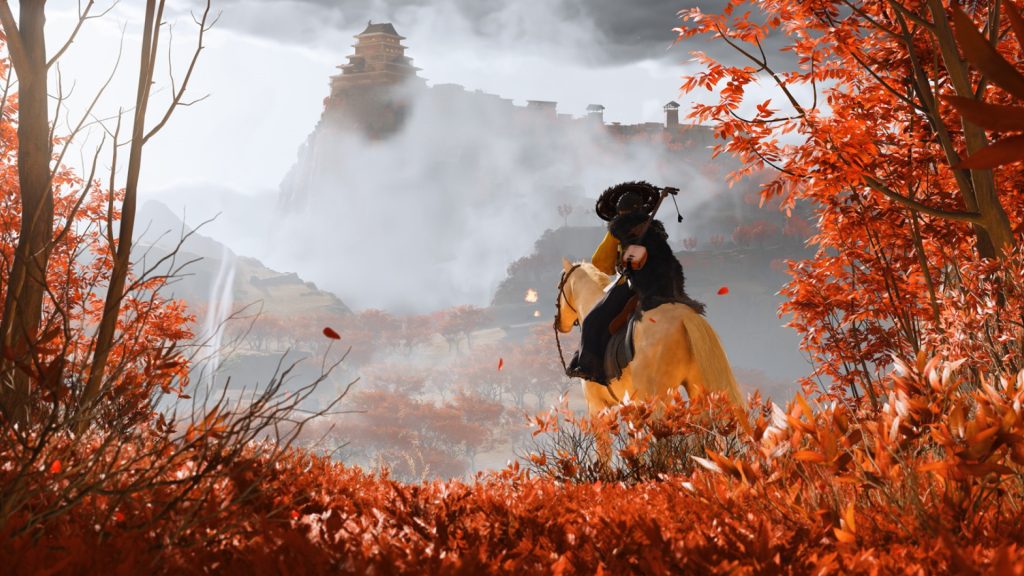
Beyond the story, *Ghost of Yotei* truly shined thanks to the PlayStation 5’s DualSense controller. Its advanced features – like realistic vibrations, motion control, and the touchpad – were used in clever ways, making the game incredibly immersive. For example, painting felt authentic as you mimicked brushstrokes using the touchpad – a much more engaging experience than simply watching cutscenes play out, as was often the case in *Shadows*. Activities like cooking and crafting also felt superior in *Yotei*, showcasing better quest design and overall quality thanks to the smart use of the controller.
We’re giving the win to *Ghost of Yotei* this time. This leads us to an important element in both games and how they’re played: the way combat works.
Fast, Fluid, and Fun Combat
A samurai, ninja, and masterless ronin all enter a fight, but only one will survive. Both Shadows and Yotei offer numerous brutal ways to defeat anyone who opposes their main characters. Determining a clear victor, however, is surprisingly simple.
Shadows offered a fresh take on stealth and combat by letting players control two characters, each with unique skills. You could easily switch between them during gameplay. While it was frustrating that Yasuke wasn’t playable for much of the beginning, it allowed us to master Naoe’s fighting style – she’s a formidable warrior once she starts battling.
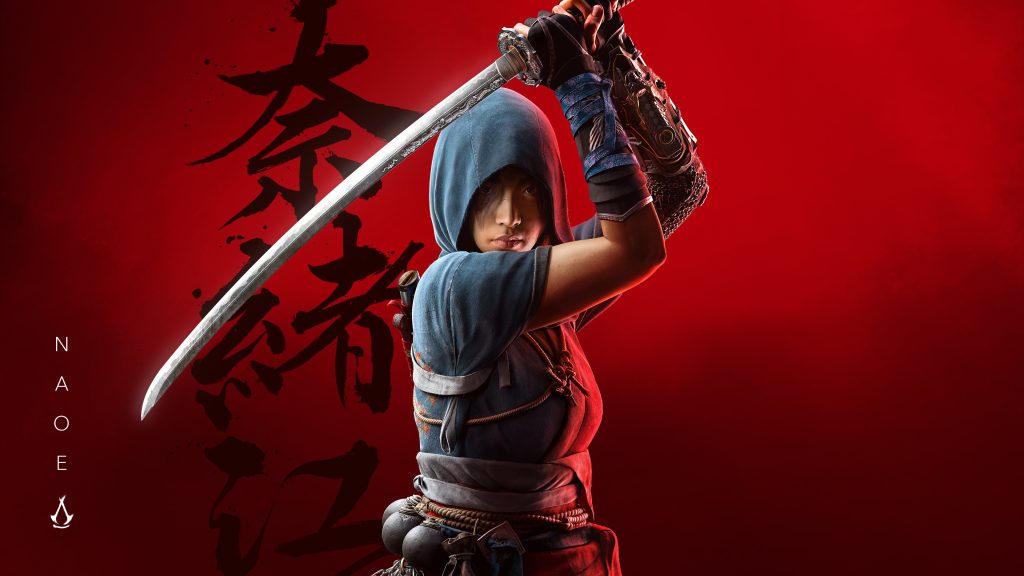
The combat in *Shadows* greatly improved upon the RPG-style gameplay introduced in *Origins*. Playing as Naoe was incredibly fun, with exciting dodging, parrying, and powerful special attacks. She had a variety of effective weapons – like katanas, short swords, and chain-sickles – allowing her to quickly defeat enemies.
Yasuke was an incredibly powerful character, both physically imposing and surprisingly agile. He was deadly with a katana, a club, and even a firearm, switching between weapons to overwhelm his enemies. Players haven’t experienced that same level of brutal, effective combat since. Yasuke brought a unique and chaotic energy to every battle, effortlessly defeating even skilled opponents.
While it appears *Shadows* has the edge in combat, it’s more complicated than that. As a highly trained mercenary, her skill with various weapons, combined with Sucker Punch’s innovative combat system, made fighting large groups of enemies as *Ghost of Yotei* feel intense, dangerous, and ultimately rewarding.
Though both games share some tools like smoke bombs, *Yotei* stands out with its demanding combat. It expertly combines weapon switching, throwing weapons, using special abilities, and managing multiple enemies simultaneously. This creates a significantly more challenging experience than *Tsushima*, and surpasses even the excellent combat already found in *Shadows*.

Ghost of Yotei definitely excels in combat. However, that’s not the only way the game and its rival handle deadly encounters. When you choose a stealthy approach, does Atsu perform as well as Naoe?
Shadows significantly improved the stealth gameplay of the series, allowing players to use the environment creatively – something previous games didn’t offer. With numerous options for staying hidden and a grappling hook for quick rooftop access, Naoe excels at blending into her surroundings and is a master of discreet movement.
Atsu is a bit better at stealth than Jin, but the difference isn’t huge. Like Naoe, she can pull enemies towards her with her kusarigama. However, the stealth mechanics in *Yotei* are only a slight improvement over *Ghost of Tsushima*, meaning it doesn’t surpass *Shadows* in terms of stealth capabilities.
The enemy AI presents a tougher challenge. Unlike the simpler soldiers you face elsewhere, Yotei’s opponents are noticeably smarter during combat. They work together well, using a variety of weapons to keep you guessing and forcing you to react quickly. They also effectively move around to attack from the sides, meaning you need to be constantly aware of your surroundings when fighting.

Enemies in *Shadows* are generally more reasonable, frequently pausing their attacks when a teammate is already trying to hit you. However, the game changes dramatically during stealth sections, particularly on higher difficulty levels. They become incredibly persistent and can even detect Naoe when she’s hiding prone on rooftops, targeting her with projectiles and summoning backup.
When it comes to enemy AI, both games are equally good. Each one excels in different ways, focusing on what it does best.
The Final Verdict
Both games are fantastic, offering impressive gameplay, beautiful graphics, compelling stories, and exciting combat and stealth. However, *Ghost of Yotei* is slightly better than *Shadows*. It stands out with its unique creative touches and realistic portrayal of Japan, creating an open-world experience unlike any other and setting a new standard for the genre.
I’ve played a lot of games, and honestly, while *Shadows* is really good, Sucker Punch’s latest game is now my top pick – it’s the one to watch out for!
Please keep in mind that the opinions shared in this article are the author’s own and don’t reflect the official stance of GamingBolt.
Read More
- Gold Rate Forecast
- 10 Movies That Were Banned in Different Countries For Random Reasons
- Tekken 8 Fans Furious as Tifa Tipped for Street Fighter 6 Instead
- Nintendo Switch 2 Reportedly Getting Remake of One of the Best PS3 and Xbox 360 Games
- Welcome to Demon School! Iruma-kun season 4 release schedule: When are new episodes on Crunchyroll?
- See Kaia Gerber & Lewis Pullman’s Vanity Fair Oscars Party Date Night
- 9 Great Supernatural Characters Everyone Forgot About
- Michael Jackson Biopic’s Record-Breaking Debut Unseats 2026’s Biggest Box Office Hit On U.S. Chart
- Is Bitcoin Really Going to $1,000,000? You Won’t Believe the Predictions!
- EUR JPY PREDICTION
2025-10-08 19:20