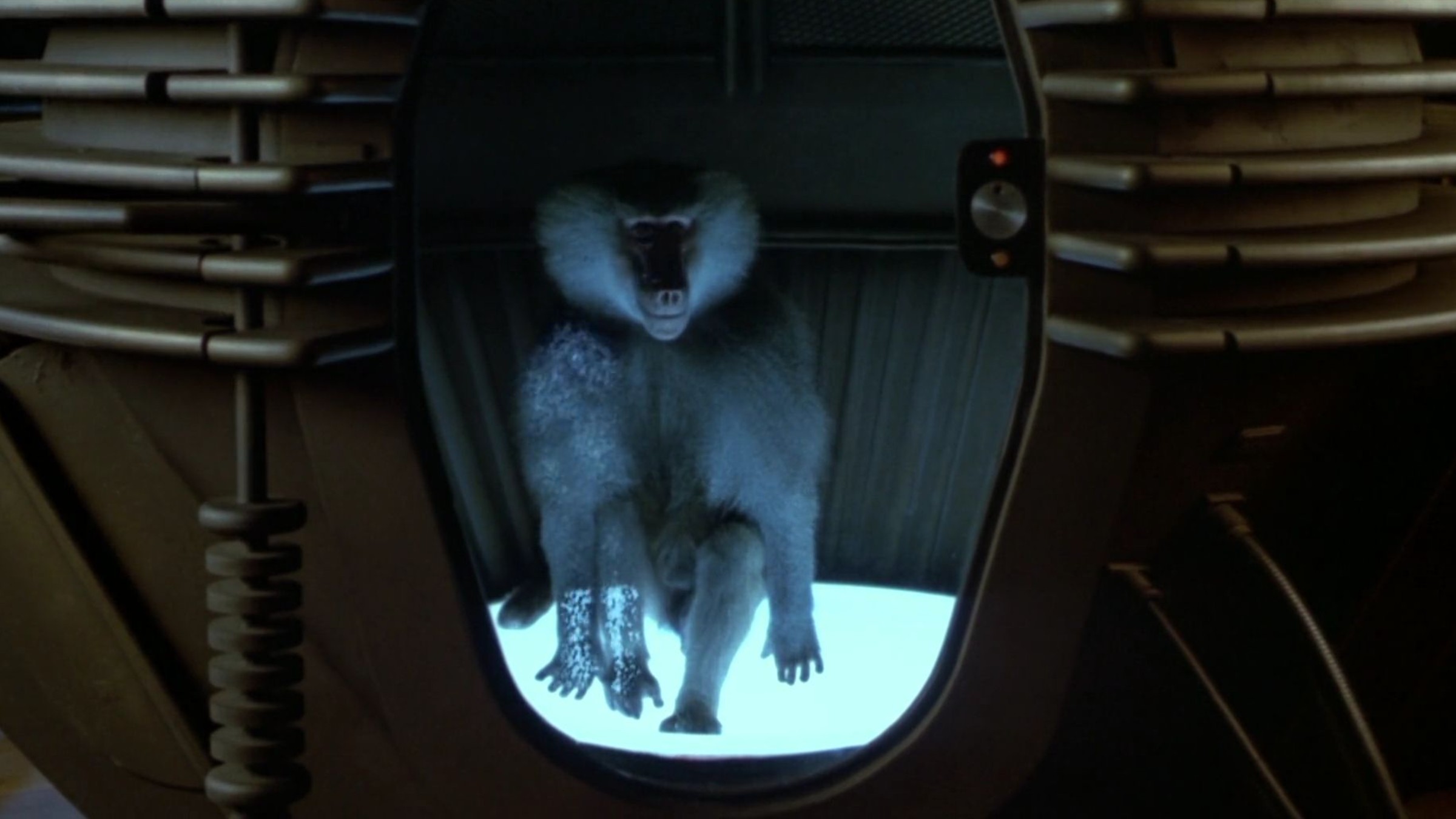
Classic science fiction films are rarely remade, and truly iconic movies like *2001: A Space Odyssey* are almost always left untouched. However, the 1950s were a prolific time for the genre, and many interesting ideas were introduced before special effects technology fully caught up. As a result, some of the best sci-fi films actually came about through second attempts and improvements on those earlier concepts.
The fact that this list of truly great science fiction movies is relatively short speaks volumes about the quality of the genre. Many sci-fi films remain beloved decades after their release. Attempts to remake these classics often fall flat, lacking the original’s personality and appeal – think of the 2008 version of *The Day the Earth Stood Still* or the 2012 *Total Recall*. However, the four movies below are exceptional – they’re not just remakes, they actually surpass the originals, often making the earlier versions less well-known.
4) The Fly

While the 1958 version of *The Fly* has its strengths, it largely relies on two elements: the shocking reveal of the scientist’s fly transformation using makeup, and the devastating ending where the fly-headed creature cries out as a spider attacks. David Cronenberg’s 1986 remake surpasses the original in both of these areas—the makeup and special effects, for which Chris Walas and Stephan Dupuis won an Academy Award—and in every other aspect of filmmaking.
David Cronenberg’s *The Fly* isn’t simply another science-gone-wrong story, a common theme after the atomic age. It’s a deeply layered film that explores the painful experience of watching someone you love change, whether due to their work, illness, or other circumstances. The strong performances by Jeff Goldblum and Geena Davis elevate the story, and the 1986 remake surpasses the original, becoming a modern classic that still holds up today.
3) The Invisible Man
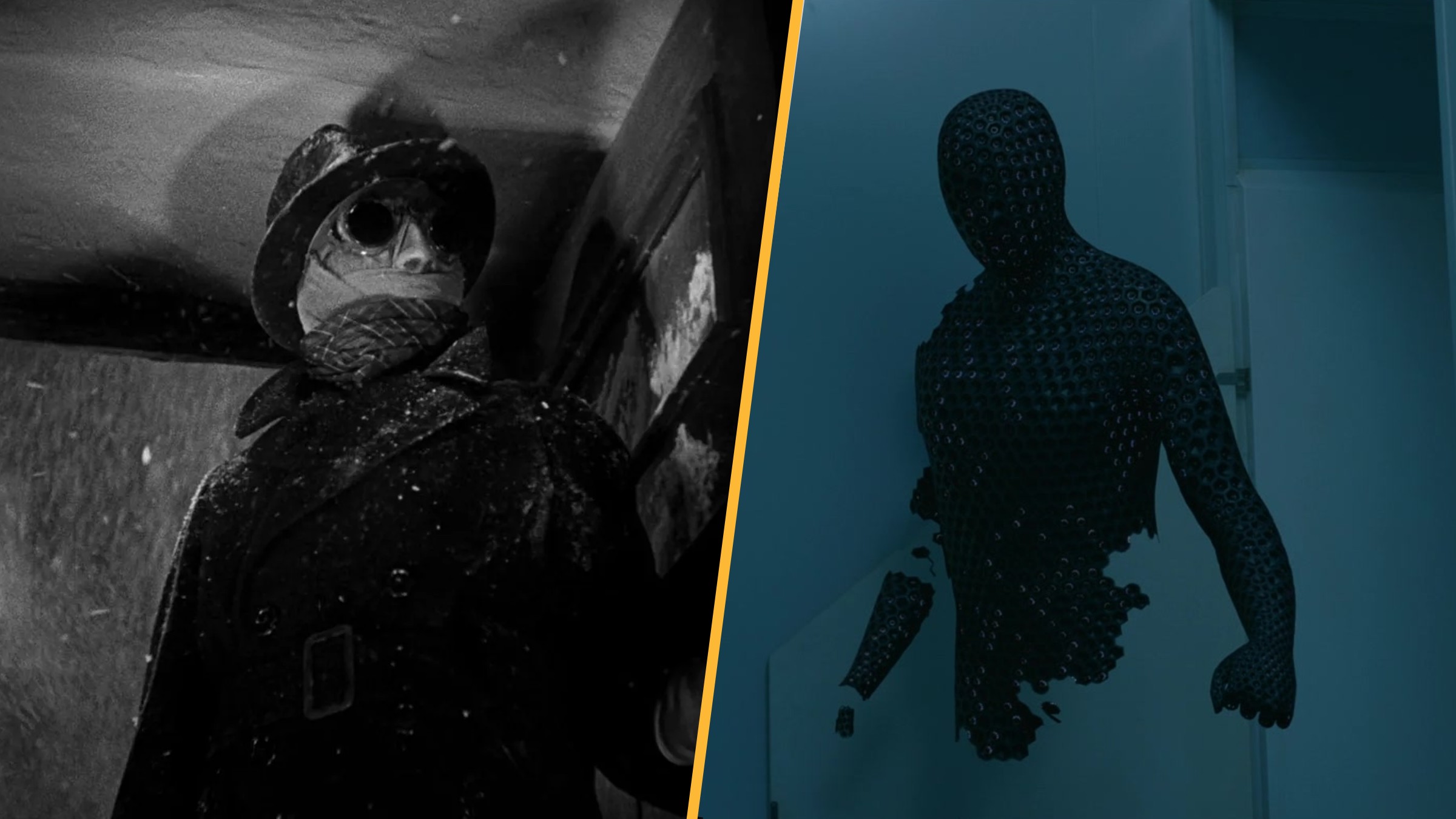
Leigh Whannell’s 2020 film, *The Invisible Man*, feels surprisingly overlooked despite being only five years old. While James Whale’s 1933 version closely followed H.G. Wells’ novel, Whannell reimagined the core concepts with a contemporary focus. The film powerfully examines themes of gaslighting and the frustrating experience of women not being taken seriously when they report abuse or feel threatened.
The original *Whale* film is still a brilliant achievement, highlighting the skill of Whannell and his team. They crafted a movie that builds suspense through incredibly subtle means – a slowly opening door or even an empty room can be genuinely frightening. This film expertly draws out tension using simple concepts. Whannell was already a strong voice in horror, but his reimagining of *The Invisible Man* cemented his status as a truly exceptional filmmaker.
2) The Thing
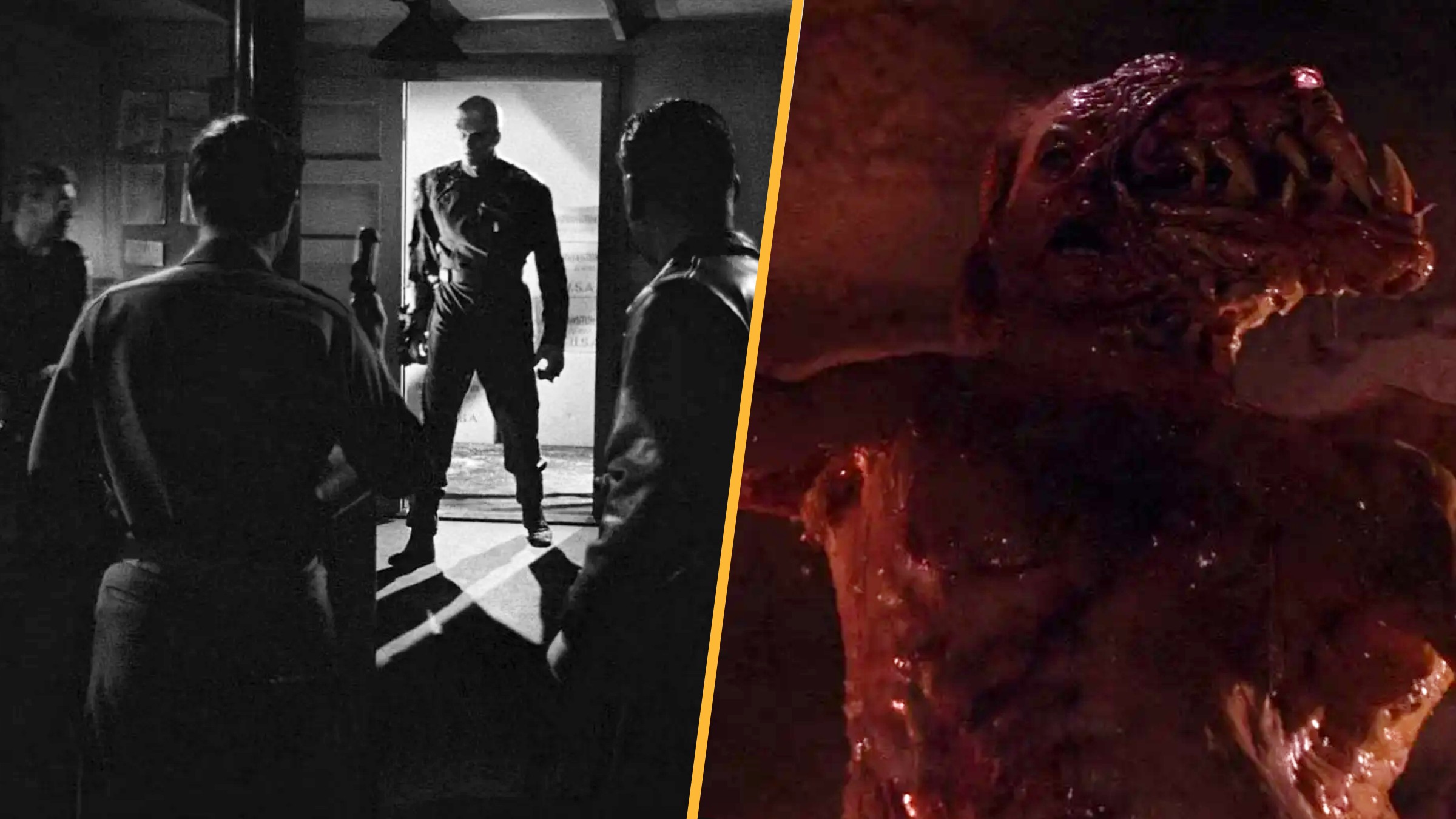
Just to state the obvious, John Carpenter’s 1982 version of *The Thing* is superior to the 1951 film, *The Thing from Another World*. While the original has impressive sets and effects for its time (except for the creature itself), Carpenter’s film, shot on location in freezing conditions, features groundbreaking monster effects by Rob Bottin that are far better than anything in the earlier version.
Like the other films on this list, John Carpenter didn’t simply recreate the original story; he built upon it, creating a movie deeply rooted in its time that has since become a classic. While the fear and distrust present in John W. Campbell’s novel are in the original, Carpenter makes them central to his film, shaping every character’s actions and making the audience constantly question what’s actually happening. As a result, *The Thing* isn’t just a great remake—it’s a contender for one of the greatest movies of all time.
1) War of the Worlds
Wondering what it takes for a science fiction movie remake to be an improvement over the original? We’ll be discussing the key factors shortly, and revisiting this idea later.
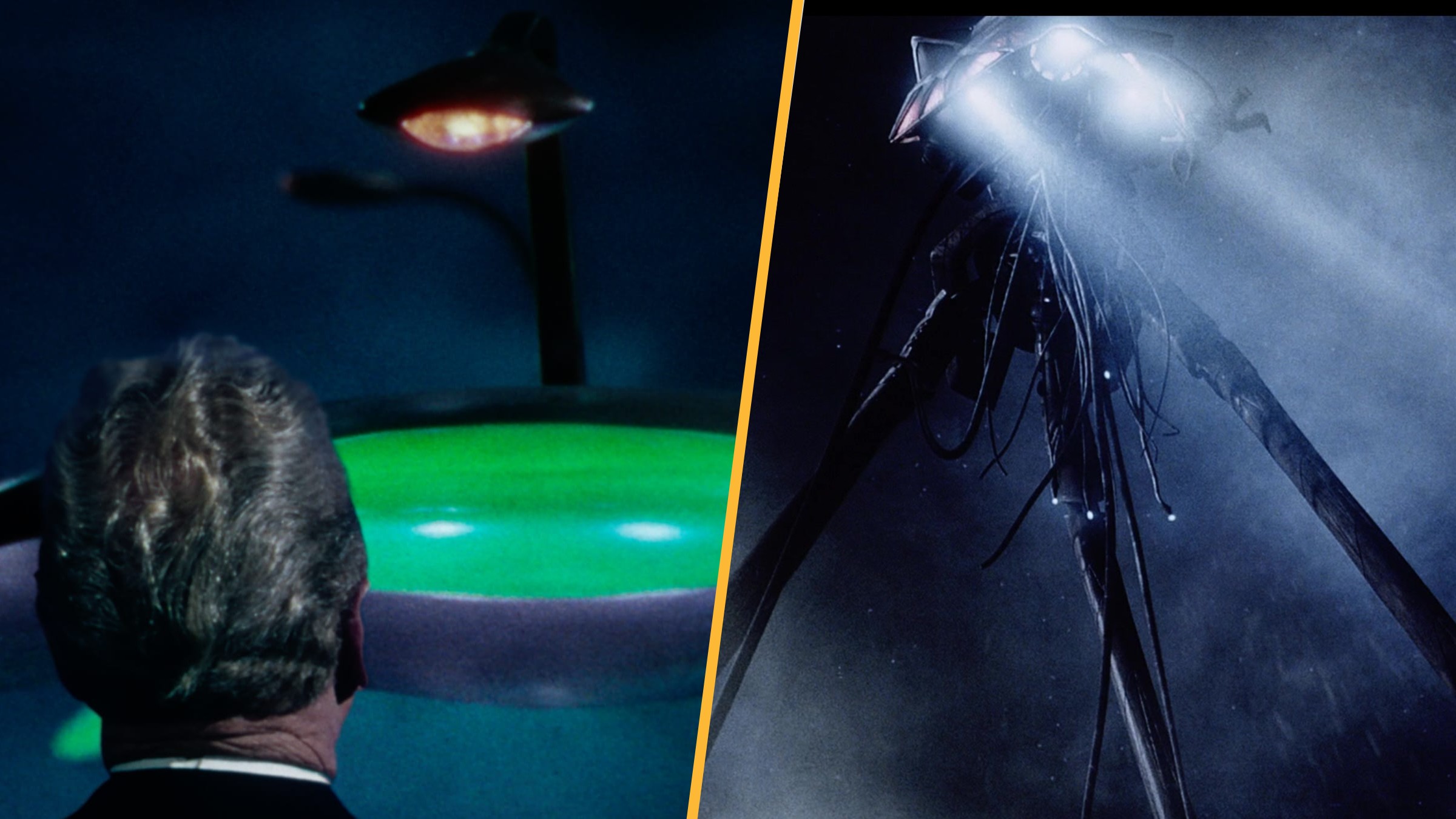
Steven Spielberg’s 2005 version of this classic story is an improvement over the 1953 film and other adaptations for two main reasons. First, the visual effects, including the sounds of the Tripods, still look impressive today. Second, the movie tells a more streamlined story that resonates with modern audiences.
As a critic, I found Spielberg’s film deeply unsettling, and intentionally so. It powerfully evokes the feeling of vulnerability we all experienced after 9/11, tapping into those ingrained images of attack and the shattering of our sense of security. He didn’t need elaborate special effects; he brilliantly used the footage we’d all already seen, almost like Orson Welles’ famous broadcast. What really struck me, though, was his focus. Instead of showing the big picture – the government response, the military might – he kept it small, intensely personal. He showed us a family just trying to *survive*, trying to stay together amidst chaos, and that’s what made it feel so fresh and genuinely terrifying.
Read More
- Marvel Officially Confirms Deadpool’s Most Brutal Redesign
- 10 Movies That Were Banned in Different Countries For Random Reasons
- Welcome to Demon School! Iruma-kun season 4 release schedule: When are new episodes on Crunchyroll?
- Nintendo Switch 2 Reportedly Getting Remake of One of the Best PS3 and Xbox 360 Games
- Crunchyroll Confirms New Isekai Anime Releases for 2026 and Beyond (With Major Returns)
- Michael Jackson Biopic’s Record-Breaking Debut Unseats 2026’s Biggest Box Office Hit On U.S. Chart
- 9 Great Supernatural Characters Everyone Forgot About
- Gold Rate Forecast
- ‘The Bride!’ Review: Jessie Buckley Breathes Life into a Monstrous Mess
- Taylor Sheridan’s Gritty 5-Part Crime Show Reveals New Final Season Villain
2025-10-11 23:41