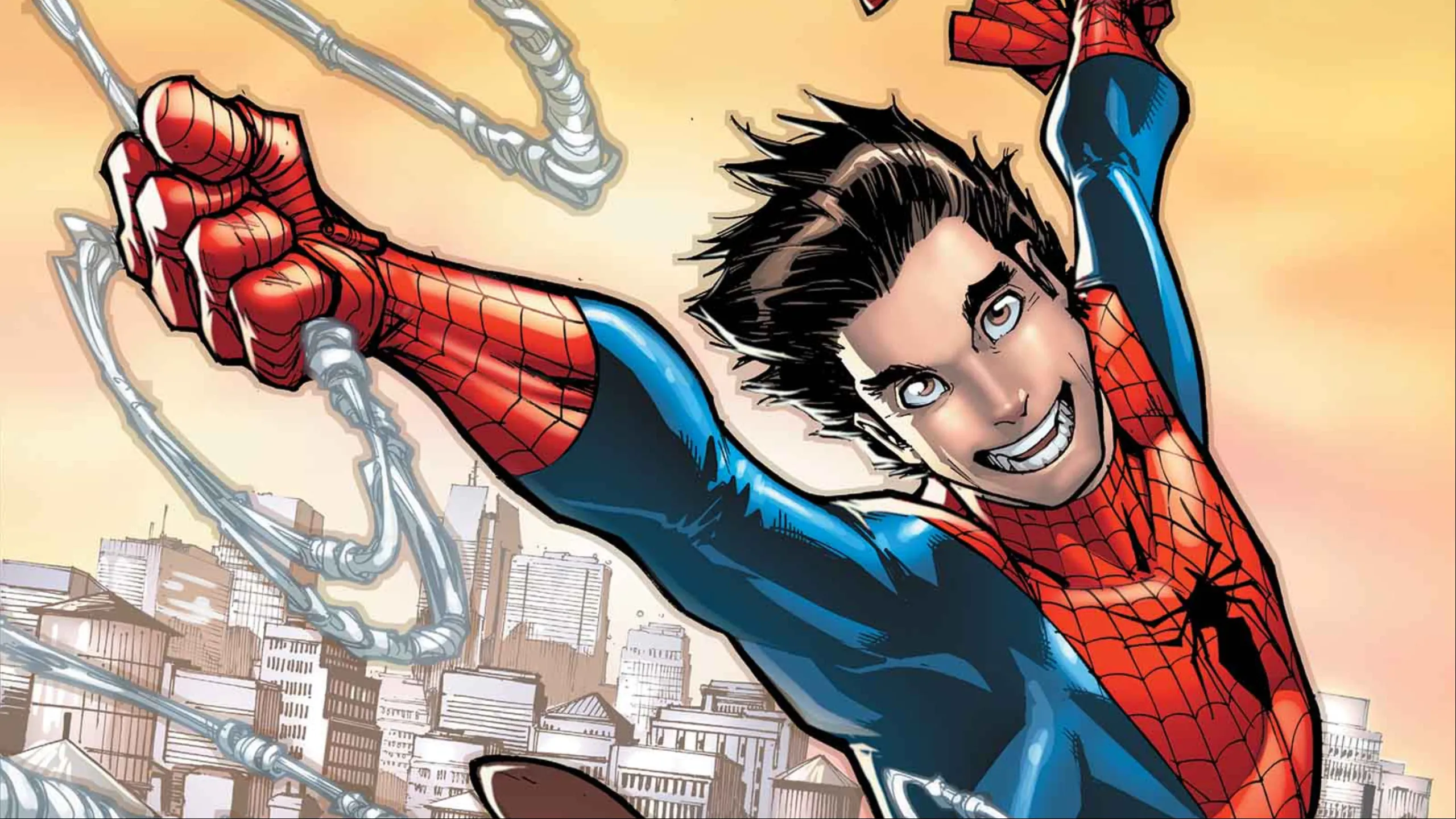
Marvel and DC Comics are the two most successful publishers of superhero stories. Their popularity isn’t just due to the many great characters they’ve created, but also to the talented writers and artists who brought those characters to life. People like Jack Kirby, Stan Lee, Alan Moore, and many others were essential to the development of superheroes and comics as a whole. They often spent years working on individual characters and teams, constantly evolving them and pushing the genre forward.
In the past, if a comic book was popular, the same creative team would often work on it for many issues. For example, Kirby and Lee created 108 issues of *Fantastic Four*, and Stan Lee, along with artists Steve Ditko and John Romita Sr., worked on *The Amazing Spider-Man* for 119 issues. Chris Claremont famously wrote *X-Men* for nearly a decade, from issue #94 to #279. However, the industry has changed dramatically. Since the late 1990s, most successful comic runs only last two to four years. Some argue that longer creative runs, like those of the past, would actually improve comics today.
The Best Runs of All-Time Have Been Long Ones

As a huge cinema devotee, I always think about storytelling, and when it comes to long-form narratives, Chris Claremont’s work on *Uncanny X-Men* is a perfect example of why it works. Honestly, if you’re an X-Men fan, chances are Claremont had a big hand in shaping what you love about the team. He didn’t just *create* incredibly popular characters like Gambit and Rogue, but he really *defined* even the ones that already existed – Wolverine, Storm, Cyclops, Colossus, Jean Grey, Nightcrawler… the list goes on! And his stories? Classics like “The Dark Phoenix Saga” and “Days of Future Past” are still talked about today. What he did was establish these incredibly strong character voices and personalities, so even if a particular storyline wasn’t your favorite, you were still completely invested because you *loved* the characters themselves.
Some comic book creators have had incredibly successful, lengthy runs with iconic characters. Claremont worked on his titles for 17 years, a truly legendary achievement. Peter David similarly shaped *The Incredible Hulk* for over a hundred issues, adding the complex psychological depth fans appreciate. Mark Waid and Larry Hama both spent years writing the Flash and Wolverine, respectively. Geoff Johns revitalized the Justice Society while also delivering extended stories on the Flash and Green Lantern. These creators were given the space to fully explore their vision, resulting in some of the most beloved stories in comic book history. Letting writers and artists work on a character or team for a significant period can lead to truly exceptional results.
When a writer stays with a character for a long time, that character can develop in a natural and believable way. A great example is Wally West, who began as Kid Flash and eventually became the Flash. The *Flash* comic (volume 2) was struggling, but Mark Waid, along with editor Bryan Augustyn, revitalized it by focusing on Wally’s growth. Waid developed Wally’s personality, gave him romantic relationships, strengthened his connections with other heroes, and even showed him getting married to Linda Park. Having one consistent writer for an extended period made all these changes feel cohesive and meaningful. While these things could happen with multiple writers, they wouldn’t have the same impact. A long-term writer simply allows for deeper, more organic character development, and it’s something the major comic publishers seem to be doing less of these days.
I really appreciate how comics used to be. Writers would stick with characters for years, and it felt like they *grew* over time. We weren’t constantly getting reboots with every new creative team. It was great because creators like Scott Lobdell and Geoff Johns could build on what came before, respecting the established history. We *do* still see long runs now and then – Dan Slott, Jason Aaron, and others have had them – but things change so fast these days. It feels like characters don’t get the time to breathe and develop. I’m not saying everyone needs to have a 17-year run like Chris Claremont, but if a book is selling well, a five-year run should be standard, not a rare occurrence.
Dan Slott’s work on *The Amazing Spider-Man* is often underrated, but it succeeded because he was the consistent creative lead, sometimes working with Christos Gage. He’s the one who brought us the Spider-Verse! Similarly, Al Ewing’s *The Immortal Hulk* was so effective because of its single, focused vision, and Kelly Thompson’s *Captain Marvel* is a hidden gem because she had years to shape the character. While many great comics runs are memorable, those with a single, consistent writer tend to be the most impactful. Shorter runs just don’t have the same lasting power, even if they’re good – and honestly, even a 50-issue run like *The Immortal Hulk* feels short compared to truly long runs, but it’s the best we consistently see these days.
There Are No Drawbacks to Long Runs
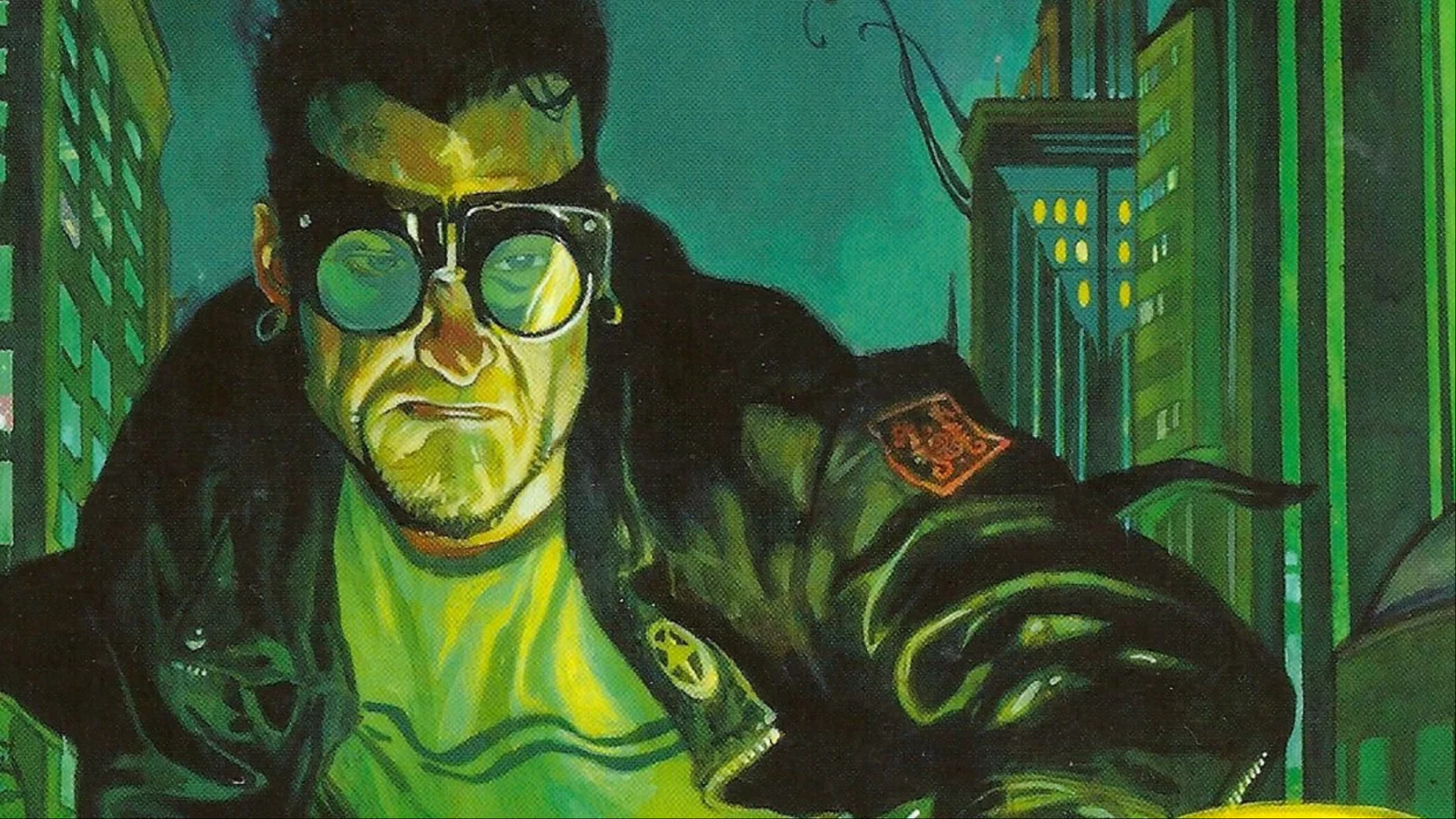
The second volume of *Starman* lasted for 80 issues in the 1990s and told the story of Jack Knight becoming Starman, following in the footsteps of both his brother David and their father, Ted. Writer James Robinson and artist Tony Harris expertly explored themes of family history and the impact of Golden Age heroes on the present day. Many consider it a flawless series that demonstrates the strengths of a long-running comic book.
One of the good things about the current trend of shorter comic book runs is that it lets different writers and artists offer fresh perspectives on characters. However, it’s also happened many times that a really strong creative team had their run cut short after two years, which was disappointing for fans – and a feeling a lot of us share. Some series could have been even better with more time to develop. While not every run needs to last for years, longer runs really allow characters to grow in a way that constantly restarting with new teams doesn’t. Having more longer runs would ultimately be a positive thing.
What do you think? Leave a comment below and join the conversation now in the ComicBook Forum!
https://comicbook.com/comics/news/10-most-underrated-dc-stories/embed/#
Read More
- Marvel Officially Confirms Deadpool’s Most Brutal Redesign
- The Boys Season 5, Episode 5 Ending Explained: Why Homelander Does THAT
- Gold Rate Forecast
- Gemma Arterton spy thriller Secret Service based on hit novel gets release date confirmed on ITV
- After 11 Years, Black Clover Officially Ends With Final Release (& Crowns a New Wizard King)
- Invincible Creators Offer Promising Update on Season 5 Release Date
- ‘You Can Play Your Purchased Games As Usual’: Sony Breaks Silence on PS5, PS4 Game Expiry DRM
- 10 Movies That Were Banned in Different Countries For Random Reasons
- Crunchyroll Confirms New Isekai Anime Releases for 2026 and Beyond (With Major Returns)
- Marvel Just Ruined Spider-Man’s Best Supporting Character
2025-10-12 20:15