
Remakes are now a common part of the movie industry each year. Updating older films with new actors and slight changes is typical, and while not everyone loves them, remakes often do well at the box office. Even films that seem untouchable sometimes get remade, with varying results. Some remakes are praised as clever and fresh takes on classics, while others are heavily criticized for failing to live up to the originals and can even harm the original film’s reputation.
It’s unusual to see a movie recreated scene-for-scene. Remakes usually give filmmakers a chance to offer a fresh take on a familiar story. While this is common, it doesn’t always please audiences, and some remakes simply aren’t well-received. Changing the ending of a movie is risky, and sometimes it drastically alters the story in a negative way.
5) Little Shop of Horrors (1986)

The 1986 film Little Shop of Horrors is a rare remake that many consider superior to the original. Based on a musical and the 1960 movie of the same name, this version stars Rick Moranis as Seymour and boasts a fantastic supporting cast including Steve Martin, Jim Belushi, John Candy, Bill Murray, and Christopher Guest. The film’s strong comedic performances and its updated ending helped it become a standout horror comedy.
The first film had a much bleaker ending than the newer version. In the original, Seymour is eaten by the plant, Audrey II, which then dies, leaving his fate unknown. The remake, however, lets both Seymour and Audrey II survive – and Audrey II is now positioned to take over the world thanks to a greedy businessman. While the new ending isn’t necessarily bad, it changes the underlying message of the story, and some viewers might find it less impactful than the original’s conclusion.
4) Speak No Evil (2024)
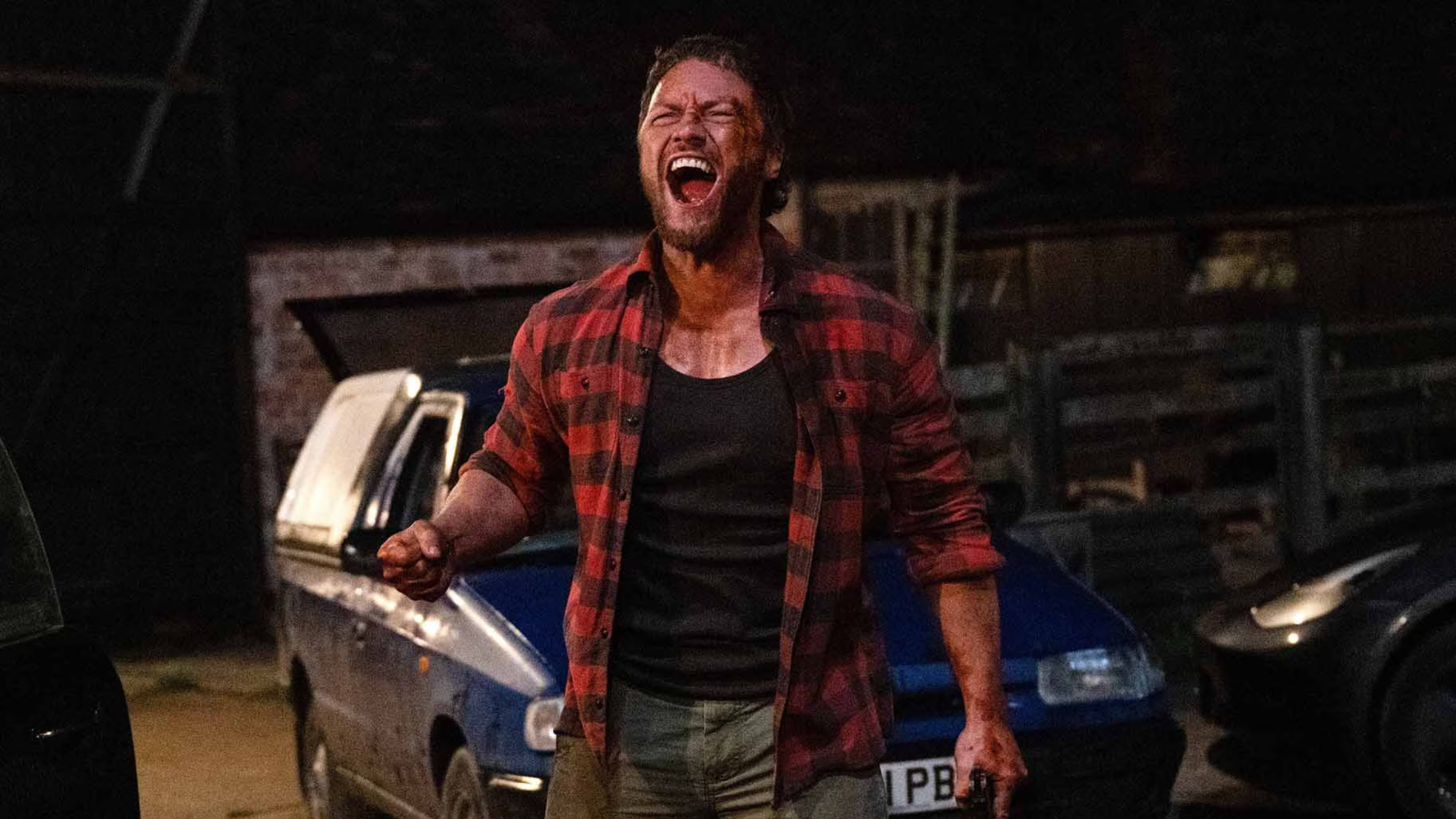
The 2024 horror remake, Speak No Evil, wasn’t a failure – it received positive reviews and did well in theaters. While the story – about a family who fall into a deadly situation while visiting friends they met on vacation – closely follows the 2022 Danish-Dutch film it’s based on, the new ending is significantly different. Unfortunately, this change weakens the film’s overall impact and lasting impression.
The first movie ended tragically, with the family welcoming their hosts only to be killed by them, ensuring the cycle of deceit and violence continued. The remake, however, gave the heroes a victory, stopping the villains and saving a child. While the remake offered a hopeful conclusion, the original’s bleak and disturbing ending was actually stronger. It fit the horror genre better by leaving the audience with a truly unsettling feeling instead of a sense of hope.
3) Animal Farm (1999)
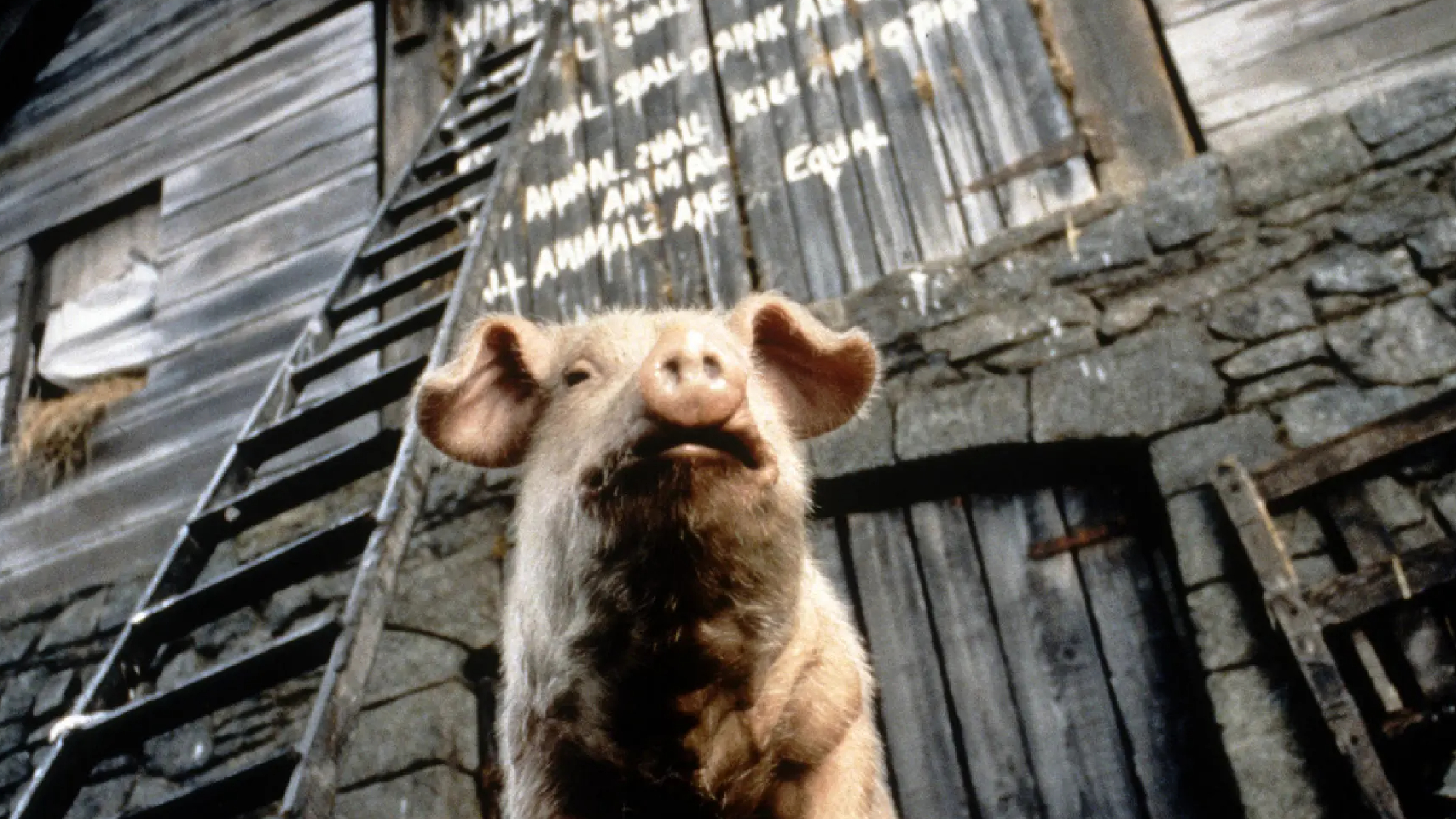
Most great dystopian movies lean into sci-fi tropes to put their point across, but the original master of the genre, George Orwell, delivered a perfectly dystopian tale chronicling the supposed dangers of communism. His novel Animal Farm was first adapted into an animated movie in 1954, which faithfully retold the story. A 1999 remake made use of animatronic animals, telling Orwell’s story again with a few key changes.
The biggest change in the 1999 movie is the ending. Instead of being violently overthrown by his subjects, Napoleon is abandoned by the movie’s protagonists, who escape the farm. They return years later, discovering that Napoleon had died as a result of his regime, and set about building a hopeful future for the farm. The more hopeful note that the remake ends on is not really in line with Orwell’s original story or its intent, and it essentially ruins the entire movie.
2) The Vanishing (1993)

The 1993 film The Vanishing is an American remake of a 1988 French-Dutch movie with the same title, starring Kiefer Sutherland and Jeff Bridges. Both films center around a man desperately searching for his girlfriend after she mysteriously disappears during a road trip, leading him into a perilous pursuit of her abductor. While the plots are similar, the endings differ significantly, and the remake’s conclusion ultimately detracts from the overall story.
In the first film, the main character experiences the same horrifying fate as his girlfriend – he wakes up buried alive. The remake changes this, with his new girlfriend rescuing him and allowing him to kill his attacker. While the original ending hinted at the dangers of confronting past trauma with a dark twist, the remake provides a happier, though less believable, resolution that weakens the impact of the story.
1) Planet of the Apes (2001)
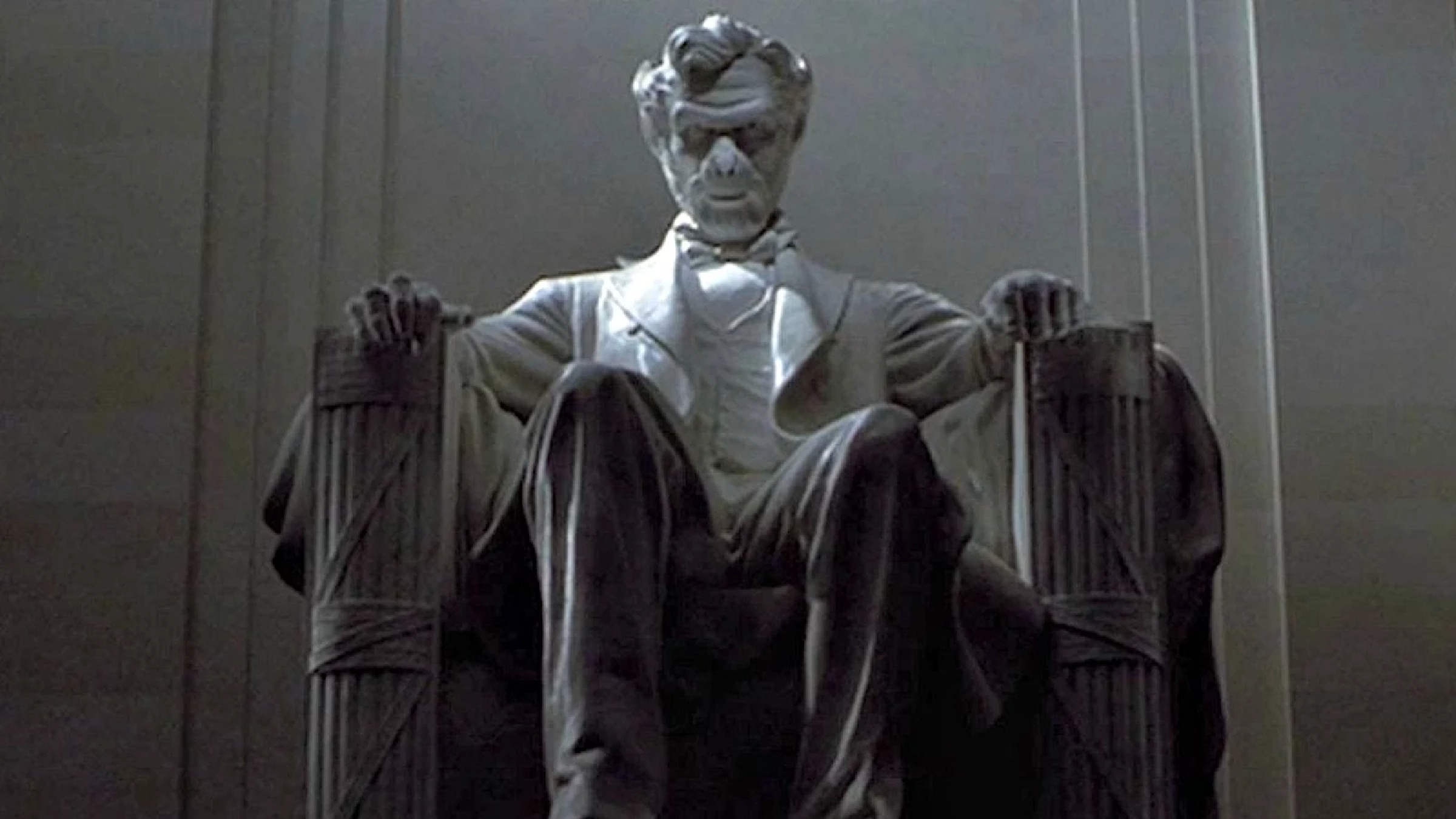
The 1968 film Planet of the Apes is famous for its shocking twist ending: the planet the story takes place on is actually a future version of Earth. Because this twist is so well-known, the 2001 remake, directed by Tim Burton, faced a challenge. It either had to find a way to deliver the same impact as the original, or come up with a completely different ending.
Burton chose this path, resulting in one of the most famously bad movie endings ever created. The new version has the main character return to his time, only to discover he’s landed on an alternate Earth where apes have rewritten history. With a bewildered look only Mark Wahlberg can deliver, the film closes on the Lincoln Memorial—but with an ape version of Lincoln instead of a human president. The remake took a brilliant twist ending and replaced it with a terrible one, proving how even small changes can completely destroy a movie.
What do you think? Leave a comment below and join the conversation now in the ComicBook Forum!
Read More
- Marvel Officially Confirms Deadpool’s Most Brutal Redesign
- 10 Movies That Were Banned in Different Countries For Random Reasons
- Welcome to Demon School! Iruma-kun season 4 release schedule: When are new episodes on Crunchyroll?
- Nintendo Switch 2 Reportedly Getting Remake of One of the Best PS3 and Xbox 360 Games
- 9 Great Supernatural Characters Everyone Forgot About
- Gold Rate Forecast
- Michael Jackson Biopic’s Record-Breaking Debut Unseats 2026’s Biggest Box Office Hit On U.S. Chart
- Crunchyroll Confirms New Isekai Anime Releases for 2026 and Beyond (With Major Returns)
- All 61 Episodes 90s Cult Classic Sci-Fi TV Show That Was Famously Canceled Twice Were Just Added to Tubi
- Taylor Sheridan’s Gritty 5-Part Crime Show Reveals New Final Season Villain
2025-10-23 19:26