
On October 31, 2010, television received a surprising hit: a horror series that intuitively understood what audiences wanted, without being overly explicit. This show quickly became a phenomenon, launching spin-offs and leaving a lasting impact on pop culture as a benchmark for horror, not just zombie stories. The pilot episode immediately grabbed viewers’ attention. It throws you into a post-apocalyptic world through the eyes of a police officer who’s confused about what’s happening. After a brief flashback showing him being shot, he wakes up from a coma and discovers the world has ended. The way the episode is filmed, the use of silence, and the character’s actions all put you right in his shoes. Only at the very end, once you’re completely captivated, do you realize there’s no escape.
Even people who don’t watch much TV probably know The Walking Dead. It’s become the go-to zombie show. That recognition began with the very first episode, “Days Gone Bye,” which immediately throws you into the action without a lot of explanation. Creator Frank Darabont wisely shows the story rather than telling it, relying on the atmosphere and Andrew Lincoln’s powerful performance as Rick Grimes to convey what’s happening. The desolate hospital, crashed cars, and empty city all feel like characters themselves, highlighting the loneliness and struggle of survival. There’s no narrator explaining things – you experience the chaos right alongside Rick, sharing his confusion and fragmented memories.
How Did The Walking Dead Pilot Become One of the Best Ever on TV?
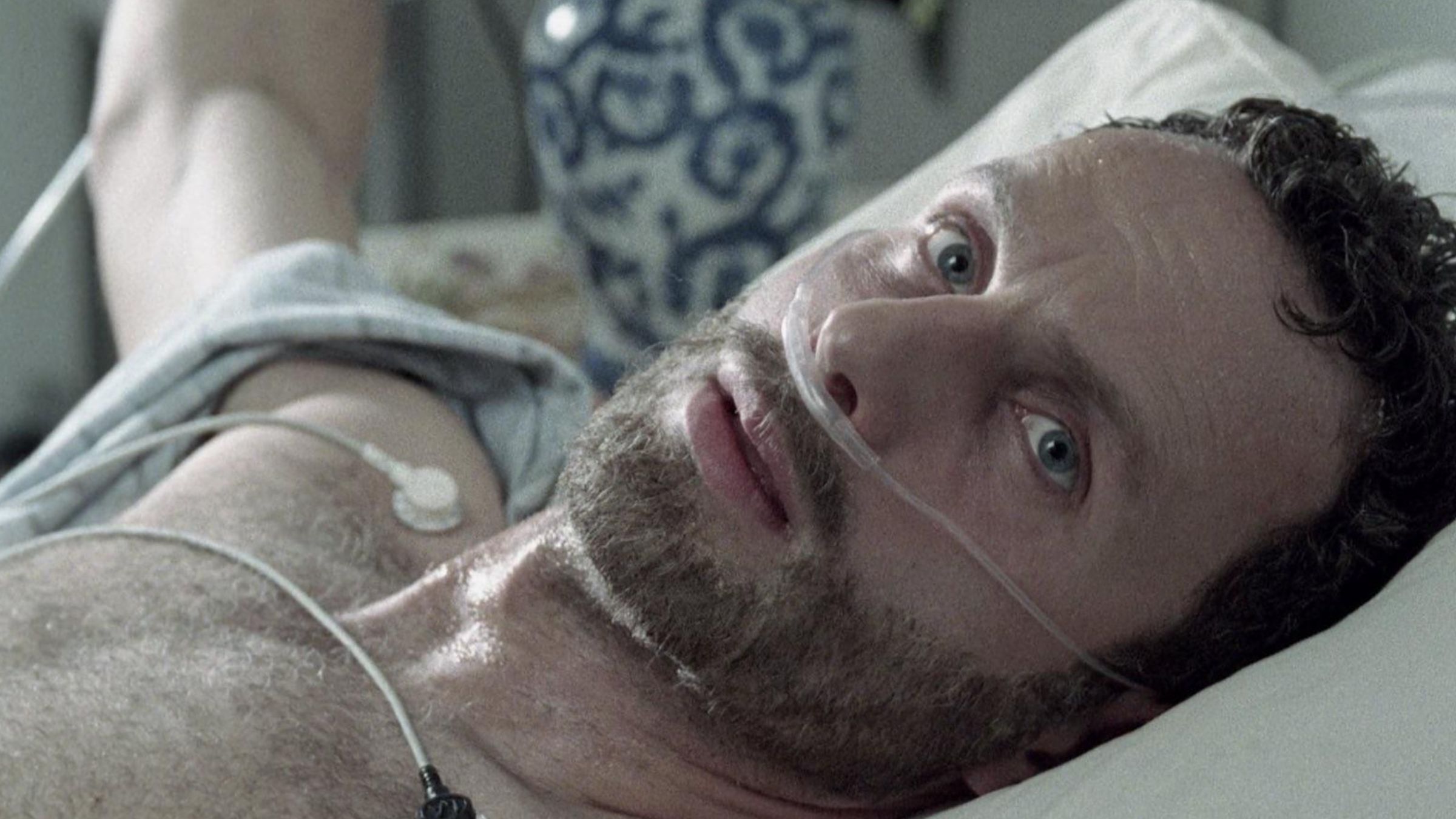
What truly sets the pilot apart is its unique approach to zombies. Instead of immediately trying to frighten viewers, the zombies serve as a constant reminder of the dangers lurking outside safe zones. Each zombie in The Walking Dead feels important and memorable – they aren’t just mindless, generic creatures. Importantly, the zombies don’t overshadow the human drama. The show consistently keeps the focus on the living characters – specifically, how they respond to the zombie threat and the difficult choices they face with potentially deadly consequences.
One of the things that really grabbed me from the beginning was the main character. He’s different from most horror protagonists you see on TV – he’s genuinely vulnerable, but still tries to take charge. He’s not a typical hero, not even close. Over the seasons, you see him struggling, questioning if he can still protect anyone, and it feels so real. You completely believe his journey. It’s not about flashy heroism; it’s about a believable personality. You become invested in every choice he makes, every mistake, every difficult moral dilemma. The show doesn’t try to force you to like him because he’s brave or charismatic. You like him because you understand him, and his desperate attempt to survive in a world where the rules don’t exist anymore.
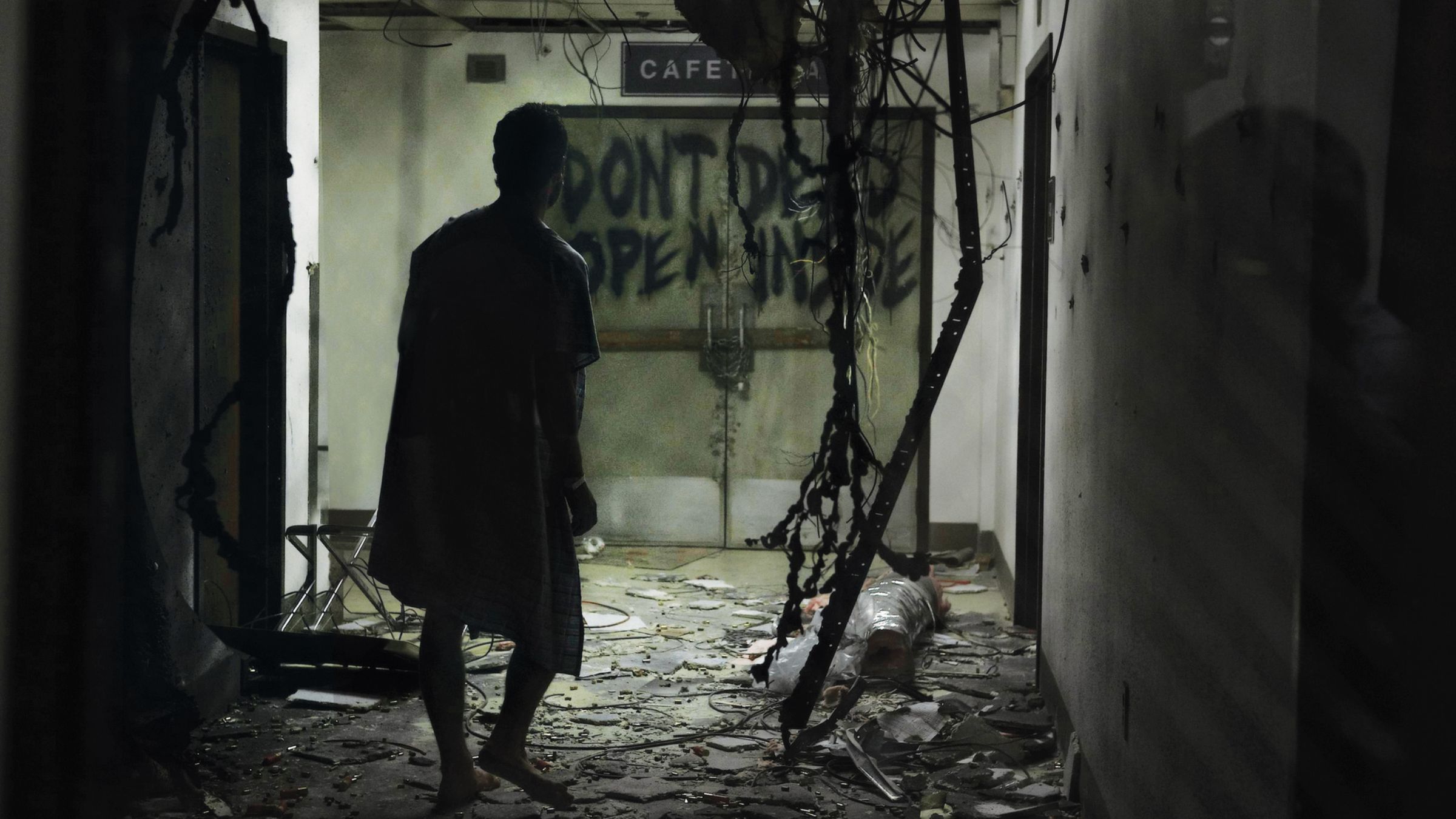
The show’s direction is excellent, masterfully balancing quiet moments with intense suspense. Take, for instance, Rick’s first encounter with a zombie – it’s deliberately paced, avoiding cheap jump scares in favor of building fear through silence and carefully framed shots that draw your attention to every detail. The director wants you to feel as vulnerable and uncertain as the character, constantly wondering what to do next. This isn’t just visually impressive; it’s a clever way to create horror. It demonstrates that TV horror can be just as thoughtful and strategic as movies, building suspense with subtle details instead of relying on loud noises. Because it’s a series, the show wisely uses this tension sparingly, making it even more impactful. Compared to other zombie shows of its time, The Walking Dead truly distinguished itself with this unique and effective approach.
The first episode, “Days Gone Bye,” expertly creates both suspense and a believable world. The empty city, ruined hospital, and bodies in the streets aren’t just background details – they subtly reveal what happened, what’s been lost, and the challenges faced by those who survived. This efficient storytelling is why the episode remains compelling even after fifteen years. It hasn’t become dated because it focuses on building tension and making clever choices, rather than relying on special effects or tired tropes. Importantly, the episode immediately establishes the high stakes and constant danger, making it clear that anyone – even main characters like Rick – could be at risk. This level of unpredictability was rare in zombie shows at the time. While Game of Thrones was also exploring high stakes around the same period, The Walking Dead presented a similar level of threat, but in a world where danger is ever-present.
The Pilot of The Walking Dead Had a Massive Cultural Impact
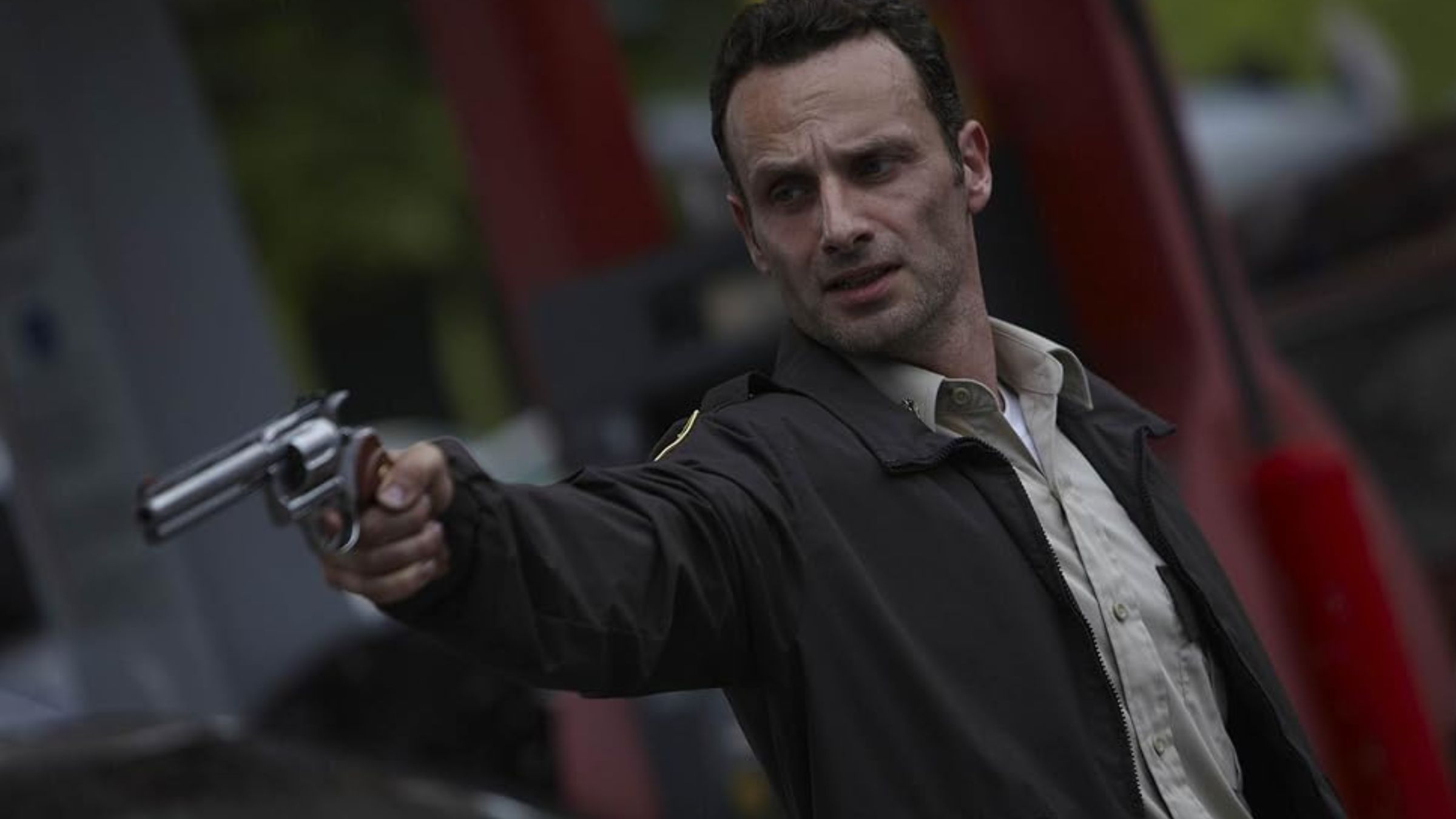
Before The Walking Dead, zombie shows were uncommon on television and generally lacked strong characters or compelling storylines. This show’s first episode demonstrated that a horror series could be character-driven, genuinely suspenseful, and maintain constant tension. It redefined what the horror genre could achieve on TV, paving the way for other shows—though many didn’t succeed. Even after fifteen years, The Walking Dead is still the first zombie show most people think of.
The first episode of the show established a new approach to horror on television. It demonstrated that you can captivate an audience without relying on excessive violence or constant action – a technique that’s more widespread now, but which The Walking Dead pioneered at the time. The show’s success stemmed from its pacing, its ability to create tension, and its focus on making viewers feel the danger alongside the characters. While later seasons were impacted by production challenges and the show eventually lost some viewers, its initial creative choices – particularly in its direction, writing, use of quiet moments, and cinematography – continue to resonate today, as evidenced by the ongoing spin-off series.
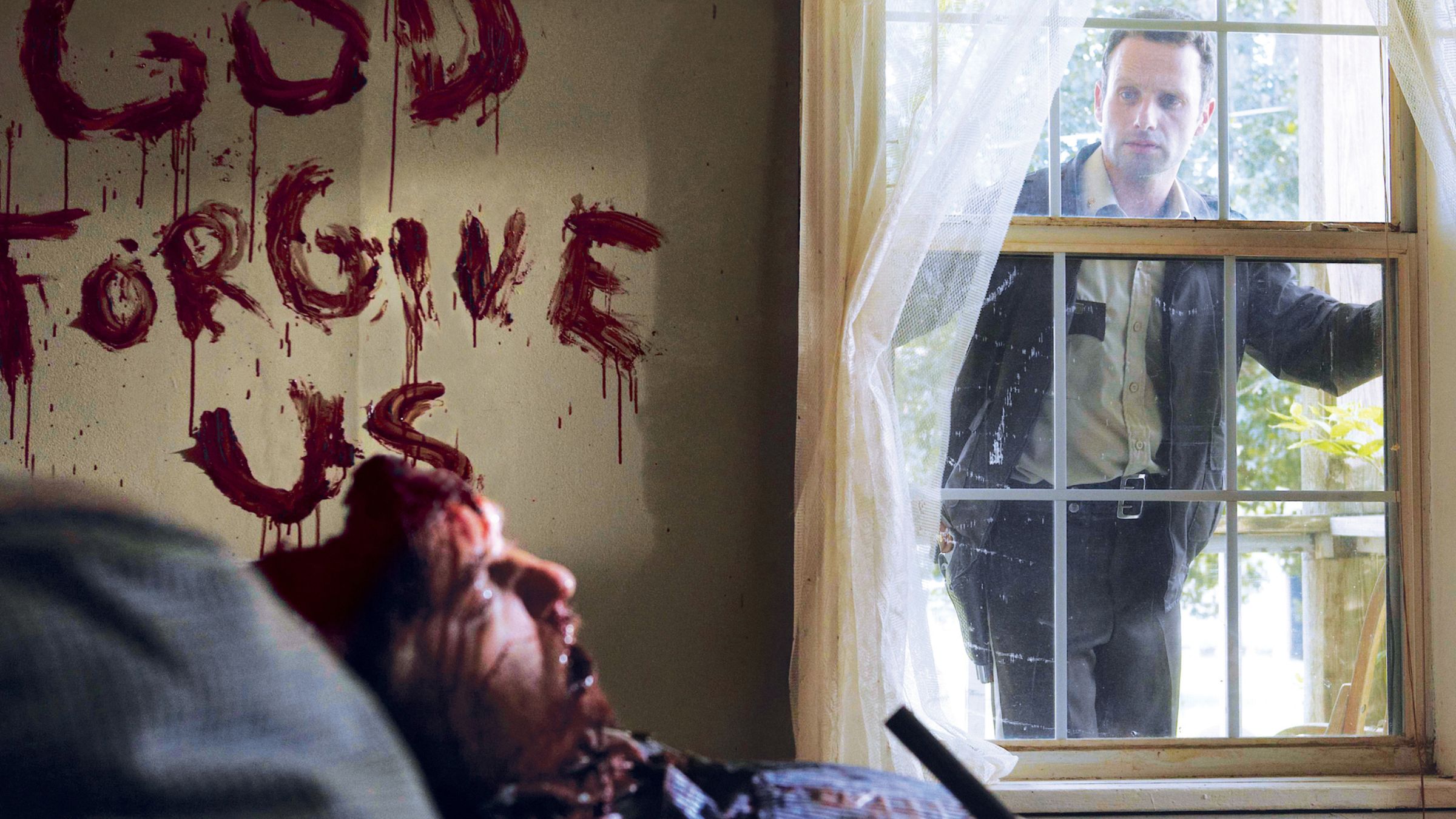
The first episode of The Walking Dead isn’t just good – it’s a perfect example of how to revitalize a familiar genre. It proved that horror could be intelligent, captivating, and lasting without falling back on tired tropes. Even now, over ten years later, it’s essential viewing for anyone who loves horror or television – not just to revisit the beginning, but to see how strong storytelling can change what people expect and inspire a new wave of viewers and creators.
The reason The Walking Dead remains so well-known today is straightforward: the very first episode established that truly scary TV requires complete immersion. The show forces viewers to experience the story with the characters, and that approach has clearly resonated with audiences.
Read More
- Gold Rate Forecast
- 10 Most Powerful Versions of Superman, Ranked
- GBP CNY PREDICTION
- 007 First Light: Release Date, Story, Gameplay, Cast, Editions, and Platforms
- Forza Horizon 6 Car List So Far: Confirmed Highlights, Cover Cars, DLC, and Rewards
- DOGE PREDICTION. DOGE cryptocurrency
- Superman’s 7 Best Power-Ups, Ranked
- Forza Horizon 6 PC Issues: Fix Crashes, Stuttering, Steam Errors, and Game Pass Problems
- 10 Greatest Wii U Games of All Time, Ranked
- EUR CNY PREDICTION
2025-10-31 17:15