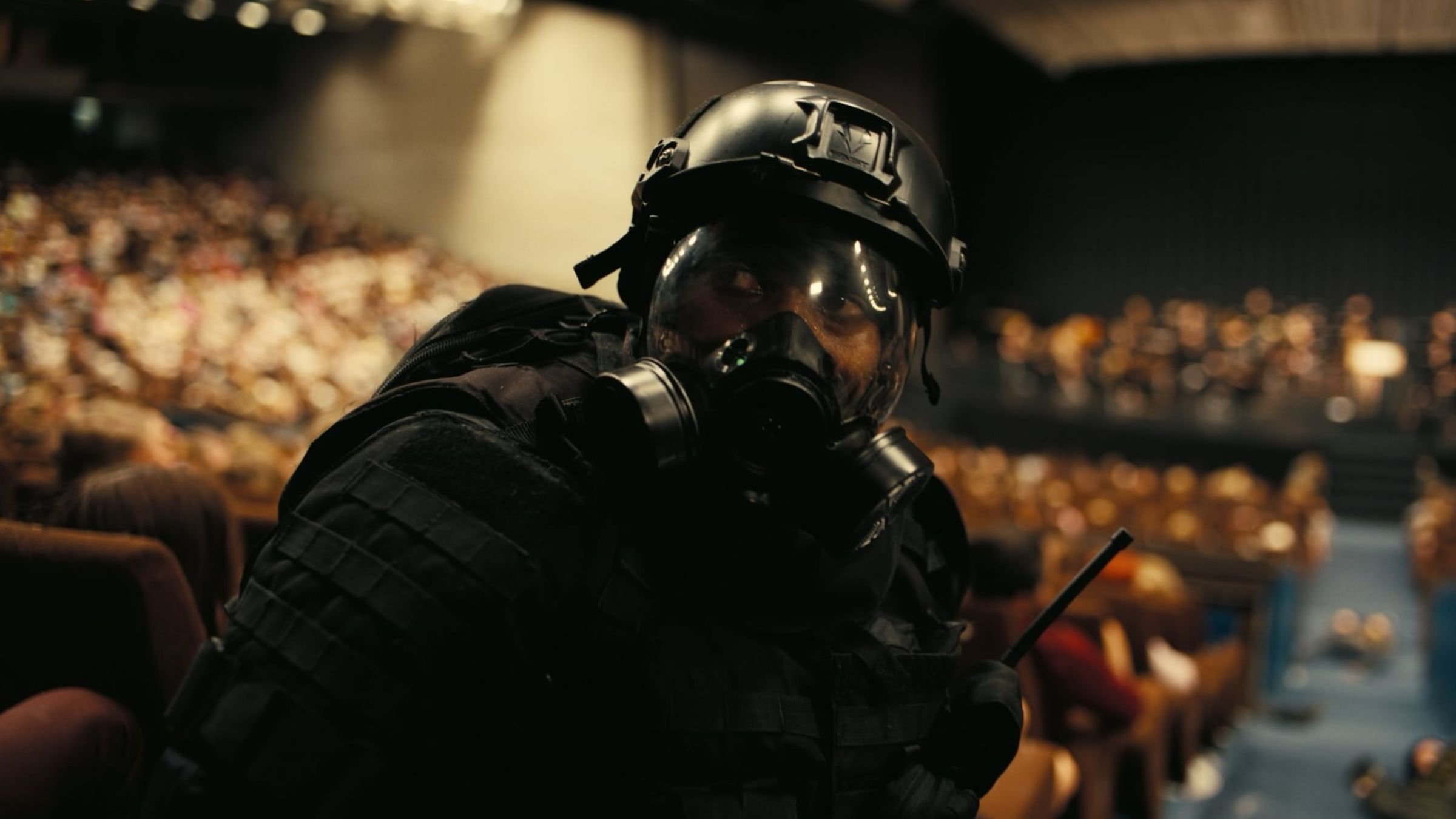
Have you ever seen a movie that’s fascinating but difficult to grasp, even after multiple viewings? This film is like that – you can pick up bits and pieces, but the overall story remains elusive. It’s a famously divisive movie, largely due to its complex plot. Many viewers are left confused, with some even dismissing it as pretentious or simply not enjoyable. It continues to spark debate online years after its release. However, it’s arguably a hugely underrated blockbuster. It’s okay if you disagree, but a lot of people gave up on it after one viewing because they found it too complicated. But this isn’t a movie you can fully appreciate in just one sitting.
Tenet isn’t a movie you’re supposed to grasp immediately. It’s designed to be experienced multiple times, encouraging you to think about it and revisit it. The film prioritizes being a bold cinematic experience over simple, easy entertainment, and that’s perfectly okay – movies don’t always need to be straightforward.
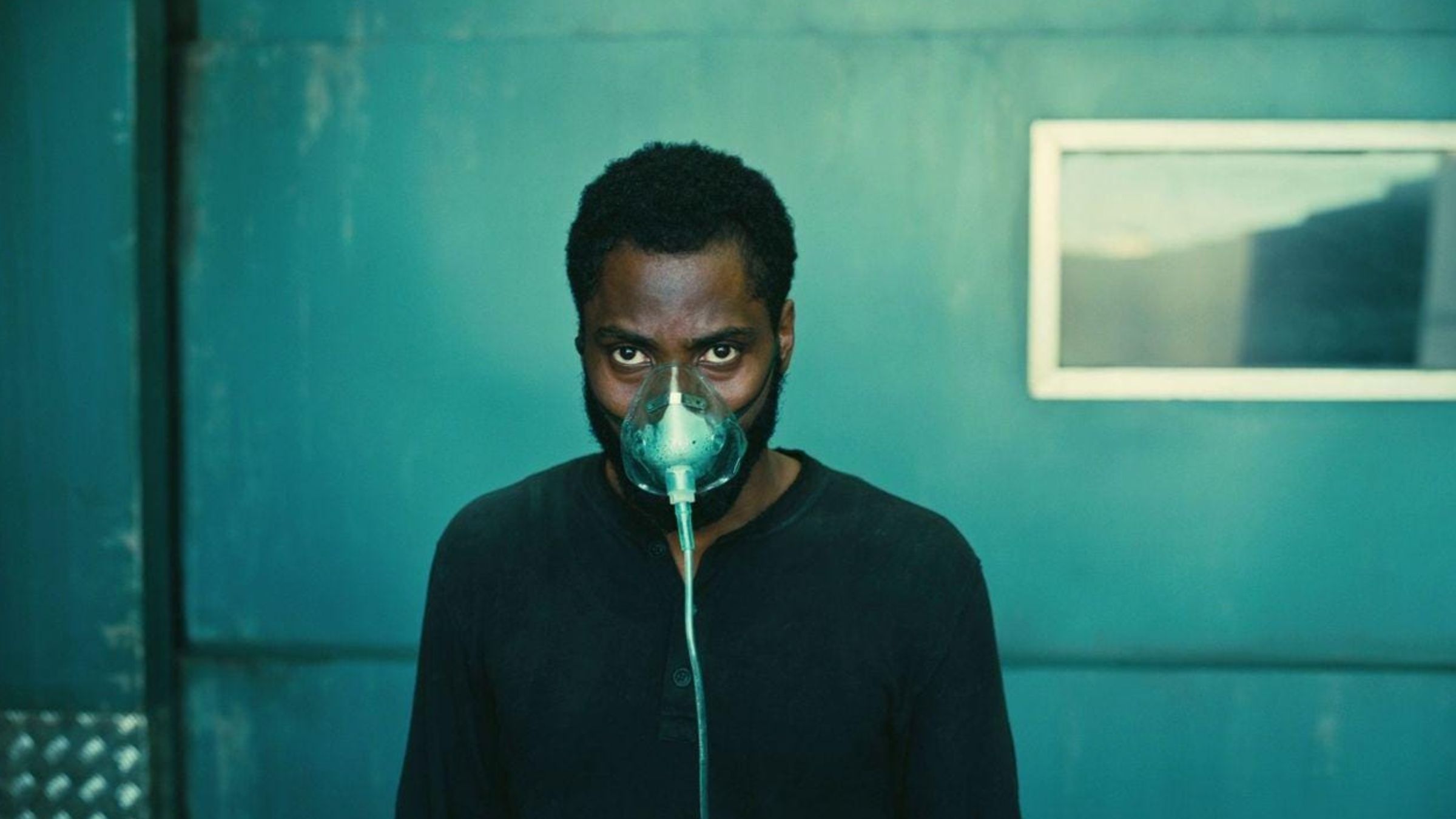
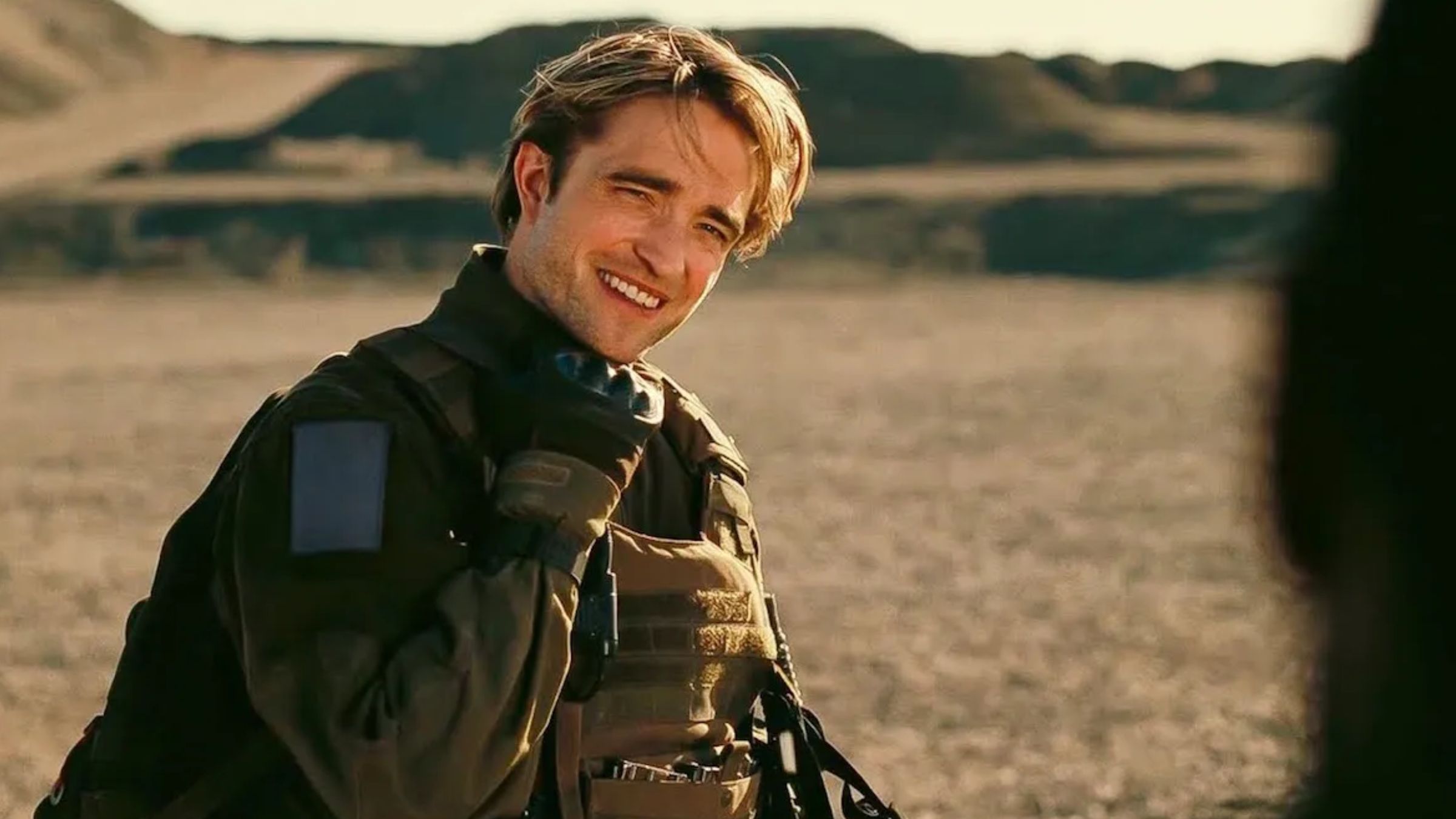
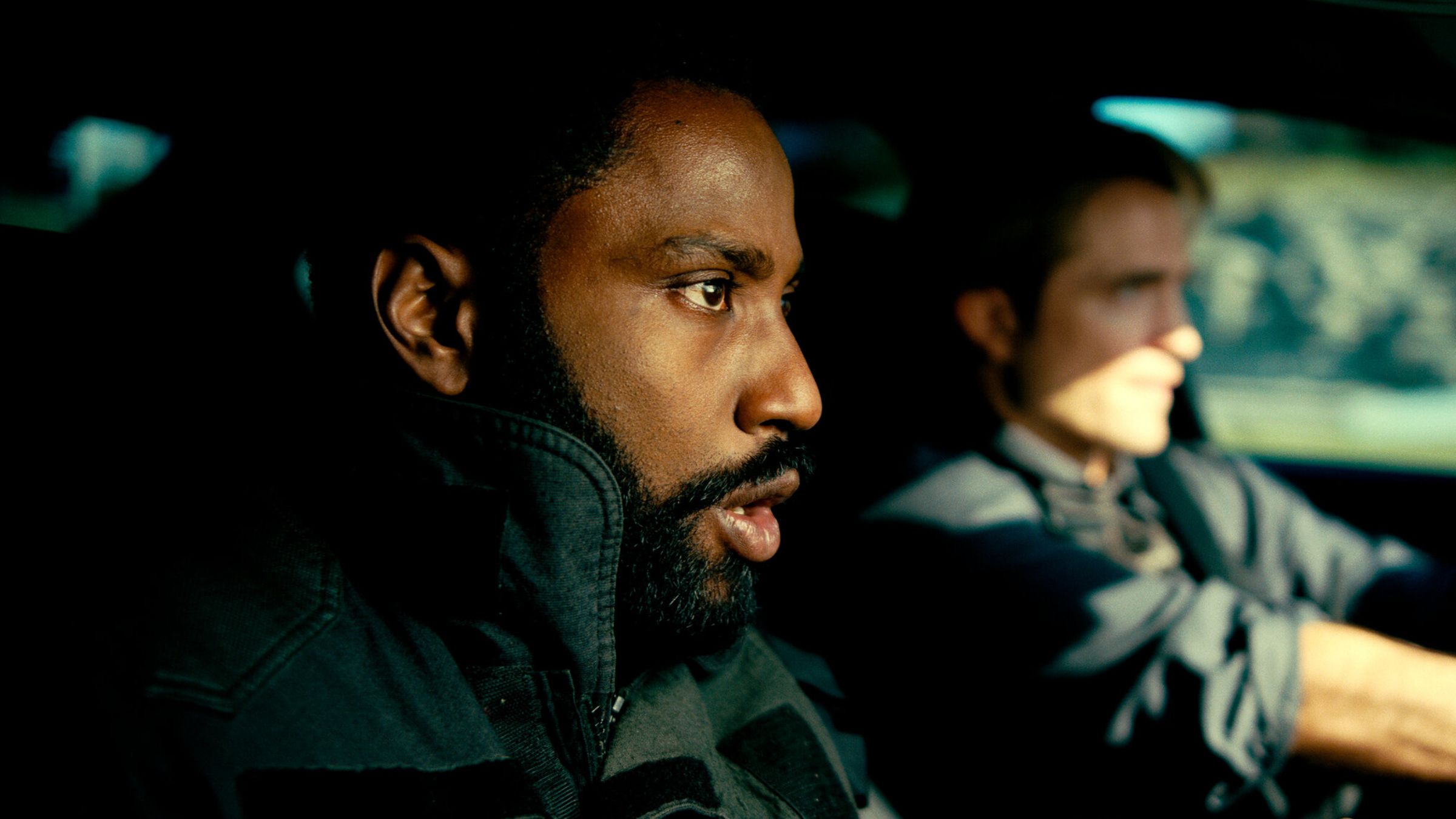
Tenet is a mind-bending sci-fi thriller directed by Christopher Nolan. It centers on a secret agent, known only as The Protagonist (John David Washington), who’s tasked with preventing a worldwide catastrophe. The challenge? The threat isn’t coming from the future, it is the future – unfolding in reverse. Thanks to a technology that manipulates time, objects and people move backward. The Protagonist must stop Andrei Sator (Kenneth Branagh), a powerful Russian who plans to destroy the world if he dies, and relies on the help of the enigmatic Neil (Robert Pattinson), who seems to know more than he reveals. This creates a complex, non-linear story where events happen out of order, making it a truly confusing, yet captivating, experience.
Nolan is famous for making complex films with surprising twists and timelines that often require repeat viewings. However, his film Tenet faced unusually high expectations. After the emotional depth of Inception and Interstellar, many viewers anticipated another similarly accessible and moving story. Instead, Nolan created a fast-paced, intricate spy thriller that doesn’t offer much explanation. But Tenet wasn’t intended to be simple. Nolan deliberately wants to disorient the audience, mirroring the main character’s own confusion. He believes this feeling of disorientation is the cinematic experience.
A lot of the criticism surrounding Tenet stems from viewers expecting a straightforward explanation of everything. Those who wanted clarity often felt the film was a failure or that Nolan was needlessly complex. However, Tenet is a movie that truly reveals itself on a second viewing. Knowing what happens allows you to appreciate the intricate details and how everything connects. Scenes that initially seem confusing suddenly click into place, revealing the film’s precision and brilliance.
As the story unfolds, everything clicks into place, revealing a carefully constructed plot where events only truly make sense when you look back on them. It’s a film that actually gets better the more you think about it, which is likely why it’s overlooked – not because it’s confusing, but because it’s deliberately complex.
Tenet Is an Experience You Just Need to Feel
Nolan’s known for being a meticulous director, and with Tenet, he really pushes that to the extreme. The movie can be confusing at first, but if you stick with it, you’ll find that everything eventually adds up. The goal isn’t necessarily to understand every single detail, but to experience the feeling of being lost and continuing on anyway. While many sci-fi films are complicated, Tenet intentionally challenges you—not only with its complex ideas about time, but also with elaborate action scenes like the opera raid, the interrogation, and the battle at Stalsk-12. It’s perhaps simpler to dismiss the film as confusing than to admit you didn’t fully grasp it.
The characters aren’t just along for the ride – they’re essential to how the story works. The main character feels almost like a symbol, a person fighting a battle without fully understanding its meaning. Sator is a classic Nolan villain: wildly dramatic and determined to obliterate everything if he can’t stay in charge. Kat Barton provides the film’s emotional core, grounding the complex ideas. And Neil is the story’s quiet center – funny, enigmatic, and heartbreaking, though his true role only becomes clear at the very end (or the beginning, depending on your perspective).

The movie’s sound is often too loud, making the dialogue hard to understand, and it can feel emotionally detached. However, what Tenet does exceptionally well is remain a puzzle. It requires the audience to work just as hard as the characters, and that’s why it’s worth appreciating. Nolan seems to be exploring the futility of trying to control the uncontrollable. While Inception played with dreams and Interstellar used love to overcome time, Tenet confronts time with cold logic. The first viewing is jarring, the second is insightful, and the third is frustrating – you think you understand, but you’re still unsure. By the fourth viewing, you might finally grasp it, or at least realize that fully understanding it isn’t the goal. The journey is the point.
While Tenet didn’t become a massive blockbuster, it’s definitely one of the most intelligent action movies of the last ten years. It’s a film that respects its viewers, even if it challenges them. It’s true that the movie is complex, extravagant, and difficult to understand, but it’s also daring, skillfully made, and truly original. If you didn’t enjoy it initially, it’s worth a second watch – that’s when Tenet really comes together.
https://comicbook.com/movies/news/the-odyssey-christopher-nolan-movie-everything-we-know/embed/#
Read More
- The Super Mario Galaxy Movie: 50 Easter Eggs, References & Major Cameos Explained
- All 13 Smash Bros. Characters in the Super Mario Galaxy Movie
- 10 Best Free Games on Steam in 2026, Ranked
- WTH?! Twitter Drops Fake Daredevil: Born Again Season 2 Spoilers as Character Return Confirmed
- Welcome to Demon School! Iruma-kun season 4 release schedule: When are new episodes on Crunchyroll?
- Dune 3 Gets the Huge Update Fans Have Been Waiting For
- Highly Anticipated Strategy RPG Finally Sets Release Date (And It’s Soon)
- Sydney Sweeney’s The Housemaid 2 Sets Streaming Release Date
- Why is Tech Jacket gender-swapped in Invincible season 4 and who voices her?
- Forza Horizon 6 ‘Prologue’ gameplay
2025-11-01 23:13