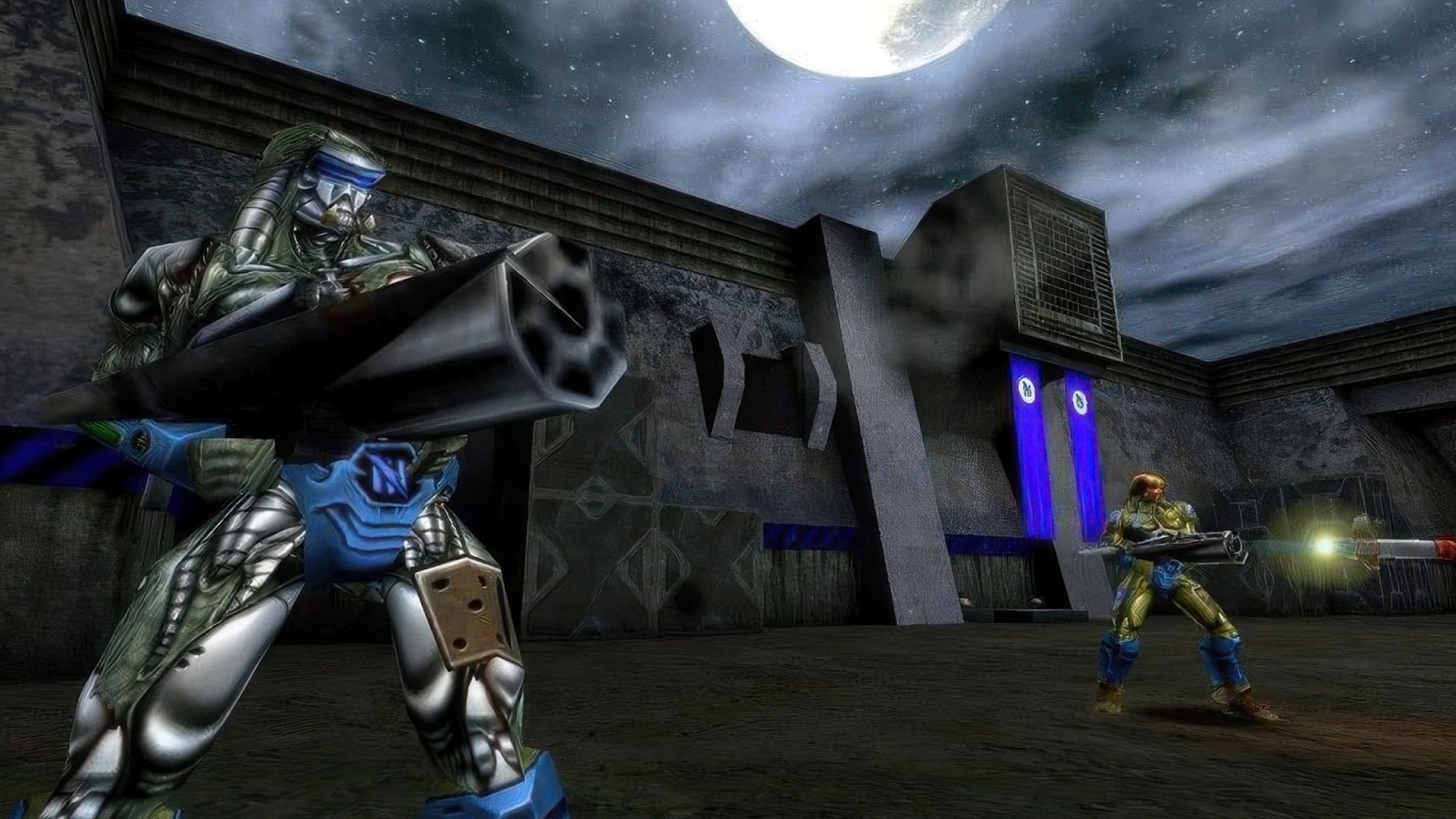
Today’s first-person shooters are very different from the ones I grew up with. Games like Unreal Tournament, Halo: Combat Evolved, and Gears of War taught me a particular skill that’s become second nature. I still automatically do it in modern shooters, and many other older gamers do too. But what used to be a helpful technique now often gets me eliminated, especially in challenging modes like Gauntlet in Battlefield Redsec. It seems a skill that was once essential now actually works against players who learned the ropes with classic FPS games.
I developed a habit in older video games of reloading after every shot, and it’s stuck with me. Even though newer games don’t require it and even penalize doing so, I still automatically hit the reload button after each kill. I just can’t break the instinct to always have a full magazine before the next fight.
The Old-School FPS Reflex That Never Dies

In older first-person shooters, reloading after each kill wasn’t just practical, it became a natural part of how you played. These games taught me to reload immediately after shooting, creating a smooth combat flow. With slower kill times in games like Halo 3, having a full magazine was crucial. Beyond that, it simply felt better to always be fully loaded.
Older games rewarded players for frequently reloading their weapons. Reloads were fast, responsive, and you could easily cancel them if needed. Gears of War really cemented this habit for me – I’d often reload after every single fight, even if I barely used any ammo. I got really quick at tapping the reload button, and I still do it in today’s games like Fortnite and Battlefield 6. It’s a common habit, and I know many other players do the same thing.
I can definitely get used to how modern first-person shooters work. But I still have a habit of reloading after every enemy I defeat – it’s something I’ve always done, no matter the game. It’s become a nostalgic element, similar to how older shooters relied on strafing. For those of us who grew up with early FPS games, reloading after each kill isn’t just practical, it’s a way to reconnect with the core feeling that made us love those games in the first place.
Reload-Canceling Changed Everything
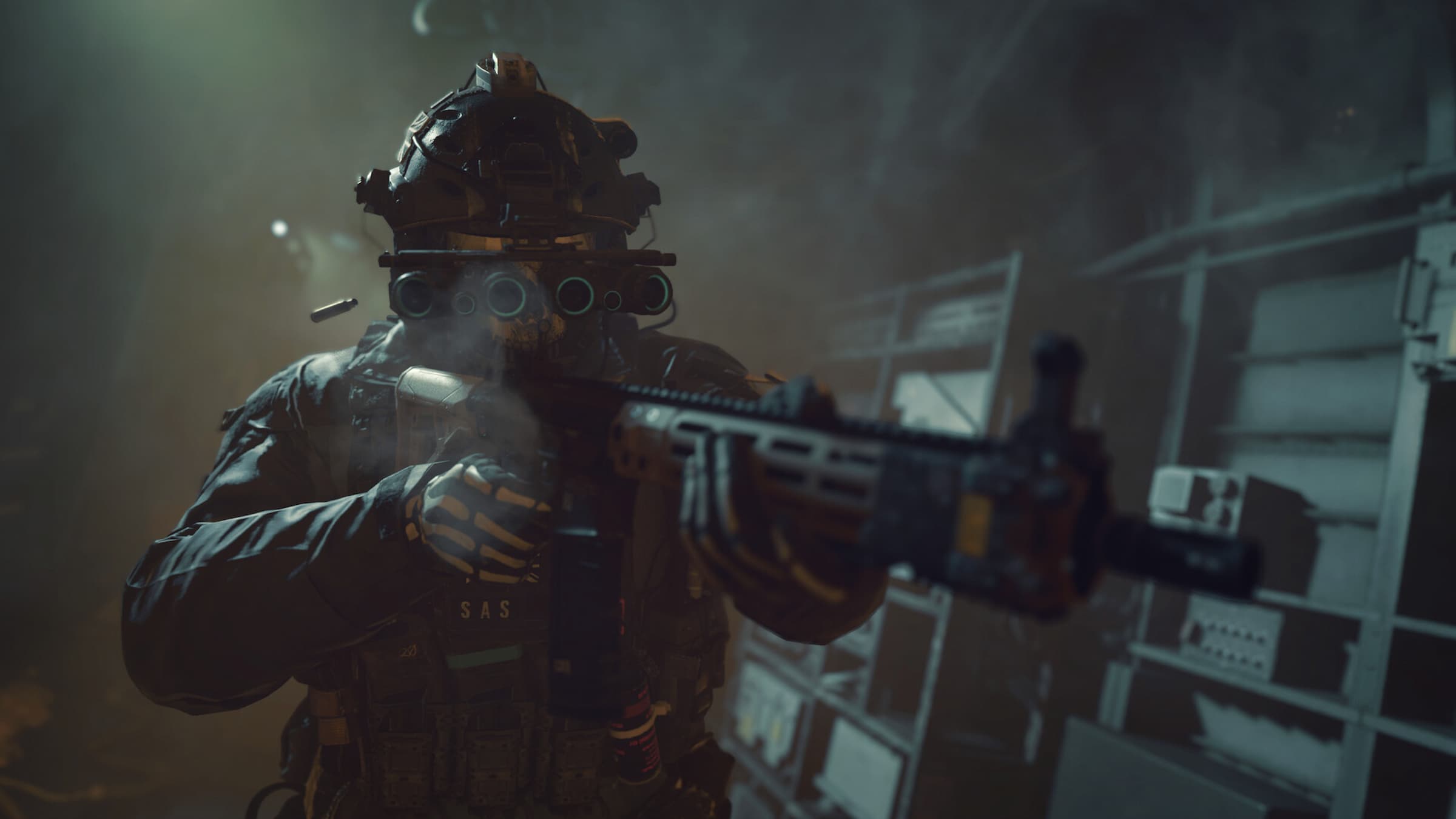
Instinctively, players would reload their weapons, but skilled players had a trick: canceling the reload animation. This wasn’t widely known, but it gave a competitive edge in many first-person shooter games. By quickly switching weapons or sprinting at just the right moment, you could avoid the final part of the reload and get back to fighting sooner. I used this technique a lot in Call of Duty: Modern Warfare 2, and it made the Rust map particularly fun because the quick restarts let me get back into action fast in that small space.
Learning this skill takes time and effort, but it can significantly improve how you play. I personally never became an expert because the technique varied between games, but I got good enough to feel confident. I could quickly take down enemies by shooting, reloading, and then immediately canceling the reload animation to stay nimble. Each fight felt like a fast-paced rhythm: shoot, quickly reload and cancel, move, and repeat. This made combat smooth, enjoyable, and incredibly quick.
Over time, game developers prioritized realistic and fair gameplay, which led to the end of ‘reload canceling’ – the ability to interrupt a reload animation. Newer games began requiring players to complete reload animations, preventing them from quickly switching weapons to avoid being vulnerable. This meant you couldn’t just sprint to safety after firing a shot. I often found this frustrating, like in Battlefield 6, where I’d reload even with plenty of ammo left, only to be killed by enemies still in front of me. While this change made sense from a game design perspective, many long-time players felt it took away a familiar skill and a part of what made the game enjoyable.
Modern Mechanics Are Making It Harder to Keep Up

I’ve been playing first-person shooters for ages, and honestly, they’ve gotten so much more complicated! It used to be simple – find cover, quickly reload, and get back in the action. Now, you’re constantly sprinting, climbing, sliding, using special abilities, and dealing with really long reload times. It’s cool that the games have evolved, but sometimes I miss how fast-paced and straightforward the older ones were. It feels like there’s a lot more to manage now than just aiming and shooting!
Many modern games handle reloading poorly. Some completely prevent you from stopping the animation once you start, leaving you vulnerable. Others let you cancel, but with a significant penalty. This often results in me being caught reloading at the wrong time and getting hurt.
Despite knowing it puts me at risk, I just can’t help but reload my weapon after firing a few shots. It’s a deeply ingrained habit, almost a reflex from years of playing, and even though it’s gotten me eliminated in crucial moments, I keep doing it. It’s frustrating, funny, and I always seem to get caught reloading when an enemy shows up. Old habits die hard, and I guess I’ll always be a reload addict.
What do you think? Leave a comment below and join the conversation now in the ComicBook Forum!
Read More
- Best Controller Settings for ARC Raiders
- Meet the cast of Good Omens season 3: All the actors and characters
- Mark Zuckerberg & Wife Priscilla Chan Make Surprise Debut at Met Gala
- Review: Final Fantasy Tactics: The Ivalice Chronicles (PS5) – Still the Benchmark for Turn-Based Tactics
- Nippon Sangoku Is The Best New Post-Apocalyptic Anime of Spring 2026
- 10 Greatest Manga Endings of All Time
- The Witcher 3 Officially Reveals Stunning New Ciri Figure Coming 2026
- The WONDERfools ending explained: What happened to the Child of Eternity?
- 7 Great Marvel Villains Who Are Currently Dead
- FRONT MISSION 3: Remake coming to PS5, Xbox Series, PS4, Xbox One, and PC on January 30, 2026
2025-11-02 18:17