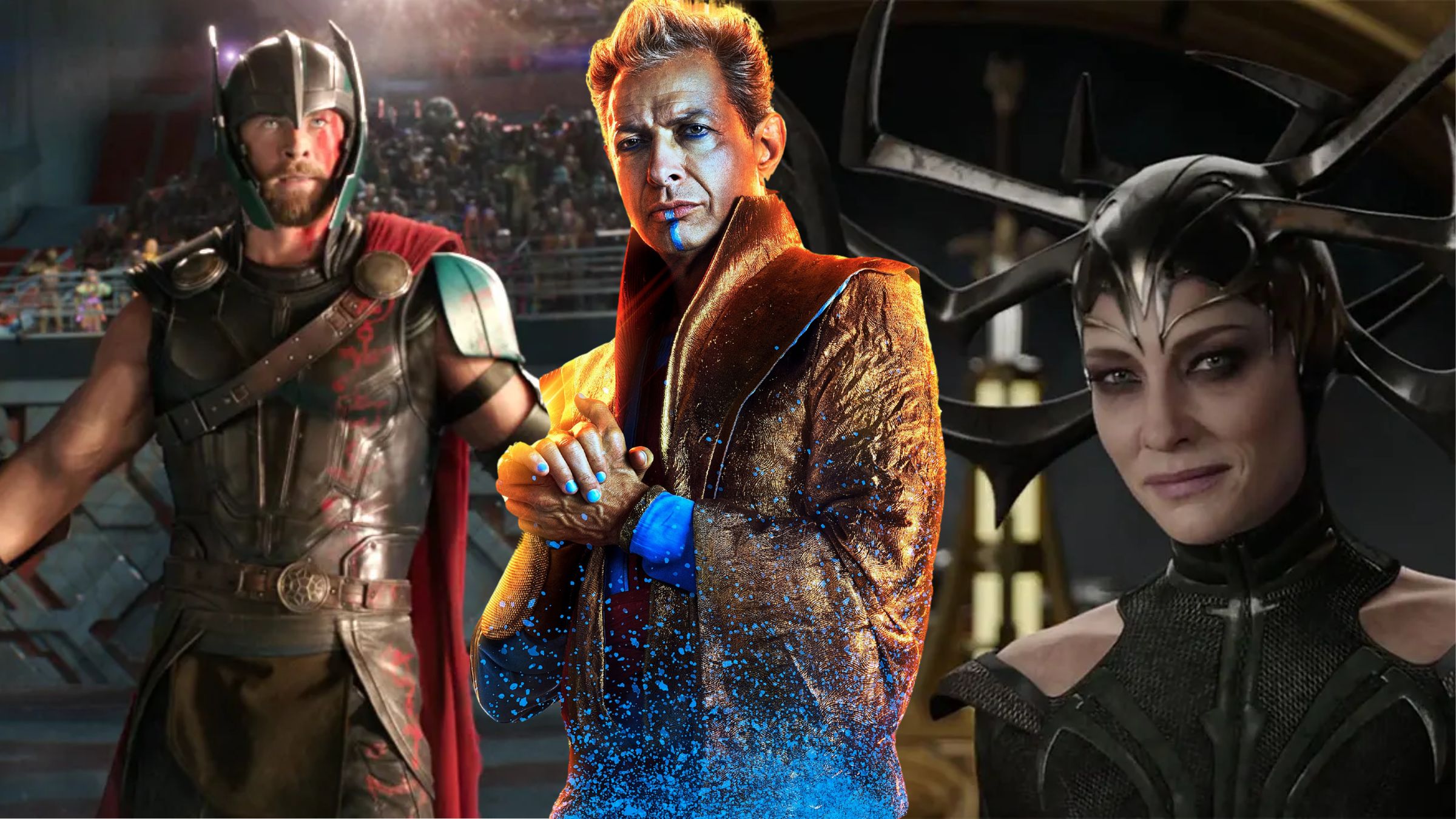
Released on November 3, 2017, Taika Waititi’s Thor: Ragnarok was a fresh start for the series and received the best reviews of any Thor film. It also performed exceptionally well at the box office, earning $127.7 million on its opening weekend – almost double the original Thor movie and over $40 million more than Thor: The Dark World. The success of The Avengers likely gave The Dark World a small boost, but Ragnarok proved to be a consistently popular Marvel film, becoming one of the most well-received entries in the Marvel Cinematic Universe up to that time.
Even now, the movie holds up remarkably well. But looking back, it’s clear it created a pattern that was easily overused and became annoying in later films.
Tone Is a Balancing Act
Above all else, Thor: Ragnarok is a funny movie. But like truly great comedies, it’s more than just jokes. Think about films like Planes, Trains and Automobiles – it’s hilarious, but also features a heartbreaking moment and a touching display of kindness. Even The Hangover, despite its wild premise, has scenes where you genuinely worry about the missing groom. And in Wedding Crashers, you discover that beneath the charming exterior, the main characters are actually quite lonely and struggle to form meaningful connections.
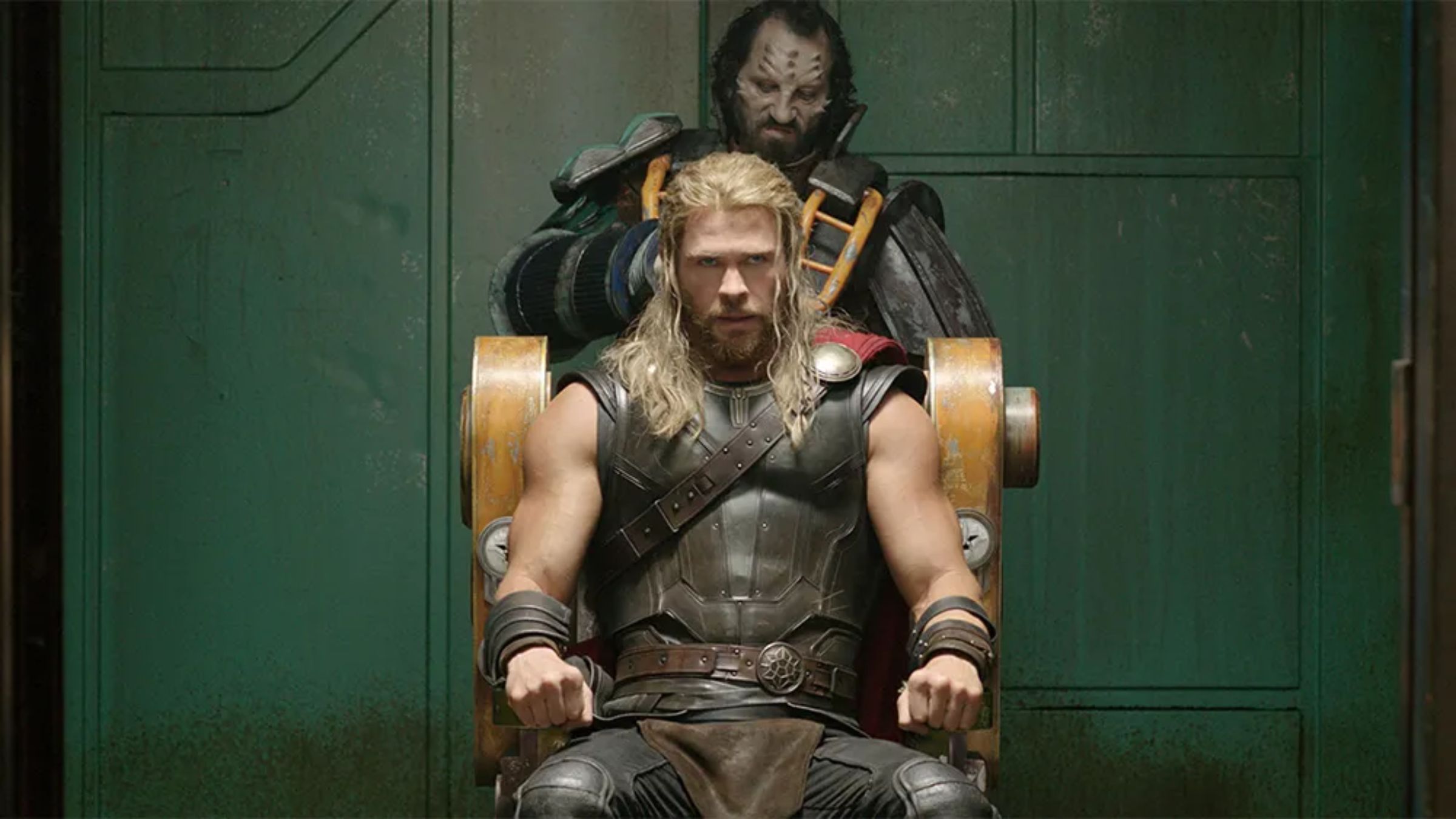
The movie Thor: Ragnarok begins with Thor chained up by the fire demon Surtur in a fiery, intimidating setting. However, this serious moment is quickly undercut by a humorous gag: Thor’s spinning chains distract him from Surtur’s dramatic speech. This blend of comedy and superhero action is a key strength of the film. Neither the funny parts nor the action sequences overshadow each other, and the movie maintains a good balance overall.
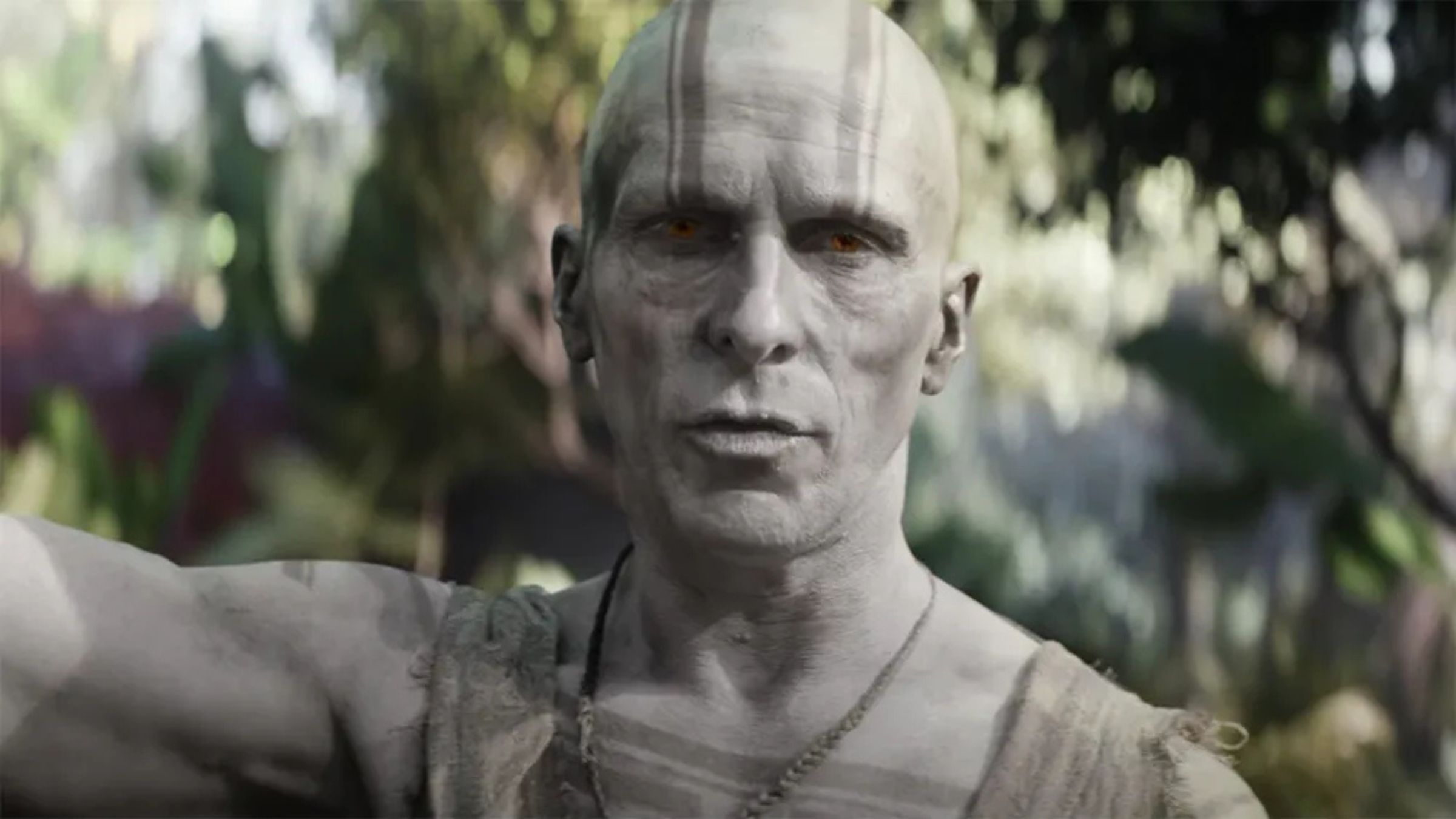
The movie Thor: Love and Thunder opens with a heartbreaking scene: Christian Bale’s character, Gorr, watches his daughter die of thirst. Desperate, he seeks help from his god, Rapu, who is enjoying a life of luxury. Instead of offering comfort, Rapu cruelly mocks Gorr’s loss, then attacks him. Gorr ultimately defeats Rapu with a magical sword that mysteriously flies into his hand.
The movie feels a bit too dark considering its colorful visuals. This contrast continues with Thor, who is still dealing with the emotional fallout from Avengers: Endgame and struggling with his weight. The film then throws him into a comical situation: fighting intentionally silly-looking, screeching aliens alongside the Guardians of the Galaxy, all while relying heavily on visual gags.
The movie culminates in the destruction of a sacred monument belonging to the blue alien race the characters are attempting to assist. From the very beginning, it’s clear the film is striving for humor, but it consistently falls flat except for a single, brief moment involving Peter Quill. This best joke happens early on, meaning the movie isn’t able to build on that success and quickly becomes less entertaining.
How Does Thor: Love and Thunder Squander Thor: Ragnarok‘s Tonal Balancing Act?
The humor in Love and Thunder feels like the style of Ragnarok, but turned up to an extreme and annoying level. Ragnarok knew when to make a joke and then move on. For example, Thor’s excitement before fighting Hulk was funny, and then the scene quickly shifted to a joke about Loki’s reaction to seeing Hulk for the first time since The Avengers. That’s two separate jokes, even though they both involve the same situation.
It’s not funny when a joke is repeated endlessly – like a space goat bleating loudly and annoyingly around sixty times. The space sheep, given to Thor as a thank you for saving some aliens (by demolishing their building), start as a mildly amusing gag. But they don’t go away; they appear throughout the entire movie.
Russell Crowe’s portrayal of Zeus is another example of a performance that, while well-executed, features a deeply unlikeable character. Crowe clearly understood what he was asked to do – play someone obnoxious, drunk, and self-centered – but those qualities make it hard for the audience to connect with or enjoy the character, even with the exaggerated accent and playful moments.
Those examples illustrate how Love and Thunder doesn’t quite live up to Ragnarok. The biggest sign of its decline, and a hint of what was to come after Ragnarok‘s success, is that Love and Thunder attempts to recreate what made Ragnarok work so well, but falls short.
We see Luke Hemsworth and Matt Damon play versions of Thor and Loki, respectively. This gag was funny in Ragnarok because the movie knew when to move on after a joke. However, in Love and Thunder, these actors appear in several scenes, and repeating a joke too often just isn’t as effective. Just because something works once doesn’t mean it will work if you keep doing it over and over.
It’s disappointing because Love and Thunder has some good elements that are overshadowed by its inconsistent tone. Gorr the God Butcher is a compelling villain, and Christian Bale delivers a strong performance, but the film doesn’t give either enough space to fully develop, as it prioritizes jokes that undermine the seriousness of those scenes. Similarly, it’s great to see Natalie Portman return as Jane Foster, and her transformation into Mighty Thor is a good story arc, but the film’s uneven balance between humor and darkness makes even these moments feel jarring.
It’s important to recognize what Taika Waititi was trying to achieve with Love and Thunder. The problem is that the storylines involving cancer and a vengeful father are surprisingly dark themes for a Marvel movie. The filmmakers likely aimed to avoid the overly grim experience some had with Batman Returns, but even that film managed to balance its darkness with humor. Compared to Ragnarok, which had its share of silliness (like Hulk fighting a space wolf and a joke about a Shake Weight), Love and Thunder feels overwhelmingly loud and chaotic. It’s telling that even Chris Hemsworth, who plays Thor, has admitted the movie goes too far.
Despite mixed reactions, Thor: Love and Thunder performed well in theaters. Building on the success of Ragnarok and Thor’s storyline after Endgame, it opened with $144.2 million – a strong start, exceeding Ragnarok’s opening by $21.5 million. However, its overall earnings compared to its opening weekend were more similar to Thor: The Dark World than to the higher-performing Ragnarok. While a fifth Thor movie is being considered, director Taika Waititi has indicated he’s open to Marvel finding another director for the project, which might be a good thing. Regardless, Thor: Ragnarok remains a fan favorite.
https://comicbook.com/movies/list/the-hulks-5-most-powerful-punches-in-the-mcu-ranked/embed/#
Read More
- Adam Levine Looks So Different After Shaving His Beard Off
- After AI Controversy, Major Crunchyroll Anime Unveils Exciting Update
- Trails in the Sky 2nd Chapter launches September 17
- Gold Rate Forecast
- Dialoop coming to Switch on June 17
- Japan’s No. 1 Spring 2026 Anime Is the True Successor to an All-Time Great
- Xbox Game Pass Users “Blown Away” by New Exclusive Game
- PS2 Exclusive RPG Series Returning 20 Years Later With New Release
- Paradox codes (April 2026): Full list of codes and how to redeem them
- Krauser Joins Fatal Fury: City of the Wolves, Big Anniversary Update Teased
2025-11-03 18:14