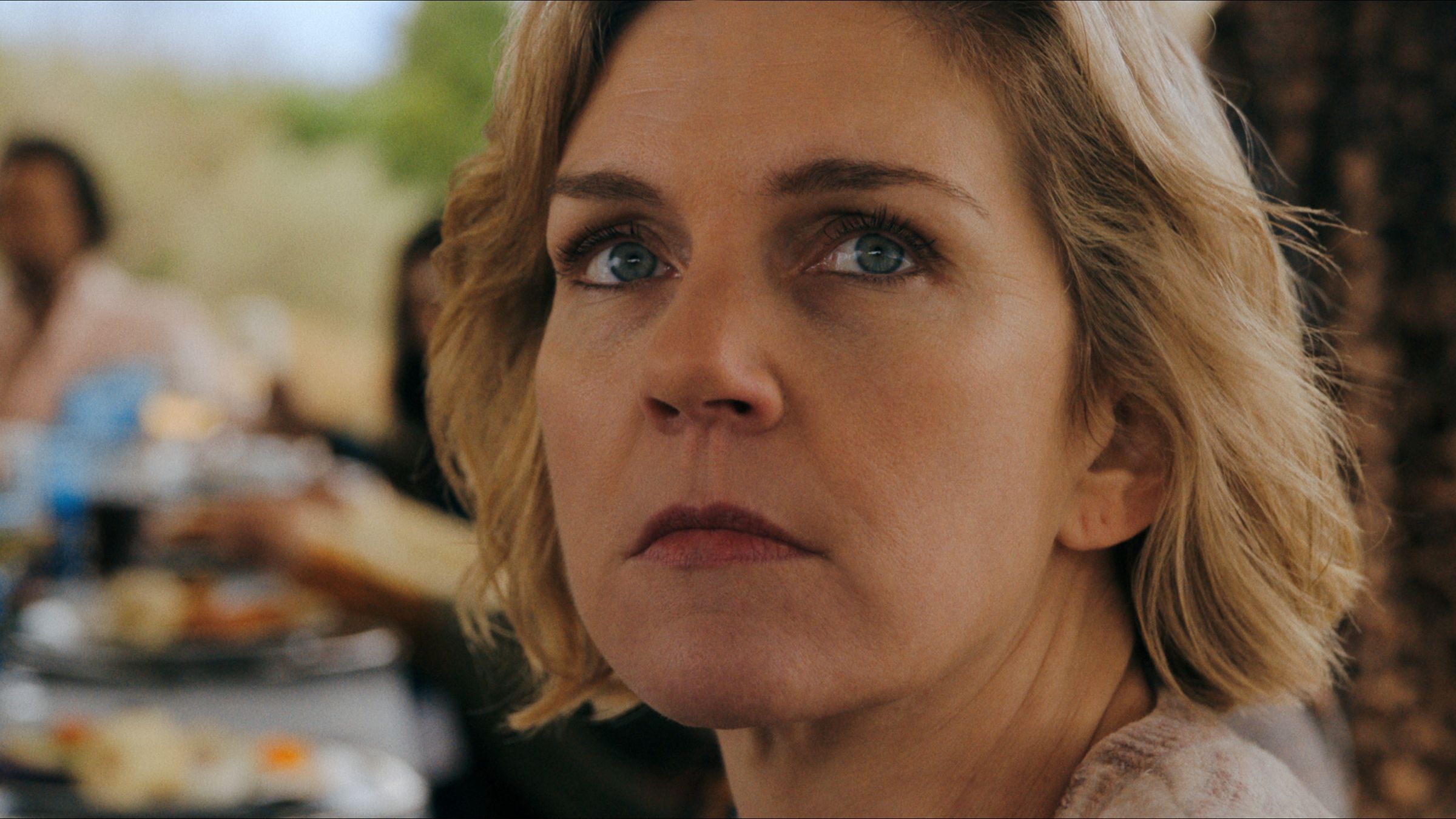
Unlike many studios that give away spoilers to create buzz, Apple TV kept its new series, Pluribus, a secret. This is especially notable because the show comes from Vince Gilligan, the creator of Breaking Bad and Better Call Saul, which already generated a lot of anticipation. The fact that Gilligan was trying out science fiction only added to the intrigue. However, the trailers were cleverly designed to hide the show’s true premise, focusing instead on Carol (Rhea Seehorn), a woman who seems troubled in an otherwise perfect, futuristic world. This strategy effectively emphasized the show’s emotional core while deliberately concealing the rules of its universe. Apple TV made a smart choice by keeping the central sci-fi idea hidden, making the show’s early revelations much more surprising and impactful.
Please be aware that the following contains spoilers for the first two episodes of Pluribus. The show quickly introduces its central idea: a strange virus is spreading, linking almost everyone’s minds into one collective consciousness. By the second episode, it’s revealed that only thirteen people, including a character named Carol, have managed to maintain their individual thoughts and feelings – everyone else has become part of a single, unified mind. What makes Pluribus different from other shows like it is what happens after this transformation. Instead of an alien invasion or hostile takeover, this event – called the Joining – actually brings about world peace, eliminating war, crime, and personal unhappiness. People are consistently happy and content. This sets up the main conflict of the series: Carol is horrified by the loss of individuality, but the world seems objectively better as a result.
Pluribus‘ Hivemind Virus Explained

The story begins over a year before the main events, when astronomers discovered a repeating signal from outer space. It was clearly a message from an intelligent source – the first proof of life beyond Earth. Translating the signal revealed a unique DNA sequence. Scientists, driven by curiosity, created this alien DNA in the lab and tested it on rats. Initially, nothing happened. But then, a lab technician was bitten by a seemingly dead specimen during a night shift. This bite caused a rapid change, connecting the technician to a collective intelligence. Now infected, this person could spread the change to others simply by touching them, even with a kiss, drawing them into the same shared consciousness.
The newly infected didn’t turn into raging monsters. Instead, they quietly worked together, all focused on spreading the virus to everyone on the planet. Over several months, they secretly developed new ways to transmit the virus and strategically placed infected people in remote locations – like submarines and space stations – to make sure no one was left untouched. As their numbers increased, they planned a massive, worldwide operation to infect all of humanity. They used commercial airplanes to release the virus into the air, launching a coordinated attack across every country, which led to the event known as the Joining. In that moment, humanity became unified, with everyone’s minds working together peacefully to ensure the survival of the species.
How Sci-fi Fans Were Prepared for Pluribus‘ Big Twist

Science fiction often explores the frightening idea of a collective consciousness, where individual identities are lost. A classic example is the Borg from Star Trek, who violently absorb other beings and cultures, stripping them of their individuality. The film Invasion of the Body Snatchers offers a more subtle take on this theme, using emotionless alien duplicates to represent the dangers of conformity and the fear of being overwhelmed by a powerful group.
The idea of a single, unified consciousness – often called a ‘hive mind’ – is consistently portrayed negatively in science fiction. Whether it’s insect-like swarms in stories like Eder’s Game and Starcraft, or cybernetic beings in Doctor Who, these collectives are usually depicted as threats to individuality. Even when characters choose to join a collective, it’s shown as a loss of what makes them human – the Cybermen, for example, remove their emotions as part of becoming a unified whole. This long history of ‘villainous’ hive minds creates a strong expectation for shows like Pluribus, where audiences may automatically view the collective as an opposing force and root for the preservation of individual identity.

Pluribus offers a fresh take by eliminating the typical invading alien threat and instead portraying the Joining as a genuinely positive outcome. This new, unified consciousness combines all of humanity’s knowledge and experience, allowing it to function without the problems of selfishness, desire for wealth, or anxiety. Resources are managed perfectly, healthcare is incredibly effective, and everyone receives the best possible care. Most importantly, people experience deep and lasting happiness, motivated by a strong commitment to protecting all life and acting with the highest ethical standards.
The show presents a troubling ethical dilemma. While Pluribus highlights the fear of losing what makes us unique – something science fiction often warns against – it also asks a challenging question: if achieving a perfect society meant sacrificing our individuality, would it be worth it? It will be compelling to see how the series unpacks this complex issue in future episodes.
New episodes of Pluribus premiere Fridays on Apple TV.
What challenges do you foresee for Carol and the other survivors as they try to maintain their identities in a world that seems perfect but demands conformity? Share your thoughts in the comments and join the discussion on the ComicBook Forum!
https://comicbook.com/tv-shows/news/7-must-see-shows-if-you-loved-breaking-bad/embed/#
Read More
- Trails in the Sky 2nd Chapter launches September 17
- Paradox codes (April 2026): Full list of codes and how to redeem them
- HBO Max Just Added the Final Episodes of a Modern Adult Swim Classic
- Pragmata Shows Off Even More Gorgeous RTX Path Tracing Ahead of Launch
- Crimson Desert’s Momentum Continues With 10 Incredible New Changes
- PRAGMATA ‘Eight’ trailer
- How Could We Forget About SOL Shogunate, the PS5 Action RPG About Samurai on the Moon?
- Hulu Just Added One of the Most Quotable Movies Ever Made (But It’s Sequel Is Impossible To Stream)
- Solo Leveling’s New Character Gets a New Story Amid Season 3 Delay
- Dragon Quest Smash/Grow launches April 21
2025-11-07 21:15