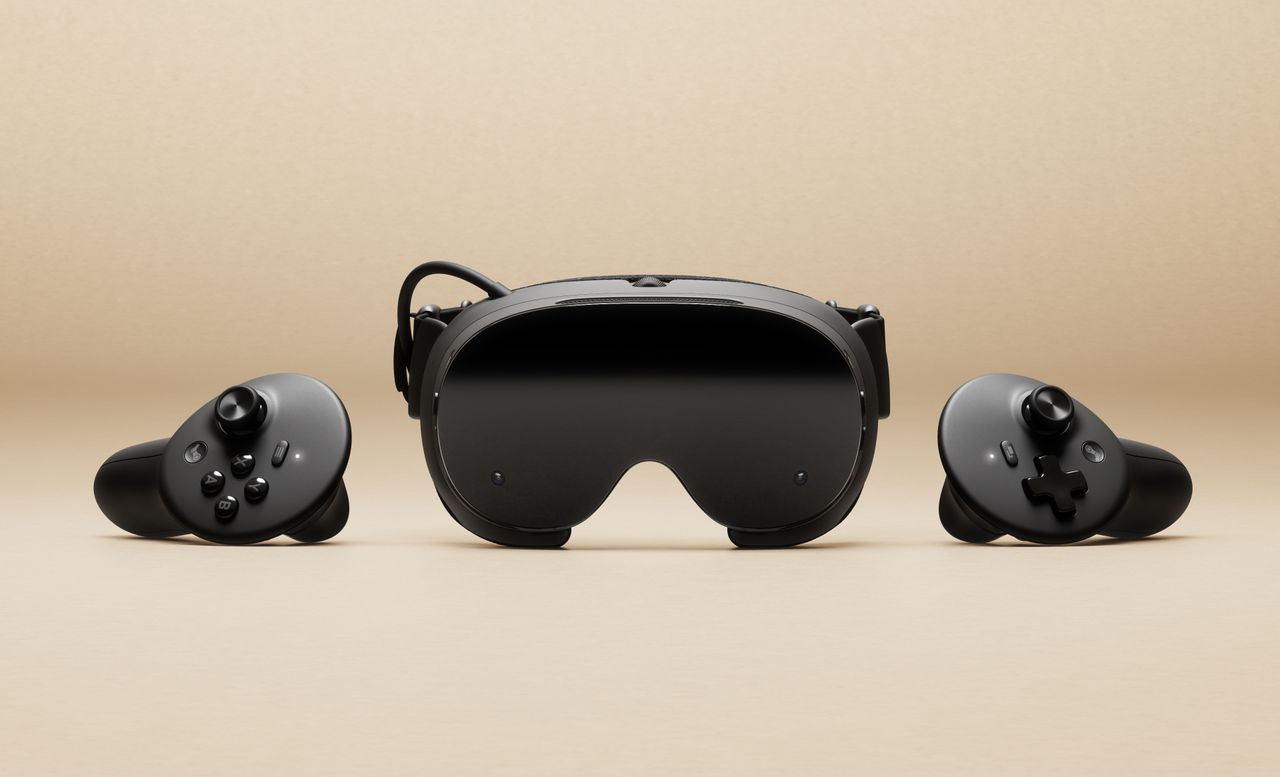
Valve has revealed its new Steam Frame, a self-contained VR headset that runs on SteamOS and uses a powerful 4nm Snapdragon processor. This is the first device to combine SteamOS with a Snapdragon processor, and it suggests Valve may be exploring Arm-based technology for future gaming devices, potentially including a handheld console.
Currently, almost all handheld gaming PCs use processors made by AMD. This includes the newest Xbox handhelds, even though Qualcomm could have provided the chips. Similarly, all officially supported SteamOS devices only work with x86 processors and don’t officially support PCs that use Snapdragon processors.
Things are about to change with the official release of the Steam Frame. This is Valve’s first device to run SteamOS on a Snapdragon processor – a powerful 4nm Arm chip with 16GB of RAM. This chip will handle everything, including the operating system, games, and display.
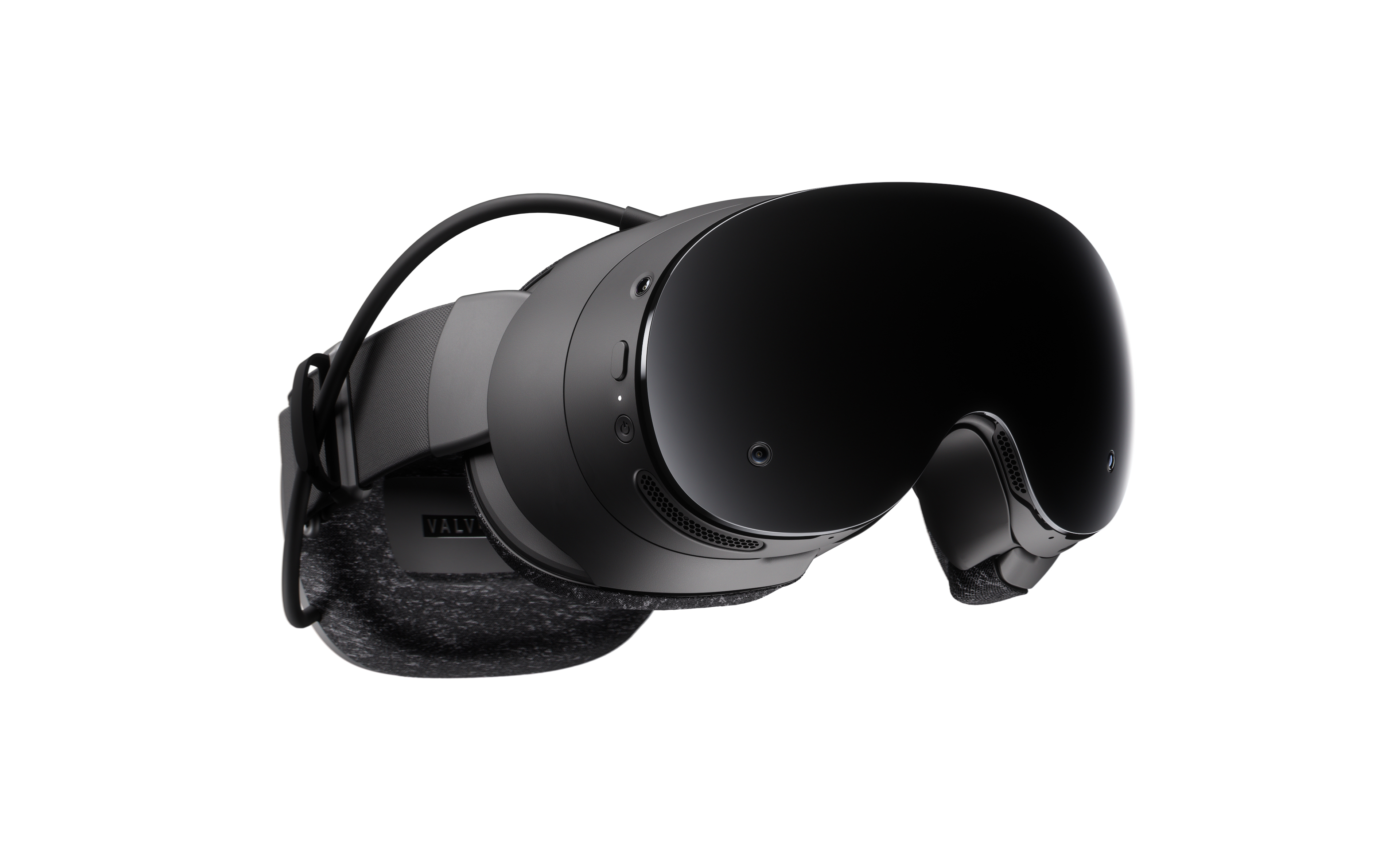
We don’t know the specific chip Valve is using, but Qualcomm provides manufacturers with various chips designed for extended reality (XR) devices. The Snapdragon XR2+ Gen2 is a powerful option that would be a good fit for a high-quality VR gaming headset like the Steam Deck’s VR version.
As an analyst, I see this wearable headset as more than just its current form. While it’s not a handheld gaming device right now, it’s definitely paving the way for future possibilities. With SteamOS now officially supporting Arm processors through the Snapdragon XR SoC, I anticipate we’ll soon see SteamOS-powered handhelds also utilizing Snapdragon technology. It’s a significant step towards expanding the SteamOS ecosystem beyond traditional PCs.
| Weight | 190g core, 435g with headstrap |
| Processor | 4nm Snapdragon ARM |
| Memory | 16GB Unified LPDDR5 RAM |
| Storage | 256GB / 1TB UFS, microSD slot |
| Connectivity | Wi-Fi 7 (2×2), Dual 5GHz/6GHz streaming |
| Optics | Pancake optics, 2160×2160 LCD per eye, 72–120Hz (144Hz experimental), up to 110° FOV |
| Tracking | 4x external monochrome cameras, 2x internal eye-tracking cameras, IR illuminator |
| Wireless Adapter | Included, Wi-Fi 6E, low-latency PC link |
| Foveated Streaming | Eye-tracking driven resolution targeting |
| Audio | Dual speaker drivers per ear, dual mic array |
| Passthrough | Monochrome camera passthrough |
| Expansion Port | 2x 2.5Gbps camera interface / Gen4 PCIe |
| Battery | 21.6 Wh rechargeable Li-Ion |
| OS | SteamOS (sleep/wake, cloud saves, Proton) |
| Controllers | 6-DOF tracking, IMU, capacitive sensing, magnetic thumbsticks, haptics, AA battery (40hr), optional straps |
This probably won’t be the only SteamOS device using Arm processors. With NVIDIA reportedly planning to release its N1X chips next year, we can anticipate seeing Arm-based gaming handhelds powered by NVIDIA soon, and SteamOS is already set up to work with them.
This could also indirectly help Windows devices using Arm processors. Currently, all Windows gaming handhelds use x86 processors, despite Windows fully supporting Arm technology for several years. Qualcomm is keen to compete in this space, and there’s nothing stopping a manufacturer from creating a Windows gaming handheld powered by a Snapdragon processor right now.
Now that SteamOS is starting to work with Snapdragon processors, computer manufacturers might reconsider using that technology. It will be fascinating to see how well games run on a SteamOS device powered by Snapdragon, especially considering how well SteamOS works with Proton. SteamOS generally performs better than Windows 11 on handheld gaming devices with traditional processors, so it’ll be interesting to compare their performance when both operating systems use Arm-based Snapdragon chips.
Valve hasn’t yet revealed how much the Steam Frame will cost or when it will be available, but they expect to release it in the first six months of next year. It’s designed to compete with high-end headsets like Apple’s Vision Pro and the Samsung Galaxy XR, and Valve believes it will be particularly strong for gaming.
Microsoft recently stopped working on virtual and augmented reality (XR) projects. They were early leaders in the field, releasing the HoloLens AR glasses in 2015 and a more advanced version in 2019. However, Microsoft has now decided not to develop any further XR headsets, effectively leaving the market to companies like Google, Apple, Valve, and Meta.
Valve has unveiled a new Steam Machine, alongside the Steam Frame. This machine, powered by an AMD processor, is significantly more powerful than the Steam Deck – about six times more, according to Valve. It’s designed to compete with traditional gaming consoles like Xbox and PlayStation, as well as gaming PCs. Running SteamOS, this new machine is a direct challenge to Microsoft’s plans for the Xbox ecosystem.
Read More
- The Super Mario Galaxy Movie: 50 Easter Eggs, References & Major Cameos Explained
- Surprise Isekai Anime Confirms Season 2 With New Crunchyroll Streaming Release
- 10 Best Free Games on Steam in 2026, Ranked
- ‘Project Hail Mary’: The Biggest Differences From the Book, Explained
- Preview: Sword Art Online Returns to PS5 as a Darker Open World Action RPG This Summer
- Sydney Sweeney’s The Housemaid 2 Sets Streaming Release Date
- Skate 4 – Manny Go Round Goals Guide | All of the Above Sequence
- Why is Tech Jacket gender-swapped in Invincible season 4 and who voices her?
- What happened to Soldier Boy in The Boys?
- WTH?! Twitter Drops Fake Daredevil: Born Again Season 2 Spoilers as Character Return Confirmed
2025-11-12 21:43