
Even the strongest heroes in the Marvel Universe face terrible losses and difficult choices. Throughout the history of Marvel Comics, there have been times when heroes had to kill their friends and teammates, often because of impossible situations or huge dangers. A prime example is Hawkeye being forced to kill Bruce Banner (the Hulk) during the ‘Civil War II’ storyline. Hawkeye feared the Hulk would cause massive destruction if he ever lost control, and Banner had actually given Hawkeye a special arrow specifically for this heartbreaking possibility.
When heroes kill each other, it’s usually due to outside forces or a loss of control, not a descent into villainy. These stories highlight the fact that even the noblest individuals can commit terrible acts when driven to despair or misled. In the Marvel Universe, such events serve as a stark reminder of how easily good intentions can turn monstrous under extreme pressure.
7. Spider-Man (Peter Parker)
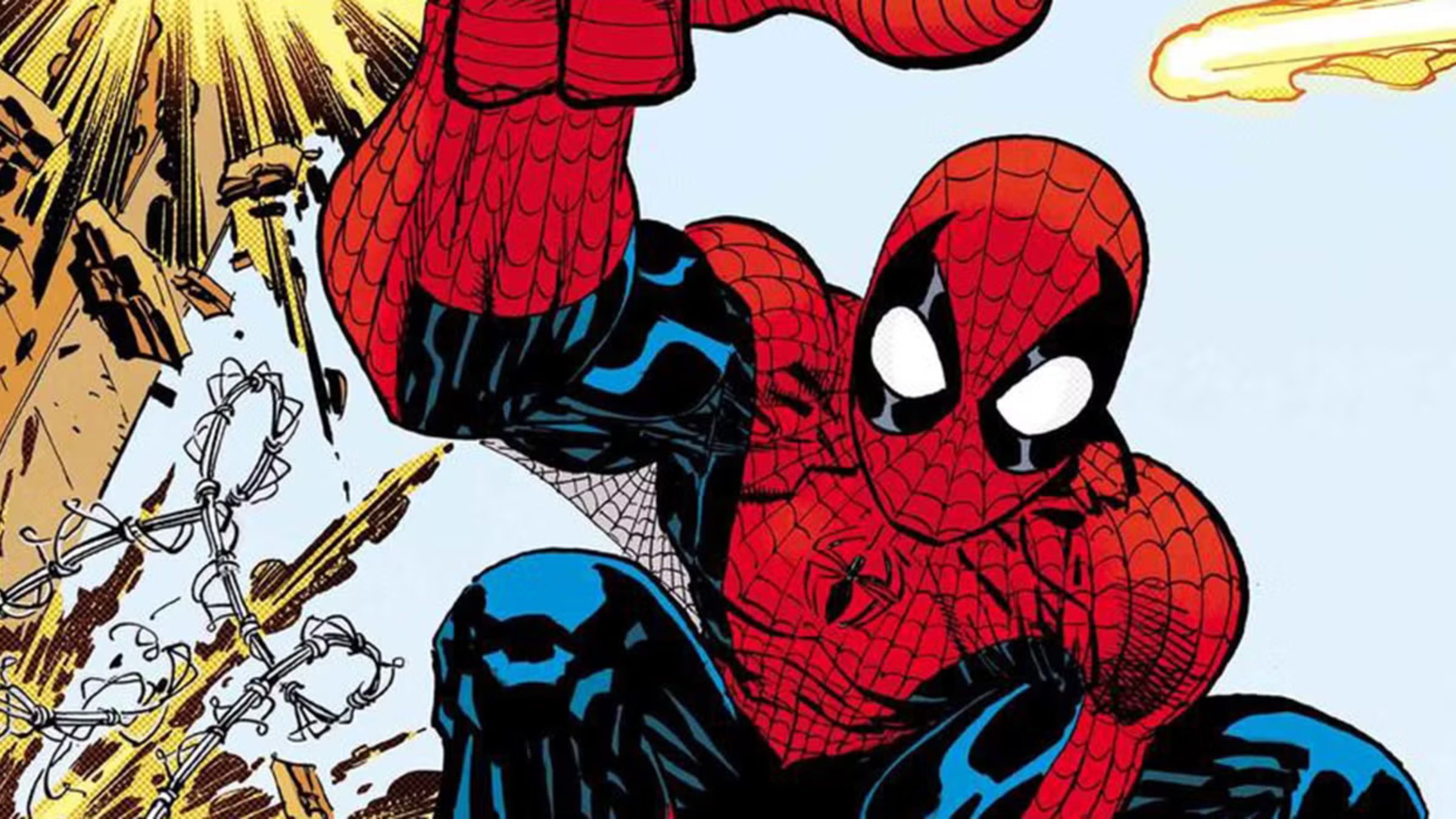
Spider-Man is famous for the idea that with great power comes great responsibility. However, stories in Marvel’s “What If?” series and darker alternate timelines have explored what happens when that principle is broken. For example, in a 1989 “What If?” story, Spider-Man kills Kraven the Hunter, and his initial satisfaction quickly turns into a dangerous path of moral compromise. This illustrates how even understandable revenge can destroy a hero’s goodness. Later stories, like “The Other” (2005-2006), touch on a similar idea, showing Peter’s transformation unleashing a violent side that frightens even himself.
6. The Sentry

As a huge comic book movie fan, I’ve always been fascinated by the Sentry. He first showed up in 2000, and later played a big role in Dark Avengers. What makes him so compelling is this incredible power paired with a deep sense of vulnerability. It’s like he’s constantly on the verge of falling apart. And the really tragic part? His inner demons, embodied by this alter-ego called the Void, ultimately control him. We see this play out when Norman Osborn gets to him, leading to terrible acts – he actually kills Ares and Loki, but it feels less like intentional villainy and more like a complete breakdown. It all culminates in Siege, where Thor is forced to end his life. To me, the Sentry’s story isn’t just about superpowers; it’s a really powerful metaphor for mental illness, showing how even immense strength can’t always overcome a psychological collapse. It’s a genuinely heartbreaking arc.
5. Captain America

The 2017 Marvel storyline, Secret Empire, took a shocking risk by reimagining Captain America as a villain. Through a powerful artifact, Steve Rogers’ history was altered, secretly turning him into a long-dormant agent of Hydra. This version of Captain America, convinced he’s doing what’s right, commits terrible acts – even killing allies like Black Widow – to impose his warped sense of order. The story understandably divided fans, as it felt like a powerful symbol of goodness being twisted to serve oppressive ideals. Even after the real Steve Rogers returns, the damage lingers. Secret Empire serves as a stark reminder of how easily someone dedicated to duty can become a tyrant when manipulated.
4. Cyclops
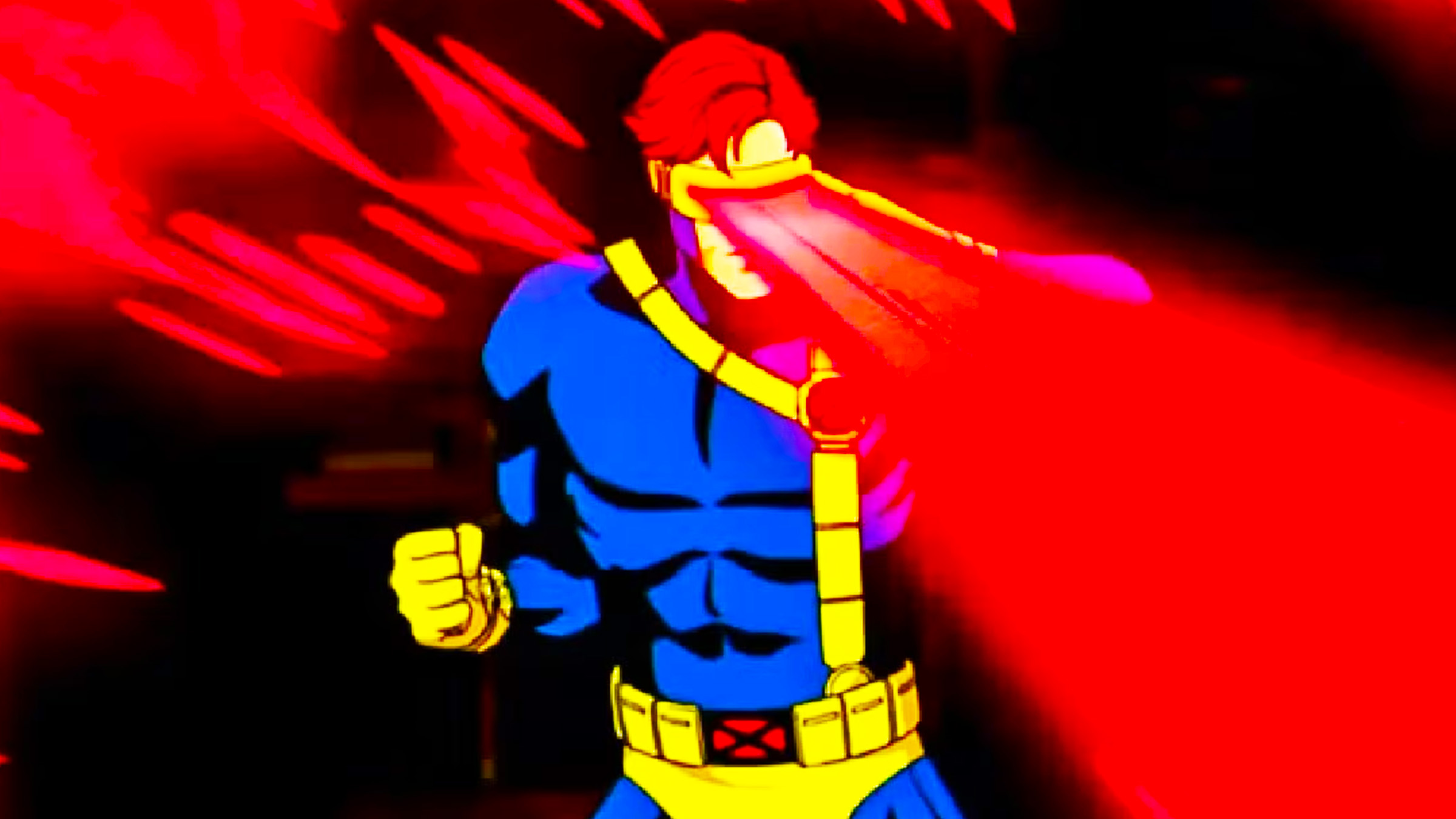
Cyclops’s story in the 2012 Avengers vs. X-Men event is one of Marvel’s most heartbreaking. Initially, he wants to protect mutants after being empowered by the Phoenix Force, but the immense power corrupts his good intentions. In a fit of rage, he tragically kills his mentor, Professor Charles Xavier. This act can be seen as a representation of a young person rejecting the beliefs of their elders, or as a demonstration of how power inevitably leads to corruption. Regardless, Cyclops is haunted by his actions, transforming him from a heroic figure into a radical leader burdened by guilt.
3. Jean Grey (Dark Phoenix)
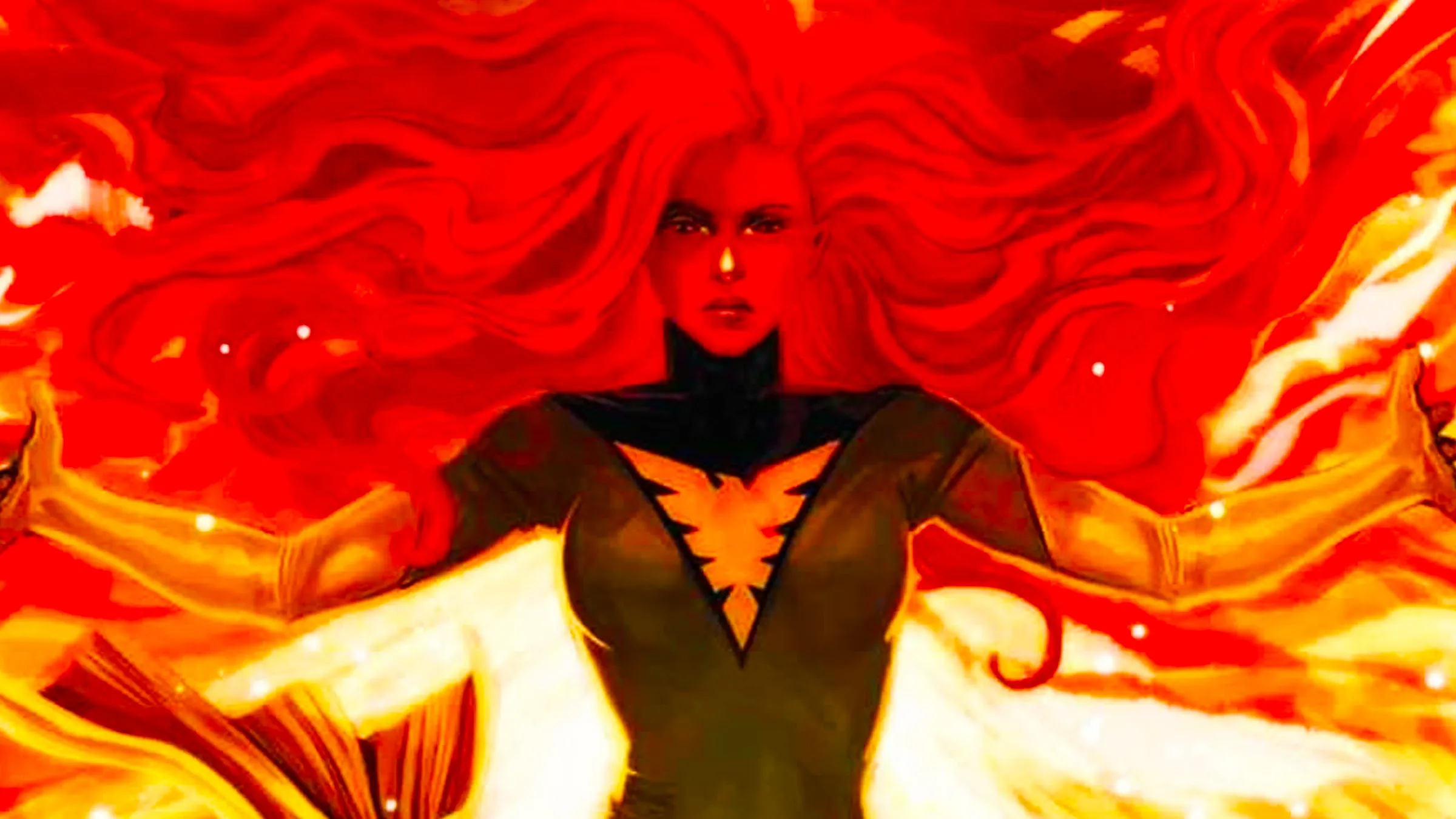
The Dark Phoenix Saga (1980) is still considered the best example of a tragic story about superheroes. Jean Grey’s change into the Dark Phoenix isn’t simply becoming evil; it’s more like an addiction. The Phoenix Force makes Jean feel everything – love, pain, and anger – incredibly intensely, which ultimately leads her to commit a terrible massacre and betray her friends. Her decision to end her own life is an attempt to take back control. Many fans believe Jean isn’t a villain, but rather a victim of being given too much cosmic power. The writers portrayed her death as both a way to find forgiveness and a criticism – a message that unlimited power is too much for any human to handle.
2. Scarlet Witch (Wanda Maximoff)
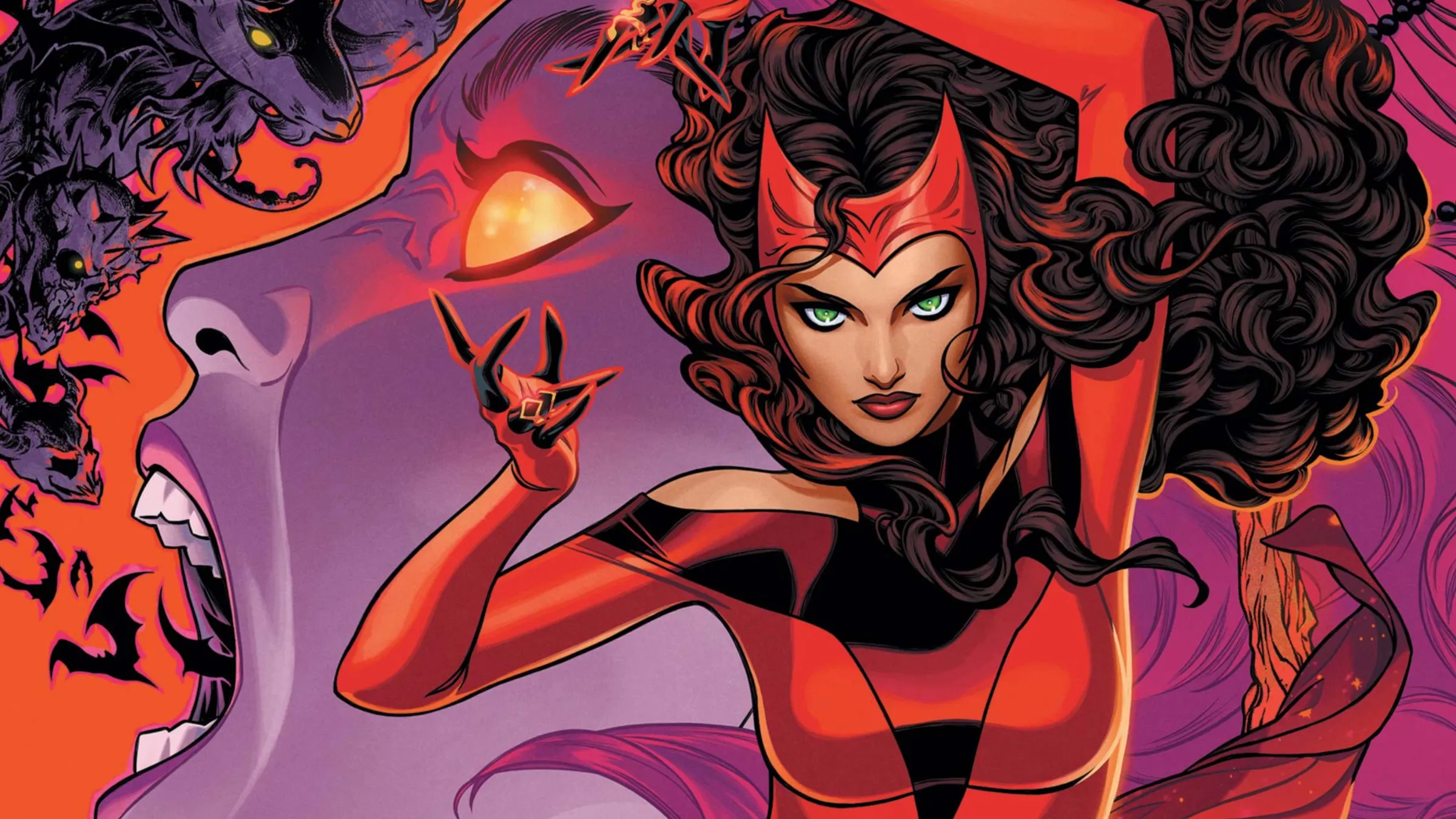
The 2004 storyline Avengers Disassembled centers around Wanda Maximoff, who becomes a source of immense chaos. Haunted by the loss of her children, she experiences a mental breakdown that causes her reality-altering powers to spiral out of control, resulting in the deaths of several Avengers, including Hawkeye and Vision. Rather than intentionally killing them, Wanda essentially breaks down the fabric of reality due to her overwhelming sorrow. This storyline is controversial, with some readers interpreting it as a powerful depiction of mental illness and others seeing it as an insensitive portrayal of grief. Regardless, it established Wanda as a uniquely complex character in Marvel – someone capable of reshaping reality itself, but unable to overcome her own personal suffering.
1. Wolverine (Logan)

Wolverine is known for his many battles, but his most painful moments come when he’s forced to kill those he cares about. Writers have often used his ability to heal quickly alongside his violent tendencies to show how emotional wounds can linger even when physical ones don’t. For example, in the story Enemy of the State, he’s manipulated into attacking other heroes, revealing a central conflict within him: he constantly struggles to control his inner rage. Later, in Old Man Logan, he’s tricked into believing the X-Men are enemies and massacres them. These stories illustrate Logan’s tragic fate – a skilled warrior constantly seeking peace but always battling his violent nature. His claws can be seen as a symbol of post-traumatic stress, representing wounds that are difficult to overcome.
What do you think? Leave a comment below and join the conversation now in the ComicBook Forum!
https://comicbook.com/comics/list/the-10-best-batman-stories-in-dc-comics-history/embed/#
Read More
- What Song Is In The New Supergirl Trailer (& What It Means For The DC Movie)
- Why is Tech Jacket gender-swapped in Invincible season 4 and who voices her?
- Highly Anticipated Strategy RPG Finally Sets Release Date (And It’s Soon)
- TV legend Carol Kirkwood reveals the reasons why she decided to retire after 28 years with BBC
- Starfield PS5 Won’t Play Off Physical Disc without a Download
- The Super Mario Galaxy Movie: 50 Easter Eggs, References & Major Cameos Explained
- Crimson Desert – 15 Things I Wish I Knew Before Diving In
- Welcome to Demon School! Iruma-kun season 4 release schedule: When are new episodes on Crunchyroll?
- New Pokemon Go Event Gives Players A Shot At 11 Rare Shiny Pokemon (With Boosted Odds)
- NFL Heiress Gracie Hunt Engaged to Former Chiefs QB’s Son Derek Green
2025-12-01 20:18