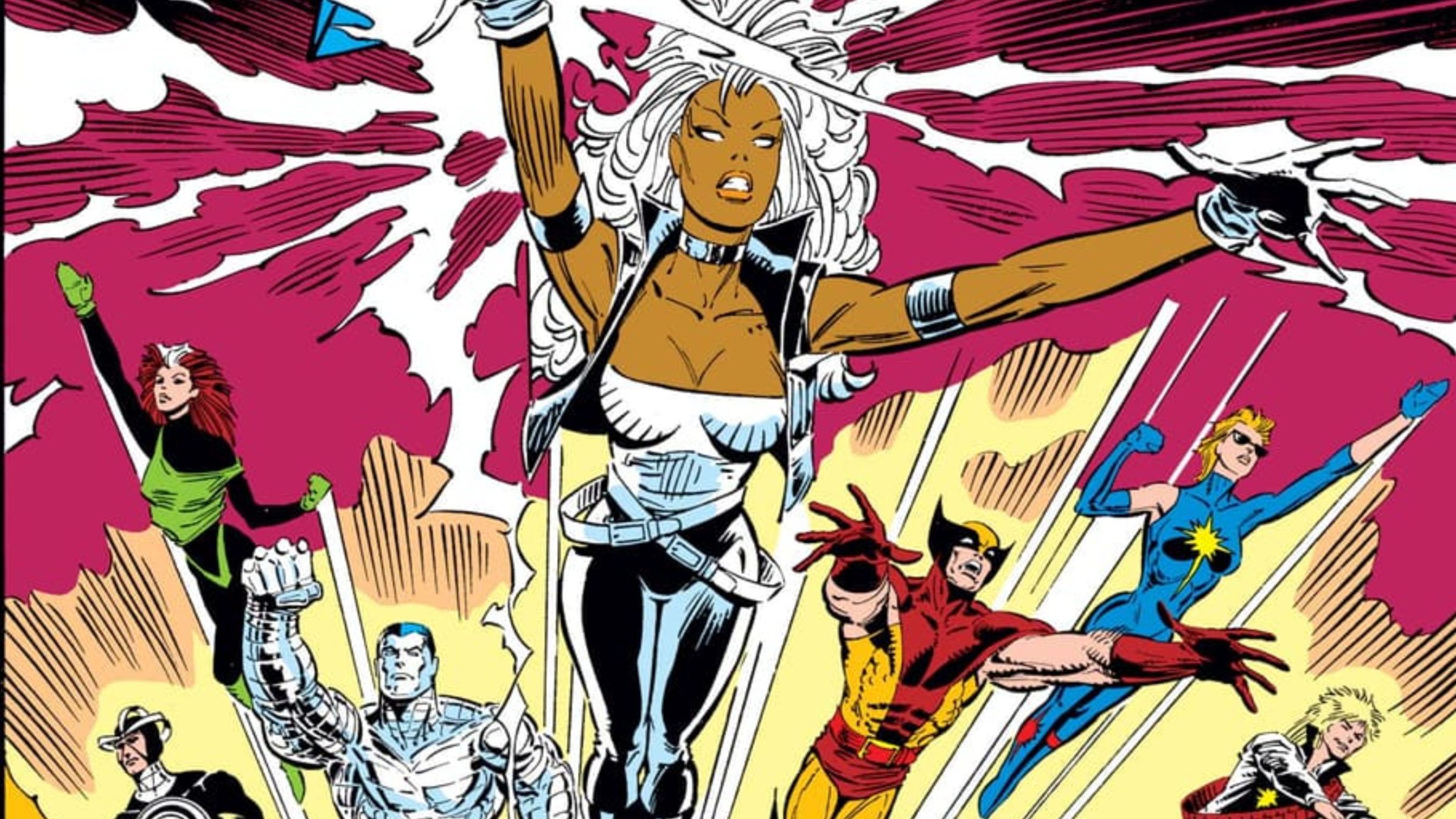
Jim Lee is one of the most popular artists to ever work on the X-Men. He began his run on Uncanny X-Men with issue #248 and continued drawing the book until 1991’s X-Men (Vol. 2) #1, where he also helped with the story until issue #11. Building on the “pin-up style” first popularized by Marc Silvestri, Lee’s artwork significantly boosted the team’s popularity. He still holds the record for the best-selling comic book of all time, with X-Men #1 selling eight million copies.
Jim Lee played a huge role in making the X-Men so popular in the 1990s, but he’s just one of many incredible artists who’ve worked on the comics. Marvel has consistently hired top-tier artists for the X-Men over the years, resulting in some truly iconic artwork. While these seven artists aren’t Jim Lee, they are all exceptionally talented.
7) Joe Madureira
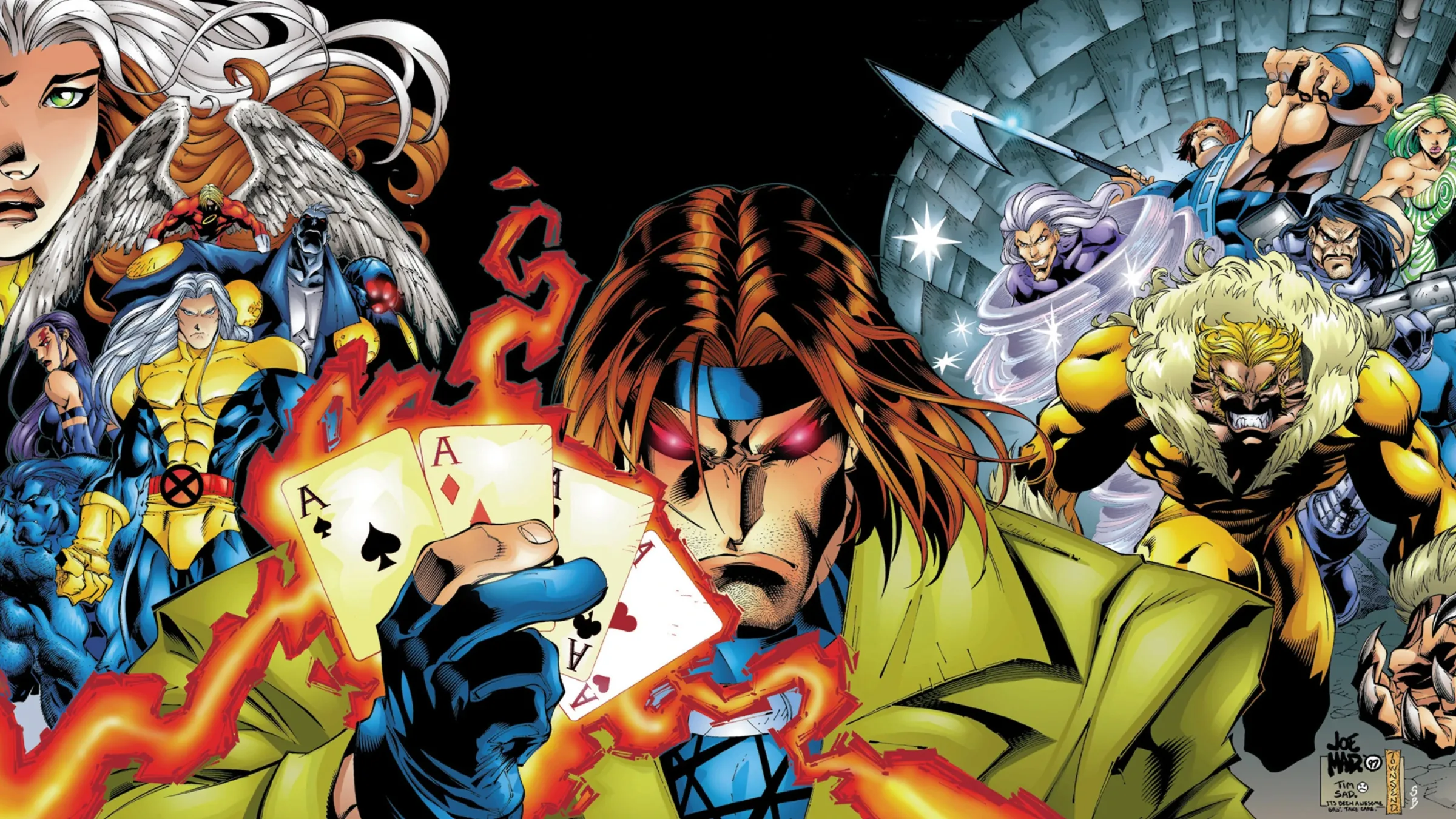
Joe Madureira rose to fame in the 1990s as an artist, particularly through his work on Uncanny X-Men, where he illustrated many issues including #312-313, 316-317, 325-326, 328-330, 332, 334-338, 340-343, 345-348, and 350. He also worked on the first four issues of Astonishing X-Men. Madureira’s art style, influenced by manga and artists like Masamune Shirow, was distinctive for American comics at the time and helped popularize the style. While he wasn’t known for speed, his best work – especially from after Astonishing X-Men up to issue #350 – is truly impressive. He’s a talented artist, and it’s unfortunate he couldn’t work more quickly.
6) Chris Bachalo
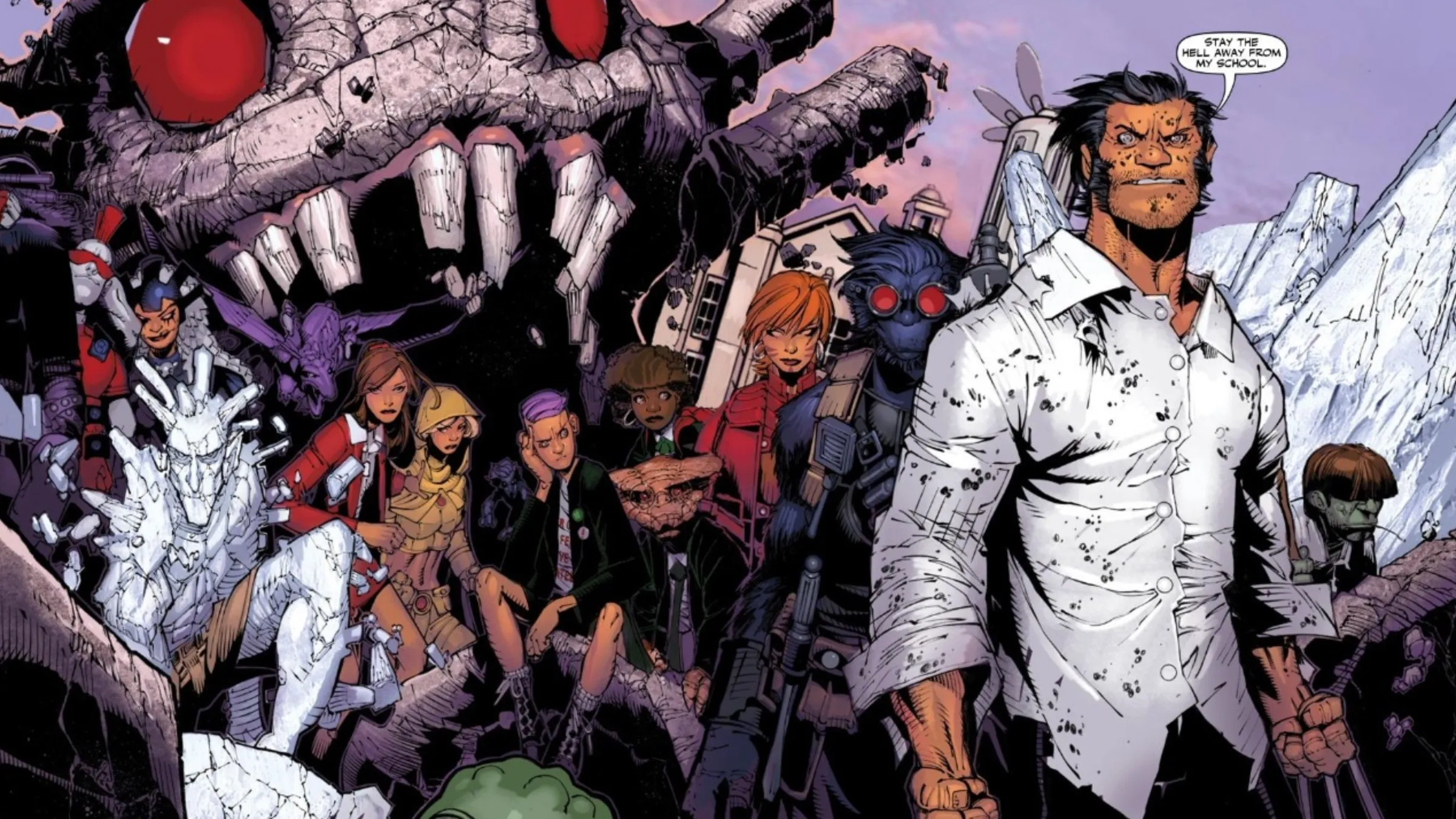
Chris Bachalo first gained recognition at DC Comics, working on horror titles like The Sandman, Shade the Changing Man, and the Death series. He then moved to Marvel and became known for his work on Generation X, followed by Uncanny X-Men in 1997. Since then, he’s contributed significantly to various X-Men titles, including numerous issues of Uncanny X-Men, New X-Men, X-Men, and Wolverine and the X-Men. Over more than two decades, Bachalo’s distinctive artistic style—a blend of American horror comics and manga—has made him a long-time favorite among fans.
5) Andy Kubert
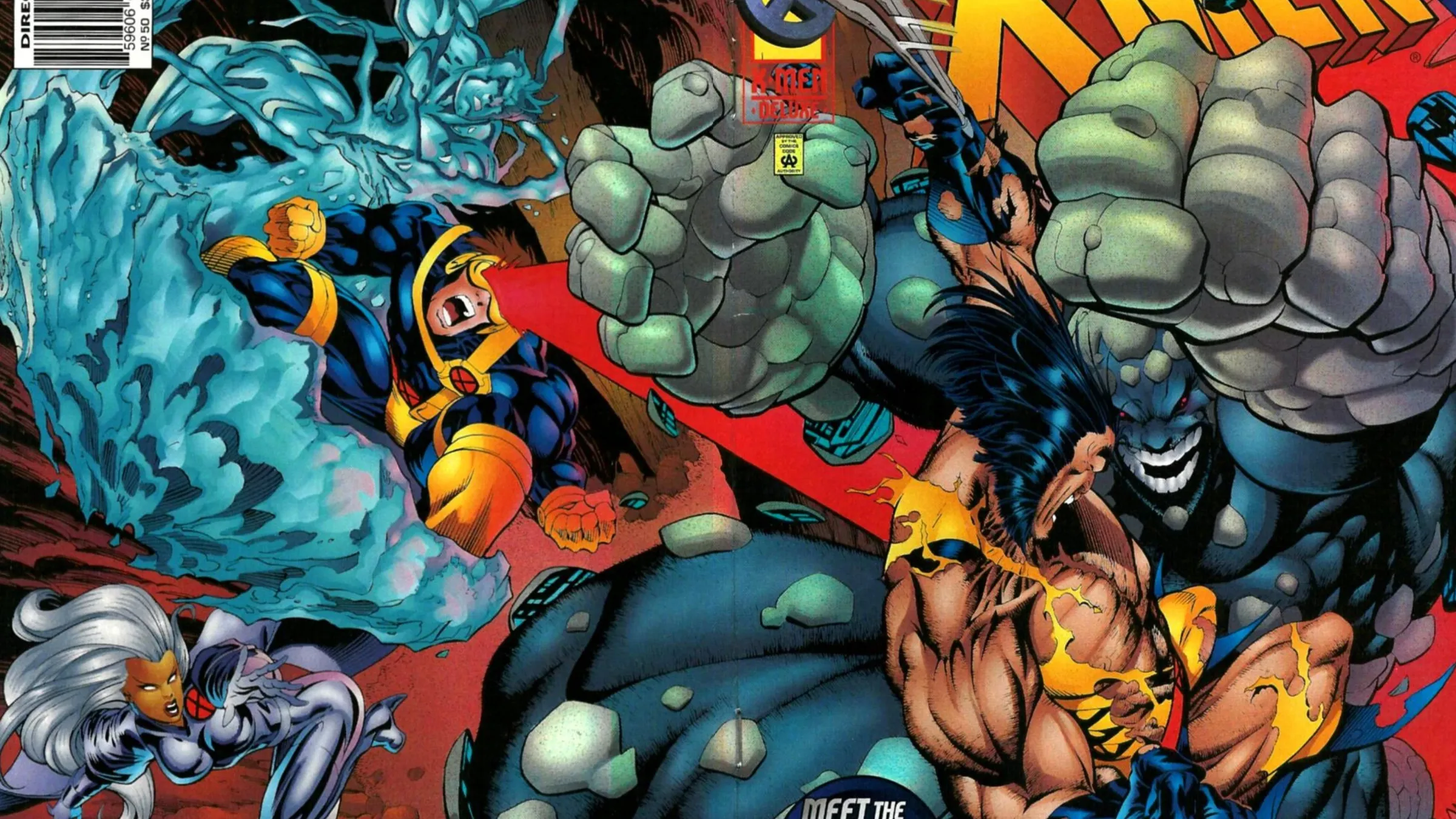
Andy Kubert was practically born into the comic book world, as the son of renowned DC artist and writer Joe Kubert. He began assisting his father with inking and lettering as a teenager. Andy and his brother, Adam, both launched their careers at DC, and Andy eventually gained recognition with fill-in issues of Uncanny X-Men before becoming the main artist on X-Men (Vol. 2) after Lee’s departure. Throughout his career, Kubert contributed significantly to various X-Men titles, including Uncanny X-Men (Vol. 1) issues #279-280 and 288, X-Men (Vol. 3) #14-20, 22-26, 28-34, 36-38, 40-41, 44-47, 50, 52-57, and 59, Amazing X-Men (Vol. 1) #1-4, and Ultimate X-Men #5-6 and 50-53. Kubert successfully continued the visual style established by Lee, delivering impressive artwork that was a major draw for readers. In the 1990s, strong artwork was crucial for comic book sales, and Kubert’s talent consistently kept the X-Men titles popular.
4) Carlos Pacheco
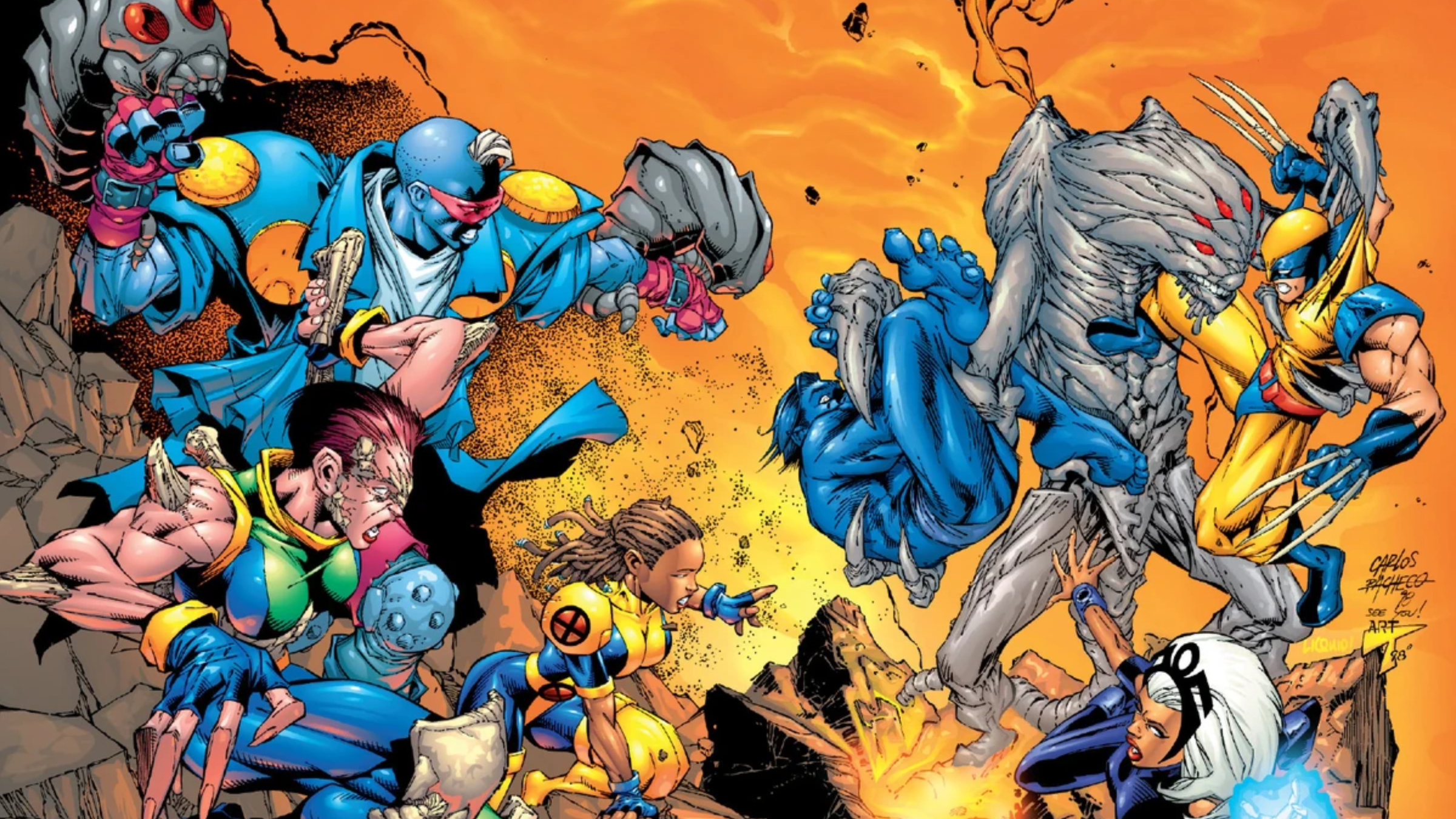
Carlos Pacheco was a truly exceptional comic book artist whose untimely death in 2022 was a great loss to the industry. While he worked on many titles, his run on X-Men (Vol. 2) – issues #62-67, -1, 69-72, and 74 in 1997 – significantly boosted his popularity. He later revisited the team with Uncanny X-Men (Vol. 2) #1-3, 9-10, and 20 in 2011. Pacheco’s art was known for its detailed and clear style, creating stunning visuals. Though he only drew a little over 20 issues of X-Men in total, his contribution was enormous and he’s remembered as a giant in the field. His work on the title was particularly fantastic.
3) Dave Cockrum
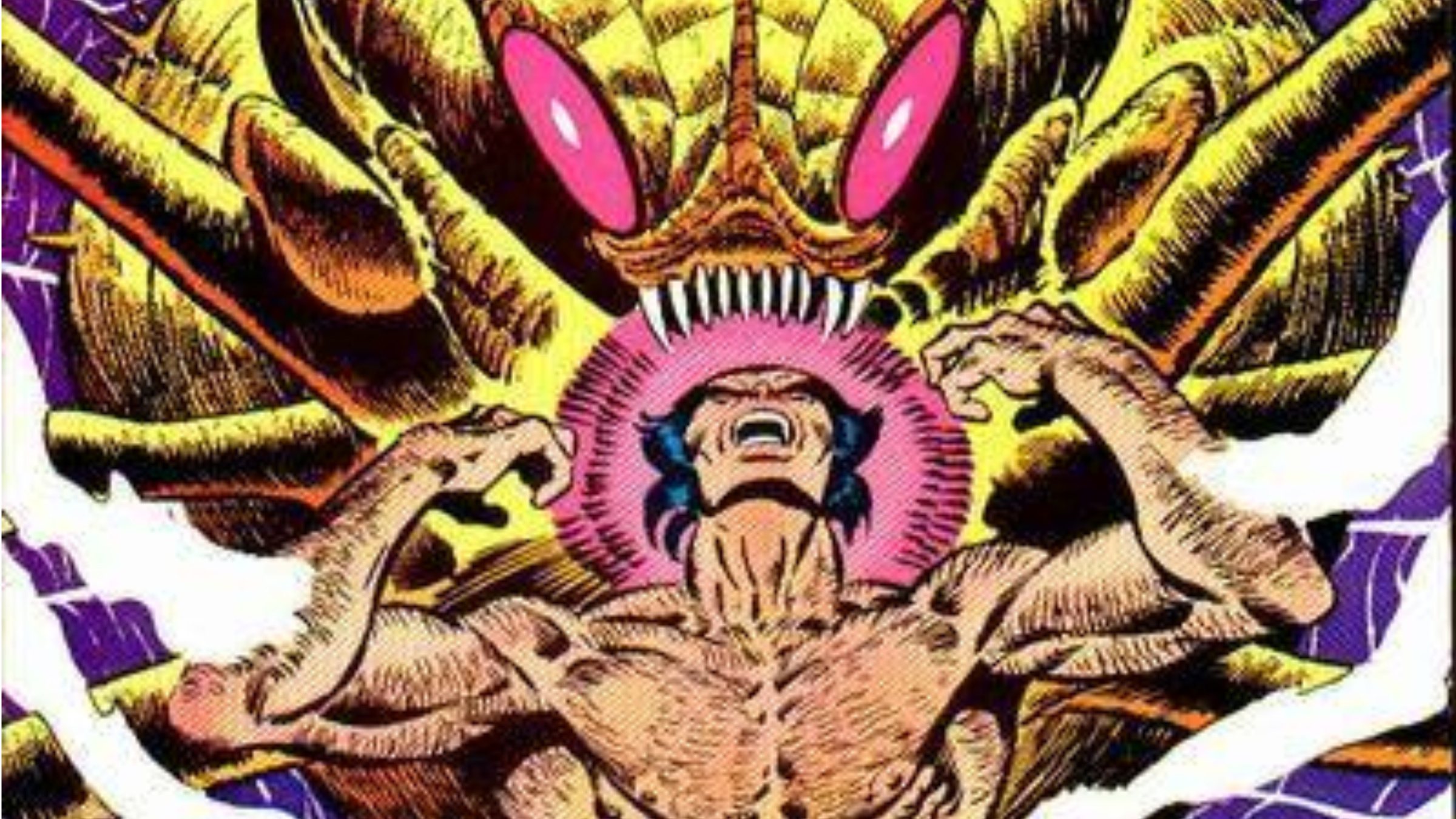
While Chris Claremont is largely credited with the X-Men’s popularity, artist Dave Cockrum was a crucial early collaborator who deserves more recognition. He illustrated the groundbreaking Giant-Size X-Men #1 and issues #94-107, 110, 145-150, 153-158, and 161-164 of Uncanny X-Men. Beyond that, Cockrum created the iconic looks for characters like Storm, Colossus, Nightcrawler, and Thunderbird, designed Wolverine’s signature mask, and brought the Phoenix and the Shi’Ar Imperial Guard to life. He was a remarkably talented artist, and his contributions to the X-Men continued to grow over time. Though often eclipsed by later artists, his work was consistently exceptional.
2) John Byrne

John Byrne played a crucial role in creating the iconic “Dark Phoenix Saga,” and his contributions to Marvel comics are undeniable. Though a sometimes controversial figure, Byrne’s talent as both a writer and artist is clear. He spent years working at Marvel, but it was his work on Uncanny X-Men – specifically issues #108-109 and #111-143, where he collaborated with Claremont as co-plotter and artist – that launched him to stardom. This success paved the way for his work on other famous titles like “Days of Future Past” and characters like the Fantastic Four, She-Hulk, Superman, and Wonder Woman. He truly helped change the landscape of comics.
1) Marc Silvestri
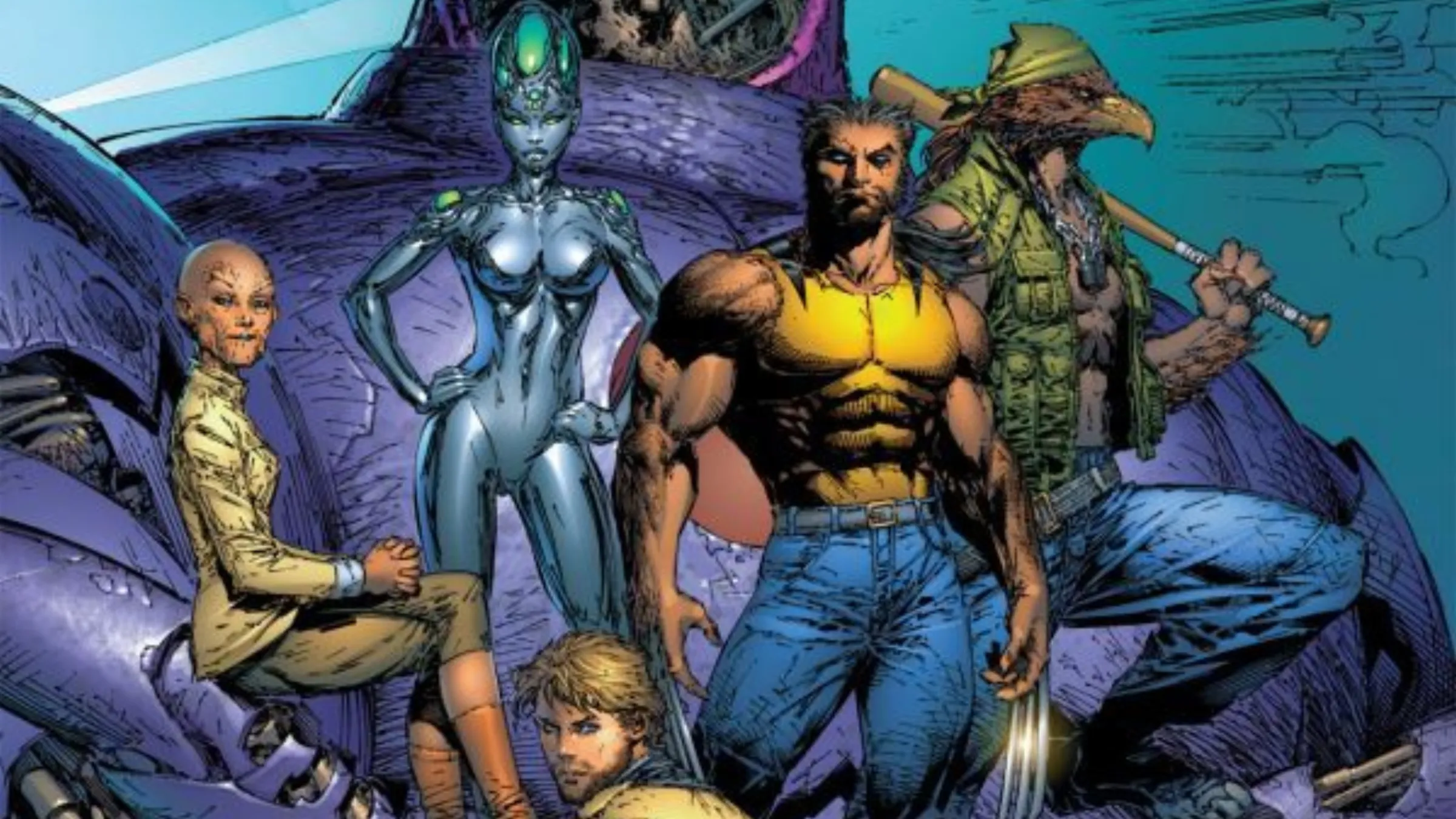
Marc Silvestri is, in my opinion, one of the most influential yet underappreciated artists in comic book history. He revolutionized comic art in the late 1980s with his work on Uncanny X-Men, successfully bringing the dynamic style of pin-up art to mainstream monthly comics. His clean lines and incredible attention to detail were groundbreaking at the time and inspired countless artists. Silvestri’s distinctive style had a huge impact on the field, and he doesn’t receive the recognition he deserves. He contributed significantly to Uncanny X-Men (Vol. 1), working on issues #218, 220-222, 224-227, 229-230, 232-234, 236, 238-244, 246-247, 249-251, 253-255, 259-261, and later drew New X-Men #151-154 in 2004. After leaving Uncanny X-Men, he worked on Wolverine (Vol. 2), creating some memorable artwork, and then became a founding member of Image Comics. He’s a respected veteran of the industry, and it’s time we acknowledge his lasting contribution to comic art.
https://comicbook.com/comics/news/10-best-x-men-stories-20s-marvel-comics/embed/#
Read More
- What Song Is In The New Supergirl Trailer (& What It Means For The DC Movie)
- Highly Anticipated Strategy RPG Finally Sets Release Date (And It’s Soon)
- TV legend Carol Kirkwood reveals the reasons why she decided to retire after 28 years with BBC
- Why is Tech Jacket gender-swapped in Invincible season 4 and who voices her?
- Dune 3 Gets the Huge Update Fans Have Been Waiting For
- MOUSE: P.I. For Hire Loops in Caravan Palace for A Catchy New Track Ahead of April 16 Release
- 49 Years Ago Today, Movie History Was Changed by a Film You’ve Never Even Seen
- Gold Rate Forecast
- The Most Surreal Moments From the O.J. Simpson Murder Trial
- Alan Ritchson’s Reacher Future Looks Hopeful Thanks To Amazon’s 10/10 Action Thriller Series
2025-12-01 20:24