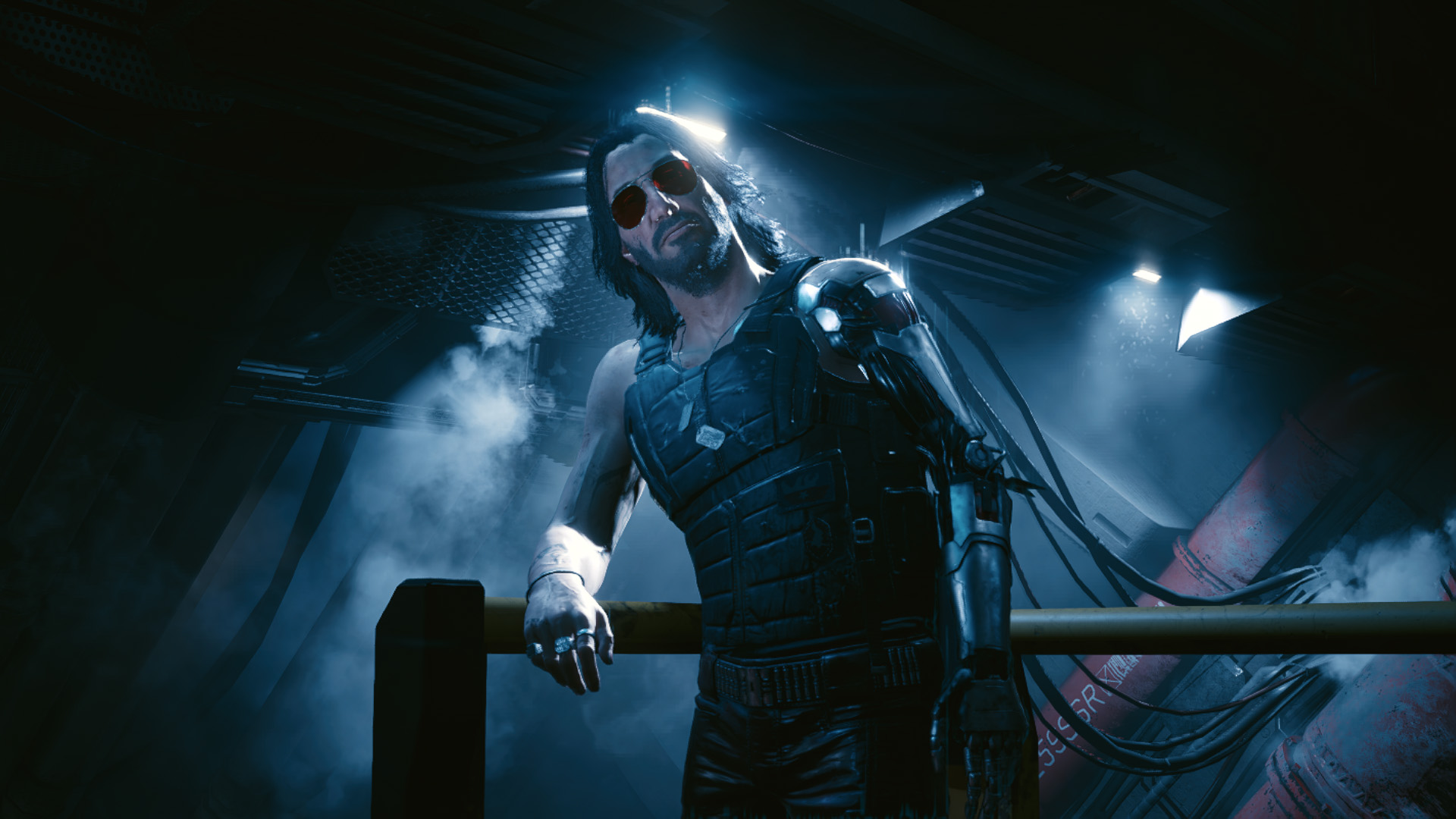
It’s hard to believe it’s been five years since Cyberpunk 2077 went from being one of the most anticipated games ever made to a major disappointment for both the developers, CD Projekt Red, and the many players who were let down by its rocky launch and unfulfilled promises.
The debate about whether CD Projekt Red prioritizes investors or players overlooked a key point: the studio is incredibly dedicated and consistently pours its heart and soul into creating exceptional games.
After a rocky start, the studio successfully turned things around for their game, improving it significantly with downloadable content that enhanced its best features. Now, five years later, Cyberpunk 2077 proves the developers’ vision and offers players a compelling open-world RPG experience.
But what brought that transformation around? Join us and find out.
Setting Up The Story
While it’s tempting to see CD Projekt Red as blameless in the rocky launch of Cyberpunk, they have a history of overpromising on their games. This isn’t new – they also received criticism for how they marketed The Witcher 3: The Wild Hunt.
So, what went wrong with the game? The trailers were amazing, showcasing incredibly detailed graphics. Seeing Geralt fight in those trailers – whether against a group of Nilfgaardian soldiers or a Bruxa in an old shack – made it seem like the game’s visuals were beyond what was technically possible for the hardware at the time.
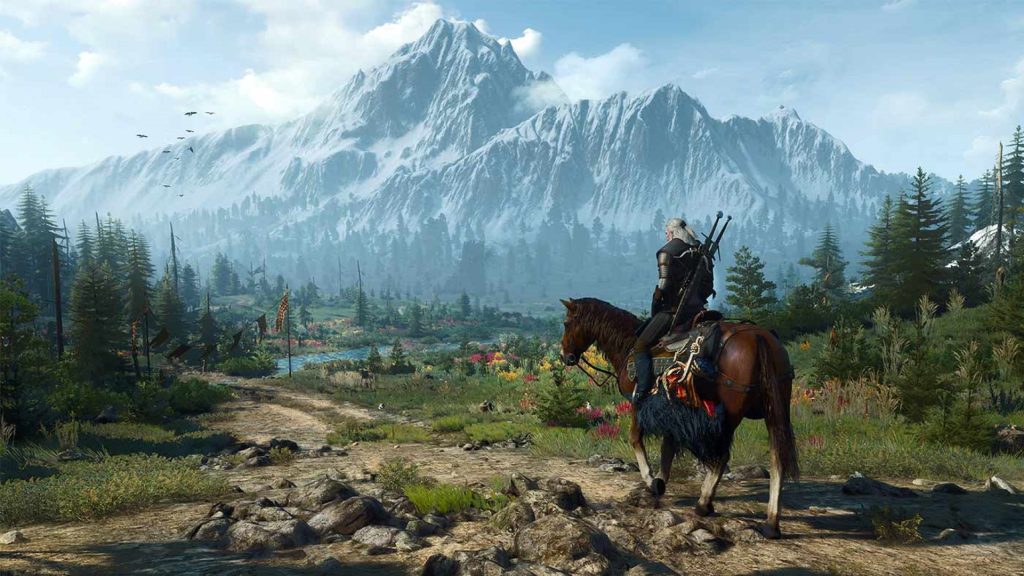
The game didn’t live up to the visual quality presented in its trailers, even though it was still a good-looking game overall. CD Projekt Red did deliver on the story and themes shown, but many players were disappointed by the difference between what was promised and the final graphics. It felt like the studio overpromised on what they could actually achieve.
The situation with Cyberpunk was much the same. Marketing focused on a stunning, detailed city with tons of activities, which convinced many – including me – to buy a new gaming console to experience the game in the best possible quality at launch. Unfortunately, the final product didn’t live up to those expectations.
It’s also worth noting that the creators of the game wanted to postpone Cyberpunk’s release to fix problems and deliver the experience they originally intended. However, these repeated delays frustrated many players and put CD Projekt Red (CDPR) in a difficult position.
In the end, business goals were prioritized over the creative vision for the game, resulting in a launch with significant content missing – things like a train system, a complete Arasaka space station to explore, more character customization, and a third-person perspective, among other features. As we look at what the game did well and where it fell short, it’s important to remember that CD Projekt Red had already damaged its relationship with players, and that frustration was understandable.
It’s now time to dive into how Cyberpunk 2077 turned things around.
Strengths Hidden By Glaring Weaknesses
Despite a rocky start with bugs, the game always had strong potential. It’s a classic CDPR story: you’re thrown into Night City on a frantic mission to save yourself – both your life and sanity – after a dangerous heist goes wrong. The story is captivating, told from your character’s perspective, and explores some really thought-provoking ideas.
Keanu Reeves’ performance as Johnny Silverhand was a major highlight, making me genuinely care about his rebellious character and even wanting a hopeful ending for him. The game’s story and multiple endings were also strengthened by a unique collaboration between the creator of the original Cyberpunk tabletop game, Mike Pondsmith, and the developers at CDPR.
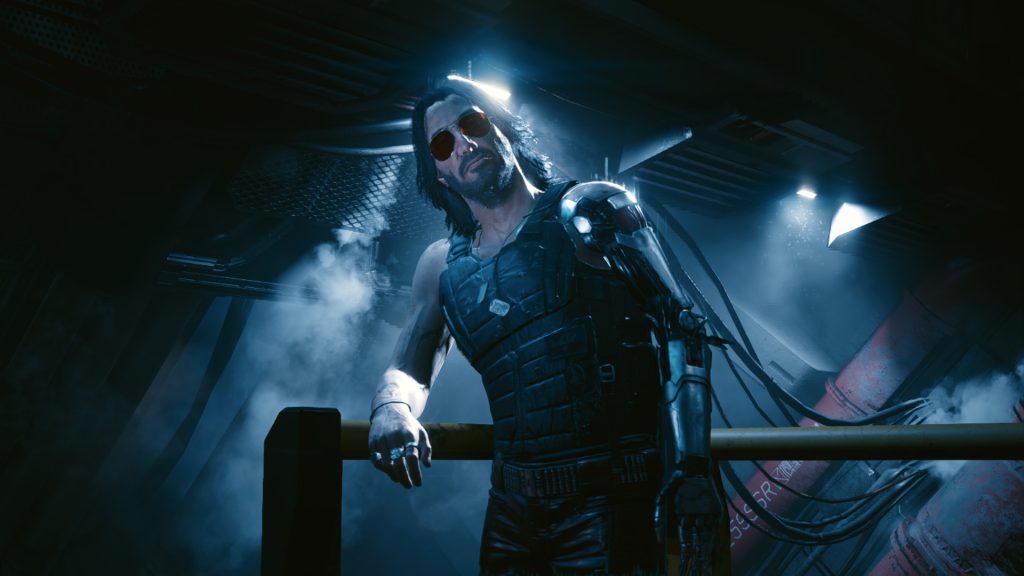
Johnny found himself alongside a memorable group of characters who really stood out in the bustling streets of Night City. The city itself felt incredibly alive, so much so that it was easy to get sidetracked from the main story and lose yourself in new mysteries and quests. Plus, the combat was fantastic, offering a lot of different weapons, equipment, and ways to build your character.
Ultimately, the game’s biggest problems were its performance and numerous technical issues. The PS4 and Xbox One versions were plagued with well-known bugs, and the PS5 version didn’t run much better. The issues were so severe that the developers offered refunds, but many players had trouble actually getting them. This further damaged the studio’s reputation, and Sony even removed Cyberpunk 2077 – one of the year’s most hyped games – from the PlayStation store due to its poor launch quality.
It was frustrating to see CD Projekt Red struggle, especially after they’d spent years earning a reputation for creating immersive and beautiful games that players loved. However, Cyberpunk launched with so many problems that it was nearly impossible to play, and the studio had to quickly find solutions.
A Swift and Sure-Footed Response
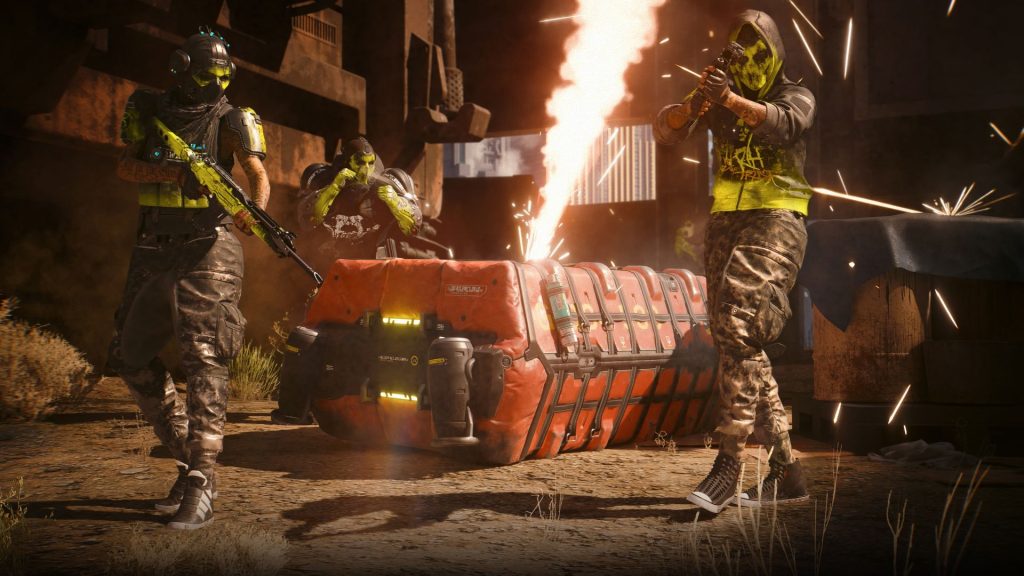
The turnaround for Cyberpunk 2077 started soon after its rocky release. CD Projekt Red (CDPR) quickly acknowledged the game’s problems and committed to fixing them, aiming to deliver the experience players expected. Despite this, the studio faced four lawsuits from investors, which were eventually settled, highlighting the significant loss of public trust.
However, the developers successfully improved the game for the PS5 by June 2021, and it quickly captivated players. Since then, consistent updates have effectively fixed issues, and the addition of new features has been widely praised throughout the game’s lifespan.
After a rocky start, Cyberpunk 2077 has become a fully realized and enjoyable game. Players can now experience its original ambitious vision, and the game’s popularity is growing. The developers at CDPR worked tirelessly to fix issues and regain the trust of gamers.
The game truly shined with the release of Phantom Liberty. It really demonstrated what Cyberpunk 2077 was capable of, taking the best parts of the original game and improving them. The expansion added new options for character builds and made the gameplay even more enjoyable and diverse.
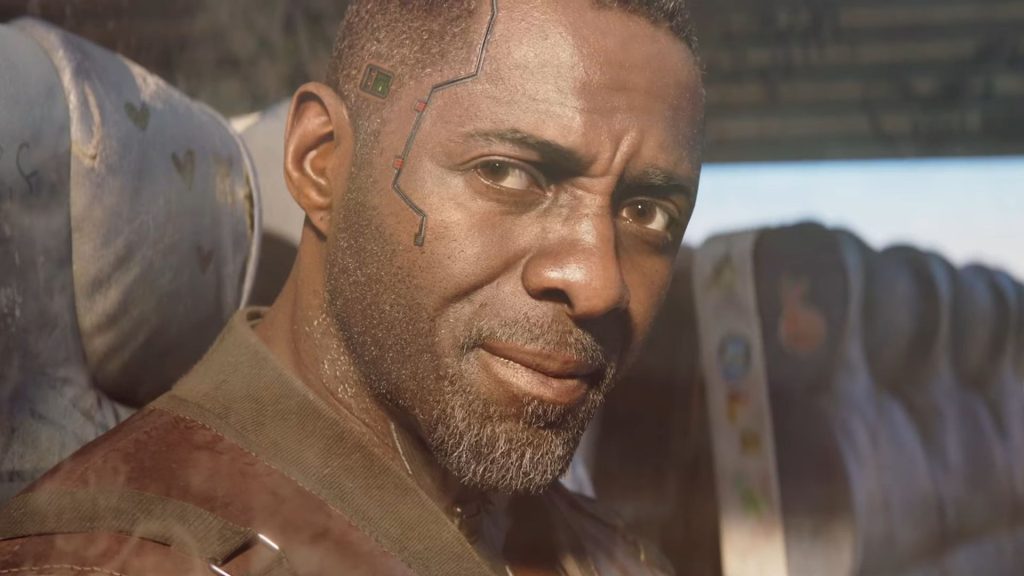
The expansion’s story, powerfully brought to life by Idris Elba, was truly the highlight. It centered the action on a fascinating district of Night City, significantly increasing the tension and even subtly changing the original game’s endings depending on your decisions. It was a fantastic and gripping adventure that seamlessly blended its own narrative with the existing world, creating a beautifully cohesive experience.
The game has received several updates, each improving the experience. The most recent, released in September 2025, fixed problems with the Auto Drive feature introduced earlier in January, and also addressed bugs in Photo Mode and some quests. CD Projekt Red has done a good job supporting the game over time, but with Cyberpunk 2 and a new Witcher game on the horizon, it’s natural to ask if they’ve applied the lessons learned from past challenges.
A World Beyond Night City
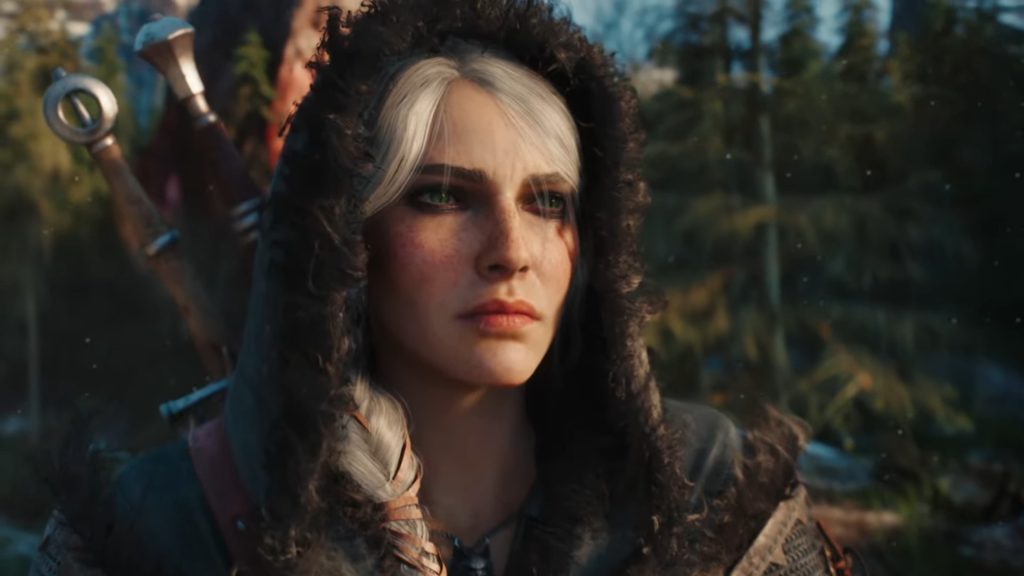
The recent preview of The Witcher 4 made us question if CD Projekt Red is making the same errors as before. The impressive graphics, showing Ciri interacting with people in a bustling Kovir city, along with the announcement trailer, left us wondering if that’s representative of the final game’s quality.
Modern gaming hardware now makes these ambitious goals achievable, and even expected. If the studio continues to create compelling stories and detailed open worlds, their future games could be even more successful than Cyberpunk 2077 when they are released.
For now, this popular gaming company should remember that success isn’t guaranteed. It’s better to delay a game and release a polished product than to rush out a flawed one. Hopefully, the team behind many beloved games will now move forward and achieve even greater success after a difficult period.
Please keep in mind that the opinions shared in this article are the author’s own and don’t reflect the official stance of GamingBolt.
Read More
- What Song Is In The New Supergirl Trailer (& What It Means For The DC Movie)
- Dune 3 Gets the Huge Update Fans Have Been Waiting For
- Highly Anticipated Strategy RPG Finally Sets Release Date (And It’s Soon)
- TV legend Carol Kirkwood reveals the reasons why she decided to retire after 28 years with BBC
- Why is Tech Jacket gender-swapped in Invincible season 4 and who voices her?
- The Most Iconic Kids Show of All Time Just Brought Brand New Episodes to Netflix
- After 13 Years, Someone Earned One of the Hardest Achievement Trophies in Gaming
- 50 Years Ago, Star-Lord Made His Bizarre Debut
- Robert Pattinson’s The Batman 2 Suit ‘Evolution’ Gets an Answer From Designers
- Eurogamer Gives ARC Raiders 2/5 Over AI Voices, Dropping Metacritic Score from 94 to 84
2025-12-01 21:16