Microsoft’s plans for artificial intelligence are facing challenges, as reports indicate OpenAI has issued a critical “code red” alert.
Microsoft is in a strong competition with other tech giants to lead in artificial intelligence. They’ve teamed up with OpenAI and are quickly turning AI technology into products people can use. You can now find OpenAI’s ChatGPT built right into Windows as Copilot, and their image generator, DALL-E, appears in Copilot and Bing. Microsoft also includes OpenAI technologies in many of its Azure services for businesses.
Microsoft invested in OpenAI early on, giving them a strong position in the development of artificial intelligence. However, in its rush to stay ahead, Microsoft has quickly added its AI assistant, Copilot, to many of its products, like Notepad and Paint. The results haven’t been consistently impressive so far, to put it mildly.
Microsoft’s new AI features for Windows, like “Recall” which records everything you do on your screen, have been met with criticism, particularly regarding privacy concerns. Other AI additions, such as Click-To-Do and the Copilot assistant, haven’t gained much traction, even though ChatGPT has become incredibly popular with hundreds of millions of users. When Microsoft’s Windows head announced plans to integrate even more AI into the operating system, it led to a lot of negative reactions online, as many users aren’t impressed with the expensive technology.
While tools like Microsoft’s AI coding features in Visual Studio are typically seen as helpful, Copilot often provides a more budget-friendly option for using OpenAI’s powerful AI models.
It seemed like Microsoft could still benefit by providing the cloud infrastructure for leading AI tools like ChatGPT, even if its own AI features weren’t successful. However, even that advantage is now uncertain.
Google’s Gemini has recently become a leading AI model. The newest version, Gemini 3, is outperforming OpenAI’s ChatGPT-5 in many tests, putting ChatGPT and Microsoft Copilot (which uses ChatGPT) at a disadvantage. Google’s image generation tools, like Nano Banana Pro, are also significantly better than those from competitors like DALLE. Reports suggest OpenAI is now scrambling to respond.
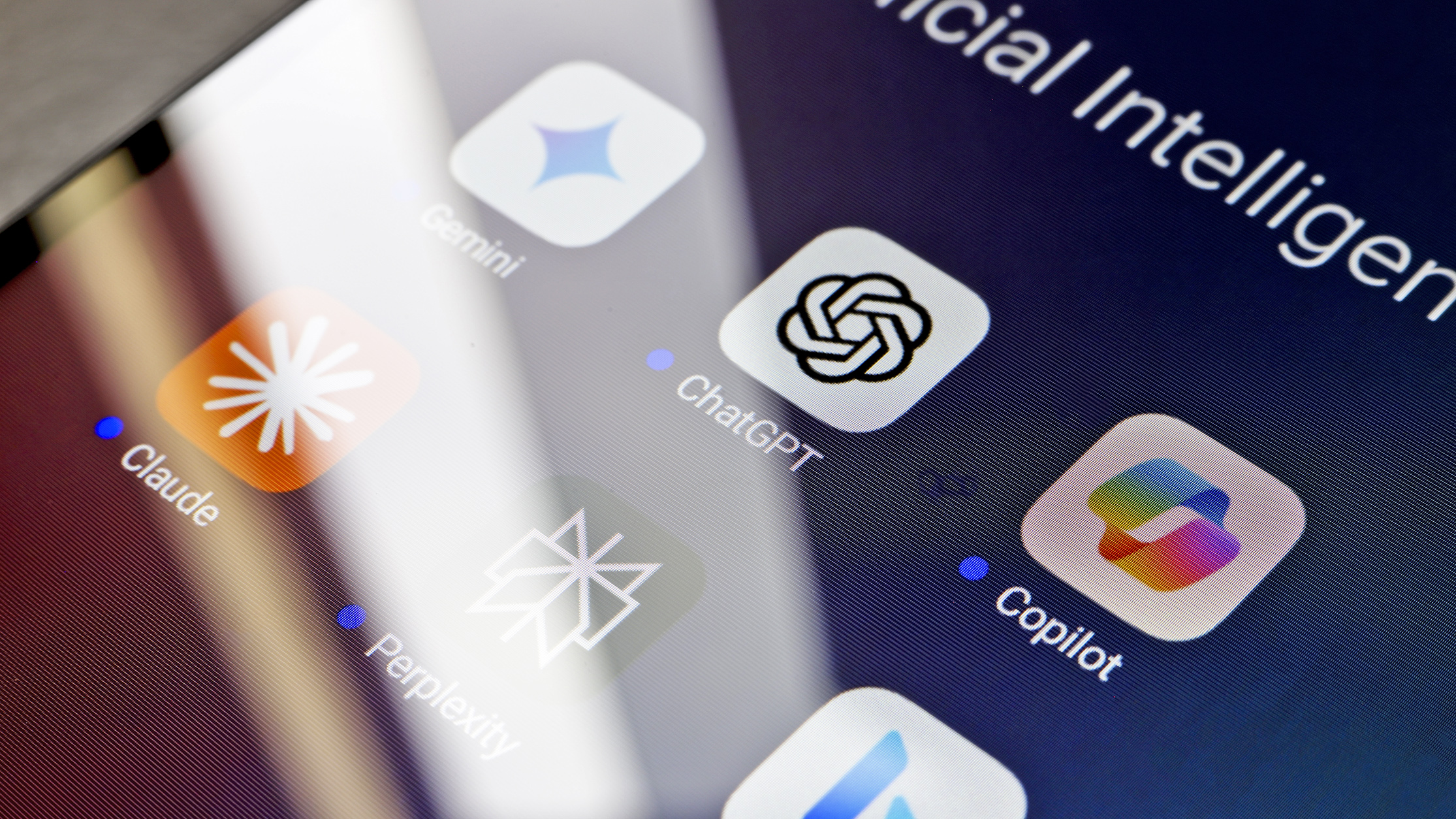
According to reports from The Information, confirmed by WSJ and Business Insider, OpenAI CEO Sam Altman has decided to put plans for advertising within ChatGPT on hold. Instead, the company is prioritizing efforts to outperform Google’s Gemini AI model.
Sam Altman sent a memo to his team, apparently expressing significant concern that Google’s Gemini AI poses a major threat to OpenAI’s business. As a result, OpenAI has put a hold on marketing, advertising tests, new features, and ways to make money, choosing instead to concentrate on making its AI models even better. Altman reportedly believes this focus could mean slower growth – potentially falling to single-digit percentages – through 2026, as they work to surpass a quickly improving Google.
Recently, HSBC and other financial institutions expressed concerns about OpenAI’s financial sustainability, noting it’s currently losing money quickly. Even positive forecasts indicate the company will require massive investment – potentially hundreds of billions of dollars – to continue operating.
OpenAI has been saving money to develop ways to generate revenue, which is crucial given its significant commitments to provide computing power—totaling around $1.4 trillion—to companies like Oracle and Softbank over the next ten years.
Now that Google’s Gemini is quickly becoming more powerful than ChatGPT – especially at creating both images and text – Microsoft’s current strategy seems increasingly lackluster in comparison.
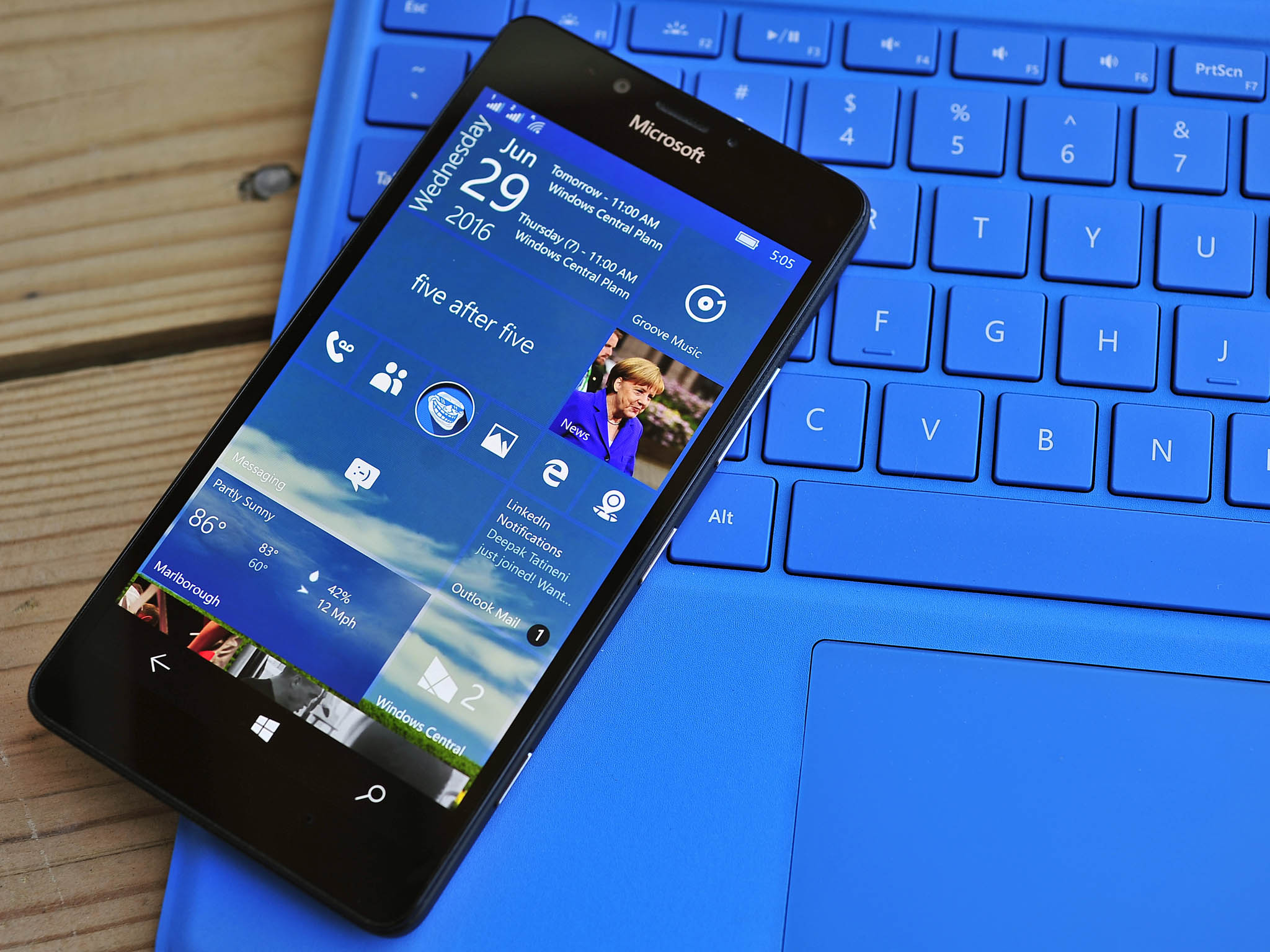
Analysis: I hate to bring up Windows Phone again … but …
Initially, Google’s stock price fell as investors favored Microsoft and its collaboration with OpenAI in the emerging field of artificial intelligence. But the situation is quickly shifting now.
Google is quietly making its AI tools genuinely helpful in everyday products. I find features like automatic calendar invites in Google Apps and transcripts from Google Meets really convenient. The photo enhancements on Pixel phones are the best around, and a tool called Nano Banana shows amazing promise in turning complex data into clear and accurate charts and graphs.
As a long-time tech fan, it’s still wild to think about how Microsoft basically let Google and Apple dominate the mobile world when smartphones first took off. They tried to get back in the game with Nokia, even buying them outright, to push Windows 10 Mobile. But when Satya Nadella took over as CEO and things didn’t improve quickly enough, he made the tough call to write off the entire Nokia acquisition. It felt like a pretty big admission of defeat at the time.
Sound familiar?
When Nokia and Windows didn’t work well together, it allowed rivals to gain an advantage by creating seamless, connected experiences that kept customers loyal. Microsoft CEO Satya Nadella has consistently overlooked the importance of *hardware* in Microsoft’s offerings, seemingly forgetting that people need a physical device to use their software. It’s striking to see similar dynamics between Nokia and Microsoft, and now between OpenAI and Microsoft—both partnerships appear to be both collaborative and, at times, competitive.
Google is starting to demonstrate a clear lead in both consumer and business AI. The AI features built into Android are genuinely helpful and currently surpass what Windows offers. In contrast, tools like Microsoft’s generative erase and object removal in Photos are unreliable and don’t seem to be improving. It’s frustrating to have to use a phone for simple photo editing when Microsoft is trying to position itself as an AI leader. Furthermore, Google’s own Tensor AI chips give it a significant cost advantage over solutions that rely on NVIDIA. While Microsoft is developing its own AI chips (Maia and Cobalt), its performance compared to Google’s technology remains unclear.
The same old problems are appearing again. OpenAI and Microsoft aren’t collaborating closely to deliver features to people. Surprisingly, OpenAI seems to prioritize support for Mac computers over Windows. Microsoft’s AI offerings are, at best, incomplete and, at worst, frustrating to use. Because Microsoft doesn’t control the standard settings on iPhones or Android phones, its AI tools aren’t likely to be used on mobile devices. This also means Microsoft won’t be able to collect the data needed to make its AI better.
Google’s ability to connect its services like Search, Android, and Google Apps – and soon likely YouTube – gives it a huge, almost unbeatable advantage that Microsoft should have anticipated. Just like Google Search did years ago, Gemini could quickly become dominant because of its access to user information, making it nearly impossible for OpenAI and Microsoft to compete. Without ongoing financial support, OpenAI risks failing quickly, and unlike a chocolate teapot, it won’t even be enjoyable going down.
Ultimately, Microsoft’s struggles stem from not having its own mobile devices. Satya Nadella’s leadership may be defined by a focus on quick wins and shifting priorities, along with a lack of clear commitment to everyday consumers. Simply buying companies isn’t enough to achieve lasting success; Microsoft needs a strong, consistent vision that prioritizes the needs of its customers, and that’s currently missing.
Read More
- Everything You Need To Know About Nikki Baxter In Stranger Things’ Animated Spinoff
- The Boys Season 5, Episode 5 Ending Explained: Why Homelander Does THAT
- Taylor Sheridan’s Gritty 5-Part Crime Show Reveals New Final Season Villain
- ‘The Bride!’ Review: Jessie Buckley Breathes Life into a Monstrous Mess
- FRONT MISSION 3: Remake coming to PS5, Xbox Series, PS4, Xbox One, and PC on January 30, 2026
- How to Build Water Elevators and Fountains in Enshrouded
- From season 4 release schedule: When is episode 2 out on MGM+?
- USD JPY PREDICTION
- Welcome to Demon School! Iruma-kun season 4 release schedule: When are new episodes on Crunchyroll?
- Mark Zuckerberg & Wife Priscilla Chan Make Surprise Debut at Met Gala
2025-12-02 13:10